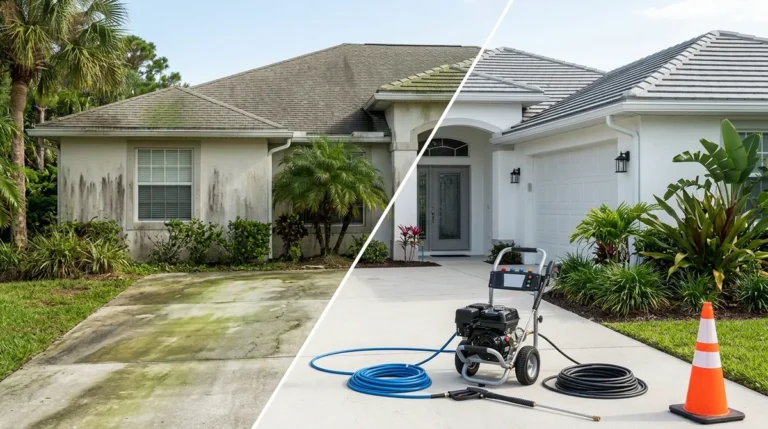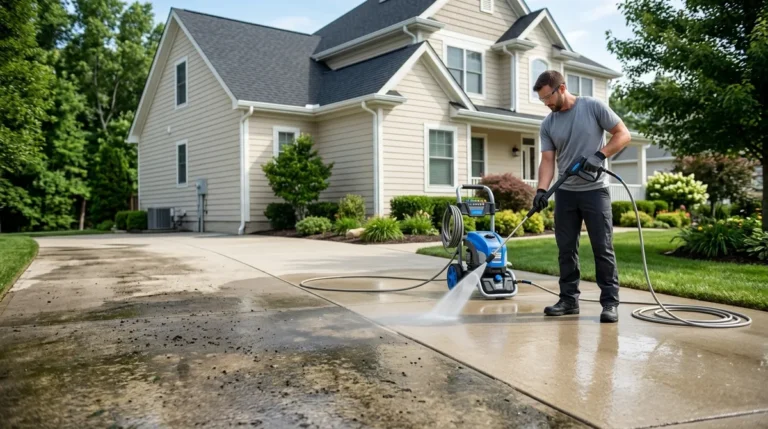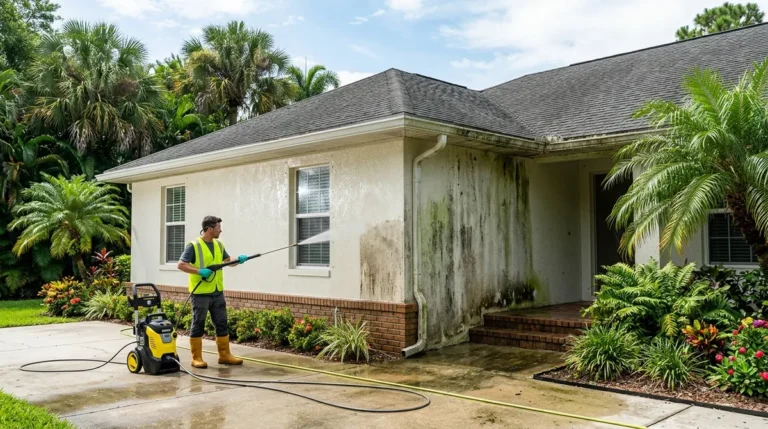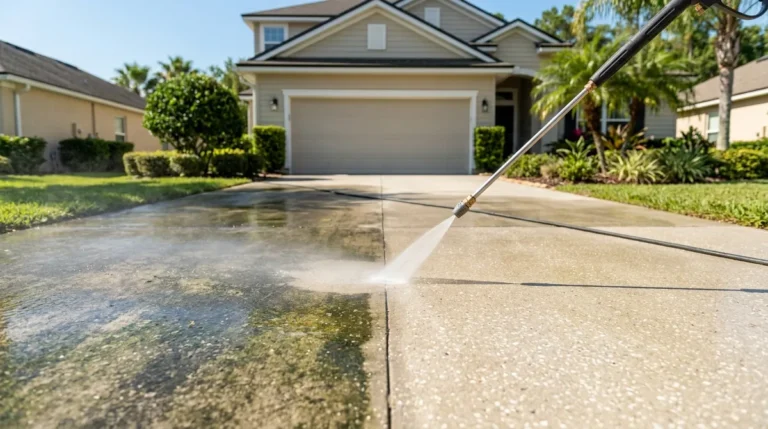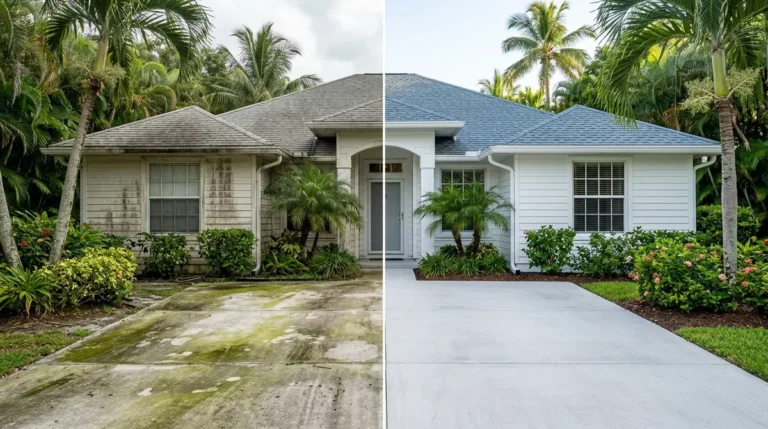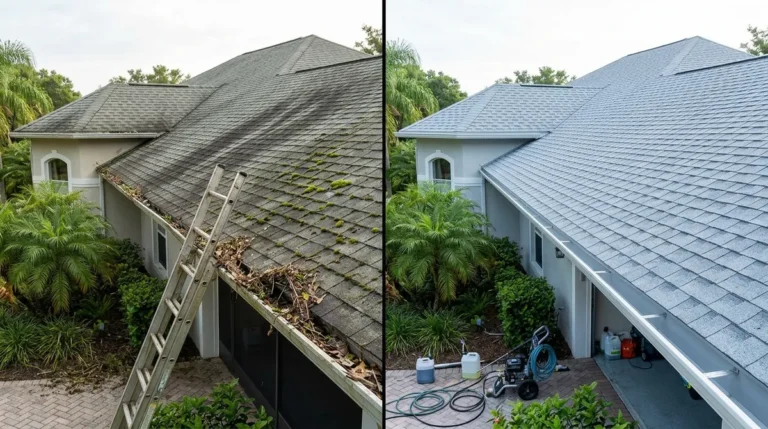
Your driveway is one of the first things visitors notice when approaching your home, yet it’s often one of the most neglected surfaces on your property. Over time, dirt, oil stains, mold, and mildew can transform a once-pristine driveway into an eyesore that diminishes your home’s curb appeal. Professional driveway cleaning services offer a solution that goes beyond what standard garden hoses and household cleaners can achieve. These specialized services use commercial-grade equipment, proven techniques, and eco-friendly solutions to restore your driveway to its original condition. Whether you’re preparing your home for sale, hosting an important event, or simply maintaining your property’s value, understanding how to select the right driveway cleaning service can save you time, money, and frustration. This comprehensive guide will walk you through everything you need to know about choosing a professional service that delivers exceptional results without breaking your budget.
Understanding Professional Driveway Cleaning Methods
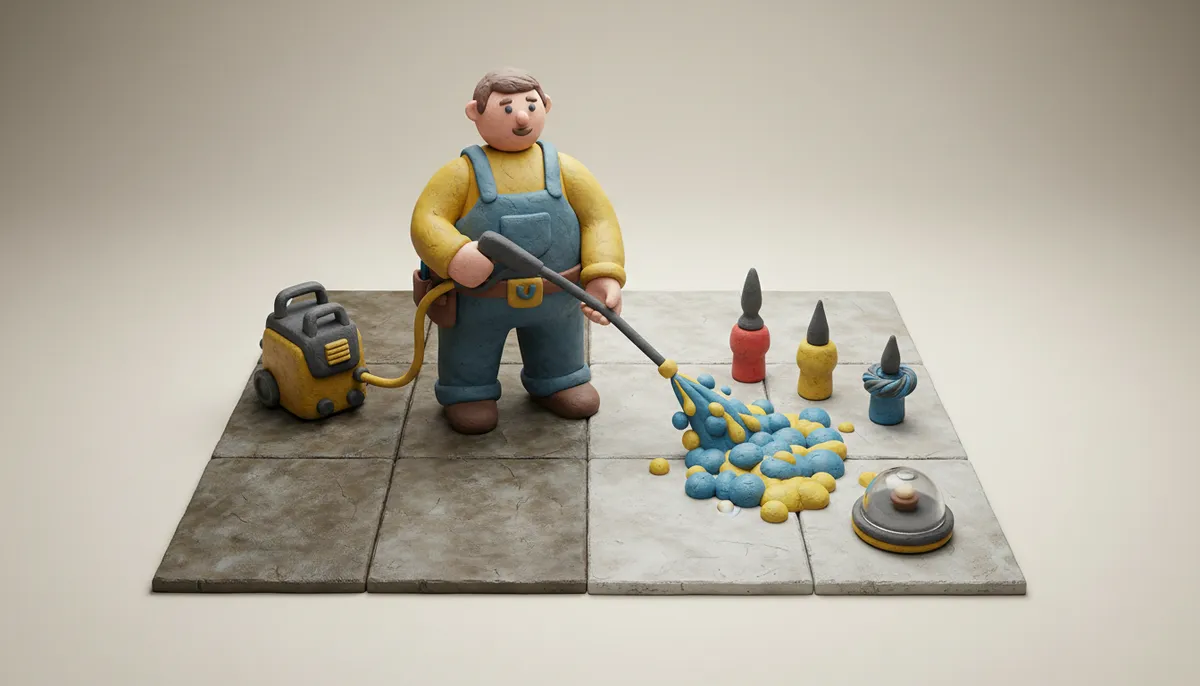
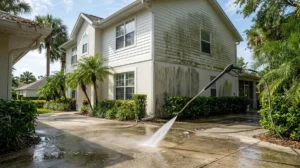
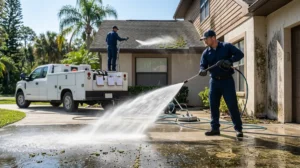
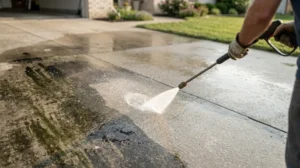
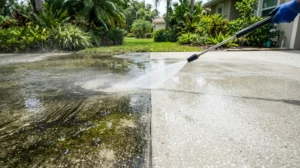
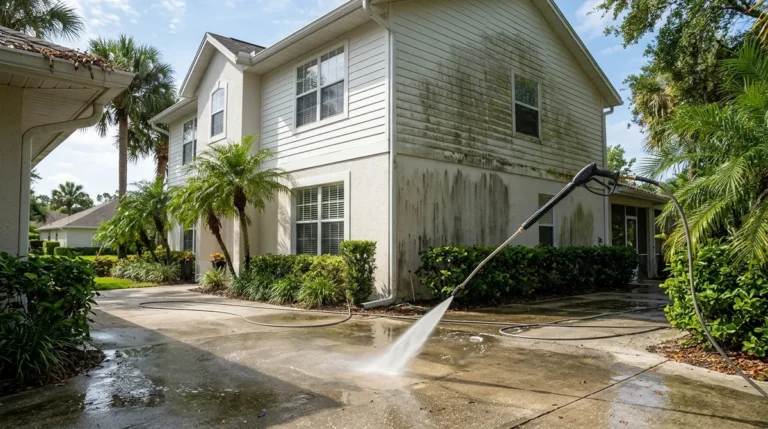
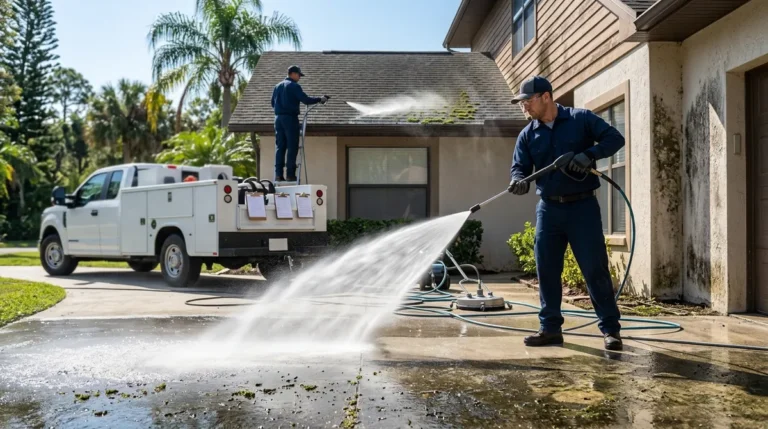
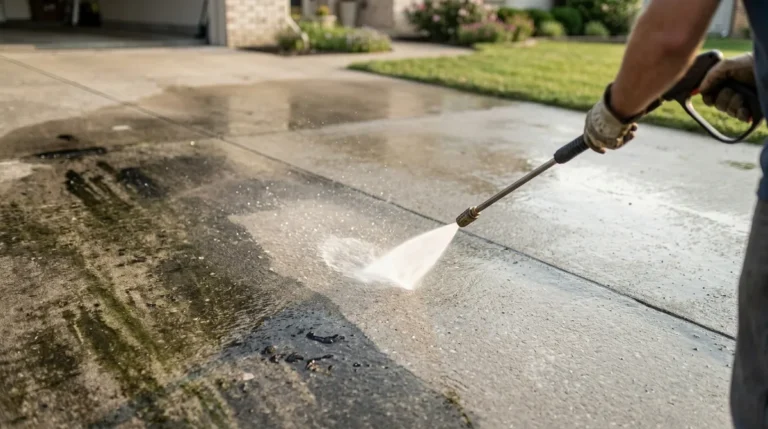
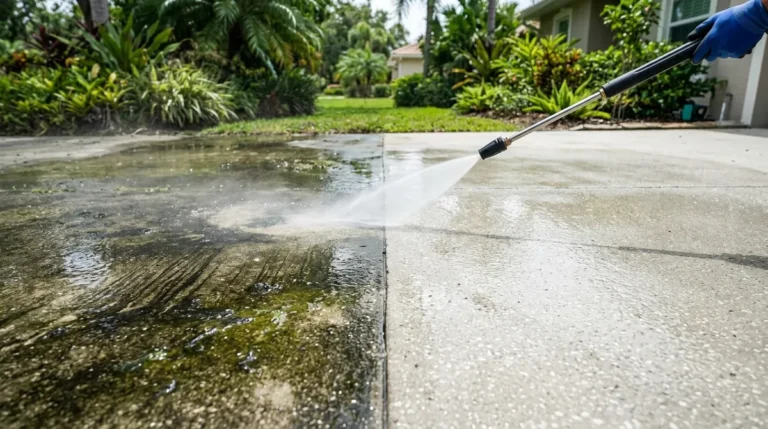
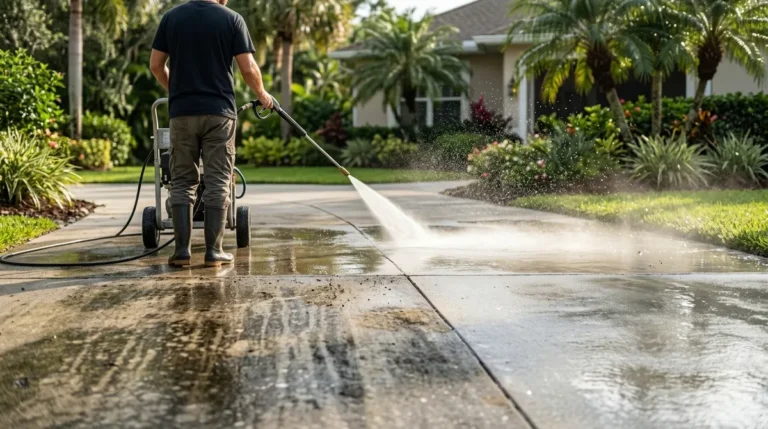
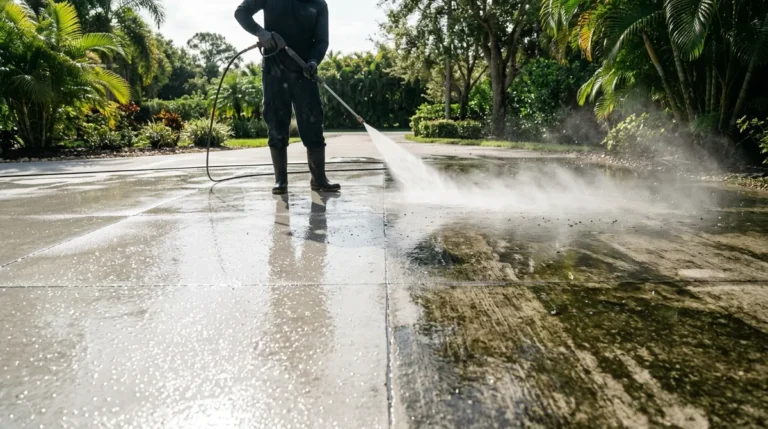
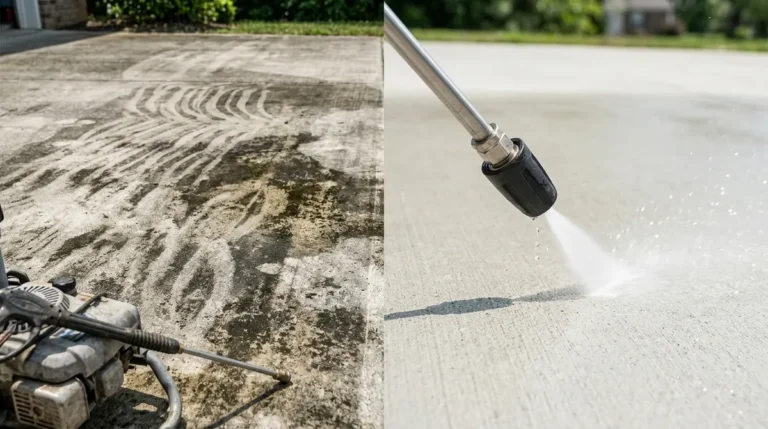
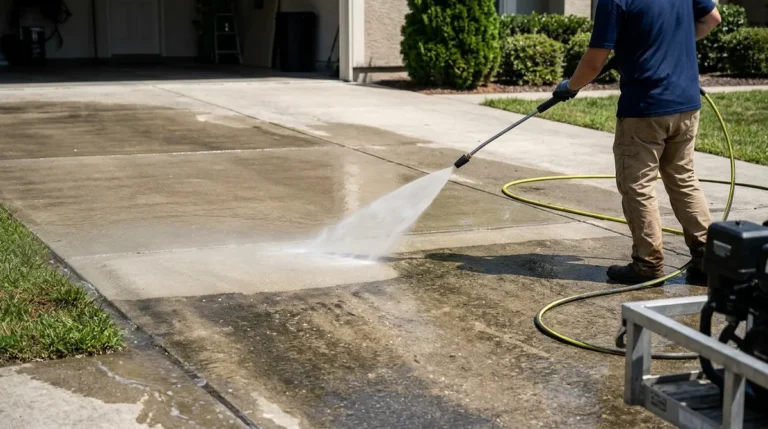
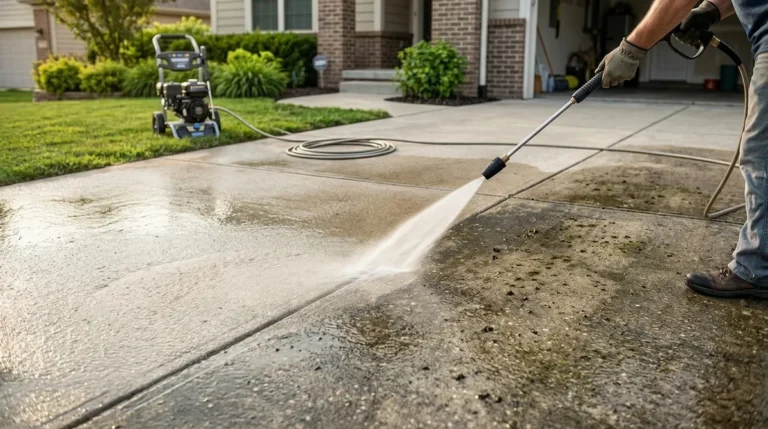
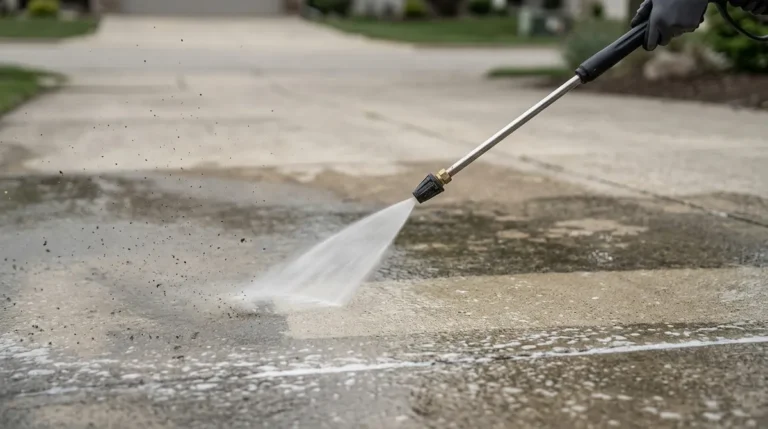
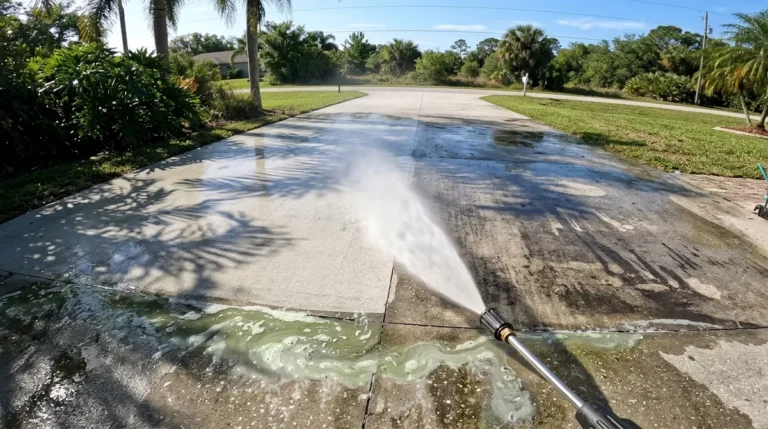
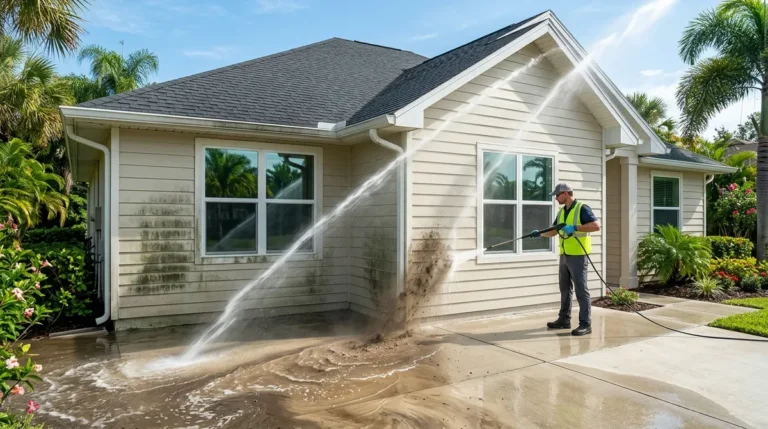
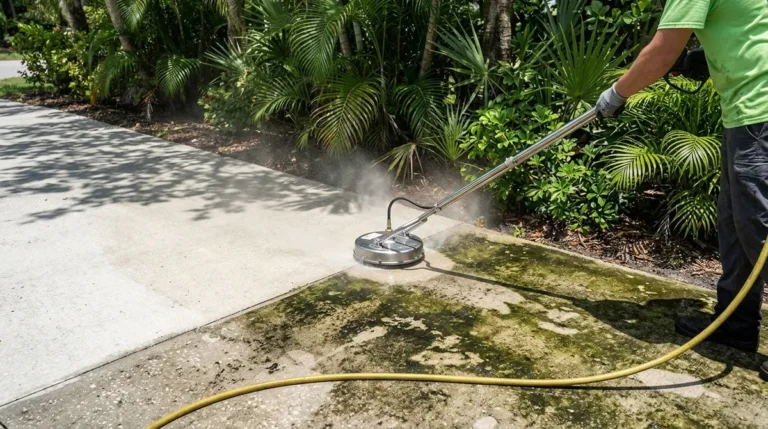
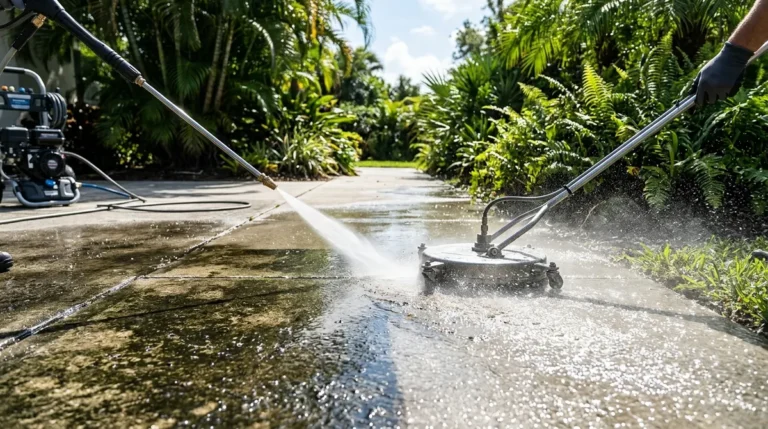
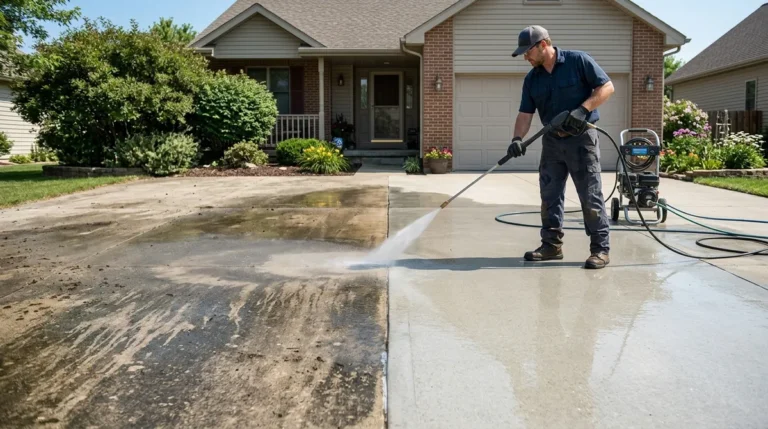
Professional driveway cleaning services utilize several distinct methods, each suited to different driveway materials and cleaning challenges. The most common technique is pressure washing, which uses high-pressure water streams to blast away dirt, grime, and stains. This method works exceptionally well on concrete and asphalt surfaces, removing years of accumulated debris in a fraction of the time manual scrubbing would require. Pressure washing typically operates at pressures between 2,000 to 4,000 PSI, making it powerful enough to eliminate stubborn stains while being controlled enough to avoid surface damage when operated by trained professionals.
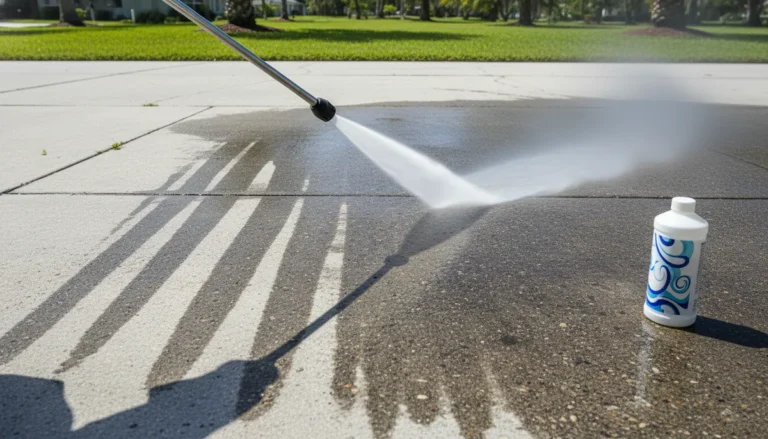
Soft washing represents an alternative approach that’s gaining popularity for delicate surfaces. This technique combines low-pressure water application with specialized cleaning solutions that break down organic matter like algae, moss, and mildew at the molecular level. Soft washing is particularly effective for driveways with decorative elements, pavers, or sealed surfaces where high pressure might cause damage. The cleaning solutions used in soft washing typically remain on the surface longer, allowing them to penetrate deeply and eliminate growth at its source, which often results in longer-lasting cleanliness compared to pressure washing alone.
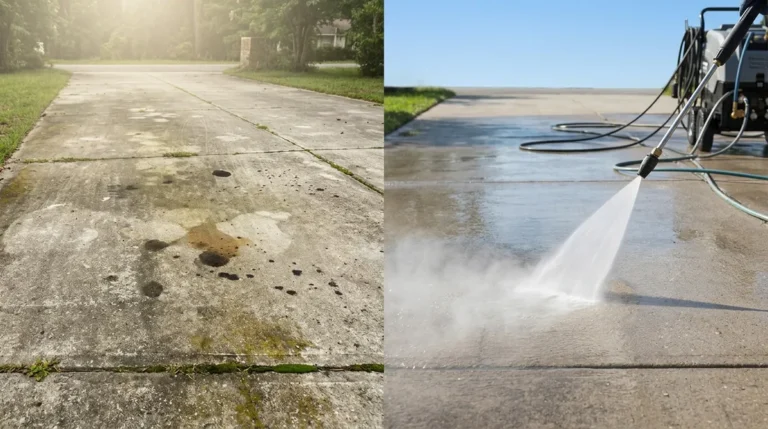
Hot water pressure washing elevates cleaning power by combining high pressure with heated water, typically ranging from 180 to 200 degrees Fahrenheit. This method excels at breaking down oil stains, grease, and other petroleum-based contaminants that cold water struggles to remove. The heat helps emulsify stubborn substances, making them easier to lift away from concrete or asphalt surfaces. Many professional services reserve hot water cleaning for commercial driveways or residential properties with significant oil staining from vehicle maintenance or leaks.
| Cleaning Method | Best For | Pressure Level | Typical Cost Range |
|---|---|---|---|
| Standard Pressure Washing | Concrete, asphalt | 2,000-4,000 PSI | $0.15-$0.30 per sq ft |
| Soft Washing | Pavers, sealed surfaces | 100-500 PSI | $0.20-$0.40 per sq ft |
| Hot Water Washing | Oil stains, grease | 2,000-4,000 PSI | $0.25-$0.50 per sq ft |
| Chemical Treatment | Rust, mineral deposits | Varies | $0.30-$0.60 per sq ft |
Key Factors to Evaluate When Selecting a Driveway Cleaning Service

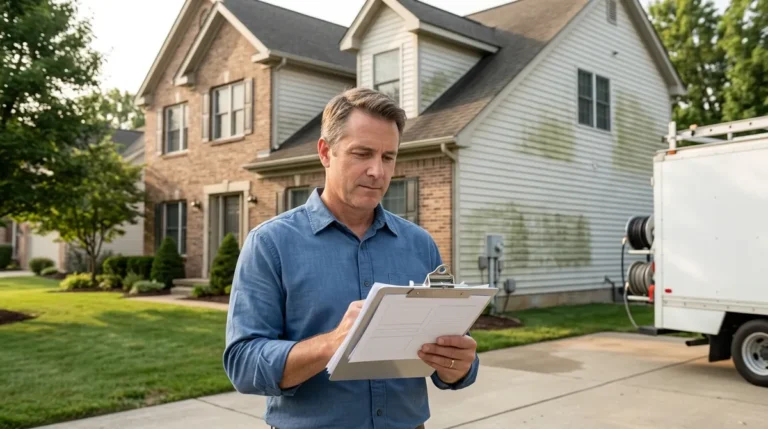
Licensing and insurance should top your priority list when evaluating driveway cleaning companies. Legitimate professional services carry general liability insurance that protects your property from accidental damage during the cleaning process. They should also maintain workers’ compensation coverage for their employees, shielding you from potential liability if someone gets injured on your property. Don’t hesitate to request proof of both types of insurance and verify that policies are current. Companies that resist providing this documentation often operate without proper coverage, leaving you financially vulnerable if something goes wrong.
Experience with your specific driveway material matters significantly. Concrete driveways require different treatment than asphalt, pavers, or exposed aggregate surfaces. A company specializing in concrete may not understand the nuances of cleaning brick pavers without dislodging joint sand or damaging the surface texture. During your initial consultation, ask about the contractor’s experience with your particular driveway type and request references from similar projects. Established companies like Buckhorn Power Wash typically maintain portfolios showcasing their work across various surface types, demonstrating their versatility and expertise.
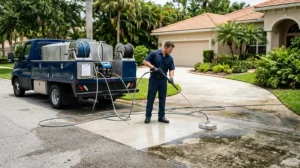
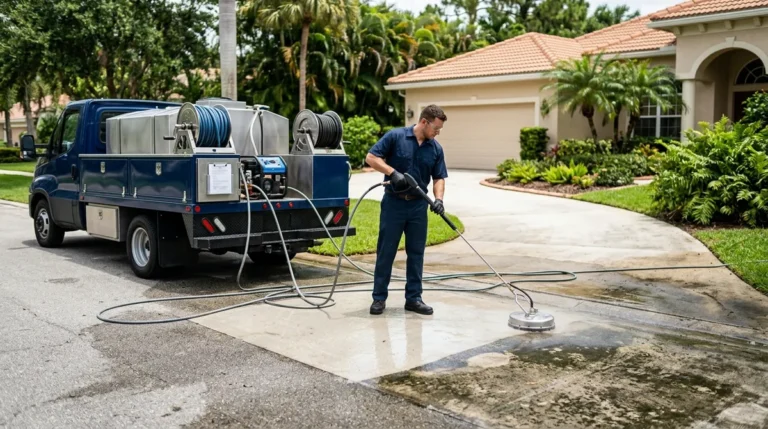
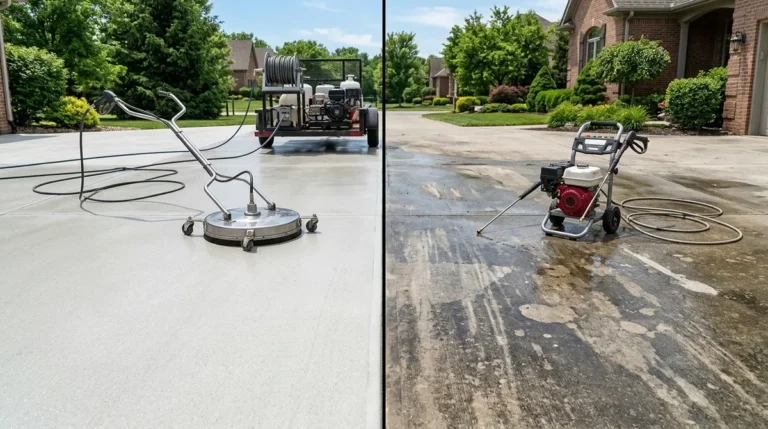
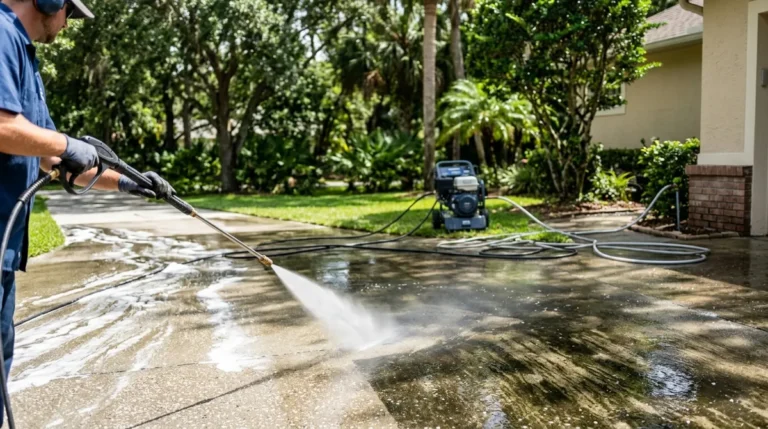
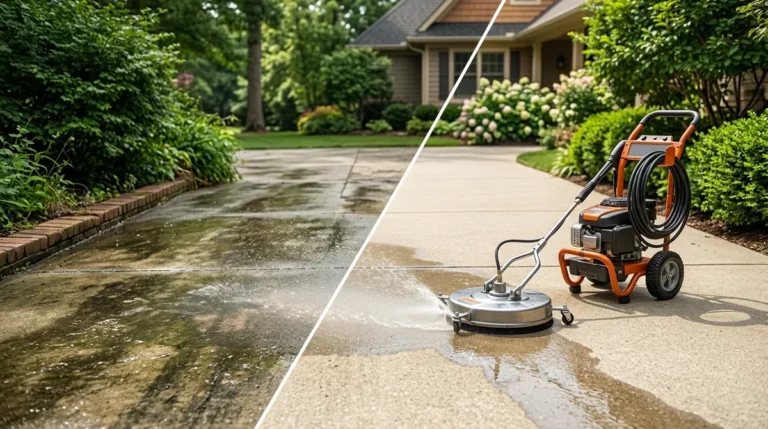
Equipment quality directly impacts cleaning results and project duration. Professional-grade pressure washers deliver consistent water pressure and flow rates that consumer models cannot match. They also feature adjustable nozzles and specialized surface cleaners that ensure even cleaning without streaks or tiger stripes. Ask potential contractors about their equipment specifications, including PSI ratings, gallons per minute (GPM) output, and whether they use surface cleaners or just wand attachments. Companies investing in quality equipment demonstrate commitment to delivering superior results rather than simply meeting minimum standards.
Questions to Ask Before Hiring
- What cleaning method do you recommend for my specific driveway material?
- Do you provide free estimates and transparent pricing?
- Can you provide references from recent driveway cleaning projects?
- What cleaning solutions do you use, and are they environmentally safe?
- How long will the cleaning process take for my driveway size?
- Do you offer any guarantees or warranties on your work?
- Will you protect surrounding landscaping and surfaces during cleaning?
- What preparation do I need to do before your arrival?
Understanding Pricing Structures and Getting Fair Value

Driveway cleaning services typically price their work using one of three models: per square foot, flat rate, or hourly billing. Per square foot pricing offers the most transparency, with rates generally ranging from $0.15 to $0.60 depending on your location, driveway condition, and cleaning method required. This model works well for standard residential driveways and allows easy comparison between competing quotes. However, be aware that extremely low per-square-foot rates often indicate corner-cutting, whether through rushed work, inferior cleaning solutions, or inadequate equipment.
Flat-rate pricing simplifies budgeting by providing a single total cost regardless of time spent on the project. This approach benefits homeowners with straightforward driveways of typical size and condition. However, flat rates can disadvantage you if your driveway requires minimal preparation or is particularly easy to clean. Conversely, if your driveway presents unexpected challenges like severe staining or difficult access, flat-rate pricing protects you from escalating costs. Always ensure flat-rate quotes include a detailed scope of work specifying what’s covered and what might incur additional charges.
Hourly rates typically range from $50 to $150 per hour for professional driveway cleaning services. This pricing model is less common for residential work but may apply to properties requiring extensive pre-treatment, multiple cleaning passes, or specialized stain removal techniques. Hourly billing can work in your favor if your driveway is in relatively good condition and will clean quickly, but it carries risk if the job takes longer than anticipated. Request time estimates in writing and ask about the contractor’s experience with similar projects to gauge accuracy.
Factors Affecting Driveway Cleaning Costs
- Driveway size and square footage – larger areas naturally cost more but often benefit from volume discounts
- Surface material and condition – heavily stained or damaged surfaces require more time and specialized treatment
- Accessibility and obstacles – driveways with limited access or numerous vehicles to work around increase labor time
- Geographic location – urban areas with higher operating costs typically charge premium rates
- Stain severity – oil, rust, and paint stains may require additional chemical treatments beyond standard cleaning
- Additional services – sealing, repairs, or treating surrounding areas add to the base cleaning cost
Environmental Considerations and Eco-Friendly Practices
Responsible driveway cleaning services prioritize environmental protection through thoughtful chemical selection and proper wastewater management. Traditional pressure washing can introduce harmful substances into storm drains and local waterways, including petroleum residues, heavy metals, and harsh chemical cleaners. According to the Environmental Protection Agency, runoff from cleaning operations represents a significant source of water pollution that many homeowners and contractors overlook. Professional services committed to environmental stewardship use biodegradable cleaning solutions that break down naturally without harming aquatic ecosystems or vegetation.
Water reclamation systems represent the gold standard in eco-friendly driveway cleaning. These systems capture, filter, and recycle wastewater during the cleaning process, preventing contaminated runoff from entering storm drains. While not yet universal in the industry, companies investing in reclamation technology demonstrate exceptional environmental responsibility. If water reclamation isn’t available, reputable contractors should at least employ containment techniques that direct runoff toward landscaped areas where soil can filter contaminants naturally, or collect wastewater for proper disposal at approved facilities.
Chemical selection matters significantly for environmental impact and safety around children and pets. Sodium hypochlorite (bleach) remains common in driveway cleaning but can damage plants, corrode metal surfaces, and irritate skin and respiratory systems. Environmentally conscious alternatives include enzyme-based cleaners that digest organic matter, oxygen-based treatments that break down safely, and plant-derived surfactants that lift dirt without toxic residues. Ask potential contractors specifically about their cleaning solutions and request safety data sheets (SDS) for products they plan to use on your property.
Preparing Your Driveway for Professional Cleaning
Proper preparation ensures efficient service and optimal results from your driveway cleaning appointment. Start by removing all vehicles, bicycles, children’s toys, and other movable items from the driveway and immediate surrounding areas. This clearance allows contractors to work continuously without interruption and ensures they can clean every inch of the surface. If you have a particularly cluttered driveway, consider clearing it the evening before the scheduled service to avoid morning-of delays that might reduce the time available for actual cleaning.
Inspect your driveway for loose materials, structural damage, or areas requiring special attention. Sweep away loose dirt, leaves, and debris to allow pressure washing to focus on embedded stains rather than surface litter. Note any cracks, chips, or damaged areas and point them out to your contractor during the pre-service walkthrough. While pressure washing won’t fix structural issues, professionals can often recommend repairs or adjust their techniques to avoid exacerbating existing damage. If you have concerns about specific stains—oil spots, rust marks, or paint spills—alert your contractor beforehand so they can bring appropriate treatment products.
Protect surrounding areas vulnerable to water damage or chemical exposure. Close all windows and doors leading to the driveway to prevent water intrusion. Cover nearby plants, especially delicate flowers or new plantings, with plastic sheeting or tarps. If you have decorative elements like lawn ornaments, outdoor furniture, or potted plants near the driveway, relocate them to safe areas. Communicate with family members and neighbors about the scheduled cleaning, particularly regarding noise levels and potential water spray that might affect adjacent properties.
Post-Cleaning Maintenance and Protection
Professional cleaning removes years of accumulated grime, but maintaining that fresh appearance requires ongoing attention and preventive care. Immediately after cleaning, your driveway will be more porous and vulnerable to staining as protective layers of dirt are removed. Avoid parking vehicles on the freshly cleaned surface for at least 24 hours, particularly if you plan to apply a protective sealer. This waiting period allows the driveway to dry completely and prevents tire marks from embedding into the clean surface.
Sealing your driveway within 48-72 hours of cleaning provides maximum protection against future staining and weather damage. Sealers create a barrier that prevents oil, grease, and other contaminants from penetrating the concrete or asphalt surface. They also protect against moisture infiltration that can cause freeze-thaw damage in colder climates. While you can apply sealers yourself, professional application ensures even coverage and proper product selection for your specific driveway material. Many companies that offer comprehensive cleaning services also provide sealing as an add-on option, often at a discounted rate when combined with cleaning.
| Maintenance Task | Frequency | Benefit | DIY or Professional |
|---|---|---|---|
| Regular sweeping | Weekly | Prevents debris accumulation | DIY |
| Spot cleaning stains | As needed | Prevents permanent staining | DIY |
| Professional deep cleaning | Annually | Maintains appearance and value | Professional |
| Sealer application | Every 2-3 years | Protects surface from damage | Either |
| Crack repair | As needed | Prevents structural deterioration | Professional |
Simple Maintenance Tips for Long-Lasting Results
- Address oil leaks immediately by applying absorbent materials and cleaning with degreaser
- Rinse away spills from automotive fluids, fertilizers, or other chemicals within 24 hours
- Use drip pans under vehicles with known leaks to prevent staining
- Trim overhanging trees and shrubs that drop sap, seeds, or berries onto the driveway
- Redirect downspouts and improve drainage to prevent standing water that encourages mold growth
- Avoid using metal snow shovels or sharp implements that can scratch or gouge the surface
- Apply ice melt products sparingly and choose formulas that won’t damage concrete or asphalt
Red Flags and Warning Signs to Avoid
Certain practices signal unprofessional or potentially problematic service providers that you should avoid. Door-to-door solicitation ranks among the biggest warning signs in the pressure washing industry. Legitimate, established companies rarely need to drum up business through cold calling or surprise visits. These unsolicited contractors often pressure homeowners into immediate decisions, offer suspiciously low prices, and may lack proper licensing or insurance. If someone appears at your door offering driveway cleaning services, politely decline and research reputable local companies instead.
Requests for full payment upfront should raise immediate concerns. Standard industry practice involves paying a small deposit (typically 10-25%) to secure your appointment, with the balance due upon satisfactory completion. Contractors demanding full advance payment may be experiencing cash flow problems, planning to disappear with your money, or lack confidence in their ability to deliver satisfactory results. Similarly, be wary of companies that only accept cash payments, as this often indicates they’re operating off the books to avoid taxes or insurance requirements.
Vague estimates without detailed scope descriptions often lead to disputes over final costs. Professional contractors provide written estimates specifying square footage, cleaning methods to be used, areas to be treated, and any exclusions or additional charges that might apply. According to the Better Business Bureau, many consumer complaints about service contractors stem from misunderstandings about work scope that could have been prevented through clear written agreements. Refuse to hire any company unwilling to provide detailed, written estimates before beginning work.
Benefits Beyond Aesthetics: Why Regular Driveway Cleaning Matters
Clean driveways deliver value far beyond improved curb appeal. Regular professional cleaning extends your driveway’s functional lifespan by removing contaminants that cause structural deterioration. Oil and petroleum products penetrate concrete and asphalt, breaking down binding agents and weakening the surface structure. Organic growth like algae and moss retain moisture against the driveway surface, accelerating freeze-thaw damage in winter climates. By removing these harmful substances through regular cleaning, you prevent expensive repairs or premature replacement that can cost thousands of dollars.
Safety improvements represent another crucial benefit of professional driveway cleaning. Algae, moss, and accumulated grime create slippery surfaces that increase fall risks, particularly when wet or during winter freezing. This hazard affects everyone who walks on your driveway—family members, visitors, and delivery personnel. Clean, properly maintained driveways provide better traction and significantly reduce liability concerns. For households with elderly residents or young children, this safety enhancement alone justifies the investment in professional cleaning services.
Property value preservation makes driveway cleaning a smart financial decision for homeowners planning to sell. Real estate professionals consistently emphasize that first impressions dramatically impact buyer perceptions and offers. A stained, dirty driveway suggests overall neglect that makes buyers question what other maintenance has been deferred. The National Association of Realtors reports that exterior cleaning projects deliver some of the highest returns on investment in terms of buyer appeal. Spending a few hundred dollars on professional driveway cleaning can translate to thousands in additional home value or faster sale times.
DIY vs. Professional Service: Making the Right Choice
Many homeowners consider renting pressure washing equipment to tackle driveway cleaning as a do-it-yourself project. While rental equipment is readily available at home improvement stores for $50-100 per day, this approach carries several significant drawbacks. Consumer-grade rental units typically operate at lower PSI and GPM ratings than professional equipment, resulting in longer cleaning times and less thorough results. Without proper training, DIY operators risk damaging their driveway through incorrect nozzle selection, excessive pressure, or inconsistent technique that leaves streaks and tiger stripes requiring professional correction.
Safety concerns present another compelling reason to choose professional services over DIY attempts. Pressure washers generate enough force to cause serious injury, including deep lacerations and injection injuries where high-pressure water enters the body. Each year, emergency rooms treat thousands of pressure washing injuries ranging from cuts and bruises to severe trauma requiring surgery. Professional operators undergo safety training and use appropriate protective equipment that most homeowners lack. They also carry insurance covering potential property damage or injuries, whereas DIY mishaps leave you personally liable.
Time investment and convenience favor professional services for most homeowners. Cleaning an average two-car driveway yourself typically requires 4-6 hours including equipment pickup, setup, actual cleaning, and return of rental equipment. You’ll also need to research proper techniques, purchase cleaning solutions, and potentially make multiple trips if you damage or run out of supplies. Professional services complete the same work in 1-2 hours with superior results, freeing your weekend for more enjoyable activities. When you factor in your time’s value and the stress of operating unfamiliar equipment, professional cleaning often proves more cost-effective than the DIY approach.
Seasonal Considerations for Optimal Driveway Cleaning
Timing your driveway cleaning for optimal weather conditions ensures the best results and longest-lasting cleanliness. Spring represents the most popular season for driveway cleaning, as homeowners address winter damage and prepare properties for warmer months. Temperatures between 50-80 degrees Fahrenheit create ideal conditions where cleaning solutions work effectively without evaporating too quickly or freezing on the surface. Spring cleaning also removes winter salt residue, accumulated sand, and organic debris that accumulated during months when outdoor maintenance typically pauses.
Fall cleaning provides strategic benefits for homeowners in regions experiencing harsh winters. Removing organic matter, oil stains, and moisture-retaining debris before winter reduces freeze-thaw damage that occurs when water trapped in surface pores expands during freezing. Fall cleaning also prepares your driveway for sealer application that provides winter protection. However, avoid scheduling cleaning too late in the season—temperatures must remain above 50 degrees for several days after cleaning to allow proper drying and sealer curing if you choose to seal.
Summer presents challenges for driveway cleaning despite being generally good weather. High temperatures cause cleaning solutions to evaporate rapidly, reducing their effectiveness and potentially leaving residue streaks. Intense sun can also make working conditions uncomfortable for contractors and may affect their efficiency. If you schedule summer cleaning, aim for early morning appointments before peak heat, and ensure contractors shade their work area when possible. Winter cleaning is generally inadvisable in freezing climates, though milder winter regions can accommodate year-round service with temperature-appropriate techniques.
Conclusion: Investing in Your Home’s First Impression
Choosing the right driveway cleaning service requires balancing multiple factors including cleaning methods, contractor qualifications, pricing structures, and environmental practices. By understanding these elements and knowing which questions to ask, you can confidently select a service provider who delivers exceptional results that enhance your home’s appearance, protect your investment, and provide lasting value. Remember that the cheapest option rarely proves most economical when you consider potential property damage, inadequate results requiring re-cleaning, or environmental harm from irresponsible practices.
Professional driveway cleaning represents one of the most cost-effective home improvement investments you can make. The dramatic visual transformation, structural preservation benefits, and safety improvements justify the modest expense for most homeowners. Whether you’re preparing to sell, hosting special events, or simply maintaining pride in your property, a professionally cleaned driveway creates powerful positive impressions that reflect your commitment to property maintenance and community standards.
When you’re ready to experience the remarkable difference professional cleaning makes, consider partnering with an established local company that prioritizes quality results and customer satisfaction. Visit us on Google to see reviews from satisfied customers who’ve transformed their driveways. Take the first step toward a cleaner, more attractive property today—Get an Instant Quote and discover how affordable professional driveway cleaning can be!
FAQs
Q: How often should I have my driveway professionally cleaned?
A: Most residential driveways benefit from professional cleaning once per year, typically in spring or fall. Properties with heavy tree coverage, frequent oil leaks, or high traffic may require cleaning twice annually. Regular annual maintenance prevents buildup that becomes increasingly difficult and expensive to remove over time.
Q: Will pressure washing damage my concrete or asphalt driveway?
A: When performed by trained professionals using appropriate pressure settings and techniques, pressure washing is safe for concrete and asphalt driveways. Professional contractors adjust PSI levels, nozzle types, and cleaning methods based on your specific surface material and condition. Damage typically occurs only when inexperienced operators use excessive pressure or incorrect techniques.
Q: What’s the difference between pressure washing and soft washing for driveways?
A: Pressure washing uses high-pressure water (2,000-4,000 PSI) to physically blast away dirt and stains, making it ideal for concrete and asphalt. Soft washing combines low-pressure application (100-500 PSI) with specialized cleaning solutions that chemically break down contaminants, which works better for delicate surfaces like pavers or sealed driveways where high pressure might cause damage.
Q: Can professional cleaning remove oil stains from my driveway?
A: Professional driveway cleaning services can effectively remove most oil stains using hot water pressure washing combined with specialized degreasers. Fresh stains respond better than old, deeply penetrated ones. For best results, address oil spills quickly and inform your contractor about stain locations so they can apply pre-treatment products that break down petroleum-based contaminants.
Q: How long does professional driveway cleaning typically take?
A: Most standard residential two-car driveways require 1-2 hours for professional cleaning, depending on size, condition, and stain severity. Larger driveways or those requiring extensive pre-treatment, spot cleaning, or additional services like sealing will take longer. Professional contractors provide time estimates during the quoting process based on your specific property conditions.