Key Takeaways
-
Use 2,000-3,000 PSI for residential concrete driveways; exceeding this range can etch, pit, or crack the surface and cause costly damage.
-
Pre-treat concrete with appropriate degreasers and cleaning solutions before pressure washing to loosen embedded stains and improve cleaning effectiveness.
-
Maintain safe nozzle distance of 6-12 inches from concrete surface and use 15° or 25° nozzle tips for most jobs; avoid red zero-degree tips that create gouges.
-
Follow a systematic cleaning pattern with overlapping parallel passes, starting with a light rinse, applying detergent for 5-10 minutes, then working methodically to avoid streaks.
-
Always seal concrete after cleaning since it's porous and quickly reabsorbs oil, water, and grime; sealing protects against UV rays and future staining.
-
Inspect concrete for existing cracks before pressure washing and seal small cracks beforehand; high-pressure water can force into cracks and widen them over time.
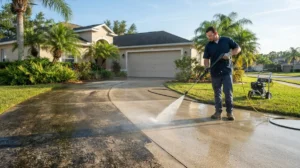
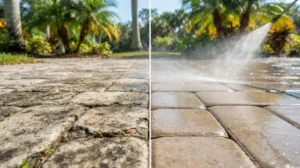
Your driveway takes a beating every single day. Oil drips, tire marks, algae growth, and Florida’s relentless humidity all team up to make your concrete look tired and worn. When you finally decide to tackle it, grabbing a concrete pressure cleaner seems like the obvious solution. But here’s the thing — there are some really common mistakes that can make the problem worse, not better. From cracking the surface to leaving ugly streaks behind, DIY concrete cleaning gone wrong is more common than you’d think. Whether you’re a busy Hillsborough County homeowner or someone who just wants their driveway to look great again, this guide is for you. We’re walking through the 10 most damaging mistakes people make when using a concrete pressure cleaner — so you know exactly what to avoid (and when to call in the pros).
1. Using the Wrong Pressure Setting
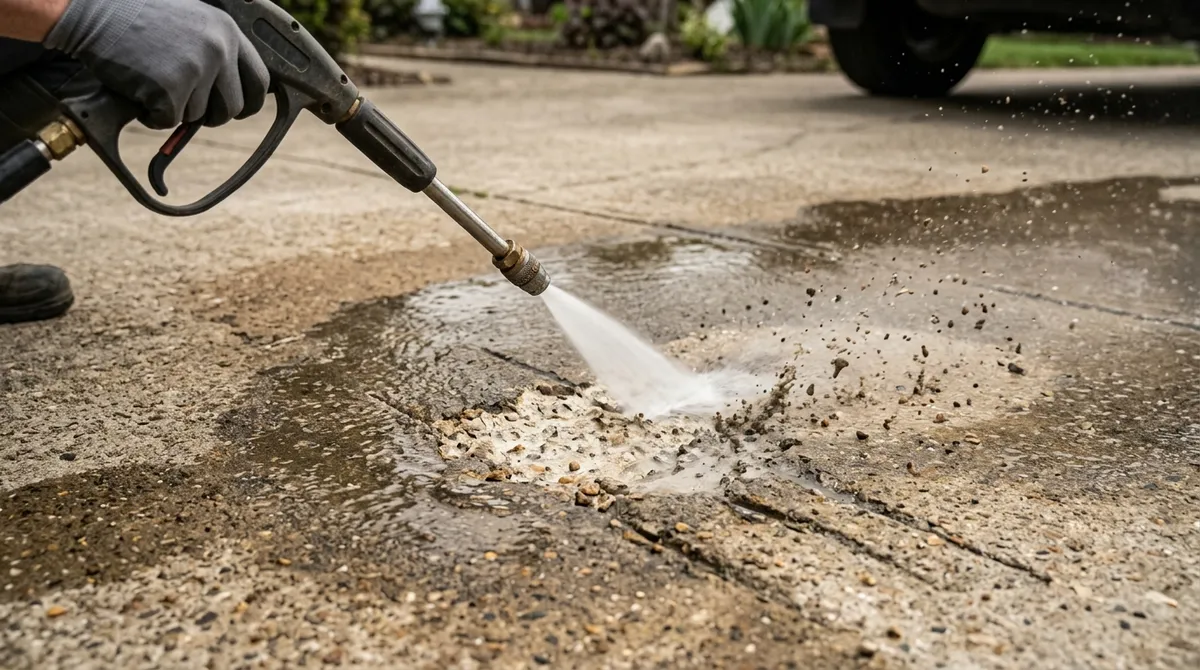
This is the number one mistake homeowners make. Concrete looks tough, but too much pressure can actually etch, pit, or crack the surface. Most residential concrete driveways do best with 2,000 to 3,000 PSI. Going above that without experience can cause real damage that’s costly to repair.
On the flip side, too little pressure won’t remove stubborn stains like oil or algae. Finding the sweet spot matters. If you’re not sure, it’s worth checking out how to clean concrete with a pressure washer the right way before you start.
2. Skipping the Pre-Treatment Step
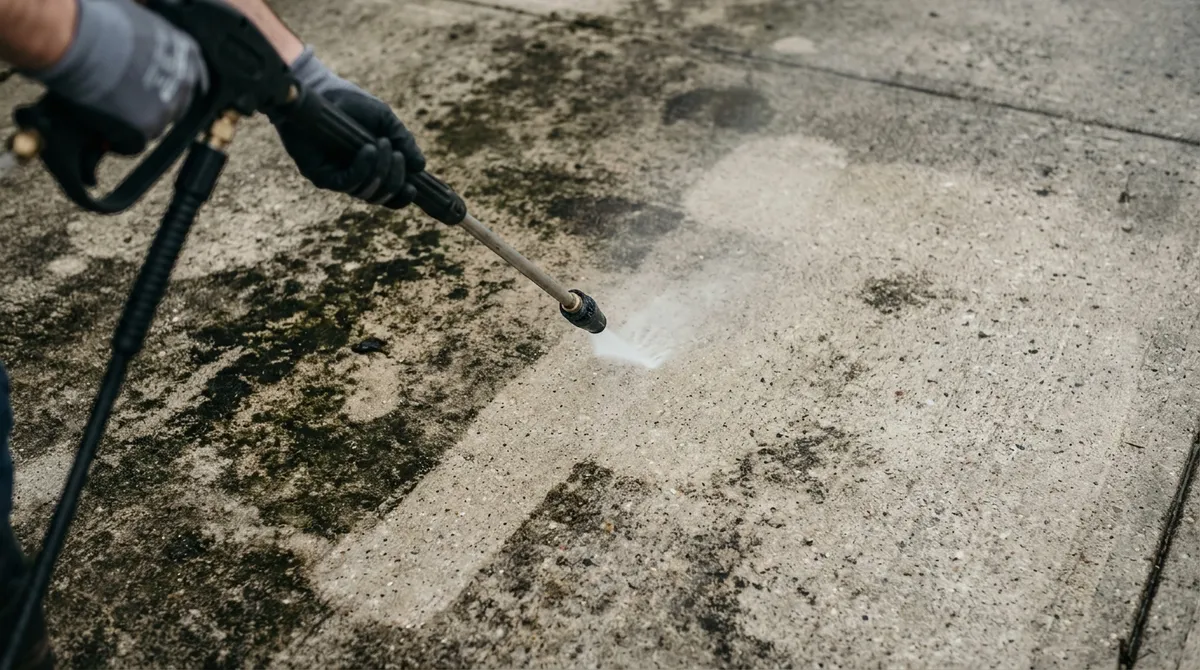
A concrete pressure cleaner works much better when you prep the surface first. Many people just point and shoot, but skipping pre-treatment leaves behind embedded stains. Degreasers and cleaning solutions loosen grime so the water can actually flush it away.
For things like oil spots or heavy algae buildup, a pre-soak with the right detergent makes a huge difference. Learn more about why using a pressure washer for concrete driveway cleaning involves more than just water.
3. Holding the Nozzle Too Close
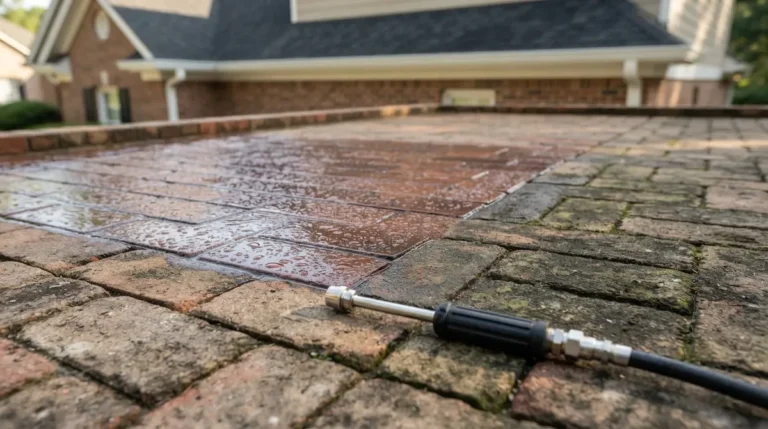
It feels like getting closer means cleaning better. But holding the nozzle just a few inches from your concrete can seriously damage the surface. You can strip the top layer, expose aggregate, or even crack older concrete.
Here’s a quick guide for safe nozzle distances:
| Nozzle Angle | Best Use | Safe Distance |
|---|---|---|
| 0° (Red) | Pinpoint tough spots only | 12+ inches |
| 15° (Yellow) | Heavy stains, concrete | 8–12 inches |
| 25° (Green) | General surface cleaning | 6–10 inches |
| 40° (White) | Light rinsing and soft surfaces | 4–8 inches |
Keep moving and maintain a consistent distance. Your concrete will thank you for it.
4. Using the Wrong Nozzle Tip
Not all nozzle tips are created equal. The red zero-degree tip might seem like the ultimate stain fighter, but it concentrates pressure into a tiny pinpoint. On concrete, this creates lines and gouges. Stick to 15° or 25° tips for most concrete pressure cleaner jobs.
If you’re curious about common mistakes to avoid when using a power washer to clean concrete, nozzle selection is always near the top of the list.
5. Cleaning Without a Plan or Pattern
Random scrubbing leaves streaks and uneven results. Concrete pressure cleaning works best when done in a systematic pattern. Without one, you end up with lap marks and sections that look dirtier than others.
Follow this simple step-by-step approach for clean, streak-free results:
- Rinse the entire surface lightly to wet it down.
- Apply your cleaning detergent and let it dwell for 5–10 minutes.
- Work in overlapping, parallel passes from one end to the other.
- Rinse in the same direction as your cleaning passes.
- Do a final walkthrough rinse to remove any detergent residue.
This method ensures even coverage and no leftover streaks. Want to go deeper? Check out how to pressure clean your driveway for lasting results.
6. Ignoring Cracks Before You Start
Pressure washing a cracked driveway can make things much worse. High-pressure water forces itself into existing cracks and can widen them over time. Before you run a concrete pressure cleaner over your surface, inspect it carefully for cracks or spalling.
Small cracks should be sealed before cleaning. Large structural cracks may need professional attention. Jumping straight to pressure washing without checking is a mistake that leads to expensive repairs down the road.
7. Overlooking Surrounding Plants and Property
The spray from a concrete pressure cleaner doesn’t just go one direction. Water and cleaning chemicals can splash onto flower beds, painted surfaces, vehicles, and even windows. Many homeowners discover too late that their cleaning solution damaged nearby landscaping.
Before you start, take these precautions:
- Move vehicles, patio furniture, and potted plants away from the area.
- Cover or wet down nearby grass and flower beds to dilute overspray.
- Close windows and doors near the work area.
- Use eco-friendly detergents that are safe for plants if runoff is a concern.
- Rinse nearby surfaces with plain water after you’re done.
Eco-conscious homeowners in Hillsborough County especially appreciate professional driveway and concrete cleaning services that use environmentally responsible methods and know how to protect your landscaping.
8. Skipping Safety Gear
A pressure washer is not a garden hose. The force it generates can cause serious injuries. Many DIYers skip safety gear because they’re just doing a “quick clean.” But even a brief contact with a high-pressure stream can lacerate skin.
Always wear this gear when operating a concrete pressure cleaner:
- Safety goggles or glasses to protect your eyes from debris.
- Waterproof, closed-toe boots with good grip.
- Long pants and long sleeves to protect your skin.
- Heavy-duty gloves for hand protection.
Time-poor professionals and busy families often prefer to hire professional pressure washing services just to skip the safety hassles and risks entirely. That’s a completely valid choice!
9. Not Sealing the Concrete After Cleaning
You’ve done all the hard work. The driveway looks amazing. Then you skip the sealing step — and within a few months, the stains are back. Sealing is what locks in your results and protects the concrete from future damage.
Here’s why skipping the seal is a big mistake:
- Concrete is porous and soaks up oil, water, and chemicals fast.
- Without a sealant, algae and mold return much sooner.
- Sealing protects against Florida’s UV rays and heavy rain.
- It makes future cleaning much easier and faster.
If you’re interested in combining cleaning and sealing in one visit, explore driveway cleaning and sealing services near you to keep your concrete looking great year-round.
10. Trying to DIY When the Job Needs a Pro
Sometimes the job is bigger than a rental pressure washer can handle. Stubborn oil stains, heavily embedded algae, and large driveway surfaces often need professional-grade equipment and cleaning agents. DIY attempts on these jobs frequently result in uneven cleaning, surface damage, or wasted time and money.
This is especially true in Florida’s climate. The heat and humidity in Hillsborough County create perfect conditions for algae, mold, and mildew to set deep into concrete. A professional concrete pressure cleaner service uses the right PSI, the right detergents, and the right technique to get your driveway truly clean — not just surface-level rinsed.
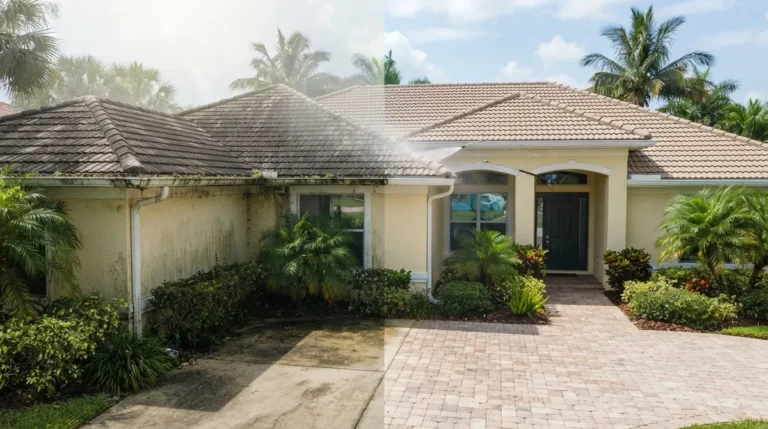
At Buckhorn Power Wash, we specialize in driveway and concrete cleaning for homeowners throughout Hillsborough County. Our team knows how to tackle Florida’s toughest concrete stains safely and effectively. You can also check out our before-and-after gallery to see what a professional clean really looks like.
When to Call a Professional Concrete Pressure Cleaner
Not every driveway job needs a professional, but some situations definitely do. Knowing when to put down the hose and pick up the phone can save you a lot of frustration.
- Your concrete has widespread oil staining that DIY methods haven’t removed.
- There’s heavy black algae or mold growth across a large area.
- The surface has visible cracks or damage that could get worse with pressure.
- You’ve tried DIY before and ended up with streaks or uneven results.
- You simply don’t have the time or equipment to do the job right.
If any of these sound familiar, it’s probably time to get some expert help. You can read more about what a professional driveway cleaner actually does to understand the value they bring. You can also see what customers in the area are saying by checking out reviews on Yelp — Buckhorn Power Wash or visiting our Buckhorn Power Wash location on Google for real customer experiences.
Comparing DIY vs. Professional Concrete Pressure Cleaning
| Factor | DIY Concrete Pressure Cleaner | Professional Service |
|---|---|---|
| Equipment Quality | Consumer/rental grade | Commercial grade |
| Cleaning Results | Variable | Consistent and thorough |
| Risk of Damage | Higher without experience | Low with trained technicians |
| Time Required | Several hours | Usually under 2 hours |
| Safety | Requires proper gear and training | Handled by trained professionals |
| Detergent Knowledge | Limited | Extensive, surface-specific |
For a deeper dive into this comparison, check out DIY vs. professional exterior cleaning to help you decide which approach makes sense for your situation. Also, follow Buckhorn Power Wash on Facebook for tips, before-and-after photos, and seasonal cleaning reminders.
Quick Reference: Concrete Pressure Cleaner Mistake Checklist
Before you start your next concrete cleaning project, run through this checklist to make sure you’re set up for success:
- Check the PSI rating and stay in the 2,000–3,000 range for residential concrete.
- Pre-treat with an appropriate cleaning solution before washing.
- Maintain safe nozzle distance — at least 6–12 inches from the surface.
- Select the correct nozzle tip (15° or 25° for most concrete jobs).
- Plan your cleaning pattern before you begin — work in parallel passes.
- Inspect for cracks and seal them before pressure washing.
- Protect nearby plants, vehicles, and property before you start.
- Wear proper safety gear every single time.
- Apply a sealant after the concrete fully dries.
- Know when the job calls for a professional instead of DIY.
For more expert guidance on getting your driveway spotless, visit how to get a spotless driveway with pressure cleaning. And if you’re wondering about the right service frequency for Florida homes, the EPA WaterSense program also offers great tips on water-efficient outdoor cleaning practices.
Conclusion
Keeping your concrete clean doesn’t have to be a stressful project — as long as you avoid these common mistakes. From choosing the right pressure settings to knowing when to call in a professional, a little knowledge goes a long way. Your driveway is one of the first things people notice about your home, and clean concrete really does make a difference in curb appeal and property value.
If you’re ready to skip the guesswork and get truly clean results, the team at Buckhorn Power Wash is here to help. We serve homeowners across Hillsborough County with professional, affordable concrete cleaning that gets it right the first time. Request your free quote today and see how easy it is to get your driveway looking like new again!
FAQs
Q: What PSI should I use with a concrete pressure cleaner on my driveway?
A: For most residential driveways, you’ll want to stay in the 2,000–3,000 PSI range — that’s the sweet spot for cleaning concrete without causing damage. Going too high can etch or crack the surface, especially on older driveways. When in doubt, starting lower and working up is always the safer approach!
Q: How often should I use a concrete pressure cleaner on my driveway?
A: In Hillsborough County’s humid Florida climate, most homeowners benefit from a professional concrete cleaning once or twice a year. The heat and moisture create ideal conditions for algae and mold to return quickly, so staying on a regular schedule keeps your driveway looking its best year-round.
Q: Can a concrete pressure cleaner remove oil stains from my driveway?
A: Yes, but oil stains usually need a degreaser pre-treatment before pressure washing — plain water alone won’t cut it. For stubborn or deep-set oil stains, a professional concrete pressure cleaning service has the commercial-grade detergents and equipment to get much better results than a standard rental machine.
Q: Is it safe to pressure wash a concrete driveway with cracks?
A: It can actually make things worse! High-pressure water can force its way into existing cracks and widen them over time. Always inspect your concrete for cracks before cleaning, seal any you find, and consider calling a professional if the damage is significant. They’ll know how to clean safely around vulnerable areas.
Q: Should I seal my concrete after using a pressure cleaner?
A: Absolutely — sealing is one of the best things you can do after a thorough concrete cleaning! Concrete is naturally porous, which means it soaks up oil, water, and grime fast. A quality sealant protects your freshly cleaned surface, slows the return of algae and stains, and makes future cleaning much easier.