Key Takeaways
-
Professional concrete pressure washing uses commercial-grade equipment rated 3,000-4,500+ PSI, delivering consistent results in under an hour versus DIY's 3-5 hours with moderate-to-high damage risk.
-
Common DIY mistakes like using excessive pressure, holding the nozzle too close, skipping pre-treatment, and using wrong nozzles can permanently pit, etch, or strip sealant from concrete surfaces.
-
Professional pre-treatment with concrete degreasers is essential for removing stubborn oil stains and algae that pressure water alone cannot tackle, requiring specialized products most homeowners don't own.
-
DIY equipment rental costs $60-$100 per day plus detergents and attachments; combined with time investment and potential damage repairs, professional service often provides better overall value.
-
Florida's humidity and heat accelerate algae and mildew growth on concrete; professionals understand local climate challenges and recommend annual cleaning, or twice-yearly for high-traffic areas.
-
For large surfaces, stubborn stains, HOA compliance, sealed/older concrete, or when your time is valuable, professional service is the clear choice; DIY only makes sense for small patios or sidewalks.
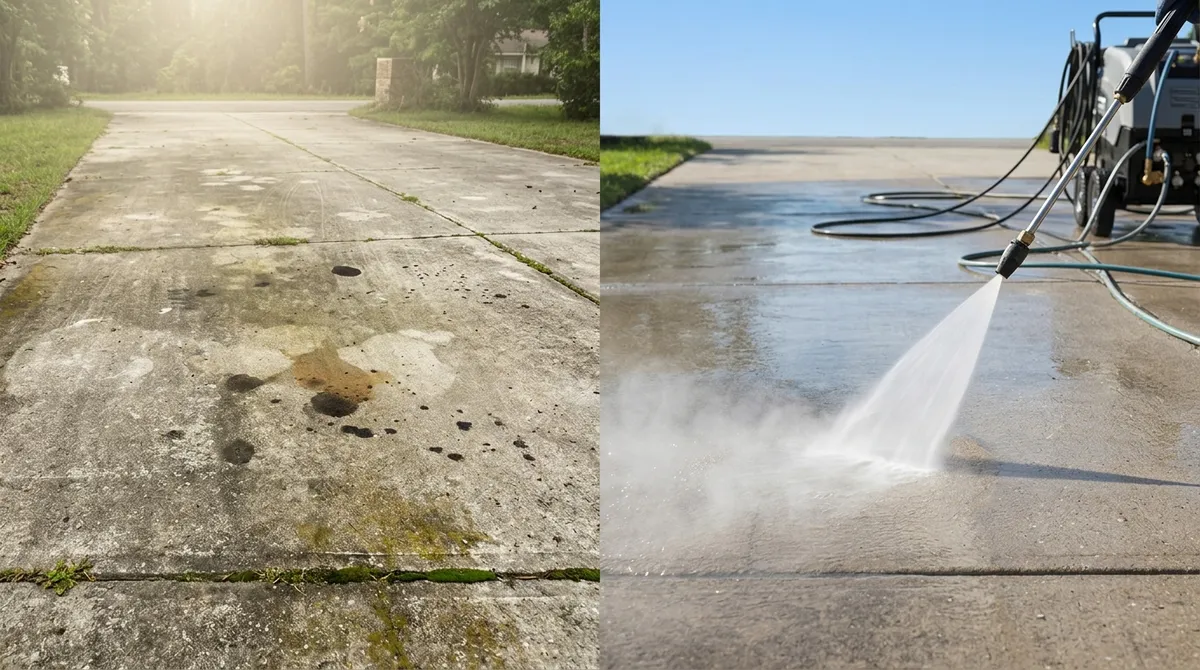
Your driveway looks like it hasn’t been cleaned since the last decade. There are oil stains, green algae patches, and that mysterious dark discoloration near the garage. Sound familiar? If you’re a Hillsborough County homeowner, you’ve probably wondered whether to rent a concrete pressure washer yourself or just call a professional. It’s a great question — and the answer might surprise you. Both options have real pros and cons. Some homeowners love the DIY challenge. Others quickly realize it’s more work than expected. In this article, we’ll break down both approaches honestly so you can make the best choice for your time, budget, and results. Let’s dig in and find out which option truly wins when it comes to cleaning concrete the right way.
What Does a Concrete Pressure Washer Actually Do?
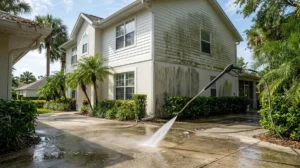
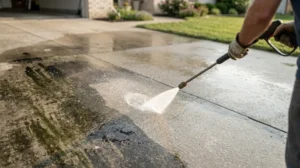
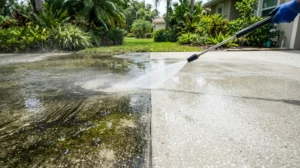
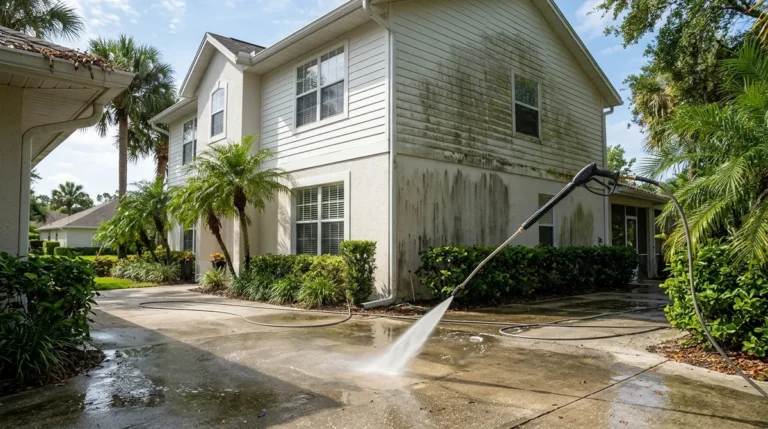
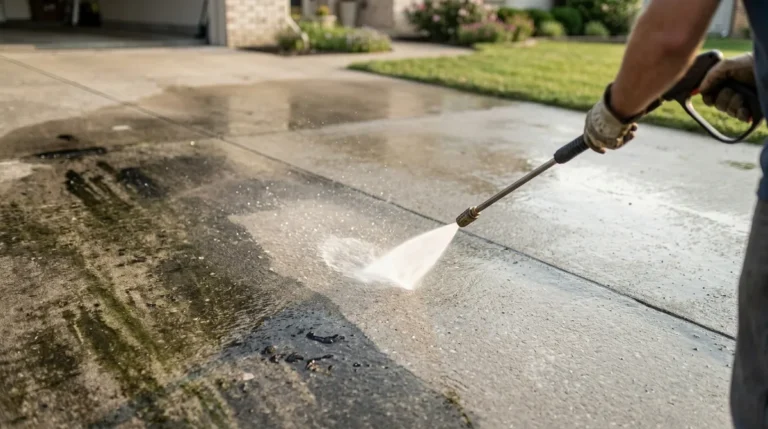
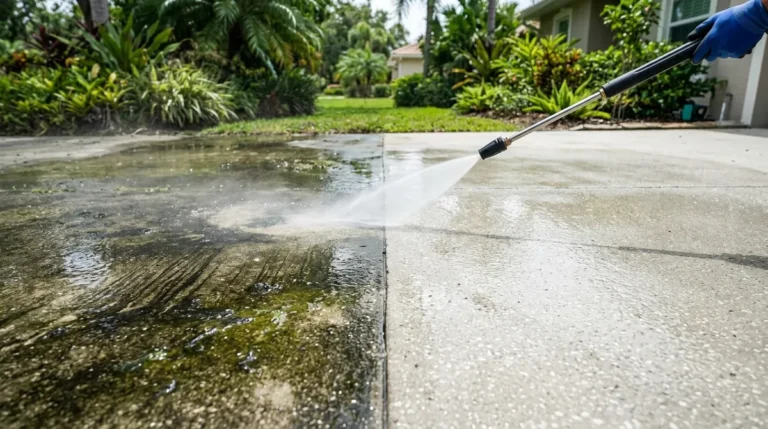
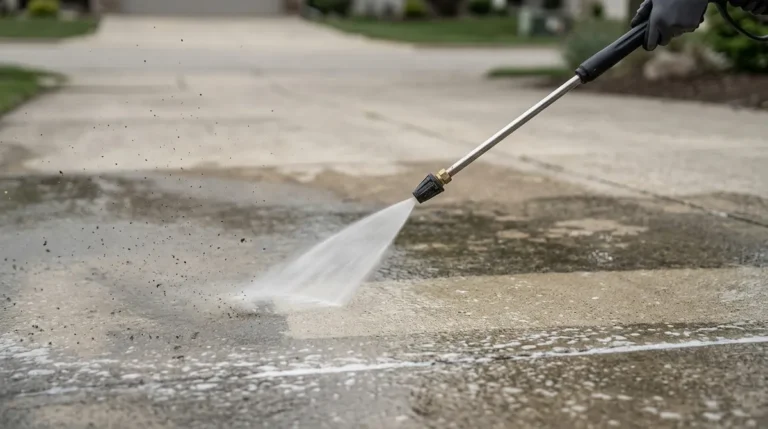
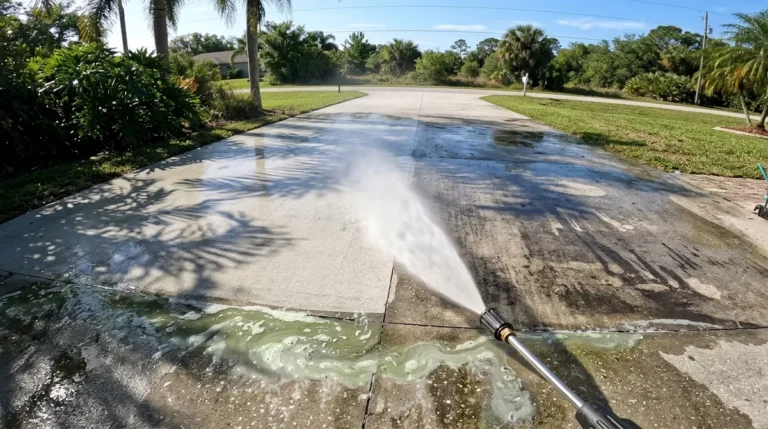
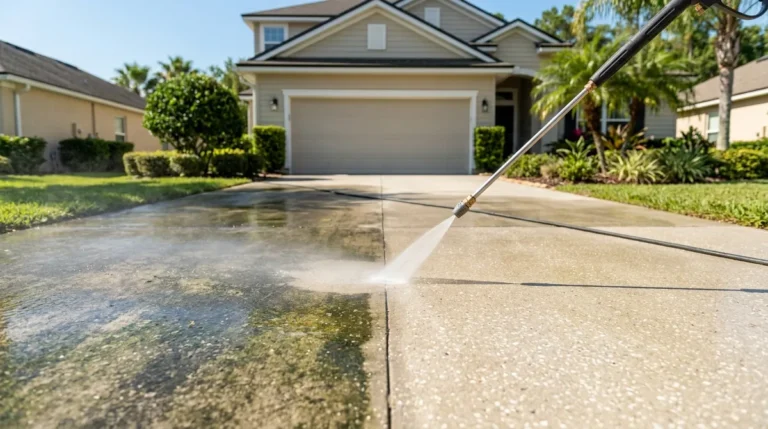
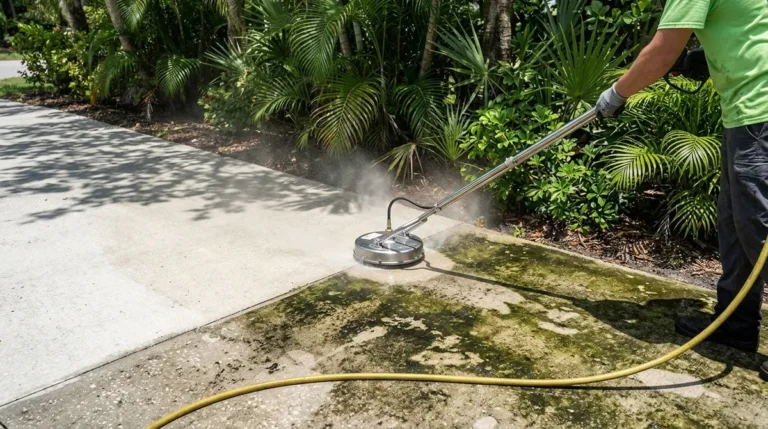
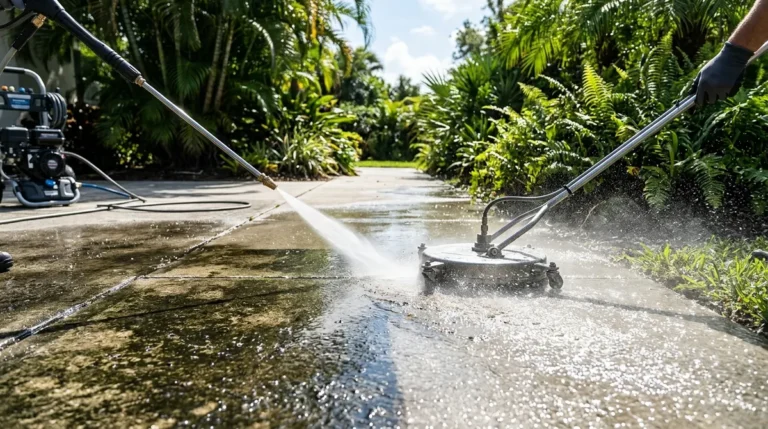
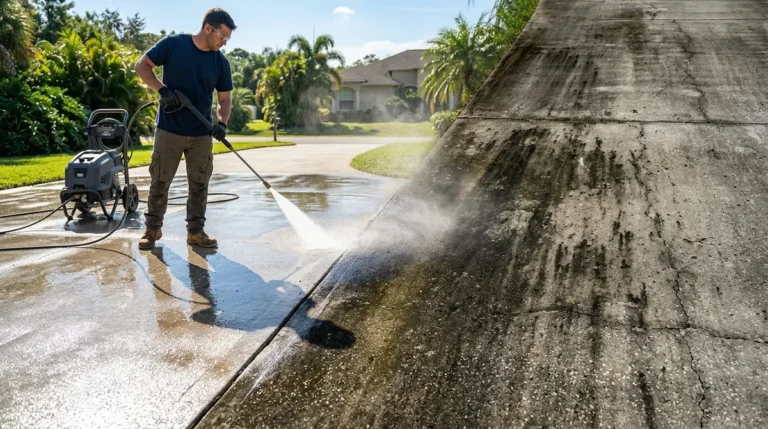
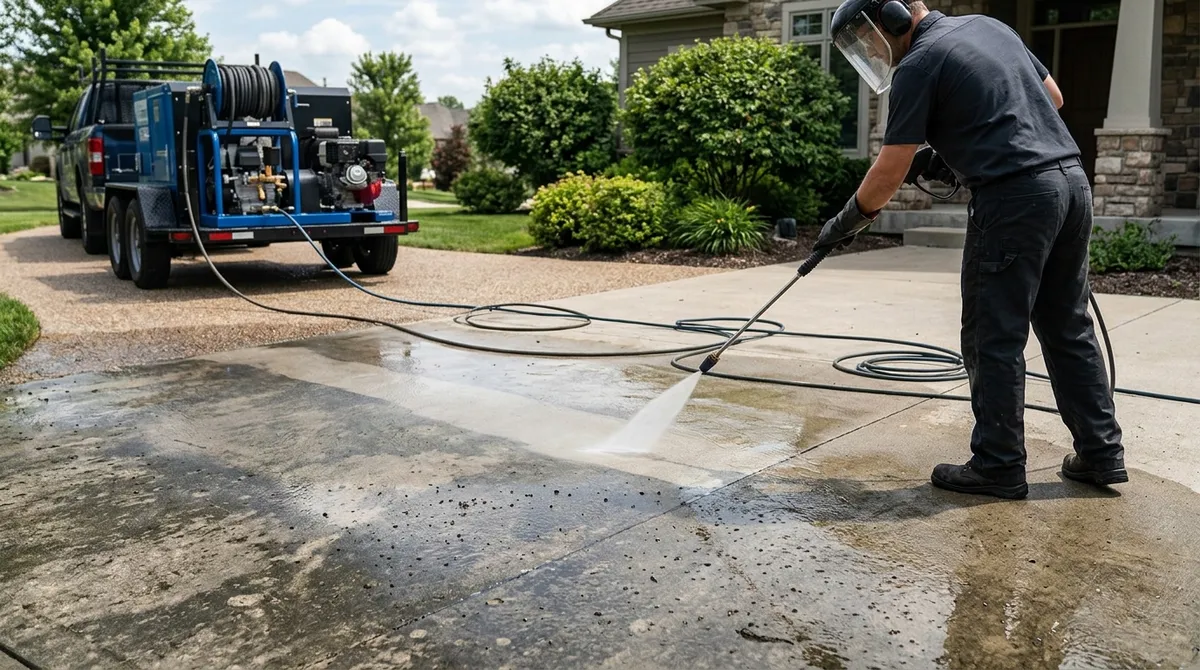
A concrete pressure washer uses high-pressure water to blast away dirt, mold, algae, oil stains, and grime from hard surfaces. Concrete is tough, which means it can handle strong water pressure. That’s what makes pressure washing so effective on driveways, sidewalks, and patios. The water stream penetrates into the pores of the concrete and lifts out embedded debris. It’s far more powerful than any garden hose or scrub brush. If you want to learn more about how this process works, check out this helpful guide on how cleaning a driveway with a pressure washer really works.
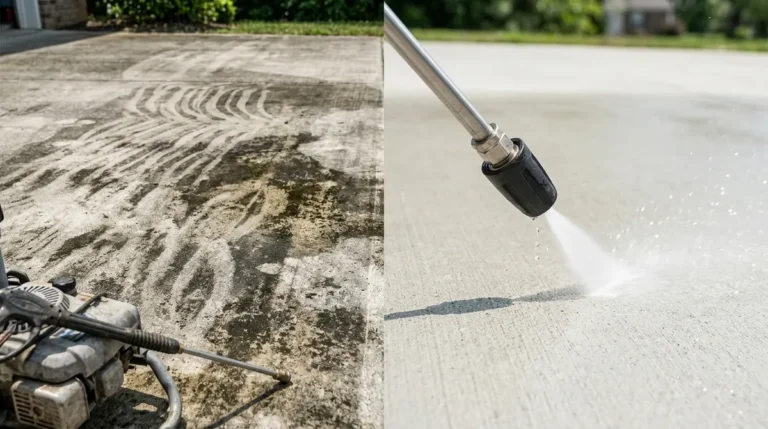
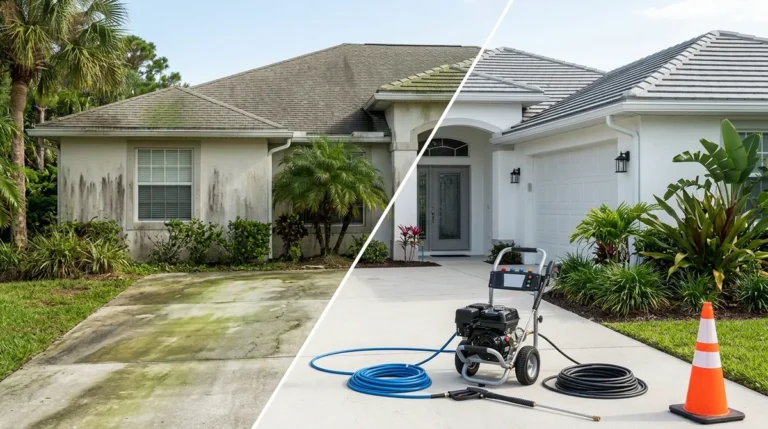
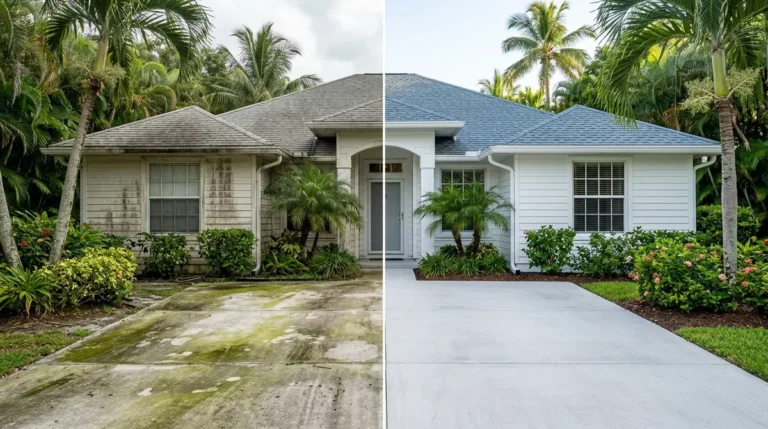
Concrete pressure washing is one of the most satisfying cleaning jobs you can do. The before-and-after results are dramatic. But getting those results consistently takes the right equipment, the right technique, and some experience. That’s where the DIY vs. pro debate really heats up.
The DIY Approach: Renting or Buying a Concrete Pressure Washer
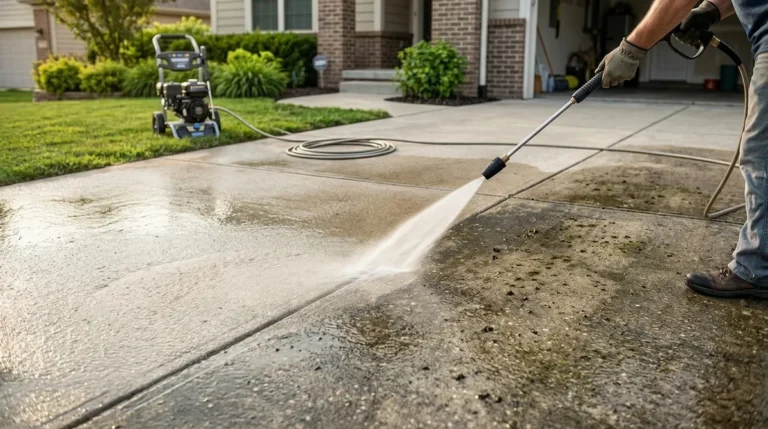
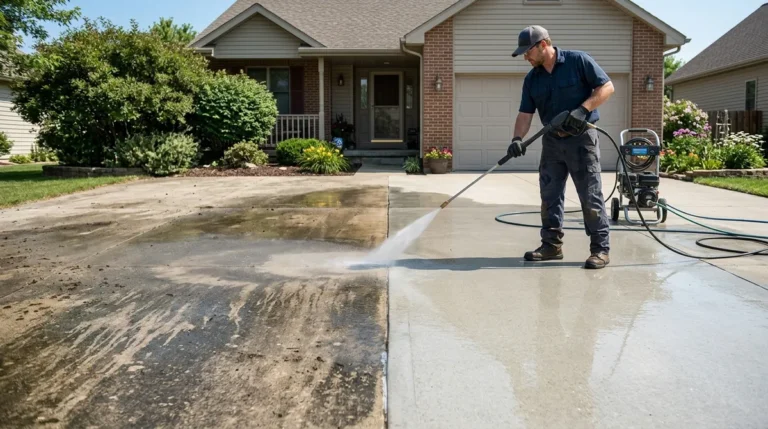
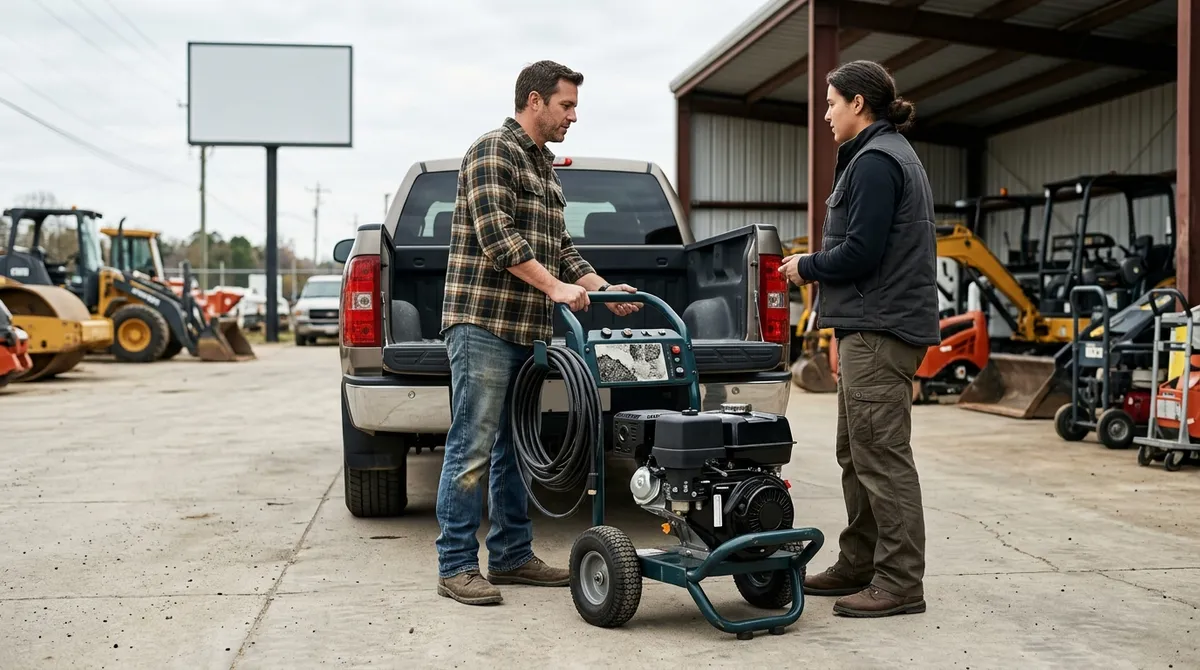
Many homeowners start by considering the DIY route. You can rent a pressure washer from a local hardware store or buy one outright. It feels empowering to tackle a project like this on your own. Here’s what you need to know before you start.
What You’ll Need for DIY Concrete Cleaning
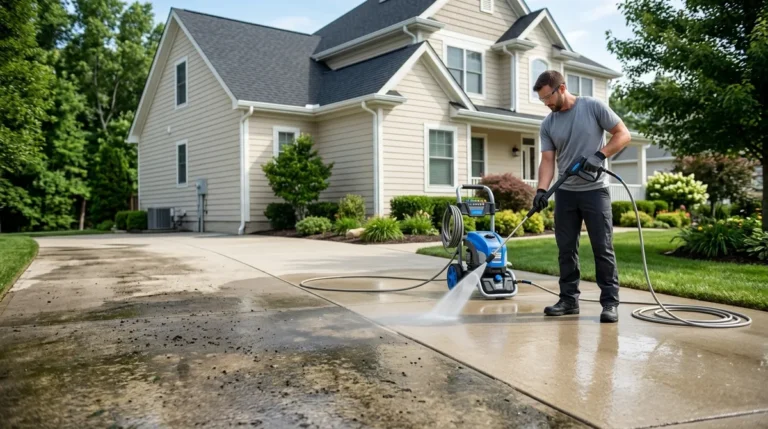
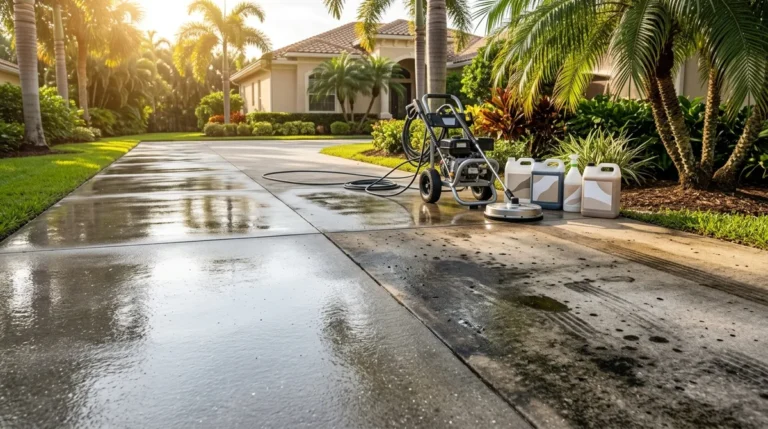
Going the DIY route requires more than just a machine. Here’s a quick list of what you’ll need:
- A pressure washer rated for concrete (2,500 to 4,000 PSI minimum)
- The right nozzle (typically a 25-degree or surface cleaner attachment)
- Concrete degreaser or cleaning detergent
- Safety goggles and sturdy footwear
- Plenty of time — expect 2 to 4 hours for a standard driveway
- A willingness to learn proper technique
Before you start, it’s worth reading up on how to clean concrete with a pressure washer the right way. Skipping proper prep can lead to streaks, missed spots, or even surface damage.
Common DIY Mistakes to Avoid
DIY pressure washing sounds simple, but it comes with real risks. Here are the most common mistakes homeowners make:
- Using too much pressure — This can pit or etch concrete, especially older surfaces.
- Holding the nozzle too close — The closer you get, the more damage you risk.
- Skipping pre-treatment — Oil stains and algae need a degreaser before washing.
- Using the wrong nozzle — A zero-degree tip can seriously damage concrete.
- Uneven technique — Moving too fast or slow leaves visible streaking.
For a detailed breakdown of what to watch out for, read about the 10 concrete pressure cleaner mistakes that ruin your driveway. Knowing these pitfalls ahead of time can save you a lot of frustration.
The Professional Approach: Hiring a Concrete Cleaning Expert
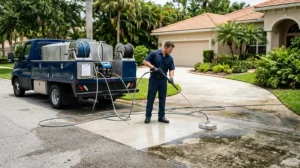
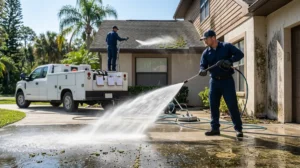
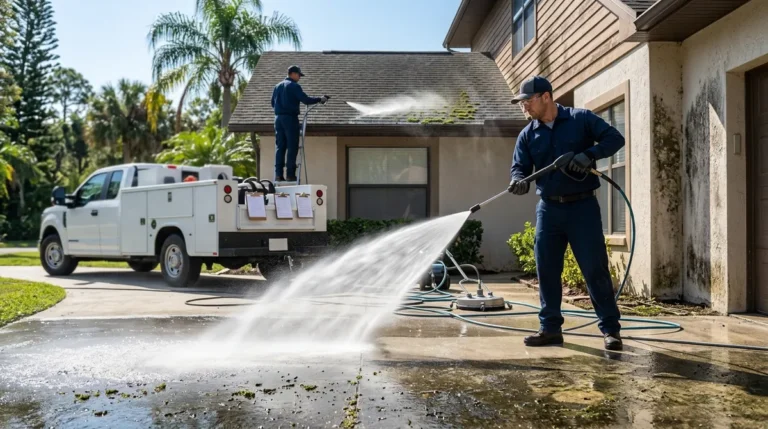
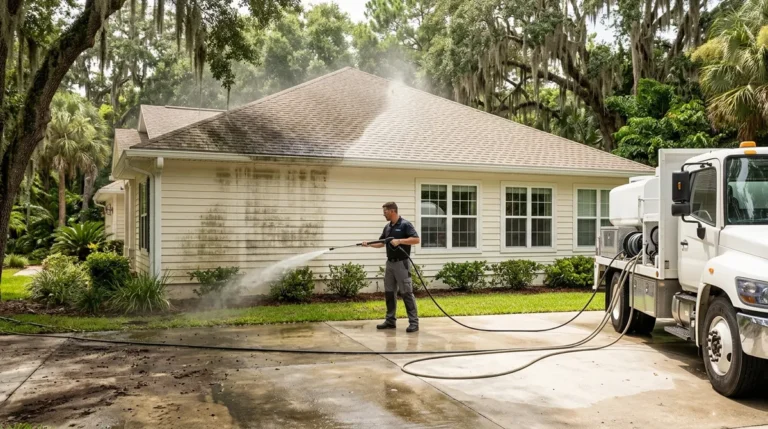
On the other side of the debate, you have professional concrete pressure washing services. Professionals bring commercial-grade equipment, trained technique, and years of experience. They also bring something priceless — your free Saturday back. Let’s look at what professional service actually includes.
What Pros Bring to the Job
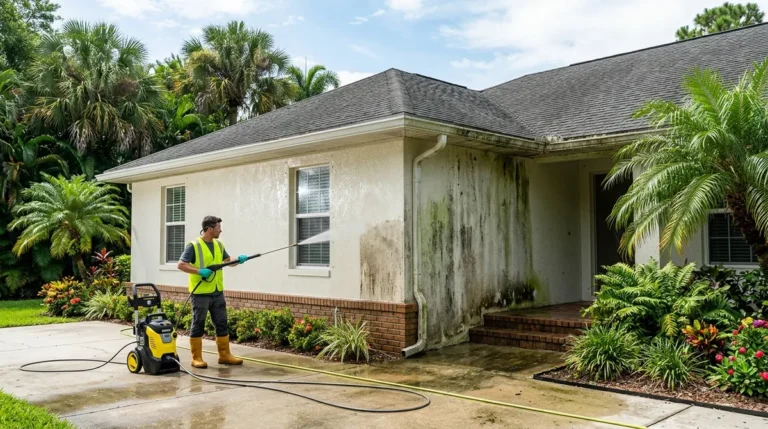
When you hire a professional concrete pressure washer service, here’s what you typically get:
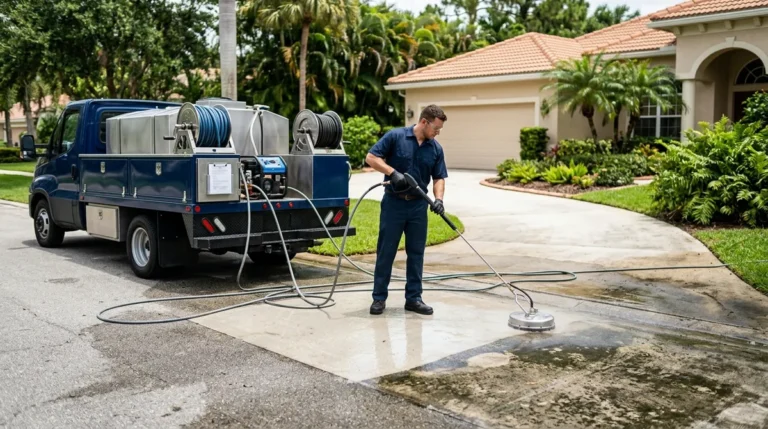
- Commercial-grade equipment rated above 4,000 PSI with surface cleaning attachments
- Pre-treatment with professional-grade concrete degreasers
- Even, consistent cleaning with no streaks or missed spots
- Safe handling of runoff and detergents
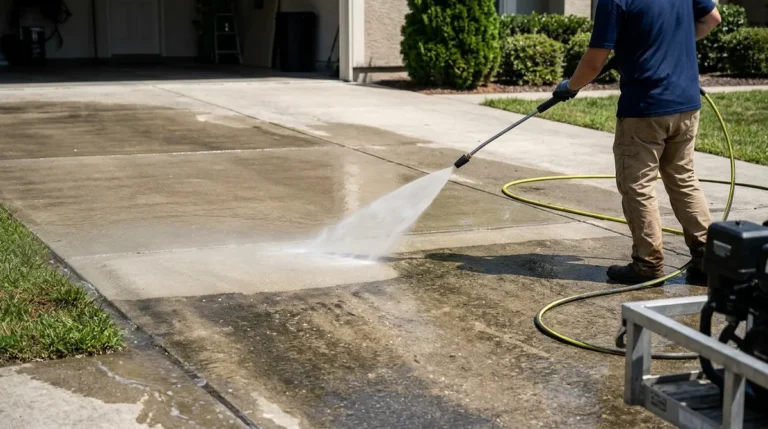
- Fast completion — most driveways done in under an hour
- Knowledge of local Florida stains like algae, mold, and rust
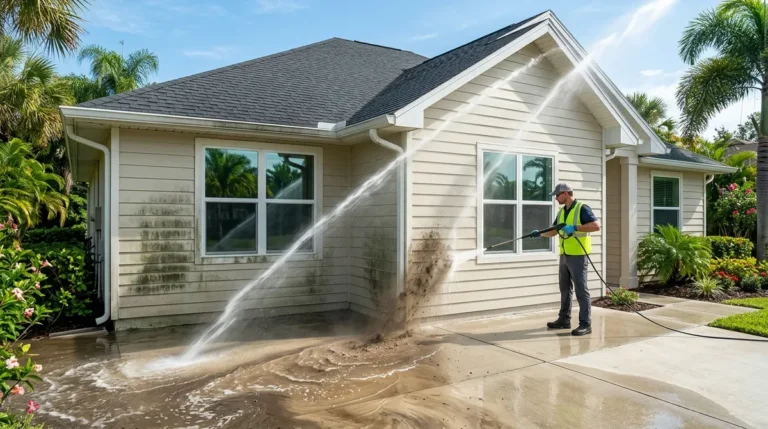
Professionals also understand Florida’s unique climate challenges. Hillsborough County’s heat and humidity create the perfect environment for algae and mildew to take over concrete surfaces. A pro knows exactly how to tackle these local issues. You can explore what a full professional Driveway & Concrete Cleaning service looks like and what results to expect.
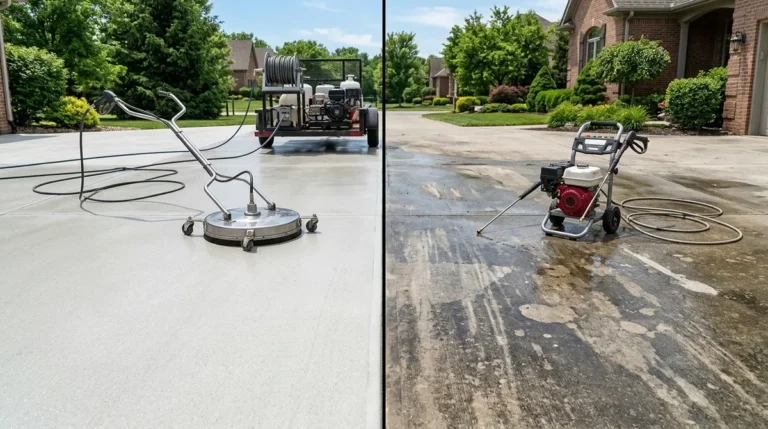
Side-by-Side Comparison: DIY vs. Professional Concrete Pressure Washing
Let’s put both options on the table and compare them directly. This should help you decide which approach fits your situation best.
| Factor | DIY Concrete Pressure Washer | Professional Service |
|---|---|---|
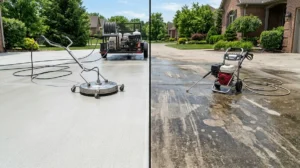
| Equipment Quality | Rental or consumer-grade (1,500–2,500 PSI) | Commercial-grade (3,000–4,500+ PSI) |
| Time Required | 3–5 hours including setup | Under 1 hour typically |
| Physical Effort | High — bending, carrying, maneuvering | None for the homeowner |
| Risk of Surface Damage | Moderate to high without experience | Low — trained technique used |
| Results Quality | Variable — depends on skill level | Consistent and professional |
| Stain Removal | Partial — may miss deep stains | Complete — with pre-treatment |
| Eco-Friendly Practices | Depends on products used | Yes — safe detergents and runoff control |
When DIY Makes Sense
Let’s be fair — DIY pressure washing isn’t always the wrong choice. There are situations where doing it yourself works just fine. Here are a few scenarios where DIY can be a reasonable option:
- You have a small patio or sidewalk — not a full driveway.
- You already own a quality pressure washer with the right attachments.
- You enjoy outdoor projects and have a full free day available.
Even in these cases, it’s worth doing your homework first. Read up on why using a pressure washer for concrete driveway cleaning is such an effective method — it’ll help you understand what you’re working with and why technique matters so much.
When Professional Service Wins Hands Down
For most Hillsborough County homeowners, professional concrete pressure washing is simply the better choice. Here’s when going pro makes the most sense:
- Large surfaces — Full driveways, pool decks, or large patios take hours of DIY effort.
- Stubborn stains — Oil, rust, and algae require professional-grade pre-treatment products.
- HOA requirements — If you need spotless results for inspection, pros deliver every time.
- You value your weekends — Why spend Saturday wrestling a pressure washer when pros can handle it fast?
- Older or sealed concrete — Too much pressure from a DIYer can strip sealant or crack aging concrete.
If your time is valuable and your property deserves the best results, professional service is the clear winner. Check out this honest look at DIY vs. professional exterior cleaning for an even broader perspective on the topic.
The Real Cost of DIY vs. Professional
People often assume DIY is always cheaper. But let’s think about the full picture. Equipment rental can run $60–$100 per day. Add detergents, nozzle attachments, and your time — it adds up. And if you accidentally damage your concrete or make costly mistakes, the bill gets even higher. For a deeper dive into driveway cleaning value, check out this article on why driveway cleaning matters more than you think. Professional service often delivers far better value when you count the full cost of going it alone.
What Buckhorn Power Wash Does Differently
Buckhorn Power Wash is Hillsborough County’s trusted name in residential pressure washing. They specialize in concrete pressure washing for driveways, sidewalks, and patios — using commercial-grade equipment and proven techniques. Every job includes professional pre-treatment, thorough surface cleaning, and careful attention to detail. You can see real results in their photo gallery. And you can visit Buckhorn Power Wash on Google to read what Hillsborough County homeowners are saying about their experience. Reviews speak louder than promises, and this team has earned plenty of five-star feedback from happy customers across Brandon, Valrico, Riverview, and beyond.
If you’re curious about professional concrete cleaning services in your area, you can also browse Buckhorn Power Wash on Yelp for more customer reviews and service details. Their reputation in the community really speaks for itself.
Tips for Getting the Best Concrete Cleaning Results
Whether you go DIY or professional, these tips help maximize your results:
- Always pre-treat oil stains and algae before applying water pressure
- Use a surface cleaner attachment for even, streak-free coverage
- Work in overlapping passes to avoid lines in the concrete
- Rinse thoroughly after using any detergents
- Consider sealing your concrete after cleaning to protect it longer
If you want more expert-level insights, check out 12 concrete power washer tips that get real results in 2026. There’s a lot of good practical advice packed into that resource.
The Verdict: Which Option Actually Wins?
For most busy homeowners in Hillsborough County, professional concrete pressure washing wins. The results are better, the process is faster, and there’s zero risk of damaging your property. DIY can work for small, manageable areas if you have the right equipment and enough time. But for full driveways, stubborn stains, and high-stakes results — especially for HOA communities or high-value homes — calling a professional just makes more sense. You can also explore the DIY driveway pressure washer vs. pro service comparison for even more detail on this topic.
For a trusted exterior cleaning experience backed by real local expertise, you can also follow Buckhorn Power Wash on Facebook for before-and-after photos, tips, and service updates from your neighbors across Hillsborough County. The community there is always sharing great content about home maintenance and curb appeal.
Ready to Get Your Concrete Looking Brand New?
Don’t spend your weekend battling a rental machine when the pros can handle it quickly and beautifully. Whether your driveway is covered in algae, oil stains, or years of Florida grime, professional concrete pressure washing delivers results that DIY simply can’t match. Request your free instant quote today and see just how easy and affordable it is to get your concrete looking fresh and clean again. Your driveway — and your neighbors — will thank you!
FAQs
Q: What PSI do I need for a concrete pressure washer?
A: For concrete surfaces like driveways and sidewalks, you generally need a pressure washer rated between 2,500 and 4,000 PSI. Professional-grade machines used by services like Buckhorn Power Wash often exceed this, which is why pros consistently get better results than consumer rental units!
Q: Can a concrete pressure washer damage my driveway?
A: Yes, it absolutely can if used incorrectly! Using too high a pressure, the wrong nozzle, or holding the wand too close can etch, pit, or strip sealant from concrete surfaces. Professional technicians are trained to avoid these mistakes and protect your driveway throughout the entire cleaning process.
Q: How often should I have my concrete pressure washed?
A: For most Hillsborough County homeowners, cleaning concrete driveways and sidewalks once a year is ideal — though high-traffic areas or shaded spots prone to algae may benefit from cleaning every six months. Florida’s humidity and heat speed up mold and algae growth, so regular cleaning keeps your surfaces looking great year-round.
Q: Does professional concrete pressure washing remove oil stains?
A: Great news — yes! Professional services use specialized concrete degreasers and pre-treatment products that break down oil stains before the pressure washing even begins. This two-step approach removes stains that DIY pressure washing alone simply can’t tackle, leaving your concrete looking dramatically cleaner.
Q: Is pressure washing concrete safe for the environment?
A: When done properly, concrete pressure washing can be very eco-friendly! Professional services like Buckhorn Power Wash use biodegradable, safe cleaning detergents and follow responsible runoff practices to protect your landscaping and the surrounding environment. It’s always a good idea to ask your provider about their eco-friendly approach before booking.