Key Takeaways
-
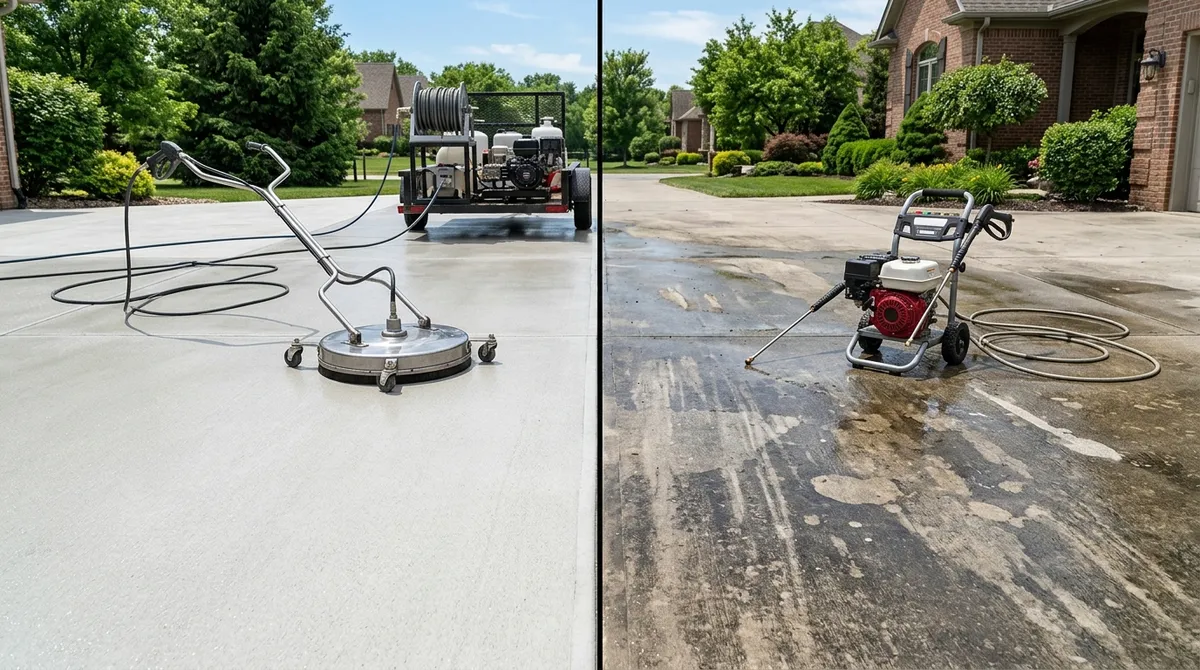
Professional pressure cleaning delivers superior streak-free results using commercial-grade rotating surface cleaners, while DIY rental equipment often leaves streaking and missed spots even with hours of effort.
-
Incorrect pressure settings or nozzle choice during DIY cleaning can permanently damage concrete through etching or crack grout lines in pavers, making professional technicians worth the cost for risk avoidance.
-
Professional crews complete most residential paving jobs in 1-2 hours with proper stain treatment for oil, rust, algae, and mold, compared to 3-6 hours of physical labor required for DIY cleaning.
-
Florida's humid climate requires paving pressure cleaning at least once or twice yearly to prevent rapid algae and mold growth, making professional services a worthwhile regular maintenance investment.
-
Delicate surfaces like brick pavers and natural stone require specific pressure settings and techniques that professionals master; DIY errors on these materials cause irreversible damage.
-
Between professional cleanings, maintain paving by sweeping regularly, treating spills immediately, keeping gutters clean, and considering sealant application to extend surface life and protect your property investment.
Your driveway, walkway, or patio paving takes a beating every single day. Rain, foot traffic, vehicle oil, mold, and algae all leave their mark. Before long, what used to be a clean, inviting surface starts looking worn and dingy. That’s where paving pressure cleaning comes in — and it can make a dramatic difference.
But here’s the big question most homeowners face: Should you rent a pressure washer and tackle this yourself? Or is hiring a professional the smarter move? Both options have their place, but they’re not equal in every situation. Let’s break down the honest differences so you can make the best choice for your home and your weekend.
What Is Paving Pressure Cleaning?
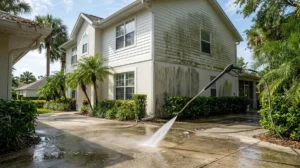
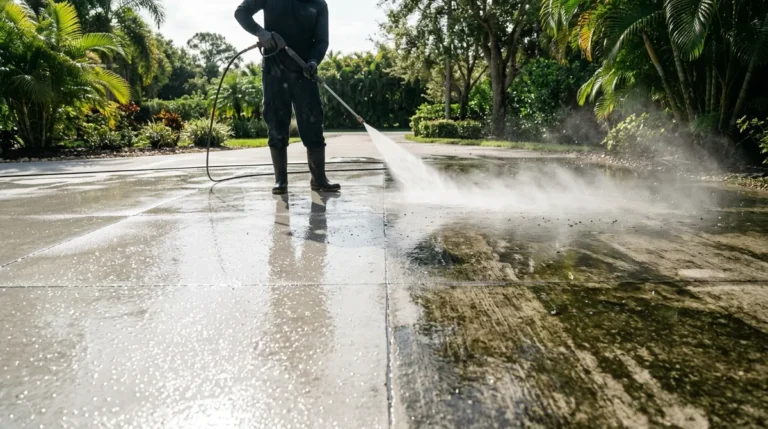
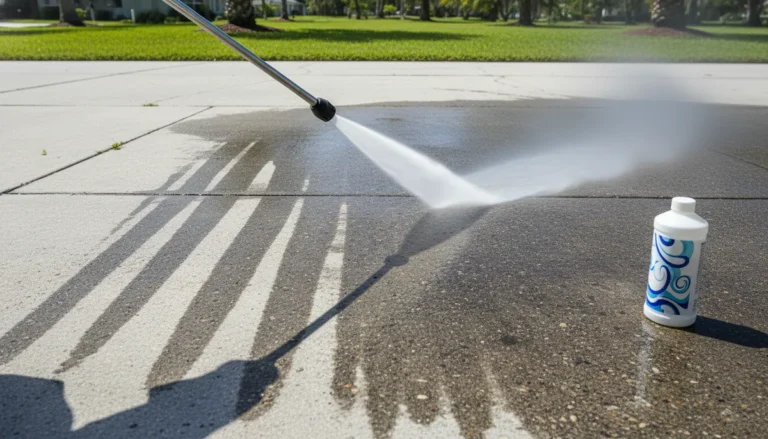
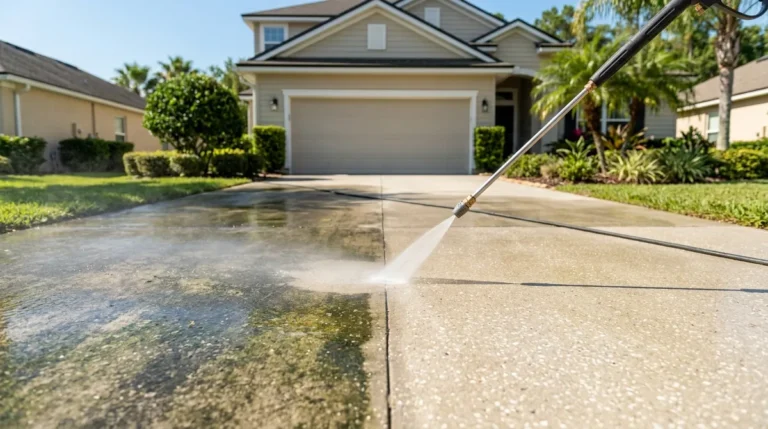
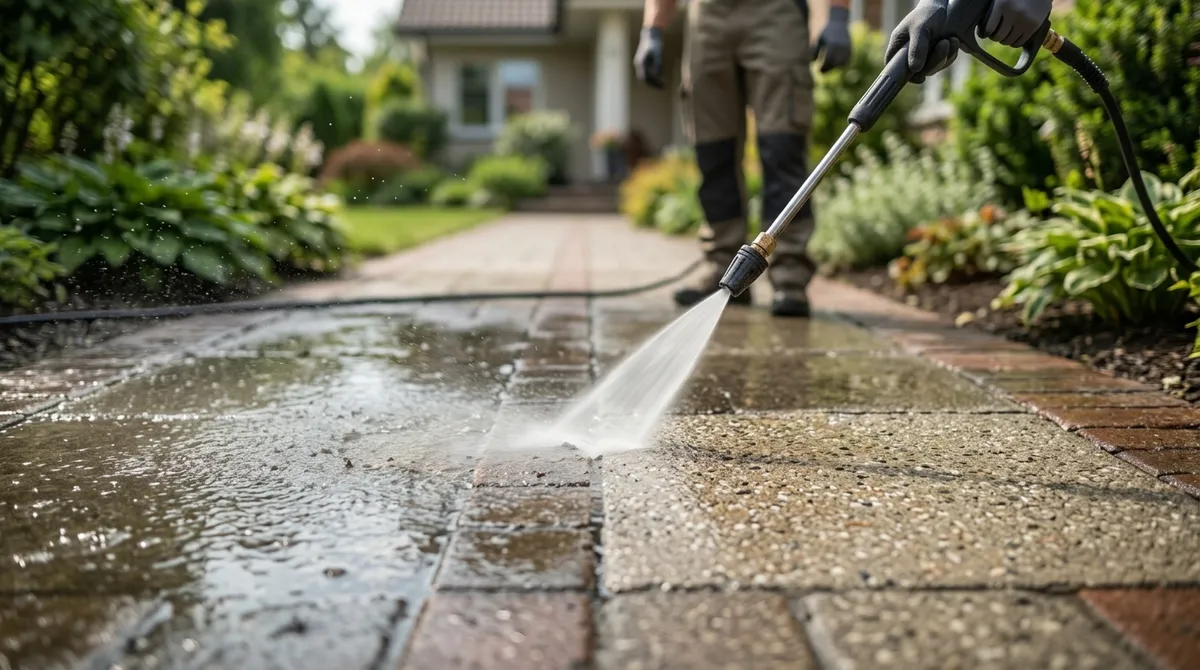
Paving pressure cleaning is the process of using high-pressure water to blast away dirt, grime, mold, algae, oil stains, and discoloration from paved surfaces. These surfaces include concrete driveways, brick pavers, stone walkways, pool decks, and sidewalks.
The goal is simple: restore the surface to a clean, fresh-looking state. In Florida’s humid climate, especially here in Hillsborough County, paved surfaces can get green and grimy surprisingly fast. Regular cleaning protects your investment and keeps your home looking its best. You can learn more about concrete pressure cleaning and what every homeowner should know before getting started.
The DIY Approach to Paving Pressure Cleaning
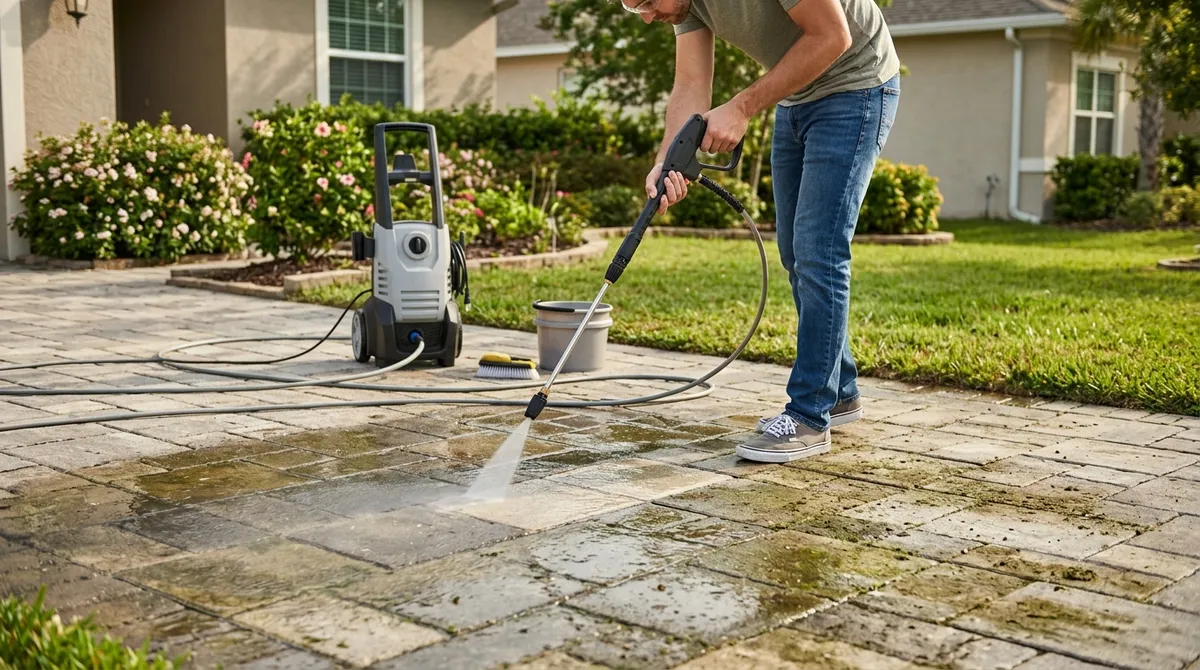
Plenty of homeowners like the idea of doing it themselves. There’s something satisfying about renting a machine and seeing the results in real time. Here’s what the DIY path actually looks like.
What You’ll Need for DIY Cleaning
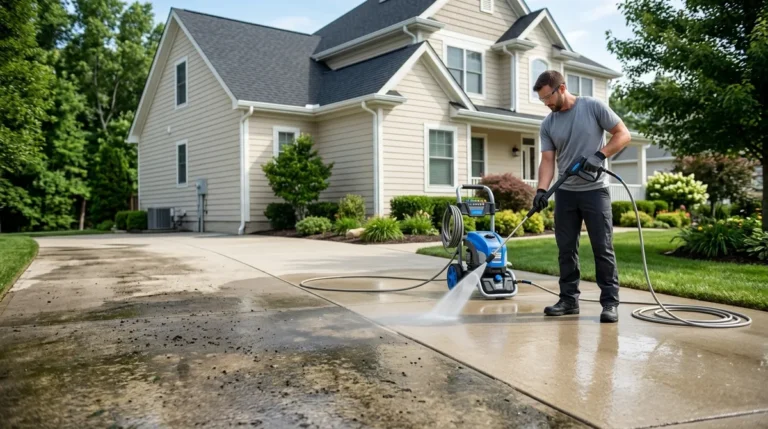
- A rented or purchased pressure washer (typically 2,000–3,500 PSI for concrete)
- Appropriate nozzle tips (usually 25-degree or 15-degree for paving)
- Surface cleaner attachment for even results
- Cleaning detergent suitable for paved surfaces
- Safety gear including goggles and waterproof footwear
- Several hours of free time
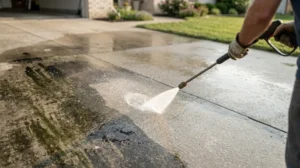
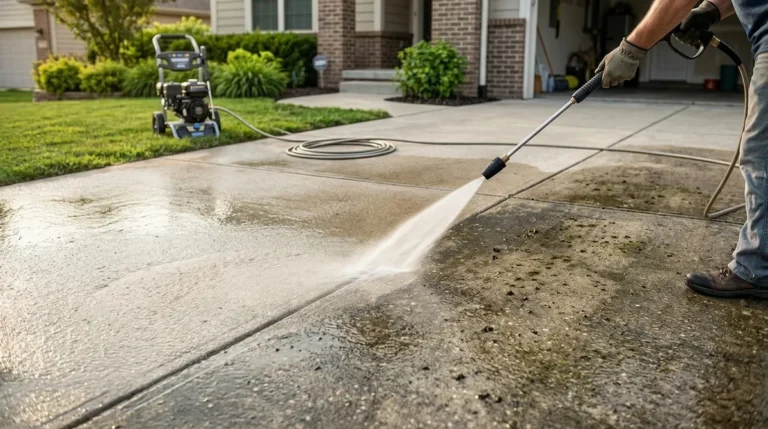
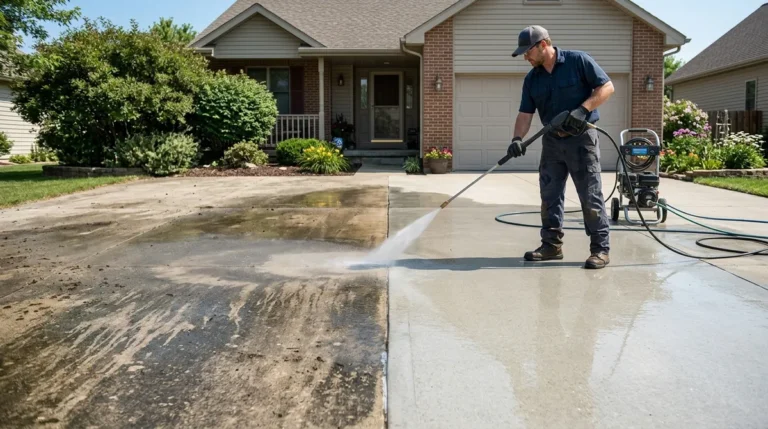
Renting a machine sounds easy, but the learning curve can surprise people. Choosing the wrong nozzle or holding the wand too close can etch or damage your paving surface permanently. If you’re curious about the risks, this guide on 7 mistakes to avoid when using a power washer to clean concrete is a must-read before you start.
Pros of DIY Paving Pressure Cleaning
- You control the schedule. No waiting for appointments — clean when you feel like it.
- Lower upfront cost. Renting a machine is often cheaper than a single service visit.
- Satisfying to complete yourself. Many homeowners enjoy the hands-on process.
Cons of DIY Paving Pressure Cleaning
- Risk of surface damage. Too much pressure can pit concrete or crack grout lines in pavers.
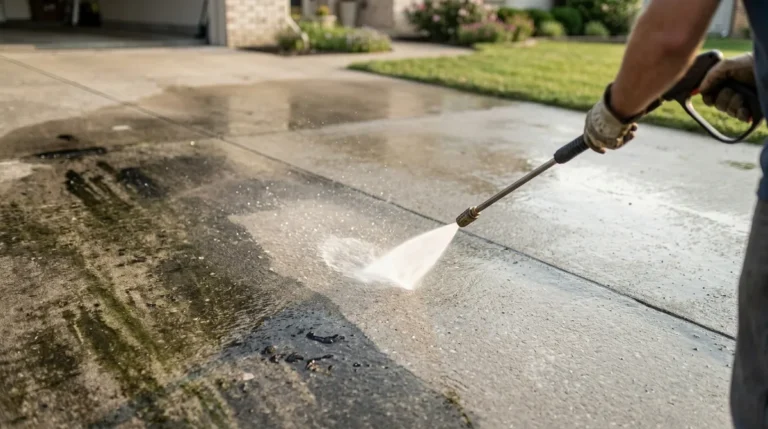
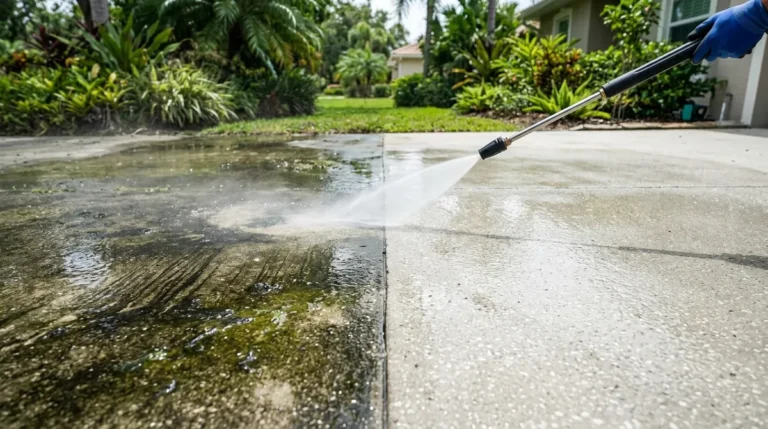
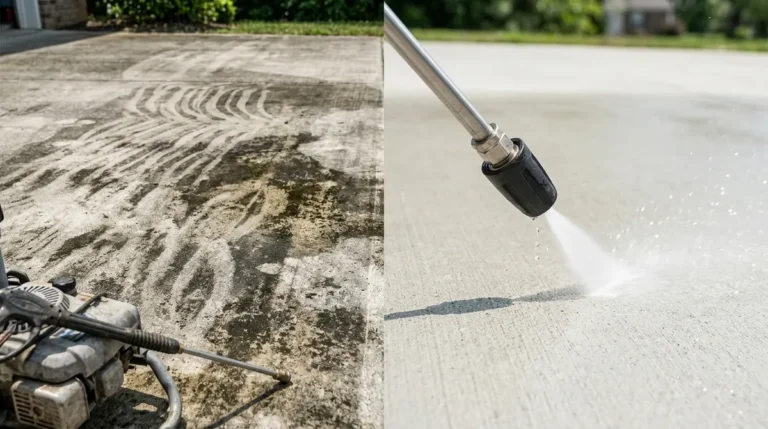
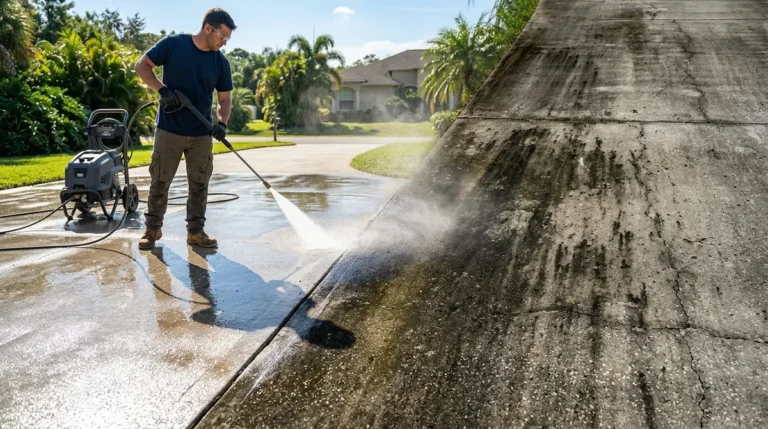
- Inconsistent results. Streaking and missed spots are common without professional technique.
- Time-consuming. A full driveway can take hours, especially without the right equipment.
- Equipment limitations. Rental machines may not have enough power for deeply stained surfaces.
- Safety hazards. High-pressure water can cause serious injuries if mishandled.
DIY cleaning can work for light surface dirt. But for stubborn stains, heavy algae growth, or large areas, the results often fall short of what a professional can deliver. Check out this honest look at DIY vs. pro pool deck pressure washing to see how this plays out on similar surfaces.
The Professional Paving Pressure Cleaning Approach
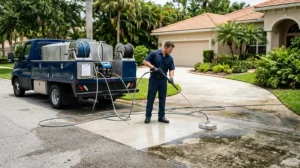
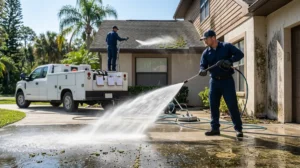
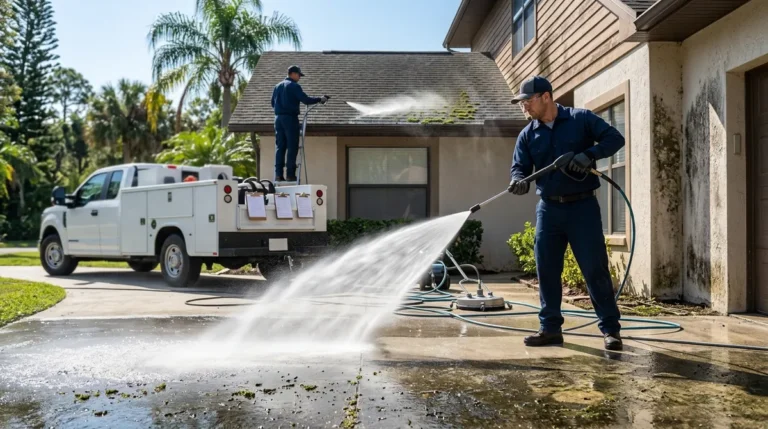
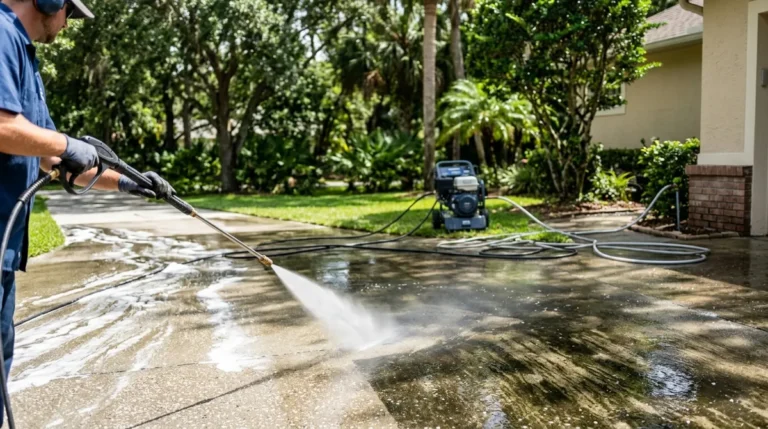
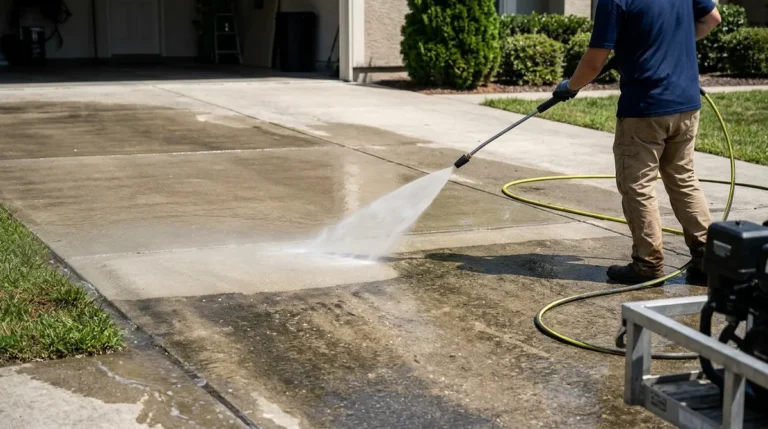
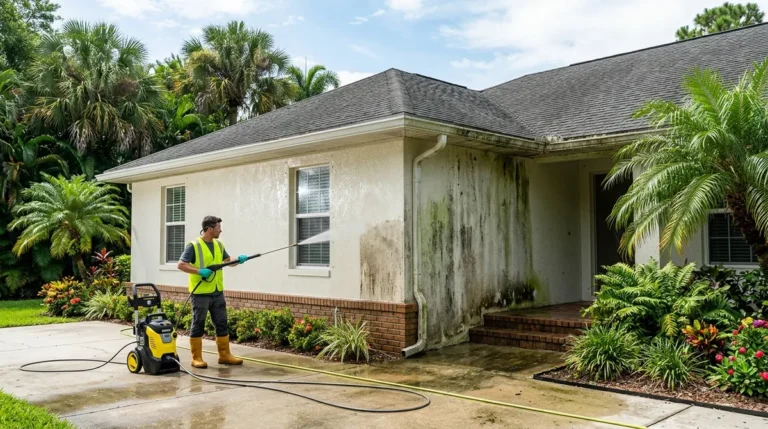
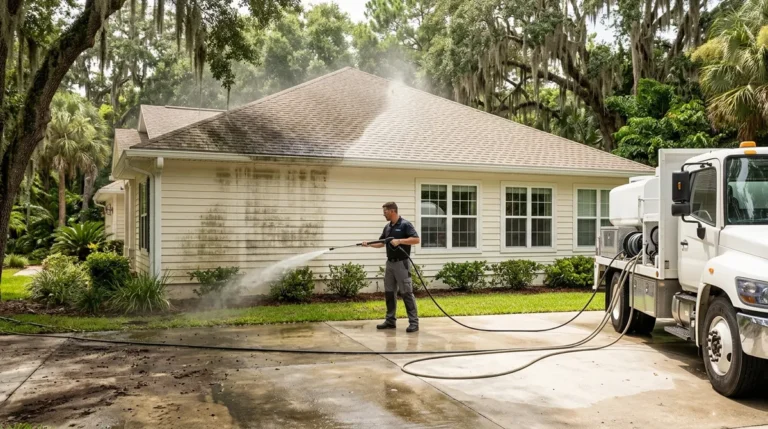
Professional pressure washing is a different experience altogether. Trained technicians show up with commercial-grade equipment, the right detergents, and the know-how to get stunning results without causing damage.
What Pros Bring to the Job
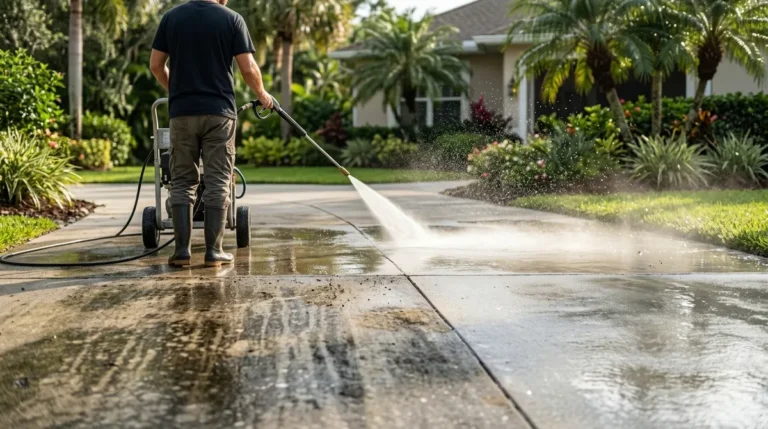
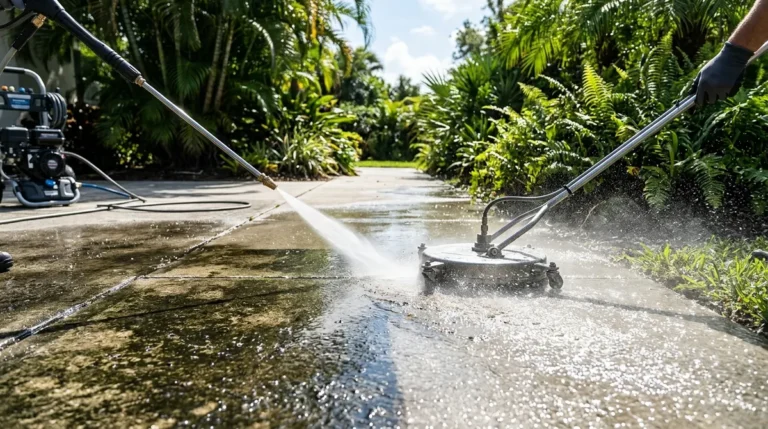
- Commercial pressure washers with consistent, controlled PSI output
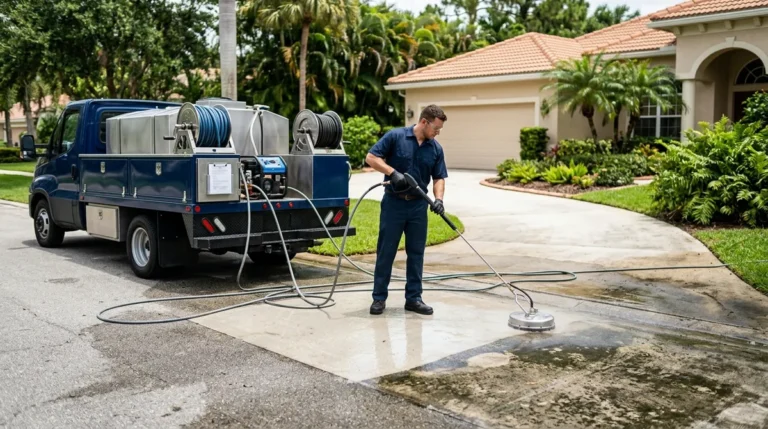
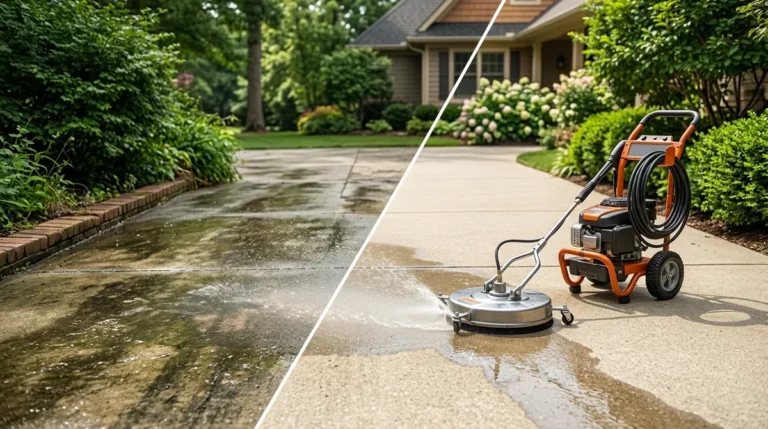
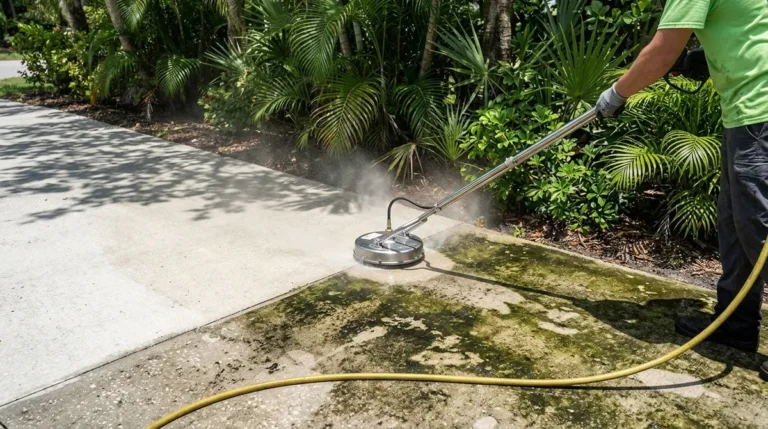
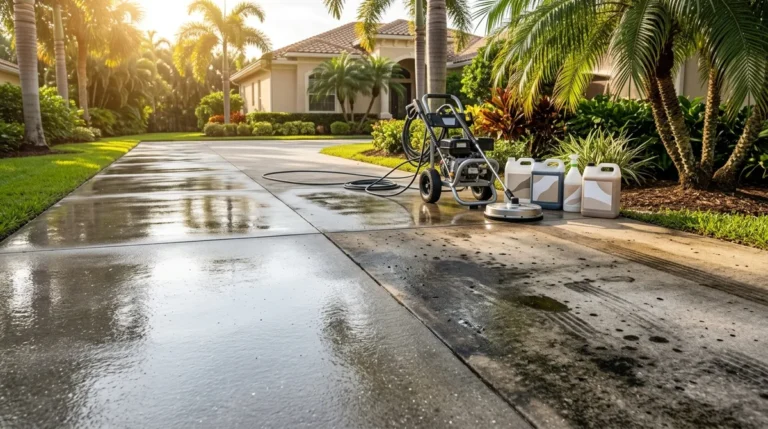
- Rotating surface cleaners that clean evenly and eliminate streaking
- Eco-friendly pre-treatment detergents that loosen stains before washing
- Knowledge of the right pressure settings for each surface type
- Experience treating oil stains, rust, algae, and mold properly
- Faster turnaround on larger areas
Professional teams also know how to protect surrounding landscaping, plants, and surfaces from runoff. That attention to detail matters — especially when you have nice landscaping or neighboring surfaces you don’t want damaged.
Pros of Professional Paving Pressure Cleaning
- Superior, streak-free results. Pros use surface cleaners that deliver uniform cleaning every time.
- Faster completion. What takes a homeowner half a day takes a professional crew an hour or two.
- No risk of surface damage. Experienced technicians know exactly how much pressure each surface can handle.
- Proper stain treatment. Oil stains, rust, and algae require specific pre-treatments that pros have on hand.
- Peace of mind. You don’t have to lift a finger or worry about doing it wrong.
Cons of Professional Paving Pressure Cleaning
- Higher cost compared to renting a machine yourself
- Scheduling required — you work around the service provider’s availability
The benefits of professional pressure washing services almost always outweigh the downsides for homeowners who value their time and want lasting results.
Side-by-Side Comparison: DIY vs. Professional Paving Pressure Cleaning
| Factor | DIY Cleaning | Professional Cleaning |
|---|---|---|
| Equipment Quality | Rental/consumer-grade | Commercial-grade |
| Risk of Damage | Moderate to high | Very low |
| Result Quality | Good for light dirt | Excellent for all stain types |
| Time Required | 3–6 hours | 1–2 hours |
| Effort Level | High physical effort | Zero effort from homeowner |
| Stain Removal | Basic surface dirt | Oil, rust, algae, mold |
| Safety Risk | Moderate | Low (handled by trained crew) |
| Streak-Free Finish | Difficult to achieve | Consistent and reliable |
Which Surfaces Need Professional Paving Pressure Cleaning?
Not every paved surface is the same. Some materials are far more forgiving than others when it comes to pressure washing. Here’s a quick breakdown of common paving surfaces and what they need.
Concrete Driveways
Concrete is durable but still vulnerable to etching from excessive pressure. A professional uses the right PSI and a rotating surface cleaner for an even, deep clean. Learn more about driveway and concrete cleaning services and what they involve.
Brick Pavers
Brick pavers require gentler pressure and careful technique. Too much force can dislodge the sand between joints or chip the brick surface. Professionals know how to clean pavers without disturbing the jointing material.
Stone Walkways and Patios
Natural stone can be soft and porous. Over-pressurizing these surfaces causes pitting and erosion. A professional will often use a soft wash method paired with appropriate detergents for these materials. Read about soft wash vs. pressure wash options for Florida homes to understand when each technique applies.
Pool Deck Surfaces
Pool decks face constant exposure to chlorine, sunscreen, algae, and moisture. Professional driveway and concrete cleaning techniques apply here too, keeping these surfaces slip-free and looking great all year.
When Should You Hire a Professional for Paving Pressure Cleaning?
There are clear signs that it’s time to skip the rental machine and call in an expert. You’ll want professional paving pressure cleaning when:
- Your paving has heavy oil, rust, or deep-set stains that basic washing won’t touch
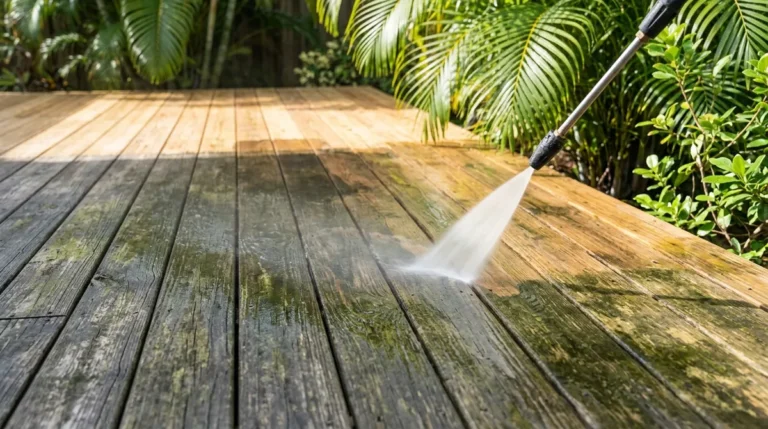
- Green algae or black mold has taken over large areas of your paving
- You have delicate brick or natural stone that could be damaged by DIY errors
- You have a large area — multiple driveways, walkways, or a full pool deck
- Your HOA requires spotless paving or has sent a notice about appearance standards
- You simply don’t have a free weekend to dedicate to the project
For Hillsborough County homeowners dealing with Florida’s relentless humidity and year-round outdoor exposure, professional cleaning at least once or twice a year is genuinely worth it. You can also check 7 signs you need a pressure washing company near me today to see if your home qualifies.
How Buckhorn Power Wash Handles Paving Pressure Cleaning
At Buckhorn Power Wash, we specialize in residential exterior cleaning throughout Hillsborough County. Our paving pressure cleaning service uses commercial-grade equipment, rotating surface cleaners, and the right pre-treatment detergents to tackle even the toughest stains. We work on driveways, walkways, patios, pool decks, and more — delivering consistent, streak-free results every time.
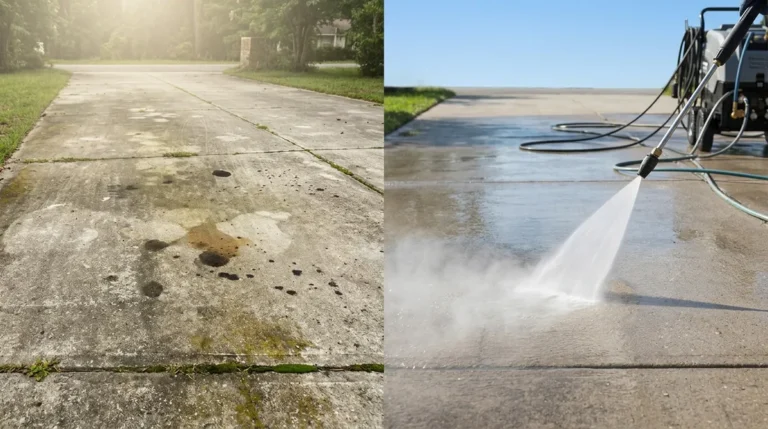
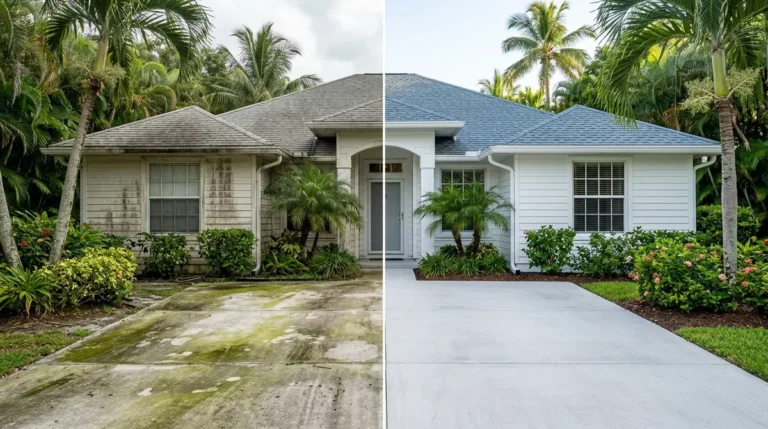
Our team is friendly, punctual, and respectful of your property. Whether you’re in Tampa, Brandon, Valrico, Riverview, or anywhere nearby, we’re ready to help. You can visit us on Google — Buckhorn Power Wash to read what our local customers are saying about their experience. We’re also proud of the results we deliver — take a look at our before-and-after gallery to see the transformation firsthand.
You can also check out our reviews on Buckhorn Power Wash on Yelp and follow our latest updates on Buckhorn Powerwash on Facebook to stay connected with our team and see recent work.
Tips to Keep Your Paving Looking Great Between Cleanings
Professional paving pressure cleaning gives your surfaces a fresh start. Here’s how to maintain that clean look as long as possible between service visits.
- Sweep regularly. Remove leaves, dirt, and debris before they break down and stain the surface.
- Treat spills immediately. Blot up oil or other liquids right away to prevent them from soaking in.
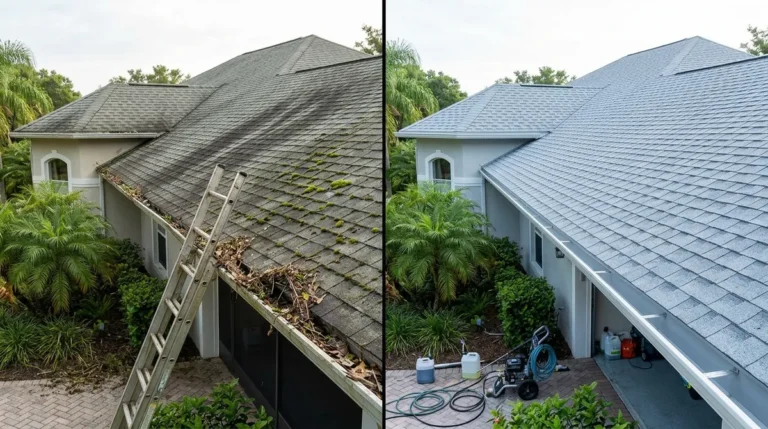
- Keep gutters clean. Overflowing gutters deposit dirty water directly onto your paving. Gutter cleaning should be part of your regular home maintenance.
- Trim back vegetation. Overhanging trees drop sap, berries, and debris that stain paving quickly.
- Consider sealing after cleaning. A fresh sealant coat protects concrete and pavers from stains and moisture damage.
Maintaining your paving with simple habits extends the life of your surfaces and keeps your curb appeal strong year-round. If you’re dealing with curb appeal mistakes that make your home look neglected, clean paving is often the easiest fix.
The Verdict: Which Option Wins?
For light, routine maintenance on small areas, DIY paving pressure cleaning can get the job done. But for most homeowners in Hillsborough County, professional cleaning delivers far better results with far less effort. The risk of surface damage, the time investment, and the limitations of rental equipment all add up quickly.
When you factor in how important clean paving is to your home’s value, curb appeal, and safety — especially in a humid Florida climate — professional paving pressure cleaning is clearly the smarter long-term choice. It’s not just about looking good. It’s about protecting a significant investment in your property.
Ready to see what professional paving pressure cleaning can do for your home? Request your free quote from Buckhorn Power Wash today and discover just how easy and affordable it is to get your paving looking brand new again.
FAQs
Q: How often should I schedule paving pressure cleaning for my driveway?
A: For most homes in Hillsborough County, once or twice a year is ideal! Florida’s humidity means mold and algae grow fast, so staying ahead of buildup keeps your paving looking great and prevents long-term surface damage.
Q: Can paving pressure cleaning damage my concrete or brick pavers?
A: It absolutely can if done incorrectly — which is one of the biggest reasons DIY attempts go wrong! Too much pressure or the wrong nozzle can etch concrete or dislodge grout between pavers. A professional knows exactly what settings to use for each surface type.
Q: What stains can professional paving pressure cleaning remove?
A: Professional cleaning tackles a wide range of tough stains, including oil and grease, rust, black algae, green mold, tire marks, and general discoloration from weather and foot traffic. Pre-treatment detergents make even stubborn stains much easier to lift.
Q: Is paving pressure cleaning safe for the environment?
A: Yes — when done by a professional who uses eco-friendly detergents and controls runoff properly! Reputable companies like Buckhorn Power Wash use cleaning solutions that are safe for surrounding plants, pets, and nearby waterways.
Q: How long does professional paving pressure cleaning take?
A: Most residential paving jobs are completed in one to two hours, depending on the size of the area and the level of staining. That’s a big win compared to the three to six hours a DIY project typically takes — and the results are far more consistent!