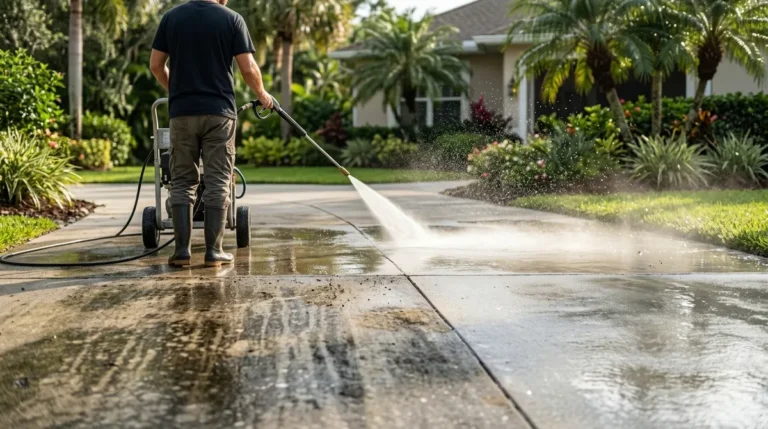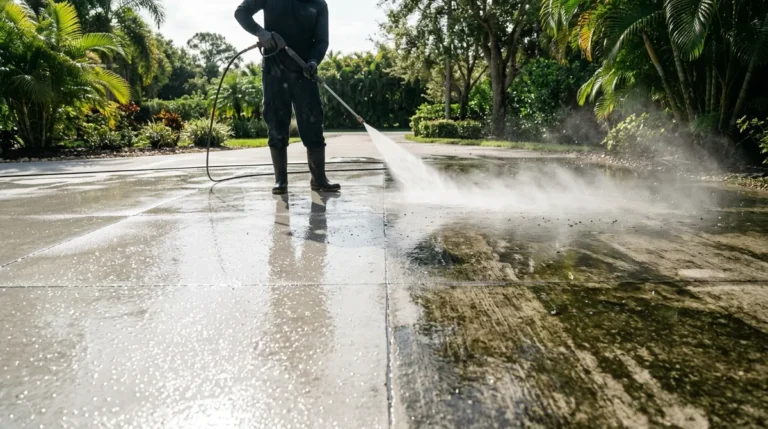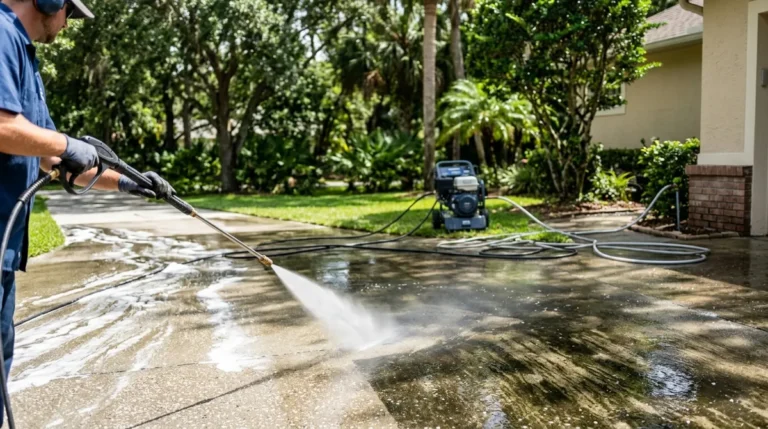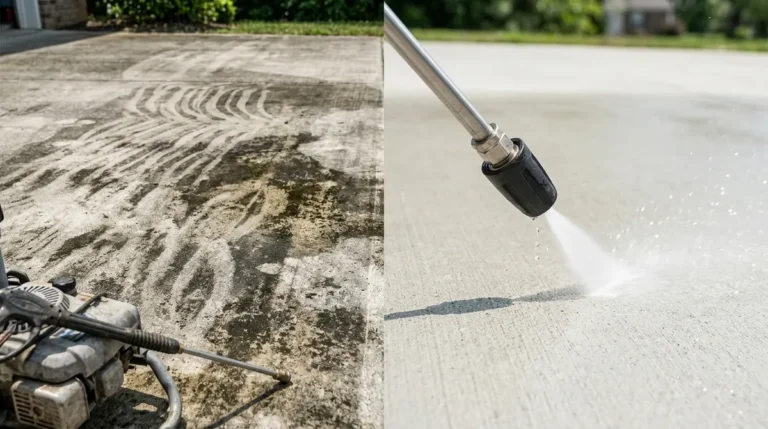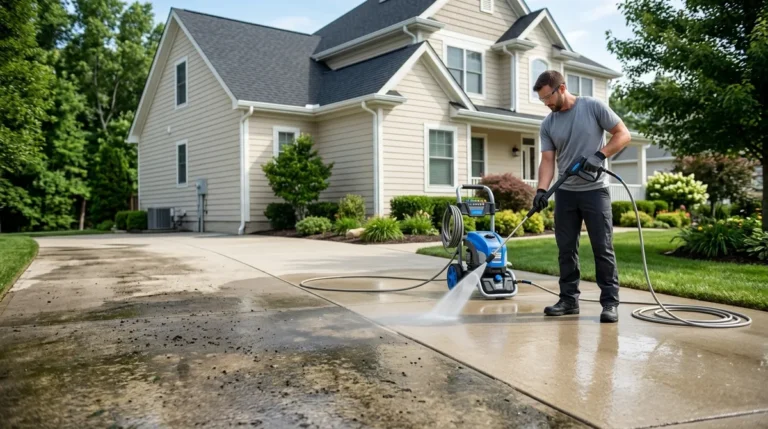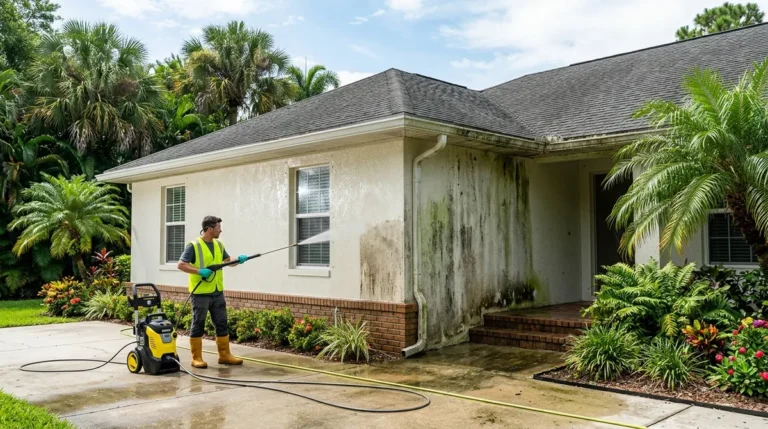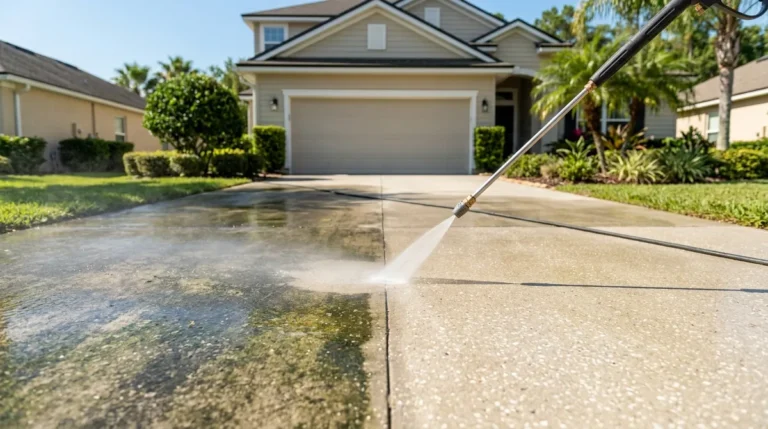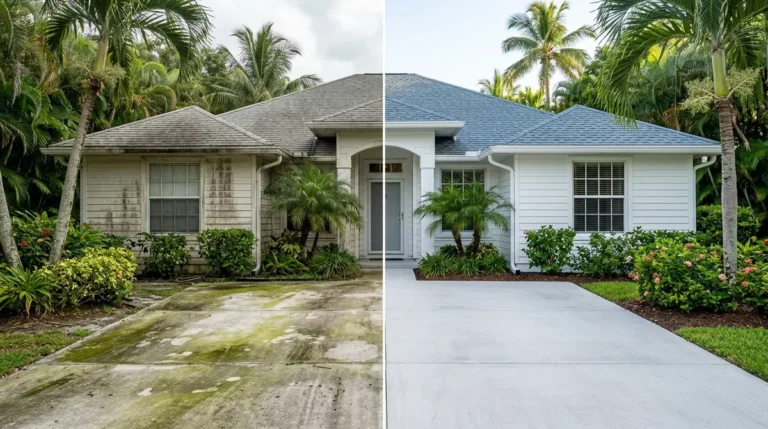
Key Takeaways
-
For residential concrete, use pressure washers with at least 3,000 PSI and 3+ GPM flow rate; professional-grade equipment (3,500+ PSI) delivers significantly better results by penetrating porous concrete surfaces more effectively.
-
Excessive pressure can permanently damage concrete through pitting, etching, and surface erosion; using the wrong nozzle (especially red 0° tips) or holding the wand too close are common mistakes that ruin driveways.
-
Pre-treat concrete with appropriate detergents (bleach for mold/algae, alkaline degreasers for oil stains) before pressure washing; skipping this step leaves underwhelming results since water pressure alone won't break down embedded organic matter.
-
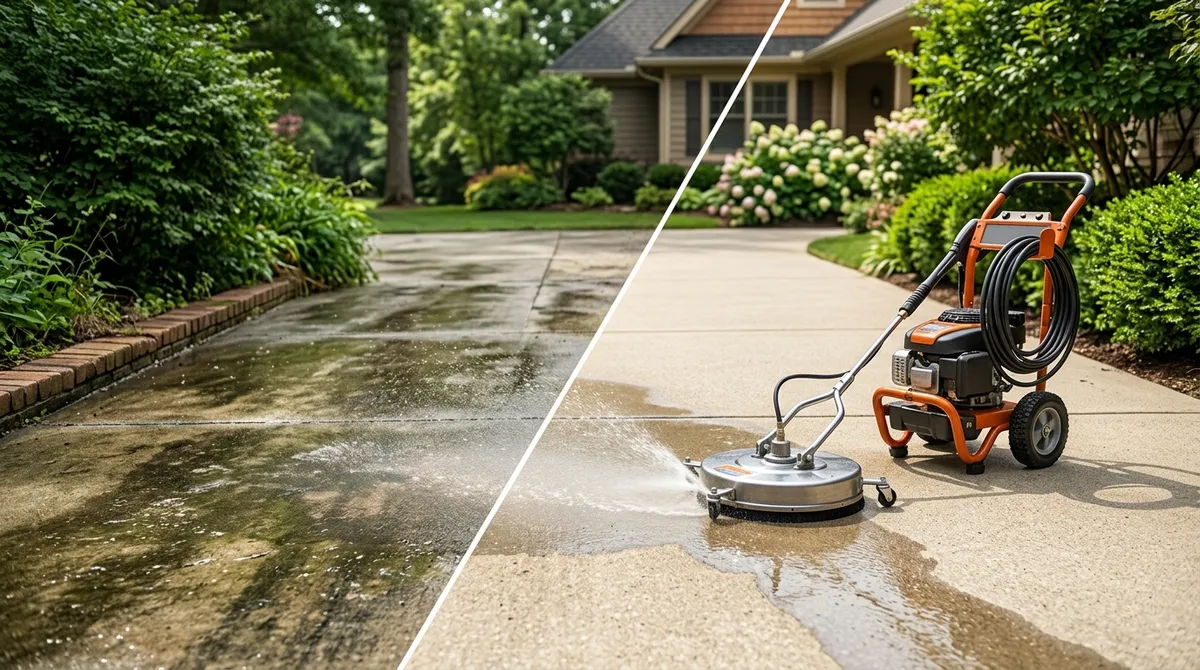
Surface cleaner attachments with rotating jets eliminate streaking and uneven marks while covering large areas faster and more evenly than traditional wand techniques—a game-changing upgrade for driveways and patios.
-
Florida's humidity creates ideal conditions for mold, algae, and mildew to appear within weeks on concrete; professional cleaning 1-2 times annually is essential to prevent slippery surfaces, degradation, and HOA violations.
-
Apply concrete sealer immediately after pressure washing while pores are open; sealing prevents future staining, slows biological regrowth, and makes future cleanings easier—extending your concrete's lifespan significantly.
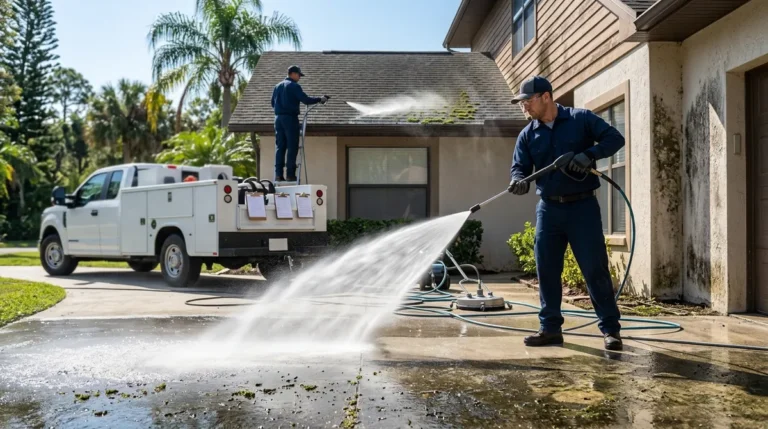
Your concrete driveway, walkway, or patio takes a beating every single day. Between Florida’s humidity, heavy rain, and constant sun, concrete surfaces attract mold, algae, oil stains, and grime faster than almost any other surface on your property. If you’ve been noticing dark streaks, green patches, or stubborn discoloration, you’re not alone — and you’re definitely in the right place.
Using the right pressure washers for concrete can make an enormous difference. But knowing how they work, what settings matter, and when to call a professional is what separates a sparkling clean driveway from a damaged one. In this guide, we’re breaking down 10 key facts about pressure washing concrete so you can make smart decisions and protect your investment. Let’s dive in!
1. Not All Pressure Washers Are Built for Concrete
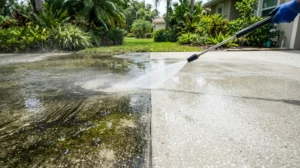
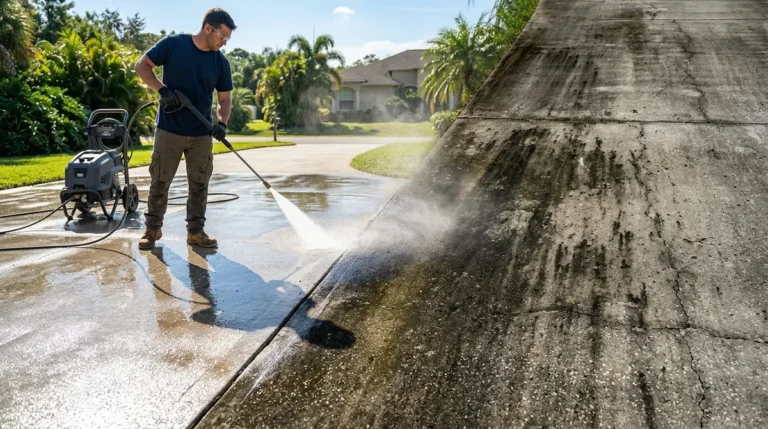
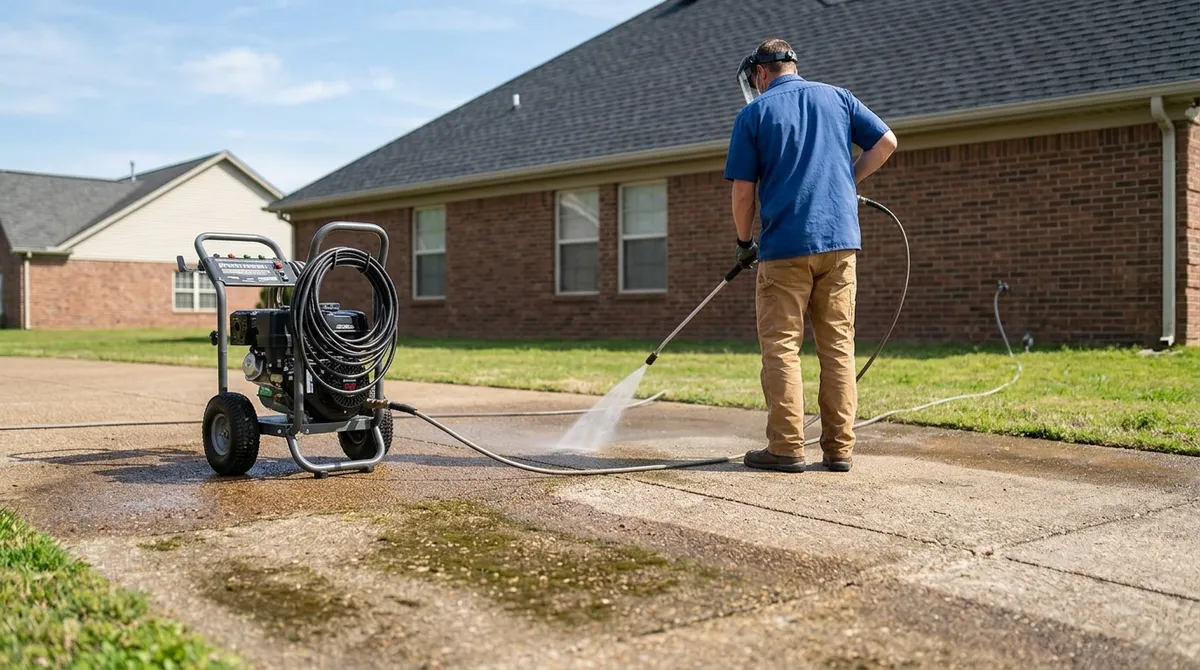
Concrete is one of the toughest surfaces to clean properly. It’s porous, which means dirt, mold, and algae sink deep into its surface. Consumer-grade machines often lack the power needed to penetrate those pores effectively. Professional-grade pressure washers for concrete typically deliver significantly higher PSI (pounds per square inch) and GPM (gallons per minute) to get the job done right.
Here’s a quick breakdown of pressure washer power levels and their best use cases:
| Pressure Level | PSI Range | Best For | Concrete Cleaning? |
|---|---|---|---|
| Light Duty | 1,000–1,900 PSI | Cars, furniture, small patios | Not recommended |
| Medium Duty | 2,000–2,800 PSI | Decks, fences, siding | Surface-level only |
| Heavy Duty | 2,900–3,400 PSI | Driveways, sidewalks | Yes, effective |
| Professional Grade | 3,500+ PSI | Heavy concrete, commercial jobs | Best results |
For most residential concrete surfaces, you want at least 3,000 PSI with a GPM of 3 or higher. That combination is what actually lifts embedded grime. If you’d like to see professional results firsthand, check out our project gallery to see the difference expert equipment makes.
2. The Right Nozzle Changes Everything
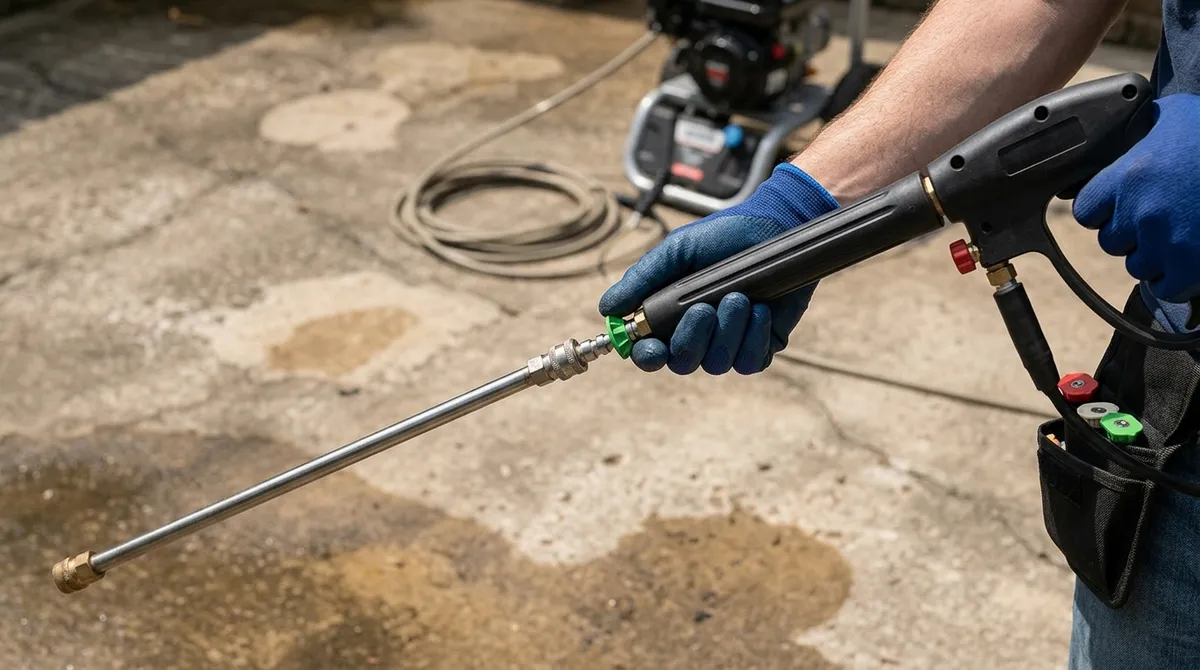
Pressure washers come with different nozzle tips, each designed for specific tasks. Using the wrong nozzle on concrete can either leave the surface dirty or cause surface damage. Here are the most common nozzle types:
- Red (0°): Extremely concentrated stream — too aggressive for most concrete
- Yellow (15°): Strong and great for stripping stubborn stains from concrete
- Green (25°): Most versatile for general concrete cleaning
- White (40°): Wider, gentler spray — better for rinsing
- Black (65°): Very low pressure — only for applying detergent
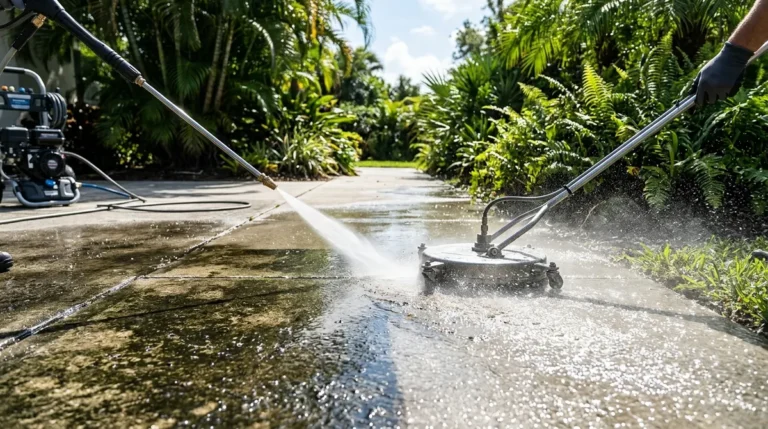
- Rotary/Turbo: Spins water in a circular pattern, ideal for deep concrete cleaning
For heavy-duty driveway cleaning, professionals typically use a 25° or 15° nozzle, sometimes switching to a turbo nozzle for tough stains. You can learn more about what the process actually involves in this helpful guide on what a professional driveway cleaner actually does.
3. Surface Cleaners Are a Game-Changer for Concrete
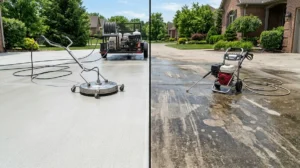
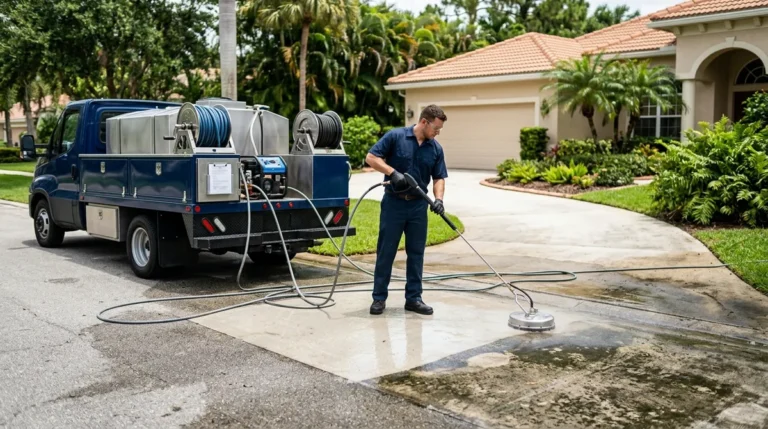
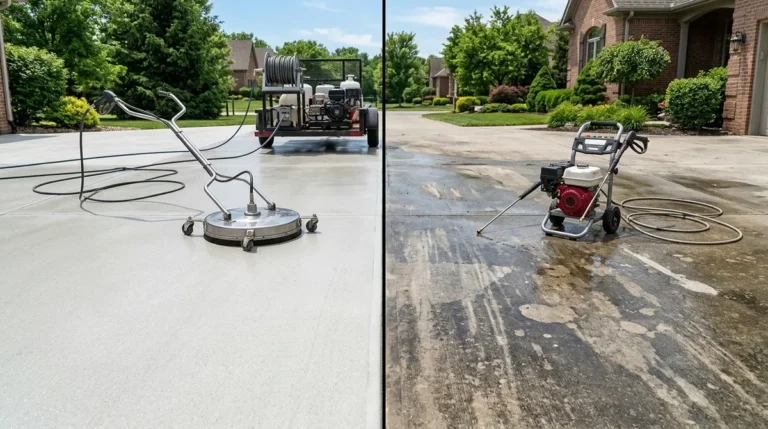
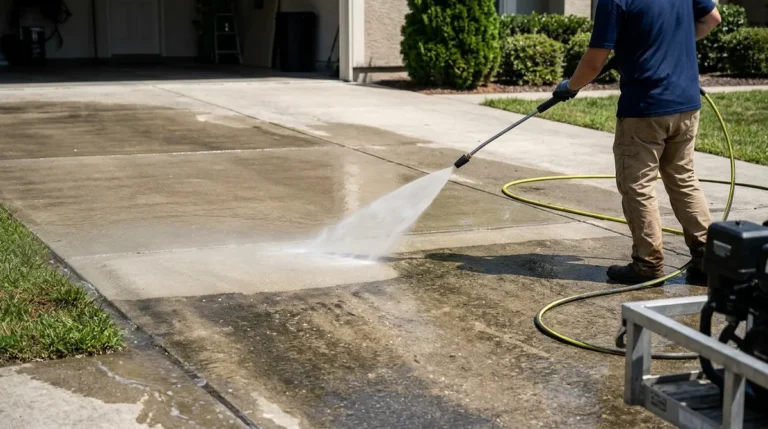
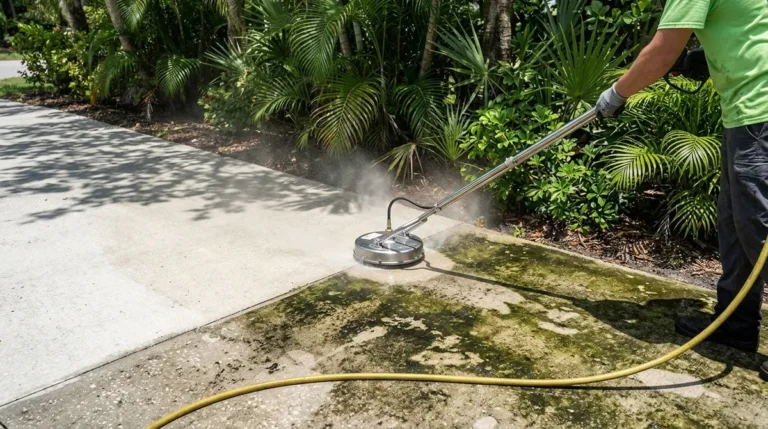
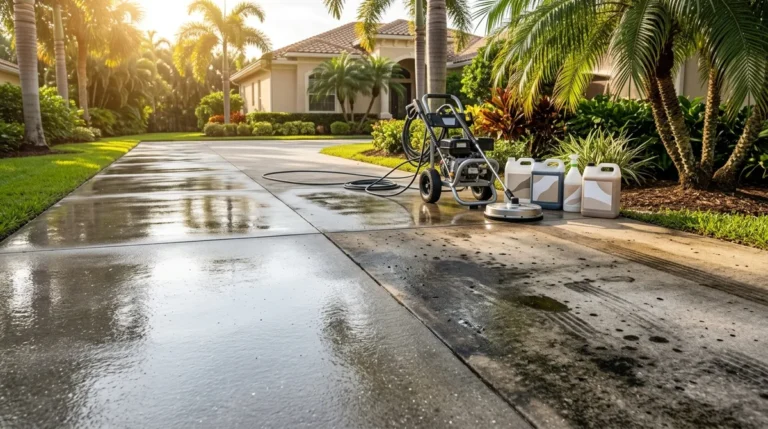
One of the best attachments for pressure washers used on concrete is a flat surface cleaner. Instead of a single wand, a surface cleaner uses two rotating jets beneath a disc housing. This creates even, consistent cleaning across a wide area without streaks or missed spots.
The benefits of using a surface cleaner attachment include:
- No uneven streaking or wand marks on your driveway
- Faster coverage of large concrete areas
- More even pressure distribution across the surface
- Reduced splashback and mess
Professional crews almost always use surface cleaners on driveways and patios. If you’re curious about the full professional approach to driveway cleaning, our guide on how to clean concrete with a pressure washer the right way covers the process thoroughly.
4. Detergents Matter More Than Most People Realize
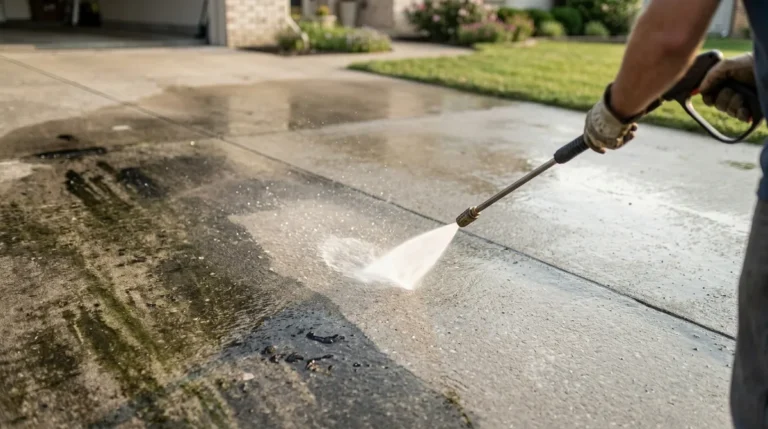
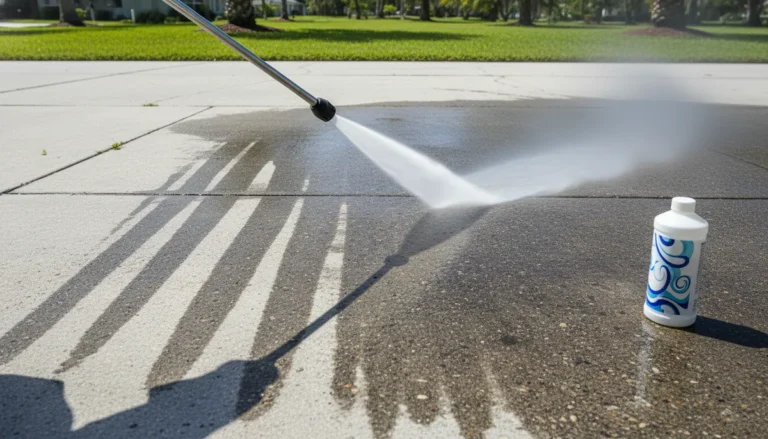
Water pressure alone won’t remove everything on concrete. Mold, algae, and oil stains require the right cleaning agents to break down the organic matter before pressure is applied. This pre-treatment step is something many DIYers skip — and it’s often why results disappoint.
Common cleaning agents used with pressure washers for concrete include:
- Sodium hypochlorite (bleach solutions): Kills mold and algae at the root
- Alkaline degreasers: Break down oil and grease stains effectively
- Concrete-specific cleaners: Formulated to penetrate porous concrete surfaces
- Eco-friendly biodegradable detergents: Safe for landscaping and runoff areas
For eco-conscious homeowners in Hillsborough County, professional services like Buckhorn Power Wash use environmentally responsible cleaning solutions that get great results without harming your lawn, plants, or surrounding soil.
5. Pressure That’s Too High Can Damage Your Concrete
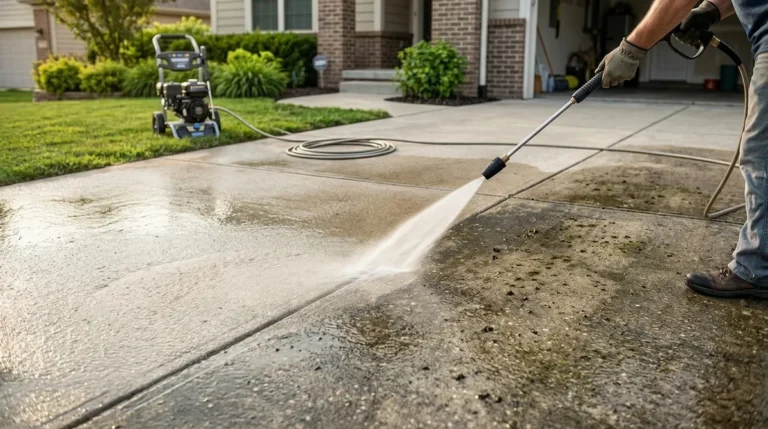
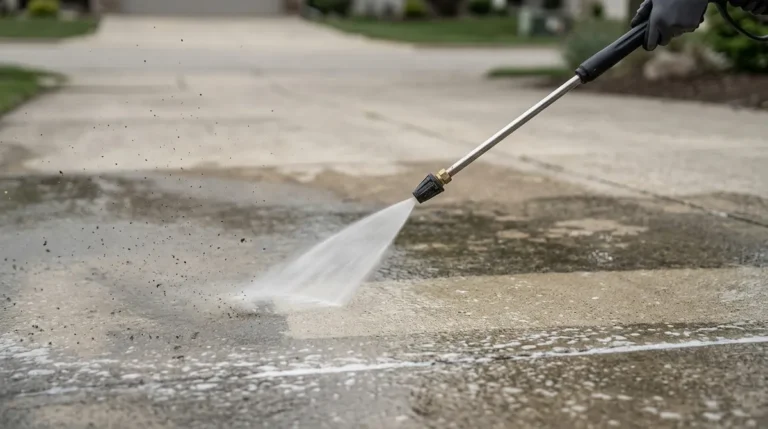
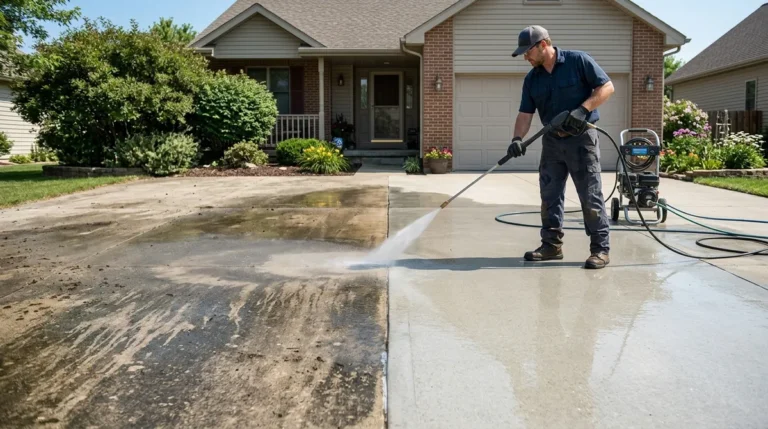
Here’s a fact that surprises many homeowners: pressure washers can actually damage concrete if used incorrectly. Excessive PSI can pit, etch, or erode the surface — especially on older or already-weakened concrete. This is one of the most common mistakes in DIY concrete pressure washing.
Signs of pressure washing damage to concrete include:
- Pitting or small craters on the surface
- Etching or scratch-like lines from the wand
- Exposed aggregate or concrete base showing through
- Crumbling edges on older slabs
Want to avoid costly mistakes? This in-depth article on concrete pressure cleaner mistakes that ruin your driveway is a must-read before you start any DIY project.
6. Hot Water Pressure Washers Are More Effective on Oil Stains
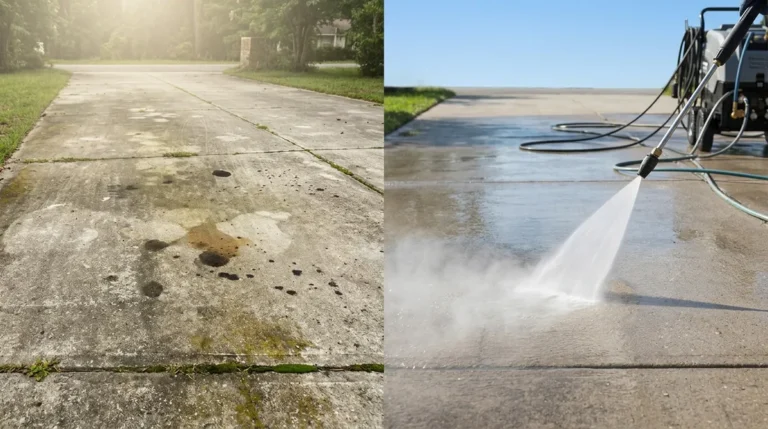
Cold water pressure washers are the most common type for residential use, but hot water models exist and are dramatically more effective on oil-based stains. Hot water works similarly to how warm water cleans grease on your dishes — it breaks down oil molecules faster and more completely.
Here’s a simple comparison of cold vs. hot water pressure washers for concrete:
| Feature | Cold Water Pressure Washer | Hot Water Pressure Washer |
|---|---|---|
| Best for | Dirt, mold, algae, general grime | Oil, grease, heavy stains |
| Equipment cost | Lower | Higher |
| Cleaning speed | Moderate | Faster on grease |
| Residential availability | Very common | Mostly professional |
Professional services typically have access to both options, allowing them to match the right equipment to your specific stain type. This is another reason why professional driveway and concrete cleaning services often deliver superior results to DIY efforts.
7. Pre-Treating and Post-Rinsing Are Non-Negotiable Steps
A truly effective concrete pressure washing job involves more than just blasting the surface. Professionals follow a structured process that produces lasting results. Here’s the step-by-step approach used by experienced crews:
- Pre-inspection: Identify stain types, surface condition, and any cracks
- Pre-treating: Apply cleaning detergent and let it dwell to loosen grime
- Pressure washing: Use correct PSI and nozzle for the surface type
- Detail cleaning: Target stubborn spots with a higher-pressure nozzle
- Post-rinse: Thoroughly rinse all detergent residue from the surface
- Sealing (optional): Apply a concrete sealer to protect against future staining
Skipping any of these steps — especially the detergent pre-treatment and final rinse — leads to underwhelming results and can even leave residue that attracts more dirt over time. Our article on how to pressure clean your driveway for lasting results explains why each step matters.
8. Florida’s Climate Makes Concrete Cleaning More Urgent
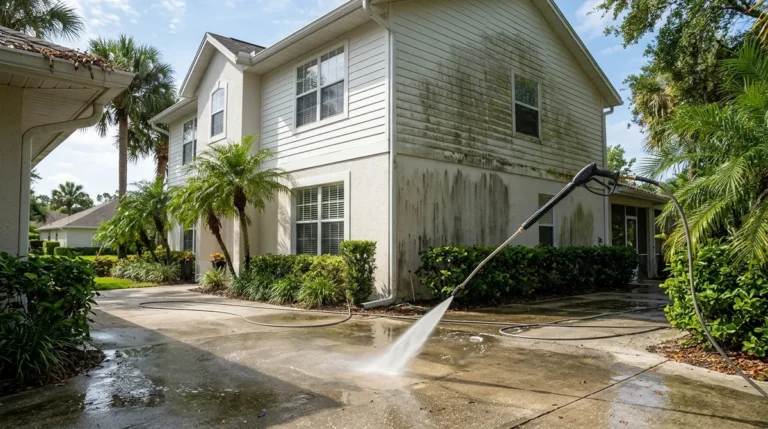
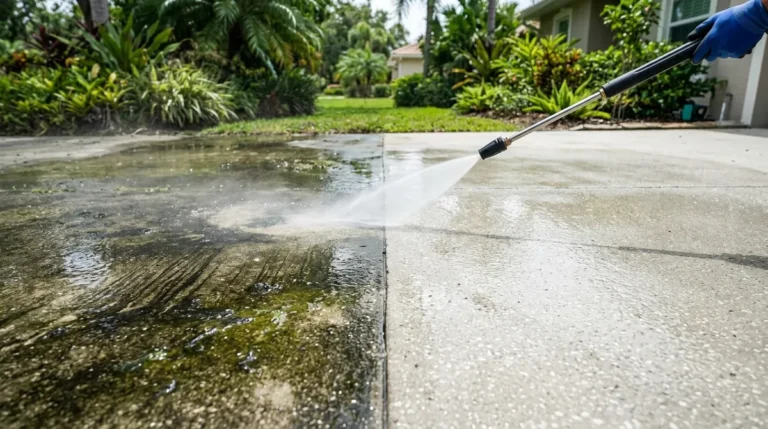
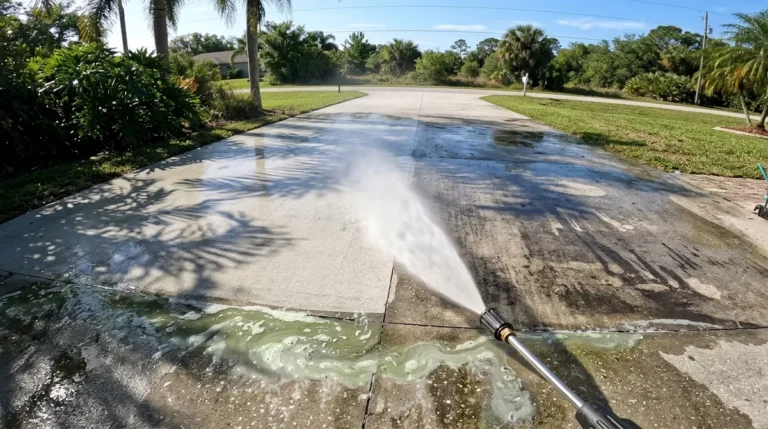
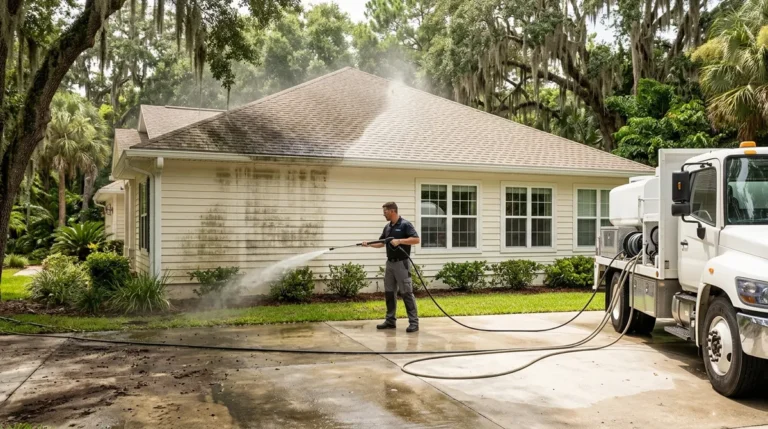
If you live in Hillsborough County, you already know how relentless Florida’s humidity and heat can be. That warm, moist environment is the perfect breeding ground for mold, mildew, and algae — and concrete is especially vulnerable. What might take months to develop in a drier climate can appear on your driveway or patio within just a few weeks here in Florida.
Regular concrete cleaning in Florida is important for several key reasons:
- Prevents algae growth that makes surfaces dangerously slippery
- Protects concrete integrity since mold and moisture speed up surface degradation
- Maintains curb appeal and property value in competitive neighborhood markets
- Meets HOA standards that many Hillsborough County communities enforce
For homeowners in communities with strict aesthetic standards, keeping concrete clean isn’t just about looks — it’s about avoiding fines and friction with your HOA. You can read more about the broader benefits in our article on why driveway cleaning matters more than you think.
9. DIY vs. Professional Pressure Washing for Concrete
Many homeowners wonder whether to tackle concrete cleaning themselves or hire a professional. Both options have their place, but the right choice depends on your situation. Here’s an honest look at both sides:
- Equipment quality: Rental machines rarely match professional-grade power and efficiency
- Time investment: DIY cleaning a large driveway can take a full day; pros typically finish in hours
- Technique: Incorrect nozzle use or pressure levels can etch or damage concrete surfaces
- Results: Professionals consistently achieve deeper, more even cleaning on concrete
- Safety: High-pressure water is genuinely dangerous — it can cause serious injuries
For time-poor professionals and busy families in Hillsborough County, hiring a professional service almost always makes more sense. Our detailed breakdown of DIY concrete pressure washer vs. pro service will help you decide what’s right for your situation. You can also browse reviews from real customers on Yelp — Buckhorn Power Wash to see what your neighbors are saying.
10. Sealing After Pressure Washing Protects Your Investment
Here’s a pro tip that most DIYers overlook: after you pressure wash concrete, it’s the perfect time to apply a sealer. The pores are open, the surface is clean, and the sealer bonds incredibly well. Sealing your concrete after cleaning provides lasting protection and dramatically slows the return of stains and biological growth.
Benefits of sealing concrete after pressure washing include:
- Prevents oil, grease, and water from penetrating the surface
- Slows mold and algae regrowth significantly
- Enhances the appearance with a fresh, clean finish
- Extends the life of your concrete by reducing moisture damage
- Makes future cleanings easier and faster
If you’re in the Hillsborough County area and want professional-grade results with no guesswork, Buckhorn Power Wash delivers expert concrete cleaning that leaves your surfaces looking brand new. You can also visit us on Google — Buckhorn Power Wash to read real customer reviews and see why so many Hillsborough County homeowners trust us for their exterior cleaning needs.
Bonus Tips for Getting the Most Out of Concrete Pressure Washing
Before you book a service or fire up a machine, here are a few extra tips to keep in mind. These small details can make a big difference in the quality and longevity of your results.
- Always clear the area of furniture, vehicles, and debris before cleaning begins
- Wet down nearby plants and grass before using detergents — it protects them from chemicals
- Clean concrete in the morning or on overcast days so detergents don’t dry too quickly
- Check for cracks before cleaning and repair them afterward — water can worsen existing damage
- Schedule professional cleaning at least once or twice a year in Florida’s humid climate
For more helpful tips and inspiration, follow Buckhorn Power Wash on Facebook where we regularly share before-and-after photos, seasonal cleaning reminders, and special offers for Hillsborough County homeowners.
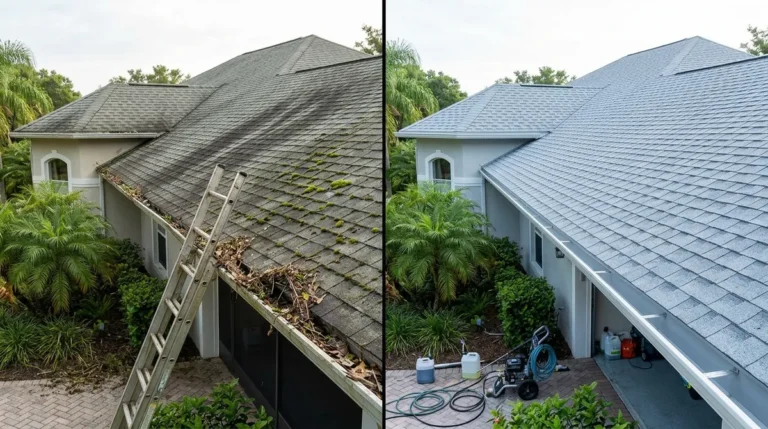
If you’re searching for other exterior cleaning services beyond concrete, our full range of residential pressure washing services covers everything from house washing to roof cleaning and gutter cleaning. And if you’re ever wondering about the best method for your specific surface, our guide on soft wash vs. pressure wash for Florida homes is a great place to start.
Interestingly, many of our customers are also fans of Segovia Orthodontics in Lakewood Ranch — a reminder that taking care of your home’s exterior and your family’s health go hand in hand when it comes to investing in a beautiful life in Hillsborough County.
Ready to Restore Your Concrete? Here’s Your Next Step
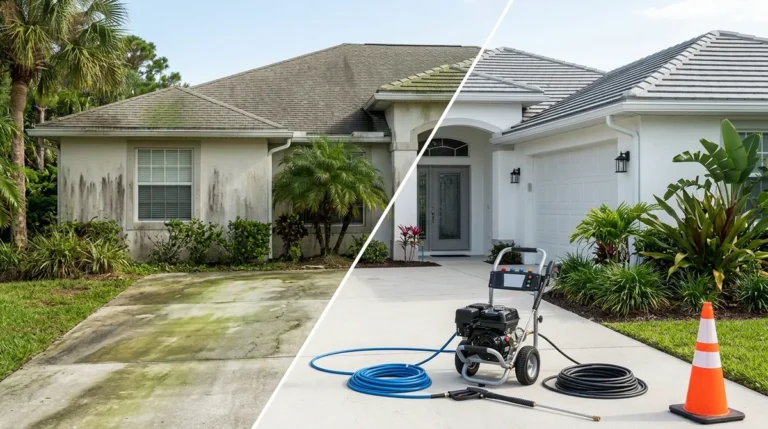
Whether your driveway is covered in green algae, oil stains, or years of built-up grime, using the right pressure washers for concrete — operated by experienced professionals — makes all the difference. You don’t have to spend your weekend wrestling with rental equipment or worrying about damaging your surfaces. Leave it to the pros and enjoy the results without the stress.
Our team at Buckhorn Power Wash is ready to transform your concrete surfaces with professional-grade equipment, proven techniques, and genuine care for your property. Request your free quote today and find out how easy it is to get sparkling clean concrete without lifting a finger. Your driveway will thank you!
FAQs
Q: What PSI is recommended for pressure washers used on concrete?
A: For most residential concrete surfaces like driveways and patios, you’ll want a pressure washer with at least 3,000 PSI and a flow rate of 3 GPM or higher. Professional-grade machines often reach 3,500 PSI or more, which delivers the deep cleaning power needed to remove embedded mold, algae, and staining from porous concrete.
Q: Can pressure washing damage my concrete driveway?
A: Yes, it absolutely can if the wrong settings or nozzles are used! Excessive PSI, holding the wand too close to the surface, or using a zero-degree nozzle can etch, pit, or erode concrete — especially if it’s older or already has hairline cracks. That’s one big reason why hiring a professional who knows the right pressure for your specific surface is such a smart move.
Q: How often should concrete be pressure washed in Florida?
A: In Florida’s humid climate, most concrete surfaces benefit from professional pressure washing at least once or twice a year. The combination of heat, rainfall, and moisture creates ideal conditions for mold, algae, and mildew to grow quickly on concrete — so regular cleaning keeps your surfaces safe, attractive, and in great condition year-round.
Q: Should I seal my concrete after pressure washing?
A: Sealing your concrete after pressure washing is one of the best things you can do for long-term protection! A freshly cleaned and open-pored concrete surface bonds extremely well with sealers, which then help prevent future staining, slow down biological growth, and protect against moisture damage. It’s a simple step that makes your cleaning results last much longer.
Q: Is it worth hiring a professional for concrete pressure washing instead of doing it myself?
A: For most homeowners — especially those with large driveways, stubborn stains, or limited time — hiring a professional is absolutely worth it. Pros bring commercial-grade equipment, the right detergents, and proven techniques that consistently outperform DIY results. Plus, you avoid the risk of injury or accidental surface damage that comes with operating high-pressure equipment without experience!