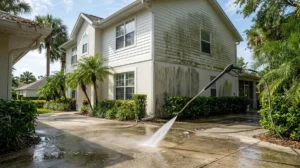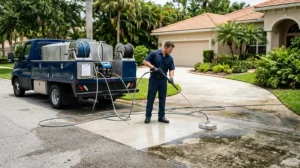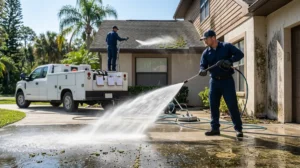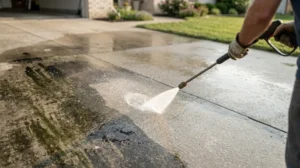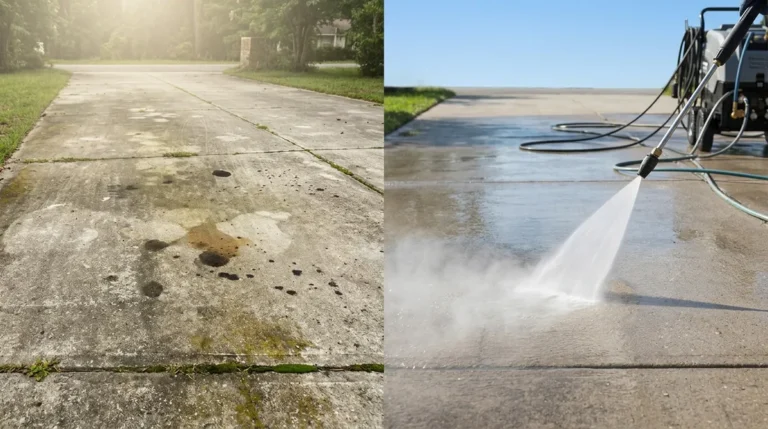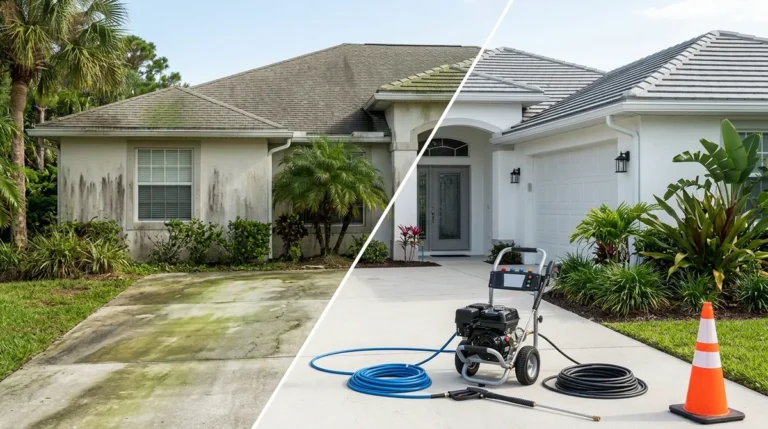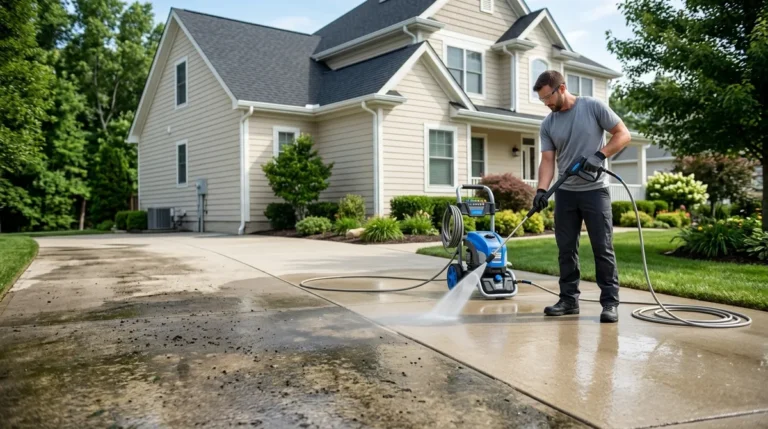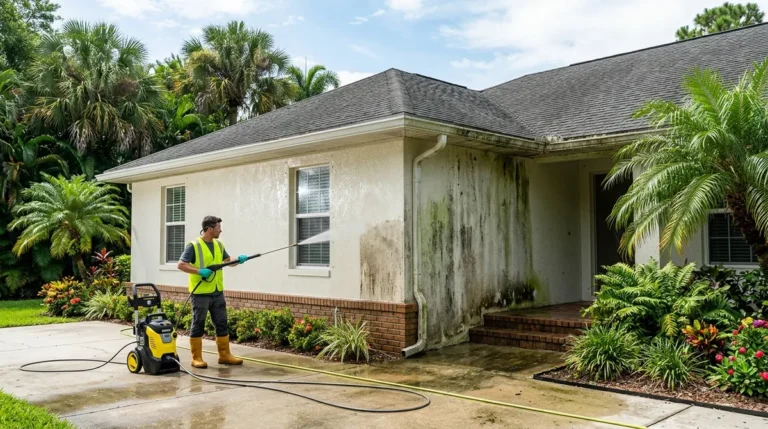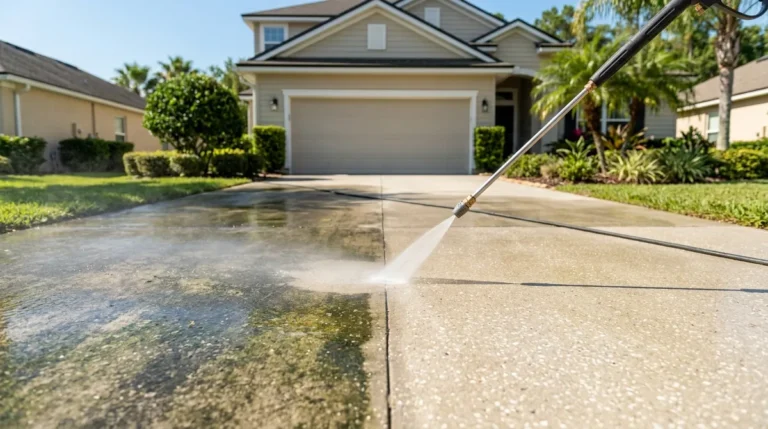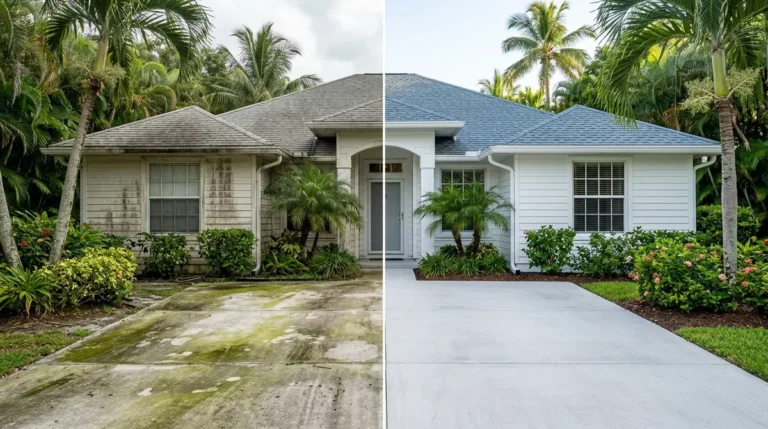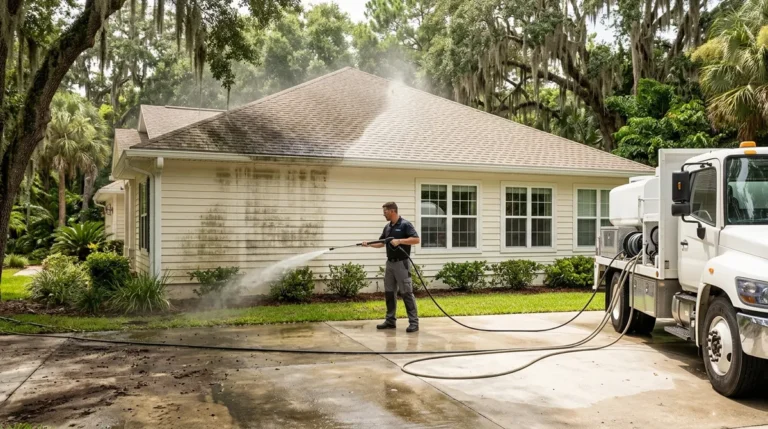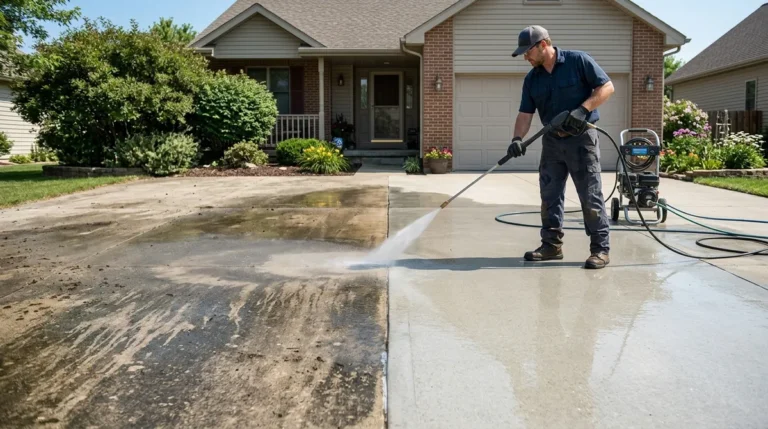

Your fence serves as a protective barrier and aesthetic feature for your property, but over time, it accumulates dirt, mildew, algae, and environmental grime that diminishes its appearance and structural integrity. Whether you have a wooden privacy fence, vinyl panels, or aluminum railings, understanding the proper cleaning methods can add years to its lifespan while dramatically improving your home’s curb appeal. Many homeowners underestimate the transformative power of a clean fence until they see the remarkable before-and-after results. Professional fence cleaning not only removes unsightly buildup but also prepares the surface for protective treatments that prevent future damage. In this comprehensive guide, we’ll explore seven proven fence cleaning methods that deliver exceptional results, helping you choose the right approach for your specific fence material and condition.
Understanding Why Fence Cleaning Matters

Regular fence cleaning extends far beyond simple aesthetics. When organic growth like algae, moss, and mildew establishes itself on fence surfaces, it creates a moisture-retaining environment that accelerates wood rot in wooden fences and causes discoloration in vinyl and composite materials. These biological contaminants feed on the fence material itself, breaking down protective finishes and compromising structural integrity over time.
Environmental pollutants, including vehicle emissions, industrial fallout, and airborne particles, create a film on fence surfaces that traps moisture and promotes microbial growth. In coastal areas, salt spray adds another layer of corrosive damage, while in wooded environments, tannins from trees stain fence materials. According to the Environmental Protection Agency, regular cleaning of outdoor structures prevents premature deterioration and reduces the need for costly replacements.
For homeowners in Hillsborough County, the humid subtropical climate creates ideal conditions for rapid organic growth on fences. This makes proactive cleaning essential rather than optional. Companies like Buckhorn Power Wash specialize in addressing these regional challenges with targeted cleaning solutions that preserve fence materials while eliminating damaging contaminants.
1. Soft Washing: The Gentle Yet Effective Approach

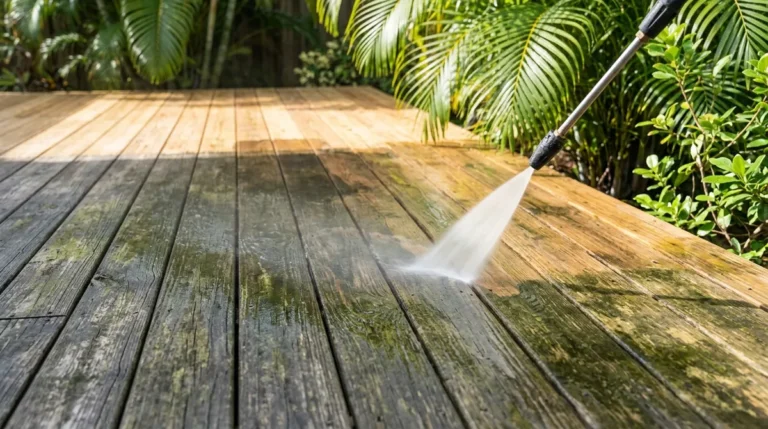
Soft washing represents the gold standard for fence cleaning, particularly for delicate materials like cedar, redwood, and painted surfaces. This method utilizes low-pressure application (typically under 500 PSI) combined with specialized cleaning solutions that chemically break down organic growth rather than relying on high-pressure force. The cleaning agents penetrate deep into porous surfaces, killing mold, mildew, and algae at the root level.
The soft washing process begins with a thorough pre-treatment application that allows the cleaning solution to dwell on the fence surface for 10-15 minutes. During this time, the biodegradable detergents work to dissolve dirt, neutralize organic growth, and lift stains without damaging the fence material. The low-pressure rinse then removes all loosened contaminants, revealing the clean surface beneath.
This method proves particularly effective for wooden fences because it avoids the surface damage that high-pressure washing can cause, such as splintering, grain raising, and premature aging. Soft washing also works exceptionally well on vinyl fences, where high pressure can potentially crack or warp the material. The cleaning solutions used in professional soft washing contain surfactants that help water penetrate and lift dirt while inhibiting future organic growth for several months.
Benefits of Soft Washing for Different Fence Materials
|
Fence Material |
Primary Benefit |
Expected Results |
|---|---|---|
|
Wood (Cedar, Pine, Redwood) |
Preserves wood grain and prevents fiber damage |
Removes up to 99% of organic growth without surface deterioration |
|
Vinyl/PVC |
Eliminates discoloration without warping or cracking |
Restores original color and brightness safely |
|
Composite |
Protects surface finish and embedded color |
Deep cleans without compromising manufacturer warranties |
|
Painted Wood |
Cleans thoroughly without stripping paint |
Maintains paint integrity while removing mildew stains |
2. Pressure Washing: High-Impact Cleaning for Durable Materials

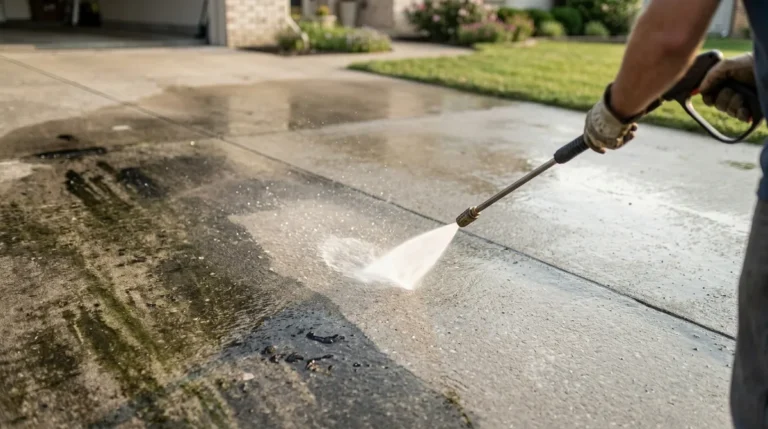
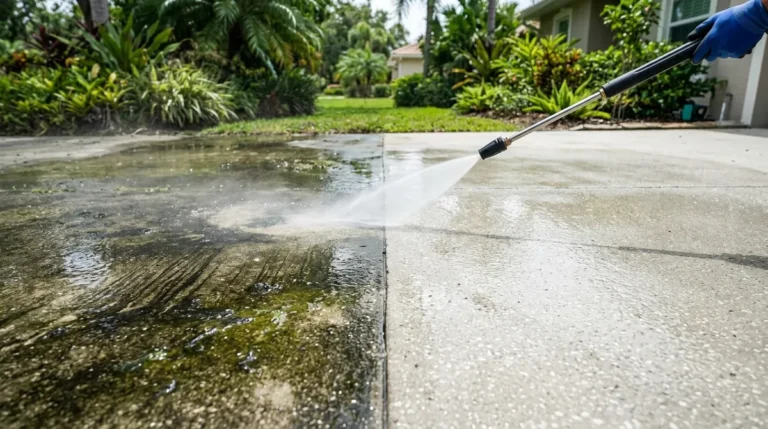
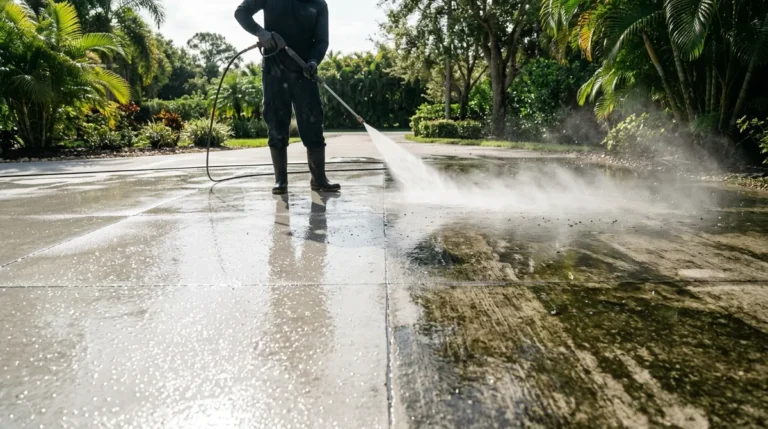
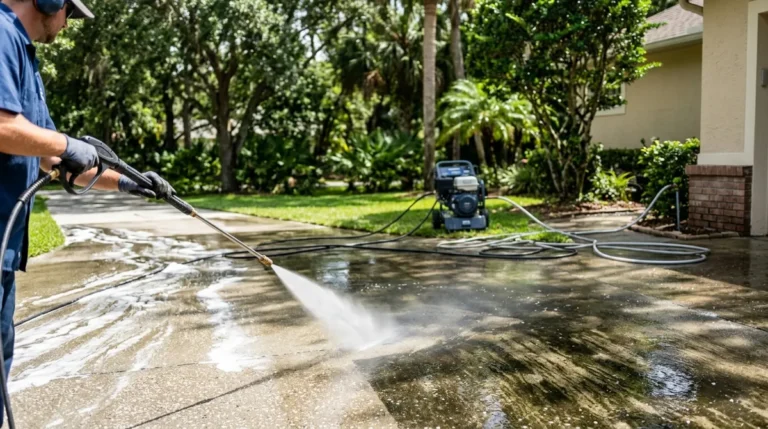
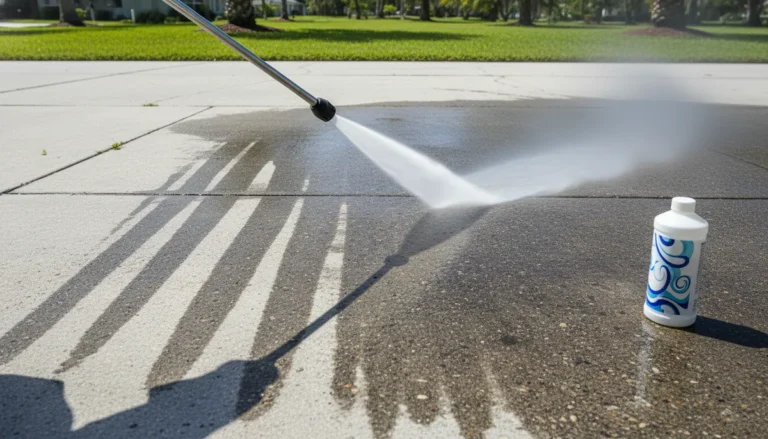
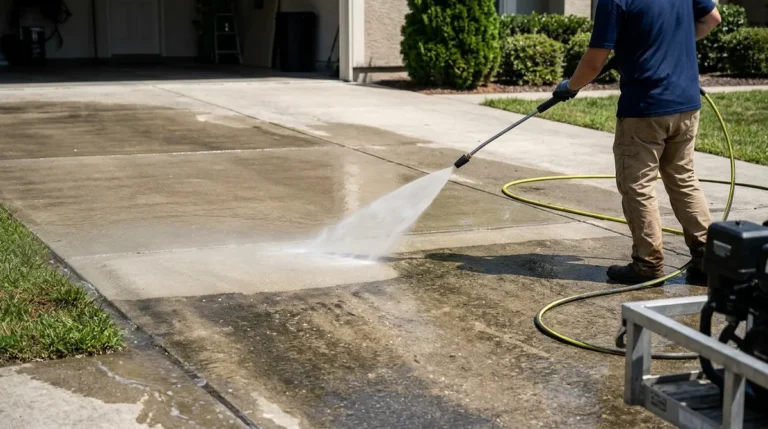
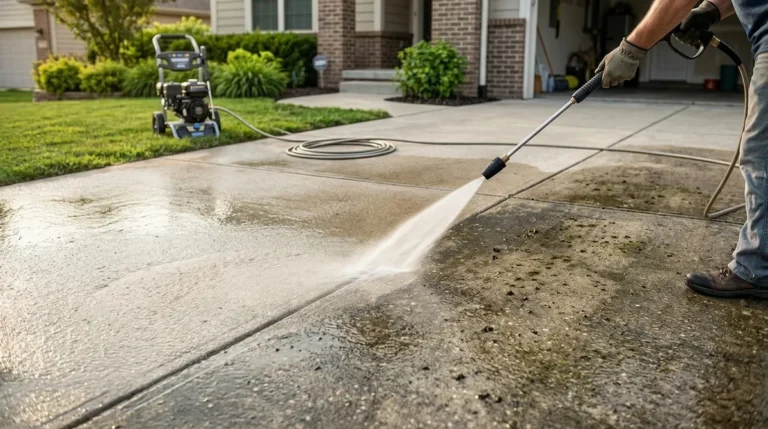
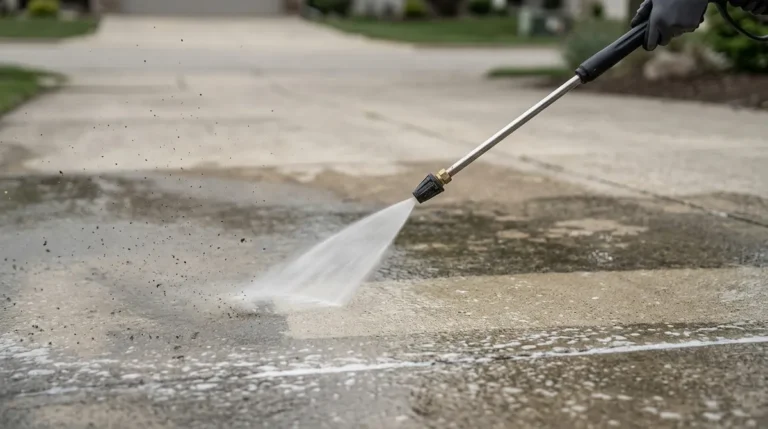
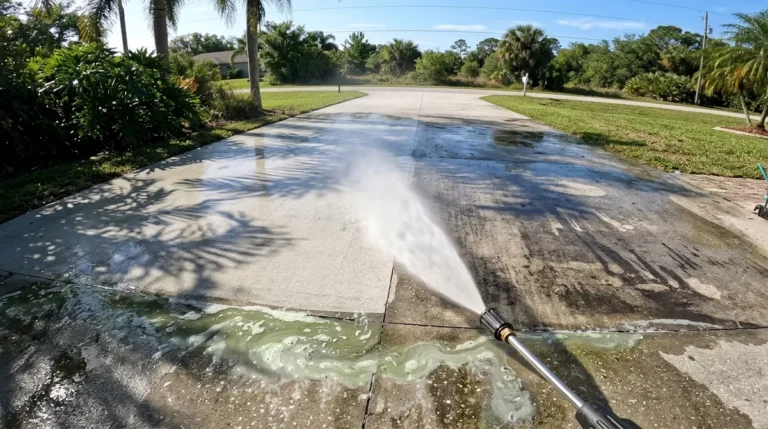
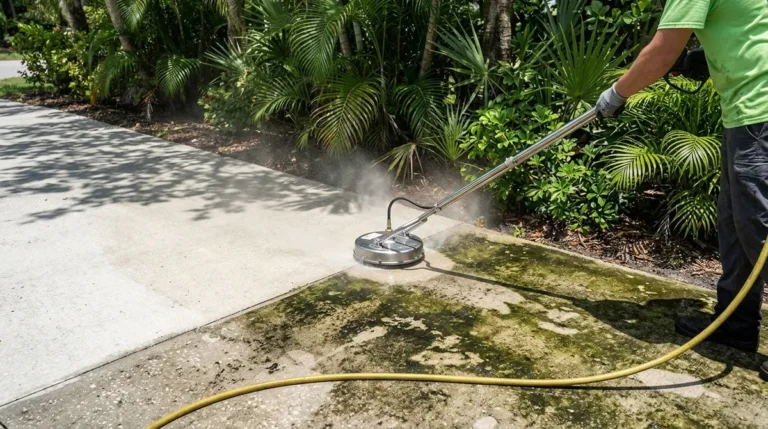
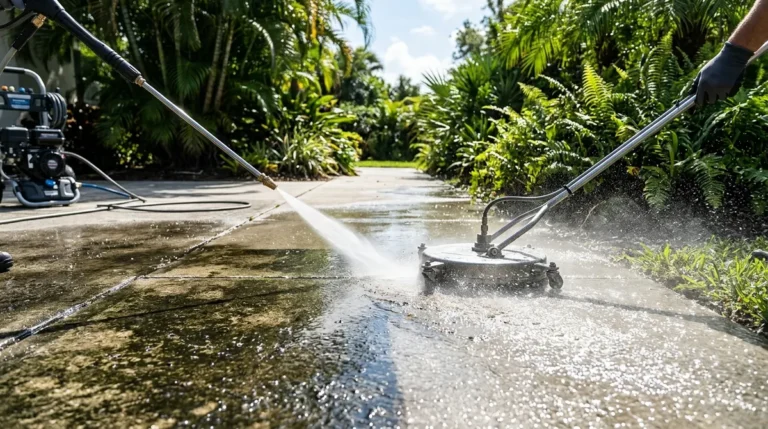
Pressure washing delivers powerful cleaning performance for fence materials that can withstand higher water pressure, typically ranging from 1,500 to 3,000 PSI. This method excels at removing stubborn dirt, ingrained grime, and multiple layers of accumulated debris from concrete fences, stone walls, and metal railings. The mechanical force of pressurized water strips away surface contaminants quickly and efficiently.
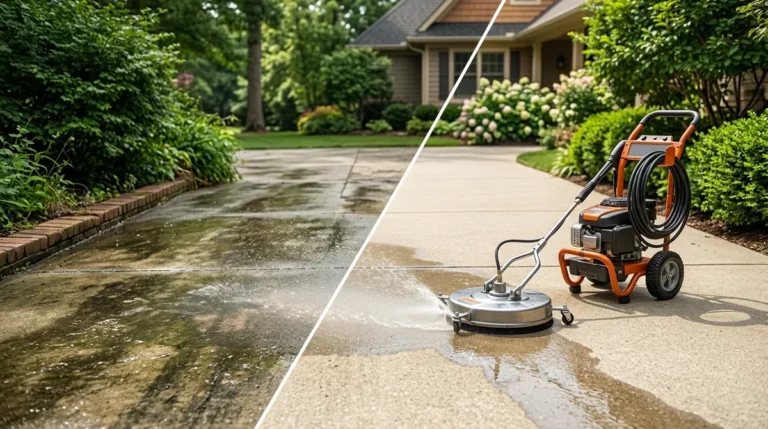
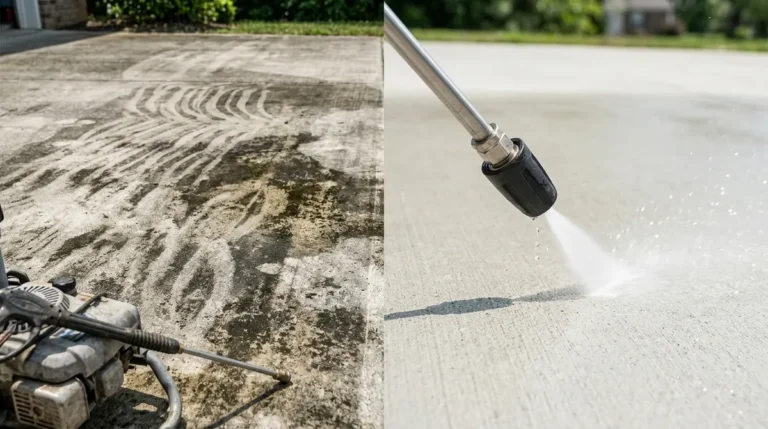
When applied to appropriate materials, pressure washing provides immediate visual transformation. Concrete block fences with years of built-up dirt and discoloration can be restored to near-original appearance in a single session. Metal fences, including wrought iron and aluminum, benefit from pressure washing’s ability to remove rust stains, oxidation, and peeling paint preparation before refinishing.
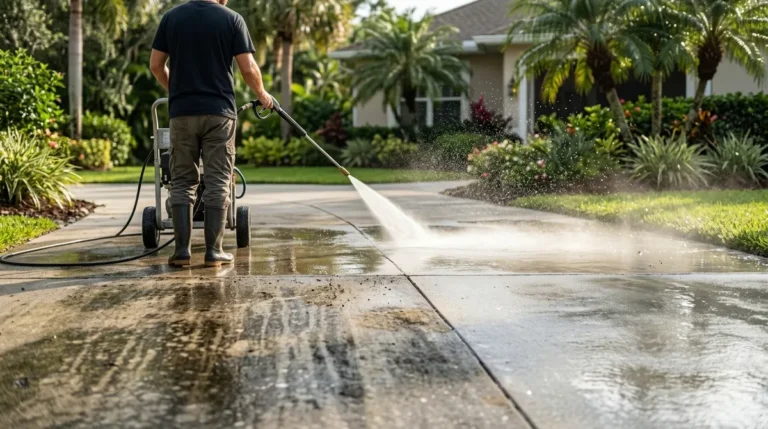
However, pressure washing requires expertise and proper technique to avoid damage. Holding the nozzle too close to the surface or using excessive pressure can etch concrete, strip paint, damage wood fibers, or force water behind siding and into structural components. Professional operators maintain the correct distance (typically 6-12 inches) and adjust pressure based on material type and condition.
Pressure Washing Safety Considerations
-
Always test pressure on an inconspicuous area before full application
-
Maintain consistent nozzle distance to prevent streaking or surface damage
-
Use appropriate nozzle tips: 25-degree for general cleaning, 40-degree for delicate areas
-
Work from top to bottom in overlapping passes for uniform results
-
Protect nearby plants and landscaping with plastic sheeting or pre-watering
-
Wear safety goggles and closed-toe shoes to protect against debris
3. Chemical Cleaning: Targeted Treatment for Stubborn Stains

Chemical cleaning involves applying specialized cleaning solutions designed to address specific types of stains and contaminants that mechanical cleaning alone cannot remove. These formulations target rust, tannin stains, oil-based discoloration, graffiti, and deeply embedded mildew. Professional-grade chemical cleaners work through chemical reactions that break molecular bonds between stains and fence surfaces.
Different fence materials and stain types require specific chemical formulations. Oxidation removers restore faded vinyl fencing by dissolving the chalky residue that forms on surfaces exposed to UV radiation. Rust removers containing oxalic acid eliminate iron stains from wood fences caused by metal fasteners or water runoff from metal structures. Tannin stain removers address the brownish discoloration that leaches from certain wood species or nearby trees.
The application process typically involves direct application of concentrated cleaner to affected areas, allowing appropriate dwell time for the chemical reaction to occur, then neutralizing and rinsing thoroughly. According to research from the Centers for Disease Control and Prevention, proper handling and dilution of cleaning chemicals prevents environmental contamination and ensures user safety.
Common Chemical Cleaners and Their Applications
Oxygen bleach (sodium percarbonate) provides effective organic stain removal without the harshness of chlorine bleach, making it ideal for wood fence brightening. It breaks down into oxygen, water, and soda ash, creating an environmentally responsible cleaning option that won’t harm plants or grass near the fence line.
Alkaline degreasers excel at removing oil-based stains, automotive fluids, and accumulated grime from metal fences in commercial settings. These high-pH formulations emulsify oils and suspend dirt particles for easy rinsing, restoring metal surfaces to their original finish.
Acid-based cleaners tackle mineral deposits, efflorescence on concrete fences, and hard water stains. However, these require careful application and complete neutralization to prevent surface etching and environmental damage. Professional services like those offered by Buckhorn Power Wash ensure proper chemical selection and application for optimal results without risk.
4. Manual Scrubbing: The Hands-On Method for Detailed Cleaning
Manual scrubbing remains a viable option for small fence sections, intricate designs, or situations where water access is limited. This method involves applying cleaning solution with brushes, sponges, or scrub pads, working the cleaner into the fence surface through physical agitation, then rinsing with a garden hose or buckets of water.
The primary advantage of manual scrubbing lies in the precision and control it offers. You can focus intensive effort on heavily soiled areas while treating cleaner sections more gently. This targeted approach proves particularly valuable for decorative fences with ornamental details, lattice work, or carved elements where automated cleaning might miss recessed areas.
For wooden fences, soft-bristle brushes prevent surface scratching while effectively lifting dirt from wood grain. Vinyl and composite fences respond well to non-abrasive sponges that won’t leave scratch marks. Metal fences benefit from wire brushes that remove loose rust and flaking paint, though care must be taken not to damage protective coatings on finished surfaces.
Step-by-Step Manual Fence Cleaning Process
-
Pre-wet the fence section with clean water to prevent cleaning solution from drying too quickly
-
Mix appropriate cleaning solution according to manufacturer instructions in a bucket
-
Apply cleaner to fence surface using a sponge or brush, starting from the bottom to prevent streaking
-
Scrub in circular motions for general dirt removal or along wood grain for wooden fences
-
Allow cleaning solution to dwell for recommended time without letting it dry completely
-
Rinse thoroughly from top to bottom with clean water, ensuring all cleaner residue is removed
-
Inspect results and repeat process on heavily soiled areas if necessary
-
Allow fence to dry completely before applying any protective treatments
5. Steam Cleaning: Chemical-Free High-Temperature Sanitization
Steam cleaning harnesses the power of superheated water vapor (typically 200-300°F) to sanitize and clean fence surfaces without chemicals or high water pressure. The extreme temperature kills organic growth on contact, including mold spores, mildew, algae, and bacteria, while the moisture helps lift dirt and grime from porous surfaces. This method appeals to environmentally conscious property owners and those with chemical sensitivities.
The steam cleaning process uses significantly less water than traditional pressure washing—approximately 95% less—making it ideal for areas with water restrictions or drought conditions. The low moisture output also means faster drying times, reducing the risk of water damage to nearby structures and minimizing ground saturation around fence posts.
Steam cleaning works effectively on multiple fence materials, though it requires skill to prevent heat damage to certain plastics and painted surfaces. The high temperature can reactivate and remove old paint, making it useful for paint stripping projects but problematic for fences you wish to keep painted. Professional operators adjust steam temperature and application technique based on material sensitivity.
6. Oxygenated Bleach Treatment: Eco-Friendly Brightening Solution
Oxygenated bleach, also known as oxygen bleach or sodium percarbonate, provides powerful cleaning and brightening performance without the environmental concerns associated with chlorine bleach. When dissolved in water, oxygen bleach releases hydrogen peroxide and soda ash, creating an oxidizing reaction that breaks down organic stains, brightens discolored wood, and kills mold and mildew.
This cleaning method proves particularly effective for wooden fence restoration projects. Wood naturally darkens and grays over time due to UV exposure and mildew growth. Oxygen bleach treatment reverses this discoloration, restoring the wood’s natural color and preparing the surface for staining or sealing. The process typically involves mixing powdered oxygen bleach with warm water, applying the solution liberally to the fence, allowing it to work for 15-30 minutes, then scrubbing and rinsing.
Unlike chlorine bleach, oxygen bleach won’t harm plants, grass, or landscaping around your fence. It biodegrades into environmentally safe components and won’t damage the lignin that gives wood its strength. This makes it the preferred choice for eco-conscious homeowners and properties with extensive landscaping near fence lines.
Oxygen Bleach Application Guidelines
-
Mix 1-2 cups of powdered oxygen bleach per gallon of warm water for standard cleaning
-
Use stronger concentrations (3-4 cups per gallon) for heavily stained or weathered fences
-
Apply solution generously with a pump sprayer or brush for complete coverage
-
Allow solution to work for 15-30 minutes, keeping surface wet by reapplying as needed
-
Agitate stubborn stains with a soft brush during dwell time
-
Rinse thoroughly with clean water from a garden hose or pressure washer on low setting
-
Repeat treatment if necessary for optimal results before allowing fence to dry
7. Professional Fence Cleaning Services: Expert Results and Time Savings
Professional fence cleaning services combine expertise, commercial-grade equipment, and proven techniques to deliver superior results while saving homeowners significant time and effort. Companies specializing in exterior cleaning understand the nuances of different fence materials, appropriate pressure levels, effective cleaning solutions, and proper application methods that prevent damage while maximizing cleanliness.
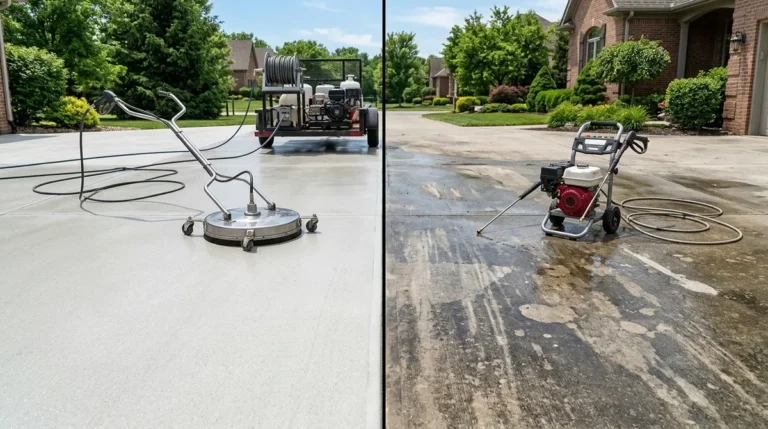
The value proposition extends beyond simple convenience. Professional services typically complete in hours what might take homeowners entire weekends to accomplish. They bring commercial-grade pressure washers with adjustable pressure settings, professional-strength cleaning solutions not available to consumers, and specialized equipment like surface cleaners, extension wands, and soft washing systems that ensure consistent, thorough results.
Insurance coverage provides another critical advantage. Reputable professional services carry liability insurance that protects homeowners if accidents or property damage occur during the cleaning process. This protection proves particularly valuable given the potential risks associated with pressure washing equipment and chemical handling. You can check out customer reviews on Google to evaluate local service providers.
Professional assessment identifies underlying issues that untrained eyes might miss. Experienced technicians spot early signs of wood rot, loose fasteners, structural concerns, and areas requiring repair before they become major problems. This diagnostic capability can save substantial money by addressing issues before they escalate into expensive fence replacement projects.
|
Service Aspect |
DIY Approach |
Professional Service |
|---|---|---|
|
Time Investment |
8-16 hours for average fence |
2-4 hours for same fence |
|
Equipment Cost |
$200-$600 for purchase or rental |
Included in service price |
|
Chemical Selection |
Trial and error with consumer products |
Professional-grade solutions matched to specific needs |
|
Risk of Damage |
Moderate to high without experience |
Minimal with insured professionals |
|
Results Quality |
Variable based on skill and equipment |
Consistently high-quality outcomes |
Choosing the Right Fence Cleaning Method for Your Property
Selecting the appropriate fence cleaning method depends on multiple factors, including fence material, level of soiling, budget constraints, environmental considerations, and available time. Wooden fences generally benefit most from soft washing or oxygen bleach treatments that clean without damaging delicate wood fibers. These methods preserve the wood’s integrity while removing organic growth and preparing surfaces for protective treatments.
Vinyl and composite fences tolerate various cleaning methods, though soft washing remains the safest option that prevents potential warping or surface damage from excessive pressure. Chemical treatments effectively remove stubborn oxidation and restore original color without the physical stress of high-pressure washing. For vinyl fences showing signs of chalking or fading, specialized vinyl restoration products combined with gentle pressure washing deliver optimal results.
Metal fences, including aluminum, wrought iron, and chain link, withstand higher pressure washing settings and benefit from rust-removing chemical treatments. However, painted metal fences require gentler approaches to preserve the finish. Steam cleaning works exceptionally well for intricate metalwork where standard pressure washing might miss detailed areas.
Environmental factors also influence method selection. Properties with extensive landscaping, sensitive plants, or proximity to water sources benefit from eco-friendly cleaning solutions like oxygen bleach or steam cleaning that minimize chemical runoff. Areas subject to water restrictions may require low-water methods like steam cleaning or chemical treatments with minimal rinsing requirements.
Material-Specific Recommendations
For pressure-treated pine fences, soft washing with specialized wood cleaners removes the greenish tint from chemical preservatives while preparing the surface for staining. The gentle approach prevents raising the wood grain, which creates a rough texture and increases future dirt accumulation. Following cleaning with a wood brightener restores natural color and neutralizes any residual cleaning agents.
Cedar and redwood fences maintain their beauty longest with annual soft washing and periodic application of wood-specific cleaners that don’t strip natural oils. These premium woods contain natural preservatives that resist decay, but regular cleaning prevents mildew buildup that discolors the distinctive grain patterns. Avoid chlorine bleach on these woods, as it breaks down lignin and causes premature graying.
Composite fences require pH-neutral cleaners that won’t degrade the polymer coating or affect embedded color. Most composite manufacturers provide specific cleaning recommendations that maintain warranty coverage. Gentle pressure washing or soft washing with approved cleaners delivers excellent results without compromising the material’s engineered properties. Those seeking professional cleaning services should verify the contractor’s experience with composite materials.
Post-Cleaning Protection and Maintenance
Fence cleaning creates the ideal opportunity to apply protective treatments that extend the time between cleanings and preserve fence appearance. Wooden fences benefit enormously from sealers, stains, or waterproofing treatments applied within 48 hours of cleaning, while the wood is still slightly damp but not wet. These products penetrate deeply when wood pores remain open, creating superior protection against moisture, UV radiation, and organic growth.
Clear sealers preserve natural wood color while providing water repellency that prevents moisture absorption and subsequent rot. Semi-transparent stains offer similar protection while enhancing wood grain and adding subtle color. Solid-color stains provide maximum UV protection and hide imperfections, functioning similarly to paint but allowing wood texture to show through. Each product type offers different maintenance intervals, with clear sealers requiring reapplication every 1-2 years and solid stains lasting 3-5 years.
Vinyl and composite fences require less intensive post-cleaning maintenance but benefit from UV protectants that prevent fading and chalking. These products create an invisible barrier that repels dirt and makes future cleaning easier. Some vinyl protectants contain anti-static properties that reduce dust accumulation, particularly valuable in high-traffic areas or dusty environments.
Metal fences need rust-inhibiting primers and weather-resistant topcoats after cleaning removes old paint and rust. Proper surface preparation through thorough cleaning proves critical for paint adhesion and longevity. Applying rust converter to any remaining rust spots before priming prevents continued corrosion under the new finish.
Ongoing Maintenance Schedule
-
Inspect fences quarterly for signs of organic growth, damage, or needed repairs
-
Spot-clean problem areas with appropriate cleaning solutions before growth spreads
-
Trim vegetation away from fence lines to improve air circulation and reduce moisture retention
-
Schedule comprehensive professional cleaning annually or biannually based on environment
-
Reapply protective treatments according to product specifications and visual assessment
-
Address repairs promptly to prevent minor issues from escalating into major problems
-
Document cleaning and maintenance activities to track effectiveness and optimal timing
Regional Considerations for Hillsborough County Homeowners
Hillsborough County’s humid subtropical climate presents unique challenges for fence maintenance. The combination of high temperatures, elevated humidity, and frequent rainfall creates ideal conditions for rapid mold, mildew, and algae growth on fence surfaces. These organisms can establish themselves within weeks during summer months, making proactive cleaning schedules essential for property appearance and fence longevity.
The region’s intense UV radiation accelerates wood weathering and vinyl fading, requiring more frequent application of protective treatments than in temperate climates. Wooden fences exposed to full sun may need cleaning and resealing twice annually to maintain optimal condition, while shaded fences in humid areas battle constant organic growth that demands regular attention.
Hurricane season brings additional concerns, including salt spray in coastal areas, wind-blown debris accumulation, and potential impact damage requiring assessment and cleaning. Post-storm fence cleaning should occur promptly to remove corrosive salt deposits and organic debris that accelerates deterioration. The University of Florida’s Institute of Food and Agricultural Sciences provides valuable research on maintaining outdoor structures in Florida’s challenging climate conditions.
Local companies understand these regional factors and adjust their cleaning protocols accordingly. Services familiar with Hillsborough County conditions select appropriate cleaning solutions, application timing, and protective treatments that address local challenges effectively. For homeowners seeking knowledgeable local expertise, learning more about experienced professionals in the area provides valuable insights into regional best practices.
Conclusion: Transform Your Property with Professional Fence Cleaning
Clean fences dramatically enhance curb appeal, protect property values, and extend the lifespan of significant investments in boundary structures. Whether you choose soft washing for delicate materials, pressure washing for durable surfaces, chemical treatments for stubborn stains, or eco-friendly alternatives like oxygen bleach and steam cleaning, the right method transforms weathered, dingy fences into attractive property features that complement your landscape.
The seven fence cleaning methods outlined in this guide offer solutions for every fence type, condition, and homeowner preference. While DIY approaches work for small projects and maintenance cleaning, professional services deliver superior results with less time investment and reduced risk of damage. The expertise, equipment, and insurance protection that professionals provide often justify the investment, particularly for extensive fencing or valuable materials requiring specialized care.
Regular fence cleaning should be viewed as preventive maintenance rather than cosmetic luxury. The relatively modest investment in annual or biannual cleaning prevents costly repairs, delays replacement needs, and maintains the aesthetic appeal that contributes to overall property presentation. In real estate markets where first impressions significantly impact buyer interest and property values, well-maintained fences represent visible evidence of comprehensive property care.
For Hillsborough County residents facing the unique challenges of Florida’s climate, establishing a proactive fence cleaning schedule protects against accelerated deterioration while ensuring properties always look their best. Whether you tackle the project yourself or engage professional services, the transformation that thorough fence cleaning delivers proves immediately visible and remarkably satisfying.
Ready to restore your fence to its original beauty? Get an Instant Quote today and discover how professional fence cleaning services can transform your property’s appearance while protecting your investment for years to come.
FAQs
Q: How often should I clean my fence?
A: Fence cleaning frequency depends on your climate and fence material. In humid subtropical climates like Hillsborough County, fences should be cleaned at least once or twice annually. Wooden fences exposed to full sun may require biannual cleaning and resealing, while shaded fences in humid areas need regular attention to combat organic growth. Vinyl and composite fences typically need professional cleaning annually to maintain appearance and prevent stubborn staining.
Q: What is the difference between soft washing and pressure washing for fences?
A: Soft washing uses low pressure (under 500 PSI) combined with specialized cleaning solutions that chemically break down organic growth, making it ideal for delicate materials like wood, vinyl, and painted surfaces. Pressure washing employs higher pressure (1,500-3,000 PSI) to mechanically remove dirt and is best suited for durable materials like concrete, stone, and metal. Soft washing prevents surface damage while providing longer-lasting results through deeper cleaning and growth inhibition.
Q: Can I pressure wash a wooden fence without damaging it?
A: While wooden fences can be pressure washed, it requires expertise and proper technique to avoid damage. Excessive pressure or holding the nozzle too close can splinter wood, raise grain, strip paint, and force water into joints, causing rot. Soft washing represents the safer, more effective approach for wooden fences, as it cleans thoroughly without mechanical stress. If pressure washing is necessary, use low pressure (under 1,500 PSI), maintain proper distance (8-12 inches), and work along the wood grain.
Q: What cleaning solution works best for removing mildew from fences?
A: Oxygen bleach (sodium percarbonate) provides the most effective and environmentally safe solution for removing mildew from fences. It breaks down organic growth, brightens discolored surfaces, and biodegrades into harmless components that won’t damage surrounding plants. For severe mildew infestations, professional-grade soft washing solutions containing mildewcides offer superior performance. These specialized treatments kill mildew at the root level and provide residual protection that inhibits regrowth for several months.
Q: Is professional fence cleaning worth the cost?
A: Professional fence cleaning delivers value through time savings, superior results, and risk mitigation. Commercial-grade equipment and expertise ensure thorough cleaning without damage, while liability insurance protects homeowners from accident costs. Professionals complete in hours what homeowners spend entire weekends attempting, using specialized solutions unavailable to consumers. The investment proves particularly worthwhile for extensive fencing, valuable materials like cedar or composite, or situations requiring specialized treatments. Professional assessment also identifies potential issues before they become expensive repair problems.