
Vinyl fences have become increasingly popular among homeowners for their durability, low maintenance requirements, and aesthetic appeal. However, even these resilient structures need regular cleaning to maintain their pristine appearance. Over time, dirt, mold, mildew, algae, and environmental pollutants accumulate on vinyl surfaces, causing discoloration and diminishing your property’s curb appeal. Understanding the most effective cleaning methods ensures your vinyl fence remains bright, clean, and attractive for years to come.
Many homeowners struggle with stubborn stains and discoloration on their vinyl fences, often resorting to harsh chemicals or abrasive cleaning techniques that can damage the material. The good news is that vinyl fence cleaning doesn’t require expensive equipment or professional-grade chemicals. With the right approach, common household products, and a bit of elbow grease, you can restore your fence to its original brilliance. This comprehensive guide explores seven proven vinyl fence cleaning methods, from simple soap and water solutions to advanced pressure washing techniques.
Whether you’re dealing with general dirt accumulation, stubborn mold growth, or challenging rust stains, these tested methods will help you tackle any vinyl fence cleaning challenge. We’ll cover everything from basic maintenance routines to deep-cleaning strategies, ensuring you have the knowledge to keep your vinyl fence looking brand new.
1. The Classic Soap and Water Method

The simplest and most frequently used vinyl fence cleaning method involves basic dish soap and water. This approach works exceptionally well for routine maintenance and light dirt accumulation. Mix one cup of liquid dish soap with a gallon of warm water in a large bucket. The surfactants in dish soap break down oils, dirt, and grime without damaging the vinyl surface or stripping away its protective coating.
To apply this method effectively, use a soft-bristle brush or a car washing mitt to scrub the fence panels in circular motions. Start from the top and work your way down to prevent dirty water from running over already-cleaned sections. Pay special attention to corners, edges, and textured areas where dirt tends to accumulate. This method is ideal for monthly or bi-monthly maintenance cleaning and helps prevent the buildup of more stubborn stains.
After scrubbing each section thoroughly, rinse the fence with a garden hose using moderate water pressure. Ensure all soap residue is removed, as dried soap can attract more dirt and create streaking. This method is environmentally friendly, cost-effective, and safe for surrounding landscaping. For homeowners who maintain a regular cleaning schedule, the soap and water method often provides sufficient cleaning power to keep vinyl fences looking fresh and bright throughout the year.
2. Vinegar Solution for Mold and Mildew
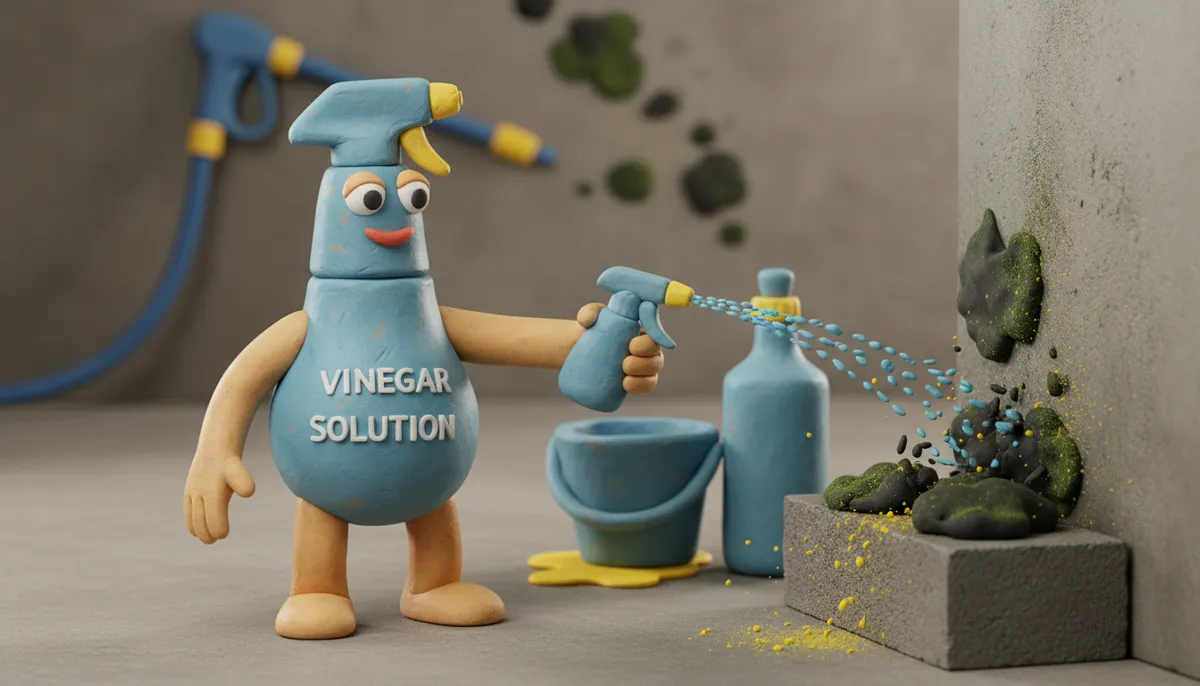
White vinegar is a powerful natural cleaner that effectively eliminates mold, mildew, and algae growth on vinyl fences. The acetic acid in vinegar kills mold spores and breaks down organic growth without introducing harsh chemicals into your yard. Create a cleaning solution by mixing equal parts white vinegar and water in a spray bottle or bucket. For heavily affected areas, you can use undiluted vinegar for maximum effectiveness.
Spray or apply the vinegar solution generously to affected areas, ensuring complete coverage of all visible mold and mildew. Allow the solution to sit for 10-15 minutes to penetrate and kill the organic growth. This dwell time is crucial for breaking down the cellular structure of mold and mildew, making removal significantly easier. Use a soft-bristle brush to scrub the treated areas, applying moderate pressure to dislodge stubborn growth.
The vinegar method works particularly well in shaded areas where moisture tends to linger, creating ideal conditions for mold and mildew development. After scrubbing, rinse the fence thoroughly with water. The distinctive vinegar smell dissipates quickly once the fence dries. This method is especially popular among environmentally conscious homeowners because vinegar is non-toxic, biodegradable, and safe for children, pets, and surrounding vegetation. Regular application of vinegar solution can also help prevent future mold and mildew growth.
3. Baking Soda Paste for Tough Stains

Baking soda serves as a gentle yet effective abrasive cleaner for vinyl fences, particularly useful for removing stubborn stains, scuff marks, and discoloration that resist basic soap and water cleaning. Create a thick paste by mixing three parts baking soda with one part water, adjusting the consistency until it resembles toothpaste. This paste provides just enough abrasive action to lift stains without scratching or damaging the vinyl surface.
Apply the baking soda paste directly to stained areas using a soft cloth or sponge. Gently rub the paste into the stain using circular motions, allowing the mild abrasive properties of baking soda to break down the discoloration. Let the paste sit on particularly stubborn stains for 5-10 minutes before scrubbing. The alkaline nature of baking soda also helps neutralize acidic stains and odors, making it especially effective against tannin stains from leaves and organic matter.
This method excels at removing scuff marks from lawn equipment, stubborn dirt stains, and even some rust stains. After scrubbing, rinse the treated areas thoroughly with water to remove all baking soda residue. For extensive stain removal projects, you may need to repeat the application on particularly stubborn discoloration. Baking soda is inexpensive, readily available, and completely safe for the environment, making it an excellent addition to your vinyl fence cleaning arsenal.
4. Oxygen Bleach Deep Cleaning

Oxygen bleach, also known as sodium percarbonate, provides powerful cleaning action for heavily soiled vinyl fences without the harsh effects of chlorine bleach. Unlike chlorine bleach, oxygen bleach is color-safe, environmentally friendly, and won’t damage plants or grass surrounding your fence. This method is ideal for annual deep cleaning or when dealing with extensive mold, mildew, or severe discoloration that other methods haven’t resolved.
Mix oxygen bleach powder according to package directions, typically using one cup of powder per gallon of warm water. Warm water activates the oxygen bleach more effectively than cold water, enhancing its cleaning power. Apply the solution liberally to the entire fence using a pump sprayer, brush, or sponge. Allow the solution to remain on the fence for 10-20 minutes, giving the oxygen molecules time to break down organic stains, mold, and mildew at a molecular level.
| Cleaning Method | Best For | Estimated Time | Cost |
|---|---|---|---|
| Soap and Water | Routine maintenance | 1-2 hours | $5-10 |
| Vinegar Solution | Mold and mildew | 1-2 hours | $5-15 |
| Baking Soda Paste | Stubborn stains | 2-3 hours | $5-10 |
| Oxygen Bleach | Deep cleaning | 2-4 hours | $10-20 |
| Commercial Cleaner | Specialized stains | 1-3 hours | $15-30 |
| Pressure Washing | Heavy dirt buildup | 1-2 hours | $0-100 |
| Magic Eraser | Spot cleaning | 30 min-1 hour | $5-15 |
During the dwell time, you may notice the solution beginning to foam slightly as it works on organic stains. After the appropriate waiting period, scrub the fence with a soft-bristle brush to remove loosened dirt and stains, then rinse thoroughly with a garden hose. The results from oxygen bleach cleaning are often dramatic, restoring heavily soiled vinyl fences to near-original brightness. This method is particularly effective before selling a home or when preparing your property for special events.
5. Commercial Vinyl Fence Cleaners
Specialized commercial vinyl fence cleaners offer formulated solutions designed specifically for vinyl materials, providing powerful cleaning action while protecting the fence’s integrity. These products typically contain surfactants, brighteners, and mild oxidizers that target common vinyl fence stains without causing damage. Major brands like professional pressure washing services often use these commercial-grade products for optimal results.
When selecting a commercial cleaner, look for products specifically labeled for vinyl fencing rather than general-purpose cleaners. Read the manufacturer’s instructions carefully, as application methods and dilution ratios vary between products. Most commercial cleaners come in concentrate form that requires mixing with water, though some ready-to-use spray bottles are available for smaller projects or spot cleaning. Apply the cleaner according to directions, typically spraying or brushing it onto the fence surface and allowing it to work for the recommended time.
Commercial cleaners excel at removing specific challenging stains such as rust, tannins from trees, or stubborn mildew that household products struggle with. Many formulations include brightening agents that enhance the fence’s appearance beyond simple cleaning. While more expensive than DIY solutions, commercial cleaners save time and effort on large-scale or heavily soiled fencing projects. Always test commercial cleaners on an inconspicuous area first to ensure compatibility with your specific vinyl fence material.
6. Pressure Washing Technique
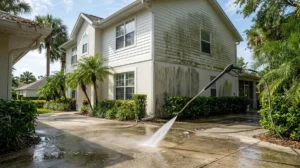
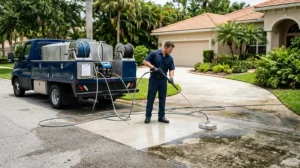
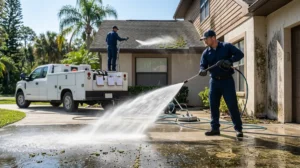
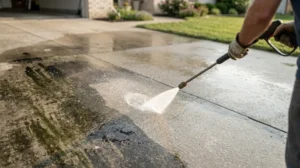
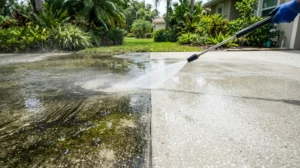
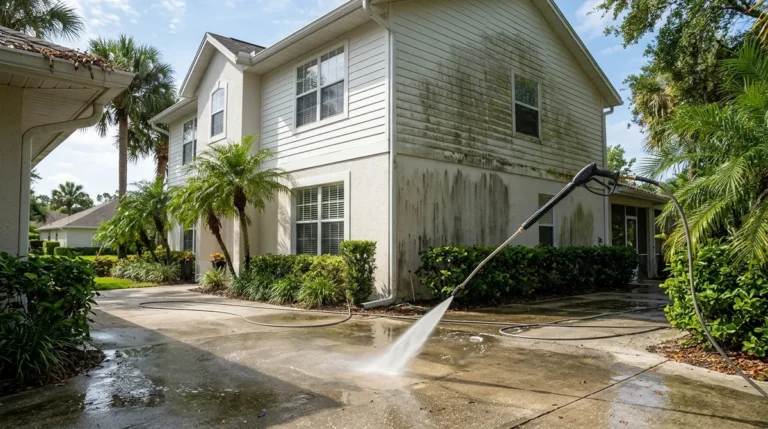
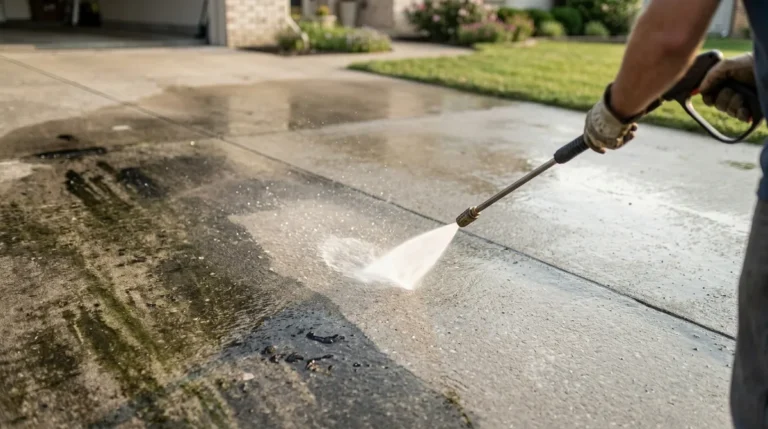
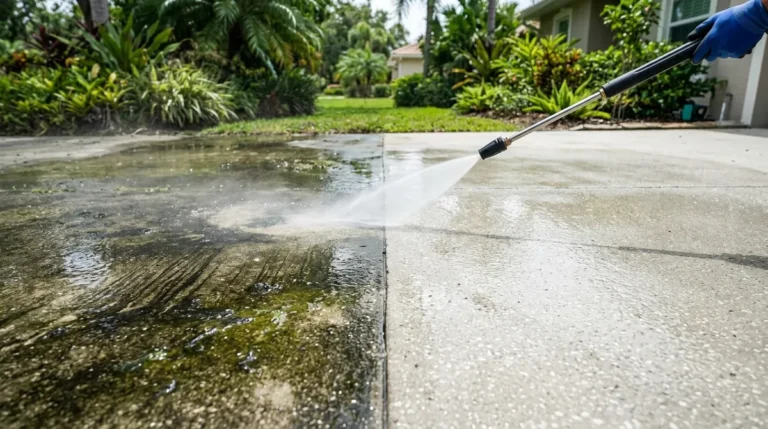
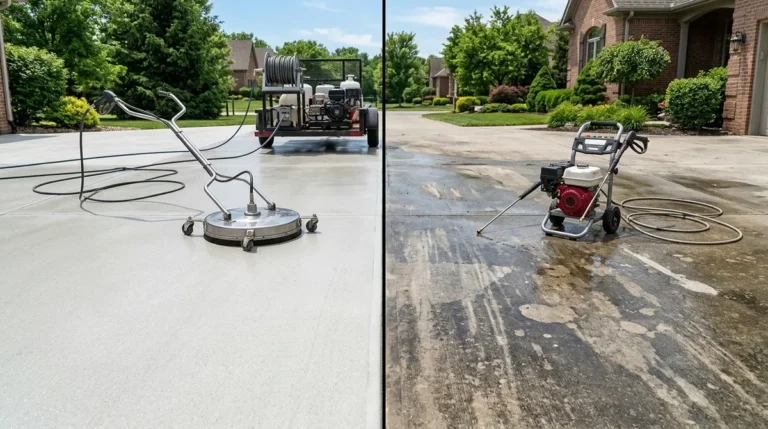
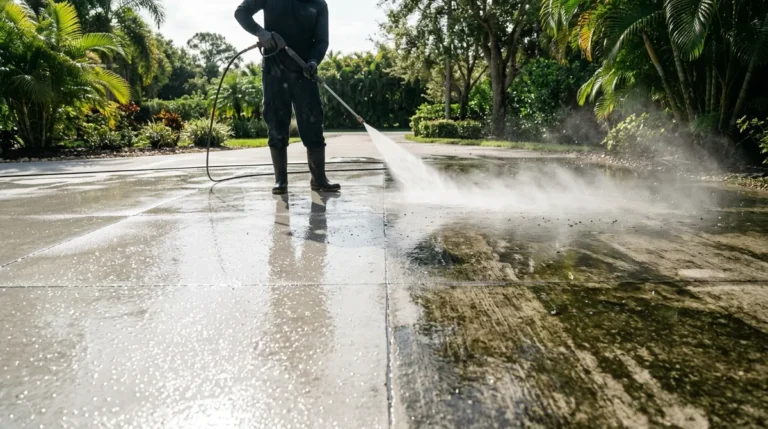
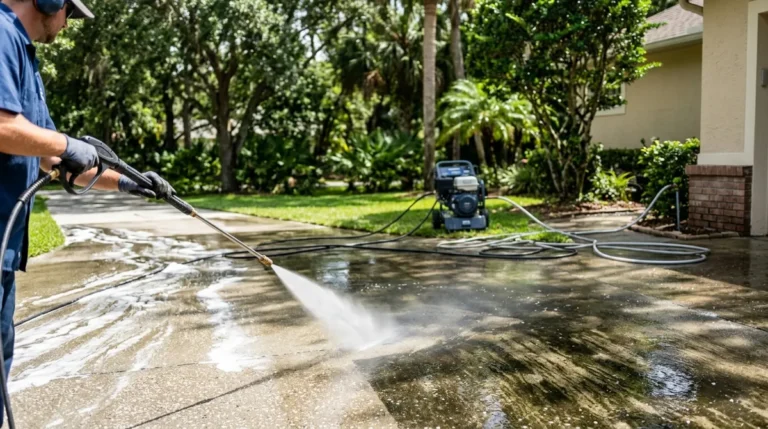
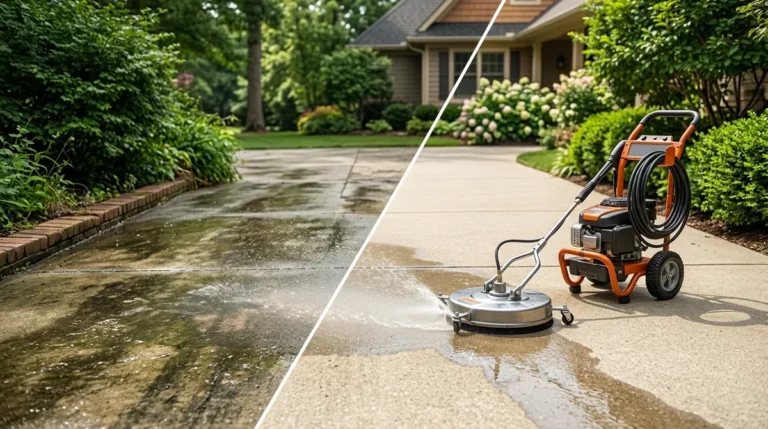
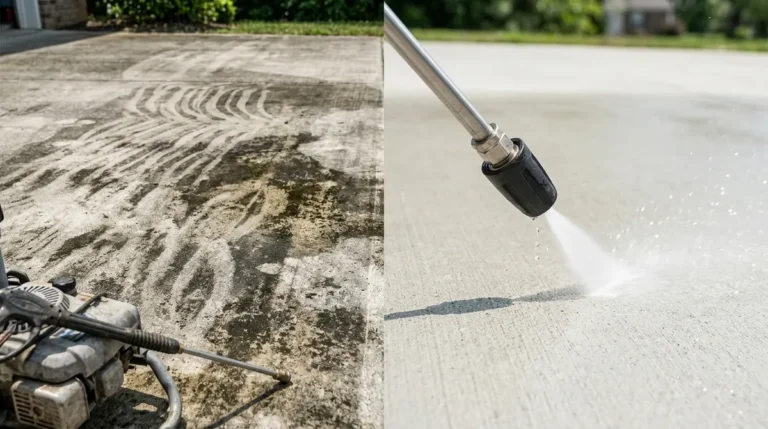
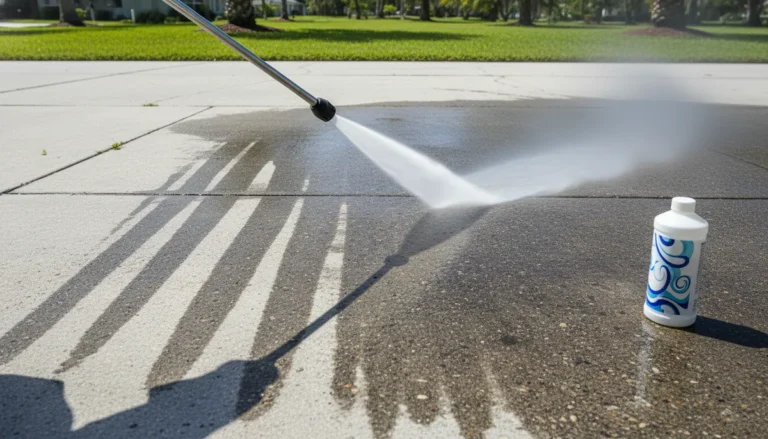
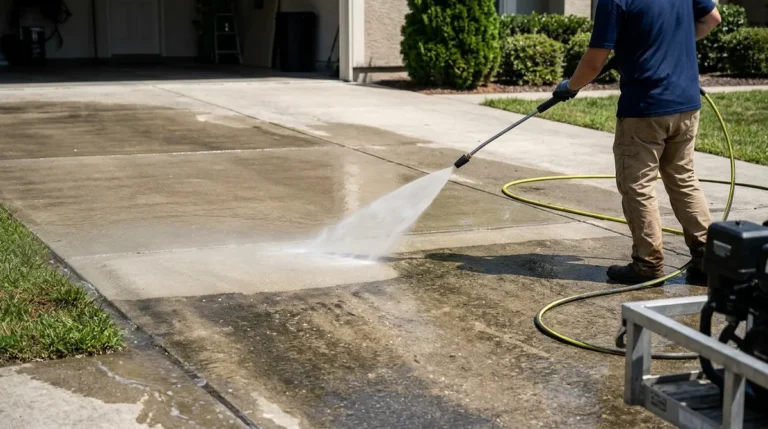
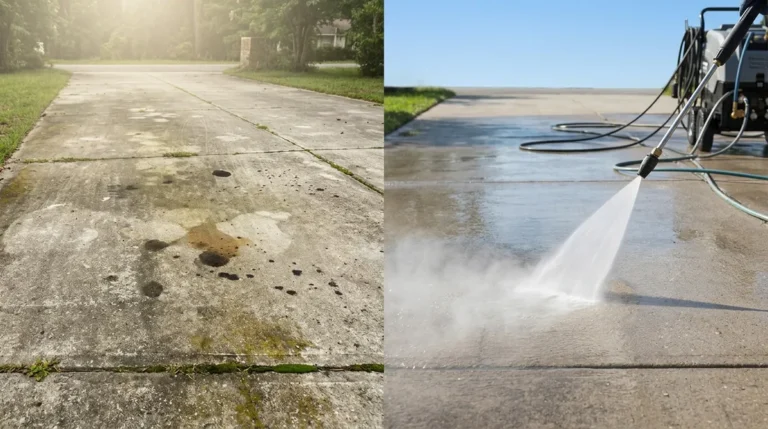
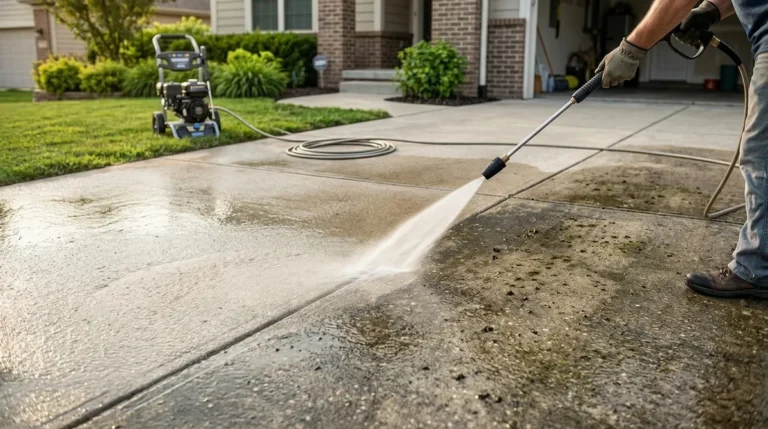
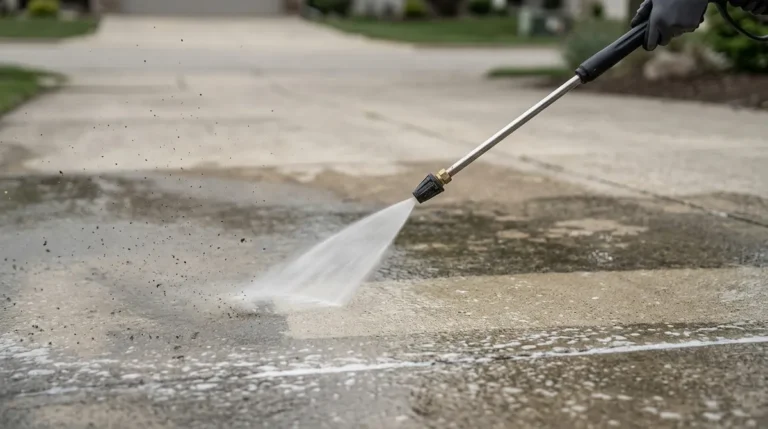
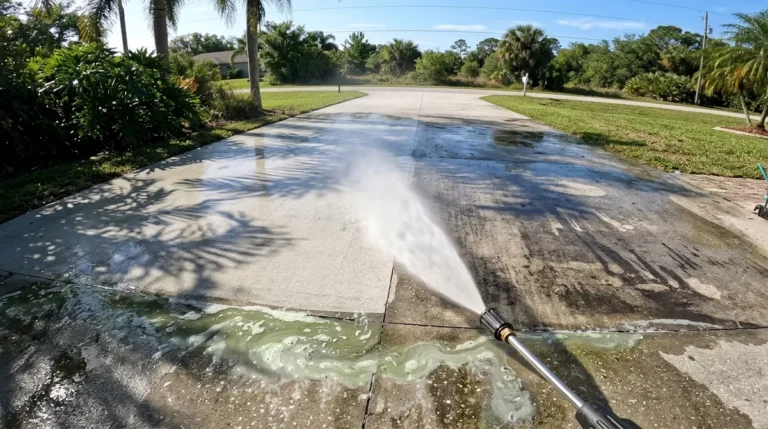
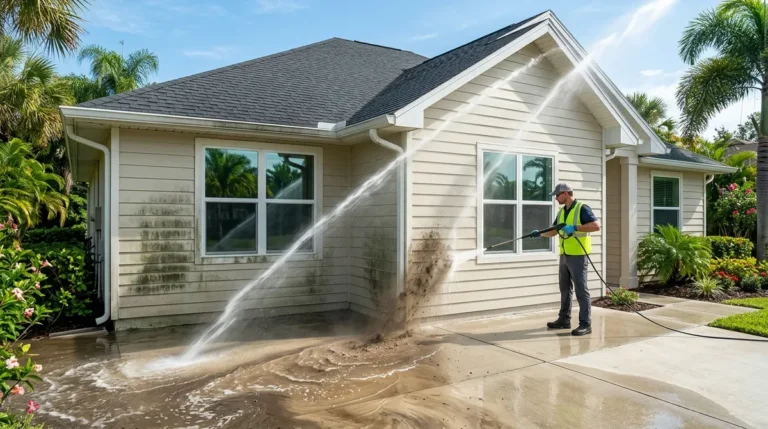
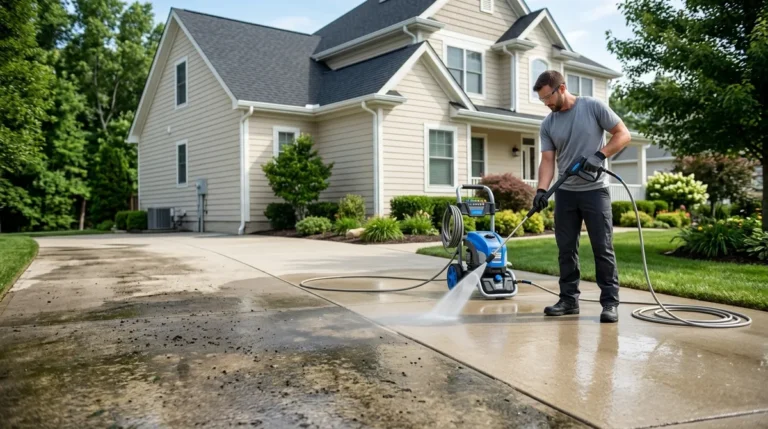
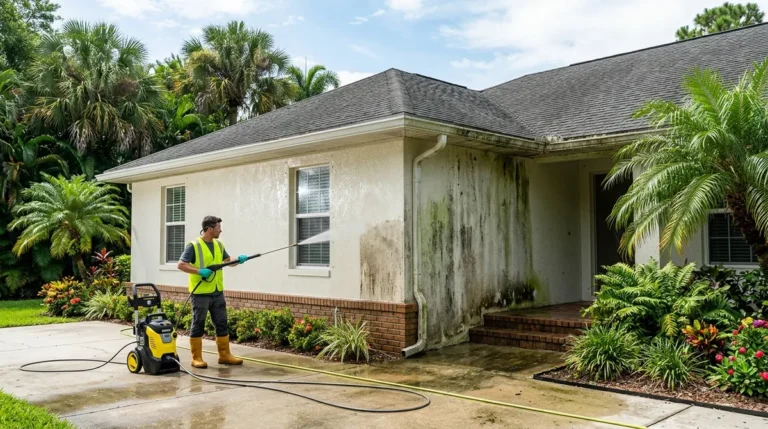
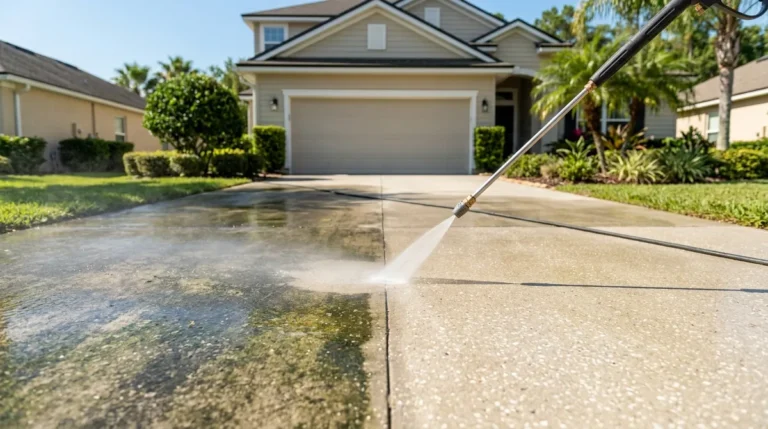
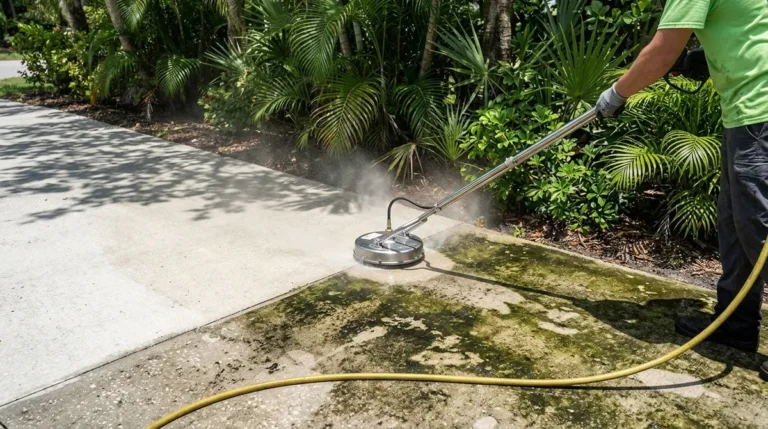
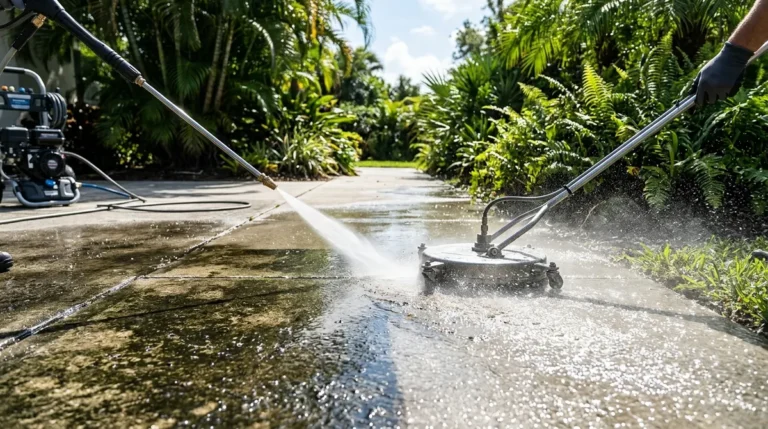
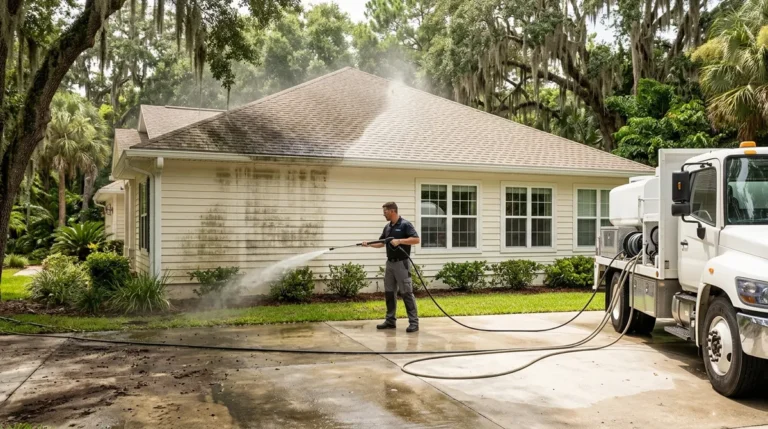
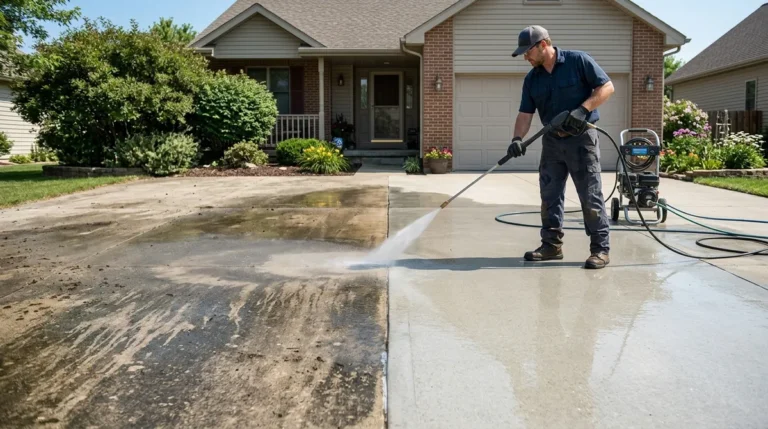
Pressure washing represents the fastest and most efficient method for cleaning large expanses of vinyl fencing, particularly when dealing with heavy dirt accumulation or extensive mold and mildew growth. A pressure washer uses high-pressure water to blast away dirt, grime, and organic growth that would require considerable manual scrubbing. However, proper technique is essential to avoid damaging vinyl fence panels, as excessive pressure can crack, warp, or permanently mark the material.
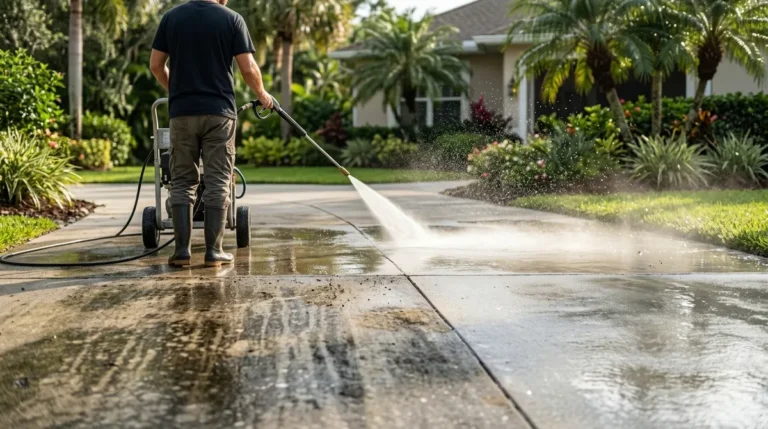
Use a pressure washer with adjustable pressure settings, keeping the PSI (pounds per square inch) between 1,500 and 2,000 for vinyl fencing. Higher pressures risk damaging the material, while lower pressures may not provide adequate cleaning power. Attach a wide-angle nozzle (25-40 degrees) rather than a concentrated stream nozzle to distribute water pressure more evenly across the surface. Maintain a distance of at least 12-18 inches between the nozzle and fence surface, adjusting based on the results you’re seeing.
Work in consistent, overlapping strokes from top to bottom, maintaining steady movement to prevent concentrated pressure on any single area. Pay attention to how the vinyl responds to the pressure—if you notice the material flexing or showing stress, increase your distance or reduce the pressure setting. For optimal results, apply a cleaning solution before pressure washing and allow it to dwell for 10-15 minutes to loosen dirt and stains. Companies like Buckhorn Power Wash specialize in professional pressure washing techniques that deliver excellent results without risking damage to your vinyl fence. You can also check out our reviews on Google to see the quality results we achieve for Hillsborough County homeowners.
7. Magic Eraser for Spot Cleaning
Melamine foam sponges, commonly known as Magic Erasers, provide an excellent solution for spot cleaning small stains, scuff marks, and localized discoloration on vinyl fences. These sponges work through micro-abrasion, using their fine foam structure to lift stains without requiring harsh chemicals. This method is ideal for addressing isolated problem areas without treating the entire fence, saving time and effort on maintenance between full cleanings.
Wet the Magic Eraser with water and squeeze out excess moisture until it’s damp but not dripping. Gently rub the sponge over the stained area using light to moderate pressure. The melamine foam breaks down as you use it, which is normal—this breakdown is actually part of the cleaning mechanism. For stubborn marks, you may need to use multiple sponges or combine this method with a mild cleaning solution for enhanced effectiveness.
Magic Erasers work exceptionally well on marker stains, adhesive residue, rubber scuff marks from lawn equipment, and mysterious spots that appear on vinyl fences. They’re particularly useful for cleaning decorative vinyl fence components with intricate details where brushes can’t reach effectively. While more expensive per use than bulk cleaning solutions, Magic Erasers offer unmatched convenience for quick touch-ups and targeted stain removal. Keep several on hand for regular maintenance to address small problems before they become larger cleaning projects.
Choosing the Right Method for Your Fence
Selecting the appropriate vinyl fence cleaning method depends on several factors including the type and severity of staining, the size of the area requiring cleaning, your available time, and budget considerations. For routine maintenance and light soiling, simple soap and water or vinegar solutions typically suffice and can be completed in an afternoon. These methods work best when performed regularly, preventing the accumulation of stubborn stains that require more aggressive treatment.
For heavily soiled fences or those with extensive mold and mildew growth, oxygen bleach deep cleaning or professional pressure washing delivers superior results. Consider the age and condition of your vinyl fence when choosing a method—older fences may have become brittle and require gentler cleaning approaches, while newer fences can typically handle more aggressive techniques. Environmental concerns may also influence your choice, with natural methods like vinegar and baking soda offering eco-friendly alternatives to commercial chemical cleaners.
Climate and surrounding environment play crucial roles in determining cleaning frequency and method selection. Fences in humid climates or shaded areas require more frequent mold and mildew treatment, while those in dusty or high-traffic areas benefit from regular soap and water cleaning. Combining multiple methods often yields the best results—for example, treating mold with vinegar solution before performing an overall soap and water cleaning, or spot-treating stubborn stains with baking soda paste during routine maintenance. According to research from the Environmental Protection Agency, regular cleaning and moisture control are essential for preventing mold growth on outdoor surfaces.
Preventing Future Stains and Buildup
Preventing stains and buildup is significantly easier than removing them, making regular maintenance and preventive measures essential for long-term vinyl fence care. Establish a cleaning schedule based on your fence’s exposure to elements and local environmental conditions. Most vinyl fences benefit from thorough cleaning twice yearly—once in spring to remove winter grime and once in fall to prepare for winter weather. Monthly or bi-monthly spot cleaning of problem areas prevents minor issues from becoming major cleaning projects.
Trim vegetation growing near your vinyl fence to improve air circulation and reduce moisture retention that promotes mold and mildew growth. Overhanging branches and bushes touching the fence create damp, shaded conditions ideal for organic growth. Additionally, these plants can leave tannin stains from leaves and sap that prove difficult to remove. Maintain at least 6-12 inches of clearance between plants and your fence to promote air circulation and make cleaning easier.
Apply a vinyl protectant or UV-resistant coating after cleaning to help repel dirt, prevent staining, and protect against sun damage that causes fading and discoloration. These products create a protective barrier that makes future cleaning easier and extends the fence’s lifespan. Address spills, splashes, and stains immediately when possible—fresh stains are exponentially easier to remove than those allowed to set and bond with the vinyl surface. The Vinyl Institute provides additional resources on vinyl maintenance and care best practices.
Common Mistakes to Avoid
Several common mistakes can damage vinyl fences or reduce cleaning effectiveness, making it important to understand what to avoid during the cleaning process. Never use abrasive scrubbing pads, steel wool, or harsh bristle brushes that can scratch or mar the vinyl surface. These scratches not only diminish appearance but create microscopic grooves where dirt and mold accumulate more readily. Similarly, avoid using solvent-based cleaners, acetone, or harsh chemicals not specifically approved for vinyl, as these can cause discoloration, brittleness, or permanent damage.
Chlorine bleach, while effective at removing stains, should be used with extreme caution or avoided entirely. Undiluted or improperly diluted chlorine bleach can cause yellowing, especially on white vinyl fences, and may damage surrounding vegetation. If you choose to use chlorine bleach, dilute it heavily (one part bleach to ten parts water), test in an inconspicuous area first, and rinse thoroughly. Oxygen bleach provides similar cleaning power without these risks, making it a safer alternative.
Excessive pressure washing represents another common mistake that damages vinyl fencing. Using pressure settings above 2,000 PSI, holding the nozzle too close to the surface, or using concentrated stream nozzles can crack panels, force water behind fence components causing moisture damage, or create permanent marks and indentations. Always start with lower pressure settings and increase gradually only if necessary. Finally, neglecting to rinse cleaning solutions thoroughly allows residue to attract dirt more quickly, essentially negating your cleaning efforts and potentially causing discoloration.
Professional Vinyl Fence Cleaning Services
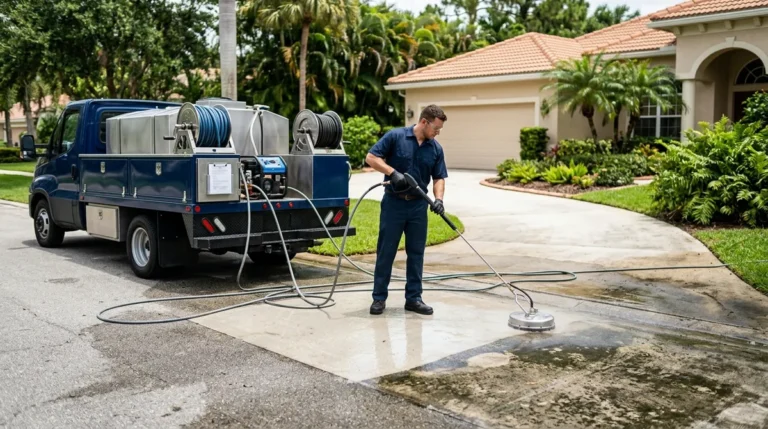
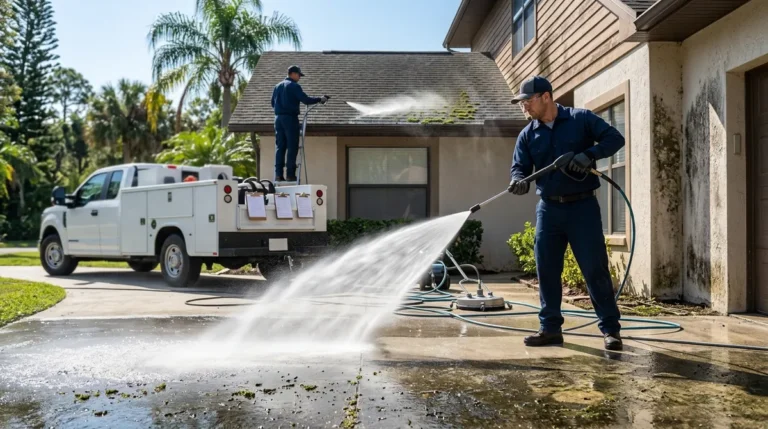
While many homeowners successfully clean their vinyl fences using DIY methods, professional cleaning services offer significant advantages for extensive projects, heavily soiled fences, or situations where time constraints prevent thorough self-cleaning. Professional services possess commercial-grade equipment, specialized cleaning formulations, and expertise in treating various stain types without damaging vinyl materials. They can complete large-scale cleaning projects in a fraction of the time required for DIY approaches.
Professional cleaners understand the nuances of vinyl fence cleaning, including proper pressure washing techniques, appropriate chemical applications, and how to address specific stain challenges effectively. They carry liability insurance protecting you against potential damage during the cleaning process. This protection provides peace of mind that DIY cleaning cannot offer. Additionally, professionals can identify underlying issues such as damaged panels, loose posts, or structural problems that homeowners might overlook during self-cleaning.
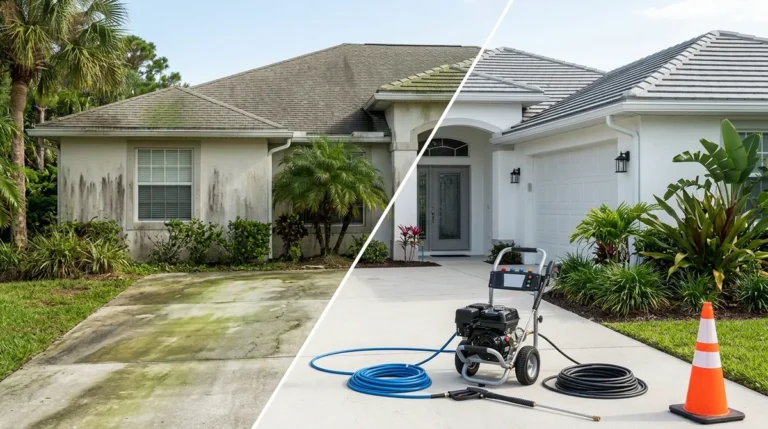
Companies like Buckhorn Power Wash specialize in residential exterior cleaning, including vinyl fence restoration. Their expertise ensures your fence receives appropriate treatment without risk of damage from improper techniques or excessive pressure. Professional services prove particularly valuable for large properties with extensive fencing, heavily stained fences requiring specialized treatment, or when preparing a property for sale where appearance significantly impacts value. The convenience, efficiency, and guaranteed results often justify the investment in professional cleaning services. Research from the Power Washers of North America demonstrates that professional cleaning extends the lifespan of vinyl fencing and maintains property values.
Conclusion
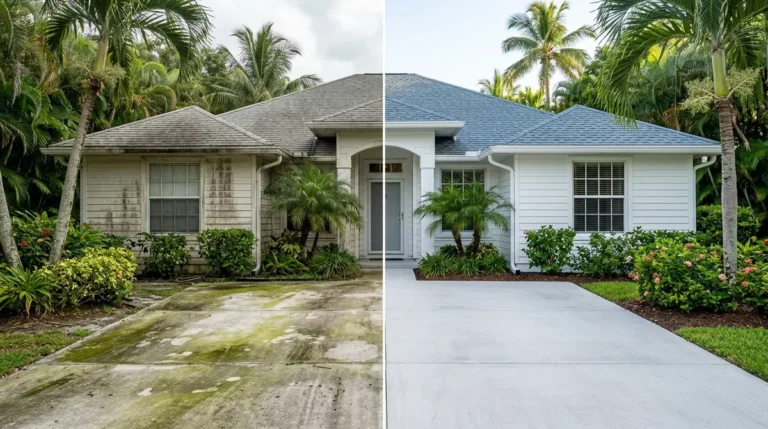
Maintaining a clean, attractive vinyl fence enhances your property’s curb appeal and extends the fence’s functional lifespan. The seven cleaning methods outlined in this guide provide comprehensive solutions for every vinyl fence cleaning challenge, from routine maintenance to deep cleaning heavily soiled surfaces. Whether you choose simple soap and water for regular upkeep, vinegar solutions for mold and mildew, or professional pressure washing for extensive projects, the key to success lies in selecting the appropriate method for your specific situation and applying it correctly.
Regular maintenance prevents minor dirt accumulation from becoming major cleaning challenges, saving time and effort in the long run. Establish a consistent cleaning schedule appropriate for your climate and environmental conditions, typically performing thorough cleaning twice yearly with spot treatments as needed. Avoid common mistakes such as using harsh chemicals, excessive pressure, or abrasive tools that can damage vinyl surfaces. When DIY methods prove insufficient or time constraints prevent thorough cleaning, professional services deliver exceptional results efficiently and safely.
Your vinyl fence represents a significant investment in your property’s appearance, privacy, and security. Proper care through regular cleaning ensures this investment continues delivering value for many years. Ready to restore your vinyl fence to its original brilliance? Get an Instant Quote from Buckhorn Power Wash today and discover how professional cleaning services can transform your fence while saving you time and effort!
FAQs
Q: How often should I clean my vinyl fence?
A: For optimal maintenance, clean your vinyl fence thoroughly twice per year—once in spring and once in fall. However, cleaning frequency depends on your local environment, climate conditions, and exposure to elements. Fences in humid climates or shaded areas may require more frequent cleaning to prevent mold and mildew growth, while those in dusty or high-traffic areas benefit from quarterly cleaning. Regular spot cleaning of problem areas between deep cleanings helps maintain appearance and prevents stubborn stain development.
Q: Can I use a pressure washer on vinyl fencing without causing damage?
A: Yes, you can safely use a pressure washer on vinyl fencing when following proper techniques. Keep the pressure setting between 1,500-2,000 PSI, use a wide-angle nozzle (25-40 degrees), and maintain a distance of at least 12-18 inches from the surface. Move the nozzle in consistent, overlapping strokes and never concentrate the stream on one area for extended periods. Excessive pressure, concentrated streams, or improper technique can crack, warp, or permanently damage vinyl panels, so exercise caution and start with lower pressure settings.
Q: What removes mold and mildew from vinyl fences most effectively?
A: White vinegar solution (equal parts vinegar and water) and oxygen bleach are the most effective treatments for mold and mildew on vinyl fences. Vinegar’s acetic acid kills mold spores naturally without harsh chemicals, while oxygen bleach provides powerful cleaning action for extensive growth. Apply your chosen solution, allow it to dwell for 10-20 minutes to penetrate and break down the organic growth, then scrub with a soft-bristle brush and rinse thoroughly. Regular application prevents future mold and mildew development in problem areas.
Q: Is bleach safe to use on vinyl fencing?
A: Oxygen bleach is safe and effective for vinyl fencing, providing powerful cleaning without the risks associated with chlorine bleach. Chlorine bleach can cause yellowing, discoloration, and damage to surrounding vegetation, particularly when used undiluted or improperly mixed. If you choose to use chlorine bleach, dilute it heavily (one part bleach to ten parts water), test in an inconspicuous area first, and rinse thoroughly. Oxygen bleach offers similar cleaning power without these risks, making it the preferred bleach option for vinyl fence cleaning.
Q: Can I use household cleaners to clean my vinyl fence?
A: Yes, several household cleaners work effectively on vinyl fences. Dish soap mixed with warm water provides excellent routine cleaning, white vinegar eliminates mold and mildew, and baking soda paste removes stubborn stains through gentle abrasion. These household products are cost-effective, environmentally friendly, and safe for vinyl materials when used properly. Avoid solvent-based cleaners, acetone, abrasive cleansers with harsh chemicals, or products not specifically approved for vinyl, as these can cause discoloration, brittleness, or permanent damage to your fence.