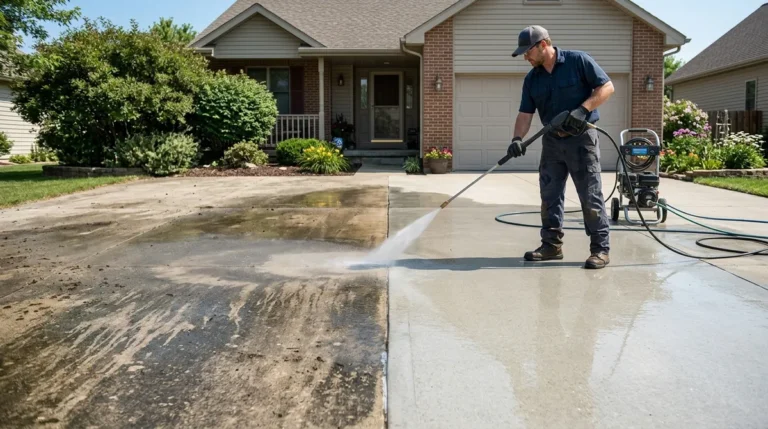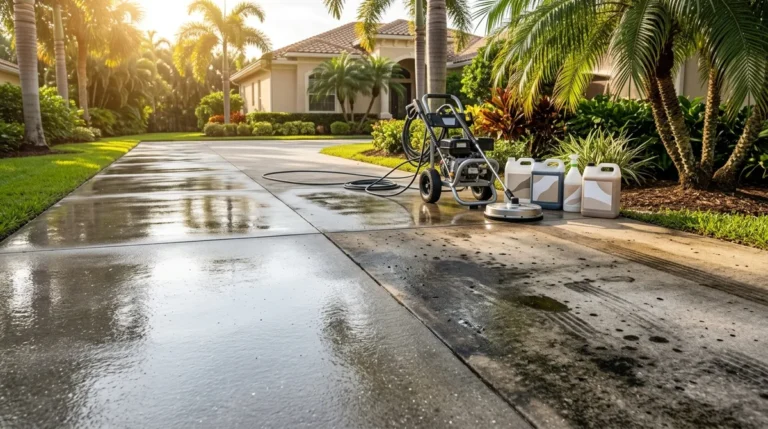
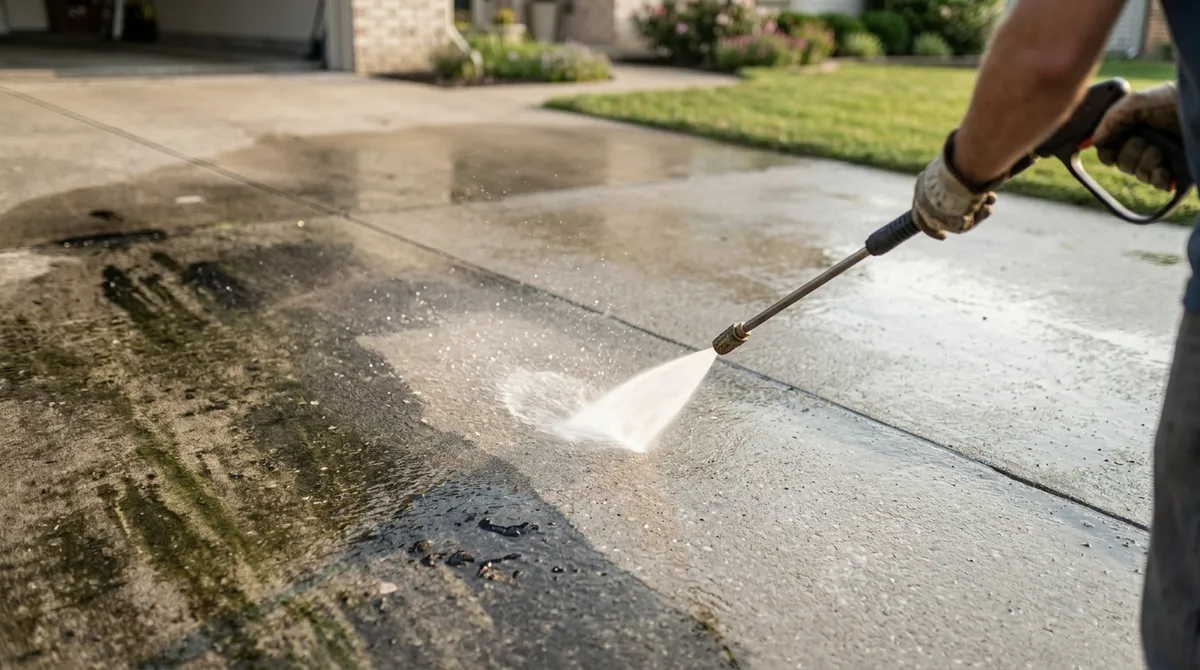
Key Takeaways
-
Use 2,000–3,500 PSI with a 25-degree or 15-degree nozzle depending on concrete condition; higher pressure damages older concrete, so match settings to your surface type.
-
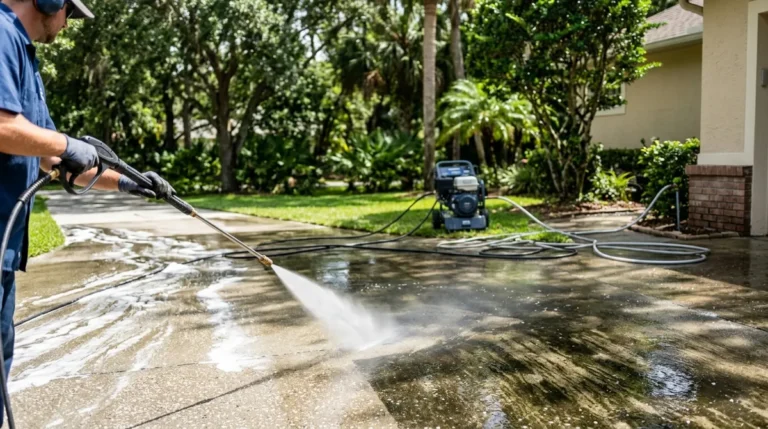
Pre-treat oil stains and heavy grime with concrete degreaser or detergent, let sit 5–10 minutes, then pressure wash at 6–12 inches distance using overlapping parallel strokes for even results.
-
Avoid common mistakes: don't exceed recommended PSI for your concrete age, keep nozzle 6–12 inches away, use correct nozzle type (never red zero-degree), and always use consistent strokes to prevent damage and streaking.
-
Schedule pressure washing at least annually, before applying sealant, after storm season, and whenever you notice green or black algae/mold streaks to prevent surface deterioration.
-
Hire professionals for deep oil stains, widespread mold, or concrete not cleaned in years—commercial-grade equipment removes stubborn stains better than consumer machines and protects your investment.
-
Clear the area completely, set up equipment properly, test on an inconspicuous spot first, rinse thoroughly after each section, and allow 24 hours drying before walking on or sealing the concrete.
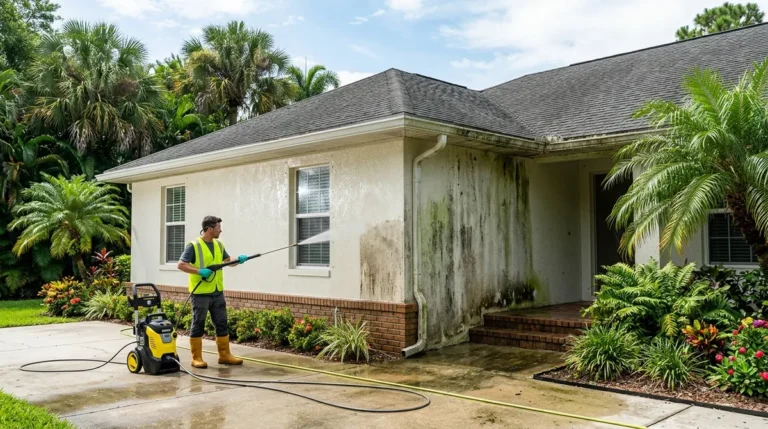
Your concrete driveway looked great when it was first poured. But over time, Florida’s heat, humidity, and frequent rain take a serious toll. Mold, algae, tire marks, and general grime build up fast — and regular hosing just doesn’t cut it. That’s where a pressure washer for concrete becomes a game-changer.
Whether you’re a busy homeowner trying to maintain curb appeal or an HOA resident who needs to meet community standards, knowing how to properly clean concrete makes a big difference. This guide walks you through everything you need to know — from preparation and technique to when it’s smarter to call in the pros. Let’s get your concrete looking fresh again!
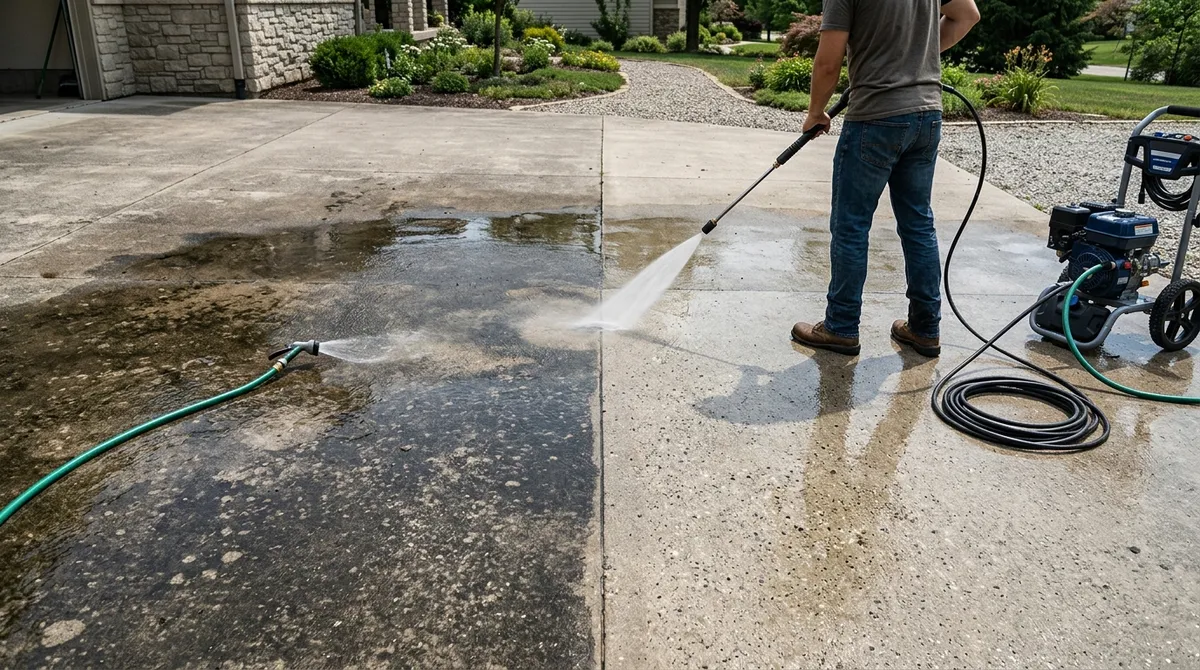
Why Concrete Needs More Than Just a Garden Hose
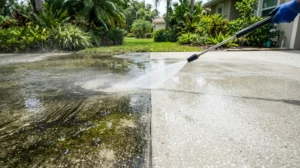
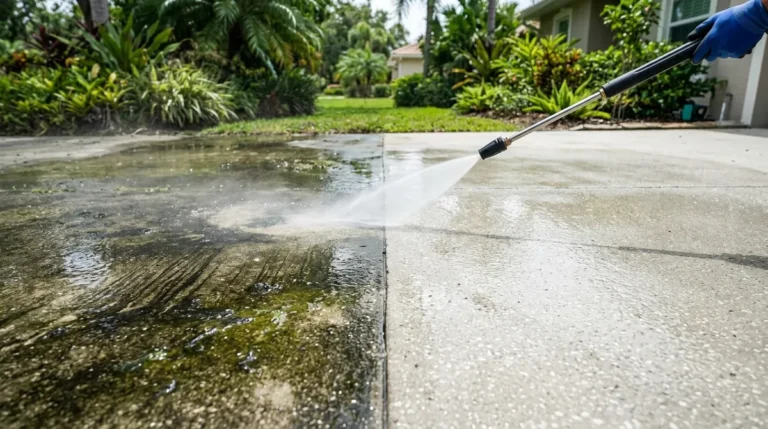
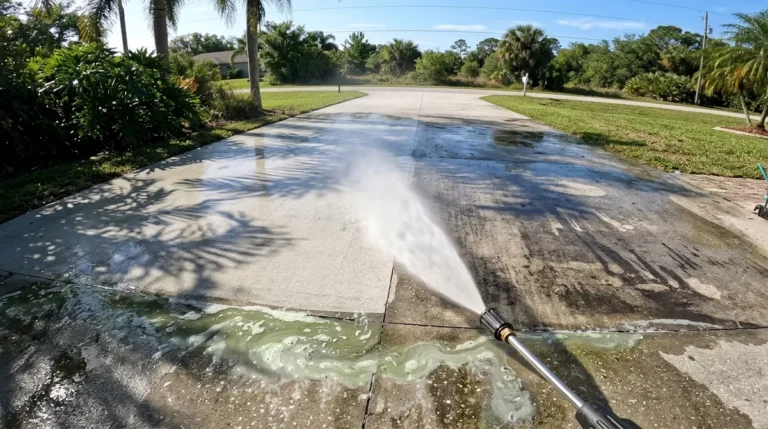
Concrete is porous. That means dirt, oil, mold, and algae don’t just sit on the surface — they sink in. A garden hose pushes water around, but it rarely removes the deep-set stains that make driveways and sidewalks look worn out.
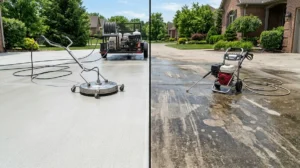
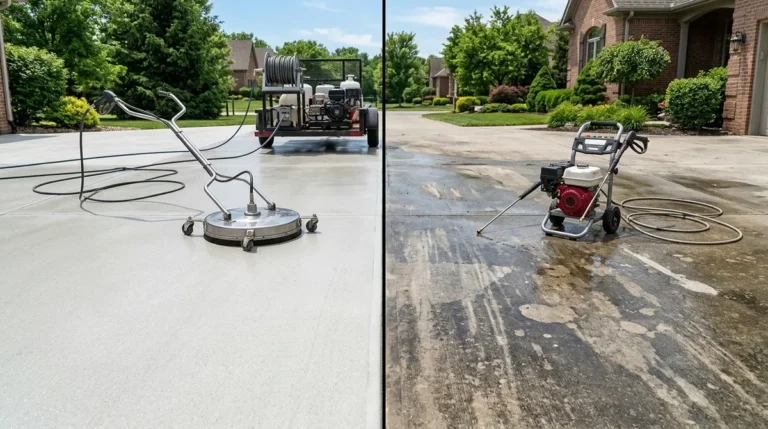
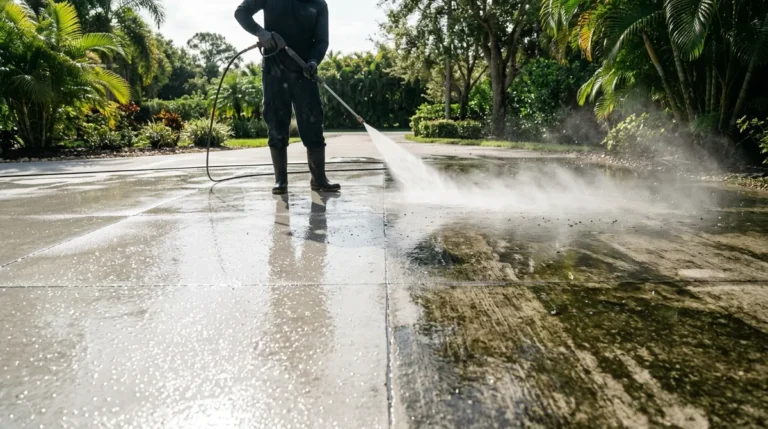
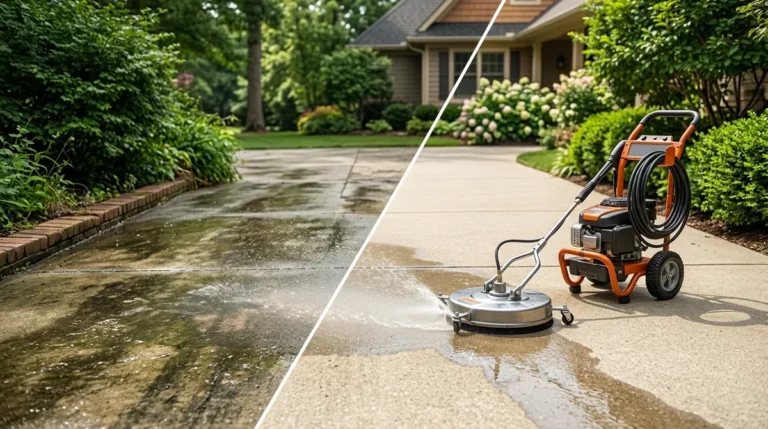
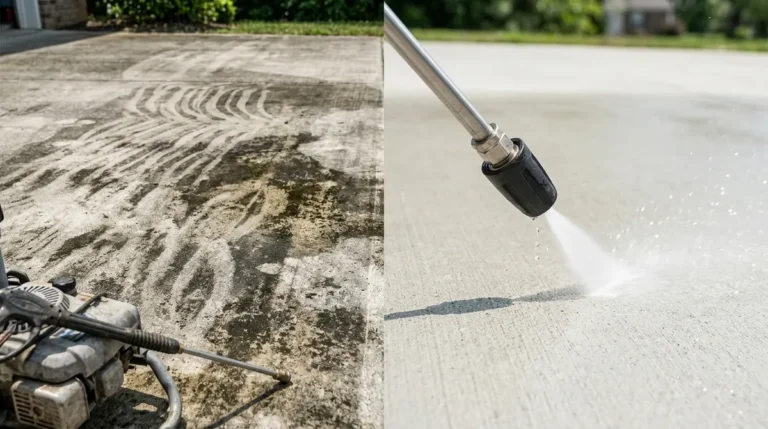
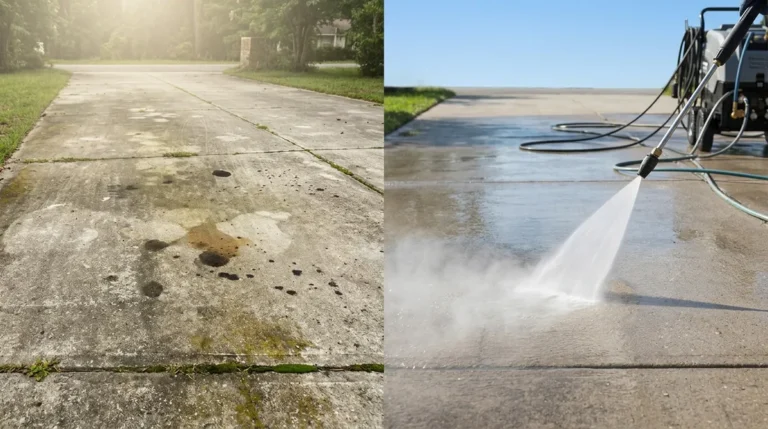
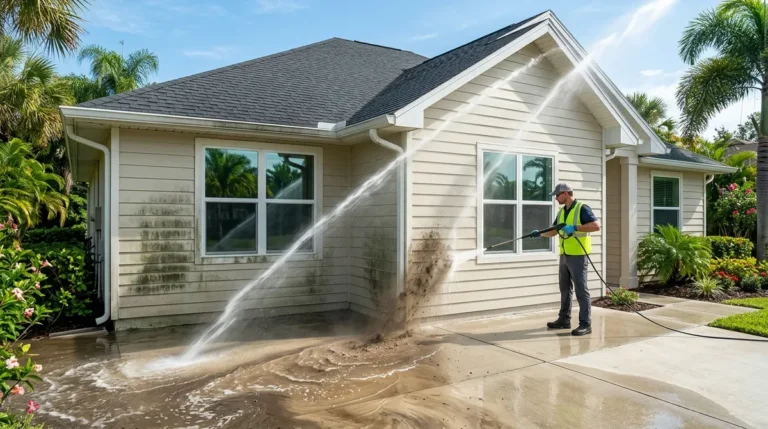
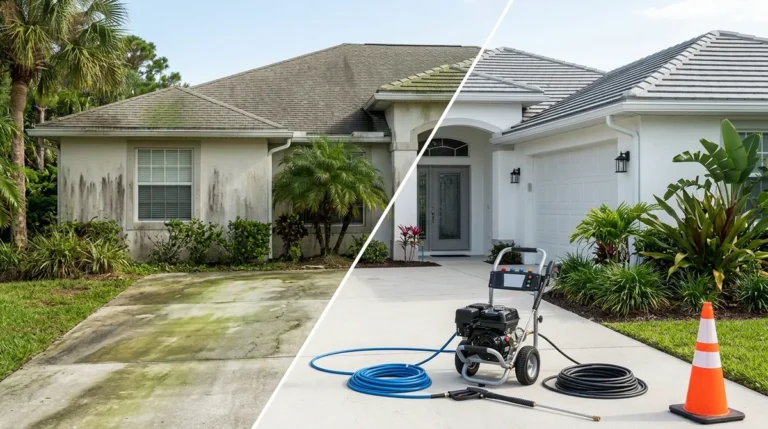
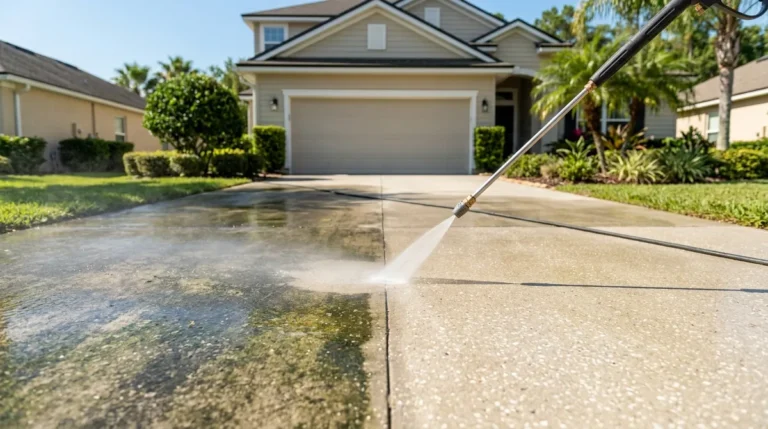
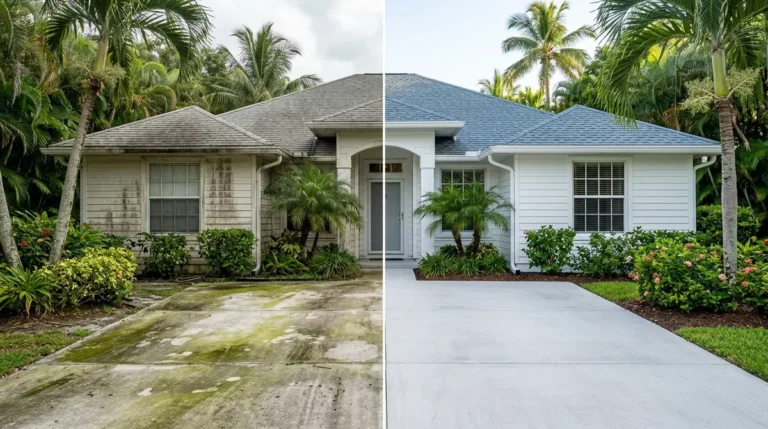
A pressure washer uses high-force water to blast away years of buildup. It can restore the color and texture of concrete that looks permanently stained. If you’ve ever seen a before-and-after of a Driveway & Concrete Cleaning job, you know exactly how dramatic the results can be.
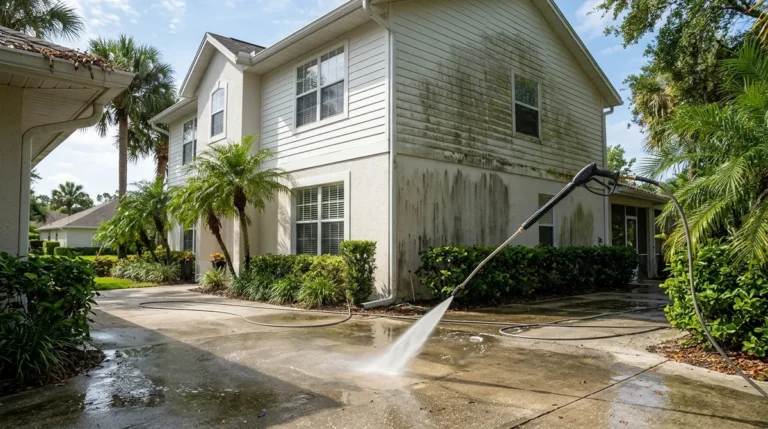
In Hillsborough County, the warm climate creates the perfect breeding ground for mold and algae. These don’t just look bad — they can make surfaces slippery and unsafe. Regular concrete cleaning protects both your property’s appearance and your family’s safety. You can also read more about why power washing concrete makes such a big difference for deeper insight.
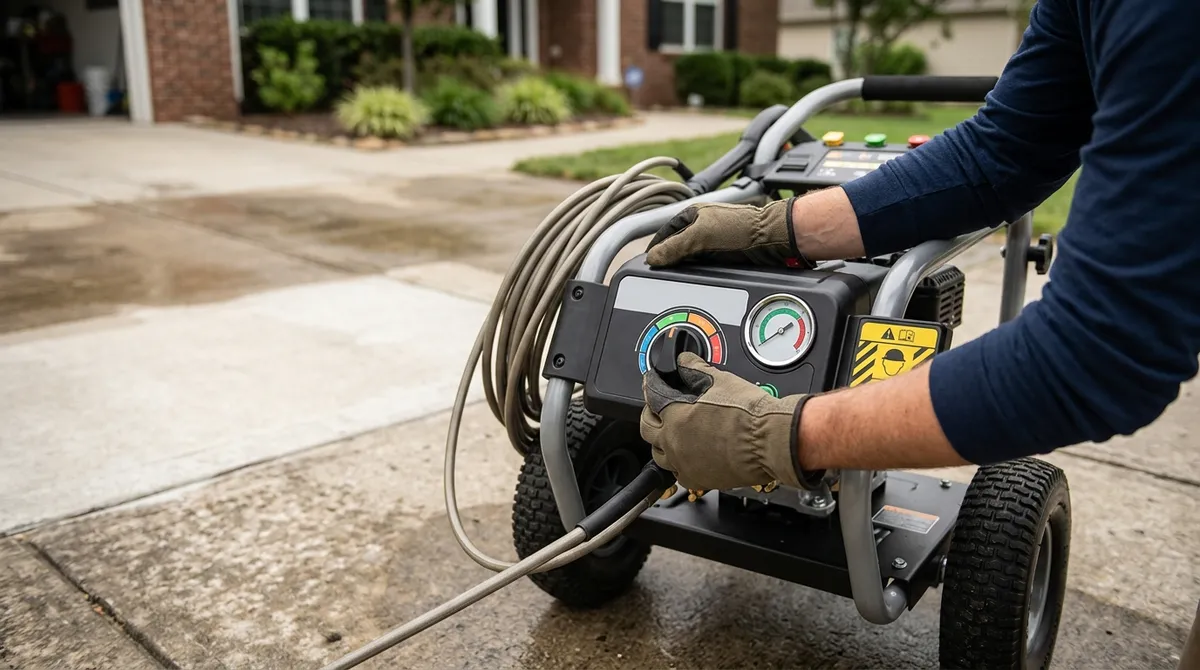
Choosing the Right Pressure Washer Settings for Concrete
Not all pressure washers are created equal — and using the wrong settings can damage your concrete instead of cleaning it. Here’s what you need to understand before you start.
PSI and GPM: What Do They Mean?
PSI (pounds per square inch) measures water pressure. GPM (gallons per minute) measures water flow. Both affect how effectively you clean. For concrete, you generally need more power than for softer surfaces like wood or siding.
| Surface Type | Recommended PSI | Nozzle Type |
|---|---|---|
| Lightly soiled concrete | 1,500 – 2,000 PSI | 25-degree (green) |
| Moderately stained driveway | 2,000 – 2,500 PSI | 25-degree (green) |
| Heavily stained or aged concrete | 2,500 – 3,500 PSI | 15-degree (yellow) |
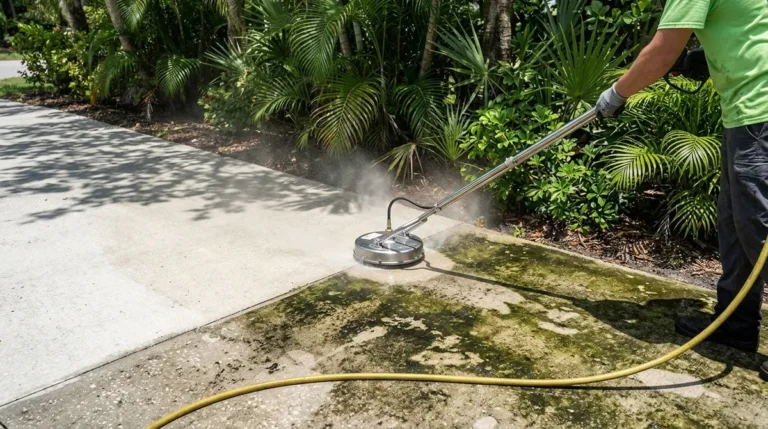
| Oil stains or deep grime | 3,000 – 3,500 PSI | Turbo/rotary nozzle |
Using too much pressure on older or damaged concrete can cause surface erosion or even crack the slab. That’s why understanding your settings is so important. For a deeper dive, check out these 12 concrete power washer tips that get real results in 2026.
Step-by-Step: How to Pressure Wash Concrete Properly
Ready to tackle that driveway or patio? Follow these steps in order for the best results. Skipping steps — especially the prep work — is one of the most common mistakes homeowners make.
- Clear the area: Remove all vehicles, furniture, planters, and loose items from the concrete surface. You want a completely open space to work.
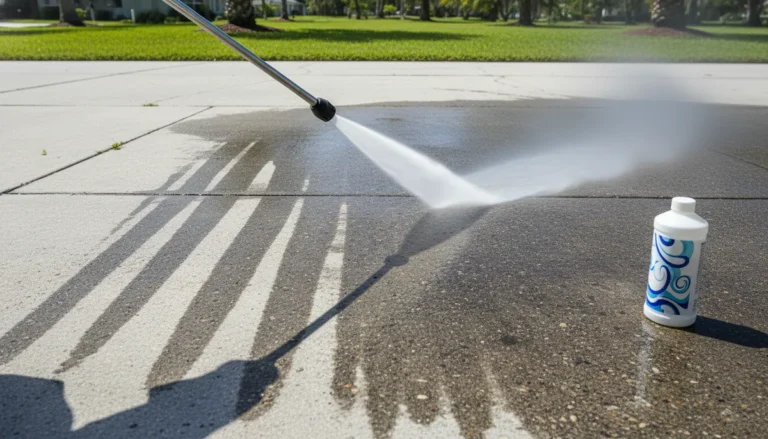
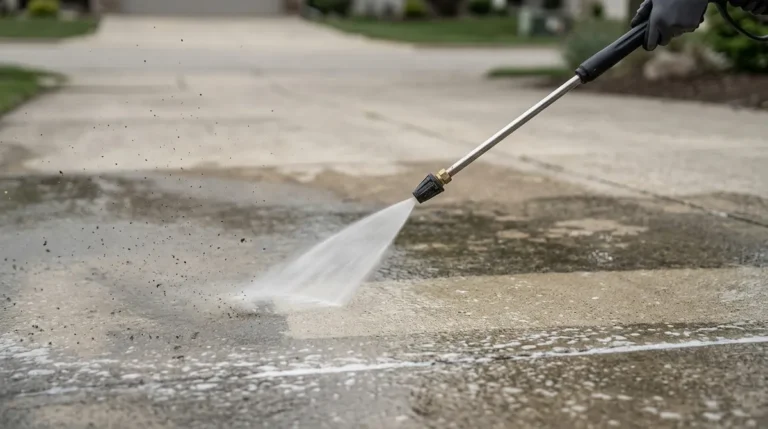
- Pre-treat stains: Apply a concrete degreaser or detergent to oil stains and heavily soiled areas. Let it sit for 5–10 minutes before washing.
- Set up your pressure washer: Connect your garden hose, choose the right nozzle, and test the pressure on an inconspicuous spot before going full force.
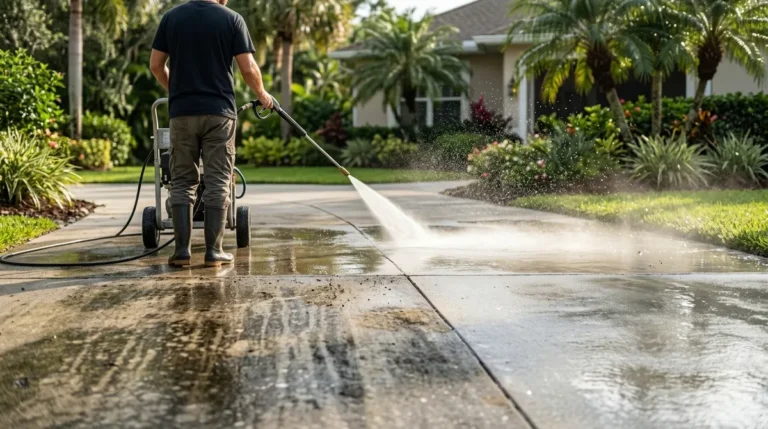
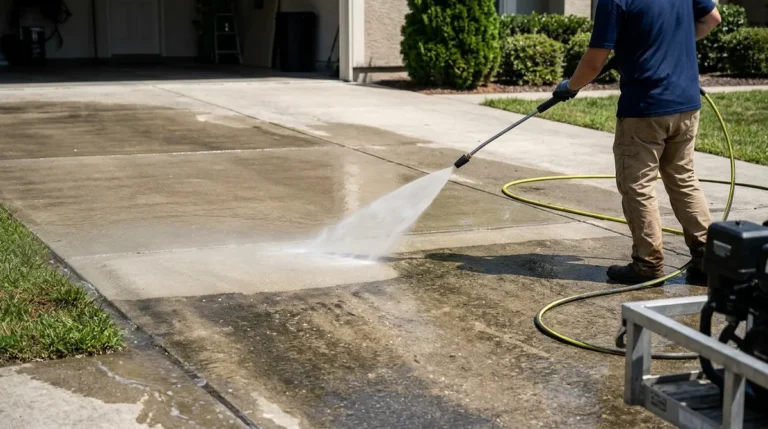
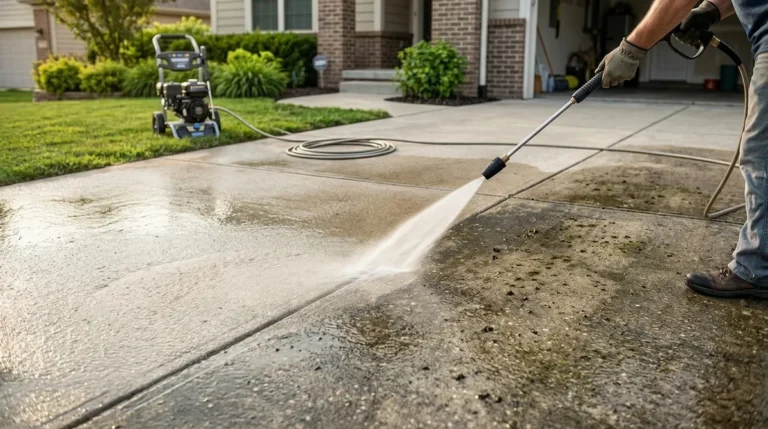
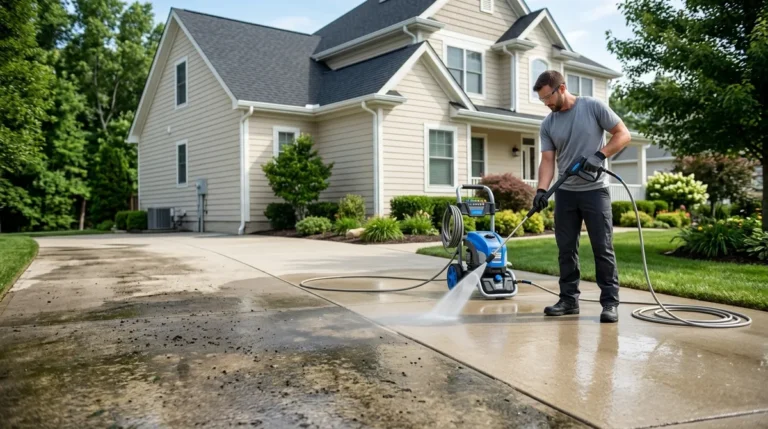
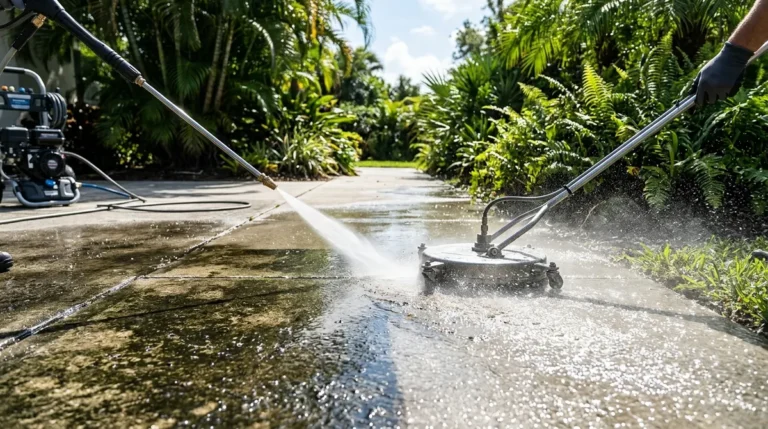
- Start with a wide sweep: Begin at one end of the concrete and work in overlapping, even strokes. Keep the nozzle about 6–12 inches from the surface.
- Work in sections: Break larger surfaces into manageable sections. This keeps the cleaning even and prevents you from missing spots.
- Rinse thoroughly: After cleaning each section, rinse away any remaining detergent or loosened grime with clean water.
- Let it dry completely: Allow the concrete to dry for at least 24 hours before walking on it or applying any sealant.
Want to know more about common errors to avoid? Check out this guide on 7 mistakes to avoid when using a power washer to clean concrete before you begin.
Common Concrete Cleaning Mistakes to Avoid
Even with the best intentions, homeowners often make a few key errors. Being aware of these can save you from costly repairs or disappointing results.
- Using too much pressure: High PSI can etch, pit, or crack concrete, especially if it’s older or already weakened.
- Holding the nozzle too close: Getting within 2–3 inches of the surface concentrates pressure and causes damage. Keep a safe distance.
- Skipping pre-treatment: Oil and grease stains won’t come out with water alone. You need a detergent or degreaser first.
- Using the wrong nozzle: A zero-degree (red) nozzle is almost never appropriate for concrete cleaning — it’s far too concentrated.
- Cleaning unevenly: Random, circular motions leave streaks and uneven clean lines. Always use consistent, parallel strokes.
- Ignoring safety gear: Pressure washers are powerful. Always wear eye protection and closed-toe shoes when operating one.
For an in-depth look at what can go wrong, read about the 10 concrete pressure cleaner mistakes that ruin your driveway.
DIY vs. Hiring a Professional: What’s the Smart Choice?
Many homeowners try the DIY route first. And sometimes it works out just fine! But there are situations where hiring a professional is clearly the better move. Let’s break it down honestly.
| Factor | DIY Pressure Washing | Professional Service |
|---|---|---|
| Equipment quality | Consumer-grade (lower PSI) | Commercial-grade (higher PSI & GPM) |
| Time required | Several hours | Done quickly and efficiently |
| Risk of damage | Higher (inexperience) | Lower (trained technicians) |
| Stain removal | May miss deep stains | Access to commercial detergents |
| Overall results | Good for light cleaning | Best for deep cleaning & stubborn stains |
If your concrete has deep oil stains, widespread mold, or it simply hasn’t been cleaned in years, a professional service will deliver far better results. You can also explore the DIY concrete pressure washer vs. pro service comparison for a more detailed breakdown.
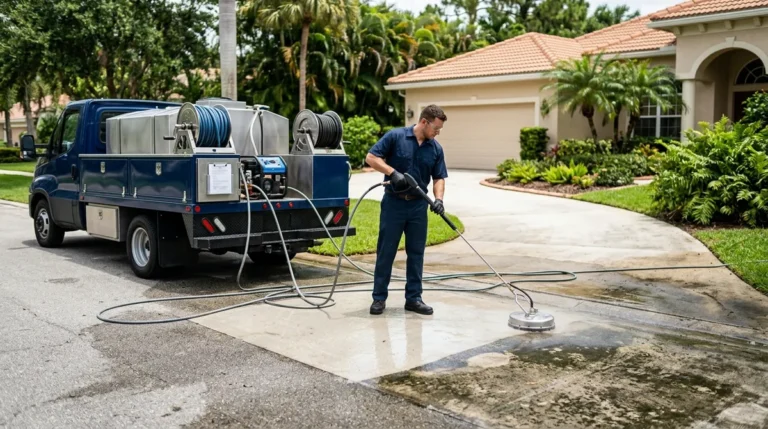
Professionals like Buckhorn Power Wash use commercial-grade equipment and proven techniques to get concrete truly clean — not just surface-level clean. Their team serves all of Hillsborough County, including Tampa, Brandon, Valrico, and Riverview. You can visit Buckhorn Power Wash on Google to see real customer reviews and find out why so many homeowners trust them for concrete cleaning.
When Should You Schedule Concrete Pressure Washing?
Timing matters more than most people realize. Cleaning your concrete at the right intervals keeps it looking great and extends its lifespan.
- Annually at minimum: Every concrete surface benefits from a full deep clean at least once a year.
- Before sealing: Always pressure wash concrete before applying a sealant. Sealing over dirt traps it in permanently.
- After storm season: Florida’s rainy season leaves behind mold, algae, and debris that need to be cleared out.
- Before hosting an event: A sparkling driveway or patio makes a great impression on guests.
- When you notice discoloration: Green or black streaks on concrete are signs of algae and mold — don’t wait to address them.
Curious about whether your concrete is overdue for a cleaning? Take a look at the 7 signs you need a pressure washing company today.
The Benefits of Professional Concrete Pressure Washing
There are clear advantages to having a professional handle your concrete cleaning — especially in Florida’s demanding climate. Here’s what you gain when you go pro.
- Deeper clean: Commercial-grade pressure washers deliver more PSI and GPM than consumer models, removing stains that DIY machines can’t touch.
- Faster results: Pros can clean a full driveway in a fraction of the time it takes a homeowner to do the same job.
- No equipment hassle: You don’t need to rent, buy, maintain, or store any equipment. Just schedule and enjoy the results.
- Safe cleaning practices: Professional technicians know the right pressure, detergents, and techniques for each type of concrete surface.
- Protects your investment: Clean concrete lasts longer. Removing mold and algae early prevents surface deterioration.
- Boosts curb appeal: A clean driveway instantly improves how your home looks from the street — which matters whether you’re selling or staying.
To understand what the full process looks like from a pro’s perspective, read about what a professional driveway cleaner actually does. You can also learn more about the benefits of professional service in this detailed post on what makes professional pressure washing services worth it.
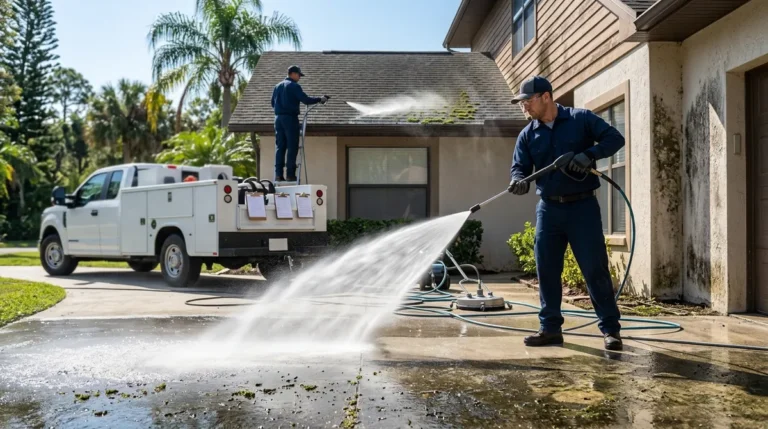
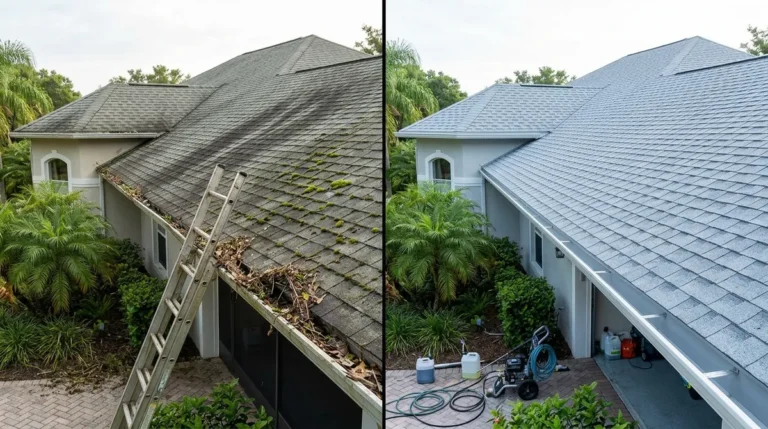
It’s also worth noting that keeping your whole property clean matters just as much as your driveway. From House Washing to Roof Cleaning, a full exterior refresh can completely transform how your home looks. See real results in the Buckhorn Power Wash gallery.
Neighbors across Hillsborough County are also finding that pairing great home services with trusted local businesses makes life easier. Families who are focused on their home’s appearance often look after their whole lifestyle — including dental health with practices like Brockway Orthodontics and Charming Smiles of Ocoee, both of which share that same commitment to professional results that local families deserve.
Ready to see what professional concrete cleaning can do for your property? Check out why concrete pressure washing near you is truly worth it. And if you’d like to learn about how pros handle driveway cleaning from start to finish, this guide on how to clean concrete with a pressure washer the right way is a great read.
You can also check out what customers in your area are saying about local pressure washing results on Buckhorn Power Wash on Yelp and follow along with tips and updates on Buckhorn Power Wash on Facebook. For additional expert guidance, the EPA WaterSense program offers excellent information on water-efficient cleaning practices that align with eco-friendly pressure washing methods.
Conclusion: Clean Concrete Starts With the Right Approach
Using a pressure washer for concrete can deliver amazing results — but only when you use the right settings, technique, and prep work. From choosing the correct PSI and nozzle to avoiding common mistakes, every step matters when it comes to getting that clean, like-new finish.
If your driveway, patio, or sidewalk is overdue for a deep clean, don’t wait. The longer grime and mold sit on concrete, the harder they are to remove — and the more damage they cause over time. Whether you decide to tackle it yourself or bring in a professional team, the key is to act sooner rather than later.
For homeowners in Hillsborough County who want professional results without the hassle, request your free concrete cleaning quote today and see just how easy it is to get your property looking its best again.
FAQs
Q: What PSI is best for a pressure washer on concrete?
A: For most residential concrete surfaces, 2,000–3,000 PSI works great for a thorough clean without causing damage. If your concrete is older or showing cracks, stick to the lower end of that range to keep things safe and effective.
Q: Can a pressure washer damage concrete?
A: Yes, it can — but only if you use too much pressure, the wrong nozzle, or hold the wand too close to the surface. Using the right settings and keeping a safe distance (6–12 inches) ensures a clean result without any surface damage.
Q: How often should I pressure wash my concrete driveway?
A: At least once a year is a great rule of thumb, especially in Florida’s humid climate where mold and algae grow quickly. If you notice green or black stains appearing, that’s your cue to schedule a cleaning sooner rather than later!
Q: Do I need to use detergent when pressure washing concrete?
A: For light surface dirt, water alone can do the trick. But for oil stains, mold, or deep discoloration, a concrete degreaser or detergent pre-treatment makes a huge difference in the final result.
Q: Is it worth hiring a professional to pressure wash concrete?
A: Absolutely — especially for large areas, stubborn stains, or concrete that hasn’t been cleaned in years. Professionals use commercial-grade equipment and the right detergents to deliver results that are hard to match with a consumer machine.