Key Takeaways
-
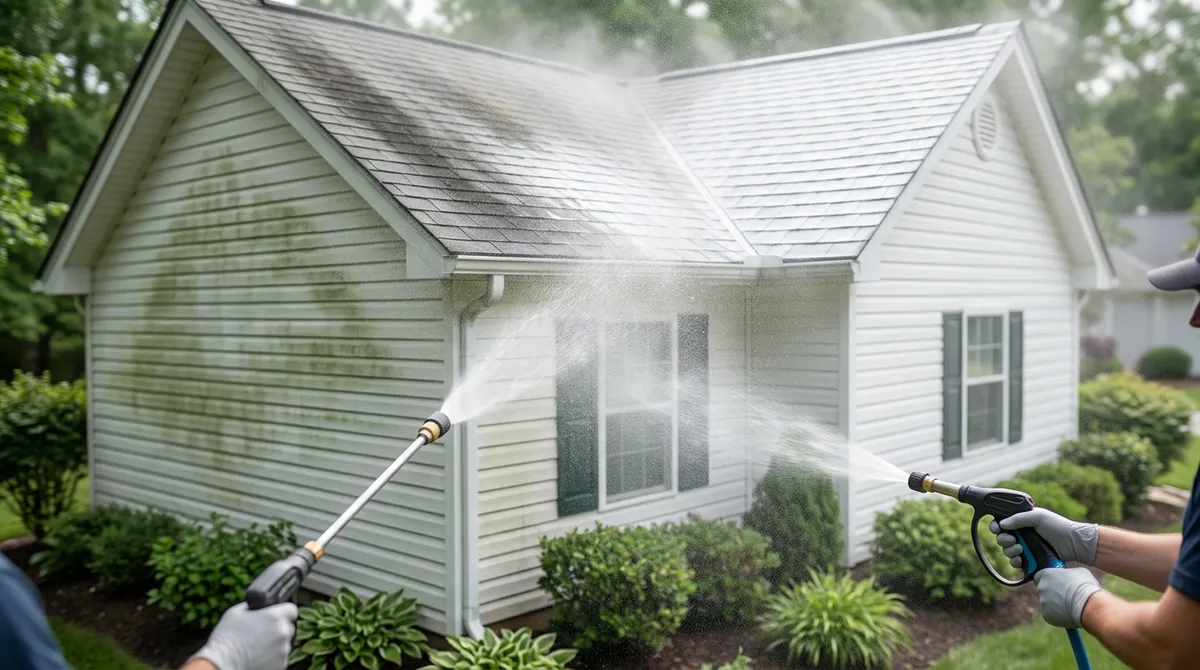
Soft washing kills mold, algae, and mildew at the root using biodegradable detergents and low-pressure water (under 500 PSI), resulting in cleanliness lasting 1-3 years versus 3-6 months with pressure washing.
-
Soft washing is safe for delicate surfaces like roof shingles, vinyl siding, painted trim, stucco, and solar panels, while pressure washing risks cracking, stripping, and forcing water damage into walls.
-
Florida homeowners should schedule soft washing every 12-18 months, or immediately if visible dark streaks, green algae, or mold patches appear on roofs and siding due to the state's warm, humid climate.
-
Professional soft washing includes pre-inspection, solution application, dwell time for chemical penetration, gentle low-pressure rinsing, and protection of surrounding landscaping—ensuring results DIY methods cannot match.
-
Regular soft washing extends roof, siding, and paint lifespan, improves curb appeal for home sales, reduces indoor mold spores affecting air quality, and uses eco-friendly biodegradable solutions safe for gardens.
-
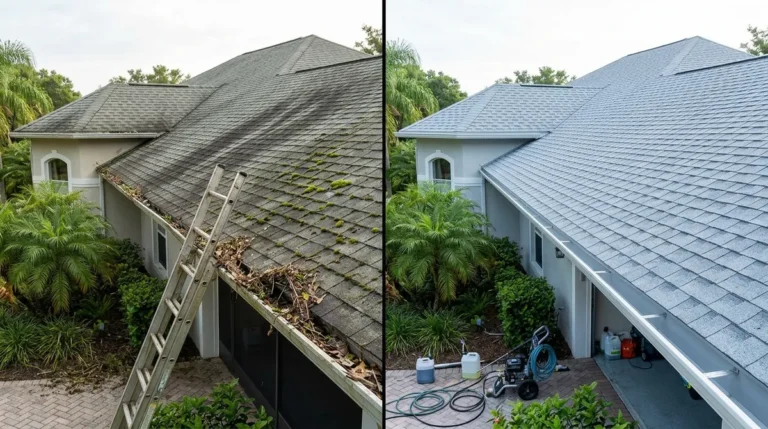
High-pressure washing on roofs can void manufacturer warranties and cause shingle damage, making soft washing the industry-recommended method for eliminating algae like Gloeocapsa magma that feeds on limestone filler.
If you’ve noticed dark streaks on your roof, green algae creeping up your siding, or a general grimy look on your home’s exterior, you’re not alone. Florida homes in Hillsborough County deal with this constantly. The warm, humid climate creates the perfect conditions for mold, mildew, and algae to thrive. But here’s the good news — there’s a cleaning method that tackles all of this without causing damage. It’s called soft washing, and it might just be the best thing you can do for your home this year.
Soft washing is a gentle, low-pressure cleaning technique that pairs biodegradable detergents with controlled water flow to remove organic growth and grime from your home’s most delicate surfaces. Unlike blasting surfaces with high pressure, soft washing lets the cleaning solutions do the heavy lifting. The result? A deeply cleaned exterior that’s safe, long-lasting, and genuinely impressive. Let’s break it all down so you can see why so many Hillsborough County homeowners are making the switch.
What Exactly Is Soft Washing?
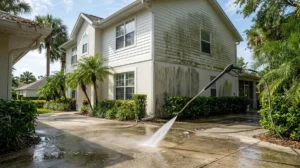
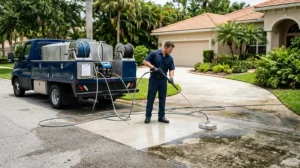
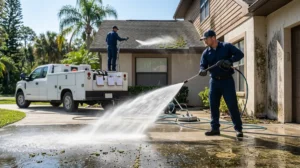
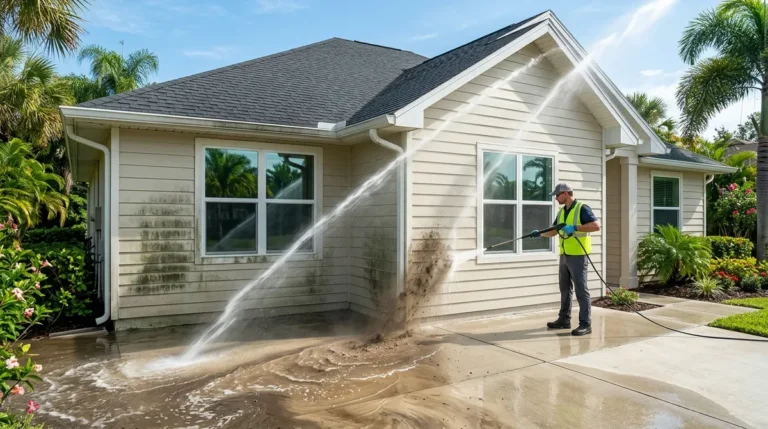
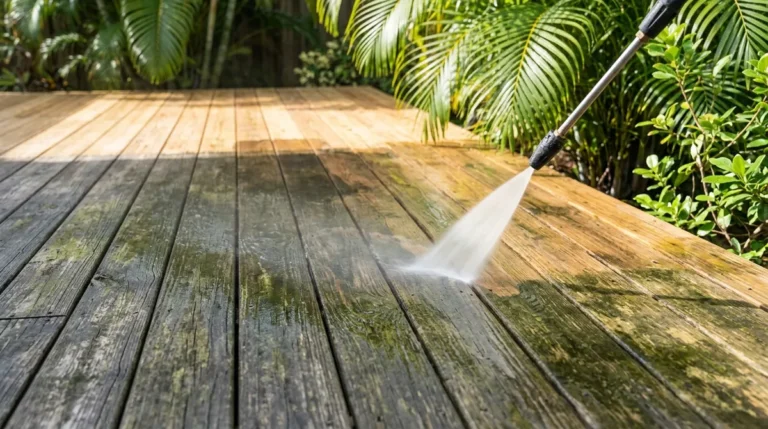
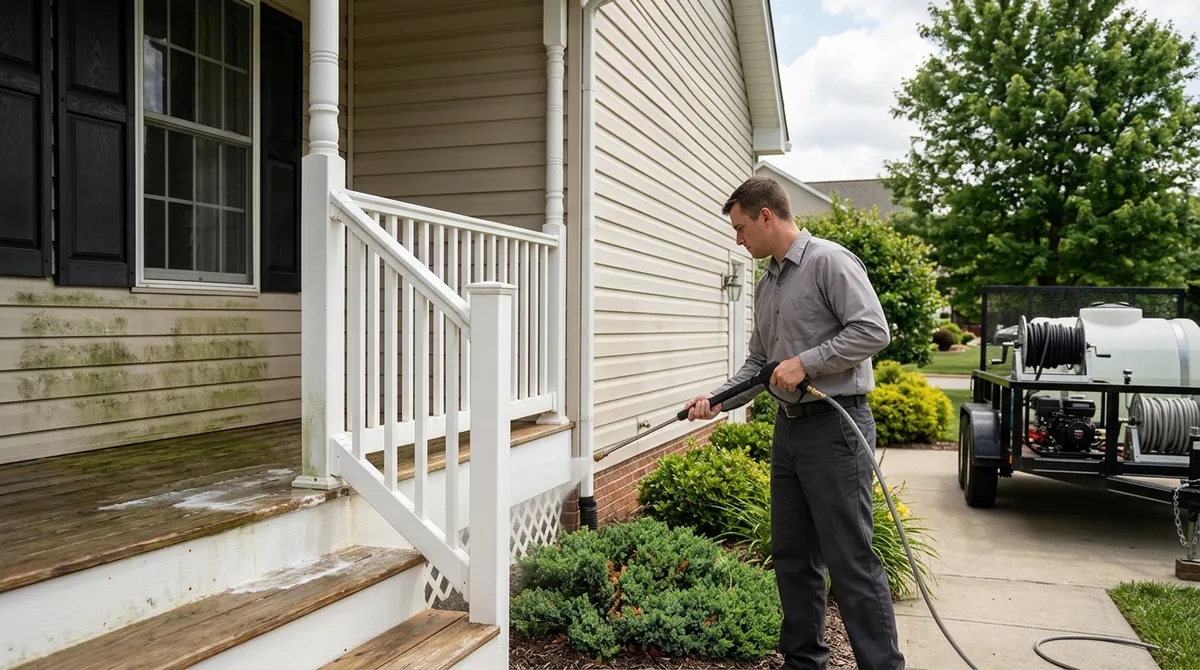
Soft washing is a low-pressure exterior cleaning method. It uses water pressure similar to a garden hose — typically under 500 PSI — combined with specially formulated cleaning solutions. These solutions are designed to kill mold, mildew, algae, bacteria, and other organic matter at the source.
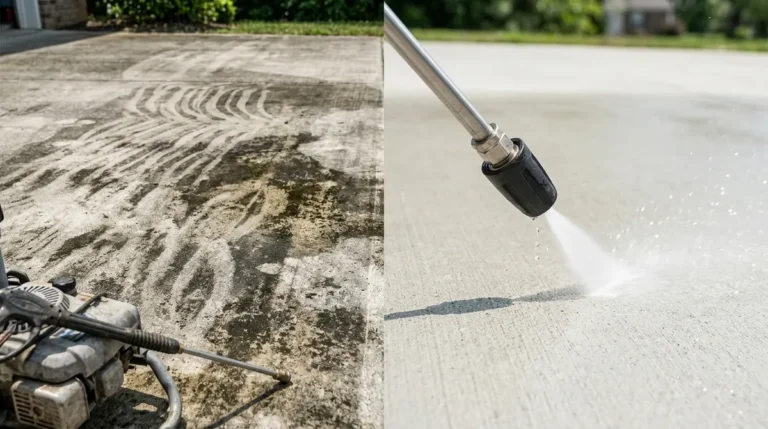
Think of it like this. High-pressure washing scrubs dirt away from the surface. Soft washing kills the actual organisms causing the problem. That means cleaner results that last longer. Surfaces treated with soft washing can stay clean for up to four to six times longer than those cleaned with pressure alone.
If you’re curious how it compares to traditional pressure washing, check out this helpful breakdown: Soft Wash Vs Pressure Wash: Which Is Best For Your Florida Home.
Which Surfaces Benefit Most From Soft Washing?
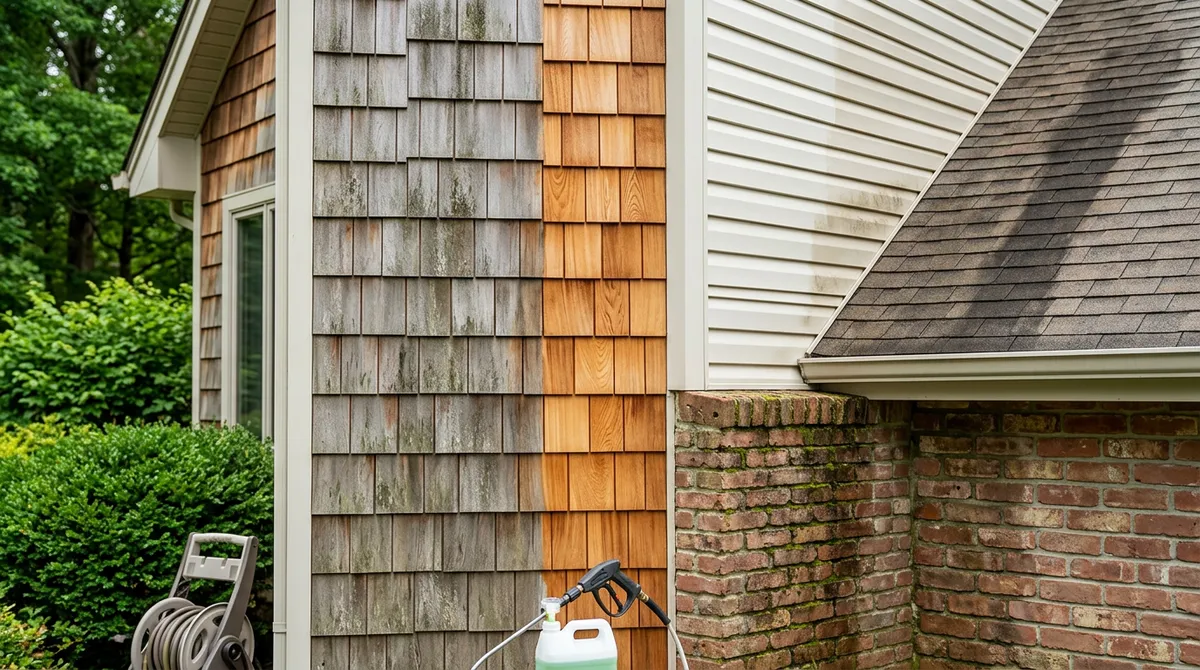
Not every surface needs the same cleaning approach. Some materials are tough and can handle high pressure. Others are fragile and need a gentler touch. Soft washing is ideal for surfaces that could crack, chip, or degrade under high-pressure water.
Here are the surfaces that benefit most from soft washing:
- Roof shingles — Asphalt shingles are especially vulnerable to high pressure, which can strip away granules and shorten your roof’s lifespan.
- Vinyl and wood siding — High pressure can force water underneath siding panels, causing moisture damage and mold growth inside walls.
- Painted surfaces — Exterior trim, shutters, and painted wood can be stripped or damaged by powerful water jets.
- Stucco and EIFS — These textured exterior finishes are porous and can crack or absorb too much water under pressure.
- Screen enclosures and pool cages — Thin aluminum frames and screening material require a delicate touch.
- Solar panels — Sensitive panels need a safe, streak-free wash without high pressure that could cause micro-cracks.
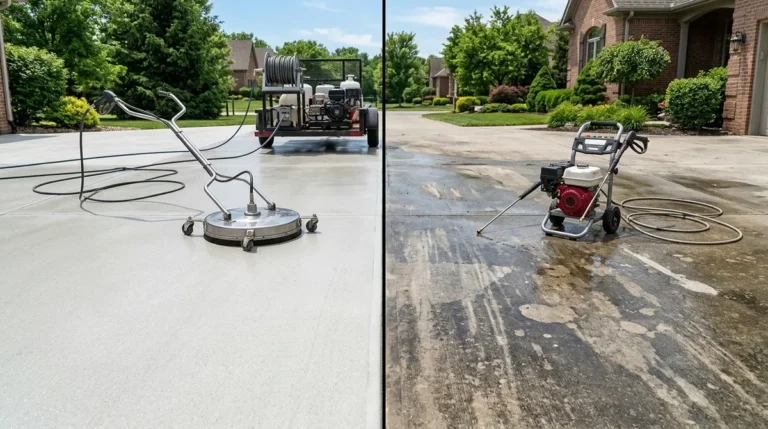
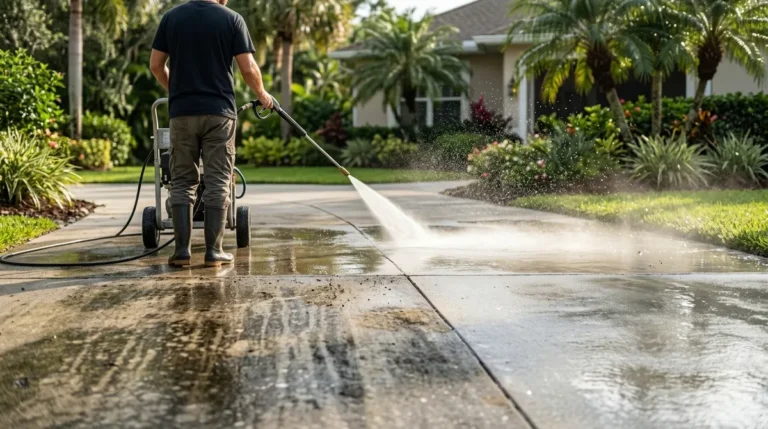
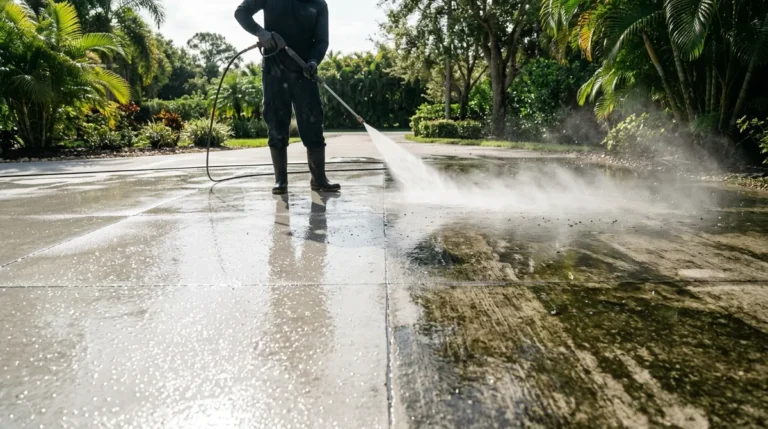
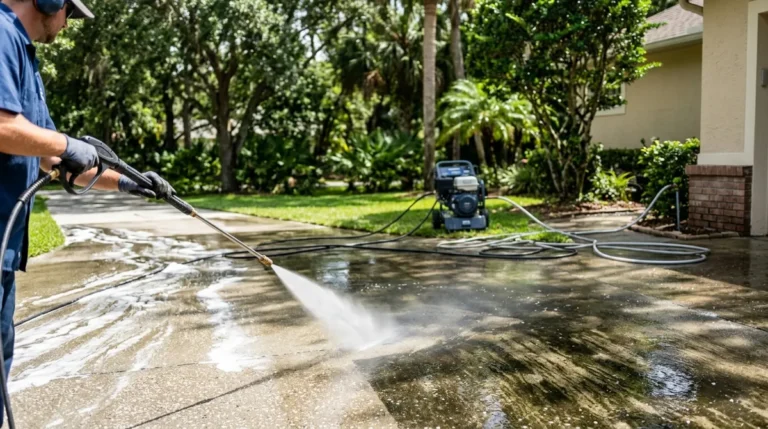
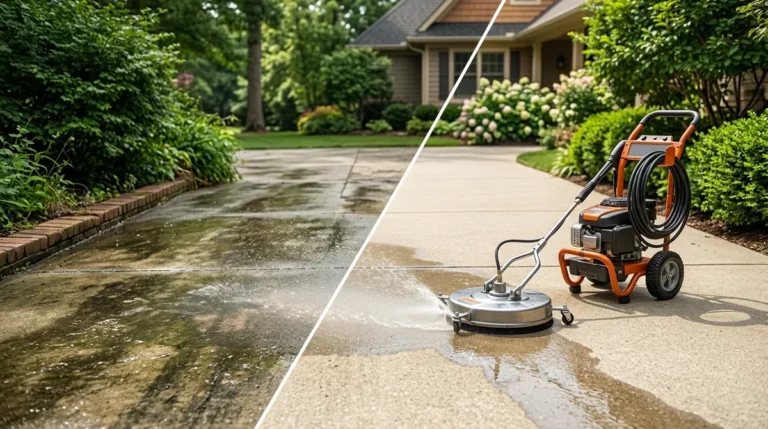
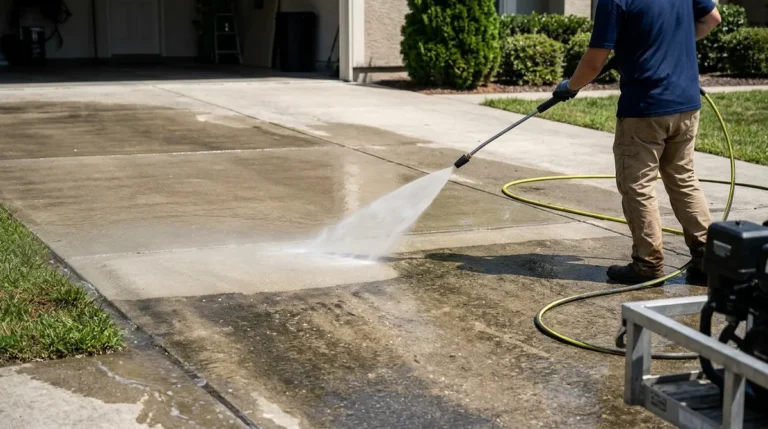
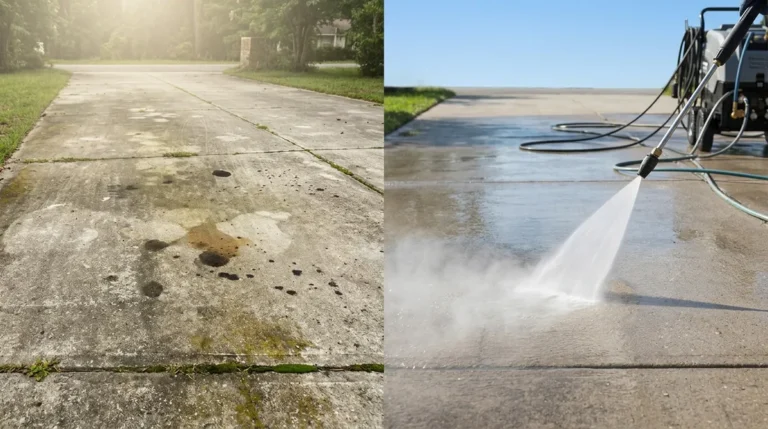
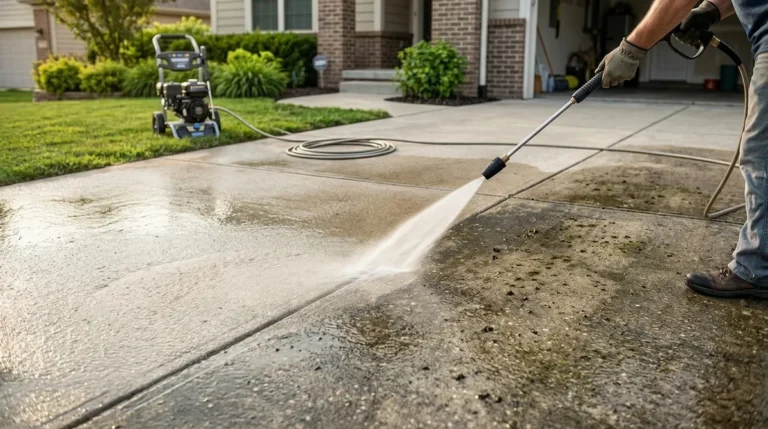
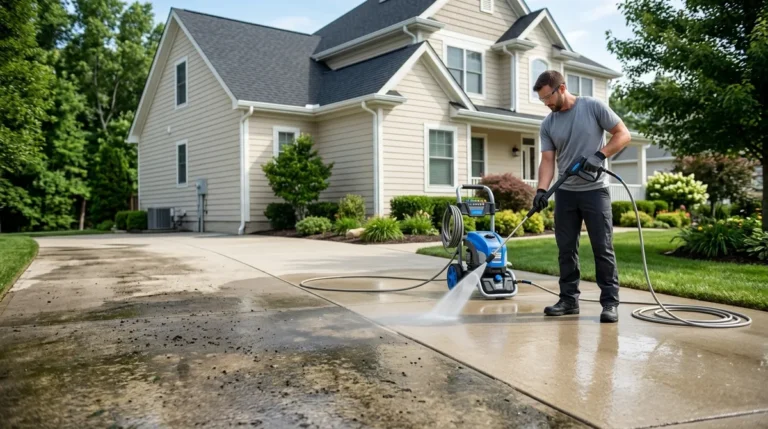
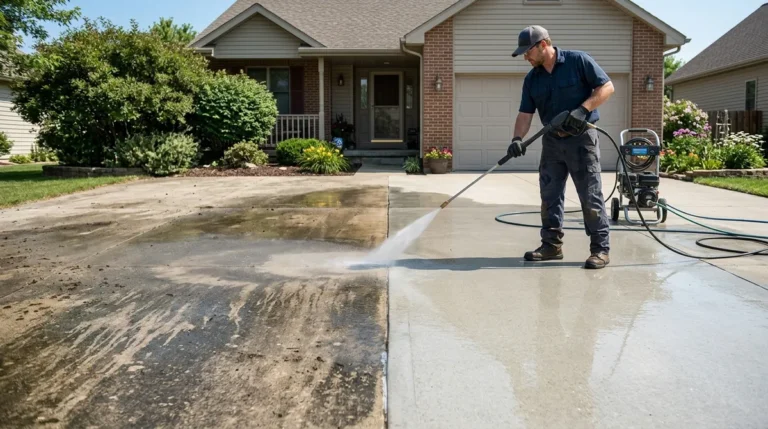
For surfaces like concrete driveways, brick, and stone, Driveway & Concrete Cleaning with traditional high-pressure methods works great. But for the surfaces listed above, soft washing is the smarter choice.
How Does the Soft Washing Process Work?
Understanding the process helps you appreciate why soft washing is so effective. Here’s a step-by-step look at how a professional soft wash works:
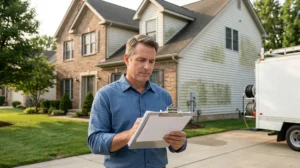
- Pre-inspection — A technician evaluates the surface to identify problem areas, organic growth types, and the right cleaning solution blend.
- Pre-rinse — Surrounding plants, landscaping, and walkways are wetted down to protect them from the cleaning solution.
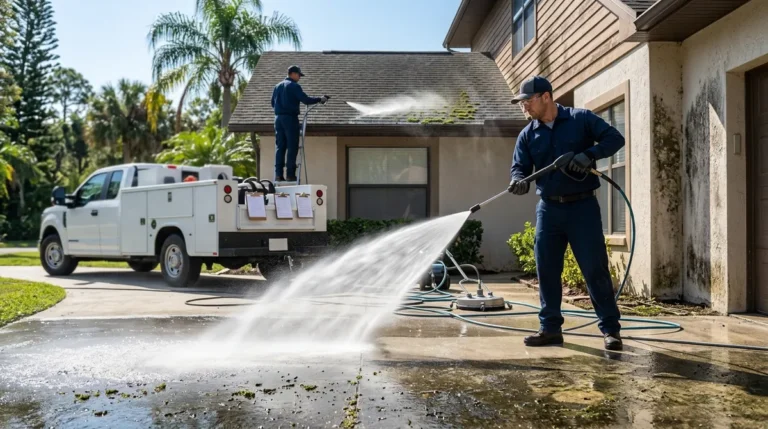
- Solution application — A low-pressure nozzle applies the biodegradable cleaning solution evenly across the surface. The solution begins breaking down and killing mold, algae, mildew, and bacteria on contact.
- Dwell time — The solution is left on the surface for several minutes. This is when the chemistry does its job, penetrating organic matter and dissolving buildup.
- Low-pressure rinse — The surface is gently rinsed clean. The dead organic matter and loosened grime wash away easily without the need for high pressure.
- Post-rinse of surroundings — Plants, landscaping, and surrounding areas are rinsed again to neutralize any solution that may have drifted.
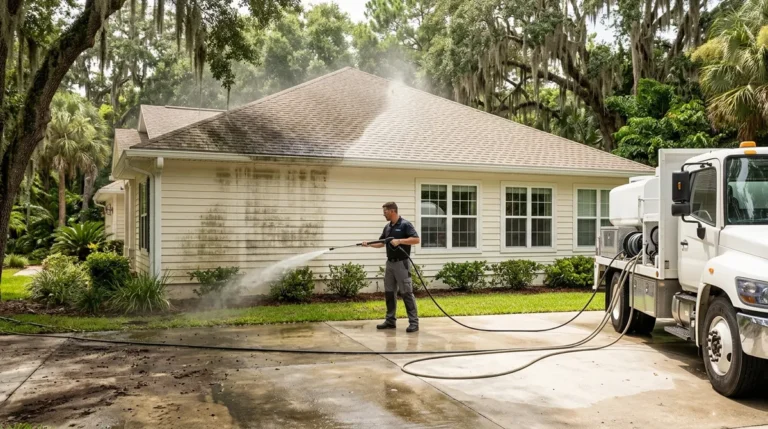
The whole process is efficient, thorough, and safe for your home and yard. That’s why it’s the preferred method for Roof Cleaning and House Washing across Hillsborough County.
Soft Washing vs. Pressure Washing: A Quick Comparison
Both methods have their place. The key is knowing which one to use where. Here’s a simple comparison to help you understand the differences:
| Feature | Soft Washing | Pressure Washing |
|---|---|---|
| Water Pressure | Under 500 PSI | 1500–4000+ PSI |
| Cleaning Method | Chemical + low pressure | High-pressure water force |
| Best For | Roofs, siding, painted trim | Concrete, brick, stone |
| Results Last | 1–3 years | 3–6 months |
| Risk of Damage | Very low | Moderate to high (if misused) |
| Kills Organic Growth | Yes (at the root) | Partially (surface only) |
As you can see, soft washing is the superior choice for delicate surfaces. Pressure washing still has its place on hard, durable surfaces. A professional will always know which method is right for each area of your home.
The Top Benefits of Soft Washing for Florida Homeowners
Florida’s climate is tough on homes. High humidity, intense heat, and frequent rain make it easy for mold, algae, and mildew to grow almost year-round. Soft washing offers specific advantages that make it the go-to solution for Hillsborough County homeowners.
Here are the top benefits you’ll enjoy:
- Longer-lasting cleanliness — Because soft washing kills organisms at the root, growth takes much longer to return compared to pressure washing alone.
- No surface damage — Gentle water pressure means no cracked shingles, no stripped paint, and no broken siding panels.
- Healthier home environment — Removing mold and mildew from your exterior reduces spore counts that can affect indoor air quality.
- Better curb appeal — A clean, bright exterior dramatically improves how your home looks from the street.
- Protects your investment — Regular soft washing extends the life of your roof, siding, and paint — saving you money on repairs and replacements.
- Eco-friendly options — Many professional services use biodegradable, plant-safe cleaning solutions that won’t harm your lawn or garden.
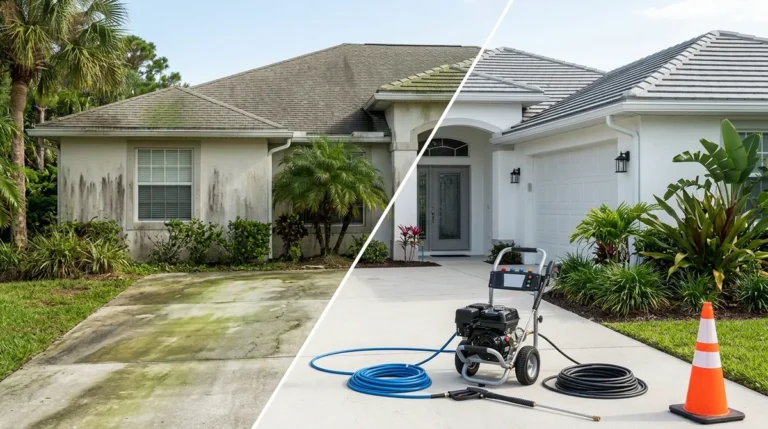
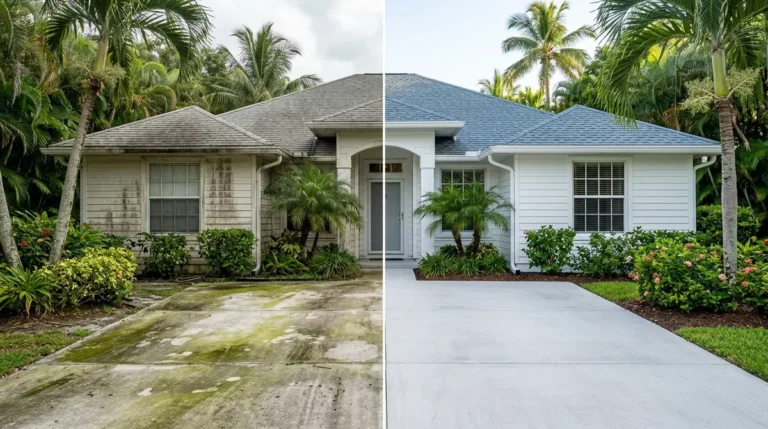
For eco-conscious homeowners in Hillsborough County, this is especially good news. You get a spotless home without harming the environment around it. To see what a professionally soft-washed home looks like, browse the before-and-after gallery for real results.
Is Soft Washing Safe for My Roof?
Yes — in fact, soft washing is the recommended method for roof cleaning by most roofing manufacturers and industry associations. High-pressure washing on a roof can void your manufacturer’s warranty, loosen shingles, and force water under your roofing materials.
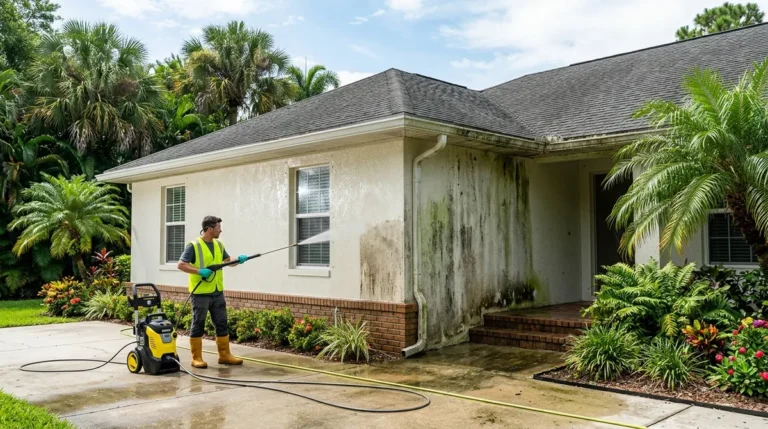
Those dark streaks you see on Florida roofs? That’s Gloeocapsa magma, a type of algae that feeds on your shingles’ limestone filler. Left untreated, it causes significant damage over time. Soft washing eliminates the algae completely and keeps your roof looking clean and performing well. Learn more about why regular care matters: Why Does Your Roof Need Professional Washing Every Year?
When Should You Schedule a Soft Wash?
Most Hillsborough County homes benefit from soft washing on a regular schedule. Here’s a simple guide for knowing when it’s time:
- You see dark streaks or green patches — Visible algae, mold, or mildew is a clear sign that a soft wash is overdue.
- Your HOA sends a notice — Many HOA communities in Hillsborough County require regular exterior cleaning to maintain community standards. Don’t wait for a fine — schedule proactively.
- It’s been more than 12–18 months — Even if your home looks okay, organic growth can be building up. Annual soft washing keeps it in check.
- You’re preparing to sell your home — A freshly soft-washed home has dramatically better curb appeal and can increase perceived value for buyers.
- After a storm or rainy season — Florida’s rainy season accelerates organic growth. A post-storm soft wash is a smart move every year.
If you’re unsure whether your home is ready for a soft wash, take a look at these 7 Signs You Need a Pressure Washing Company Near Me Today for a helpful checklist.
What Areas of Your Home Can Be Soft Washed?
You might be surprised how many surfaces around your home are good candidates for soft washing. Here’s a quick overview:
- Roof shingles and tile roofing
- Vinyl, wood, and fiber cement siding
- Stucco and painted exterior walls
- Fascia boards and soffit panels
- Fences (wood, vinyl, and aluminum)
- Screen enclosures and pool cage frames
- Solar panels
- Gutters (exterior faces)
Don’t forget your gutters — clogged or dirty gutters can lead to water damage and costly repairs. Gutter Cleaning is a great complement to a full soft wash service to keep your entire home protected and looking great.
Why Choose a Professional Over DIY?
It might be tempting to rent a pressure washer or mix up your own cleaning solution. But soft washing done incorrectly can cause real problems. The wrong chemical concentration can bleach your landscaping. Too much pressure on delicate surfaces can cause damage that costs thousands to repair.
Professional soft wash technicians understand the right solution blends, dwell times, and pressure settings for every surface type. They also carry the proper insurance and equipment to do the job safely. What Makes Professional Pressure Washing Services Worth It is a great read if you’re weighing your options.
At Buckhorn Power Wash, our team brings the right tools, experience, and care to every job across Hillsborough County. From roof cleaning near you to full house washing, we make it easy to keep your home in top shape.
You can also check out our reviews from happy Hillsborough County homeowners on Yelp and Facebook to see what our customers are saying. Or visit us on Google to read our latest reviews and get directions.
Choosing the Right Service for Your Home
Every home is different. The best approach is to work with a professional who evaluates your specific surfaces and recommends the right cleaning method. A good exterior cleaning company will use soft washing where needed and pressure washing where appropriate — not a one-size-fits-all approach.
If you’re in the process of moving into a new home or setting up your property, it’s worth connecting with trusted local professionals. For example, if you need reliable moving help before or after your clean, Visit DynaMight Movers for dependable service. And if your home needs trim or carpentry work alongside your exterior clean, Visit Bucheli Trim for quality craftsmanship.
For a complete list of exterior cleaning services available in Hillsborough County, including soft washing, house washing, roof cleaning, driveway cleaning, and more, explore everything that’s available to keep your home at its best.
Ready to Give Your Home the Care It Deserves?
Soft washing is one of the smartest investments you can make for your home’s health, appearance, and longevity. Florida’s climate doesn’t give your home a break — but regular soft washing does. It removes harmful organic growth, protects your surfaces, and keeps your home looking beautiful season after season.
Whether you’re a busy professional who doesn’t have time for DIY projects, an HOA homeowner keeping up with community standards, or simply someone who takes pride in a well-maintained home, soft washing delivers results you can see and benefits that last.
Don’t wait until the streaks get worse or the algae spreads further. Request your free quote today and find out how easy and affordable it is to transform the look of your home with a professional soft wash from Buckhorn Power Wash. You can also explore options for power washing near you to find the right service for every surface around your property.
FAQs
Q: How long does soft washing last compared to regular pressure washing?
A: Great question! Soft washing results typically last one to three years because the cleaning solutions kill mold and algae at the root rather than just washing them off the surface. Regular pressure washing, by contrast, may only keep surfaces clean for a few months before organic growth returns.
Q: Is soft washing safe for my plants and landscaping?
A: Absolutely! Professional soft wash technicians pre-rinse and post-rinse all surrounding plants and landscaping to protect them from cleaning solutions. Many of the detergents used today are biodegradable and plant-safe, so your garden should be just fine after the job is done.
Q: Can soft washing damage my roof or siding?
A: Soft washing is actually the safest method for roofs and siding — that’s why it was designed! The water pressure used is similar to a regular garden hose, so there’s virtually no risk of cracking shingles, stripping paint, or forcing water behind siding panels.
Q: How often should I have my home soft washed in Florida?
A: In Florida’s warm, humid climate, most homeowners benefit from soft washing every 12 to 18 months. However, if you notice visible algae, mold streaks, or your HOA has flagged your home’s appearance, it’s a good idea to schedule a soft wash right away.
Q: What’s the difference between soft washing and DIY cleaning with a store-bought solution?
A: DIY cleaning products are rarely formulated with the right concentration or chemistry to fully kill organic growth like mold and algae. Professional soft washing uses commercial-grade, biodegradable solutions applied with the right equipment to get truly deep, long-lasting results that store-bought products simply can’t match.