Key Takeaways
-
Use pressure between 1,200-2,500 PSI depending on material; wood needs 1,200-1,500 PSI, vinyl 1,500-2,000 PSI, and metal 1,800-2,500 PSI to avoid damage while effectively removing buildup.
-
Pre-treat heavy stains and mold with eco-friendly cleaning solution, let sit 10-15 minutes, then rinse; this loosens stubborn grime and kills mold spores before pressure washing.
-
Identify your fence material first since wood, vinyl, and metal require different approaches; using wrong pressure on wrong material can cause permanent damage like splintering or cracking.
-
Seal or stain wood fences 24-48 hours after cleaning while pores are open; this allows deeper product penetration and can double fence lifespan in Florida's humid climate.
-
Schedule fence cleaning 1-2 times yearly in Florida to prevent mold and algae buildup before they cause permanent staining or structural rot, especially at the base and posts.
-
Work top-to-bottom in small sections with 12-18 inch distance from fence using smooth strokes; give extra attention to posts and ground-level areas where moisture and rot start.
Your fence works hard every single day. It keeps your yard private, boosts your home’s curb appeal, and takes a beating from Florida’s heat, humidity, and rain. Over time, mold, mildew, algae, and dirt build up — and that beautiful fence starts to look tired and worn. That’s where fence power washing comes in.
Whether your fence is wood, vinyl, or metal, a good cleaning can make it look brand new again. And in Hillsborough County’s warm, humid climate, regular cleaning isn’t just about looks — it’s about protecting your investment. This guide walks you through 10 practical tips to get the best results from fence power washing, so you can keep your property looking sharp all year long.
Why Fence Power Washing Matters in Florida
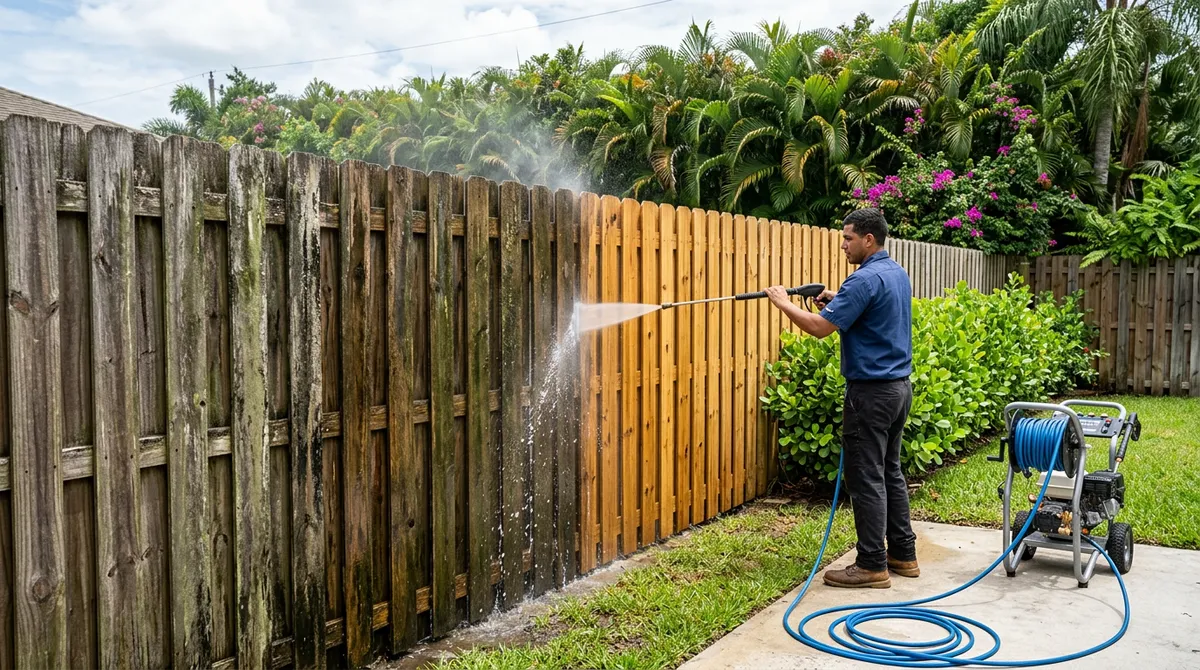
Florida’s climate is beautiful, but it’s tough on fences. The heat and moisture create the perfect conditions for mold, algae, and mildew to grow fast. Left untreated, these can stain your fence permanently or cause rot in wood materials. Regular fence power washing removes these threats before they cause lasting damage.
Beyond protection, a clean fence simply looks better. It boosts your home’s curb appeal and can even raise your property value. If you live in an HOA community in Hillsborough County, keeping your fence clean may also help you avoid fines. You can learn more about what makes professional pressure washing services worth it before deciding on your approach.
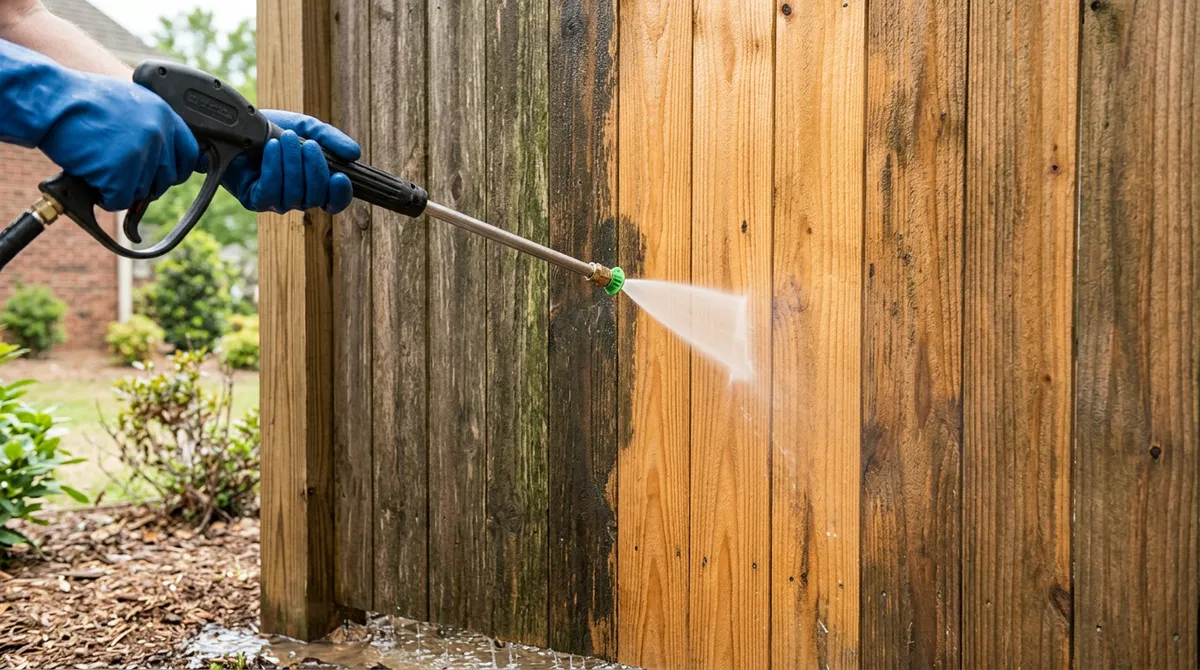
10 Fence Power Washing Tips That Actually Work
1. Know Your Fence Material Before You Start
Not all fences are created equal. Wood, vinyl, and metal each need a different cleaning approach. Using the wrong pressure on the wrong material can cause real damage. Before anything else, identify what your fence is made of.
- Wood fences need lower pressure and gentle detergents to avoid splintering or stripping paint
- Vinyl fences are durable but can crack or warp under high pressure if you’re not careful
- Metal fences can handle more pressure but are prone to rust if not dried properly after washing
- Painted fences need soft washing techniques to preserve the finish
2. Choose the Right Pressure Setting
Pressure matters a lot in fence power washing. Too much pressure can gouge wood, crack vinyl, or chip paint. Too little won’t remove the grime effectively. Most fence cleaning jobs call for a pressure range between 1,200 and 2,500 PSI, depending on the surface.
When in doubt, start low and work your way up. It’s always better to run a second pass than to damage your fence on the first try. This is one big reason many homeowners prefer hiring a professional pressure washing service — they know exactly what setting to use for each surface.
3. Use the Right Nozzle for the Job
Nozzles control the spray angle, which directly affects cleaning power. A narrow nozzle concentrates pressure and can damage delicate surfaces. A wider nozzle spreads the pressure for a gentler clean.
- 0-degree nozzle — Very concentrated, best for tough stains on concrete (not for fences)
- 25-degree nozzle — Good for wood and vinyl fences with heavy buildup
- 40-degree nozzle — Gentle enough for light cleaning on painted or older fences
- Soap nozzle — Used to apply detergent evenly before rinsing
4. Consider Soft Washing for Delicate Surfaces
Sometimes the smartest move is to skip high pressure altogether. Soft washing uses low pressure with specialized cleaning solutions to break down mold, algae, and mildew at the source. It’s especially great for older wood fences or painted surfaces that can’t handle high PSI.
If you’re unsure whether your fence needs soft washing or traditional pressure washing, check out this helpful guide on soft wash vs pressure wash for Florida homes. It breaks everything down in simple terms.
5. Pre-Treat Heavy Stains and Mold
Before you turn on the pressure washer, apply a cleaning solution to the fence. This loosens stubborn stains, kills mold spores, and makes the rinse-off much easier. Let the solution sit for 10–15 minutes before washing it away.
Look for eco-friendly detergents that are safe for plants, pets, and people. In Florida, runoff from cleaning products can affect local landscaping and water sources, so using gentle, biodegradable cleaners is always a smart choice.
6. Work in Sections from Top to Bottom
Always work from the top of the fence down to the bottom. Dirty water flows downward, and if you start at the bottom, you’ll just re-dirty the areas you already cleaned. Working in small sections also helps you keep track of your progress and ensures even cleaning across the entire fence.
- Start at the highest point of the fence line
- Move horizontally across each section before dropping lower
- Rinse each section thoroughly before moving on
- Check for missed spots while the surface is still wet
7. Keep a Safe Distance from the Fence
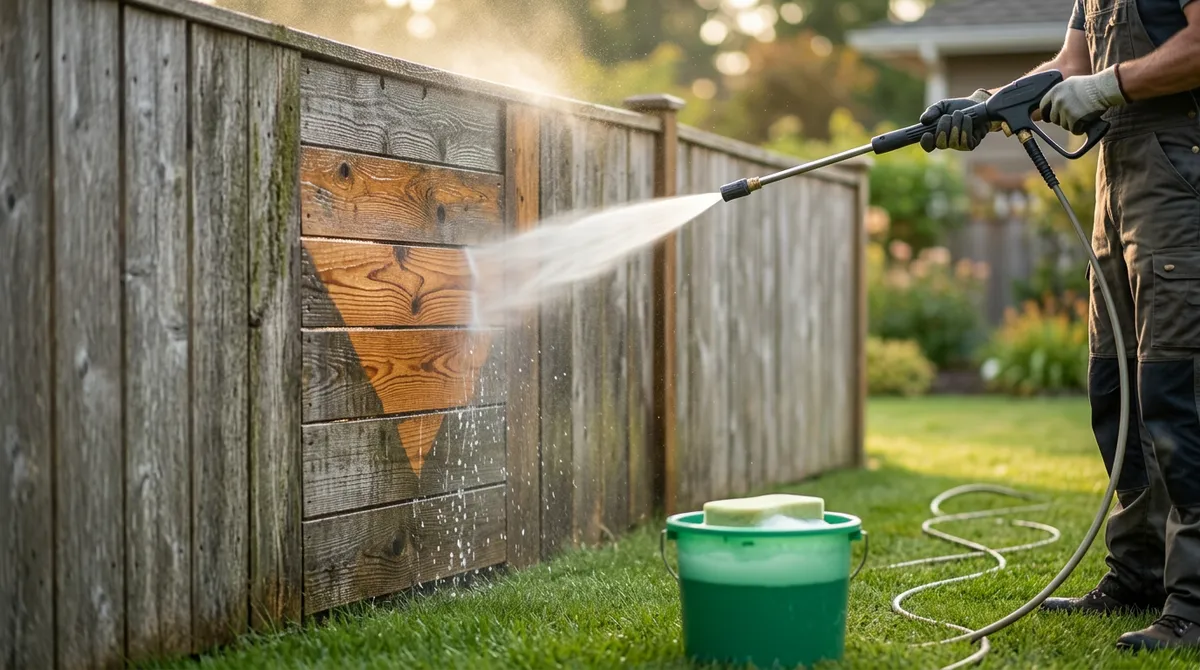
Stand about 12 to 18 inches away from the fence when power washing. Getting too close concentrates the pressure in one spot and can cause etching or gouging. Staying too far away reduces cleaning effectiveness.
Move the wand in smooth, consistent strokes rather than staying in one place. Think of it like mopping a floor — keep it moving to avoid streaks or damage.
8. Don’t Forget the Posts and Base
It’s easy to focus on the visible fence panels and forget the posts and the base near the ground. These areas collect the most moisture and organic buildup. Mold, algae, and rot often start at ground level and work their way up.
Give the posts extra attention during fence power washing. This is especially important for wood fences, where the post base is most vulnerable to rot. Keeping these areas clean extends the life of your entire fence significantly.
9. Seal or Stain Wood Fences After Cleaning
Power washing opens up the pores of wood, which is actually a great time to apply sealant or stain. Doing so while the wood is clean and slightly open allows the product to penetrate deeper and last longer. Wait 24–48 hours after washing for the wood to fully dry before applying any sealant.
Sealing a wood fence after cleaning is one of the best ways to protect it from Florida’s humidity and UV exposure. It can double the life of your fence and keep it looking great between professional cleanings.
10. Schedule Regular Cleanings to Prevent Buildup
The best fence power washing tip? Don’t wait until your fence looks terrible. Regular cleaning prevents mold, algae, and grime from building up in the first place. In Florida’s humid climate, cleaning your fence once or twice a year is a smart maintenance habit.
Staying on a regular schedule also means each cleaning is easier and faster. Light buildup comes off much more easily than years of neglect. Check out our full range of exterior cleaning services to see how you can bundle fence cleaning with other home maintenance tasks.
Fence Type Cleaning Guide at a Glance
| Fence Material | Recommended Method | Ideal PSI Range | Special Considerations |
|---|---|---|---|
| Wood | Soft wash or low-pressure | 1,200 – 1,500 PSI | Seal after cleaning; check for rot |
| Vinyl | Pressure washing | 1,500 – 2,000 PSI | Avoid heat buildup; rinse thoroughly |
| Metal/Aluminum | Pressure washing | 1,800 – 2,500 PSI | Dry quickly to prevent rust |
| Painted Wood | Soft wash | Under 1,200 PSI | Use gentle detergents; test small area first |
| Chain Link | Pressure washing | 2,000 – 2,500 PSI | Check for rust spots before and after |
DIY vs. Professional Fence Power Washing
Some homeowners enjoy tackling fence cleaning themselves. But renting equipment, buying detergents, and spending a weekend hunched over a pressure washer isn’t everyone’s idea of fun. Mistakes can also be costly — using too much pressure on a wood fence can mean expensive repairs or replacement.
Professional cleaners bring the right equipment, experience, and products for every fence type. They also work safely and efficiently, getting the job done in a fraction of the time. If you’d like to explore your options, you can get a free instant quote to see just how affordable professional fence cleaning can be.
- Professionals know the right PSI and technique for each material
- No equipment rental or storage hassles for homeowners
- Faster results with consistent, streak-free cleaning
- Safer for your fence, landscaping, and surrounding property
- Many services can be bundled with driveway or house washing
Signs Your Fence Needs Power Washing Now
Not sure if your fence is due for a cleaning? Here are the most common signs that it’s time to schedule a fence power washing session:
- Green or black streaks from algae or mildew growth
- Gray or weathered appearance on wood fences
- Visible dirt, mud, or rust stains near the base
- A musty or earthy smell near the fence line
- HOA notice about fence appearance or cleanliness
If you’re seeing any of these signs, don’t wait. Early cleaning prevents deeper staining and structural damage. You can also check out 7 signs you need a pressure washing company today for more guidance on when to call in the pros.
Pair Fence Cleaning with Other Exterior Services
Fence cleaning is even more effective when paired with other exterior services. Many Hillsborough County homeowners schedule fence washing alongside house washing, driveway and concrete cleaning, or gutter cleaning. Bundling services saves time and keeps your entire property looking its best.
A well-maintained exterior sends a powerful message about your home. Clean fences, a fresh driveway, and spotless siding all work together to create a stunning first impression. You can browse our before-and-after results in the project gallery to see the kind of transformation that’s possible.
Why Buckhorn Power Wash Is the Right Choice
At Buckhorn Power Wash, we specialize in helping Hillsborough County homeowners protect and beautify their properties. From fence cleaning to roof washing, we bring the right tools, techniques, and friendly service to every job. Our clients in Tampa, Brandon, Valrico, Riverview, and Lithia trust us to get the job done right — every time.
We use eco-friendly cleaning solutions and expert techniques that are safe for your family, pets, and landscaping. You can read what our happy customers have to say by visiting our Buckhorn Power Wash reviews on Yelp or checking out our page on Facebook. We’re also easy to find and verify at our Google Business Profile.
Ready to Give Your Fence a Fresh Start?
Fence power washing is one of the simplest and most affordable ways to boost your home’s appearance and protect your investment. Whether you have a wood privacy fence, a vinyl picket fence, or a metal boundary fence, regular cleaning makes a real difference.
You don’t have to do it alone. Our team at Buckhorn Power Wash is ready to help you get that fence looking brand new again. For more tips and guidance on choosing the right power washing service near you, explore our blog or reach out directly. Request your free instant quote today and see how easy and affordable a clean, beautiful fence can be!
FAQs
Q: How often should I schedule fence power washing in Florida?
A: In Florida’s humid climate, we recommend cleaning your fence at least once a year — ideally twice. The heat and moisture create perfect conditions for mold and algae to grow quickly, so staying on a regular schedule keeps your fence looking great and prevents long-term damage.
Q: Can fence power washing damage my wood fence?
A: It can, if done incorrectly! Using too much pressure or the wrong nozzle on a wood fence can cause splintering, etching, or stripped paint. That’s why it’s so important to use the right PSI and technique — or better yet, let a professional handle it to keep your fence safe and beautiful.
Q: Is soft washing better than pressure washing for fences?
A: It depends on the fence material! Soft washing is ideal for older wood, painted surfaces, or any fence that can’t handle high pressure. For tougher materials like vinyl or metal, traditional pressure washing works great. When in doubt, check out our guide on soft wash vs pressure wash to find the right fit for your fence.
Q: What is the best way to remove mold from a fence?
A: Pre-treating with an eco-friendly cleaning solution is the most effective first step. Let it sit for 10–15 minutes to break down the mold, then rinse with a pressure washer at the appropriate setting for your fence material. A professional cleaning service ensures mold is fully removed without damaging the surface.
Q: How much does professional fence power washing cost in Hillsborough County?
A: Pricing varies based on fence size, material, and the level of cleaning needed. The great news is you can get a free, instant quote online in just minutes — no home visit required! Many homeowners are pleasantly surprised by how affordable professional fence cleaning is, especially when bundled with other exterior services.