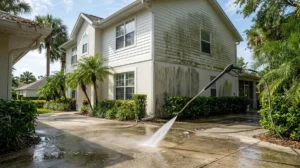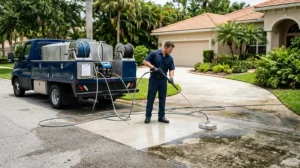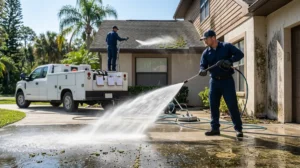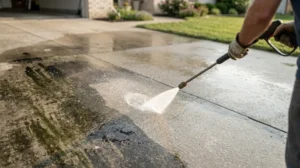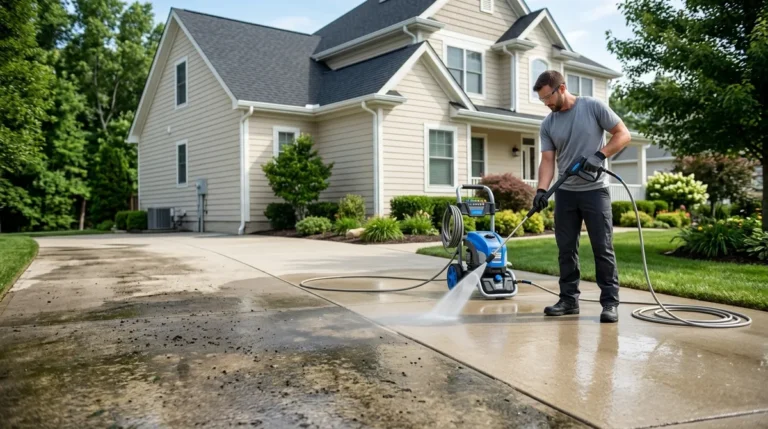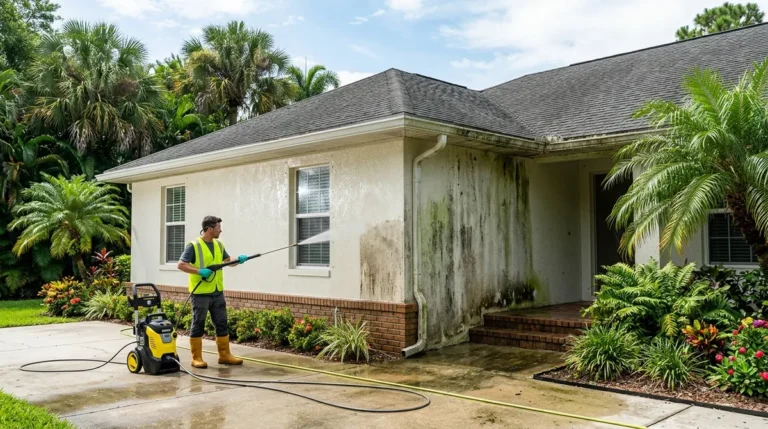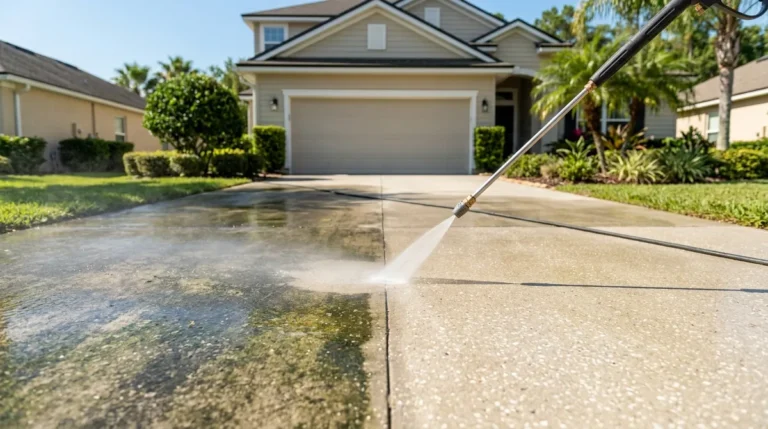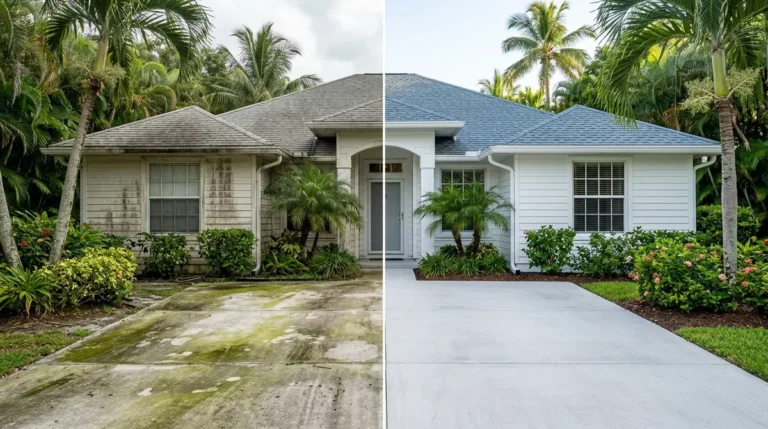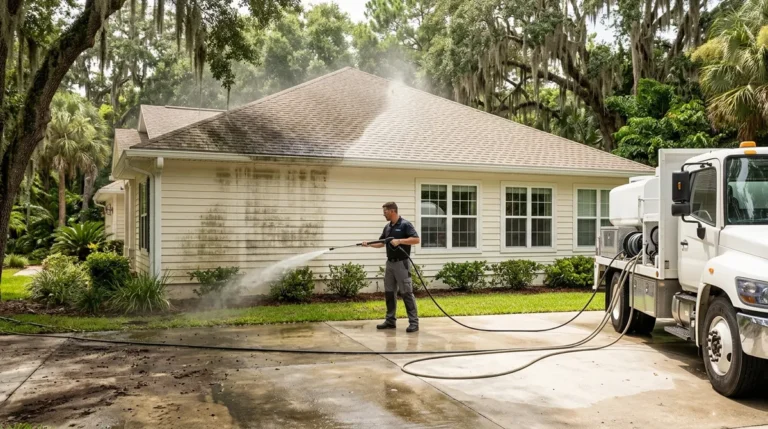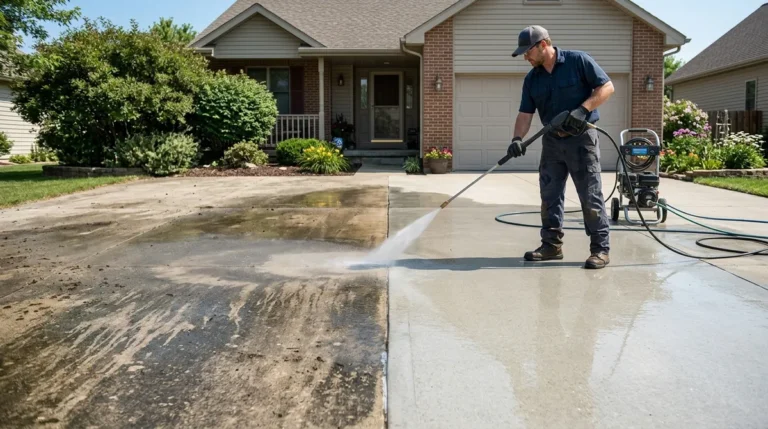
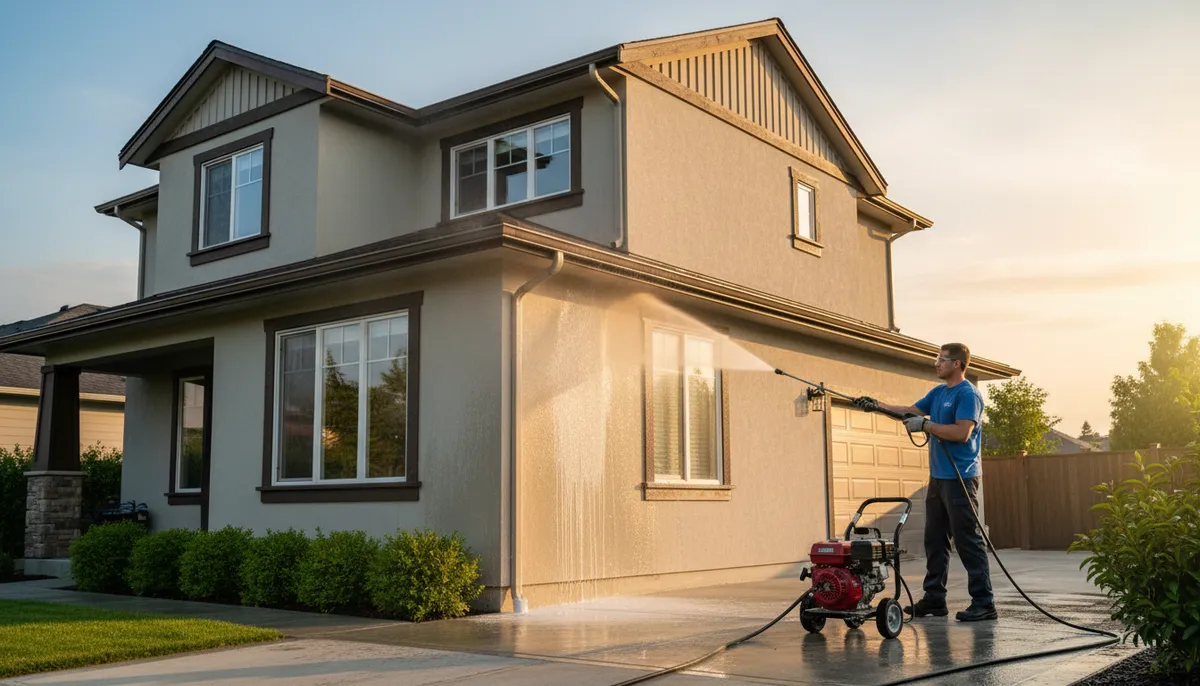
When homeowners think about maintaining their property, they often focus on interior upkeep—fresh paint, clean carpets, and updated fixtures. However, one crucial aspect frequently gets overlooked: house exterior cleaning. Your home’s exterior is constantly exposed to the elements, accumulating dirt, grime, mold, mildew, and pollutants that can significantly impact both its appearance and structural integrity. Understanding why exterior cleaning matters goes beyond simple aesthetics; it’s about protecting your investment, maintaining your home’s value, and creating a healthier living environment for your family.
The exterior of your home serves as its first line of defense against environmental threats, from harsh UV rays to moisture accumulation that can lead to costly damage. Regular cleaning isn’t just about curb appeal—though a clean exterior can increase your home’s value by up to 10%—it’s about preventing long-term deterioration that could result in expensive repairs down the road. Whether you’re preparing to sell, maintaining your property, or simply taking pride in your home’s appearance, professional exterior cleaning provides benefits that extend far beyond what meets the eye.
At Buckhorn Power Wash, we’ve seen firsthand how proper exterior maintenance transforms properties throughout Hillsborough County. From removing stubborn organic growth to restoring faded siding to its original luster, comprehensive exterior cleaning delivers measurable results that protect and enhance your most valuable asset.
The Hidden Dangers of a Dirty Exterior
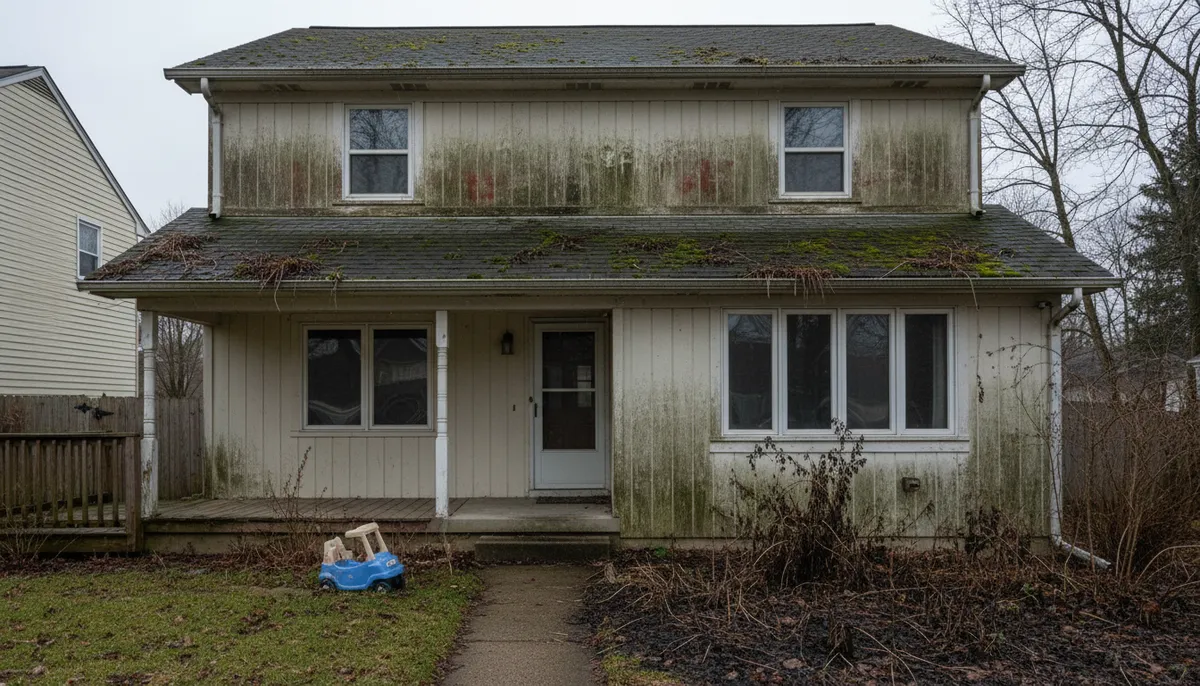
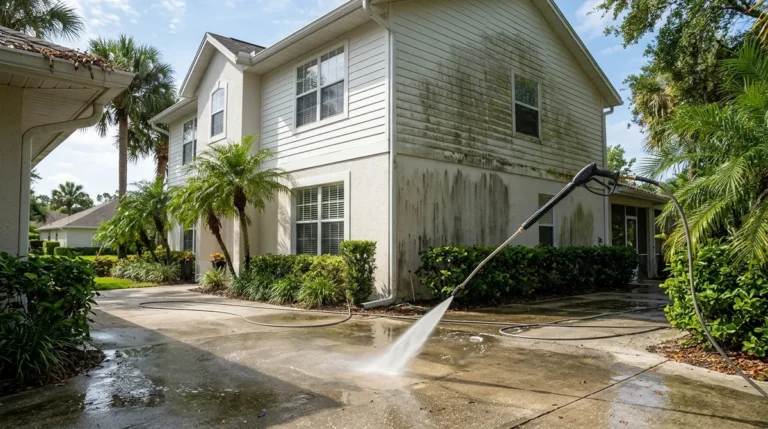
Most homeowners don’t realize that the grime accumulating on their home’s exterior isn’t just unsightly—it’s actively causing damage. Mold, mildew, and algae aren’t simply cosmetic issues; these organic materials feed on the surfaces they colonize, slowly breaking down materials over time. Vinyl siding, wood, stucco, and even brick can suffer structural damage when biological growth is left unchecked for extended periods.
Mold and mildew thrive in damp, shaded areas of your home’s exterior, releasing spores that can infiltrate your indoor air quality through small cracks and gaps. According to the Environmental Protection Agency, mold exposure can trigger allergic reactions and respiratory problems, particularly in individuals with sensitivities or compromised immune systems. The exterior growth you see today could be contributing to health issues inside your home tomorrow.
Beyond biological threats, dirt and pollutants create an acidic environment that accelerates the deterioration of protective coatings and sealants. Industrial fallout, vehicle emissions, and natural debris combine to form a corrosive layer that eats away at paint and finishes. Over time, this degradation exposes underlying materials to moisture penetration, leading to rot, warping, and structural compromise that requires expensive remediation.
Understanding Different Exterior Cleaning Methods
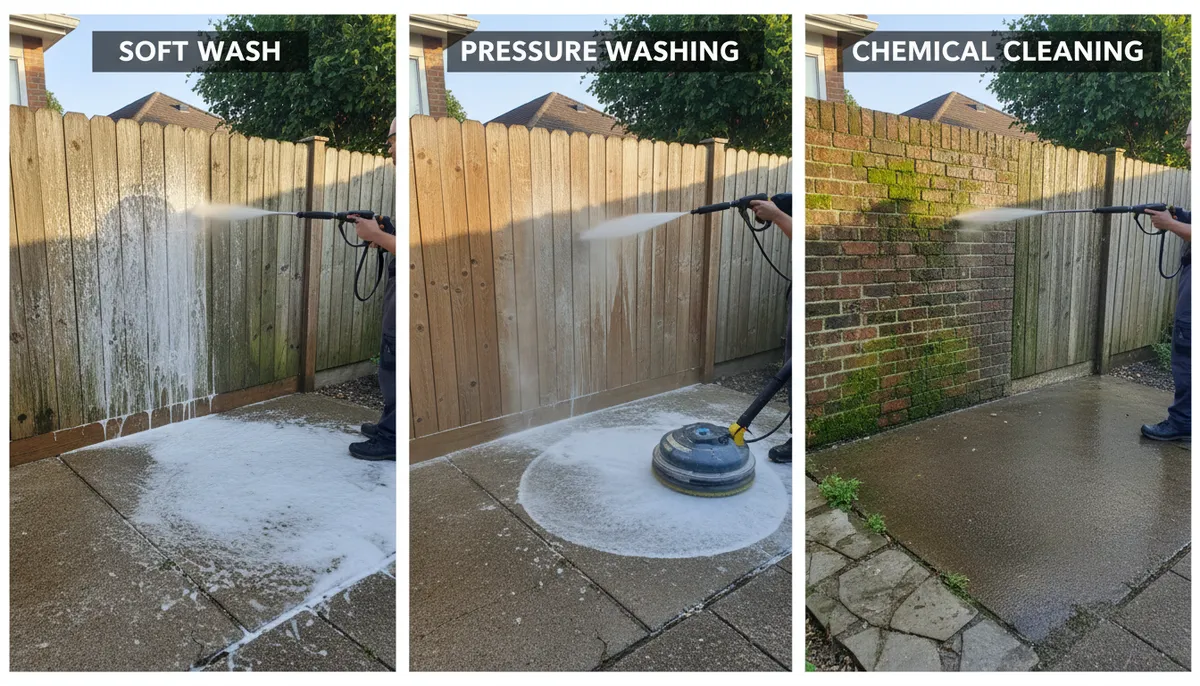
Not all cleaning methods are created equal, and choosing the wrong approach can cause more harm than good. Understanding the differences between pressure washing, soft washing, and other cleaning techniques helps homeowners make informed decisions about maintaining their property safely and effectively.
Pressure Washing vs. Soft Washing
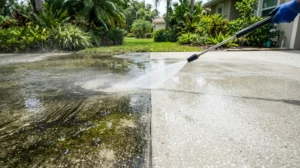
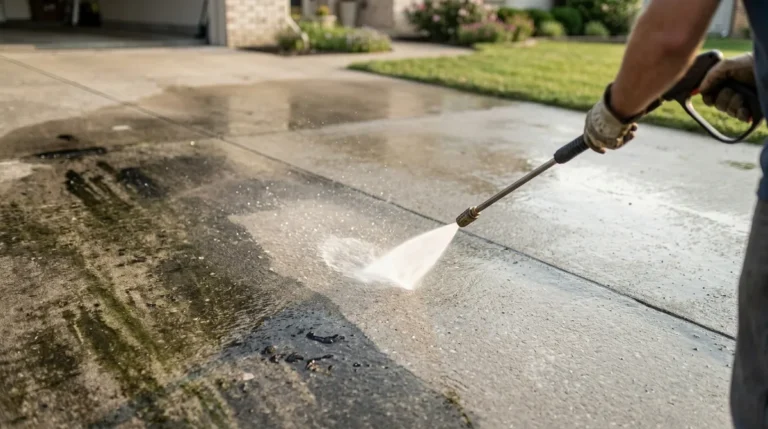
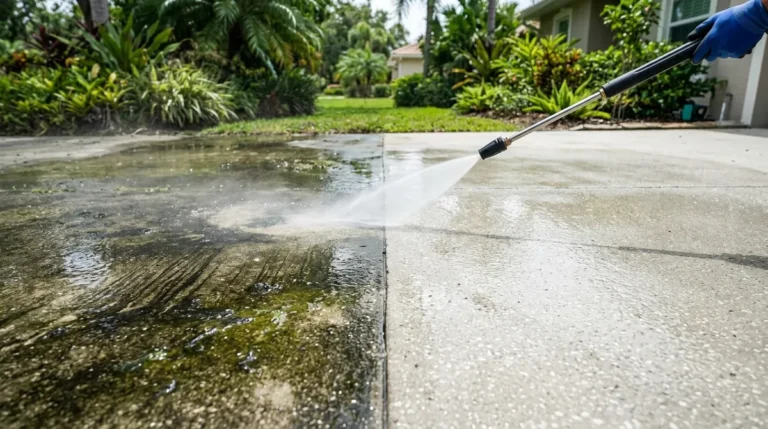
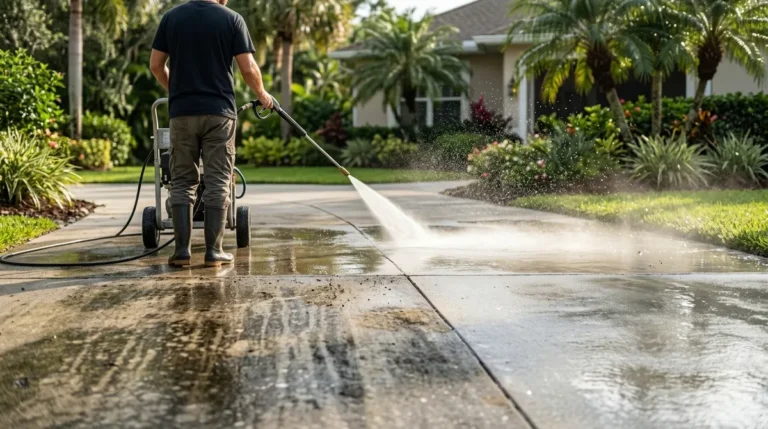
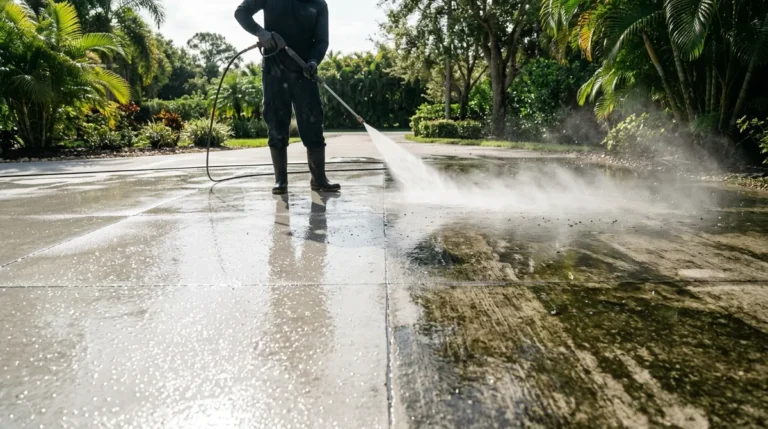
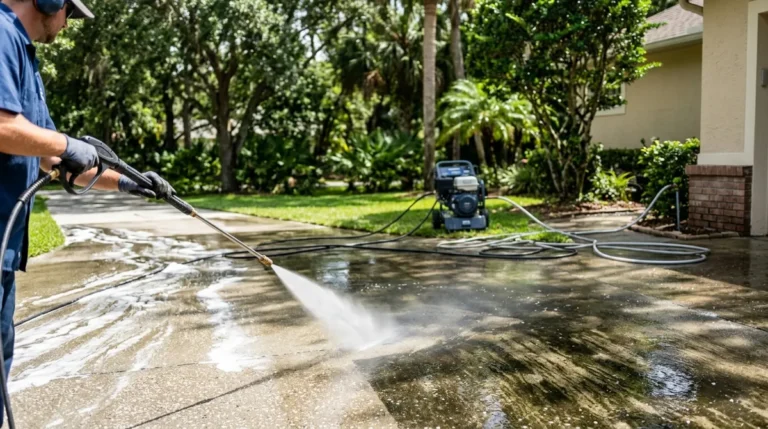
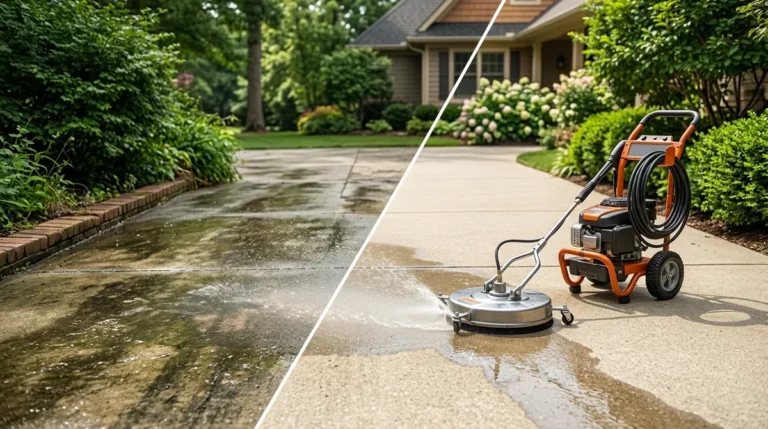
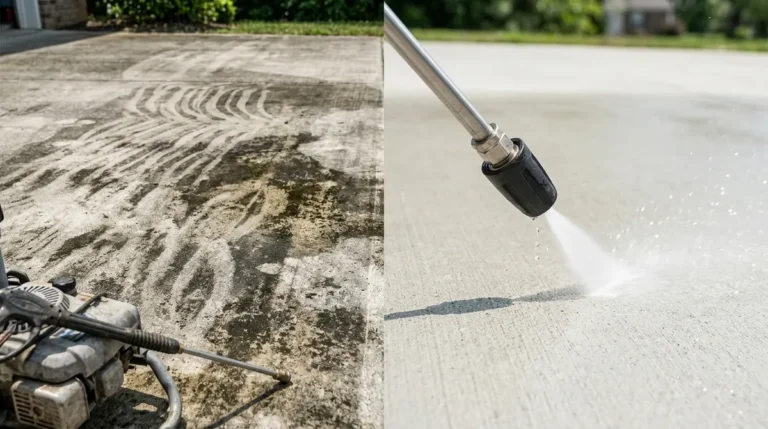
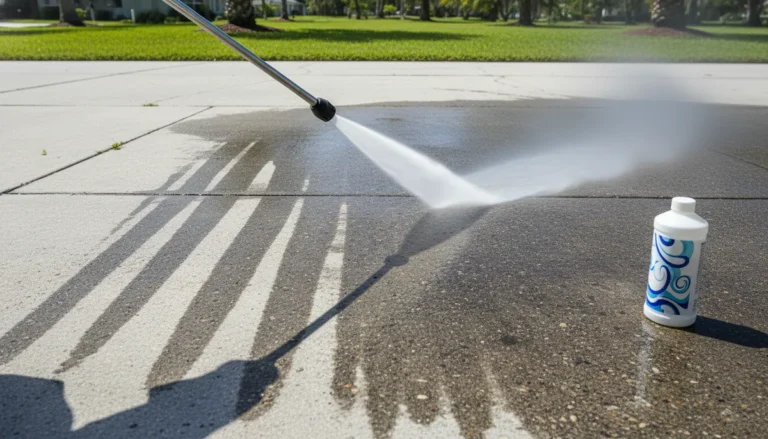
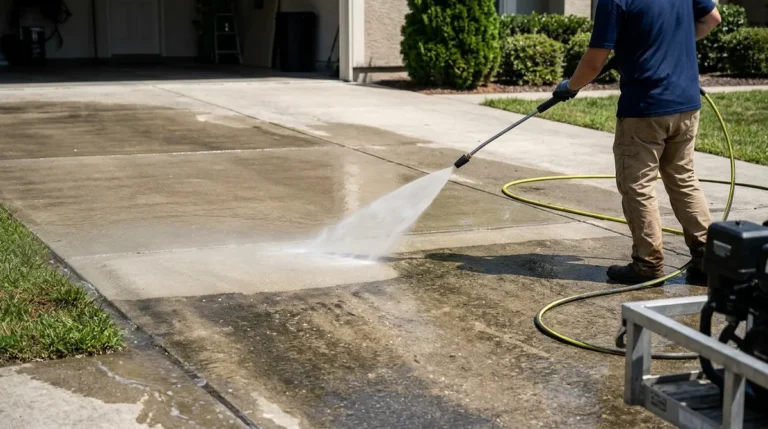
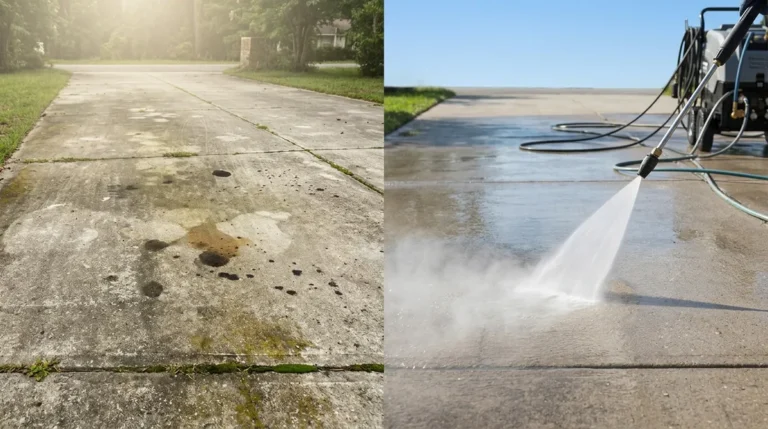
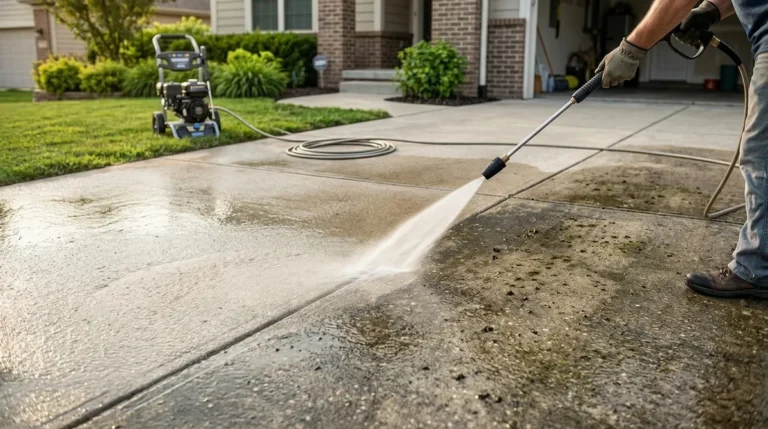
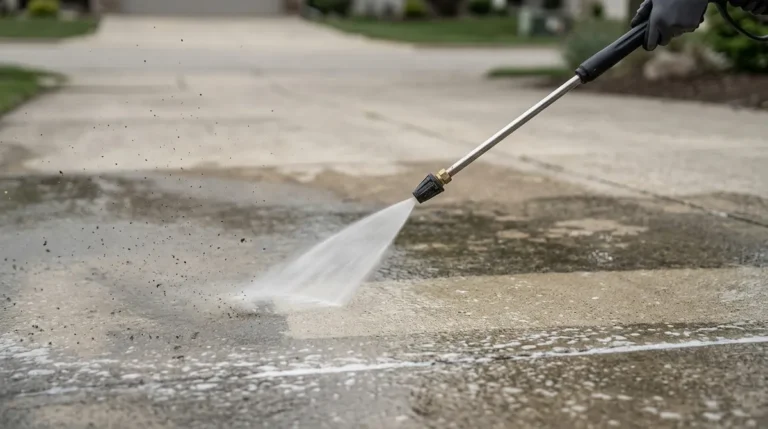
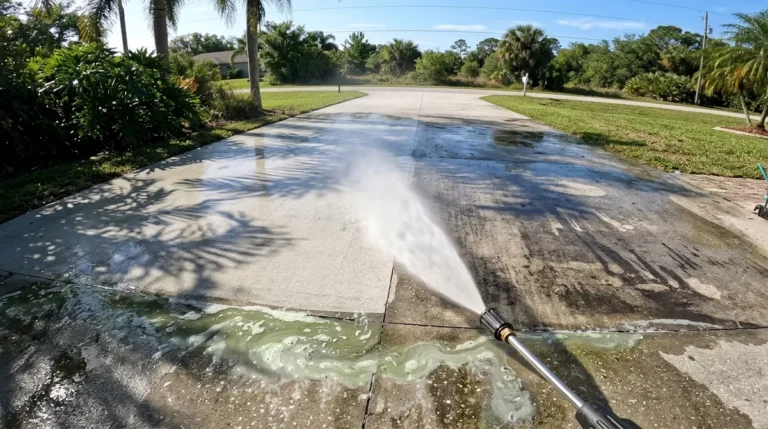
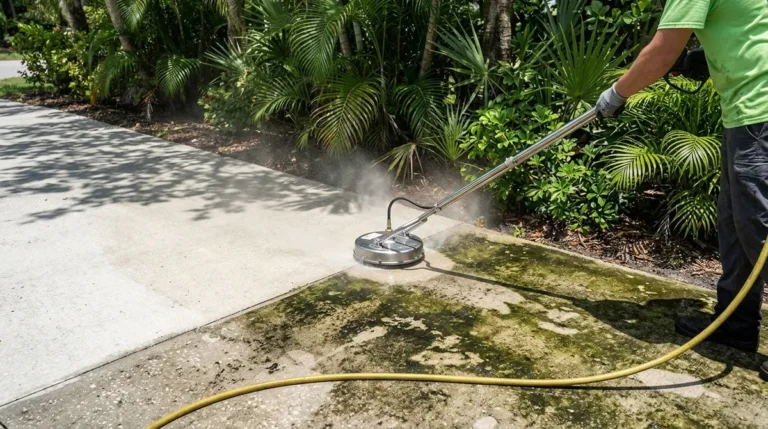
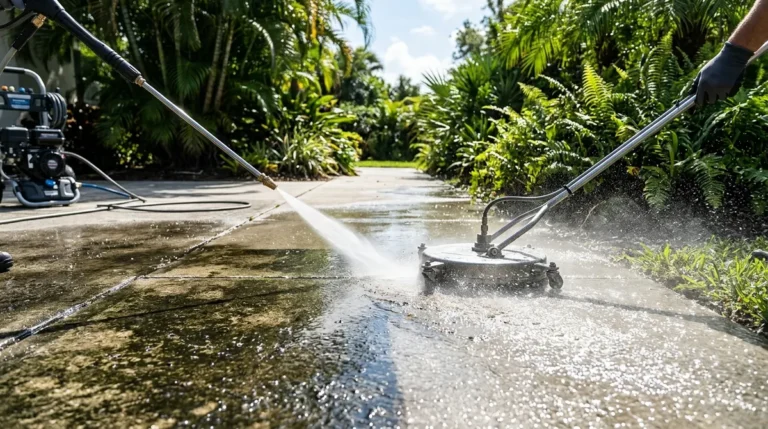
Pressure washing uses high-pressure water streams—typically ranging from 1,500 to 4,000 PSI—to blast away dirt, grime, and stains from durable surfaces like concrete, brick, and stone. This method excels at cleaning driveways, sidewalks, and masonry walls where tougher cleaning power is needed. However, pressure washing can damage softer materials like vinyl siding, wood, and painted surfaces if not applied correctly.
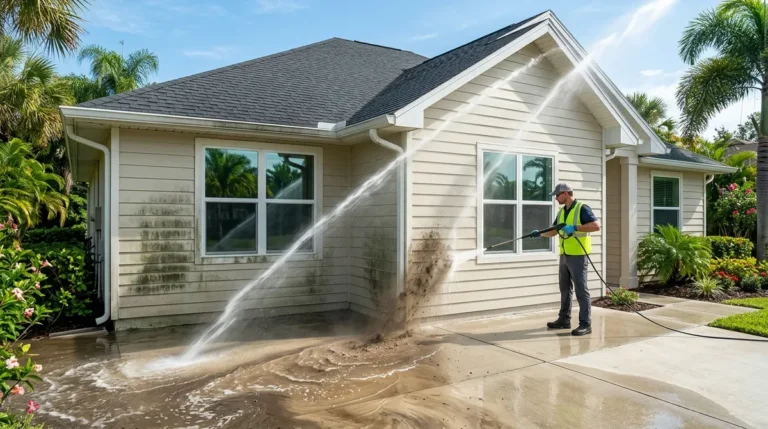
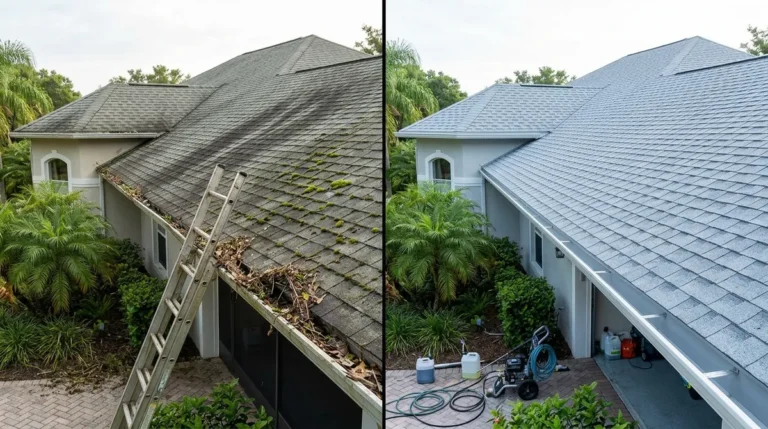
Soft washing, on the other hand, relies on low-pressure water combined with specialized cleaning solutions to gently remove contaminants without risking surface damage. This technique is ideal for delicate surfaces such as vinyl siding, stucco, painted wood, and roofing materials. The cleaning solutions used in soft washing not only remove existing growth but also provide residual protection that inhibits future biological colonization. Professional services like those offered through our comprehensive cleaning options determine which method suits each surface best, ensuring optimal results without damage.
Chemical vs. Eco-Friendly Solutions
The cleaning solutions used during exterior cleaning play a crucial role in both effectiveness and environmental impact. Traditional chemical cleaners often contain harsh ingredients like sodium hypochlorite (bleach), which effectively kills organic growth but can harm landscaping, corrode metal fixtures, and pollute water systems. While these products deliver quick results, they come with significant drawbacks that environmentally conscious homeowners should consider.
Eco-friendly alternatives utilize biodegradable surfactants, oxygen-based cleaners, and enzyme-based solutions that break down contaminants without toxic side effects. These products work more slowly but provide comparable results while protecting your landscaping, pets, and local waterways. Many professional services now offer green cleaning options that balance effectiveness with environmental responsibility, giving homeowners peace of mind about their ecological footprint.
What Surfaces Can Be Cleaned on Your Home’s Exterior
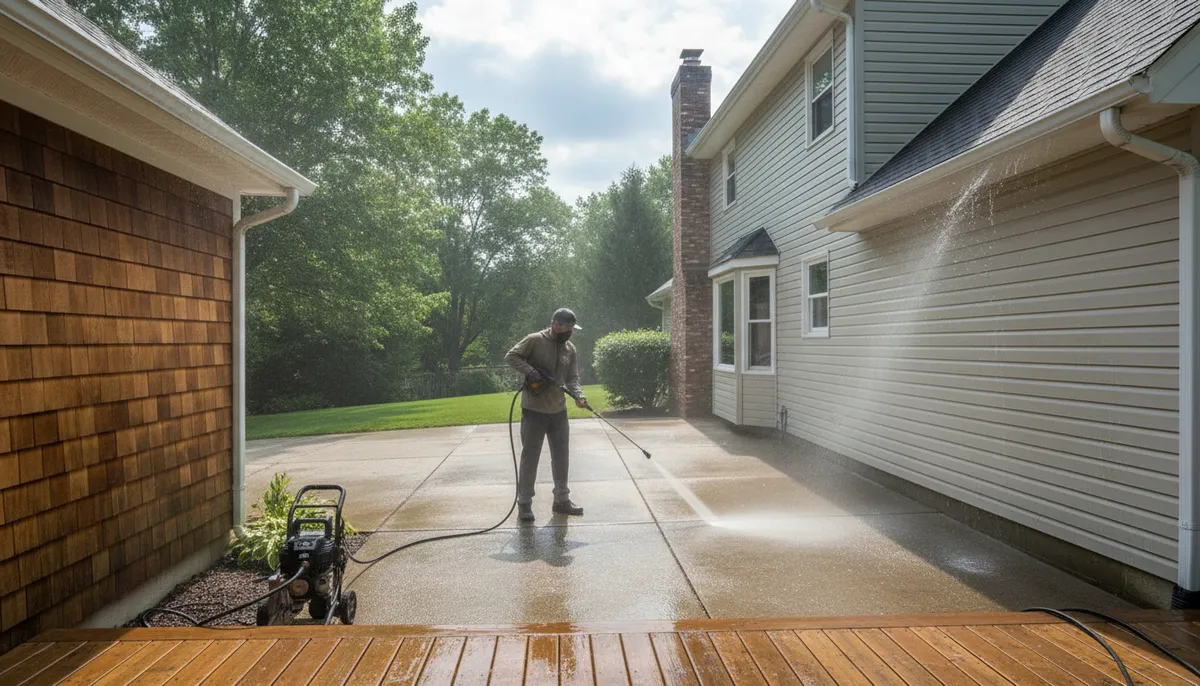
A comprehensive exterior cleaning program addresses multiple surfaces, each requiring specific techniques and considerations. Understanding what can be cleaned—and how—helps homeowners maximize their investment in professional services.
|
Surface Type |
Recommended Method |
Frequency |
Special Considerations |
|---|---|---|---|
|
Vinyl Siding |
Soft Washing |
Annually |
Avoid high pressure; check for loose panels |
|
Brick/Masonry |
Pressure Washing |
Every 2-3 years |
Inspect mortar joints; use appropriate PSI |
|
Stucco |
Soft Washing |
Annually |
Check for cracks; avoid water intrusion |
|
Wood Siding |
Low-Pressure Washing |
Annually |
Follow wood grain; reseal after cleaning |
|
Roof Shingles |
Soft Washing |
Every 2-3 years |
Never use high pressure; protect gutters |
|
Concrete/Driveways |
Pressure Washing |
Annually |
Can handle high PSI; consider sealing after |
Siding Materials and Their Requirements
Different siding materials demand different approaches. Vinyl siding, while durable, can crack or warp under high pressure, making soft washing the preferred method. The material’s texture and color can fade if harsh chemicals or excessive force is applied, so gentle, consistent cleaning preserves its appearance and longevity. Always ensure water doesn’t get forced behind the siding panels, as trapped moisture creates ideal conditions for mold growth and structural damage.
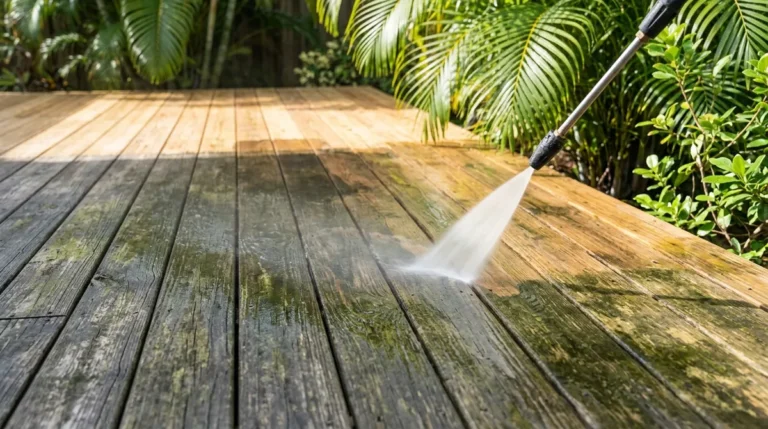
Wood siding requires extra care due to its porous nature and susceptibility to moisture damage. Cleaning should always follow the grain direction, and professionals must balance thorough cleaning with preventing water saturation that can lead to rot. After cleaning, wood siding typically benefits from fresh staining or sealing to protect against future moisture penetration and UV damage.
Fiber cement siding, such as Hardie Board, offers excellent durability and can withstand moderate pressure washing. However, attention to joints and edges remains critical, as these areas are more vulnerable to water intrusion. Stucco presents unique challenges because its textured surface traps dirt while its porous composition makes it susceptible to moisture problems if water is forced into cracks or damaged areas.
The Economic Benefits of Regular Exterior Cleaning
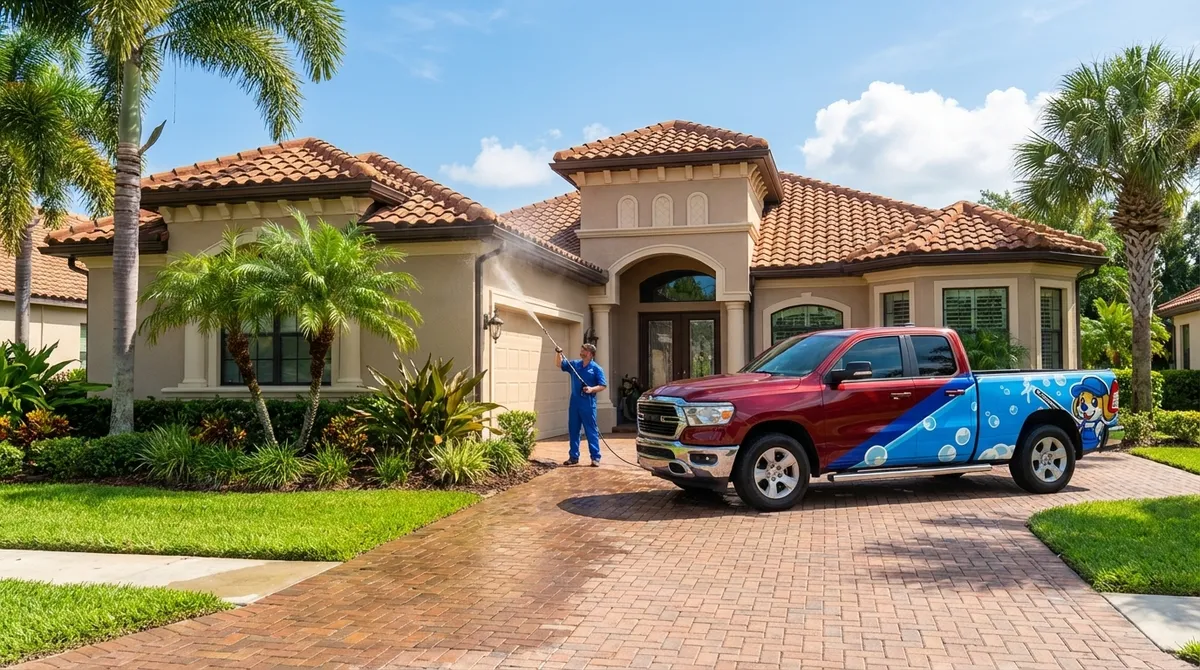
Investing in regular exterior cleaning delivers substantial financial returns that extend well beyond the immediate visual improvement. Understanding these economic benefits helps homeowners view cleaning as an investment rather than an expense.
Increased Property Value
According to research from the National Association of Realtors, curb appeal improvements, including exterior cleaning, can recover up to 100% of their cost in increased home value. First impressions matter tremendously in real estate, and a clean, well-maintained exterior signals to potential buyers that the entire property has been properly cared for. Homes with clean exteriors typically sell faster and command higher prices than comparable properties with dirty, neglected exteriors.
Professional exterior cleaning can increase your home’s value by 5-10% immediately, making it one of the most cost-effective improvements you can make. When you consider that the average home exterior cleaning costs between $300-$600, but can add thousands to your selling price, the return on investment becomes undeniable. Even if you’re not planning to sell, maintaining high property value protects your equity and provides financial flexibility for future decisions.
Preventative Maintenance Savings
Regular cleaning prevents expensive repairs by addressing problems before they escalate. Removing mold and mildew prevents these organisms from breaking down siding materials, which could eventually require complete replacement. A vinyl siding replacement costs $6,000-$16,000 on average, while annual cleaning runs just a few hundred dollars—a compelling argument for preventative maintenance.
Similarly, roof cleaning extends shingle life by removing algae and moss that trap moisture and accelerate deterioration. Replacing a roof costs $5,000-$25,000 depending on size and materials, while professional roof cleaning typically costs $300-$600. By investing in regular cleaning, you can extend your roof’s lifespan by 3-5 years, delaying this major expense and maximizing your existing investment.
Paint and protective coatings last significantly longer when underlying surfaces remain clean. Dirt and organic growth trap moisture against surfaces, causing paint to blister, peel, and fail prematurely. Exterior painting costs $2,500-$6,000 for an average home, but proper cleaning can extend paint life by 2-3 years, reducing the frequency of this expensive maintenance task.
When Should You Schedule Exterior Cleaning?
Timing your exterior cleaning correctly maximizes results and prevents complications related to weather conditions and seasonal factors. Understanding the best times to clean different surfaces helps you plan effectively and achieve optimal outcomes.
Seasonal Considerations
Spring represents the ideal time for comprehensive exterior cleaning in most climates. After winter’s harsh conditions, homes accumulate significant dirt, grime, and organic growth that should be removed before warmer weather accelerates biological colonization. Spring cleaning also prepares surfaces for painting or sealing projects that require clean, dry conditions. Mild temperatures and moderate humidity levels during spring create perfect conditions for cleaning solutions to work effectively without evaporating too quickly or freezing.
Fall offers another excellent window for exterior cleaning, particularly for roof and gutter maintenance. Removing accumulated debris, algae, and organic matter before winter prevents moisture-related damage during freeze-thaw cycles. Fall cleaning also ensures your home looks its best during the holiday season when guests visit and neighbors take notice. However, avoid scheduling too late in the season when temperatures drop below 40°F, as many cleaning solutions become less effective in cold conditions.
Summer and winter present challenges for exterior cleaning. Summer’s intense heat causes rapid evaporation of cleaning solutions, reducing effectiveness and potentially leaving residue streaks. High temperatures can also stress plants and landscaping during the cleaning process. Winter’s freezing temperatures not only reduce cleaning solution effectiveness but also create slip hazards and risk damaging surfaces if water freezes in cracks or pores. Most professionals avoid winter cleaning except in emergency situations or regions with mild winter climates.
Warning Signs That Cleaning Is Overdue
Certain visual cues indicate your home’s exterior requires immediate attention. Green or black streaks on siding, particularly on north-facing walls or shaded areas, signal active mold, mildew, or algae growth. These biological contaminants spread rapidly once established, making prompt removal essential. Ignoring visible growth allows it to penetrate deeper into materials, making removal more difficult and expensive over time.
Discoloration or fading across large sections of siding suggests accumulated dirt and pollutants have formed a coating that’s accelerating UV damage. This film not only makes your home look dingy but also traps moisture against surfaces, creating conditions for more serious problems. If your home’s color appears significantly different than when it was new or last cleaned, professional intervention is warranted.
Visible dirt or cobwebs around windows, doors, eaves, and corners indicate general neglect that’s affecting your home’s appearance and potentially its structural integrity. These areas accumulate debris that traps moisture and provides habitats for insects and pests. Regular attention to these details prevents small problems from becoming major issues.
DIY vs. Professional House Exterior Cleaning
Homeowners often debate whether to tackle exterior cleaning themselves or hire professionals. Both approaches have merits, but understanding the differences helps you make the right choice for your situation and budget.
DIY Cleaning: Pros and Cons
Do-it-yourself cleaning offers cost savings and flexibility in scheduling. Renting a pressure washer costs $40-$100 per day, making it affordable for budget-conscious homeowners willing to invest their time and effort. DIY cleaning also gives you complete control over the process, allowing you to focus extra attention on problem areas or specific concerns about your property.
However, DIY cleaning comes with significant drawbacks and risks. Without proper training, homeowners frequently damage surfaces by using incorrect pressure settings, holding the nozzle too close, or applying inappropriate cleaning solutions. Insurance claims for pressure washing damage exceed $500 million annually, according to industry data, with DIY users accounting for a disproportionate share of these incidents.
Equipment rental provides basic tools but lacks the specialized attachments, adjustable pressure controls, and professional-grade cleaning solutions that deliver superior results. Consumer-grade equipment also works slower than professional systems, turning a job that takes professionals 2-3 hours into an all-day project for homeowners. Time investment becomes particularly significant when you factor in setup, cleanup, and equipment return.
Safety represents another critical concern with DIY cleaning. Pressure washers generate enough force to cause serious injuries, including lacerations that require emergency medical treatment. Working from ladders while operating powerful equipment multiplies risk factors exponentially. Professional cleaners carry liability insurance and workers’ compensation coverage that protects homeowners from financial exposure if accidents occur.
Professional Cleaning Advantages
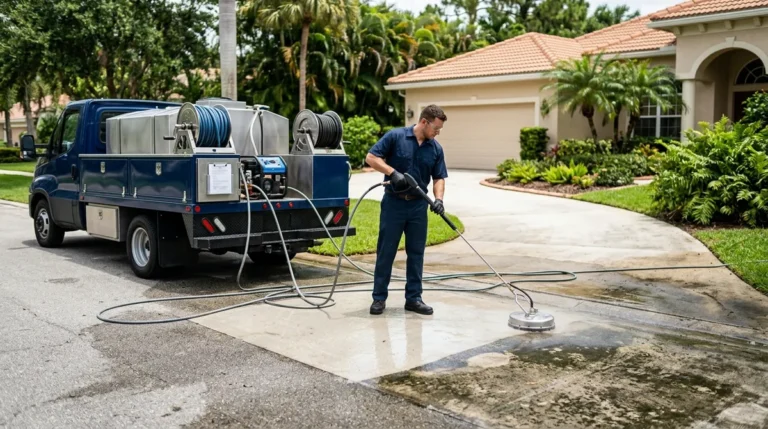
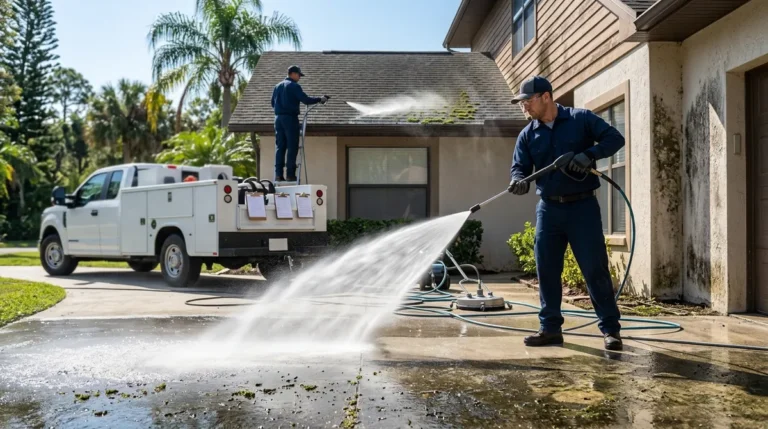
Professional exterior cleaning services bring expertise, equipment, and efficiency that justify their cost for most homeowners. Experienced technicians understand which surfaces can handle pressure washing versus soft washing, how to adjust equipment for optimal results, and which cleaning solutions work best for specific contaminants. This knowledge prevents damage while delivering results that exceed DIY capabilities.
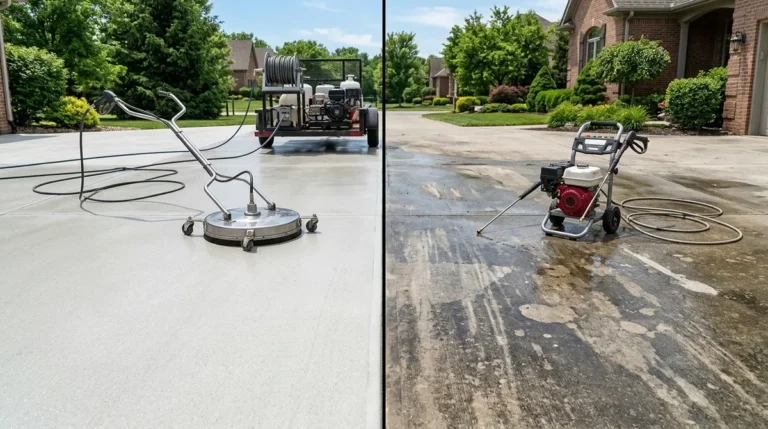
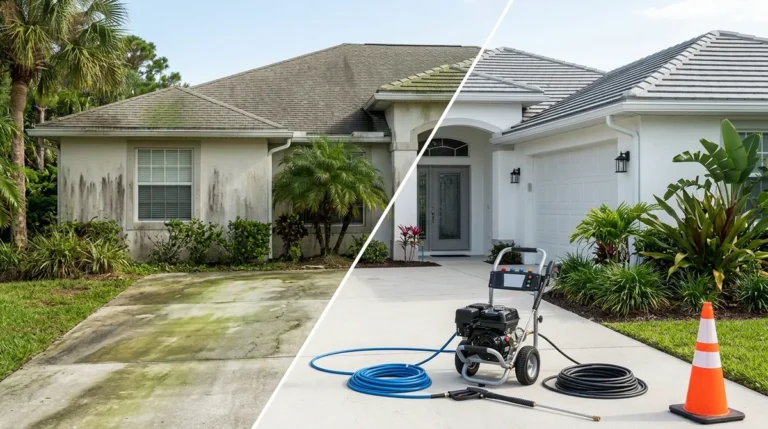
Professional equipment includes commercial-grade pressure washers with precise PSI control, specialized nozzles for different applications, extended hoses for reaching difficult areas safely, and industrial cleaning solutions unavailable to consumers. These tools enable faster, more thorough cleaning with less risk of damage. What might take a homeowner an entire weekend takes professionals just a few hours, making the service remarkably efficient.
Insurance and guarantees provide peace of mind that DIY cleaning cannot match. Reputable companies like Buckhorn Power Wash carry comprehensive liability insurance protecting homeowners if damage occurs during cleaning. Many also offer satisfaction guarantees, returning to address any areas that don’t meet expectations at no additional charge. This accountability ensures you get the results you’re paying for.
Professional services often include additional value-added benefits such as gutter cleaning, deck restoration, and window washing that complement exterior house cleaning. Bundling these services typically costs less than hiring separate contractors or attempting multiple DIY projects. The convenience of one-stop service appeals to busy homeowners who value their time.
For residents throughout Hillsborough County, check out our reviews on Google to see how professional cleaning transforms properties while providing stress-free service and guaranteed satisfaction.
Preparing Your Home for Exterior Cleaning
Proper preparation ensures exterior cleaning proceeds smoothly and achieves optimal results. Whether you’re hiring professionals or tackling the project yourself, these preparation steps protect your property and facilitate efficient work.
Protecting Landscaping and Outdoor Features
Plants and landscaping require protection from cleaning solutions and high-pressure water. Water all plants thoroughly before cleaning begins, as hydrated plants better resist chemical absorption. Cover delicate shrubs, flowers, and garden beds with plastic sheeting secured at ground level to prevent cleaning solution contact. After cleaning, rinse all vegetation thoroughly with fresh water to remove any residual chemicals.
Outdoor furniture, decorations, and other moveable items should be relocated away from the cleaning area. Store or cover grills, patio furniture, potted plants, and decorative elements to prevent damage or contamination. Light fixtures, electrical outlets, and exterior meters should be covered with plastic or waterproof tape to prevent water intrusion. While professional equipment can clean around these features, removing them entirely eliminates any risk and allows more thorough cleaning.
Inspecting and Repairing Before Cleaning
Walk around your home inspecting for damaged siding, loose trim, cracked windows, or compromised caulking. Pressure washing can worsen existing damage, forcing water into areas where it shouldn’t go. Repair these issues before cleaning to prevent expensive water damage and structural problems. Pay particular attention to areas around windows and doors where seals may have degraded.
Check for loose or damaged gutters, downspouts, and roof elements. Cleaning can dislodge poorly secured components, creating hazards and requiring additional repairs. Tighten loose fasteners and replace damaged sections before proceeding with exterior cleaning. This inspection process often reveals maintenance needs you weren’t aware of, allowing you to address multiple issues during a single service visit.
Environmental Considerations in Exterior Cleaning
Responsible exterior cleaning balances effectiveness with environmental stewardship. Understanding how cleaning practices impact the environment helps homeowners make choices that protect local ecosystems while maintaining their property.
Water Usage and Conservation
Pressure washing uses significant water volumes, with standard equipment consuming 2-5 gallons per minute. A typical house cleaning uses 300-500 gallons of water, raising conservation concerns in drought-prone areas. Professional services optimize water usage through efficient equipment and techniques that minimize waste while maintaining cleaning effectiveness.
Modern pressure washing equipment includes features like adjustable flow rates, automatic shutoff triggers, and water reclamation systems that reduce consumption substantially. Some professional services now offer waterless or low-water alternatives for certain applications, using specialized cleaning solutions that require minimal rinsing. These innovations address environmental concerns without compromising results.
Chemical Runoff and Water Quality
Cleaning solution runoff enters storm drains, which typically flow directly to local waterways without treatment. According to the Environmental Protection Agency, urban runoff represents a significant source of water pollution, making responsible cleaning practices essential for protecting rivers, lakes, and coastal areas.
Biodegradable cleaning solutions break down naturally without harming aquatic life or contaminating water supplies. These products use plant-based surfactants, oxygen bleach, and enzyme formulations that effectively clean while minimizing environmental impact. When selecting a cleaning service, ask about their environmental practices and whether they use eco-friendly products as standard or optional offerings.
Responsible contractors implement runoff management strategies such as containing and filtering wastewater before it enters storm drains. Some services collect contaminated water for proper disposal rather than allowing it to flow into natural waterways. These practices demonstrate environmental commitment that conscientious homeowners increasingly demand.
Maintaining Your Clean Exterior
Professional cleaning delivers impressive results, but maintaining that appearance requires ongoing attention and simple maintenance practices. Implementing these strategies extends the time between professional cleanings and keeps your home looking its best year-round.
Regular Maintenance Tasks
Monthly inspections identify problems early when they’re easiest to address. Walk around your home looking for new organic growth, accumulating debris, or developing stains. Spot-clean problem areas with appropriate solutions before they spread. This proactive approach prevents small issues from becoming major problems requiring professional intervention.
Rinse your home’s exterior with a garden hose and spray nozzle every 2-3 months, particularly after storms or windy conditions that deposit debris. This simple practice removes fresh contamination before it bonds to surfaces or creates stains. Focus on areas prone to buildup such as under eaves, around windows and doors, and on north-facing walls that receive less sunlight.
Keep gutters and downspouts clean to prevent overflow that stains siding and creates conditions for mold growth. Clogged gutters cause water to cascade over edges, saturating walls and providing constant moisture for biological colonization. Cleaning gutters twice annually—in spring and fall—prevents most overflow problems and protects your investment in exterior cleaning.
Preventative Measures
Trim trees and shrubs to increase air circulation around your home’s exterior. Dense vegetation traps moisture against walls and creates shaded conditions where mold and mildew thrive. Maintaining 12-18 inches of clearance between plants and siding allows air movement that keeps surfaces dry and inhibits organic growth. This landscaping practice also prevents physical damage from branches rubbing against siding during windy conditions.
Address drainage issues that direct water toward your home’s foundation or exterior walls. Poor grading, malfunctioning downspouts, and inadequate drainage create chronic moisture problems that accelerate deterioration and biological growth. Correcting these issues protects your home while reducing cleaning frequency and preventing expensive repairs.
Apply protective sealants to appropriate surfaces after cleaning to create barriers that resist future contamination. Sealants on decks, concrete, and certain siding materials make subsequent cleaning easier and extend the time between professional services. Consult with your cleaning service about sealing options that complement your specific materials and local climate conditions.
Conclusion: Invest in Your Home’s Future
House exterior cleaning represents far more than cosmetic improvement—it’s essential maintenance that protects your investment, preserves property value, and creates a healthier living environment. From preventing costly structural damage to enhancing curb appeal that makes you proud of your home, regular exterior cleaning delivers measurable benefits that far exceed its modest cost.
Understanding the differences between cleaning methods, recognizing when professional services provide superior value, and implementing simple maintenance practices empowers you to make informed decisions about your property care. Whether you’re preparing to sell, maintaining your family home, or simply taking pride in your property’s appearance, professional exterior cleaning should be part of your regular maintenance schedule.
The hidden dangers of neglected exterior surfaces—from health-threatening mold to structure-compromising moisture damage—make proactive cleaning not just advisable but essential. The economic benefits alone justify the investment, with cleaning costs representing a fraction of the repair expenses that result from long-term neglect. When you factor in increased property value, extended material lifespan, and improved aesthetics, exterior cleaning becomes one of the smartest investments you can make in your home.
Ready to experience the transformation professional exterior cleaning provides? Get an Instant Quote today and discover how Buckhorn Power Wash delivers transparent pricing, expert service, and guaranteed satisfaction throughout Hillsborough County. Your home deserves professional care that protects and enhances your most valuable asset—don’t wait until minor issues become major expenses.
FAQs
Q: How often should I have my house exterior cleaned?
A: Most homes benefit from professional exterior cleaning annually, though frequency depends on your climate, surrounding vegetation, and exposure to pollutants. Homes in humid climates or shaded areas may require cleaning twice yearly, while those in drier regions with minimal tree coverage might extend to every 18-24 months. Regular inspections help identify when cleaning is needed based on visible organic growth, discoloration, or accumulated debris rather than adhering strictly to a calendar schedule.
Q: Will pressure washing damage my home’s siding?
A: Pressure washing can damage siding if incorrect pressure settings or techniques are used, particularly on vinyl, wood, or painted surfaces. Professional services prevent damage by using appropriate PSI levels for each material type, maintaining proper nozzle distance, and employing soft washing techniques on delicate surfaces. DIY attempts with rental equipment cause most pressure washing damage due to inexperience and lack of adjustable controls found on professional-grade equipment.
Q: What is the difference between pressure washing and soft washing?
A: Pressure washing uses high-pressure water (1,500-4,000 PSI) to blast away contaminants from durable surfaces like concrete, brick, and stone. Soft washing employs low pressure combined with specialized cleaning solutions to gently remove dirt, mold, and algae from delicate materials such as vinyl siding, stucco, and roof shingles without risk of damage. Professional services determine which method suits each surface, often using both techniques during comprehensive exterior cleaning.
Q: Can exterior cleaning really increase my home’s value?
A: Yes, professional exterior cleaning can increase property value by 5-10% according to real estate industry research. Clean exteriors create positive first impressions that signal proper maintenance to potential buyers, resulting in faster sales and higher offers. Even if you’re not selling immediately, maintaining exterior cleanliness preserves your equity investment and prevents depreciation caused by neglect and visible deterioration.
Q: Is professional house exterior cleaning worth the cost compared to DIY?
A: Professional cleaning typically provides superior value when you consider the cost of equipment rental, time investment, safety risks, and potential for damage with DIY attempts. Professionals complete jobs in 2-3 hours that take homeowners an entire day, use superior equipment and solutions unavailable to consumers, and carry insurance protecting you from liability. For most homeowners, the modest cost difference between professional service and DIY rental makes professional cleaning the smarter choice.