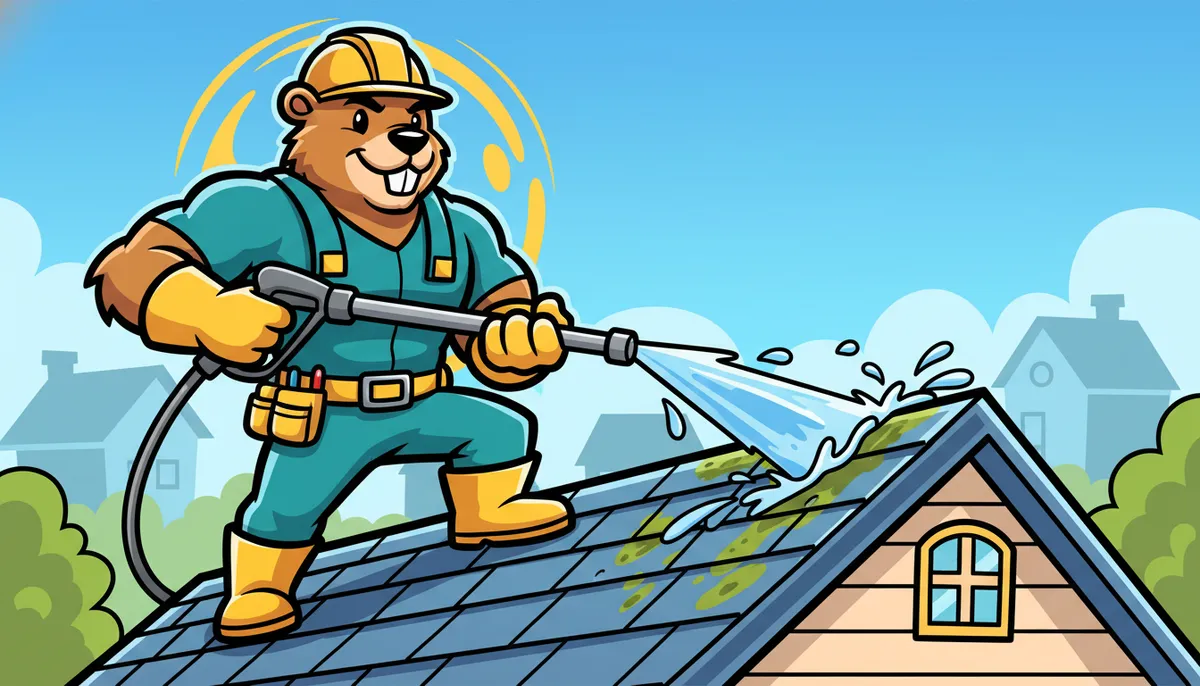
Your roof is one of your home’s most significant investments, yet it’s often the most neglected. Dark streaks, moss growth, and accumulated debris don’t just create an eyesore—they can shorten your roof’s lifespan by years and reduce your home’s curb appeal dramatically. Professional roof cleaning has evolved significantly in recent years, with new techniques that safely restore your roof’s appearance while protecting the integrity of your shingles. Whether you’re dealing with stubborn black algae stains, moss buildup, or general weathering, understanding the most effective cleaning methods will help you make informed decisions about maintaining your roof. This comprehensive guide examines nine proven roof cleaning approaches, comparing their effectiveness, safety considerations, costs, and ideal applications. By the end, you’ll know exactly which method suits your specific roofing material, budget, and cleaning needs.
1. Soft Washing: The Industry-Standard Method
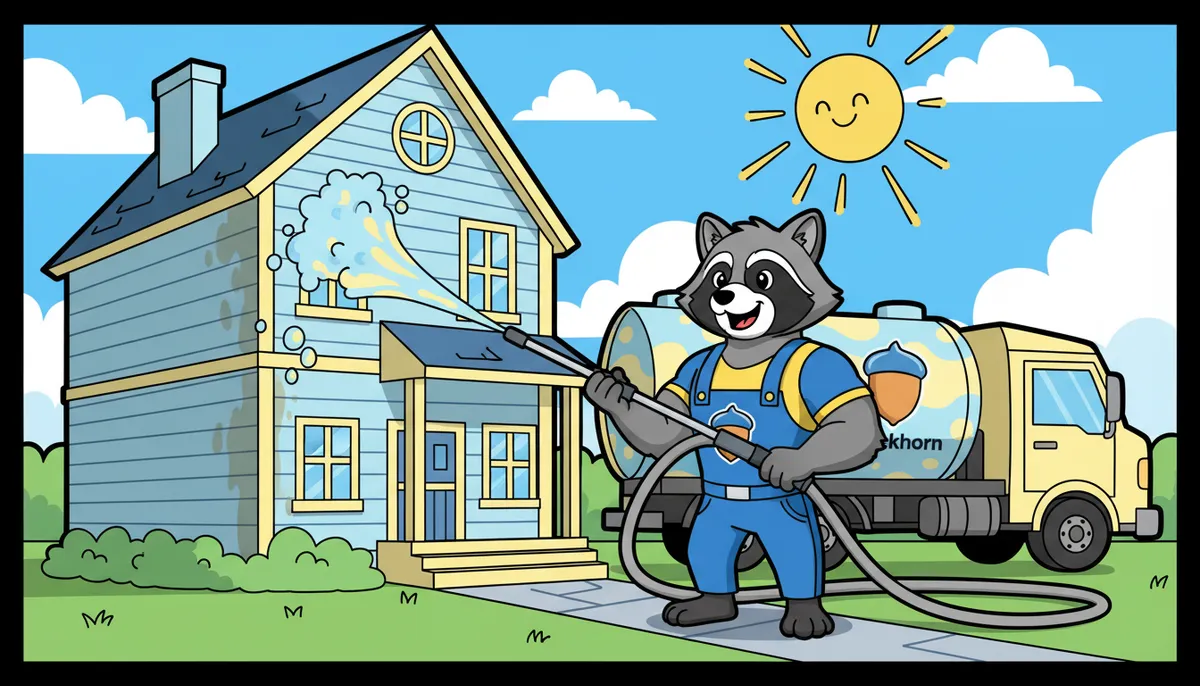
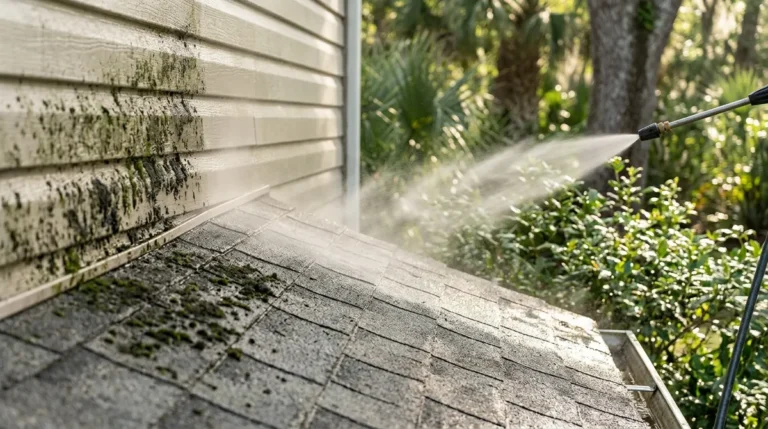
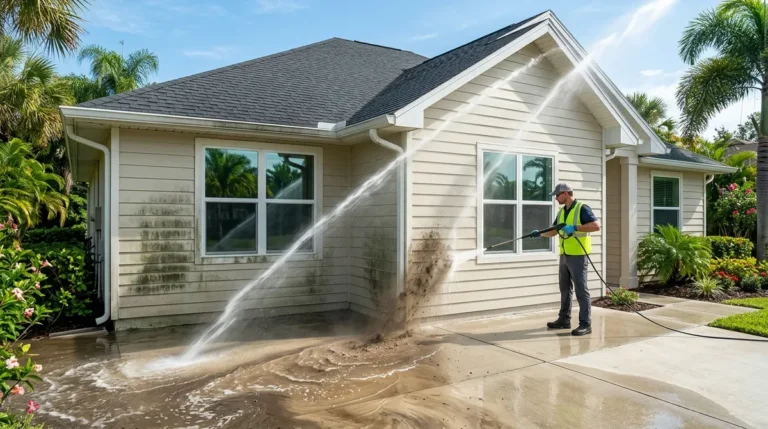
Soft washing has become the gold standard for professional roof cleaning, and for good reason. This method uses low-pressure water combined with specialized cleaning solutions to eliminate algae, mold, mildew, and organic stains without damaging delicate roofing materials. Unlike high-pressure washing, soft washing relies on chemical action rather than force to break down contaminants.
The process typically involves applying a biodegradable cleaning solution containing sodium hypochlorite or similar compounds that kill algae at the root level. The solution is left to dwell for 15-20 minutes before being gently rinsed away with low-pressure water. This technique is particularly effective for asphalt shingles, which represent the majority of residential roofing in North America.
| Aspect | Details |
|---|---|
| Pressure Level | Under 500 PSI (typical garden hose pressure) |
| Best For | Asphalt shingles, composite materials |
| Average Cost | $300-$600 for typical residential roof |
| Results Duration | 2-5 years depending on environment |
| Safety Rating | High – minimal risk to shingles |
Companies like Buckhorn Power Wash specialize in soft washing techniques that deliver impressive results without compromising roof integrity. The method’s popularity stems from its balance of effectiveness and safety, making it suitable for most residential applications.
2. High-Pressure Washing: When Force Is Necessary
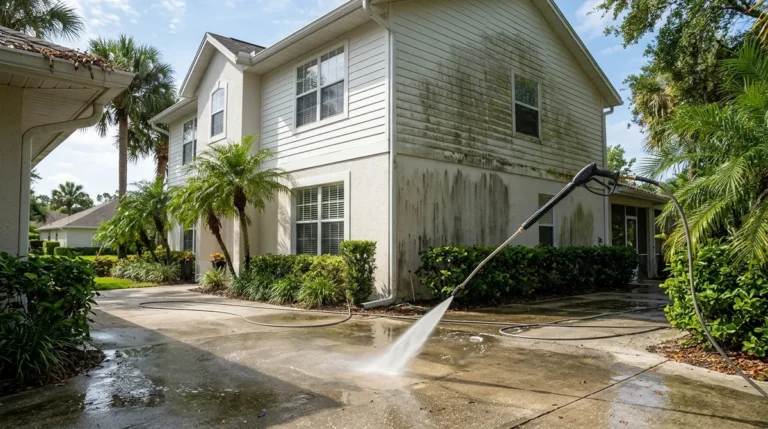
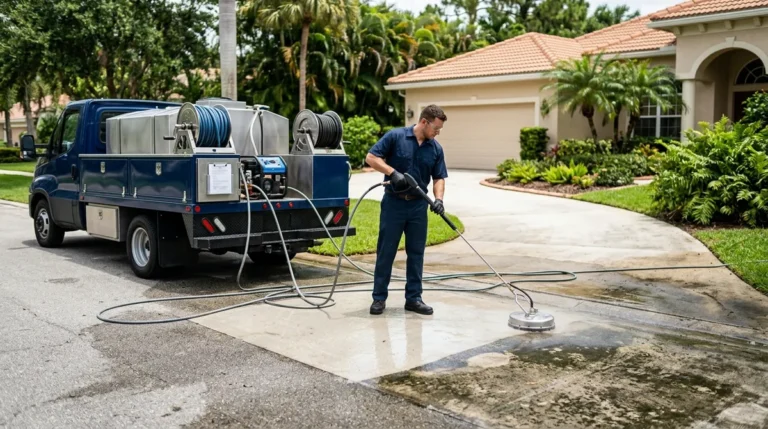
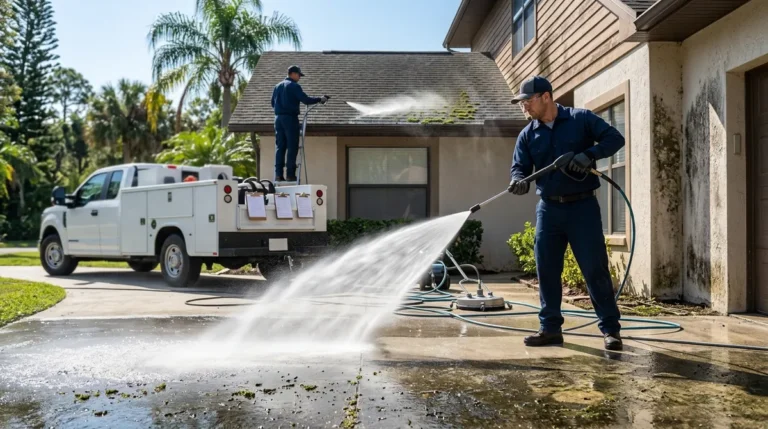
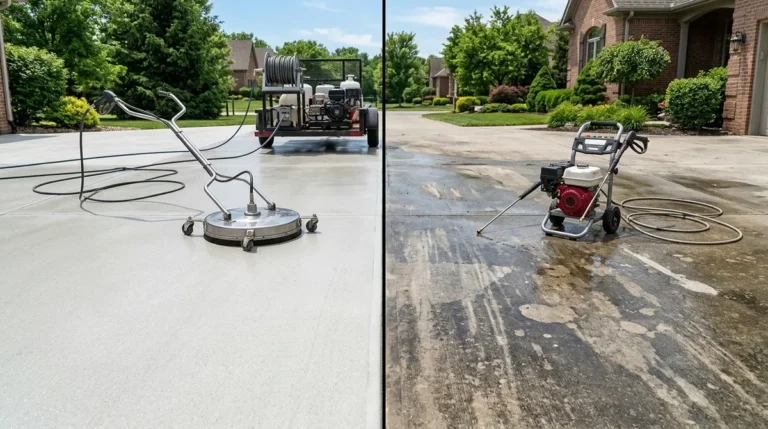
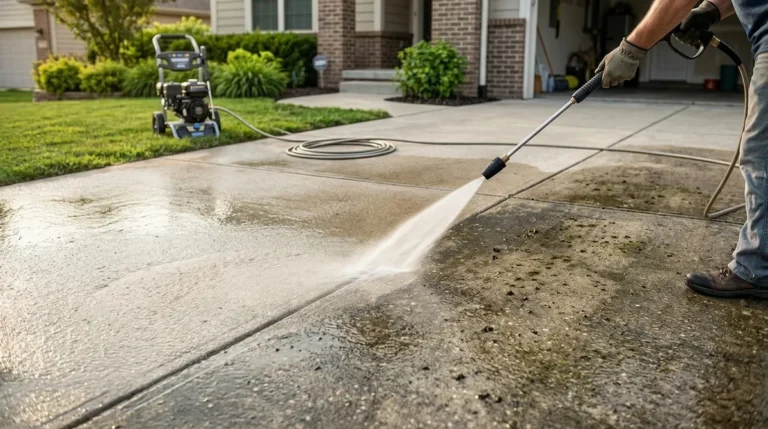
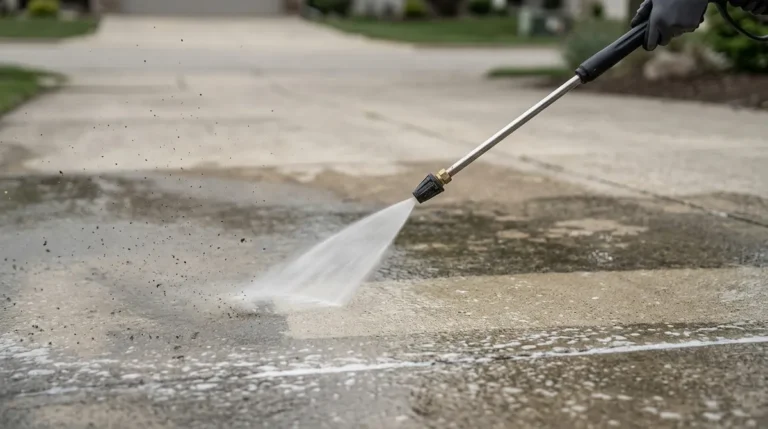
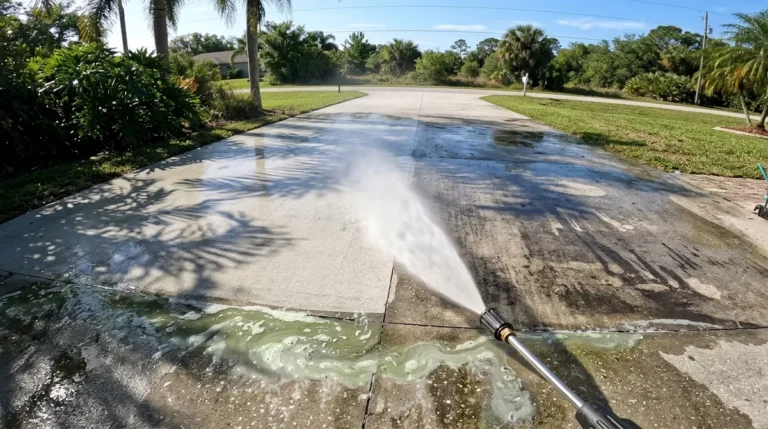
High-pressure washing employs water at 1,500-3,000 PSI to physically remove stubborn stains, moss, and debris. While this method delivers immediate visual results, it requires expert handling to avoid damaging roofing materials. The intense water pressure can strip away protective granules from asphalt shingles, dislodge flashing, and force water beneath shingles where it can cause rot and leaks.
This approach is generally reserved for extremely durable roofing materials such as concrete tiles, metal roofing, or slate. Even with these hardy materials, technicians must maintain appropriate distances and angles to prevent damage. Many roofing manufacturers explicitly void warranties if high-pressure washing is used on their products.
When High-Pressure Washing Makes Sense
- Removing heavy moss buildup on concrete tile roofs
- Cleaning metal roofing with industrial-grade coatings
- Preparing surfaces for roof coating applications
- Clearing gutters and downspouts during comprehensive cleaning
The Centers for Disease Control emphasizes that working on roofs presents significant fall hazards, making professional service the safer choice for most homeowners, especially when high-pressure equipment is involved.
3. Chemical Treatment Without Rinsing
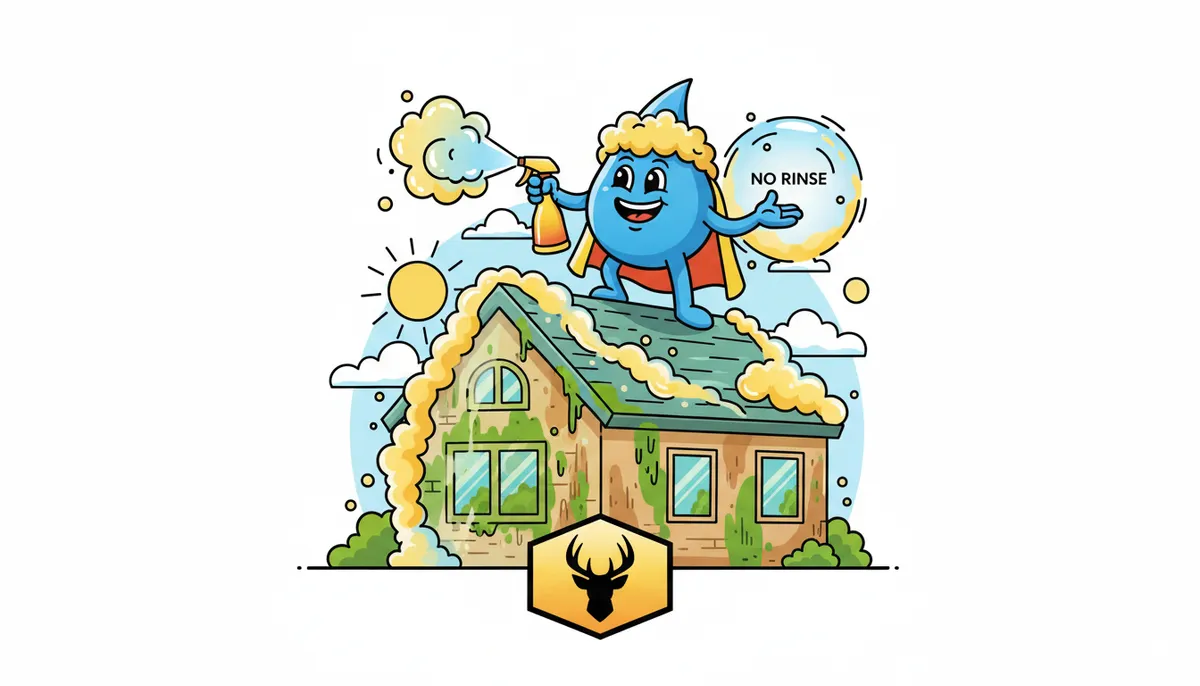
This increasingly popular method involves applying specialized cleaning solutions that don’t require rinsing. The chemicals continue working long after application, with rain gradually washing away dead algae and moss over several weeks. This approach minimizes roof traffic and eliminates the risks associated with water application.
The active ingredients typically include zinc sulfate or copper sulfate, which create an inhospitable environment for algae and moss. After application, the roof’s appearance gradually improves over 2-4 weeks as weather naturally removes the dead organic matter. While results aren’t immediate, this method offers excellent longevity—often preventing regrowth for 3-7 years.
One consideration is that neighboring plants may need protection during application, as runoff can affect sensitive vegetation. Professionals typically use tarps and rinse surrounding landscaping immediately after treatment to prevent any potential damage.
4. Manual Scrubbing and Brushing
For homeowners comfortable working at heights, manual scrubbing offers a low-cost, controlled cleaning option. This method involves using soft-bristled brushes with mild cleaning solutions to physically remove surface contaminants. While labor-intensive, it provides maximum control over pressure and technique.
Manual cleaning works best for small areas, localized staining, or maintenance between professional cleanings. It’s particularly useful for cleaning around vents, skylights, and other roof penetrations where equipment access is limited. However, this approach has significant limitations for whole-roof cleaning due to time requirements and safety concerns.
Essential Tools for Manual Roof Cleaning
- Soft-bristled scrub brush with extension handle
- Safety harness and anchor points rated for fall protection
- Non-slip footwear with excellent grip
- Mild detergent solution (avoid harsh chemicals)
- Garden sprayer for solution application
- Safety glasses and protective gloves
The Occupational Safety and Health Administration provides comprehensive guidelines for working safely at elevated heights, which homeowners should review before attempting any roof work.
5. Zinc Strip Installation for Prevention
While not strictly a cleaning method, zinc strip installation prevents future algae and moss growth by releasing protective ions with each rainfall. These strips, installed along roof ridges, provide continuous protection without requiring active cleaning. This proactive approach has gained popularity among homeowners seeking long-term solutions.
Zinc strips work through a simple electrochemical process. When rainwater contacts the zinc, it carries microscopic zinc particles down the roof surface, creating an environment where algae cannot establish colonies. A single installation can provide protection for 10-15 years, making it an economical long-term investment.
| Factor | Zinc Strips | Copper Strips |
|---|---|---|
| Initial Cost | $150-$300 installed | $200-$400 installed |
| Effectiveness | Good (70-80% prevention) | Excellent (85-95% prevention) |
| Lifespan | 10-15 years | 15-20 years |
| Coverage Area | 15-20 feet downslope | 20-25 feet downslope |
Many homeowners combine zinc strip installation with initial professional cleaning for a comprehensive solution that addresses existing problems while preventing future growth.
6. Oxygen Bleach Treatment
Oxygen bleach (sodium percarbonate) offers an environmentally friendly alternative to chlorine-based cleaners. When mixed with water, it releases oxygen molecules that break down organic stains without the harsh fumes or environmental concerns associated with traditional bleach. This method appeals to eco-conscious homeowners and those with sensitive landscaping.
The application process involves mixing oxygen bleach powder with warm water, applying it to dry roofing surfaces, allowing 20-30 minutes of dwell time, and rinsing thoroughly. While gentler than chlorine bleach, oxygen bleach requires more physical agitation and may not achieve the same level of algae kill on first application. Multiple treatments often yield better results.
This approach works particularly well for maintenance cleaning on roofs with light to moderate staining. It’s less effective against heavy moss buildup or long-established algae colonies but excels at maintaining roofs that receive regular care.
7. Steam Cleaning for Delicate Materials
Steam cleaning uses superheated water vapor to sanitize and clean roofing materials without chemicals or high pressure. This method has gained traction for historic buildings, specialty roofing materials, and situations where chemical runoff poses environmental concerns. The high temperature kills algae, mold, and bacteria while loosening dirt and debris.
Professional-grade steam cleaners reach temperatures between 250-300°F, hot enough to eliminate biological growth without damaging most roofing materials. The process is slower than chemical treatments but offers unmatched gentleness for fragile materials like aging slate, cedar shakes, or antique tiles.
Advantages of Steam Cleaning
- No chemical residue or environmental impact
- Effective sanitization through heat alone
- Safe for virtually all roofing materials
- Reduced water usage compared to pressure washing
- Ideal for areas with strict environmental regulations
The primary drawback is cost—steam cleaning typically runs 50-100% more than soft washing due to specialized equipment and increased labor time. However, for historic preservation projects or environmentally sensitive locations, it’s often the best choice.
8. Helicopter or Drone-Assisted Cleaning
Emerging technology has introduced remote-operated and aerial cleaning systems for large commercial roofs or hard-to-access residential properties. These systems use drones equipped with spray nozzles to apply cleaning solutions or lightweight robots that traverse roof surfaces performing automated cleaning. While still relatively rare in residential applications, these methods show promise for the future.
The technology particularly benefits buildings with complex roof geometries, extreme pitches, or locations where traditional access methods are prohibitively expensive or dangerous. Current limitations include equipment cost, regulatory restrictions on drone operations, and the need for manual follow-up in many cases.
For most homeowners in Hillsborough County and similar residential areas, traditional methods remain more practical and cost-effective. However, this technology may become more accessible as equipment costs decrease and capabilities improve over the next few years.
9. Preventive Maintenance Programs
Rather than reactive cleaning when problems become visible, preventive maintenance programs involve scheduled cleanings and inspections before significant buildup occurs. This approach extends roof life, maintains home value, and distributes costs over time rather than requiring large occasional expenditures. Many professional services, including Buckhorn Power Wash, offer maintenance plans tailored to local climate conditions and specific roofing materials.
A typical preventive program includes biannual inspections, annual light cleaning, debris removal after storms, and immediate attention to problem areas before they spread. This proactive strategy can extend roof life by 5-10 years compared to neglected roofs, representing thousands of dollars in delayed replacement costs.
| Service Component | Frequency | Typical Cost |
|---|---|---|
| Visual Inspection | Every 6 months | $0-$100 |
| Debris Removal | Quarterly | $75-$150 |
| Light Cleaning | Annually | $200-$400 |
| Deep Cleaning | Every 2-3 years | $400-$800 |
Choosing the Right Method for Your Roof
Selecting the appropriate roof cleaning method depends on multiple factors: roofing material, degree of contamination, local climate, budget, and environmental considerations. Asphalt shingle roofs—the most common residential roofing—typically benefit most from soft washing, while tile and metal roofs can tolerate more aggressive approaches when necessary.
Climate plays a crucial role in determining both cleaning frequency and method selection. Humid environments like Florida experience more rapid algae growth and require more frequent attention than arid climates. Homes with significant tree coverage face additional challenges from falling debris and shade-induced moisture retention.
Budget considerations extend beyond immediate cleaning costs to include longevity of results and potential roof damage from improper techniques. While DIY methods appear less expensive initially, professional services often deliver superior results that last longer, making them more cost-effective over time. Additionally, professional liability insurance protects homeowners from accidents that could prove financially devastating if attempted independently.
Safety Considerations You Cannot Ignore
Roof cleaning presents serious safety hazards regardless of the method chosen. According to the Consumer Product Safety Commission, ladder-related injuries send over 500,000 people to emergency rooms annually, with roof work representing a significant portion of these incidents. Professional services carry comprehensive insurance, use commercial-grade safety equipment, and employ trained technicians who understand proper safety protocols.
Beyond fall risks, chemical exposure poses health hazards. Sodium hypochlorite and other cleaning agents can cause skin burns, respiratory irritation, and eye damage without proper protection. Professionals use appropriate personal protective equipment and understand safe mixing ratios, application techniques, and neutralization procedures.
Electrical hazards compound risks when working near overhead power lines or roof-mounted equipment. Weather conditions add another variable—wet surfaces become exponentially more dangerous, yet some cleaning methods require moisture. These factors make professional service not just convenient but genuinely safer for most homeowners.
What to Expect From Professional Services
Understanding the professional roof cleaning process helps homeowners set realistic expectations and identify quality service providers. Reputable companies begin with thorough roof inspections, identifying existing damage, vulnerable areas, and optimal cleaning approaches. They provide detailed estimates with no hidden fees and explain their methodology clearly.
During service, professionals protect landscaping with tarps, pre-wet surrounding areas, and carefully control chemical application and runoff. They typically work in teams for safety, with one person on the roof and another managing equipment and monitoring from ground level. The entire process for an average residential roof takes 2-4 hours from setup through final cleanup.
After completion, quality services offer guarantees on their work, provide maintenance recommendations, and document the cleaning with before-and-after photos. They should answer questions thoroughly and explain any discovered issues that may require attention from roofing contractors. Check out what customers say about professional services by visiting companies’ reviews on Google.
Long-Term Roof Maintenance Tips
Between professional cleanings, homeowners can take several actions to maintain roof condition and appearance. Regular gutter cleaning prevents water backup that accelerates algae growth. Trimming overhanging branches reduces shade and debris accumulation while improving air circulation that helps roofs dry faster after rain.
Periodic visual inspections from ground level help identify problems early. Look for dark streaking, moss patches, lifted or damaged shingles, and areas where debris accumulates. Addressing small issues promptly prevents them from becoming expensive problems requiring major intervention.
Consider installing gutter guards to reduce debris accumulation and ensure proper water flow. Adequate attic ventilation also plays a crucial role in roof longevity by regulating temperature and moisture levels that affect both roofing materials and organic growth rates. These complementary measures work together to extend time between necessary cleanings.
Conclusion: Protecting Your Investment
Your roof represents a substantial investment deserving proper care and maintenance. The nine methods outlined in this guide offer solutions for every situation, from gentle soft washing for standard asphalt shingles to specialized approaches for unique materials and challenging conditions. While DIY options exist, professional services deliver superior results with significantly reduced safety risks and often prove more economical when considering longevity and effectiveness.
The key to successful roof cleaning lies in matching the appropriate method to your specific circumstances, prioritizing safety above all else, and maintaining regular care rather than waiting until problems become severe. Whether you choose preventive maintenance programs, periodic professional cleaning, or a combination approach, investing in roof care pays dividends through extended roof life, improved home appearance, and maintained property value.
Ready to restore your roof’s appearance and protect your home? Get an Instant Quote today and discover how professional roof cleaning can transform your home’s curb appeal while extending your roof’s lifespan.
FAQs
Q: How often should I have my roof professionally cleaned?
A: Most residential roofs benefit from professional cleaning every 2-3 years, though this varies based on climate and environmental factors. Homes in humid areas with significant tree coverage may require annual cleaning, while properties in drier climates with minimal shade can often extend to 4-5 years between cleanings. Regular inspections help determine the optimal schedule for your specific situation.
Q: Is soft washing safe for all types of roofing materials?
A: Soft washing is safe for most common residential roofing materials, including asphalt shingles, composite materials, and many tile varieties. However, certain specialty materials like untreated wood shakes or some historic roofing types may require alternative methods. Professional roof cleaning services assess your specific roofing material and select the most appropriate technique to ensure both safety and effectiveness.
Q: Can I clean my roof myself or should I hire professionals?
A: While DIY roof cleaning is possible, professional services are strongly recommended due to significant safety hazards, specialized equipment requirements, and risk of damage from improper techniques. Falls from roofs cause thousands of injuries annually, and improper cleaning methods can void warranties or damage shingles. Professional services provide insurance protection, safety equipment, expertise, and typically deliver longer-lasting results that make them more cost-effective overall.
Q: Will roof cleaning damage my shingles or void my warranty?
A: Proper soft washing techniques do not damage shingles and are accepted by most manufacturers. However, high-pressure washing can strip protective granules and void warranties. Before scheduling any roof cleaning, review your warranty documentation and ensure your service provider uses manufacturer-approved methods. Reputable companies understand these requirements and adjust their approach accordingly to protect your investment and maintain warranty coverage.
Q: How long do roof cleaning results typically last?
A: Professional soft washing results typically last 2-5 years depending on environmental conditions, with homes in humid, shaded areas seeing shorter durations than those in sunny, dry climates. Chemical treatments without rinsing often provide longer protection, lasting 3-7 years. Adding preventive measures like zinc strips can extend these timeframes significantly. Regular maintenance and addressing issues promptly help maximize the longevity of cleaning results and overall roof condition.