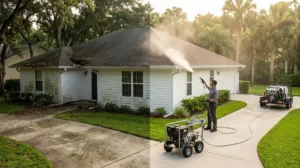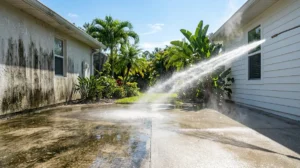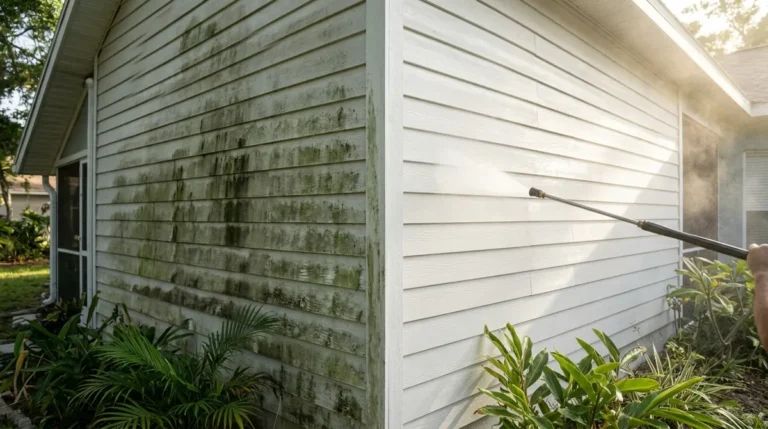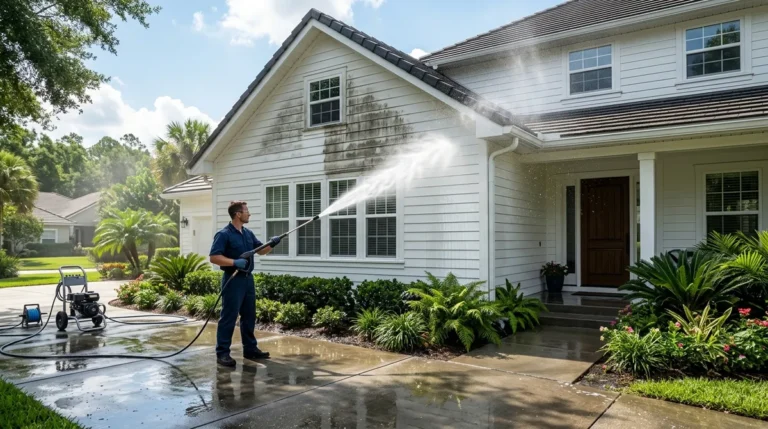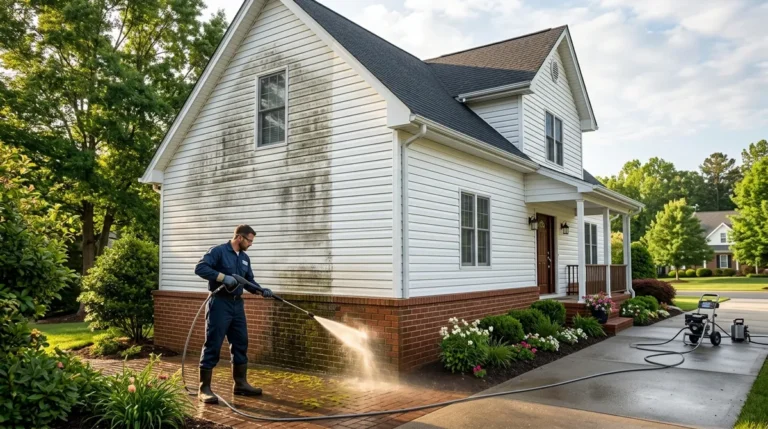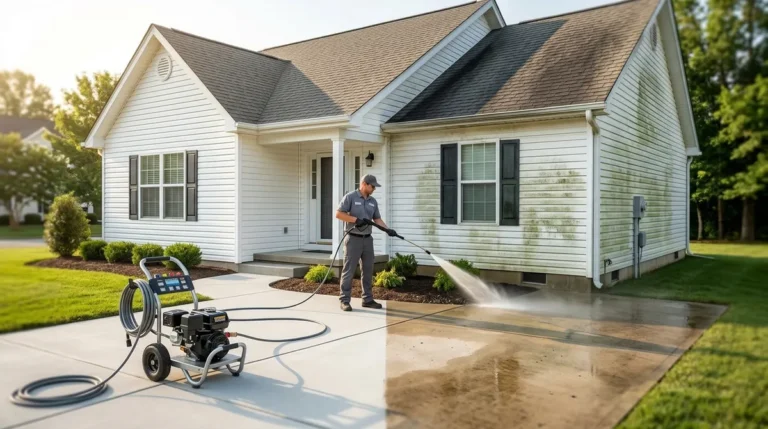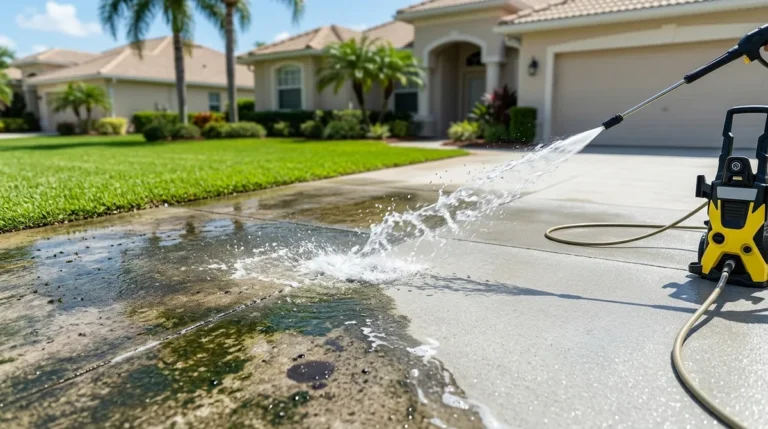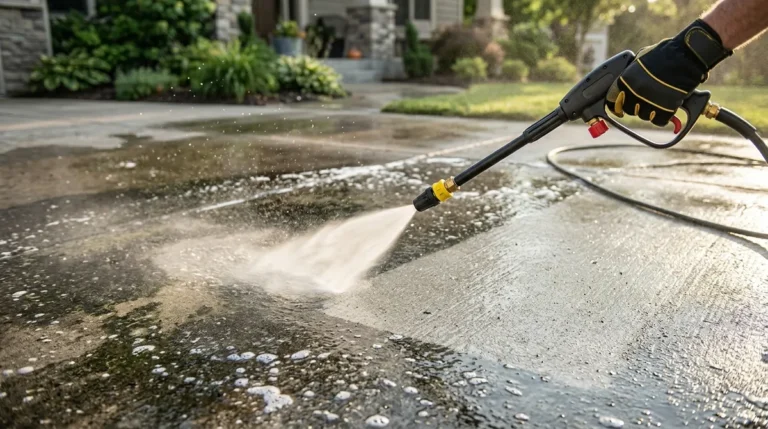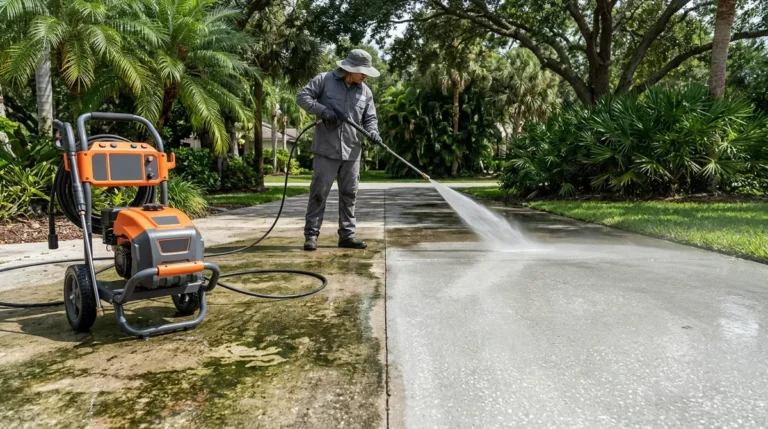

Your driveway is often the first thing visitors notice about your home, yet it’s one of the most neglected areas when it comes to regular maintenance. Over time, dirt, oil stains, mold, and mildew can transform a once-pristine concrete or asphalt surface into an unsightly eyesore that diminishes your property’s curb appeal. Professional driveway pressure washing offers a powerful solution to restore your driveway’s original appearance, but knowing the right techniques makes all the difference between achieving spectacular results and causing costly damage. Whether you’re tackling this project yourself or considering professional help, understanding these industry secrets will help you make informed decisions and achieve the clean, welcoming entrance your home deserves.
The pressure washing industry has evolved significantly in recent years, with professionals developing proven methods that deliver superior results while protecting your investment. Many homeowners attempt DIY pressure washing only to discover stubborn stains that won’t budge, inconsistent cleaning patterns, or worse—surface damage from using incorrect pressure settings. The good news is that with the right knowledge and approach, you can achieve professional-level results that dramatically enhance your home’s exterior appearance and potentially increase your property value.
Understanding Pressure Levels and Nozzle Selection

The single most critical factor in successful driveway pressure washing is matching the correct pressure level to your specific surface type. Most professionals use pressure washers rated between 2,500 and 3,500 PSI (pounds per square inch) for concrete driveways, while asphalt requires a gentler approach with equipment operating at 1,500 to 2,000 PSI. Using excessive pressure on asphalt can strip away the protective sealant and even damage the surface material itself, leading to premature deterioration and costly repairs.
Nozzle selection works hand-in-hand with pressure settings to determine the cleaning intensity and coverage area. Professional pressure washers typically use a color-coded system where red nozzles deliver a concentrated zero-degree spray for the toughest stains, yellow provides a 15-degree fan for general cleaning, green offers a 25-degree spread for routine maintenance, and white creates a 40-degree wide fan for delicate surfaces. Most driveway cleaning applications benefit from starting with a 25-degree green nozzle and adjusting based on results.
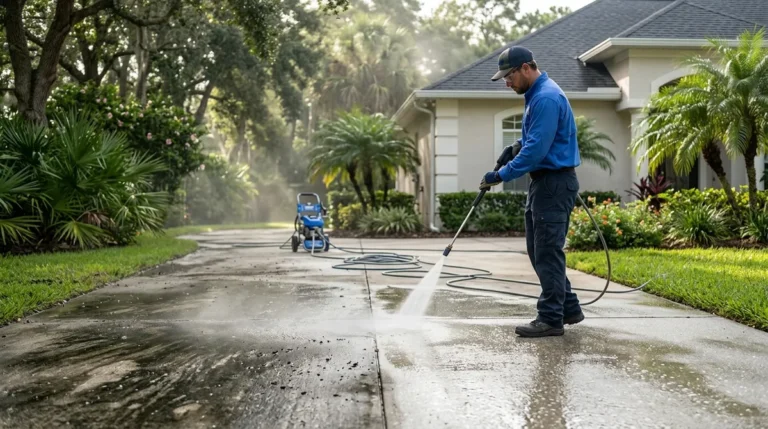
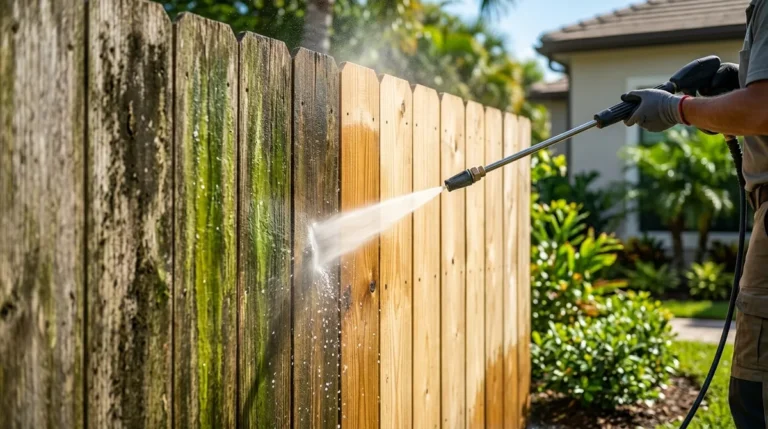
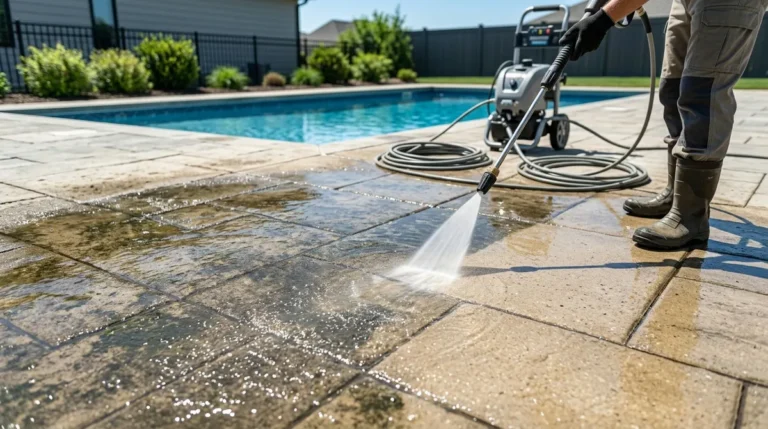
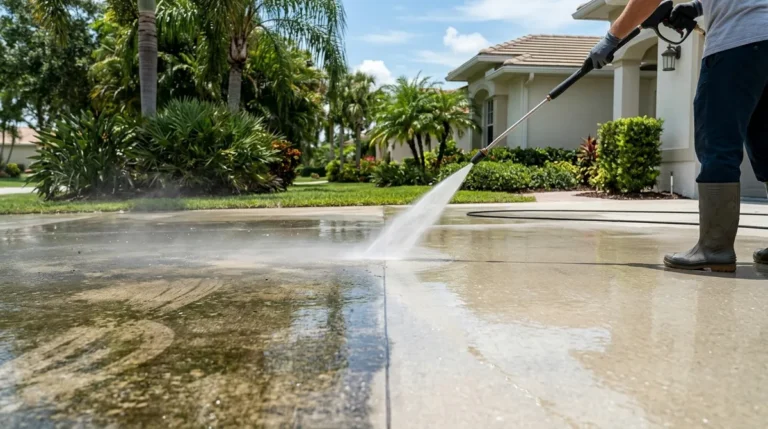
The distance between the nozzle and the surface also significantly impacts cleaning effectiveness and safety. Professionals typically maintain a distance of 6 to 12 inches from the surface, adjusting closer for stubborn stains and farther away when working on more delicate materials. Beginning operators often make the mistake of holding the wand too close, which can etch concrete and create visible lines or damage patterns that become permanent fixtures of your driveway.
Pre-Treatment Solutions That Make the Difference
One of the best-kept secrets in professional driveway cleaning involves the strategic use of pre-treatment solutions before ever pulling the trigger on a pressure washer. Commercial-grade degreasers and detergents specifically formulated for concrete and asphalt can break down oil stains, tire marks, and organic growth far more effectively than water pressure alone. These solutions typically need 10 to 15 minutes of dwell time to penetrate and lift contaminants from porous surfaces.
For oil and grease stains, professionals often apply alkaline-based degreasers that emulsify petroleum products, making them easier to rinse away completely. Organic stains from mold, mildew, and algae respond best to solutions containing sodium hypochlorite or specialized biocides that kill spores and prevent rapid regrowth. Many professionals create custom cleaning solutions by combining commercial products with water in specific ratios optimized for local environmental conditions and common stain types.
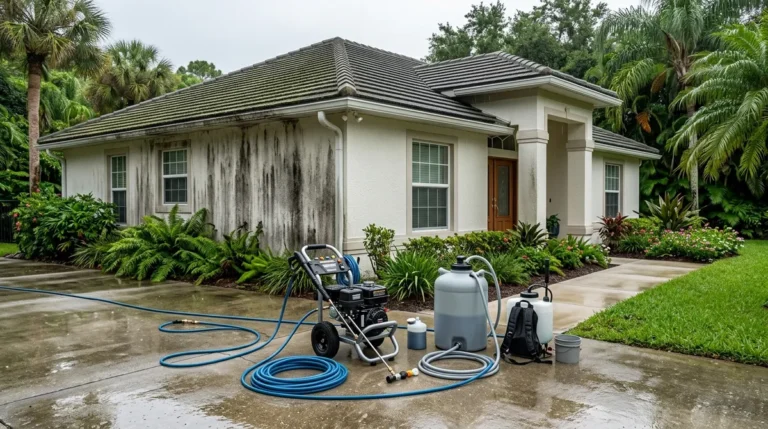
The application method for pre-treatment solutions matters as much as the product selection. Professional-grade equipment includes downstream injectors that automatically mix cleaning chemicals with water at the proper ratios, or separate spray applicators for manual application. When applying pre-treatment solutions, always work in manageable sections rather than treating the entire driveway at once, which prevents the solution from drying before you can rinse it away and potentially leaving residue behind.
The Proper Cleaning Pattern Technique

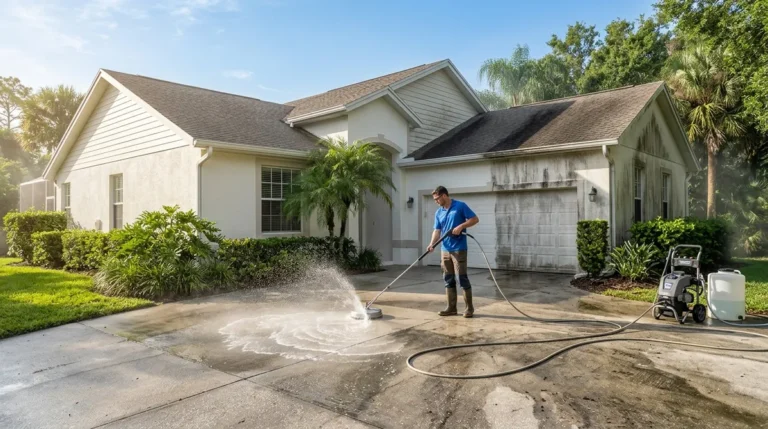
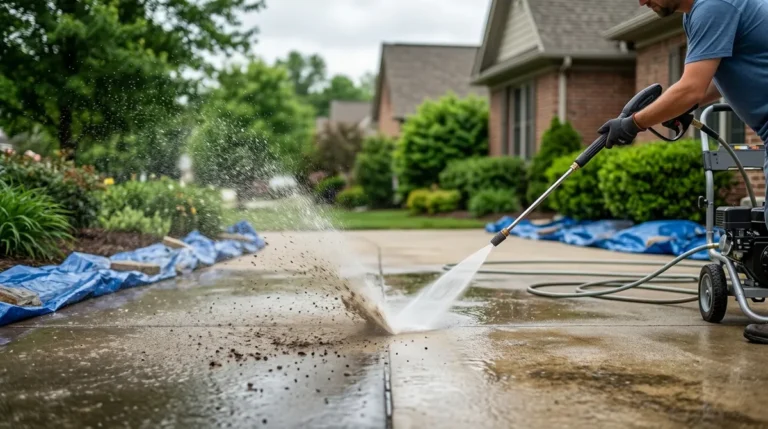
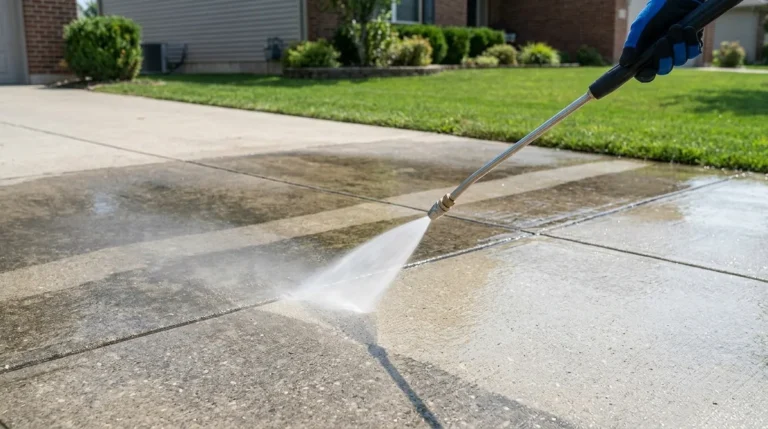
Professional pressure washers follow specific movement patterns that ensure consistent coverage without leaving streaks, lines, or missed spots. The most effective technique involves working in overlapping passes, similar to mowing a lawn, where each new stroke overlaps the previous one by approximately 6 to 8 inches. This overlap prevents the creation of visible lines where cleaned and uncleaned areas meet, creating a uniform appearance across the entire surface.
Directional cleaning also plays a crucial role in achieving optimal results. Most professionals recommend starting at the highest point of the driveway and working downward, allowing gravity to assist in carrying away loosened debris and dirty water. Additionally, cleaning perpendicular to the driveway’s slope helps prevent dirty runoff from re-contaminating areas you’ve already cleaned. For driveways with significant oil stains or heavy soiling, making multiple passes in different directions often produces superior results.
Maintaining a consistent walking speed ensures even cleaning throughout the entire project. Moving too quickly leaves behind dirt and stains, while moving too slowly can damage the surface through prolonged exposure to high-pressure water. Professional operators typically maintain a steady pace of approximately one square foot per second when using a 25-degree nozzle at standard distances, adjusting their speed based on the level of soiling and the surface’s response to cleaning.
Dealing with Stubborn Stains and Problem Areas
Every driveway presents unique challenges, with certain stains requiring specialized approaches beyond standard pressure washing. Rust stains from metal furniture or tools often penetrate deep into concrete’s porous structure and resist removal through pressure alone. Professional-grade rust removers containing oxalic acid can dissolve these iron deposits, though they require careful application and thorough rinsing to prevent damage to surrounding vegetation and surfaces.
Oil stains represent one of the most common and frustrating driveway cleaning challenges. Fresh oil spills respond well to absorbent materials like cat litter or commercial oil dry products applied immediately, followed by pressure washing with a quality degreaser. Set-in oil stains that have penetrated deeply into concrete may require poultice treatments where a cleaning agent is mixed with an absorbent powder, applied as a thick paste, and allowed to draw the oil out over 24 to 48 hours before final pressure washing.
| Stain Type | Recommended Treatment | Dwell Time | Expected Results |
|---|---|---|---|
| Oil/Grease | Alkaline degreaser | 10-15 minutes | 90-95% removal |
| Rust | Oxalic acid solution | 15-20 minutes | 80-90% removal |
| Mold/Mildew | Sodium hypochlorite | 10-15 minutes | 95-100% removal |
| Tire Marks | Heavy-duty degreaser | 10-15 minutes | 85-95% removal |
| Leaf Stains | Oxidizing cleaner | 15-20 minutes | 70-85% removal |
Expansion joints and cracks in concrete driveways accumulate dirt, weeds, and debris that standard surface cleaning misses. Professional operators use specialized attachments like surface cleaners with adjustable arms or rotary nozzles that concentrate water flow into these narrow spaces. For heavily soiled joints, pre-treating with a foaming cleaner that clings to vertical surfaces helps break down accumulated grime before pressure washing removes it completely.
Equipment and Safety Considerations
Selecting the appropriate pressure washing equipment directly impacts both your results and safety during the cleaning process. Gas-powered pressure washers deliver higher PSI ratings and greater water flow (measured in gallons per minute or GPM) compared to electric models, making them better suited for large driveway cleaning projects. However, electric pressure washers offer advantages for smaller driveways, including lower noise levels, easier storage, and reduced maintenance requirements.
Water temperature represents another critical consideration that separates basic cleaning from professional-grade results. Hot water pressure washers, which heat water to temperatures between 140°F and 200°F, dramatically improve cleaning effectiveness for oil-based stains and heavy soiling. The heat helps emulsify grease and oil while accelerating the chemical reactions of cleaning agents, reducing both cleaning time and the amount of pressure required to achieve spotless results.
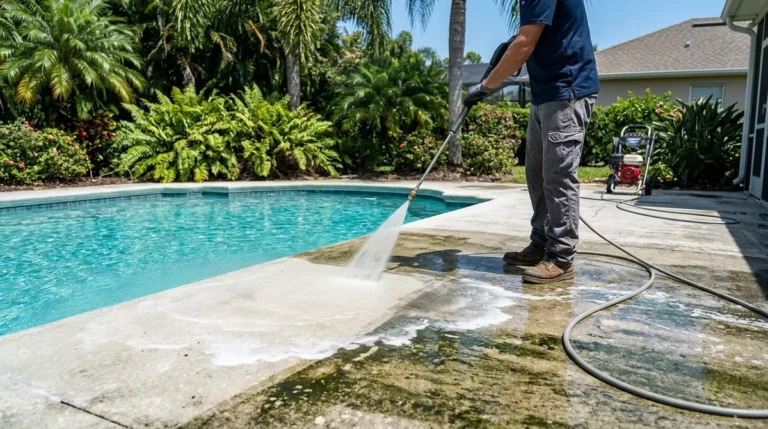
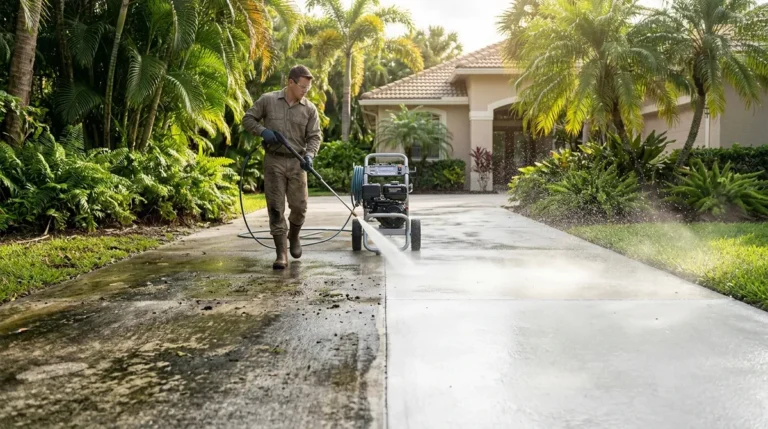
Personal protective equipment is non-negotiable when operating pressure washing equipment. At minimum, operators should wear safety goggles or a face shield to protect against flying debris and chemical splash-back, closed-toe boots with non-slip soles, long pants, and hearing protection when using gas-powered equipment. Professional operators often add chemical-resistant gloves and rain gear to their safety ensemble, especially when working with commercial-strength cleaning agents.
Post-Cleaning Protection and Maintenance
The work doesn’t end when the last rinse water flows down the driveway. Professional pressure washing companies understand that proper post-cleaning procedures and ongoing maintenance significantly extend the results of their work. After thoroughly cleaning and allowing the surface to dry completely (typically 24 to 48 hours depending on weather conditions), applying a quality concrete sealer creates a protective barrier that resists future staining and makes subsequent cleaning easier.
Concrete sealers come in two primary categories: penetrating sealers that soak into the concrete and create a chemical barrier, and topical sealers that form a protective coating on the surface. Penetrating sealers offer longer-lasting protection (typically 3 to 5 years) and maintain the natural appearance of concrete, while topical sealers provide a glossy finish and superior stain resistance but require reapplication every 1 to 3 years. For asphalt driveways, seal coating after pressure washing protects against UV damage, water penetration, and petroleum-based stains.
Establishing a regular maintenance schedule prevents the buildup of contaminants that make deep cleaning necessary. Most professionals recommend pressure washing driveways annually in moderate climates, or twice yearly in regions with heavy tree coverage, high humidity, or frequent precipitation. Between professional cleanings, homeowners can maintain their driveways by promptly addressing fresh stains, sweeping away debris weekly, and spot-treating problem areas as they develop.
Environmental Considerations and Regulations
Professional pressure washing companies navigate an increasingly complex landscape of environmental regulations designed to protect water quality and ecosystems. Many municipalities have enacted ordinances restricting how wastewater from pressure washing can be discharged, with particular concern for chemicals, oils, and contaminants flowing into storm drains that empty directly into local waterways. Responsible operators capture and properly dispose of wastewater containing chemicals or hazardous materials rather than allowing it to flow into storm systems.
Water conservation has become another important consideration in pressure washing operations. While cleaning a typical driveway might use 100 to 200 gallons of water with standard equipment, professional operators can reduce consumption by using high-efficiency nozzles, optimizing pressure settings, and employing water reclamation systems. These water-saving techniques not only benefit the environment but also reduce operational costs that can be passed along to customers as savings.
Eco-friendly cleaning products have improved dramatically in recent years, with biodegradable formulations that rival the effectiveness of traditional chemical cleaners without the environmental impact. These green alternatives break down naturally after use and don’t contribute to waterway pollution or harm vegetation surrounding the driveway. When selecting products for your driveway cleaning project, look for certifications from organizations like the EPA’s Safer Choice program or Green Seal that verify environmental claims.
When to Call Professional Services
While many homeowners successfully tackle driveway pressure washing as a DIY project, certain situations call for professional expertise. Extremely large driveways spanning thousands of square feet require commercial-grade equipment and experience to clean efficiently without leaving inconsistent results. Similarly, driveways with severe staining from years of neglect often benefit from professional-grade chemicals and techniques that aren’t readily available to consumers.
Decorative concrete, stamped patterns, or exposed aggregate surfaces demand specialized knowledge to clean effectively without damaging delicate finishes. Professionals working with these premium surfaces understand how to adjust pressure, select appropriate nozzles, and choose cleaning agents that won’t erode sealants or dislodge aggregate stones. The risk of causing permanent damage to these expensive installations often outweighs the cost savings of DIY cleaning attempts.
At Buckhorn Power Wash, we’ve helped countless homeowners in Hillsborough County restore their driveways to like-new condition using professional equipment and proven techniques. Our experienced team understands the nuances of different surface materials and stain types, ensuring your driveway receives the appropriate treatment for optimal results. We also offer transparent pricing with no high-pressure sales tactics, making it easy to understand exactly what you’re getting before we begin work.
Cost Considerations and Value
Understanding the financial aspects of driveway pressure washing helps homeowners make informed decisions about DIY versus professional cleaning. Renting a quality pressure washer typically costs between $50 and $100 per day, plus the expense of cleaning chemicals, safety equipment, and your time investment. For a standard two-car driveway, most DIY projects require 4 to 6 hours of work including setup, cleaning, and equipment return.
Professional driveway pressure washing services typically charge based on square footage, with rates ranging from $0.15 to $0.40 per square foot depending on your location, the level of soiling, and the surface type. A standard 600-square-foot driveway might cost between $90 and $240 to clean professionally, with the service usually completed in 1 to 2 hours. This professional approach includes proper equipment, experienced operators, liability insurance, and often a satisfaction guarantee that protects your investment.
The long-term value of regular professional pressure washing extends beyond immediate aesthetic improvements. Removing contaminants that can degrade concrete and asphalt helps extend the lifespan of your driveway, potentially delaying expensive resurfacing or replacement by several years. Additionally, a clean, well-maintained driveway significantly enhances curb appeal, with real estate professionals estimating that exterior cleaning can contribute to a 5-10% increase in perceived home value when selling.
Conclusion
Driveway pressure washing represents one of the most impactful home maintenance tasks you can undertake, delivering dramatic visual improvements that enhance your property’s entire appearance. By understanding the professional techniques outlined in this guide—from proper pressure selection and nozzle choices to effective pre-treatment applications and systematic cleaning patterns—you can achieve results that rival professional services or make more informed decisions when hiring contractors.
Whether you choose to tackle this project yourself or hire experienced professionals, the key to success lies in using the right equipment, following proven techniques, and maintaining realistic expectations about what pressure washing can accomplish. Regular maintenance prevents the accumulation of stubborn stains and keeps your driveway looking its best year-round, protecting your investment while creating a welcoming entrance to your home.
For homeowners in Hillsborough County seeking professional results without the hassle of DIY projects, our team at Buckhorn Power Wash brings years of experience and commercial-grade equipment to every job. We’ve seen firsthand how a properly cleaned driveway transforms a property’s appearance and take pride in delivering exceptional results for our customers. Check out our reviews on Google to see what satisfied customers say about our work, and discover why so many homeowners trust us with their pressure washing needs.
Ready to transform your driveway and boost your home’s curb appeal? Get an Instant Quote today and discover how affordable professional driveway pressure washing can be. Our transparent pricing and commitment to quality service mean you’ll know exactly what to expect, with no hidden fees or high-pressure sales tactics—just honest, reliable service that delivers the results your home deserves.
FAQs
Q: How often should I pressure wash my driveway?
A: Most professionals recommend pressure washing your driveway annually in moderate climates, or twice yearly in regions with heavy tree coverage, high humidity, or frequent precipitation. Regular maintenance prevents the buildup of contaminants that can degrade your driveway surface and makes future cleaning easier. Promptly addressing fresh stains between professional cleanings helps maintain your driveway’s appearance year-round.
Q: What PSI pressure washer do I need for driveway cleaning?
A: Concrete driveways typically require pressure washers rated between 2,500 and 3,500 PSI for effective cleaning, while asphalt driveways need a gentler approach with equipment operating at 1,500 to 2,000 PSI. Using excessive pressure on asphalt can strip away protective sealant and damage the surface material. The water flow rate (GPM) is equally important, with higher flow rates providing more efficient cleaning.
Q: Can pressure washing damage my concrete driveway?
A: Pressure washing can damage concrete if done incorrectly, particularly when using excessive pressure, holding the nozzle too close to the surface, or staying in one spot too long. Professional operators maintain proper distance (6-12 inches), use appropriate nozzles, and keep the wand moving at a consistent speed to prevent etching or surface deterioration. Decorative concrete and stamped patterns require even more careful technique to avoid damage.
Q: What’s the best way to remove oil stains from a concrete driveway?
A: Oil stains respond best to alkaline-based degreasers applied as a pre-treatment before pressure washing. Fresh spills should be covered immediately with absorbent materials like cat litter, while set-in stains may require poultice treatments where cleaning agents mixed with absorbent powder draw oil out over 24-48 hours. Hot water pressure washing significantly improves oil removal effectiveness by emulsifying petroleum products.
Q: Should I seal my driveway after pressure washing?
A: Applying a quality sealer after pressure washing is highly recommended for concrete driveways, as it creates a protective barrier that resists future staining and makes subsequent cleaning easier. Allow the surface to dry completely (typically 24-48 hours) before sealing. Penetrating sealers offer 3-5 years of protection while maintaining natural appearance, while topical sealers provide superior stain resistance but require reapplication every 1-3 years.