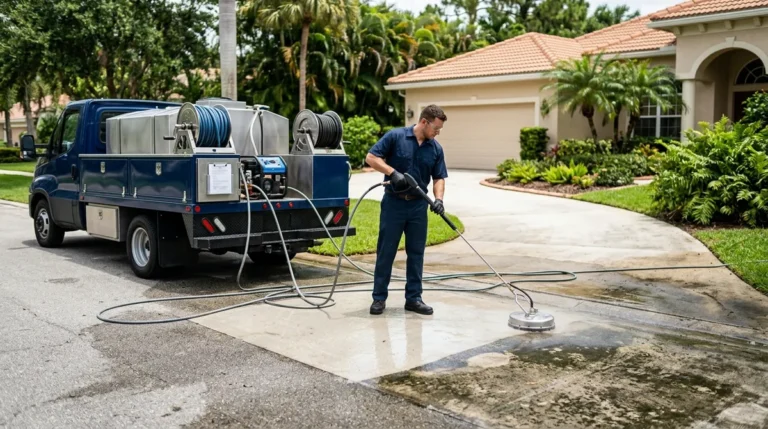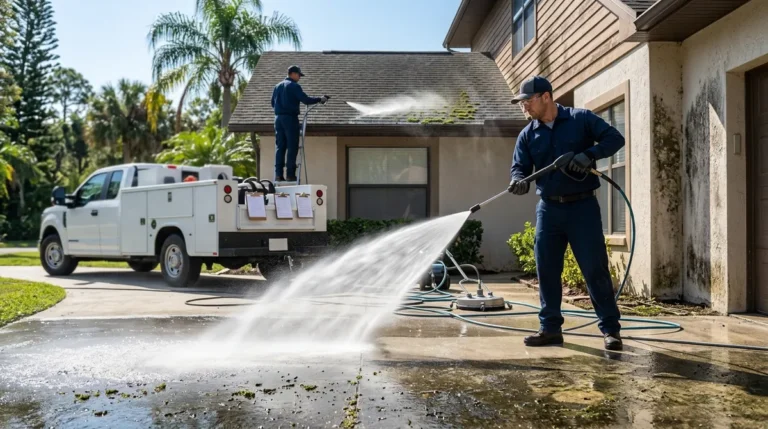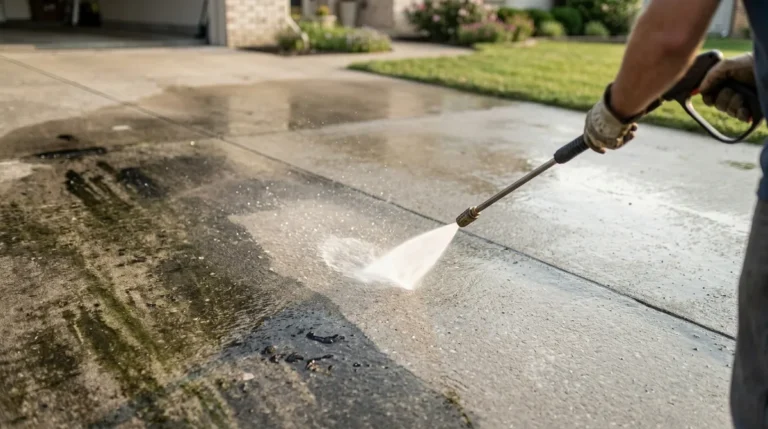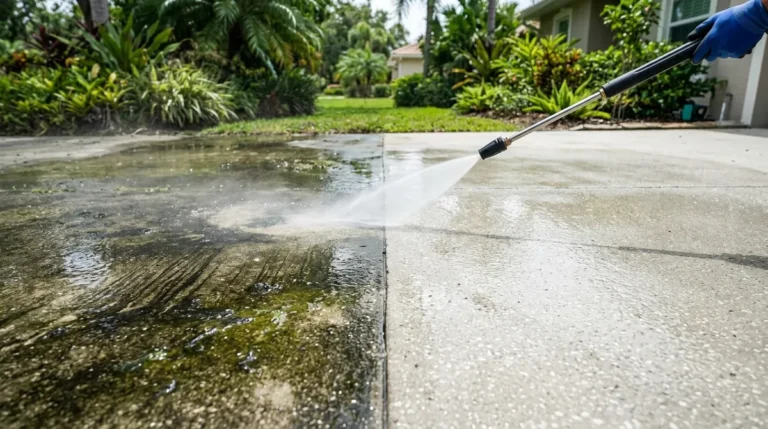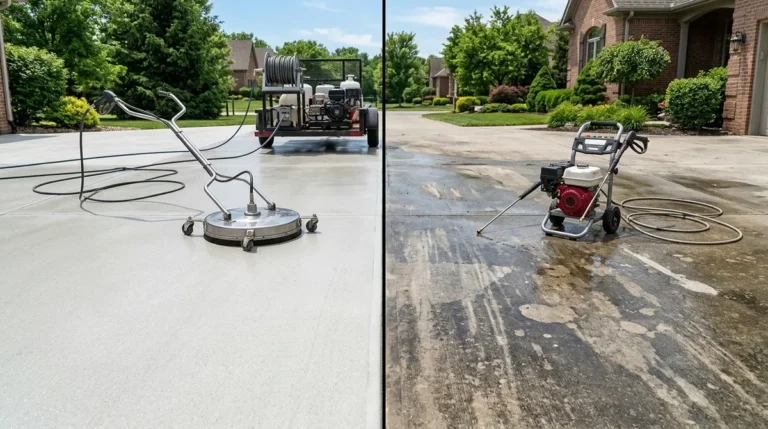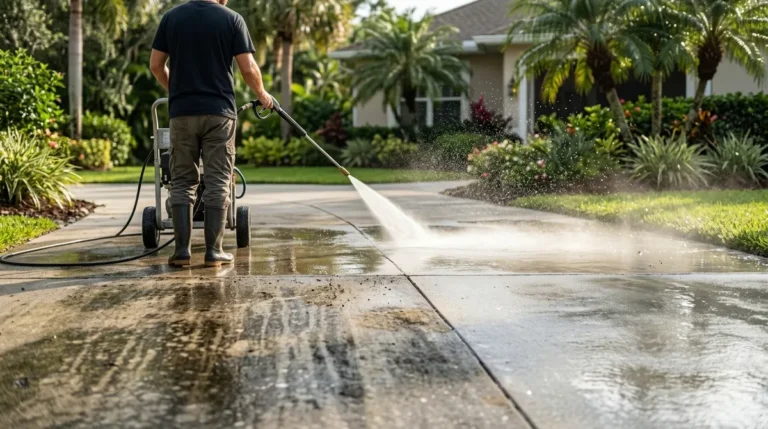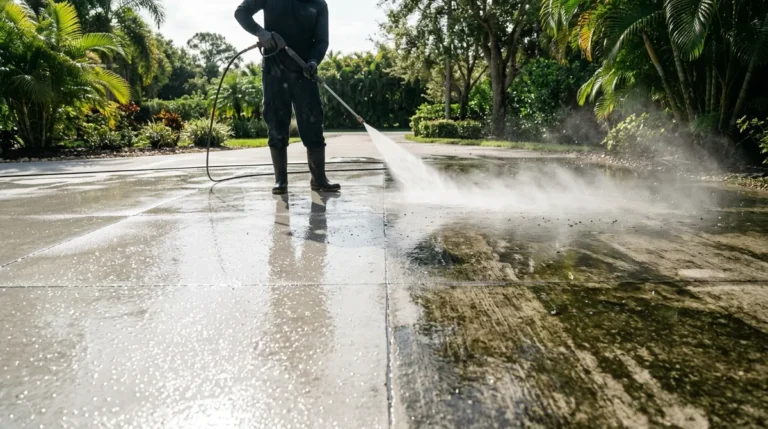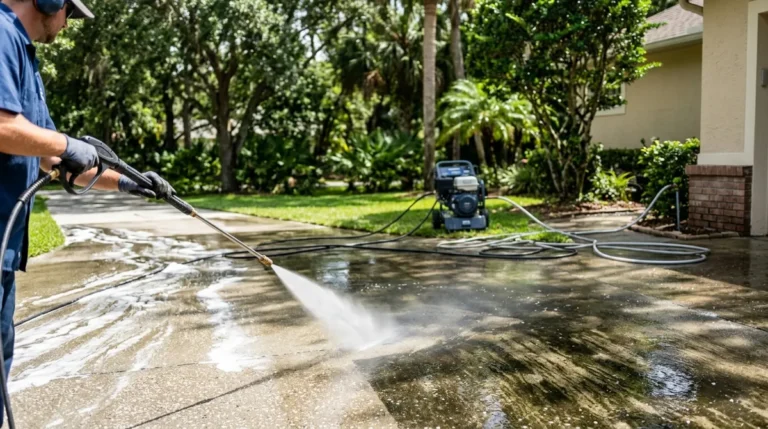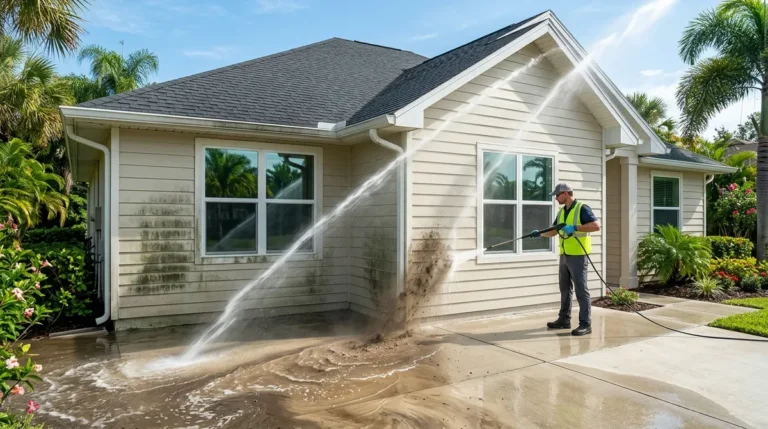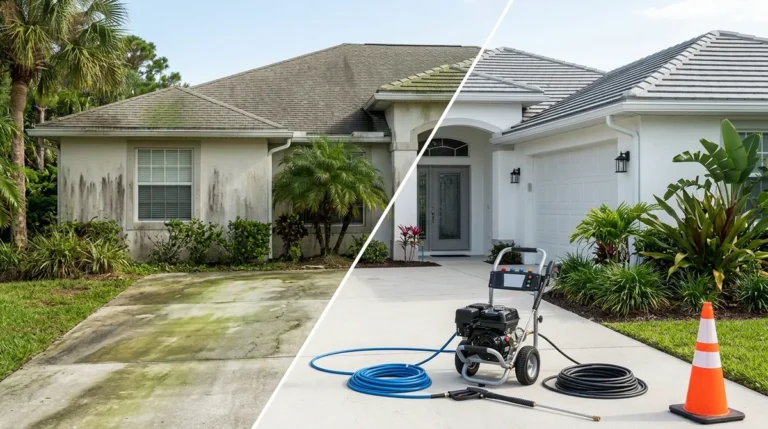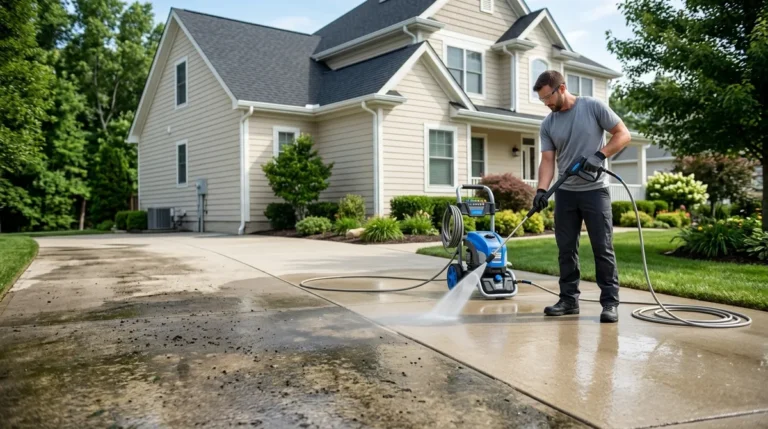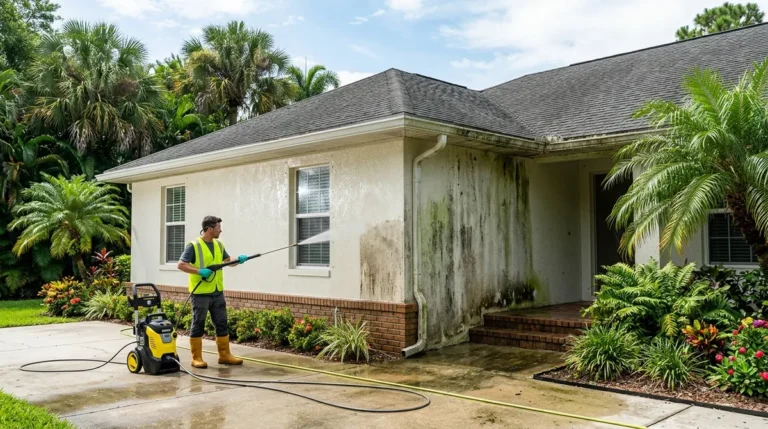
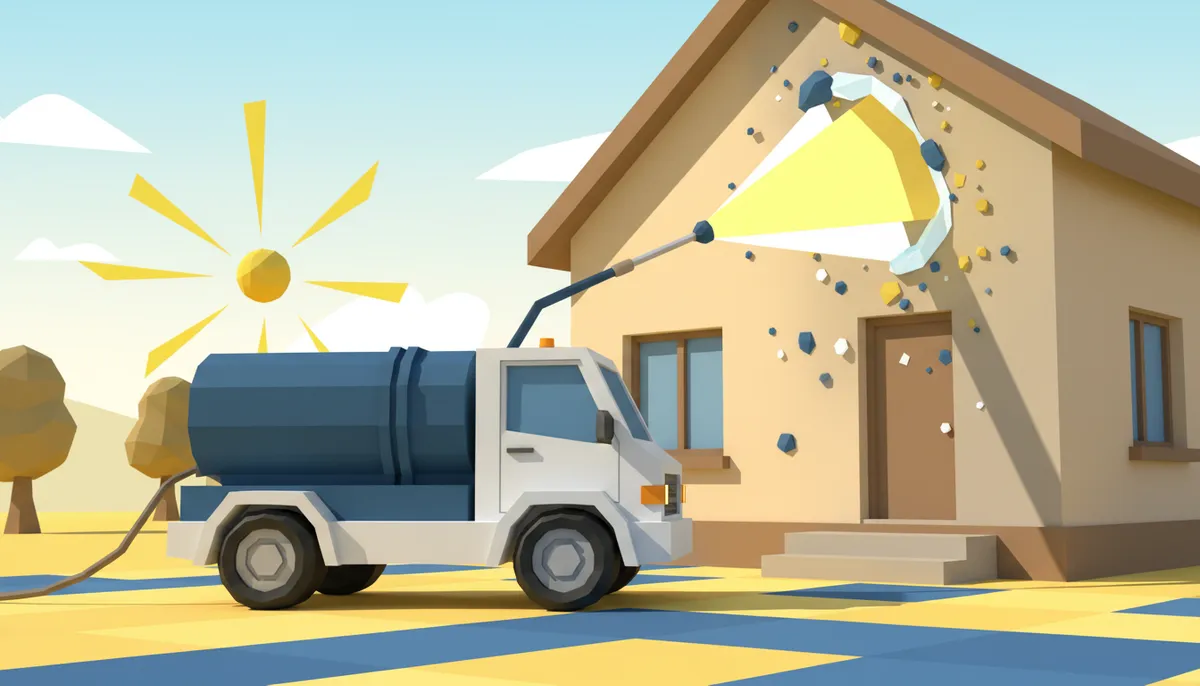
Soft washing has revolutionized the way homeowners approach exterior cleaning, offering a gentle yet incredibly effective alternative to traditional pressure washing. Unlike high-pressure methods that can damage delicate surfaces, soft washing combines specialized cleaning solutions with low-pressure application to safely remove dirt, algae, mold, and mildew from your home’s exterior. This comprehensive guide reveals the essential secrets that professional cleaners use to achieve stunning, long-lasting results. Whether you’re dealing with stained siding, discolored roofing, or grimy fences, understanding these soft wash techniques will help you make informed decisions about protecting and beautifying your property. The method has gained tremendous popularity among homeowners in Hillsborough County and beyond, particularly as people discover its superior results and surface-preserving benefits.
1. The Science Behind Soft Wash Solutions
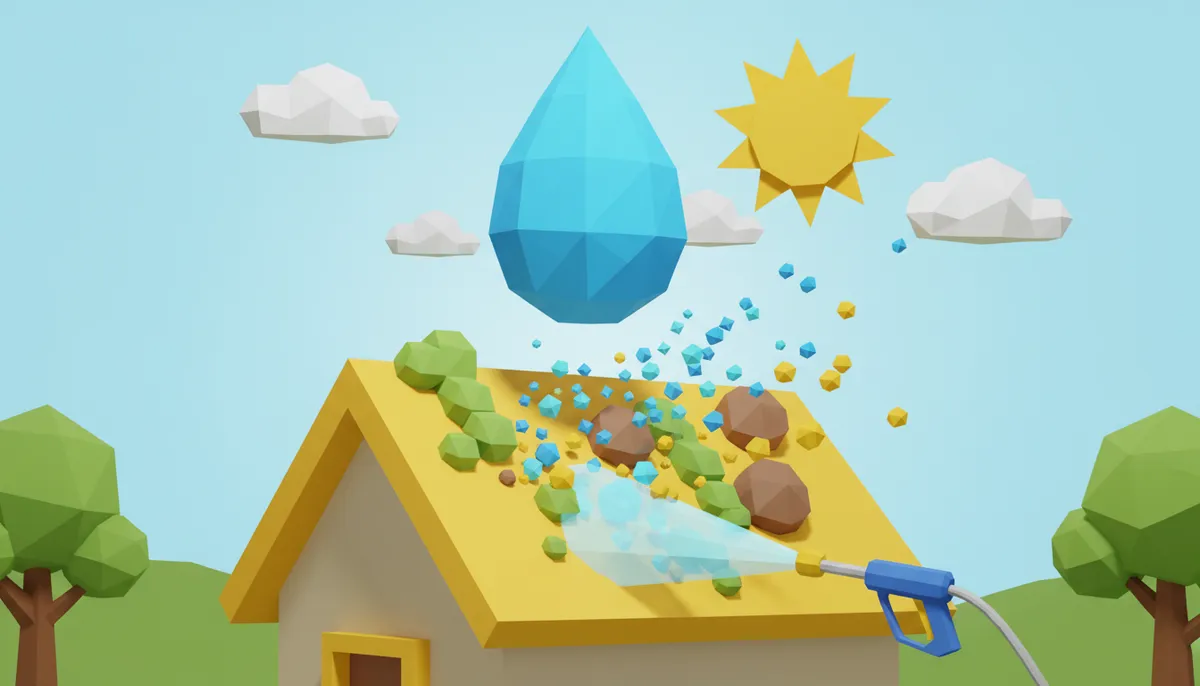
The foundation of effective soft washing lies in understanding the chemistry of cleaning solutions. Professional-grade soft wash systems use a carefully balanced mixture of water, surfactants, and sodium hypochlorite to break down organic growth at the molecular level. This chemical approach does the heavy lifting, eliminating the need for damaging high pressure that can strip paint, crack vinyl siding, or dislodge roof shingles.
The typical soft wash solution contains approximately 1-2% sodium hypochlorite, significantly diluted from household bleach concentrations. Surfactants act as binding agents that help the solution cling to vertical surfaces longer, maximizing contact time and effectiveness. This extended dwell time allows the solution to penetrate deep into porous materials, killing mold and algae spores at their root rather than simply washing them away temporarily.
Professional companies like Buckhorn Power Wash understand that different surfaces require customized solution ratios. For example, delicate wood surfaces need gentler concentrations, while heavily stained concrete can tolerate stronger mixtures. This knowledge separates amateur attempts from professional results that last significantly longer.
| Surface Type | Solution Strength | Dwell Time | Expected Results |
|---|---|---|---|
| Vinyl Siding | 1.0-1.5% | 10-15 minutes | Removes 95%+ organic growth |
| Asphalt Roofing | 1.5-2.0% | 15-20 minutes | Eliminates algae streaks |
| Wood Decking | 0.5-1.0% | 5-10 minutes | Gentle cleaning without damage |
| Brick/Masonry | 1.5-2.5% | 15-20 minutes | Deep cleaning of porous surfaces |
2. Why Soft Washing Outlasts Pressure Washing
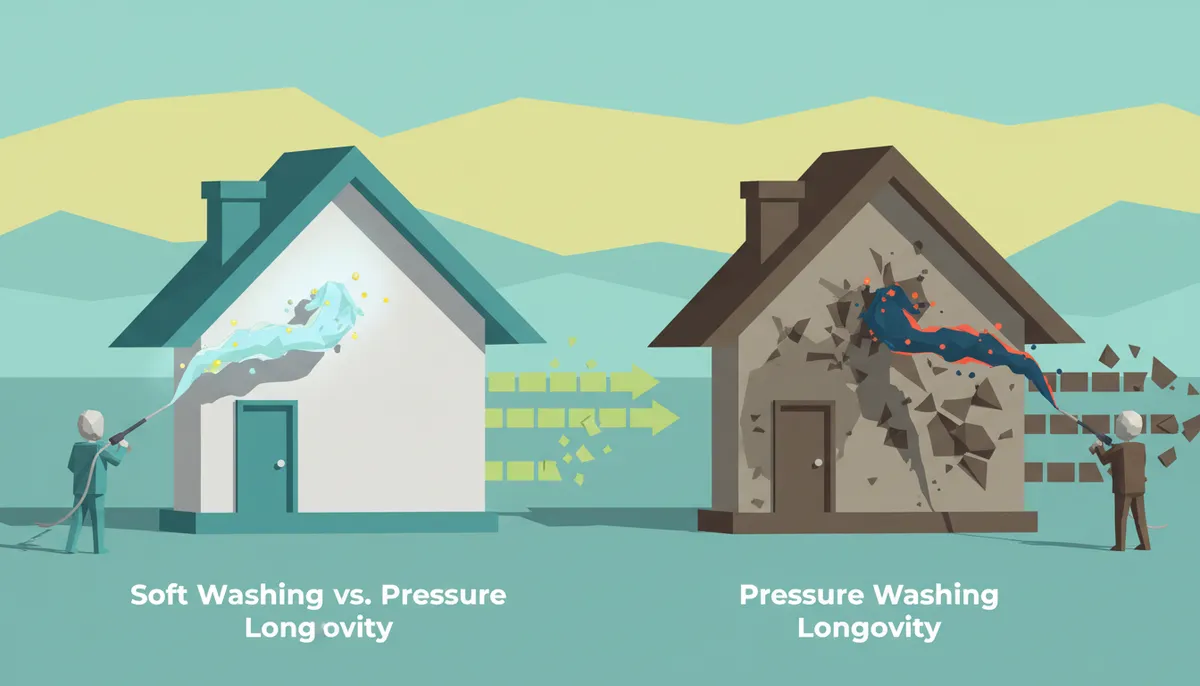
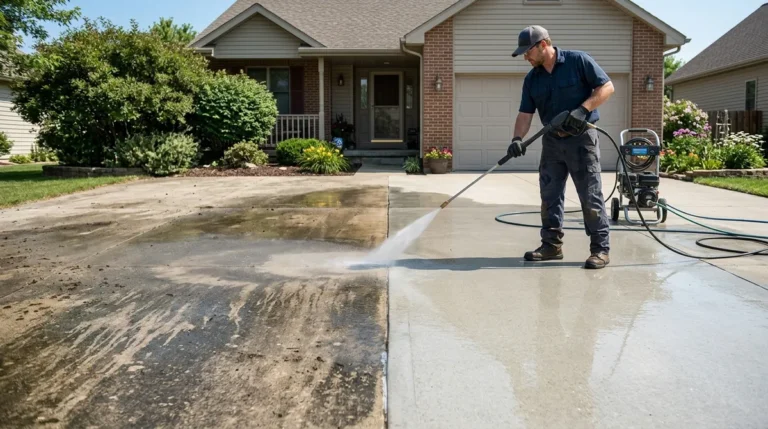
One of the most compelling secrets about soft washing is its dramatically extended cleaning duration compared to pressure washing. While pressure washing simply blasts away surface dirt and visible growth, soft washing actually kills the organisms causing discoloration. This fundamental difference means soft wash results typically last 4-6 times longer than pressure washing alone.
When you pressure wash a surface, you’re removing the visible symptoms but leaving behind microscopic spores embedded in the material. These spores quickly regenerate, often returning your surfaces to their dirty state within months. Soft washing’s chemical treatment penetrates deep into substrate materials, destroying these spores and creating an inhospitable environment for future growth. Many homeowners discover their soft-washed surfaces remain clean for 2-3 years or more, compared to the 3-6 month effectiveness of pressure washing.
The economic implications are substantial. Though soft washing may cost slightly more upfront, the extended results mean fewer cleaning sessions over time. Homeowners who invest in professional soft washing from companies like Buckhorn Power Wash often spend less money over a five-year period than those who repeatedly pressure wash their properties. Additionally, the gentler approach preserves surface integrity, preventing the costly repairs that can result from aggressive pressure washing damage.
Long-Term Surface Protection Benefits
Beyond immediate cleaning results, soft washing provides ongoing protection that pressure washing cannot match. The residual cleaning agents left behind continue working for weeks after application, inhibiting new growth and maintaining that freshly cleaned appearance. This protective barrier is particularly valuable in humid climates where mold, mildew, and algae thrive year-round.
3. The Critical Importance of Proper Water Pressure
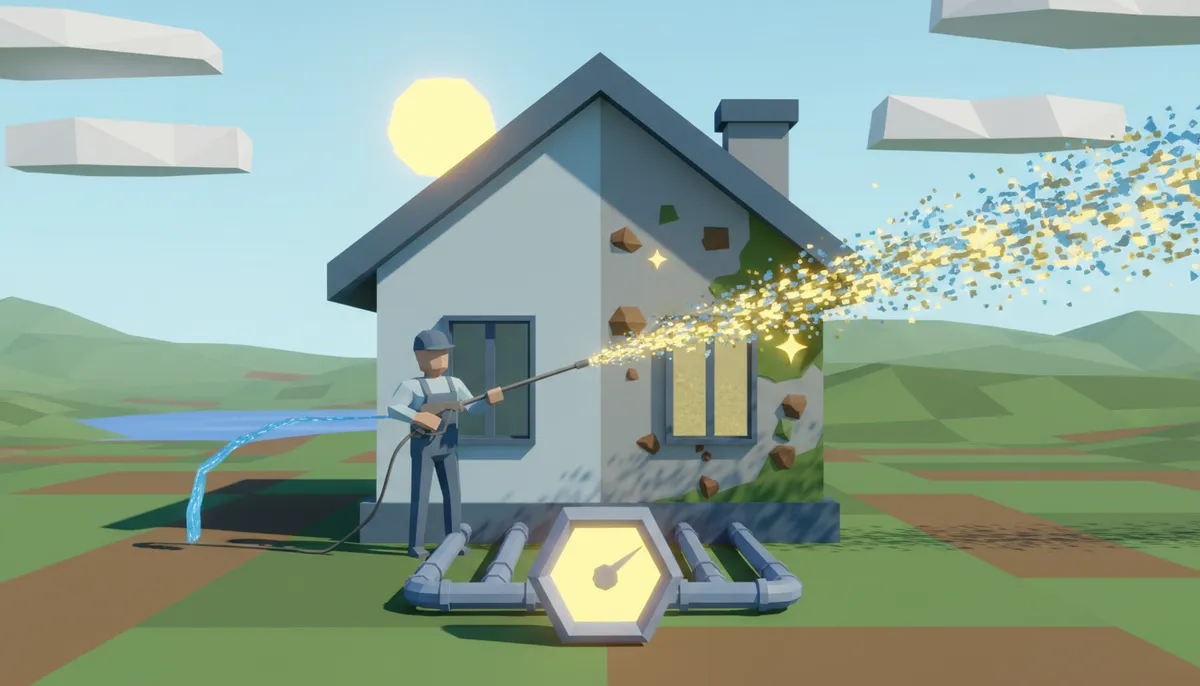
Despite its name, soft washing does use water pressure—just at dramatically reduced levels compared to traditional pressure washing. Professional soft wash systems operate at approximately 60-100 PSI (pounds per square inch), compared to pressure washers that typically run at 2,000-4,000 PSI. This seemingly small technical detail makes an enormous difference in preventing surface damage while still ensuring thorough rinsing.
The lower pressure allows cleaning solutions to be applied evenly without forcing water underneath siding, into roof materials, or through window seals. Water intrusion is one of the most common problems with aggressive pressure washing, leading to costly mold growth inside walls, damaged insulation, and rotted sheathing. Soft washing’s gentle application pressure eliminates these risks while still providing adequate force to rinse away loosened contaminants.
- Prevents water intrusion behind siding and trim
- Protects painted surfaces from chipping or peeling
- Maintains the integrity of caulking and sealants
- Safe for windows, screens, and light fixtures
- Reduces risk of personal injury from equipment kickback
Understanding pressure requirements helps homeowners make informed decisions when hiring contractors. A company that shows up with only a high-pressure washer isn’t equipped for true soft washing. The specialized equipment investment demonstrates a commitment to proper methodology and surface protection.
4. Surface-Specific Application Techniques
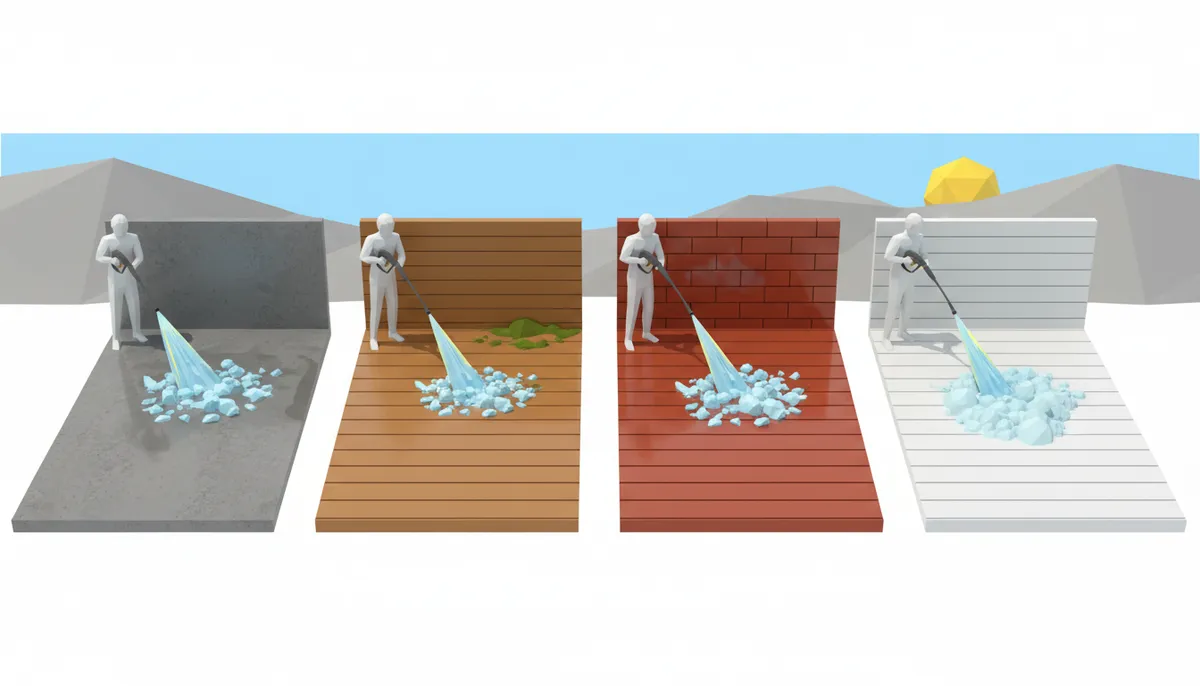
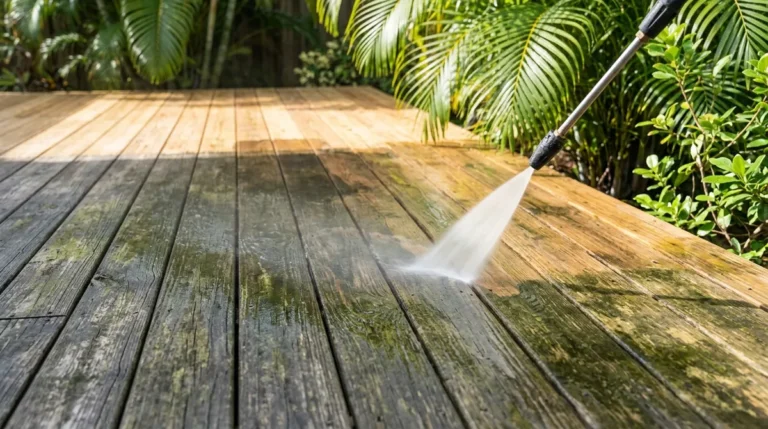
Professional soft wash technicians master different application techniques for various surfaces, and this expertise dramatically affects results. Vertical surfaces like siding require bottom-to-top application to ensure complete coverage without streaking, while horizontal surfaces like decks need even saturation without pooling. These nuanced approaches maximize cleaning effectiveness while minimizing solution waste.
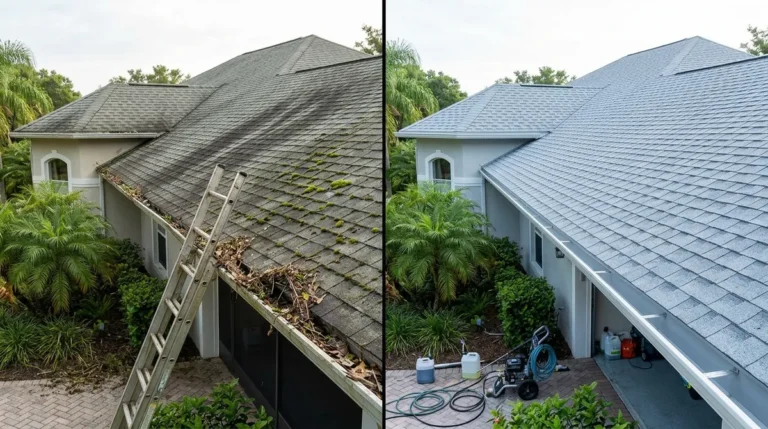
Roof cleaning represents one of the most specialized soft washing applications. Asphalt shingles are particularly vulnerable to pressure damage, with high-pressure washing voiding most manufacturer warranties. Soft washing applies cleaning solution from bottom to top in controlled sections, allowing adequate dwell time before gentle rinsing from top to bottom. This method removes those unsightly black algae streaks (actually Gloeocapsa magma bacteria) without damaging granules or shortening roof lifespan.
Pre-Treatment and Post-Treatment Steps
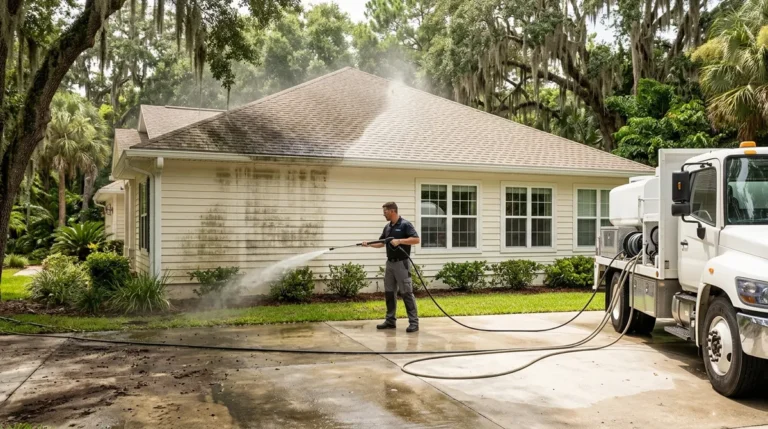
The secret to exceptional soft wash results often lies in what happens before and after the main application. Pre-wetting surrounding vegetation protects plants from chemical exposure, while post-treatment rinsing ensures no residue remains. Professional companies also apply plant-safe rinse agents that neutralize any solution that contacts landscaping. These additional steps separate thorough professionals from rushed contractors cutting corners.
| Surface Category | Application Method | Special Considerations |
|---|---|---|
| Vinyl/Aluminum Siding | Bottom-to-top spray | Avoid forcing solution behind panels |
| Wood Surfaces | Even, light application | Test small area first; avoid over-saturation |
| Roofing Materials | Controlled sectional treatment | Never walk on wet roof; protect gutters |
| Concrete/Pavers | Flood application | May require scrubbing for oil stains |
5. Environmental and Safety Considerations
Modern soft washing balances effective cleaning with environmental responsibility, and understanding these considerations helps homeowners make sustainable choices. While sodium hypochlorite sounds concerning, proper dilution and application techniques minimize environmental impact. The solution breaks down into salt and water when exposed to sunlight and organic matter, becoming environmentally neutral within hours of application.
Responsible soft wash professionals take extensive precautions to protect surrounding ecosystems. This includes pre-wetting and covering sensitive plants, diverting runoff away from storm drains when possible, and using biodegradable surfactants. Many companies now offer plant-friendly additives that further reduce any potential vegetation stress. The key is working with contractors who prioritize these environmental protocols rather than simply getting the job done quickly.
Personal safety represents another critical aspect of soft washing. The chemical solutions, while diluted, still require proper handling with protective equipment including gloves, eye protection, and appropriate clothing. Professional-grade equipment also prevents accidental exposure through backflow and splash-back. This is one area where DIY attempts often fall short—homeowners may lack both the safety equipment and knowledge to protect themselves adequately. For those considering professional services, you can get an instant quote to compare the value of expert application versus DIY risks.
Vegetation Protection Protocols
Professional soft washing includes comprehensive plant protection strategies that many homeowners overlook. Pre-wetting plants dilutes any solution that contacts foliage, while physical barriers like plastic sheeting protect particularly sensitive specimens. Post-wash rinsing removes any residual chemicals, and some professionals apply plant-health rinses containing nutrients that counteract any stress. These extra steps demonstrate commitment to responsible cleaning practices.
6. Cost-Benefit Analysis of Professional Soft Washing
Understanding the true cost of soft washing requires looking beyond the initial service fee to consider long-term value, surface preservation, and time savings. Professional soft washing typically costs between $0.30-$0.80 per square foot depending on surface type, accessibility, and regional pricing. While this represents a significant investment, comparing it to alternative options reveals impressive value.
Consider the typical homeowner who pressure washes their house annually for $200-$300. Over five years, that’s $1,000-$1,500 in cleaning costs. Professional soft washing might cost $500-$800 initially but lasts 2-3 years, requiring perhaps one additional treatment in that same five-year period. The total investment is often comparable or less, while delivering superior results and avoiding the surface damage that pressure washing can cause. Factor in the avoided repair costs from pressure damage—replaced siding, repainted surfaces, or roof repairs—and soft washing becomes even more economical.
- Extends time between cleanings by 400-600%
- Prevents costly damage to siding, roofing, and painted surfaces
- Increases home value and curb appeal for resale
- Protects manufacturer warranties on roofing materials
- Saves homeowner time and physical effort
- Provides professional-grade results unattainable with consumer equipment
The investment in professional soft washing also delivers intangible benefits that affect quality of life. Your home maintains its beautiful appearance year-round rather than cycling through clean and dirty phases. Neighbors notice, potential buyers appreciate it, and you enjoy the pride of homeownership without the recurring burden of exterior maintenance. Many homeowners report that professional soft washing was one of their best home improvement investments, delivering visible results that last.
7. Choosing the Right Soft Wash Professional
Not all cleaning companies offer true soft washing, and distinguishing qualified professionals from pressure washing companies attempting to expand services requires knowing what questions to ask. Legitimate soft wash companies invest in specialized equipment including dedicated low-pressure pumps, chemical injection systems, and extended-reach application tools. They should readily explain their process, solution ratios, and surface-specific techniques.
Red flags include companies that show up with only a pressure washer and claim they can “soft wash” by simply reducing pressure. True soft washing requires purpose-built equipment and proper chemical application. Ask potential contractors about their insurance coverage, especially liability protection for chemical application and potential plant damage. Request references from recent clients with similar surfaces to yours, and check online reviews focusing on long-term results rather than just immediate appearance.
Transparent pricing represents another hallmark of reputable soft wash professionals. Companies like Buckhorn Power Wash provide clear, upfront quotes without high-pressure sales tactics. Beware of unusually low estimates that may indicate inexperience, improper insurance coverage, or plans to use incorrect techniques. The lowest price often leads to the highest ultimate cost when surfaces are damaged or results don’t last. You can learn more about professional soft washing companies to understand what separates qualified contractors from amateurs.
Questions to Ask Potential Contractors
- What specific equipment do you use for soft washing versus pressure washing?
- Can you explain your solution ratios for my particular surfaces?
- What precautions do you take to protect landscaping and surrounding areas?
- Do you carry both liability insurance and workers’ compensation coverage?
- How long should I expect results to last on my home’s materials?
- What is your warranty or satisfaction guarantee policy?
- Can you provide references from customers with similar properties?
Understanding the Soft Wash Process Timeline
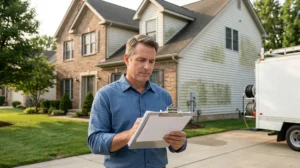
Professional soft washing follows a systematic timeline that ensures optimal results while protecting your property. The process typically begins with a thorough property assessment where technicians identify surface types, problem areas, and potential concerns like delicate plantings or damaged materials. This evaluation phase allows professionals to customize their approach and solution strengths for your specific situation.
The actual soft washing process for an average home takes 3-6 hours depending on size and complexity. This includes pre-treatment preparation, solution application with appropriate dwell time, thorough rinsing, and post-treatment cleanup. Companies rushing through in an hour or two likely aren’t allowing adequate dwell time or providing thorough coverage. Quality soft washing cannot be rushed—the chemical process requires time to work effectively.
Post-treatment results continue improving for 24-48 hours as remaining solutions work and surfaces fully dry. Some organic staining may initially appear unchanged but then fade as dead organisms weather away naturally. Professional companies often schedule follow-up checks or offer complimentary touch-ups if any stubborn areas require additional attention. This comprehensive service approach ensures complete satisfaction and optimal results.
Seasonal Considerations for Soft Washing
Timing your soft washing service strategically maximizes results and convenience. Spring represents the most popular season for exterior cleaning as homeowners emerge from winter and prepare for outdoor living season. However, fall soft washing offers unique advantages—removing accumulated growth before winter, preventing organisms from becoming established during dormant months, and ensuring a clean appearance through the holidays.
Temperature considerations affect soft washing effectiveness. Ideal conditions include temperatures between 50-85°F with low wind and no rain forecasted for at least 24 hours after treatment. Extreme heat causes solutions to evaporate too quickly, reducing effectiveness, while cold temperatures slow chemical reactions. Professional companies monitor weather conditions carefully and may reschedule appointments to ensure optimal results rather than working in substandard conditions.
Some surfaces benefit from specific seasonal timing. Roof soft washing proves most effective in late fall or early spring when moderate temperatures allow thorough drying before extreme summer heat or winter freeze cycles. Deck and fence cleaning works well in early spring, preparing outdoor living spaces for peak usage season. Wood surfaces also benefit from soft washing before staining or sealing, ensuring products adhere properly to clean material.
DIY Soft Washing: Realistic Expectations
Many homeowners consider DIY soft washing to save money, but understanding the realistic challenges and limitations helps make informed decisions. While consumer-grade soft wash equipment is available, achieving professional results requires more than just purchasing tools. Proper technique, solution mixing knowledge, surface-specific expertise, and safety protocols all factor into successful outcomes.
The equipment investment for DIY soft washing typically ranges from $300-$800 for a basic setup including pump, hoses, application wand, and safety gear. Add the cost of cleaning solutions, and you’re approaching or exceeding the cost of professional service for a single treatment. Unless you plan to soft wash regularly or have a very large property, the economics favor professional service. Additionally, improper solution ratios or application techniques can damage surfaces or harm landscaping, potentially creating costly problems that erase any savings.
For homeowners determined to attempt DIY soft washing, starting with simple, low-risk surfaces like concrete walkways or fences provides valuable learning experience before tackling more complex projects. Never attempt DIY roof soft washing—the fall risk, potential for damage, and difficulty of proper application make this strictly a professional job. Many insurance companies also question coverage for DIY roof work, potentially leaving you liable for any accidents. For most homeowners, the peace of mind, superior results, and time savings of professional service justify the investment. To explore professional options in Hillsborough County, visit us on Google to see customer reviews and learn more about professional soft washing services.
The Future of Soft Washing Technology
Soft washing technology continues evolving with innovations that improve effectiveness, safety, and environmental friendliness. Recent developments include pH-neutral cleaning solutions that deliver powerful results without harsh chemicals, smart application systems that automatically adjust solution ratios based on surface sensors, and extended-reach equipment that reduces ladder work and improves safety.
Eco-friendly solutions represent the fastest-growing segment of soft washing innovation. Enzyme-based cleaners break down organic matter through biological processes rather than chemical reactions, offering comparable results with even lower environmental impact. While currently more expensive than traditional solutions, increasing demand and improved formulations continue bringing prices down. Forward-thinking companies are adopting these technologies to appeal to environmentally conscious customers.
The integration of soft washing with preventative treatments also marks an emerging trend. Some companies now offer optional protective coatings applied after soft washing that inhibit future growth even more effectively. These treatments extend clean periods from 2-3 years to potentially 4-5 years, though long-term effectiveness data is still being gathered. As these technologies mature, homeowners will have even more options for maintaining pristine exterior surfaces with minimal maintenance.
Conclusion
Soft washing represents a paradigm shift in exterior home maintenance, offering superior results, extended effectiveness, and surface protection that traditional pressure washing cannot match. By understanding these seven essential secrets—from the chemistry of cleaning solutions to proper application techniques and professional selection criteria—homeowners can make informed decisions that protect their investment while achieving stunning aesthetic results. The method’s gentle approach preserves surface integrity, extends time between cleanings, and delivers long-term value that justifies the initial investment.
Whether you’re dealing with algae-streaked roofing, mildewed siding, or grimy outdoor surfaces, soft washing provides the solution that balances effectiveness with safety. The key lies in working with qualified professionals who invest in proper equipment, understand surface-specific requirements, and prioritize both results and responsibility. As you consider your home’s exterior maintenance needs, remember that the lowest price rarely delivers the best value—quality soft washing protects your home’s surfaces, enhances curb appeal, and provides peace of mind that comes from working with true professionals.
Ready to transform your home’s exterior with professional soft washing? Get an instant quote today and discover how expert soft washing can revitalize your property while protecting your investment for years to come. Experience the difference that professional-grade equipment, customized solutions, and meticulous technique make in achieving results that last.
FAQs
Q: What is soft washing and how does it differ from pressure washing?
A: Soft washing is a cleaning method that uses low-pressure water (60-100 PSI) combined with specialized cleaning solutions to remove dirt, algae, mold, and mildew from exterior surfaces. Unlike pressure washing, which relies on high pressure (2,000-4,000 PSI) to blast away contaminants, soft washing uses chemical solutions to kill organisms at the root level, resulting in longer-lasting results and preventing surface damage to delicate materials like siding, roofing, and painted surfaces.
Q: How long do soft washing results typically last?
A: Professional soft washing results typically last 2-3 years or longer, which is approximately 4-6 times longer than traditional pressure washing. The extended effectiveness comes from the chemical treatment that kills mold, algae, and mildew spores at the source rather than simply removing surface dirt. The exact duration depends on factors such as climate, surface type, surrounding vegetation, and local environmental conditions, but most homeowners find their surfaces remain clean significantly longer than with pressure washing alone.
Q: Is soft washing safe for all exterior surfaces?
A: Soft washing is safe for most exterior surfaces when proper solution ratios and application techniques are used. It is particularly ideal for delicate materials like vinyl siding, asphalt shingles, painted wood, stucco, and composite materials that can be damaged by high-pressure washing. However, solution strength must be adjusted for different surface types—wood requires gentler concentrations while concrete can tolerate stronger mixtures. Professional soft wash technicians customize their approach based on your specific surfaces to ensure both effective cleaning and complete protection.
Q: Can I soft wash my own house or should I hire professionals?
A: While DIY soft washing is possible, professional service typically delivers superior results with less risk of damage or injury. DIY attempts require significant equipment investment ($300-$800), proper safety gear, knowledge of solution mixing ratios, and surface-specific application techniques. Improper chemical concentrations or application methods can damage surfaces, harm landscaping, or create safety hazards. Additionally, roof soft washing should never be attempted by homeowners due to fall risks and the potential for costly damage. For most homeowners, professional service provides better value through superior results, extended effectiveness, and elimination of personal risk.
Q: Is soft washing environmentally friendly?
A: When performed correctly with proper precautions, soft washing can be environmentally responsible. The sodium hypochlorite used in cleaning solutions breaks down into salt and water when exposed to sunlight and organic matter, becoming environmentally neutral within hours. Professional companies protect the environment by pre-wetting vegetation, using biodegradable surfactants, diverting runoff from storm drains when possible, and applying plant-safe rinse agents. Modern enzyme-based and pH-neutral solutions offer even greater environmental friendliness while maintaining cleaning effectiveness. The key is working with responsible contractors who prioritize environmental protocols alongside cleaning results.