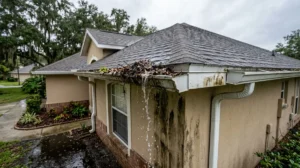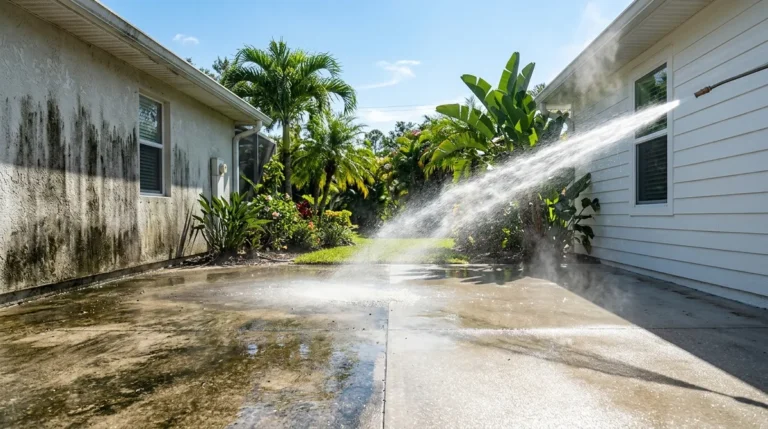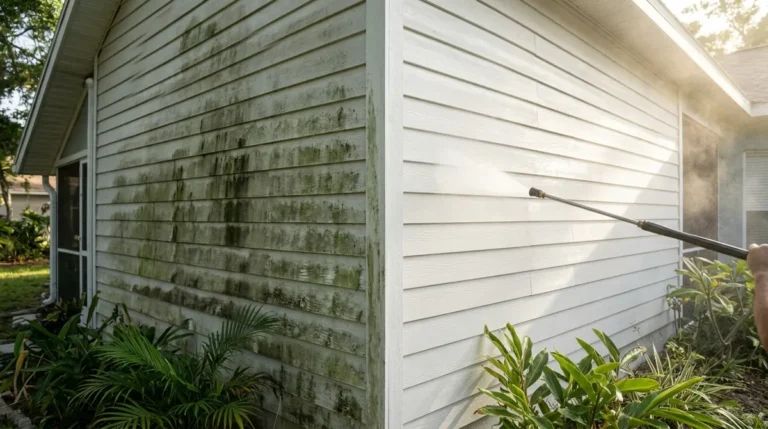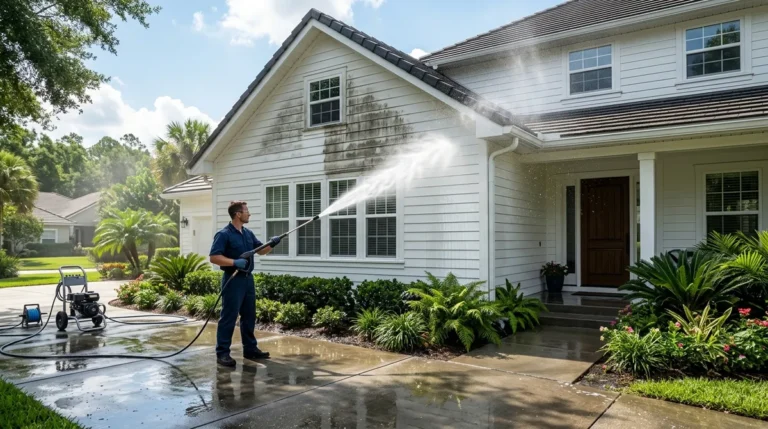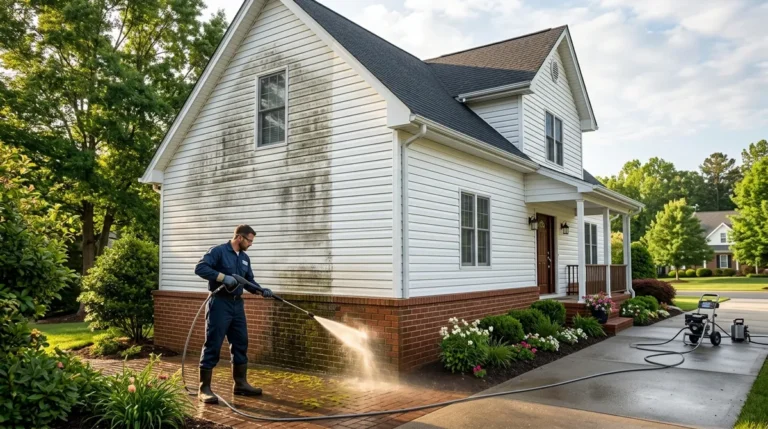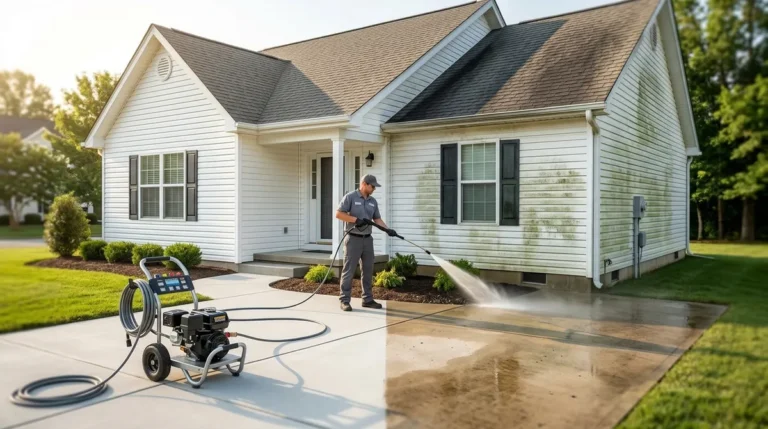
When homeowners notice their exterior walls looking dingy, covered in green algae, or streaked with black stains, the natural response is to grab their phone and search for “house washing near me.” However, before you commit to hiring the first company that appears in your search results, understanding what professional house washing entails can save you time, money, and potential headaches. The exterior of your home is constantly exposed to environmental pollutants, organic growth, and weather damage that can deteriorate both its appearance and structural integrity over time. Choosing the right house washing service isn’t just about aesthetics—it’s about protecting your investment and ensuring the job is done safely and effectively. This comprehensive guide will walk you through everything you need to know before scheduling that first appointment, from understanding different cleaning methods to recognizing red flags in service providers.
Understanding Professional House Washing Methods
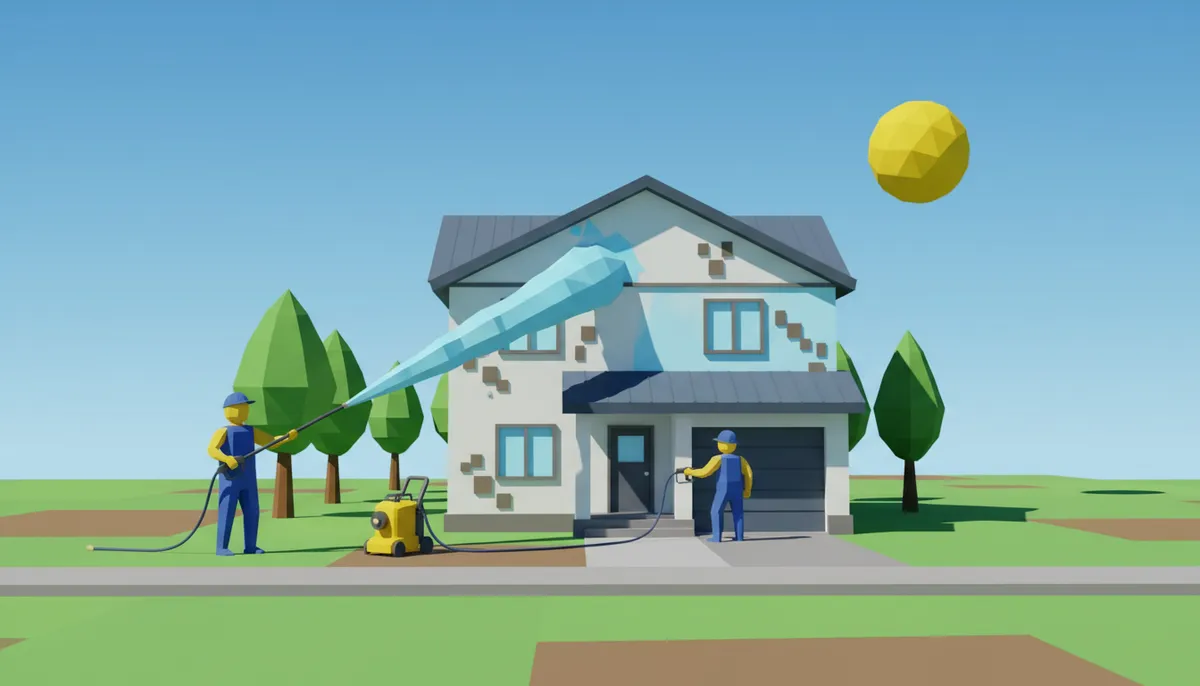
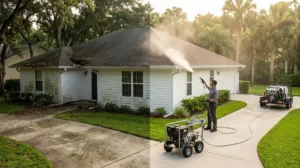
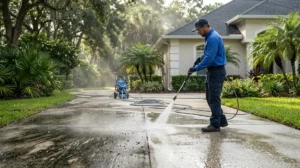
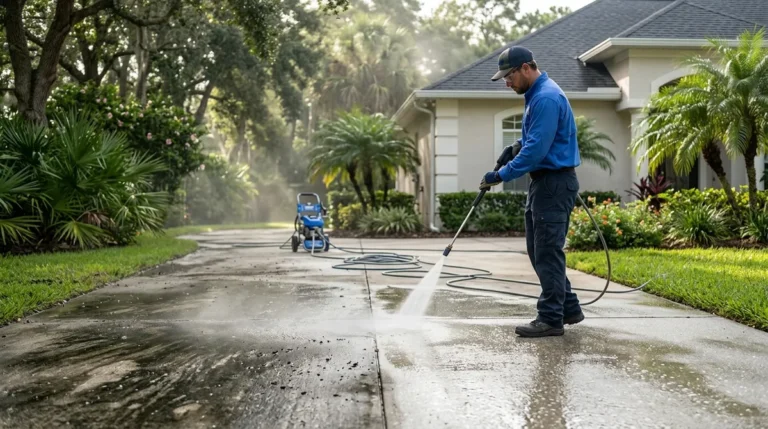
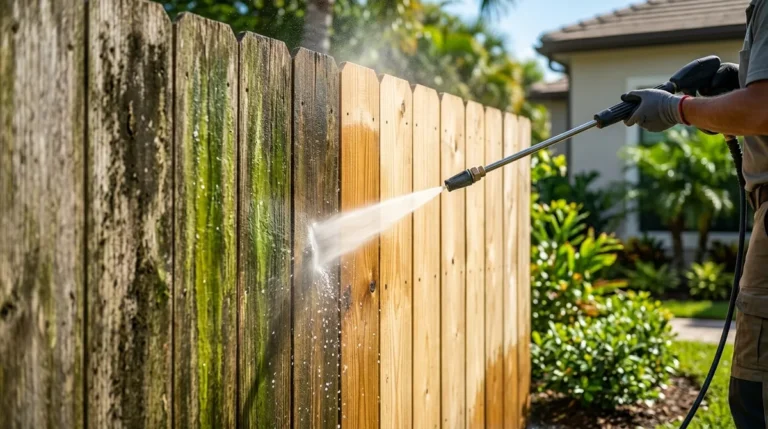
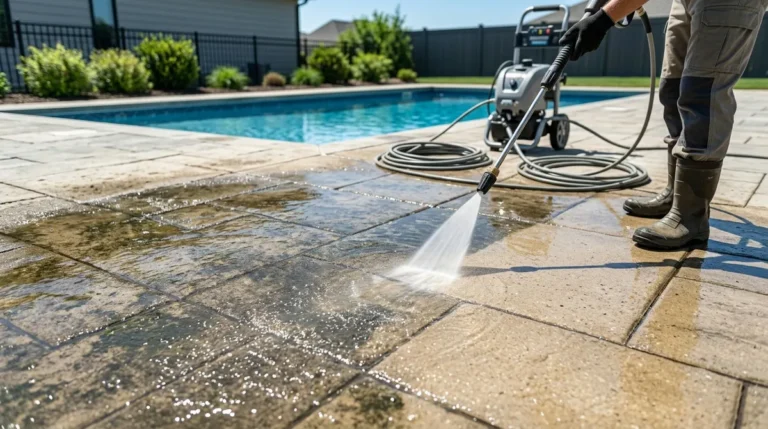
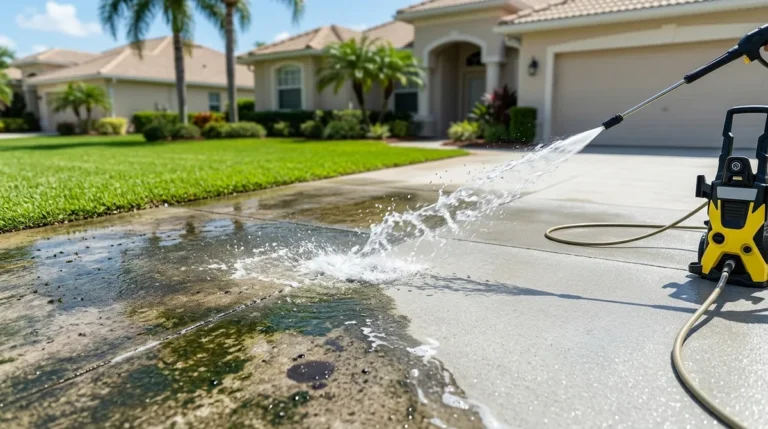
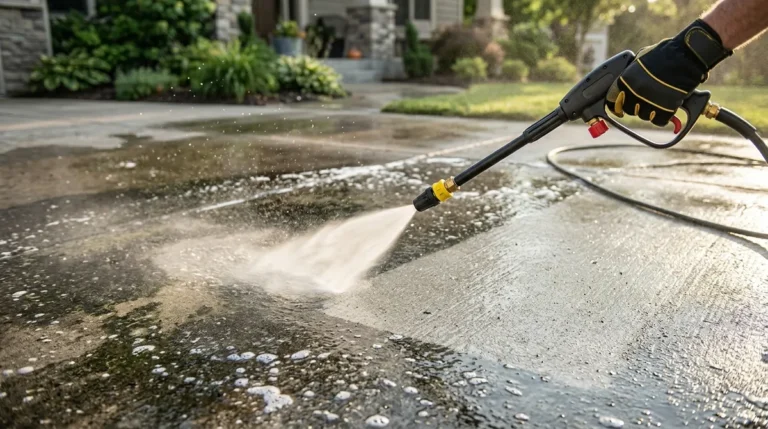
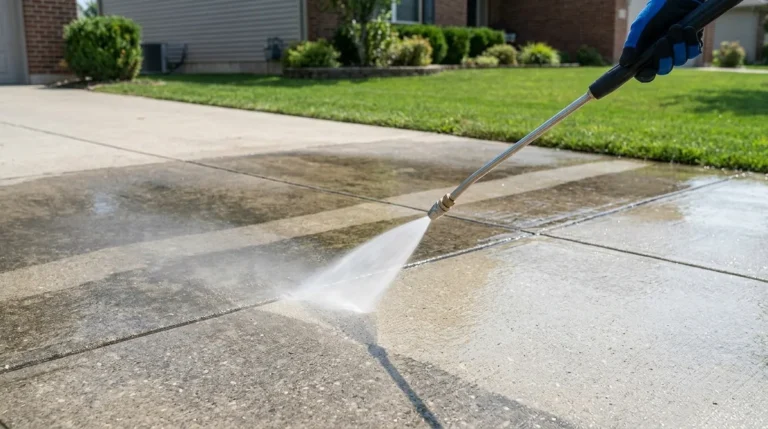
Not all house washing services use the same techniques, and understanding the difference can help you make an informed decision. The two primary methods are pressure washing and soft washing, each with distinct applications and benefits. Pressure washing uses high-pressure water streams to remove dirt, grime, and stains from durable surfaces like concrete driveways and brick walls. The intense force can be highly effective but also potentially damaging if applied incorrectly to delicate surfaces such as vinyl siding, painted wood, or stucco.
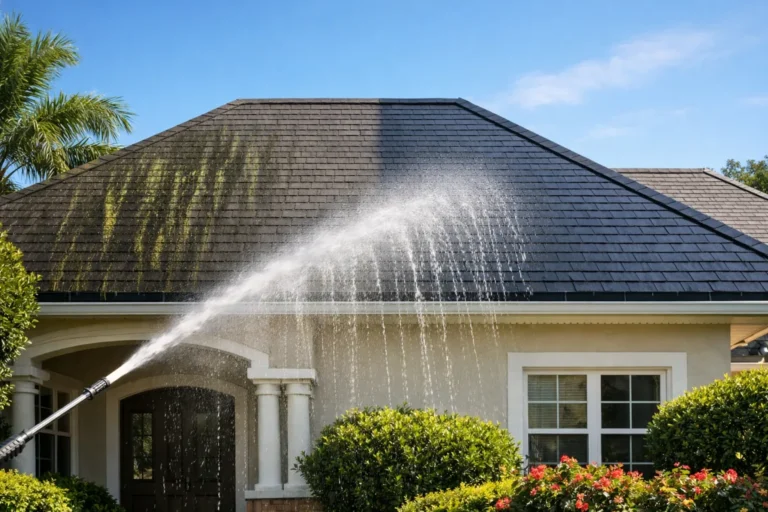
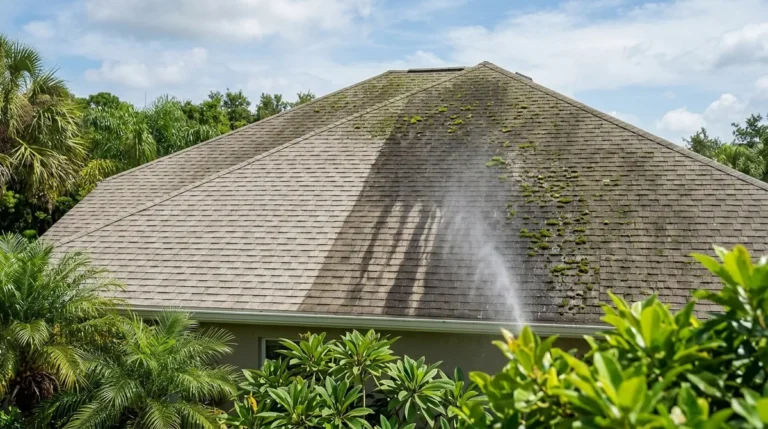
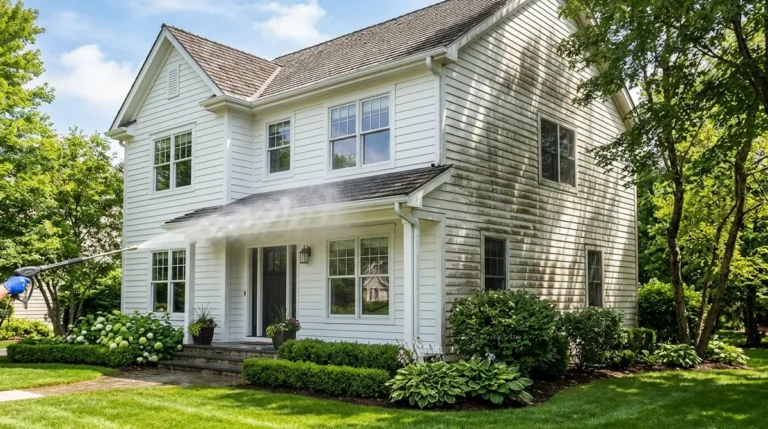
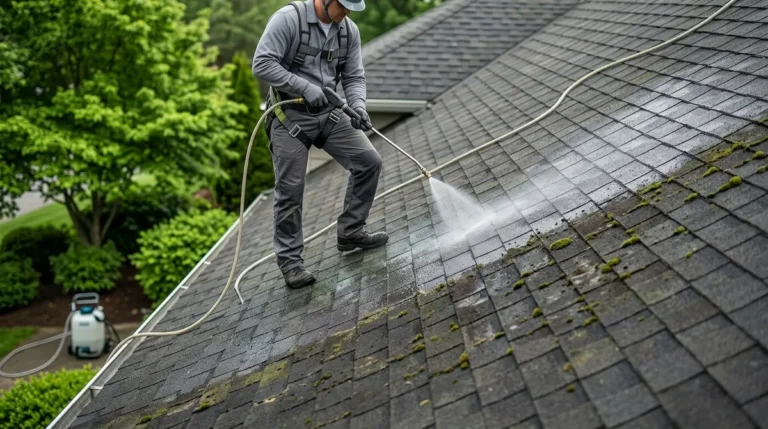
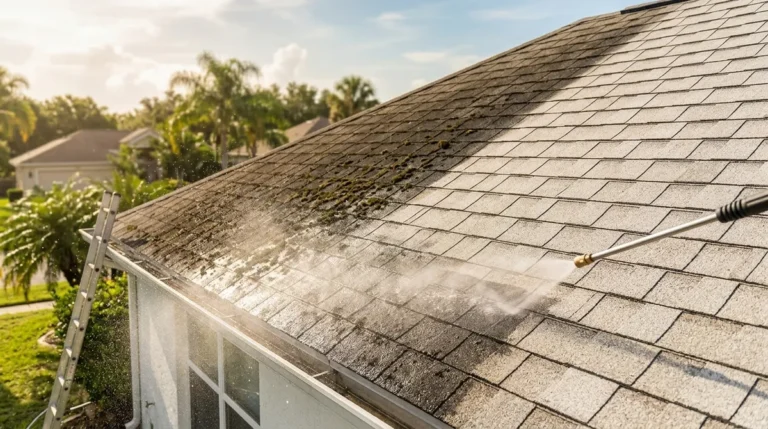
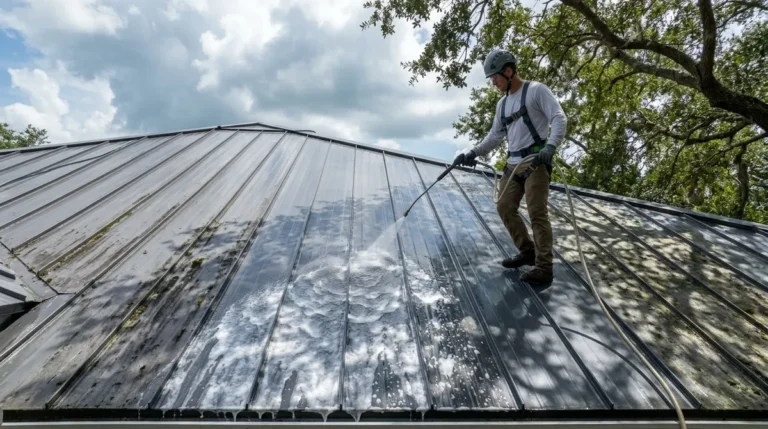
Soft washing, on the other hand, relies on specialized cleaning solutions combined with low-pressure water application to gently remove contaminants without risking surface damage. This method is particularly effective against organic growth like algae, mold, and mildew that pressure alone cannot eliminate. According to the Centers for Disease Control and Prevention, proper mold and mildew removal from exterior surfaces is essential for maintaining a healthy living environment. Professional companies like Buckhorn Power Wash typically assess your home’s specific needs and use the appropriate method for each surface type, ensuring thorough cleaning without causing harm.
When to Use Pressure Washing vs. Soft Washing
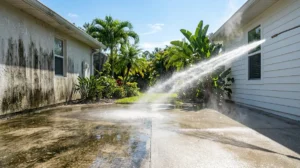
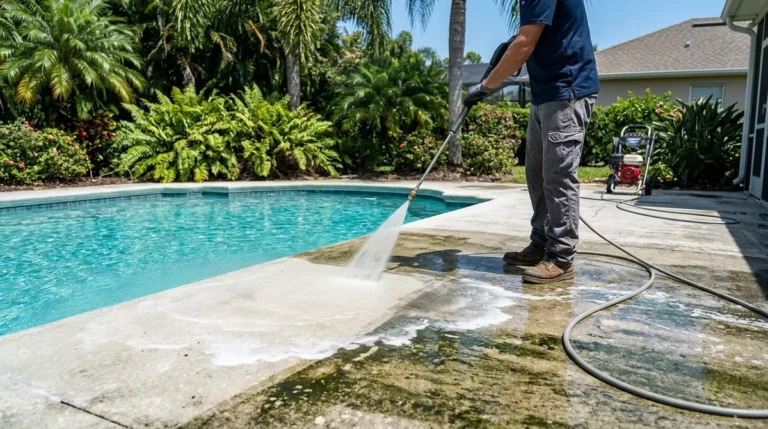
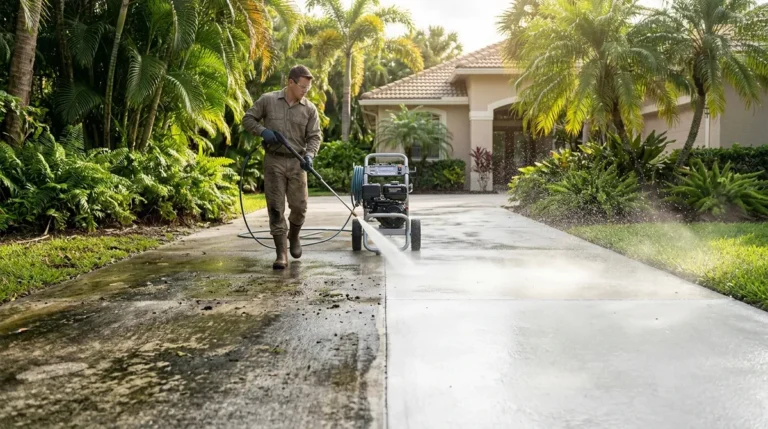
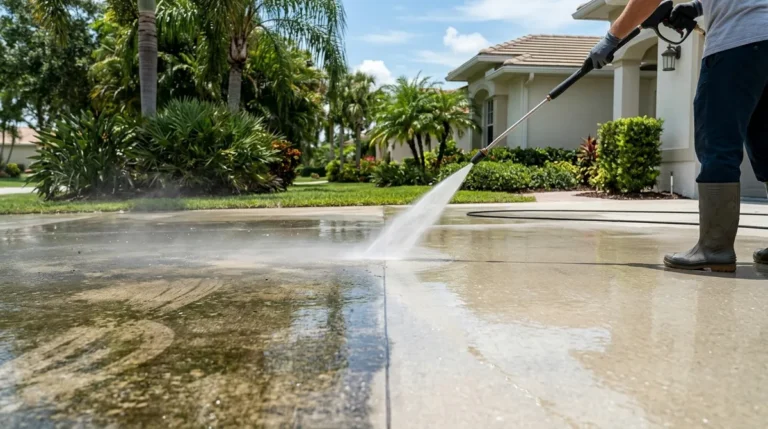
Knowing which method suits your home’s surfaces can prevent costly repairs down the line. Pressure washing works best on hard, durable materials that can withstand high PSI (pounds per square inch) without sustaining damage. Concrete walkways, stone foundations, and brick exterior walls are ideal candidates for pressure washing because they can handle the force required to blast away deeply embedded dirt and stains.
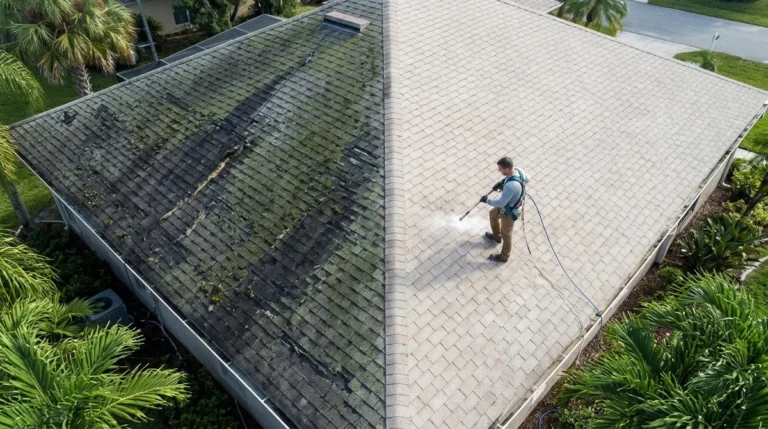
Conversely, soft washing should be your go-to method for virtually all siding materials, including vinyl, aluminum, wood, and fiber cement. Roofs, windows, painted surfaces, and any areas with organic growth also benefit from soft washing techniques. The biodegradable cleaning solutions used in soft washing not only clean the surface but also kill the root systems of algae and mold, providing longer-lasting results than pressure washing alone. When searching for “house washing near me,” prioritize companies that offer both methods and can explain which approach they’ll use for your specific home type.
The Real Cost of House Washing Services

Understanding pricing structures helps you budget appropriately and identify unreasonably high or suspiciously low quotes. House washing costs typically range from $0.25 to $0.75 per square foot, depending on your location, home size, and the extent of cleaning required. A standard 2,000-square-foot home might cost between $300 and $600 for a complete exterior wash, while larger properties or homes requiring additional services like roof cleaning will naturally fall on the higher end of the spectrum.
Several factors influence the final price beyond just square footage. The condition of your home’s exterior plays a significant role—heavily soiled surfaces covered in years of accumulated grime will require more time and cleaning solution than a home that receives regular maintenance. Accessibility issues, such as steep slopes, extensive landscaping that must be protected, or difficult-to-reach areas, can also increase costs. Height is another consideration, as two-story or three-story homes require additional equipment and safety measures. Reputable companies provide transparent pricing without hidden fees, and businesses like Buckhorn Power Wash offer straightforward quotes so you know exactly what to expect before work begins.
Red Flags in House Washing Quotes
Being aware of warning signs can help you avoid unreliable service providers. Extremely low prices that seem too good to be true often are—they may indicate corner-cutting, inadequate insurance coverage, or inexperienced technicians who could damage your property. On the flip side, excessively high quotes without clear justification for premium pricing should also raise concerns. Ask for detailed, itemized estimates that break down labor, materials, and any additional services.
Pressure tactics are another red flag. If a company insists you must sign immediately to lock in a special price or creates artificial urgency, proceed with caution. Legitimate businesses understand that homeowners need time to make informed decisions and compare options. Additionally, be wary of companies that cannot provide proof of insurance or references from previous customers. A professional house washing service will readily share this information and stand behind their work with satisfaction guarantees.
Essential Questions to Ask Before Hiring

Asking the right questions protects you from substandard work and potential liability issues. Start with insurance and licensing inquiries. Always verify that the company carries both general liability insurance and workers’ compensation coverage. General liability protects your property if something goes wrong during the cleaning process, while workers’ compensation ensures you’re not held responsible if a technician is injured on your property. Request to see current certificates of insurance—any reputable company will provide these without hesitation.
Next, inquire about their specific cleaning process for your home type. A knowledgeable contractor should be able to explain which surfaces they’ll pressure wash versus soft wash, what cleaning solutions they use, and how they protect your landscaping, windows, and other vulnerable areas. Ask about their experience level and how long they’ve been in business. While newer companies aren’t necessarily problematic, established businesses with years of experience typically have refined processes and a track record you can verify through online reviews and references.
Understanding Equipment and Safety Standards
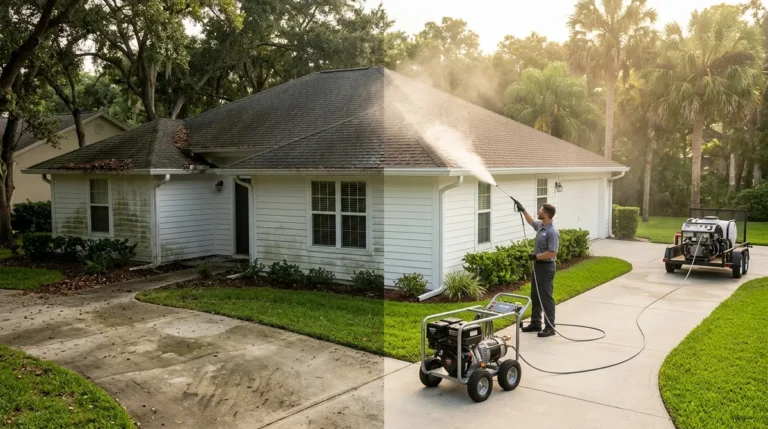
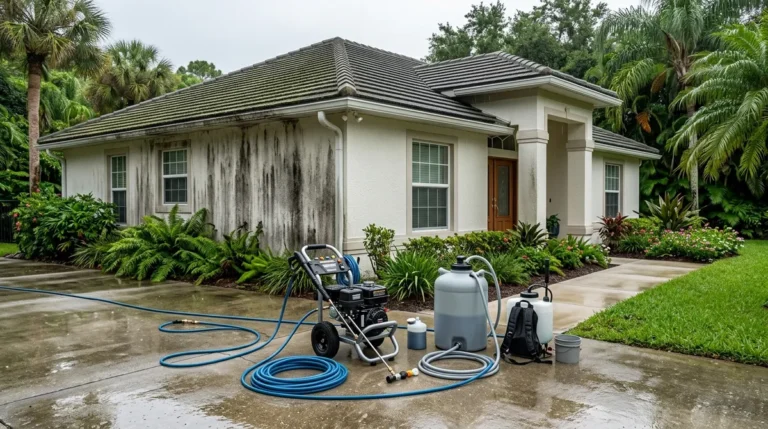
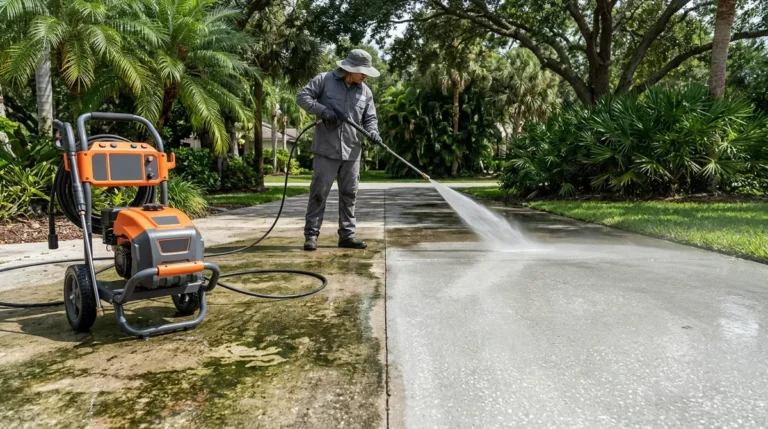
Professional equipment makes a significant difference in results and safety. Ask what type of equipment the company uses and whether it’s commercial-grade. Professional house washing requires specialized pressure washers with adjustable PSI settings, appropriate nozzles for different surfaces, and quality soft washing systems with chemical injectors. Companies using consumer-grade equipment from hardware stores may not achieve the same thorough, safe results as those investing in professional tools.
Safety standards extend beyond equipment to include proper training and protocols. Inquire whether technicians receive ongoing training in safety procedures and cleaning techniques. The Occupational Safety and Health Administration provides guidelines for safe power washing practices, and professional companies should be familiar with these standards. Additionally, ask how they protect your property during the cleaning process, including measures to safeguard plants, outdoor furniture, electrical fixtures, and entry points where water could potentially infiltrate your home.
Seasonal Considerations for House Washing

Timing your house washing service can impact both results and convenience. Spring and fall are typically the most popular seasons for exterior cleaning, as temperatures are moderate and weather conditions are generally favorable. Spring cleaning removes the accumulated dirt, pollen, and grime from winter months, giving your home a fresh appearance as you enter the warmer season. Fall cleaning prepares your home for winter by removing organic growth that could worsen during cold, damp months and cause long-term damage.
Summer house washing offers the advantage of faster drying times due to warm temperatures and longer daylight hours, though extreme heat can sometimes cause cleaning solutions to dry too quickly on surfaces. Winter washing is possible in many climates, particularly in regions like Hillsborough County where temperatures rarely drop to freezing, but cold weather can limit cleaning solution effectiveness and create scheduling challenges. According to the Environmental Protection Agency, addressing mold and mildew growth promptly, regardless of season, is important for maintaining both property value and health standards.
How Often Should You Schedule House Washing?
Regular maintenance extends the life of your home’s exterior and prevents costly repairs. Most experts recommend professional house washing every 12 to 18 months for typical residential properties. However, this frequency can vary based on several factors. Homes located near busy roads accumulate airborne pollutants more quickly and may benefit from annual cleaning. Properties surrounded by trees or vegetation often develop more algae and mildew growth due to reduced sunlight and increased moisture, potentially requiring more frequent attention.
Coastal properties face additional challenges from salt spray and humidity, which can accelerate deterioration and discoloration. In these environments, annual or even biannual cleaning may be necessary. Conversely, homes in arid climates with minimal vegetation might extend the interval between cleanings to two years. Pay attention to visible signs that it’s time for cleaning: green or black streaks on siding, visible dirt buildup, or areas where the original color of your home’s exterior is no longer apparent. Establishing a regular cleaning schedule with a trusted provider ensures your home always looks its best and prevents minor issues from becoming major problems.
The Environmental Impact of House Washing
Environmentally responsible house washing practices protect local ecosystems and water quality. Traditional pressure washing often uses only water, which seems environmentally friendly, but this approach frequently proves inadequate for organic growth and can require excessive water volume to achieve results. The runoff from pressure washing carries dirt, grime, and loosened contaminants into storm drains, potentially affecting local waterways. Professional soft washing uses significantly less water—often 50-75% less than traditional pressure washing—making it the more sustainable choice for most applications.
The cleaning solutions used in professional house washing vary widely in their environmental impact. Eco-conscious companies prioritize biodegradable, phosphate-free detergents that break down naturally without harming plants, animals, or aquatic life. These solutions effectively eliminate algae, mold, and mildew while being safe for the surrounding environment. When interviewing potential service providers, ask specifically about their environmental practices and the types of cleaning agents they use. Companies committed to sustainability will readily discuss their eco-friendly approach and explain how they protect your landscaping during the cleaning process.
Protecting Your Landscaping During Cleaning
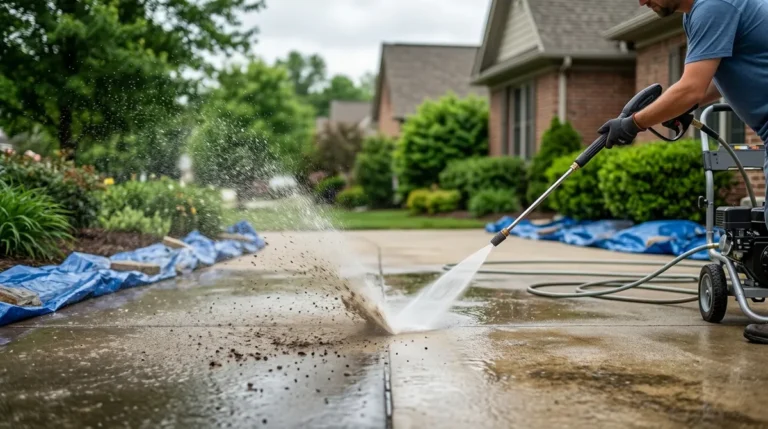
Professional house washing shouldn’t come at the expense of your carefully maintained gardens and lawns. Reputable companies take proactive steps to protect vegetation before beginning work. This typically includes pre-wetting plants and grass with fresh water to saturate them and minimize absorption of cleaning solutions, covering delicate plants with tarps or plastic sheeting, and rinsing all vegetation thoroughly after completing the washing process. Some professionals even apply plant-safe neutralizing agents to ensure no residual cleaning solution remains on foliage.
Additionally, proper technique prevents soil erosion and root damage from high-pressure water streams. Experienced technicians maintain appropriate distances from plantings and use lower pressure settings near landscaped areas. If you have particularly valuable or sensitive plants, communicate this to your service provider before they begin work. They should be willing to take extra precautions to ensure your entire property—not just your home’s exterior—looks better after their visit. For homeowners in Hillsborough County seeking environmentally responsible services, Buckhorn Power Wash combines effective cleaning with landscape-safe practices and transparent communication throughout the process.
What to Expect During and After Service
Understanding the house washing process helps you prepare your property and know what constitutes normal procedure. Before the technicians arrive, you’ll typically receive confirmation of your appointment time and any preparation instructions. Most companies ask that you close all windows and doors, remove or cover outdoor furniture and decorations, and ensure pets are safely indoors. The actual washing process duration varies based on home size and condition but generally takes between two to four hours for an average single-family residence.
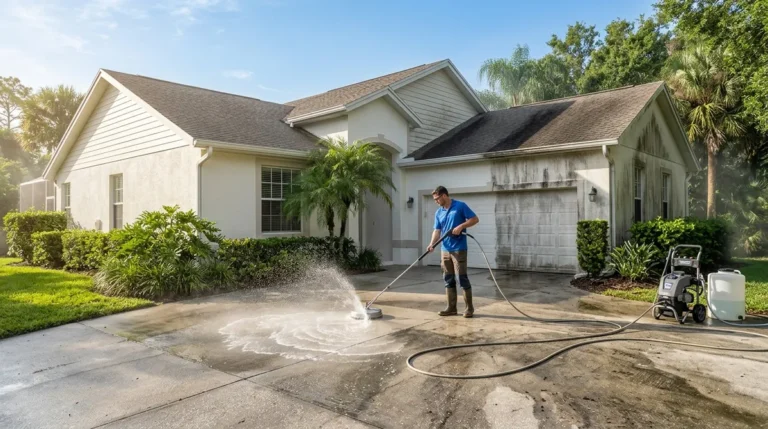
During the service, you’ll notice technicians working methodically around your home, often starting from the top and working downward to prevent streaking and ensure thorough coverage. They’ll adjust their approach for different surfaces, spending more time on heavily soiled areas and taking care around windows, doors, and fixtures. The noise level depends on the equipment used—pressure washers produce noticeable sound, while soft washing systems operate more quietly. You may notice a slight detergent smell during and immediately after cleaning, which dissipates as surfaces dry.
Post-Cleaning Inspection and Maintenance
After the cleaning is complete, conduct a thorough walk-around inspection with the technician. This is your opportunity to point out any areas that need additional attention or didn’t meet your expectations. Professional companies stand behind their work and will address any concerns before leaving your property. Most surfaces dry within a few hours, depending on weather conditions, with full curing of cleaning solutions typically occurring within 24 to 48 hours. You’ll notice that organic growth like algae continues to fade for several days after treatment as the cleaning solution completes its work.
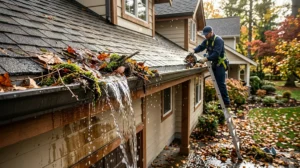
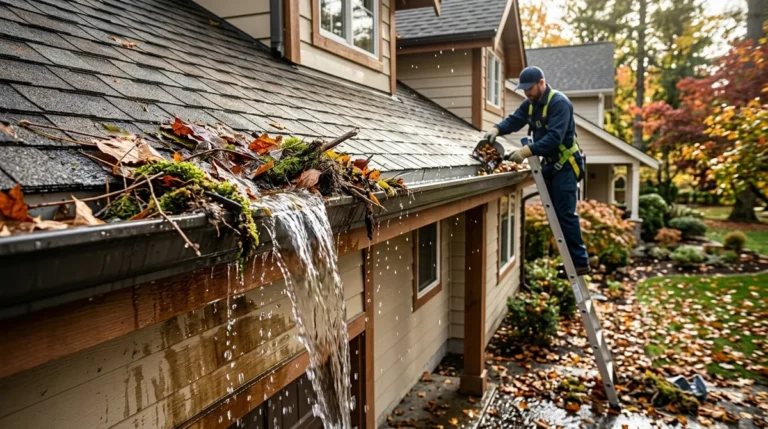
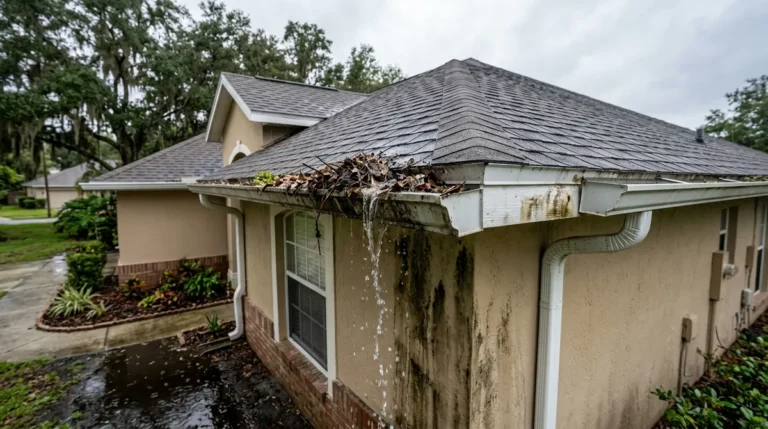
To maintain your freshly cleaned exterior, consider implementing simple ongoing maintenance practices. Trim vegetation away from your home’s exterior to improve air circulation and reduce moisture retention. Clean gutters regularly to prevent overflow that can streak down siding. Address any water drainage issues that cause excessive moisture against your home’s foundation. These small efforts between professional cleanings can significantly extend the time before your next service is needed and help preserve your home’s appearance and structural integrity for years to come.
Verifying Credentials and Reviews
Due diligence in researching house washing companies protects you from scams and poor workmanship. Start by checking online reviews across multiple platforms. While Google reviews provide valuable insights, also consult platforms like Yelp, the Better Business Bureau, and specialized home service websites. Look for patterns in feedback rather than focusing on individual reviews—consistent praise for professionalism, quality work, and fair pricing indicates a reliable company, while repeated complaints about the same issues should raise red flags.
Verify business credentials beyond online reviews. Check that the company has a legitimate business license in your area and confirm their insurance coverage is current. Many states have contractor licensing boards where you can verify credentials and check for complaints or disciplinary actions. Don’t hesitate to ask for references from recent customers, particularly those with homes similar to yours in size and style. A confident, established company will gladly provide this information. For added peace of mind, check whether they maintain a professional business profile—for instance, you can visit Buckhorn Power Wash on Google to see verified customer reviews and photos of completed projects.
Understanding Service Guarantees and Warranties
Satisfaction guarantees demonstrate a company’s confidence in their work quality. Many professional house washing services offer some form of guarantee, whether it’s a commitment to return and address any missed spots or a warranty on the longevity of their cleaning results. Read the terms carefully to understand what’s covered and for how long. Some companies guarantee their soft washing treatments will prevent organic growth from returning for a specified period, typically six months to a year, and will retreat affected areas at no charge if growth reappears sooner.
Be wary of companies that offer no guarantees or warranties whatsoever, as this may indicate a lack of confidence in their methods or unwillingness to stand behind their work. However, also understand the limitations—guarantees typically don’t cover new dirt accumulation or issues caused by homeowner actions. Ask specific questions about what happens if you’re not satisfied with the results, whether there are any additional charges for callback visits, and what documentation process exists if you need to invoke the guarantee. Clear, written guarantees provide protection and peace of mind that your investment is worthwhile.
Searching for “house washing near me” is just the first step in maintaining your home’s exterior beauty and structural integrity. By understanding the different cleaning methods, asking the right questions, verifying credentials, and setting realistic expectations, you can confidently select a service provider who will deliver exceptional results while protecting your property and the environment. Regular professional house washing not only enhances curb appeal but also prevents long-term damage from organic growth and accumulated grime, ultimately preserving your home’s value and your family’s comfort. Don’t wait until your home’s exterior shows severe deterioration—proactive maintenance is always more cost-effective than reactive repairs.
Ready to transform your home’s appearance with professional house washing services in Hillsborough County? Get an Instant Quote from Buckhorn Power Wash today and experience the difference that transparent pricing, expert techniques, and customer-focused service can make. Your home deserves to look its absolute best, and the right professional team can make that happen safely, effectively, and affordably.
FAQs
Q: How much does professional house washing typically cost?
A: Professional house washing generally costs between $0.25 and $0.75 per square foot, meaning a standard 2,000-square-foot home typically ranges from $300 to $600. The final price depends on factors such as your home’s condition, accessibility, height, and the specific cleaning methods required. Always request detailed, itemized quotes from multiple providers to ensure fair pricing and transparent service.
Q: What’s the difference between pressure washing and soft washing?
A: Pressure washing uses high-pressure water streams to remove dirt and grime from durable surfaces like concrete and brick, while soft washing employs specialized cleaning solutions with low-pressure water to gently clean delicate surfaces like vinyl siding and roofs. Soft washing is more effective against organic growth such as algae and mold because it kills the root systems rather than just blasting away surface stains. Professional companies assess your home and use the appropriate method for each surface type.
Q: How often should I have my house professionally washed?
A: Most homes benefit from professional house washing every 12 to 18 months, though this varies based on environmental factors. Homes near busy roads, surrounded by vegetation, or in coastal areas may require more frequent cleaning due to increased pollutants, organic growth, or salt spray. Visible signs like green or black streaks on siding, dirt accumulation, or color changes indicate it’s time for cleaning regardless of schedule.
Q: Will house washing damage my landscaping or plants?
A: Professional house washing services take proactive measures to protect your landscaping, including pre-wetting plants with fresh water, covering delicate vegetation, and thoroughly rinsing all greenery after cleaning. Reputable companies use biodegradable, plant-safe cleaning solutions and maintain appropriate water pressure and distance from landscaped areas. When hiring a service, specifically ask about their landscape protection protocols to ensure your property is in good hands.
Q: What should I do to prepare my home for house washing?
A: Preparation typically includes closing all windows and doors, removing or covering outdoor furniture and decorations, and ensuring pets are safely indoors during service. Clear pathways around your home for technician access and communicate any concerns about delicate plants or specific areas requiring special attention. Most professional companies provide a preparation checklist when confirming your appointment to ensure everything goes smoothly on service day.