Key Takeaways
-
Pressure washing restores fence beauty safely when done with correct techniques and appropriate pressure for each material type.
-
Inspect fence for damage before washing, and pre-treat with specialized cleaning solution to break down organic growth effectively.
-
Use low to medium pressure settings based on fence material: wood 500-1200 PSI, vinyl 1300-1800 PSI, metal 2000-3000 PSI.
-
Maintain proper distance (12-18 inches) and angle (45 degrees) while washing to prevent surface damage and ensure even cleaning.
-
Work in manageable sections, thoroughly rinsing each area to prevent streaking and residue buildup on the fence.
-
Professional services offer superior results, safety, and time savings compared to DIY pressure washing attempts.
-
Apply protective coatings after washing and perform regular light maintenance to extend fence life and appearance.
Fences take a beating from Florida’s intense sun, frequent rain, and humidity. Over time, dirt, mold, mildew, and algae build up, making your fence look worn and faded. You might be wondering how to clean it without causing damage. The good news is that pressure washing your fence can restore its beauty quickly and safely when done correctly. Whether you have wood, vinyl, or metal fencing, understanding the right techniques makes all the difference between a sparkling clean fence and one that’s splintered or discolored.
Many homeowners in Hillsborough County struggle with maintaining their fences. Between work, family, and other commitments, finding time to scrub every panel seems impossible. That’s where professional pressure washing comes in. At Buckhorn Power Wash, we’ve cleaned countless fences across Tampa, Brandon, Valrico, Riverview, and Lithia. We know exactly how much pressure to use, which cleaning solutions work best, and how to protect your investment while making it look brand new again.
Understanding Different Fence Materials and Cleaning Needs
Not all fences are created equal. The material your fence is made from determines how you should clean it. Using the wrong pressure or technique can cause permanent damage, so let’s break down the most common fence types you’ll find in Florida neighborhoods.
Wood Fences
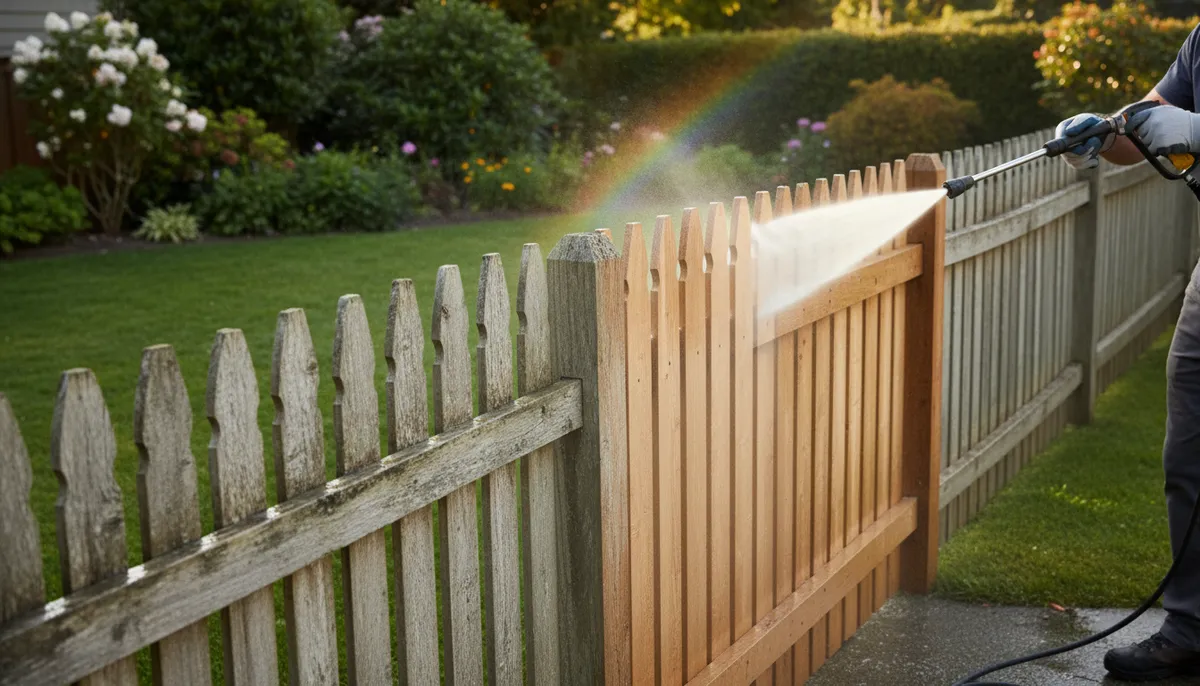
Wood fences are beautiful but delicate. They require the most careful approach because high pressure can splinter the wood, strip protective stains, or create furrows in the grain. Cedar, pine, and pressure-treated lumber all need gentle handling. The key is using low to medium pressure combined with the right cleaning solution.
Most wood fences do best with pressures between 500 and 1200 PSI. Anything higher risks damaging the soft wood fibers. You’ll also want to keep the nozzle at least 12 inches away from the surface and use a wide-angle spray pattern. This distributes the pressure evenly and prevents concentrated streams from gouging the wood.
Vinyl Fences
Vinyl fencing is more forgiving than wood but still requires attention. These fences can handle slightly higher pressure, usually between 1300 and 1800 PSI. The main concerns with vinyl are avoiding heat damage from staying in one spot too long and preventing water from getting behind the panels where it can cause warping.
Vinyl responds well to cleaning solutions designed to break down organic growth. Mold and mildew love to settle into the textured surface of vinyl fencing, creating those dark streaks that make your fence look older than it is. A proper soft wash with eco-friendly detergents followed by a gentle rinse works wonders.
Metal Fences
Chain link, aluminum, and wrought iron fences are the toughest and can handle higher pressure washing. These materials typically tolerate 2000 to 3000 PSI without issue. The challenge with metal fences is rust prevention and making sure you don’t strip protective coatings.
For painted or powder-coated metal fences, you’ll want to reduce pressure to avoid peeling the finish. Bare metal can take more aggressive cleaning but may need rust treatment afterward. Always inspect metal fences for rust spots before and after cleaning.
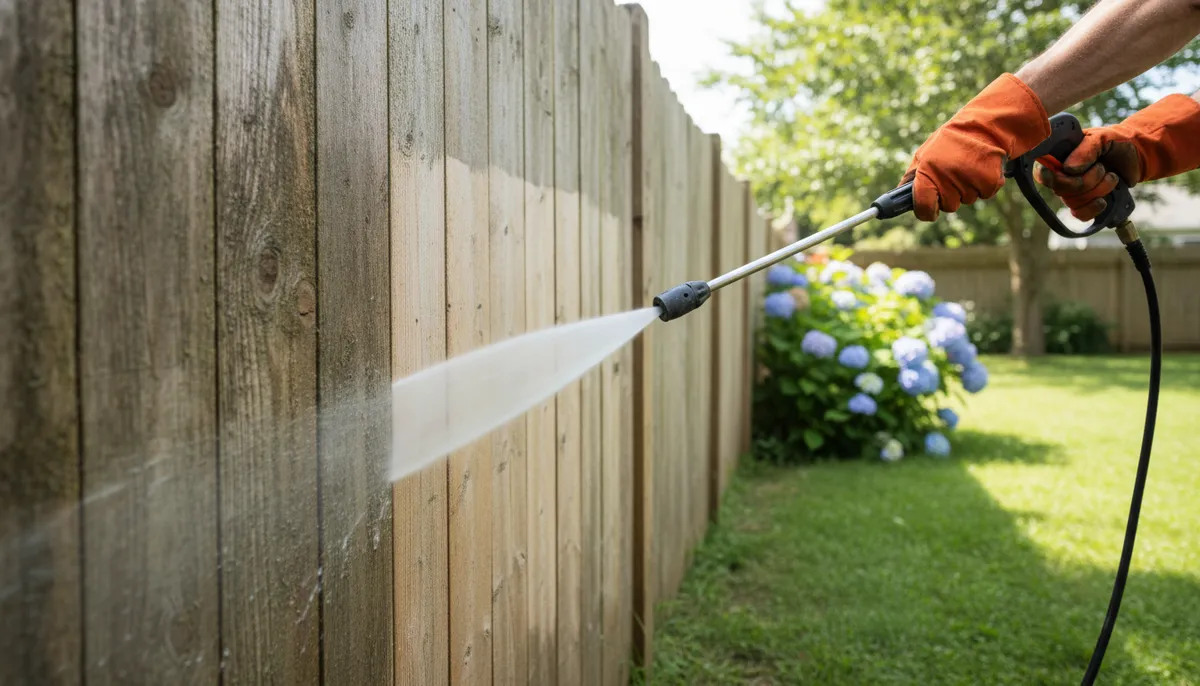
Step-by-Step Process for Pressure Washing Your Fence
Proper preparation and technique make fence washing safe and effective. Follow these steps to achieve professional results without the risk of damage.
1. Clear the Area
Start by removing anything near your fence. Move planters, outdoor furniture, toys, and decorations at least five feet away. Trim back any bushes or plants growing against the fence. This gives you clear access and prevents plants from getting damaged by cleaning solutions or high-pressure spray.
2. Inspect for Damage
Walk along your entire fence looking for loose boards, rusted fasteners, broken slats, or wobbly posts. Mark any problem areas with tape. Pressure washing can worsen existing damage, so make repairs first. Check for insect nests, especially wasp nests in the corners and under the top rail.
3. Pre-Treat with Cleaning Solution
Apply an appropriate cleaning solution to the entire fence. For wood, use a mild detergent designed for exterior surfaces. For vinyl and metal, you can use slightly stronger mold and mildew removers. Let the solution sit for 10 to 15 minutes. This dwell time allows the cleaner to break down organic growth, making the actual washing easier and more effective.
Professional services like Buckhorn Power Wash use specialized, eco-friendly solutions that won’t harm your landscaping or pets. These professional-grade products work faster and more thoroughly than off-the-shelf cleaners.
4. Start with Low Pressure
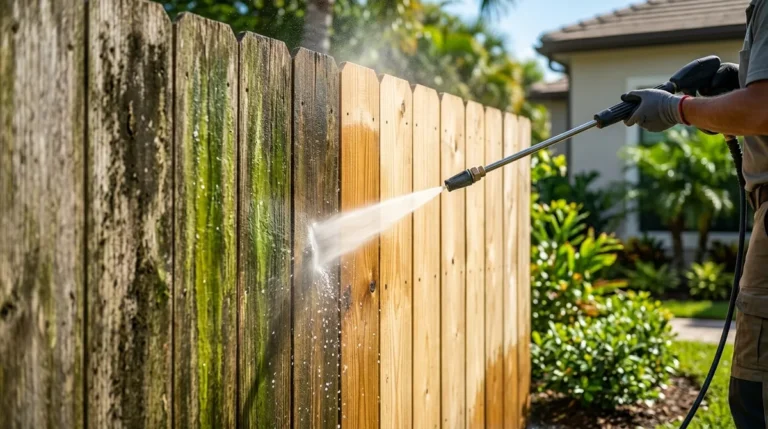
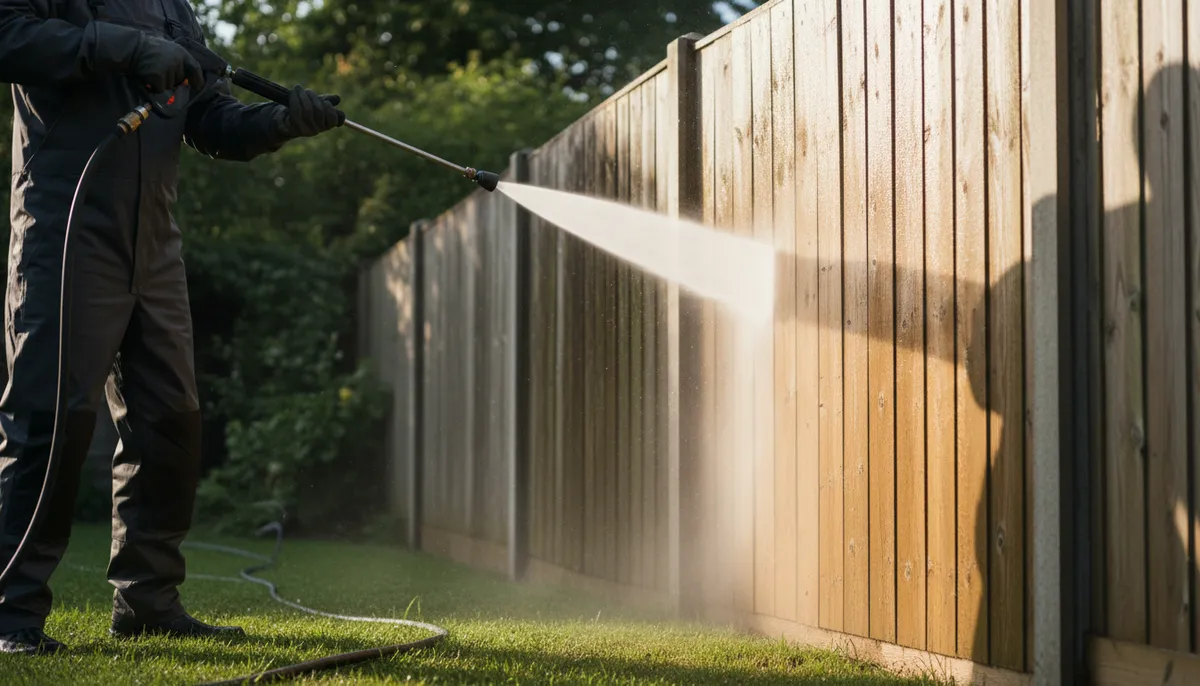
Begin washing at the lowest effective pressure setting. You can always increase pressure if needed, but you can’t undo damage from starting too high. Hold the wand at a 45-degree angle to the fence surface, about 12 to 18 inches away. Move in smooth, sweeping motions following the grain of the wood or the direction of the slats.
5. Work in Sections
Divide your fence into manageable sections, about 4 to 6 feet wide. Complete one section entirely before moving to the next. This ensures even cleaning and prevents the cleaning solution from drying on the surface, which can leave streaks or residue.
6. Rinse Thoroughly
After cleaning each section, rinse it completely with clean water. Start from the top and work your way down. This prevents dirty water from streaking over already-clean areas. Make sure all cleaning solution is removed, as residue can attract dirt faster and may discolor some fence materials over time.
|
Fence Type |
Recommended PSI |
Best Nozzle Type |
Special Considerations |
|---|---|---|---|
|
Wood (Cedar, Pine) |
500-1200 PSI |
40° Wide Angle |
Keep distance, follow grain |
|
Vinyl/PVC |
1300-1800 PSI |
25° or 40° |
Avoid seams and edges |
|
Chain Link |
2000-3000 PSI |
15° or 25° |
Watch for rust development |
|
Aluminum |
1500-2500 PSI |
25° |
Protect powder coating |
|
Wrought Iron |
2000-3000 PSI |
15° or 25° |
Treat rust immediately after |
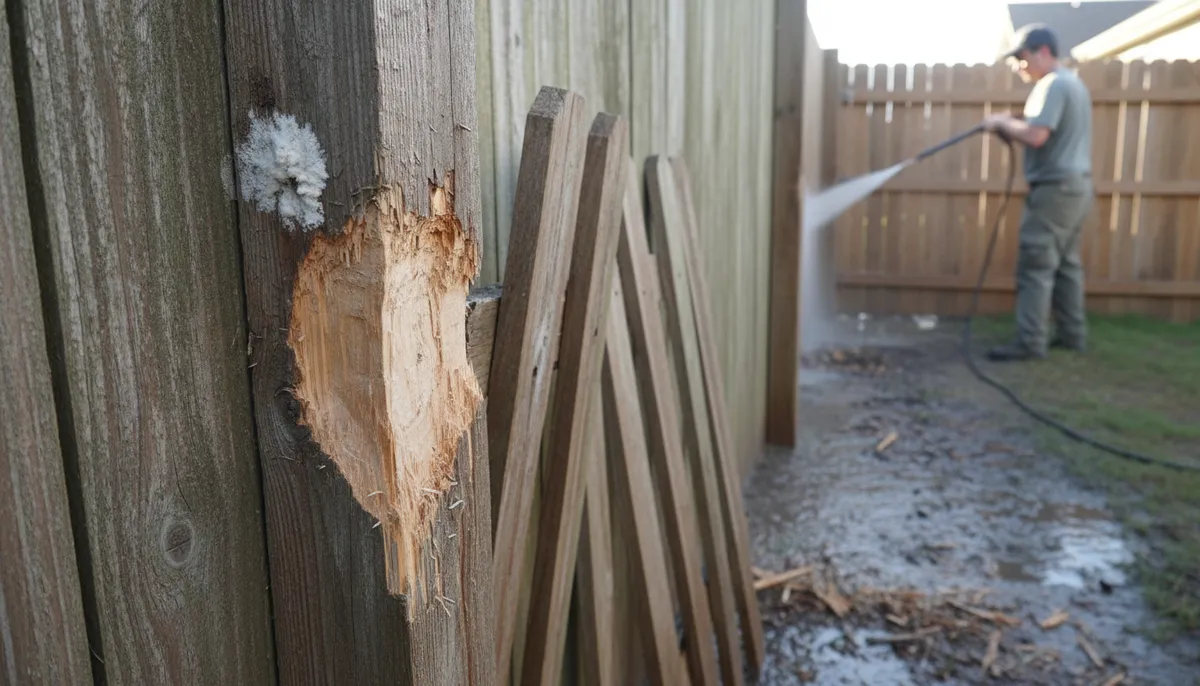
Common Mistakes That Damage Fences
Even with good intentions, it’s easy to make errors that harm your fence. Here are the most common mistakes homeowners make when pressure washing their fences.
Using Too Much Pressure
This is the number one fence-damaging mistake. Many people think more pressure equals better cleaning, but that’s not true. Excessive pressure splinters wood, cracks vinyl, and strips paint. Start low and increase gradually only if necessary. Remember that the cleaning solution does most of the work, not the pressure.
Holding the Wand Too Close
Getting too close concentrates the water stream into a small area, increasing the effective pressure dramatically. This creates divots in wood, leaves wand marks on vinyl, and can even punch through thin materials. Always maintain at least 12 inches of distance, and increase to 18 or 24 inches for delicate surfaces.
Ignoring Weather Conditions
Washing your fence in direct sunlight causes cleaning solutions to dry too quickly, leaving streaks and reducing effectiveness. Wind can blow spray onto areas you don’t want wet, like windows or electrical outlets. The best time to wash a fence is on a cloudy day with mild temperatures and no wind.
Spraying Against the Grain
For wood fences, always spray with the grain, not against it. Spraying perpendicular to the wood grain forces water between the fibers, causing swelling and splintering. This also drives water deeper into the wood, which can lead to rot and mold growth inside the boards.
Skipping the Pre-Treatment
Jumping straight to pressure washing without applying a cleaning solution first means you’ll need to use higher pressure to remove stubborn stains. The pre-treatment loosens dirt and kills organic growth, making the washing process gentler and more effective. Never skip this crucial step.
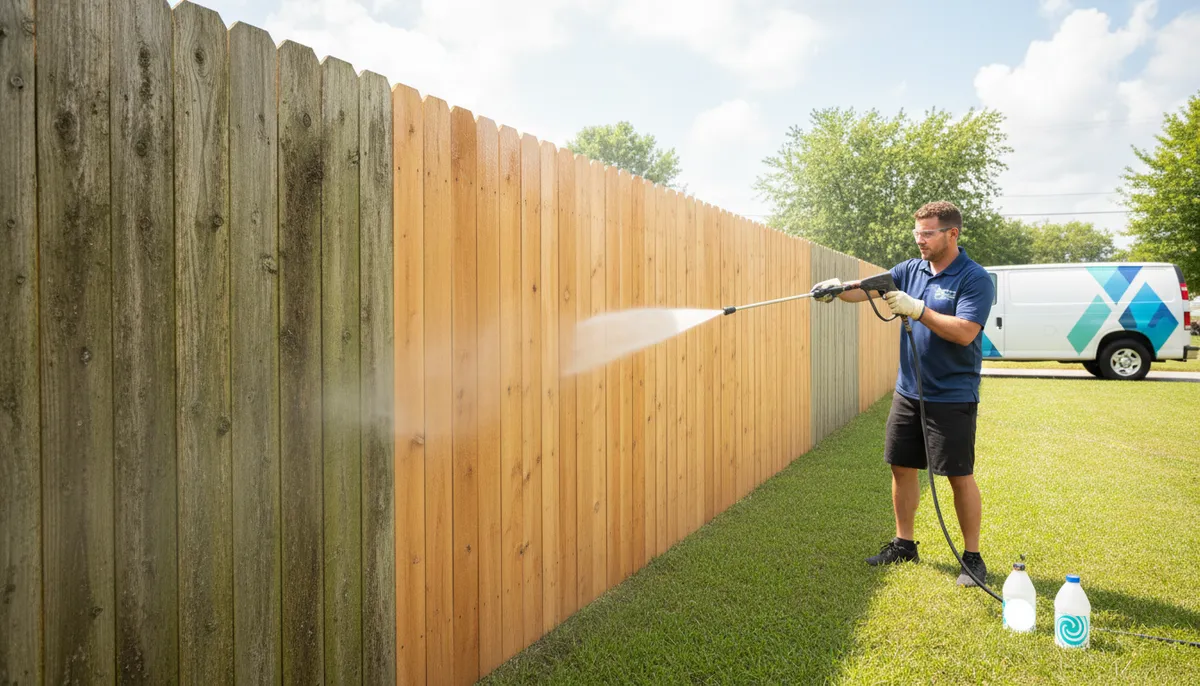
Benefits of Professional Fence Washing Services
While DIY fence washing is possible, hiring professionals offers significant advantages. Here’s why many Hillsborough County homeowners choose professional services.
Proper Equipment and Expertise
Professional pressure washing companies have commercial-grade equipment with precise pressure controls. They own multiple nozzles, specialized attachments, and professional cleaning solutions not available to consumers. More importantly, they have experience knowing exactly which settings work for each fence type.
At Buckhorn Power Wash, our team has cleaned thousands of fences across Tampa Bay. We’ve seen every type of stain, material, and damage pattern. This experience means we can clean your fence faster, more thoroughly, and more safely than most homeowners can on their own.
Time Savings
Washing a fence properly takes hours, even for experienced DIYers. You need to gather equipment, mix solutions, do the actual washing, clean up, and put everything away. For most people, this consumes an entire weekend. Professional services complete the same job in a fraction of the time, freeing you to enjoy your weekend instead of working through it.
Safety Considerations
Pressure washers are powerful tools that can cause serious injuries. Every year, thousands of people visit emergency rooms with pressure washer injuries, from deep cuts to eye damage. Professionals are trained in safe operation, wear protective gear, and carry insurance. You avoid the risk entirely by hiring experts.
Better Results
Professional fence washing delivers superior results. Experts know how to remove stubborn stains like rust, tannin bleeding, and deep-set mold that resist DIY efforts. They achieve consistent cleaning across the entire fence with no missed spots or pressure marks. Your fence will look better and stay cleaner longer.
Preparing Your Fence for Pressure Washing
Proper preparation ensures the best results and prevents problems during the washing process. Here’s what you need to do before the first drop of water touches your fence.
-
Remove all hanging decorations, address numbers, and mailboxes attached to the fence
-
Trim vegetation back at least 12 inches from the fence line on both sides
-
Cover nearby electrical outlets, light fixtures, and outdoor speakers with plastic and tape
-
Move or cover any outdoor furniture, grills, or equipment within 10 feet of the fence
-
Notify neighbors if you share a fence line so they can move items on their side
-
Check and repair any loose boards, broken slats, or damaged posts before washing begins
When to Call a Professional Instead of DIY
Sometimes it makes more sense to hire professionals than tackle the job yourself. Here are situations where calling experts is the smarter choice.
Large Fence Sections
If your fence encloses a large yard or runs along a long property line, the job becomes overwhelming for one person. Renting equipment for multiple days costs nearly as much as professional service, and the physical effort required is substantial. For fences over 100 linear feet, professional service usually makes more financial and practical sense.
Delicate or Damaged Fences
Older fences, those with existing damage, or high-end custom fences require expert handling. One wrong move can turn minor damage into expensive repairs. Professionals know how to work around problem areas and can identify issues you might miss. They’ll tell you if your fence needs repairs before washing to prevent making damage worse.
Persistent Staining Problems
Some stains resist standard cleaning methods. Rust stains on vinyl, tannin bleeding on wood, or paint overspray require special treatments and techniques. Professional services have access to industrial cleaners and specialized equipment designed for stubborn problems. If you’ve tried cleaning your fence yourself without success, professionals can usually solve the problem.
Time Constraints
If you need your fence cleaned quickly for an event, showing your home to buyers, or meeting HOA requirements, professional service guarantees timely completion. Most companies can schedule service within a few days and complete the job in one visit. This reliability is worth the investment when you’re working against a deadline.
Looking for trusted house washing and fence cleaning services in Hillsborough County? We’re here to help with all your exterior cleaning needs.
Maintaining Your Fence After Pressure Washing
A freshly cleaned fence looks amazing, but proper maintenance keeps it looking great longer. Here’s how to protect your investment after washing.
Let It Dry Completely
After washing, give your fence at least 48 hours to dry thoroughly before applying any sealers or stains. For wood fences in humid Florida weather, you might need 72 hours or more. The wood should feel completely dry to the touch with no dark water marks visible. Moisture trapped under sealant leads to peeling, bubbling, and wood rot.
Apply Protective Coatings
Wood fences benefit enormously from sealing or staining after cleaning. The pressure washing opens the wood pores, making it more receptive to protective products. A good quality sealant or stain protects against UV damage, moisture, and mold growth. This extends the time between cleanings and helps your fence last longer.
Regular Light Cleaning
Between deep cleanings, use a garden hose and soft brush to remove surface dirt and debris. This simple maintenance prevents buildup that requires aggressive pressure washing. A quick rinse every few months keeps your fence looking fresh and can extend the time between professional cleanings from one year to two or even three years.
Monitor for Problems
After cleaning, it’s easier to spot developing issues like rot, rust, or insect damage. Check your fence seasonally for problems. Catching issues early prevents small problems from becoming expensive repairs. Look for dark spots on wood (possible rot), white powder on metal (corrosion), and cracks or warping in vinyl.
|
Maintenance Task |
Frequency |
Benefits |
|---|---|---|
|
Light hose rinse |
Every 2-3 months |
Prevents buildup, extends deep cleaning intervals |
|
Professional pressure wash |
Every 1-2 years |
Deep cleaning, removes embedded stains and growth |
|
Seal/stain application (wood) |
Every 2-3 years |
UV protection, moisture barrier, enhanced appearance |
|
Inspection for damage |
Quarterly |
Early problem detection, prevents major repairs |
Cost Considerations for Fence Pressure Washing
Understanding the costs involved helps you make informed decisions about DIY versus professional service. Let’s break down what you can expect to invest in fence cleaning.
DIY Equipment Costs
Renting a pressure washer typically costs $50 to $100 per day, plus a deposit. You’ll also need to buy or rent proper nozzles, cleaning solutions, safety gear, and possibly extension hoses. For a weekend project, expect to spend $75 to $150 on rental and supplies. If you buy equipment, entry-level pressure washers start around $200, but quality units capable of safe fence cleaning run $300 to $600.
Professional Service Investment
Professional fence washing pricing varies based on fence length, height, material, and condition. Most companies charge by linear foot, with prices ranging from $1 to $3 per linear foot for standard residential fences. A typical 200-foot fence costs between $200 and $600 to have professionally cleaned. This includes all labor, equipment, insurance, and cleaning solutions.
Long-Term Value
Regular fence cleaning protects your investment. A well-maintained fence lasts 25% to 50% longer than a neglected one. For a $5,000 fence, spending $300 every two years on professional cleaning could save you thousands in premature replacement costs. Clean fences also boost curb appeal and property value, important considerations if you plan to sell your home.
Many homeowners also invest in driveway and concrete cleaning when they schedule fence washing, creating a complete exterior refresh that maximizes the impact on curb appeal.
Seasonal Considerations for Fence Washing in Florida
Florida’s climate creates unique challenges and opportunities for fence maintenance. Understanding seasonal factors helps you time your cleaning for best results.
Spring Cleaning Benefits
Spring is ideal for fence washing in Florida. The weather is mild with moderate humidity, and you’re cleaning away winter buildup before summer heat arrives. Spring cleaning also prepares your fence for outdoor entertaining season. Many professionals see high demand in March and April, so schedule early to get your preferred date.
Summer Challenges
Summer brings intense heat and frequent afternoon thunderstorms. These conditions make fence washing less pleasant and sometimes less effective. Cleaning solutions dry too quickly in hot sun, and sudden storms can interrupt the job. However, summer is when mold and mildew grow fastest, so your fence may need mid-season attention if it wasn’t cleaned in spring.
Fall Preparation
Fall cleaning removes summer growth and prepares your fence for cooler months. October and November offer comfortable working conditions and generally dry weather. This is an excellent time for wood fence owners to clean and apply fresh sealant before winter moisture arrives.
Winter Considerations
Florida’s mild winters make year-round fence cleaning possible, unlike northern climates. Cool temperatures actually help cleaning solutions work longer without evaporating. The main challenge is shorter days and occasional cold fronts. December and January typically see lower demand, which sometimes means better availability and pricing from professional services.
Environmental Impact and Eco-Friendly Practices
Responsible fence cleaning protects Florida’s environment while achieving excellent results. Here’s how to minimize your impact.
Water Conservation
Pressure washing uses less water than you might think. A standard garden hose flows at 5 to 10 gallons per minute, while pressure washers typically use 2 to 4 gallons per minute. The high pressure makes each gallon more effective. Professional equipment is even more efficient, with some units using as little as 1.5 gallons per minute while delivering superior cleaning power.
Biodegradable Cleaning Solutions
Modern eco-friendly cleaning products break down naturally and won’t harm your lawn, gardens, or local waterways. These plant-based solutions clean just as effectively as harsh chemicals without the environmental damage. At Buckhorn Power Wash, we use only environmentally safe detergents that are safe for pets, plants, and people.
Runoff Management
Proper fence washing directs runoff away from storm drains and waterways. Professionals use techniques to contain and control where wash water flows. This prevents contamination of local water systems with dirt, debris, and cleaning agents. For homeowners, the simplest approach is ensuring runoff flows into grassy areas where soil naturally filters it.
-
Choose biodegradable, phosphate-free cleaning solutions designed for exterior use
-
Avoid washing on windy days when spray can carry onto unintended areas
-
Use only the minimum pressure needed to achieve good results
-
Direct runoff toward grass or planted areas rather than driveways or storm drains
-
Time washing to avoid periods when neighbors are using outdoor spaces
-
Collect and properly dispose of debris loosened during washing
Signs Your Fence Needs Pressure Washing
How do you know when it’s time to clean your fence? Watch for these telltale signs.
Visible Discoloration
The most obvious sign is color change. Wood fences turn gray or black from mold and UV damage. Vinyl fences develop dark streaks from mildew. Metal fences show rust stains and oxidation. When your fence looks noticeably dirtier than it did a year ago, it’s time for cleaning.
Organic Growth
Green or black spots indicate algae or mold growth. These organisms thrive in Florida’s humidity and quickly spread across fence surfaces. Besides looking bad, organic growth holds moisture against fence materials, accelerating deterioration. Address it promptly to protect your fence’s structural integrity.
Rough or Fuzzy Texture
Run your hand along a wood fence. If it feels rough or fuzzy instead of smooth, the wood fibers are breaking down from weathering and biological growth. This texture change means it’s past time for cleaning and likely needs sealing too. The roughness traps more dirt and makes future cleaning harder.
HOA Notices
If you’ve received a notice from your homeowners association about fence appearance, don’t delay. HOAs in Hillsborough County take property maintenance seriously, and fines can escalate quickly. Professional cleaning resolves the issue fast and demonstrates your commitment to community standards.
Check out our gallery to see the dramatic before-and-after results we achieve on fences throughout Hillsborough County.
Choosing the Right Pressure Washing Company
Not all pressure washing services deliver the same quality. Here’s what to look for when selecting a company to clean your fence.
-
Verify they carry proper liability insurance and workers’ compensation coverage to protect you from liability
-
Ask about their experience specifically with fence washing and what types of fences they’ve worked with
-
Request references or check online reviews from local customers in your area
-
Confirm they use professional-grade equipment, not consumer-grade rental machines
-
Ensure they provide free, written estimates with no obligation to hire
-
Ask what cleaning solutions they use and verify they’re safe for your landscaping and pets
-
Check if they offer guarantees or warranties on their work quality
Local Expertise Matters
Companies familiar with Hillsborough County understand local challenges like specific mold strains that grow in our climate, HOA requirements common in area neighborhoods, and building materials popular in regional construction. This local knowledge translates to better results and fewer problems.
As a locally-owned business, Buckhorn Power Wash knows exactly what Tampa Bay fences face. We’ve developed specialized techniques for dealing with Florida’s unique combination of heat, humidity, and seasonal storms. Our team understands local vegetation, water quality, and the specific needs of fences in communities from Brandon to Valrico.
Communication and Professionalism
Pay attention to how companies communicate. Do they respond promptly to inquiries? Do they answer questions clearly? Are they willing to explain their process? Professional companies value customer education and transparent communication. They should be happy to discuss their methods, pricing, and what you can expect.
You can visit us on Google to read reviews from our satisfied customers across Hillsborough County and see why homeowners trust us with their exterior cleaning needs.
Final Thoughts on Fence Pressure Washing
Your fence is a significant investment that protects your privacy, defines your property, and contributes to your home’s curb appeal. Regular pressure washing maintains its appearance, extends its lifespan, and protects your property value. Whether you choose to tackle the job yourself or hire professionals, understanding the proper techniques ensures your fence gets clean without getting damaged.
For wood fences, remember that gentle is better. For vinyl, focus on removing organic growth that causes those ugly streaks. For metal, watch for rust and protect painted surfaces. Every fence type has specific needs, but all benefit from regular cleaning using appropriate methods.
If you’re in Hillsborough County and want professional results without the hassle, Buckhorn Power Wash is here to help. We bring years of experience, professional equipment, and genuine care for your property to every job. Our team has cleaned countless fences across Tampa, Brandon, Valrico, Riverview, and beyond, and we’d love to add yours to that list.
Ready to see your fence looking fresh and clean again? Get a quote today and discover how affordable professional fence washing can be. We’ll have your fence looking like new in no time, giving you more time to enjoy your yard instead of working to maintain it.
FAQs
Q: How often should I pressure wash my fence?
A: Most fences in Hillsborough County benefit from professional pressure washing every 1 to 2 years. Wood fences may need cleaning more frequently due to mold and mildew growth in Florida’s humid climate, while vinyl and metal fences can sometimes go longer between cleanings if they’re in shaded areas with less organic buildup.
Q: Can pressure washing damage my wooden fence?
A: Yes, using too much pressure or the wrong technique can splinter wood, strip stain, or create furrows in the grain. The key is using low pressure (500-1200 PSI), keeping the wand at least 12 inches away, and always spraying with the wood grain, not against it. Professional services know exactly how to clean wood safely.
Q: What’s the best time of year to pressure wash a fence in Florida?
A: Spring (March-April) and fall (October-November) are ideal for fence washing in Florida. These seasons offer mild temperatures, moderate humidity, and generally dry weather. The cooler conditions help cleaning solutions work effectively without evaporating too quickly in the sun, and you’ll be more comfortable during the process.
Q: Should I seal my fence after pressure washing?
A: Absolutely! Pressure washing opens the wood pores, making it the perfect time to apply sealant or stain. Wait 48-72 hours for the fence to dry completely first. Sealing protects against UV damage, moisture, mold growth, and extends the time between cleanings. It’s one of the best investments you can make in fence longevity.
Q: How much does professional fence pressure washing cost?
A: Professional fence washing in Hillsborough County typically costs $1 to $3 per linear foot, depending on fence height, material, and condition. A standard 200-foot residential fence usually runs $200 to $600 for complete cleaning. This includes all labor, equipment, cleaning solutions, and insurance, making it a great value compared to DIY equipment rental and your time.