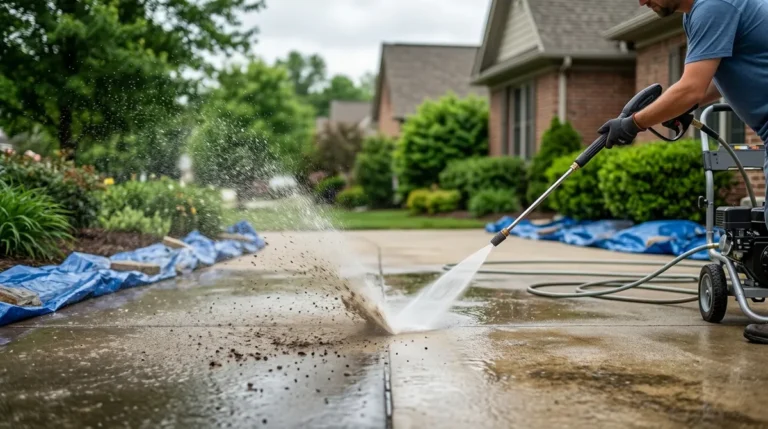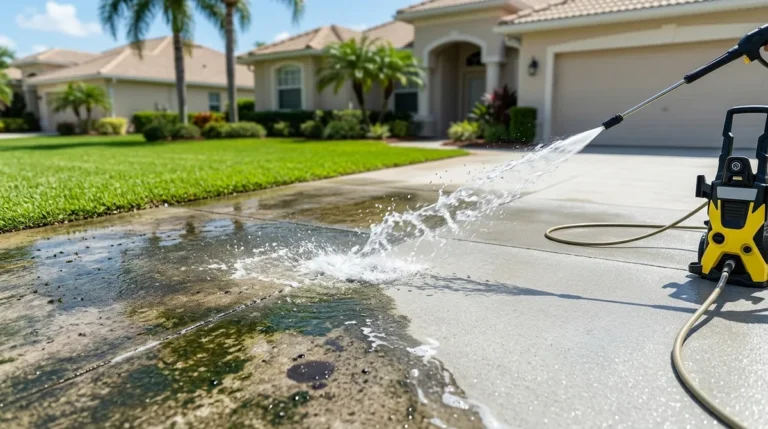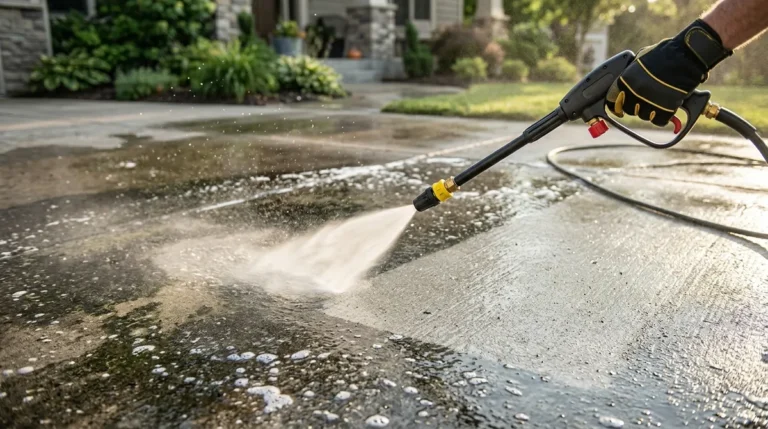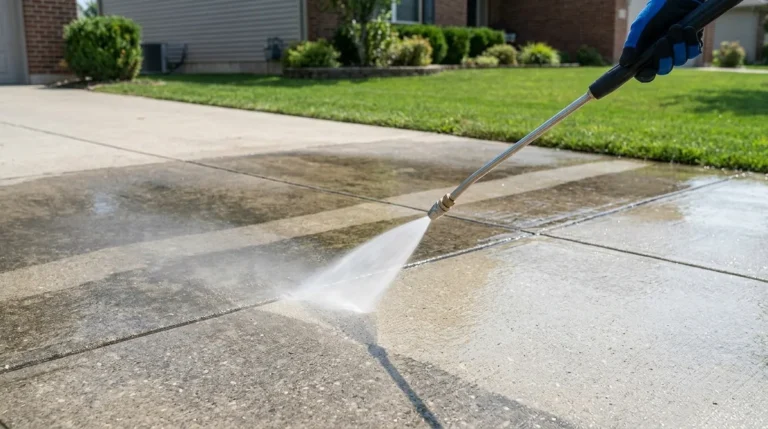
Key Takeaways
-
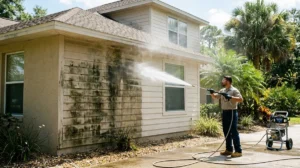
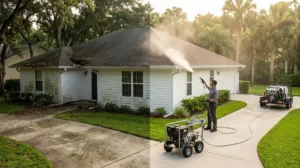
Choose pressure washing equipment specifically matched to your surface type, using 2000-3000 PSI for optimal home exterior cleaning
-
Master soft washing techniques for delicate surfaces like siding and roofing to prevent damage while effectively removing dirt and organic growth
-
Pre-treat stubborn stains with cleaning solutions before pressure washing to improve cleaning effectiveness and efficiency
-
Use color-coded nozzles strategically, starting with wider spray patterns and only moving to concentrated streams for tough stains
-
Maintain your pressure washing equipment and clean your home's exterior annually to prevent long-term damage and maintain curb appeal
-
Consider professional pressure washing services for complex or multi-story cleaning tasks that require specialized expertise
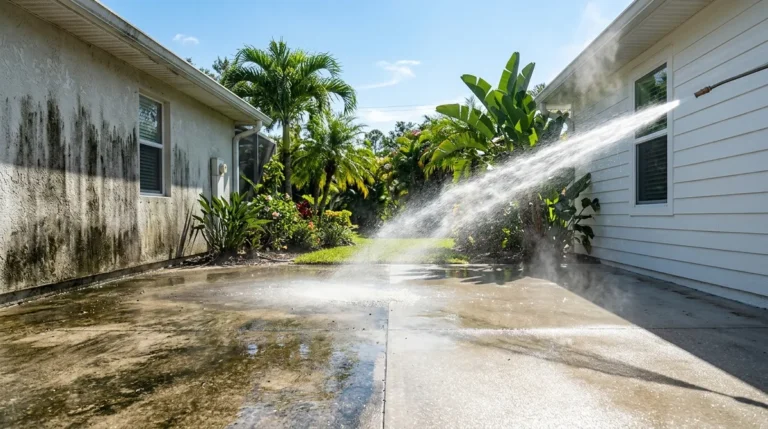
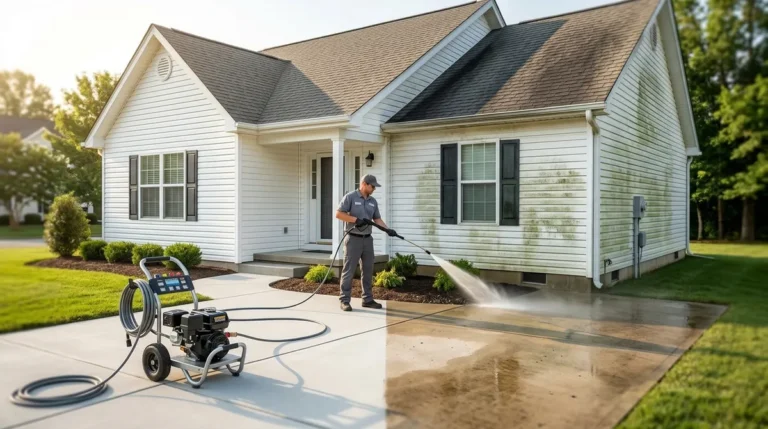
If you’ve ever looked at your grimy driveway or mold-streaked siding and thought about grabbing a pressure washer, you’re not alone! Pressure washing has become the go-to solution for homeowners who want to bring back that “wow” factor to their property. But here’s the thing—not all pressure washing techniques are created equal, and knowing the best approaches can save you time, money, and even prevent damage to your home.
In this guide, we’re sharing the 12 best pressure washing tips that actually deliver results in 2026. Whether you’re tackling your first DIY project or considering professional help, these insights will help you make smart decisions about cleaning your home’s exterior. Let’s dive in and discover how to get professional-level results without the stress!

Understanding Pressure Washing Basics
Before we jump into specific tips, it’s helpful to understand what makes pressure washing so effective. The secret lies in two key measurements: PSI (pounds per square inch) and GPM (gallons per minute). PSI tells you how much pressure the water stream delivers, while GPM indicates the volume of water flowing through the system.
Think of it this way: PSI is like the strength of a punch, while GPM is how many punches you can throw in a minute. The best pressure washers balance both to clean efficiently without wasting water or energy. For most home exterior cleaning tasks, you’ll want equipment that delivers between 2000-3000 PSI with around 2 GPM for optimal results.
1. Choose the Right Equipment for Your Surface
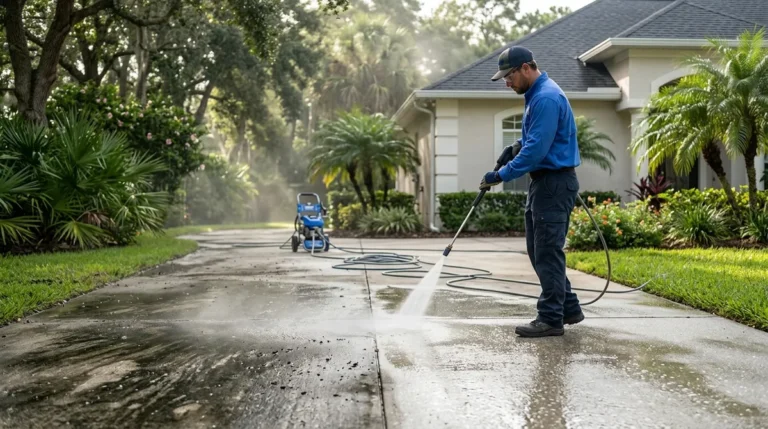
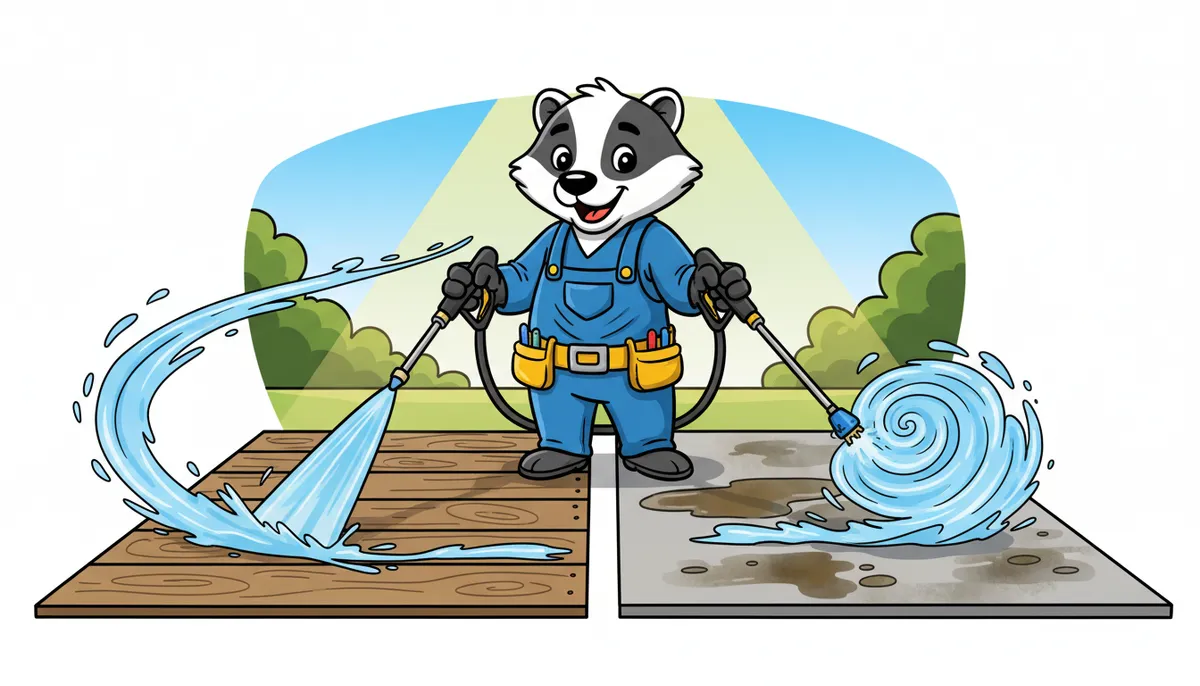
One of the biggest mistakes homeowners make is using the wrong pressure level for their surface. Hard surfaces like concrete driveways and brick patios can handle higher pressure (2500-3500 PSI), but softer materials like vinyl siding, painted wood, and roofing shingles need a gentler touch.
The Greenworks GPW3000 is currently one of the top-rated electric pressure washers in 2026, offering 3000 PSI and 2 GPM with a convenient wheelbarrow-style design. It comes with five different nozzles, making it versatile enough for various cleaning tasks around your home. For those seeking better value, the Ryobi RY1419MT balances affordability with solid performance, perfect for regular maintenance jobs.
Electric models are quieter, require virtually no maintenance, and suit most residential needs beautifully. Gas-powered washers deliver more punch for heavy-duty projects but come with added noise, maintenance requirements, and higher costs. For typical homeowner tasks like house washing and driveway cleaning, electric models hit the sweet spot.
2. Master the Art of Soft Washing
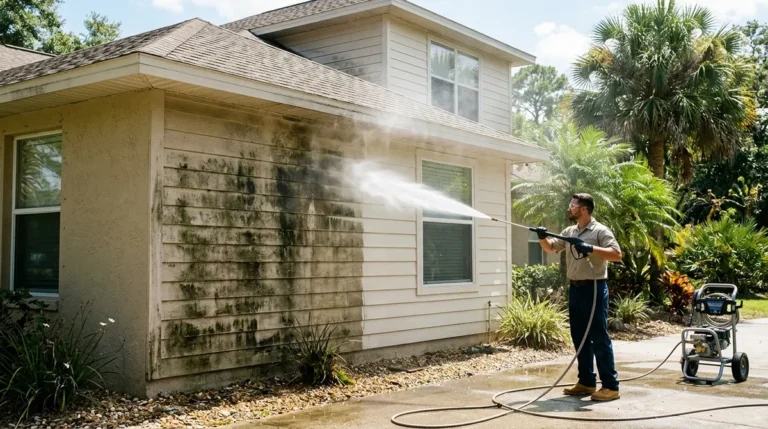
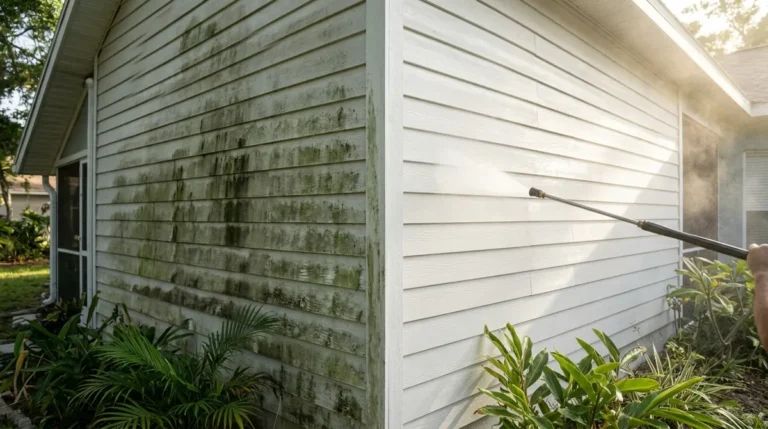
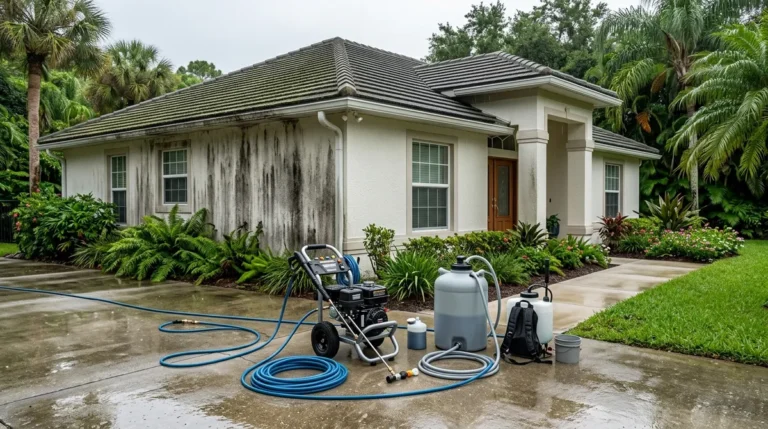
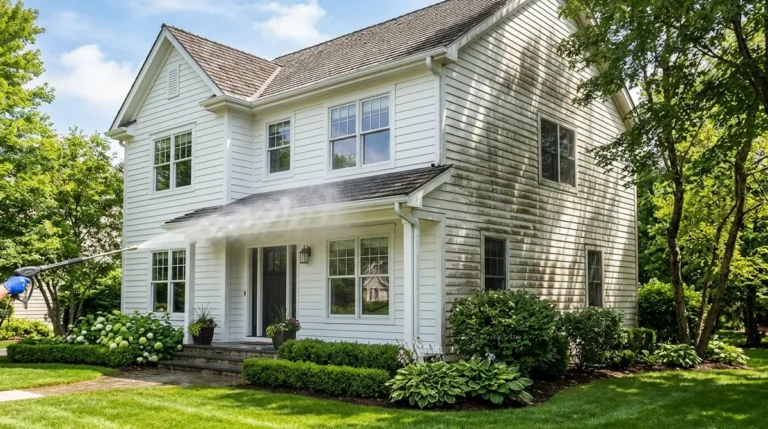
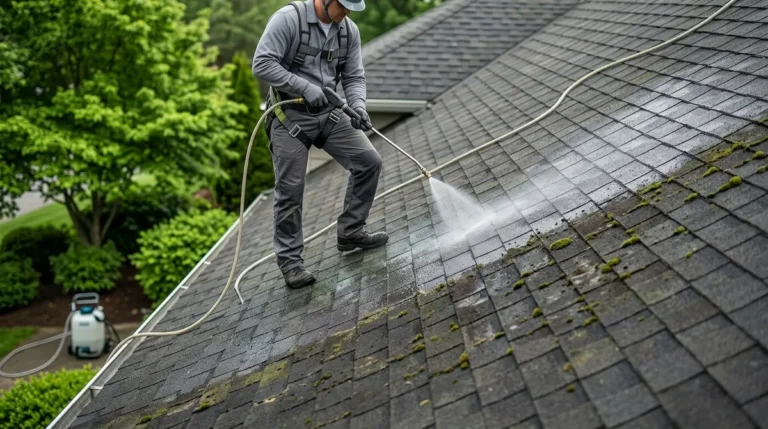
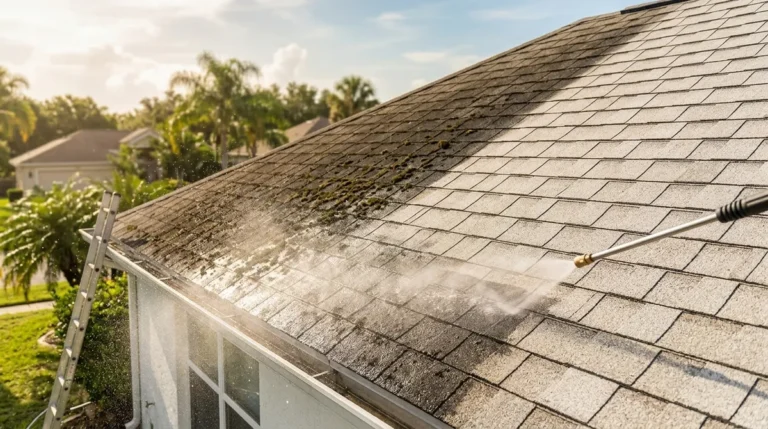
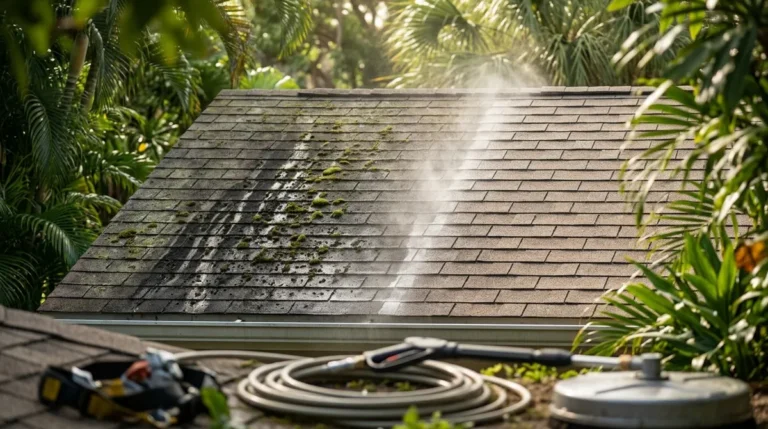
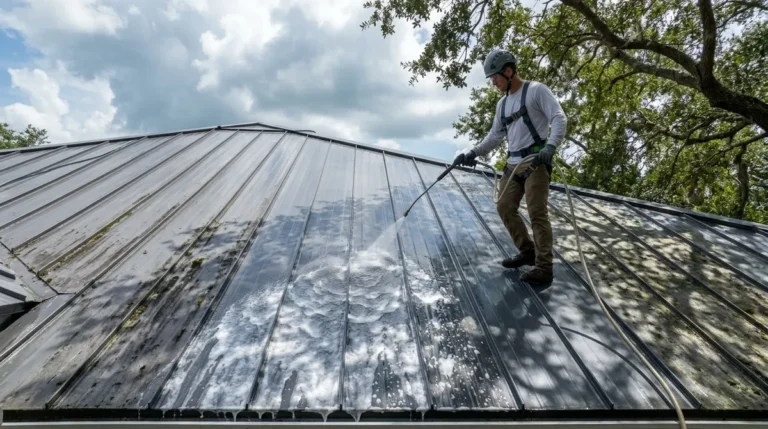
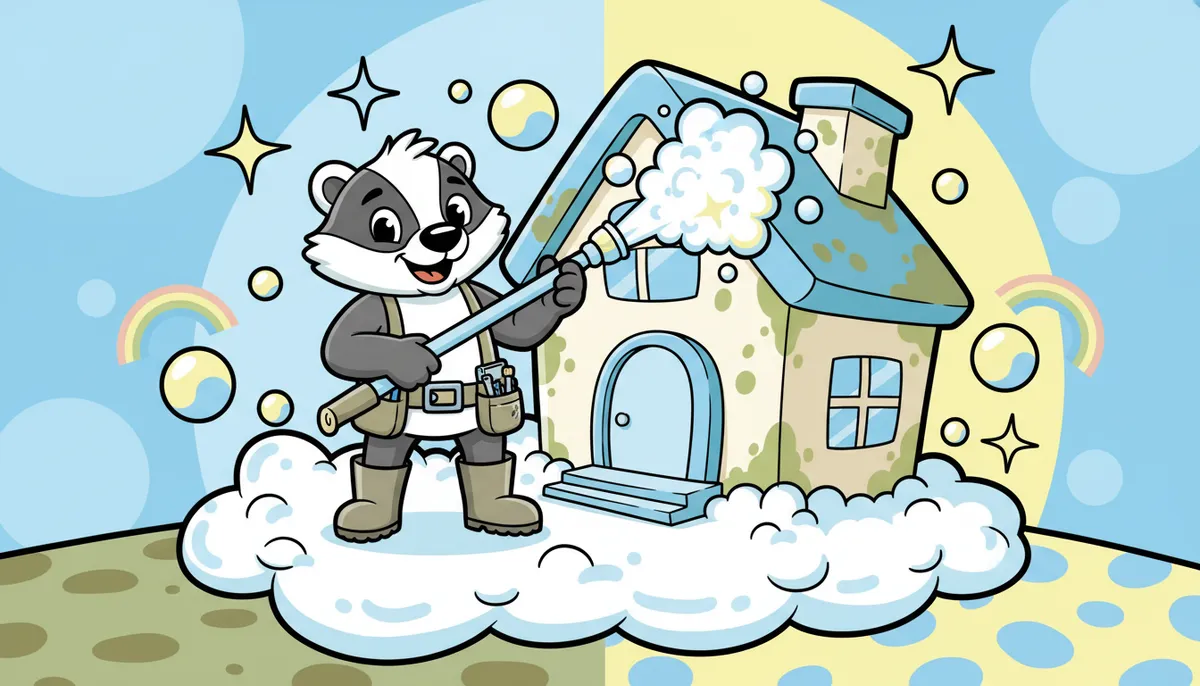
Here’s a game-changer that many DIYers don’t know about: soft washing. This low-pressure technique uses specialized detergents and gentle water flow to clean delicate surfaces without causing damage. It’s especially important for roof cleaning, painted siding, and any surface where high pressure could strip paint or damage materials.
Soft washing works by letting the cleaning solution do the heavy lifting. The detergents break down mold, algae, and organic matter, then a gentle rinse washes everything away. This method is actually more effective than blasting surfaces with high pressure because it kills the root systems of mold and mildew, preventing them from growing back quickly.
Professional services like Buckhorn Power Wash specialize in soft washing techniques that protect your home while delivering sparkling results. Their approach combines eco-friendly detergents with the right pressure levels for each specific surface, ensuring your property looks amazing without risking damage.
When to Use Soft Washing vs High Pressure
| Surface Type | Recommended Method | PSI Range |
|---|---|---|
| Concrete Driveways | High Pressure | 2500-3500 PSI |
| Vinyl Siding | Soft Wash | 500-1000 PSI |
| Asphalt Shingle Roofs | Soft Wash | 300-500 PSI |
| Brick Pavers | Medium Pressure | 1500-2500 PSI |
| Wood Decks | Soft Wash | 600-1200 PSI |

3. Select the Perfect Nozzle for Each Job
Pressure washer nozzles are color-coded for a reason, and choosing the right one makes all the difference in your results. Each nozzle creates a different spray pattern and pressure level, turning your pressure washer into a versatile cleaning tool.
Here’s your quick reference guide:
- Red (0-degree): Pinpoint stream for stubborn stains—use with extreme caution
- Yellow (15-degree): Strong concentrated spray for tough concrete stains
- Green (25-degree): General-purpose cleaning for most surfaces
- White (40-degree): Gentle spray for siding, windows, and delicate areas
- Black (soap nozzle): Low-pressure application for cleaning solutions
Most professionals start with the widest angle (white or green) and only move to more concentrated patterns if needed. This prevents accidental damage and gives you better control over the cleaning process.
4. Pre-Treat Stubborn Stains and Organic Growth
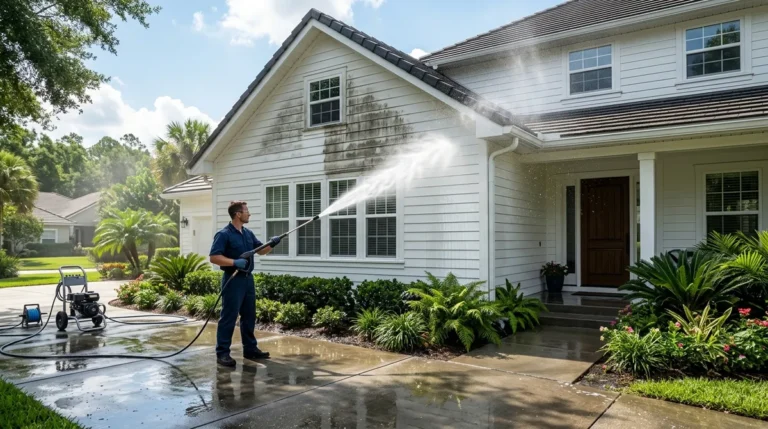
Want to know a professional secret? The best cleaning happens before you even turn on the pressure washer! Pre-treating surfaces with appropriate cleaning solutions loosens dirt, dissolves oil stains, and breaks down organic growth like mold and algae.
Apply your cleaning solution with the black soap nozzle and let it sit for 10-15 minutes (check the product instructions). This dwell time allows the chemicals to penetrate deep into stains and kill mold at the root level. You’ll be amazed at how much easier the actual washing becomes after proper pre-treatment.
For eco-conscious homeowners, look for biodegradable detergents that clean effectively without harming your landscaping or local water systems. Many modern cleaning solutions are safe for plants, pets, and the environment while still delivering powerful results.
5. Maintain Proper Distance and Technique
Distance matters more than you might think when pressure washing. Hold the wand too close, and you risk etching concrete, stripping paint, or damaging wood fibers. Hold it too far away, and you won’t clean effectively, wasting time and water.
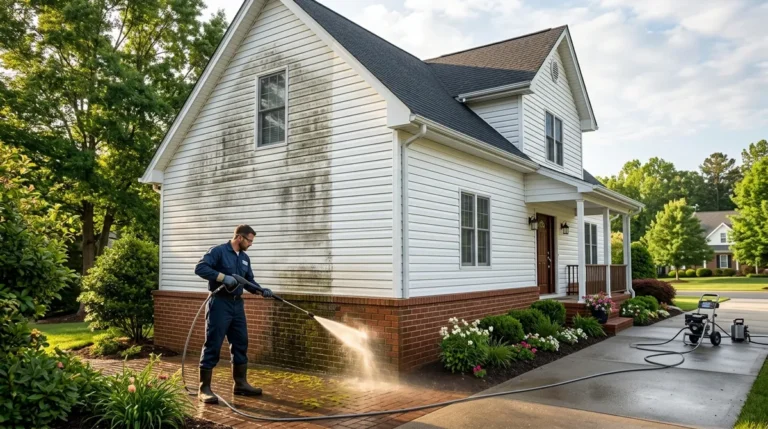
The golden rule is to start about 2-3 feet away from the surface and adjust based on results. Use smooth, overlapping strokes rather than focusing the spray on one spot. Think of it like painting—even, consistent coverage produces the best finish. For vertical surfaces like house washing, always spray from bottom to top when applying detergent, then rinse from top to bottom to prevent streaking.
6. Protect Your Landscaping and Windows
A little preparation goes a long way in preventing accidental damage during pressure washing. Before you start, take these simple protective steps that professionals never skip:
- Cover or wet down nearby plants, flowers, and shrubs
- Close all windows and doors tightly
- Remove outdoor furniture, decorations, and potted plants from the cleaning area
- Cover electrical outlets, light fixtures, and exterior vents with plastic
- Check for loose siding, trim, or other vulnerable areas that need repair first
These precautions take just a few minutes but can save you from costly repairs or damaged landscaping. Plus, you’ll work more confidently knowing everything is protected!
7. Time Your Cleaning for Optimal Results
Believe it or not, timing significantly impacts your pressure washing results. The best time to clean exterior surfaces is during mild weather—ideally between 50-85 degrees Fahrenheit with low wind and no direct sunlight beating down on the surface you’re cleaning.
Why does weather matter? Extreme heat causes cleaning solutions to dry too quickly, leaving streaks and reducing effectiveness. Cold temperatures can make you uncomfortable and slow down the cleaning process. Windy conditions blow spray everywhere, wasting solution and creating a mess. Early morning or late afternoon on a cloudy day often provides perfect conditions.
In Hillsborough County, where Buckhorn Power Wash operates, timing your exterior cleaning between late fall and early spring typically offers the most comfortable working conditions and best results.
8. Focus on High-Impact Areas First
Not all exterior surfaces need the same level of attention, and smart homeowners prioritize areas that deliver the biggest visual improvement. These high-impact zones should top your pressure washing list:
- Front entryway and walkways: First impressions count, and a clean entrance welcomes guests beautifully
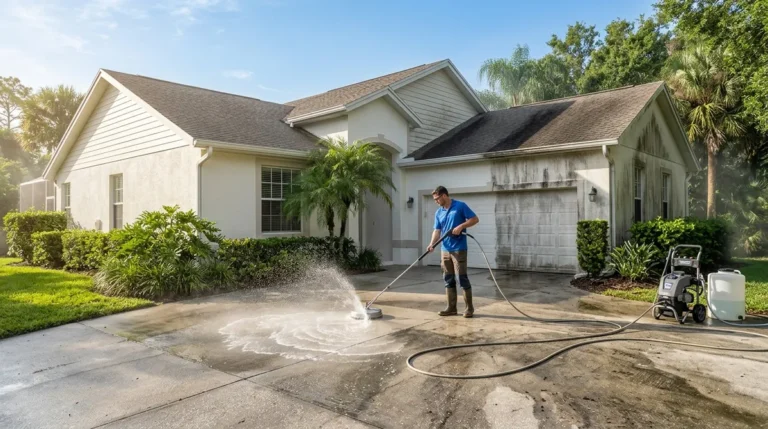
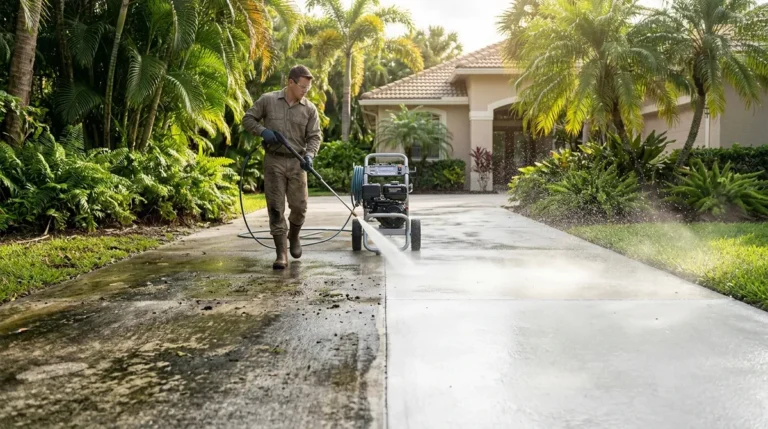
- Driveway: Often the largest visible surface, a clean driveway transforms your entire property’s appearance
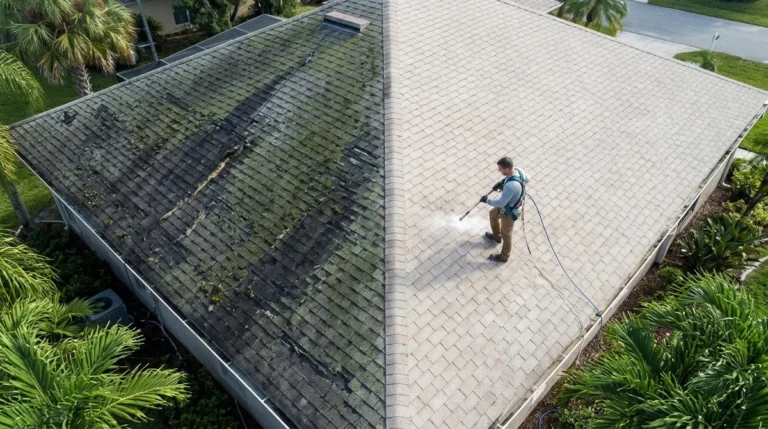
- Roof: Dark streaks and moss growth make your whole home look older than it is
- Siding on street-facing walls: The most visible parts of your home deserve extra attention
- Deck or patio: Where you spend time outdoors should feel inviting and clean
Starting with these areas gives you the most bang for your buck, whether you’re doing the work yourself or hiring professionals. You’ll see dramatic results that motivate you to tackle additional areas!
9. Don’t Skip Regular Maintenance Cleaning
Here’s the truth about pressure washing: regular maintenance is far easier and more cost-effective than waiting until your home looks terrible. Think of it like car maintenance—regular oil changes prevent expensive engine repairs down the road.
Most homes benefit from annual pressure washing, though some situations call for more frequent attention. If you live in a humid climate, have lots of trees nearby, or notice mold and mildew growth, consider cleaning twice a year. Regular maintenance prevents organic growth from taking hold, protects your home’s surfaces from deterioration, and keeps your property looking its best year-round.
Setting up a regular schedule with professional services often costs less per visit than occasional deep cleaning, plus you’ll never have to worry about your home’s appearance declining. It’s like having a maintenance plan that protects your investment automatically.
Recommended Cleaning Frequency by Surface
| Surface | Cleaning Frequency | Reason |
|---|---|---|
| House Siding | Every 12-18 months | Prevents mold buildup and maintains curb appeal |
| Driveways | Every 12 months | Removes oil stains and prevents permanent discoloration |
| Roofs | Every 18-24 months | Extends roof life by removing damaging organic growth |
| Decks & Patios | Every 6-12 months | Prevents slippery buildup and maintains safety |
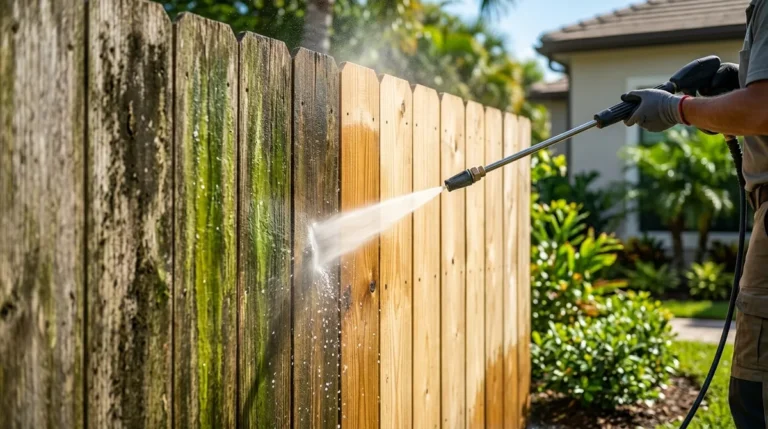
| Fences | Every 12-24 months | Preserves wood and removes weathering effects |
10. Know When to Call the Professionals
Let’s be honest—some pressure washing jobs are best left to the experts. While DIY can work for simple tasks, certain situations practically beg for professional help. You should seriously consider hiring pros when dealing with roof cleaning, multi-story homes, large areas, or delicate surfaces that could be easily damaged.
Professional pressure washing companies bring more than just equipment—they bring experience, insurance, and the know-how to tackle tricky situations safely. They understand exactly which pressure levels, nozzles, and cleaning solutions work best for each surface. Plus, they complete in hours what might take you an entire weekend (or longer!).
Safety is another huge factor. Working on ladders with pressure washing equipment poses real risks. One slip could lead to serious injury. Professional crews have safety training, proper ladders, and often work in teams to ensure everyone stays safe while delivering excellent results.
11. Invest in Quality Equipment and Maintenance
If you’re committed to DIY pressure washing, investing in quality equipment pays off quickly. Cheap pressure washers under 2000 PSI often deliver frustratingly weak performance, leaving you disappointed and still looking at dirty surfaces. They also tend to break down faster, turning your bargain into an expensive mistake.
Mid-range electric pressure washers in the 2000-3000 PSI range offer the best value for homeowners. Models like the Greenworks GPW3000 or Westinghouse ePX3100 provide reliable performance with features like quick-connect nozzles, onboard detergent tanks, and anti-tipping designs that make them easier and safer to use.
Don’t forget about maintenance! Even quality equipment needs care to perform well and last for years:
- Flush the system with clean water after each use
- Use pump saver solution before storing in freezing weather
- Clean or replace inlet filters regularly
- Check hoses and connections for leaks or damage
- Store indoors or under cover to protect from weather
- Run the unit briefly every few months during inactive periods
12. Consider Eco-Friendly Cleaning Solutions
More homeowners in 2026 are choosing environmentally responsible pressure washing methods, and for good reason! Traditional harsh chemicals can harm your landscaping, contaminate groundwater, and pose risks to pets and children. The good news is that modern eco-friendly alternatives clean just as effectively while protecting the environment.
Look for biodegradable detergents specifically formulated for pressure washing. These solutions break down naturally, don’t harm plants or grass, and rinse away cleanly without leaving harmful residues. Many also use less water overall because they work more efficiently than plain water alone.
Professional services like Buckhorn Power Wash prioritize eco-friendly cleaning techniques that combine safe, biodegradable solutions with efficient water usage. This approach delivers outstanding results while minimizing environmental impact—a win-win situation for homeowners who care about their property and the planet. Check out their gallery to see the impressive results of professional eco-friendly cleaning.
Making the Smart Choice for Your Home
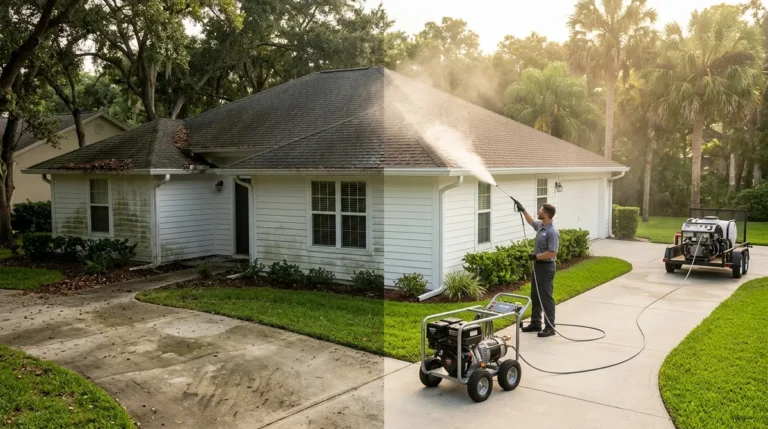
Pressure washing transforms tired, dirty exteriors into beautiful, welcoming spaces that make you proud of your home. Whether you choose the DIY route or hire professionals, understanding these 12 best practices ensures you’ll get outstanding results while protecting your property investment.
Remember, the best approach balances effectiveness, safety, and value. Sometimes that means tackling simple projects yourself with proper equipment and technique. Other times, it means recognizing when professional expertise will save you time, prevent damage, and deliver superior results worth every penny.
For homeowners throughout Hillsborough County, professional pressure washing doesn’t have to be complicated or expensive. With modern online quoting tools, you can see your price in minutes without waiting for a home visit. Quality service from experienced professionals ensures your home looks its absolute best without the stress and risk of DIY projects gone wrong.
Ready to see what professional pressure washing can do for your home? Request your free quote today and discover how easy it is to transform your property’s appearance. You can also give us a call to discuss your specific cleaning needs and schedule service at your convenience. Don’t forget to check out our customer reviews on Google to see why homeowners throughout the area trust us with their exterior cleaning needs!
Your home deserves to look amazing, and with the right approach to pressure washing, it absolutely will. Whether you’re preparing for a special event, maintaining your property value, or simply want to enjoy a cleaner, more attractive home, these tips will help you achieve professional-quality results. Here’s to a cleaner, brighter home in 2026!
For more inspiration and to see our recent work, visit our Facebook page or read what satisfied customers say on Yelp. We’re proud to serve homeowners throughout Hillsborough County with professional, affordable pressure washing services that protect your investment and enhance your property’s beauty.
FAQs
Q: What’s the difference between pressure washing and soft washing?
A: Pressure washing uses high-pressure water (2500-3500 PSI) to blast away dirt from hard surfaces like concrete and brick. Soft washing uses low pressure (300-1000 PSI) with specialized cleaning solutions to safely clean delicate surfaces like roofs, siding, and painted trim. Soft washing is gentler but often more effective because it kills mold and algae at the root, preventing quick regrowth.
Q: How often should I pressure wash my home’s exterior?
A: Most homes benefit from pressure washing every 12-18 months to maintain appearance and prevent damage from organic growth. However, homes in humid climates, near trees, or with visible mold may need cleaning twice yearly. Regular maintenance is easier and more cost-effective than waiting for heavy buildup to develop.
Q: Can I damage my home by pressure washing it myself?
A: Yes, using too much pressure or the wrong technique can strip paint, etch concrete, damage wood, force water behind siding, or even injure yourself. Always start with lower pressure and wider spray patterns, maintain proper distance (2-3 feet), and consider hiring professionals for delicate surfaces, roofs, or multi-story homes to avoid costly mistakes.
Q: What PSI pressure washer do I need for home cleaning?
A: For most residential tasks, an electric pressure washer with 2000-3000 PSI and around 2 GPM works perfectly. This range handles driveways, patios, siding, and decks effectively. Models under 2000 PSI often struggle with tough cleaning jobs, while anything over 3500 PSI is typically overkill for homeowners and increases the risk of surface damage.
Q: Are eco-friendly pressure washing solutions as effective as harsh chemicals?
A: Absolutely! Modern biodegradable pressure washing detergents clean just as effectively as traditional harsh chemicals while being safe for your landscaping, pets, and the environment. They work by breaking down organic matter and stains naturally, then rinse away cleanly without leaving harmful residues or contaminating groundwater.