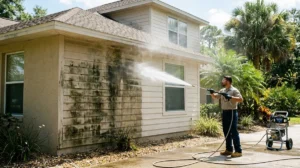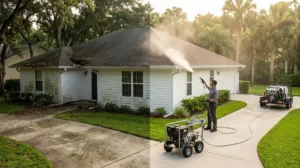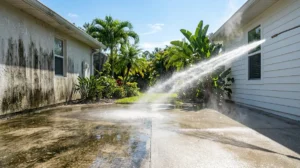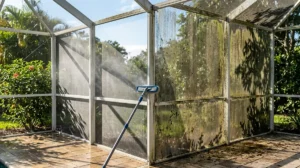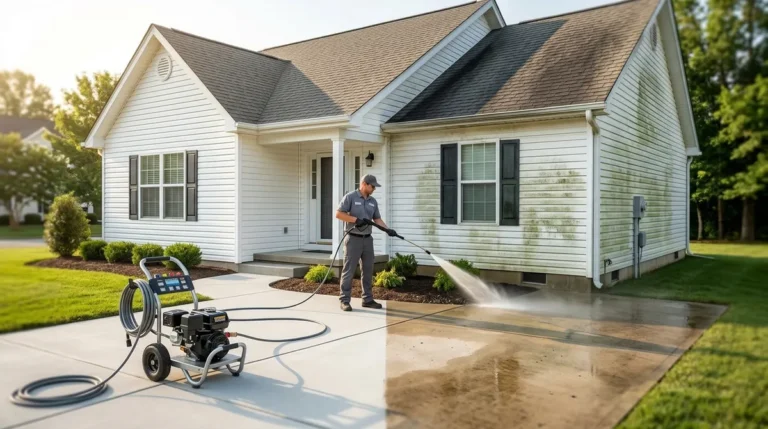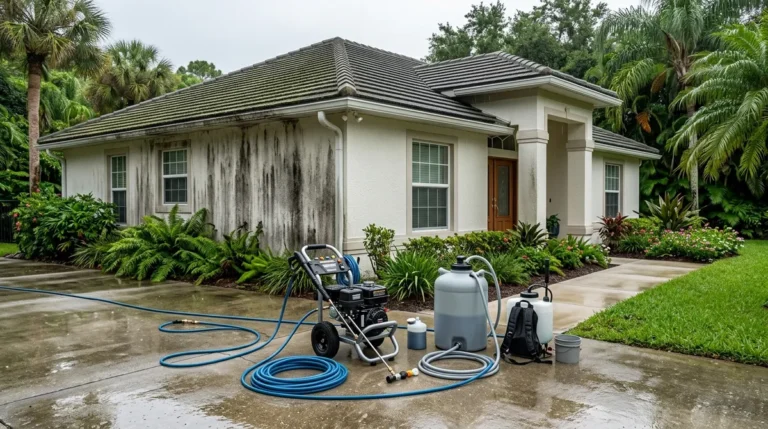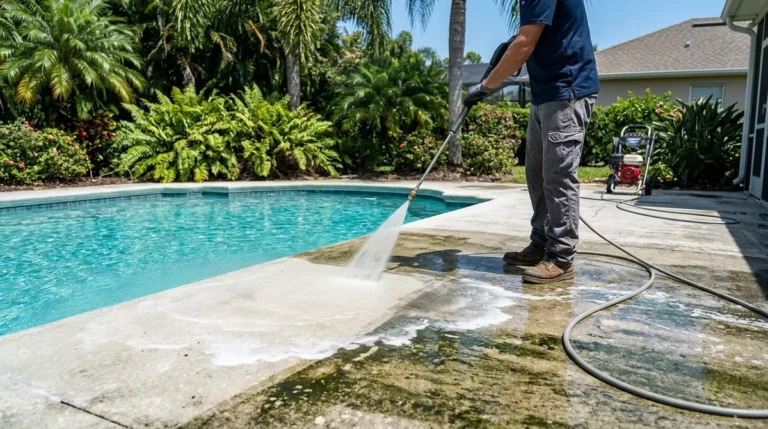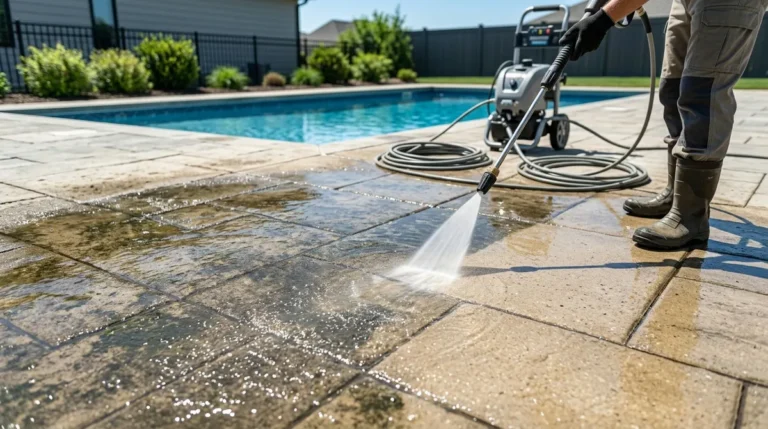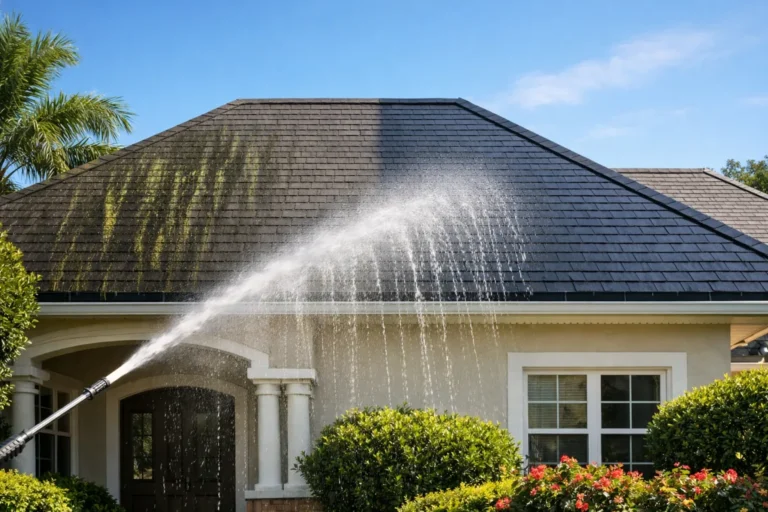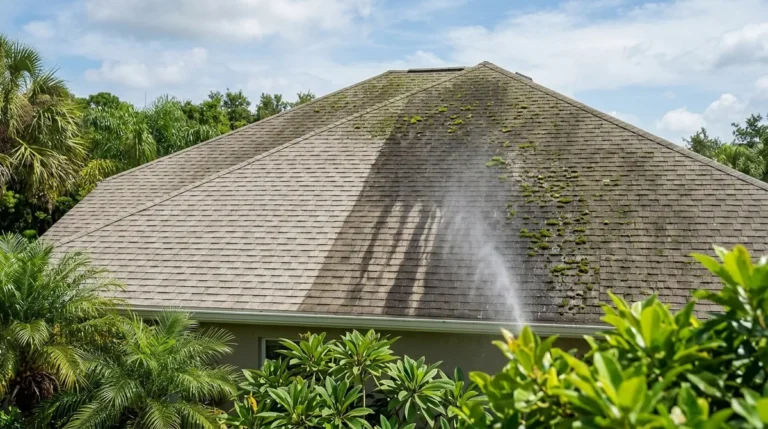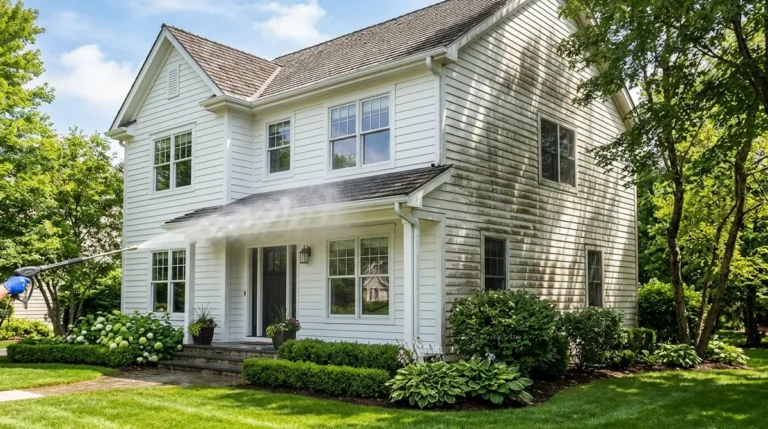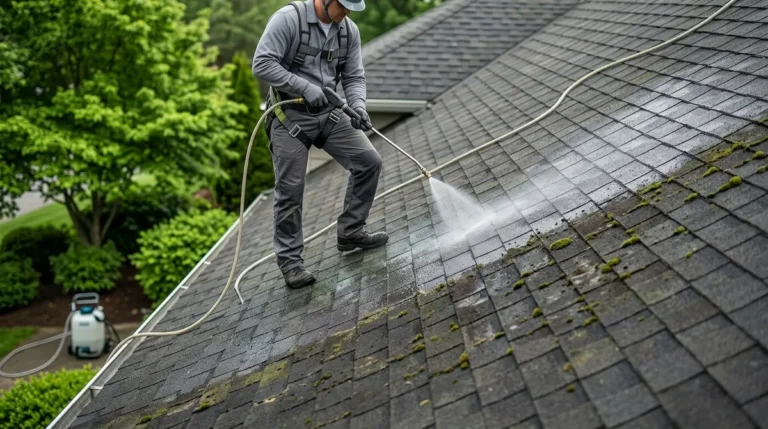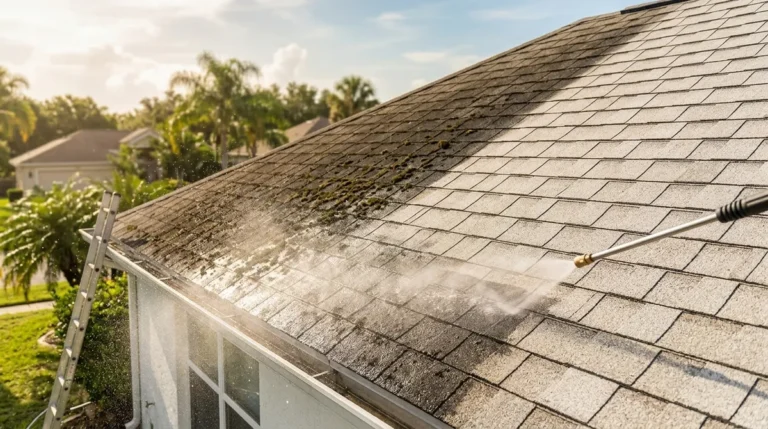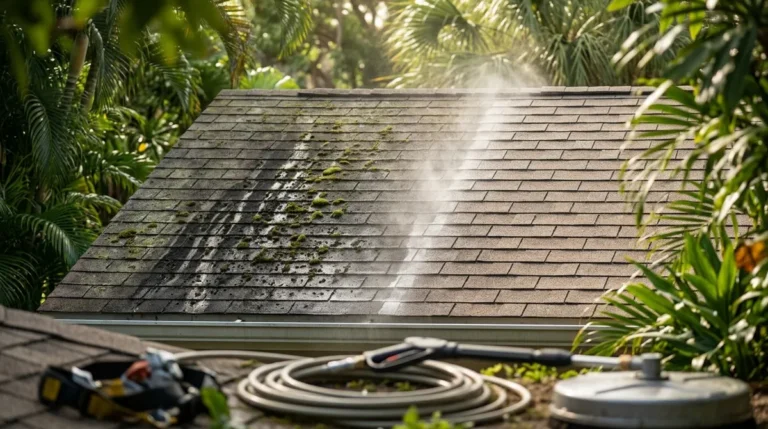
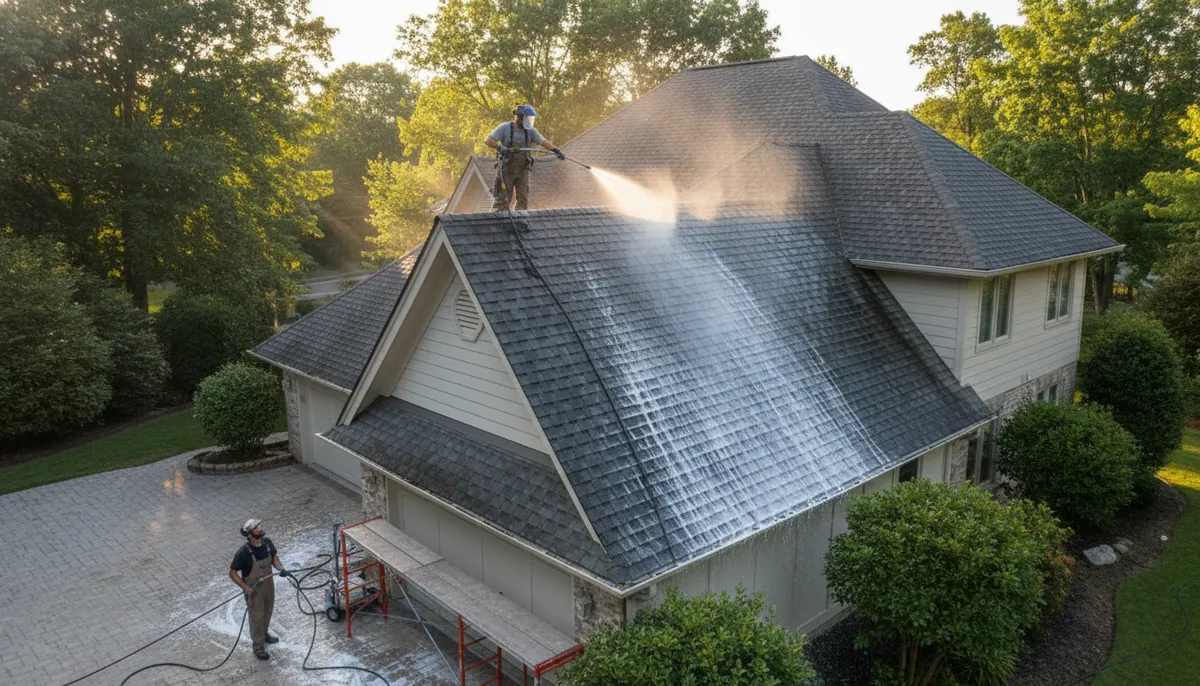
Your roof represents one of the most significant investments in your home, yet it faces constant assault from environmental elements. Dark streaks, green algae growth, and unsightly stains not only diminish curb appeal but can also compromise your roof’s structural integrity and lifespan. Traditional pressure washing methods often cause more harm than good, potentially damaging shingles, forcing water beneath roofing materials, and voiding manufacturer warranties. Soft wash roof cleaning has emerged as the industry-leading solution, combining low-pressure application with specialized cleaning solutions to safely and effectively restore your roof’s appearance while extending its functional life. This comprehensive guide explores the science, benefits, and best practices of soft wash roof cleaning to help homeowners make informed decisions about their roof maintenance.
Understanding Soft Wash Roof Cleaning Technology
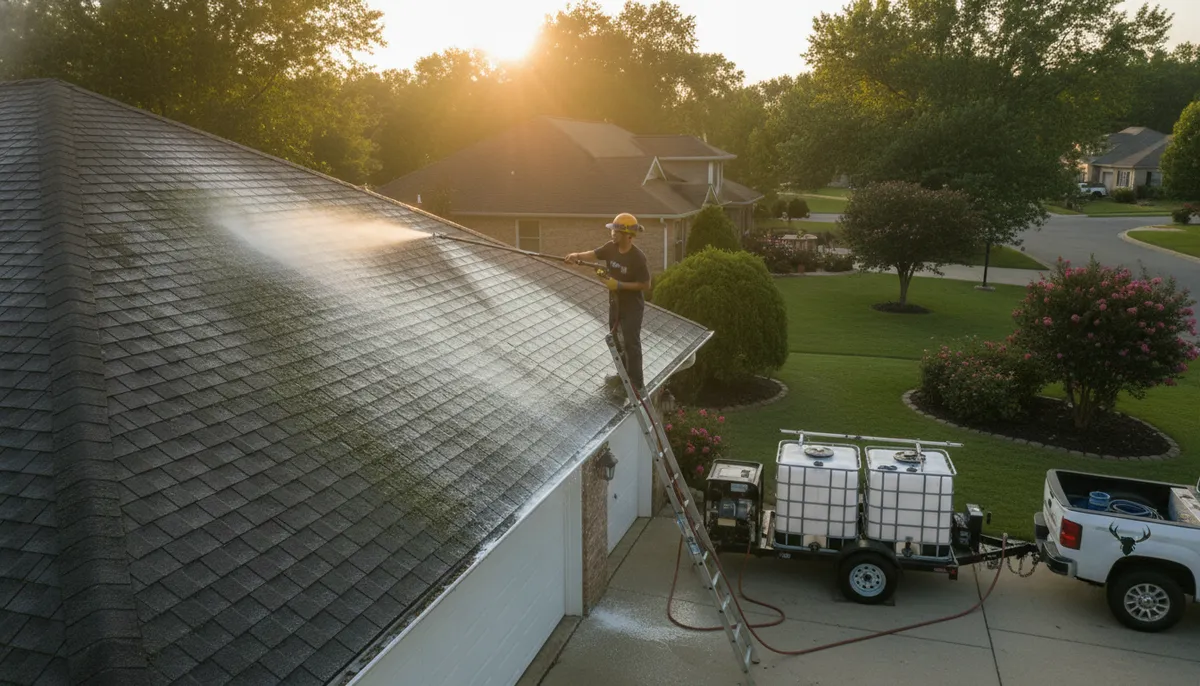
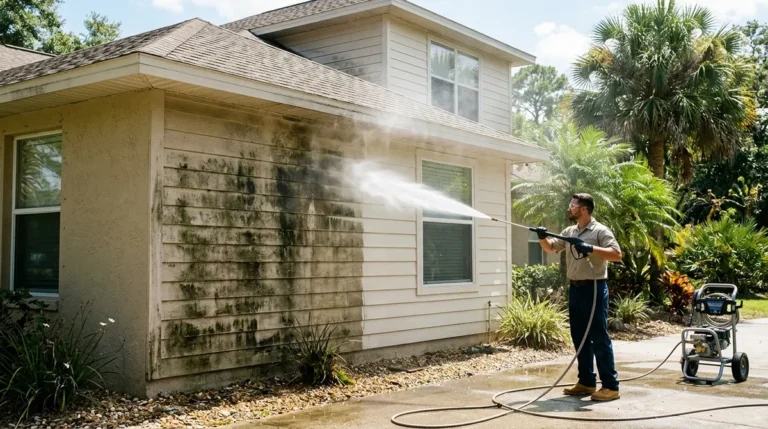
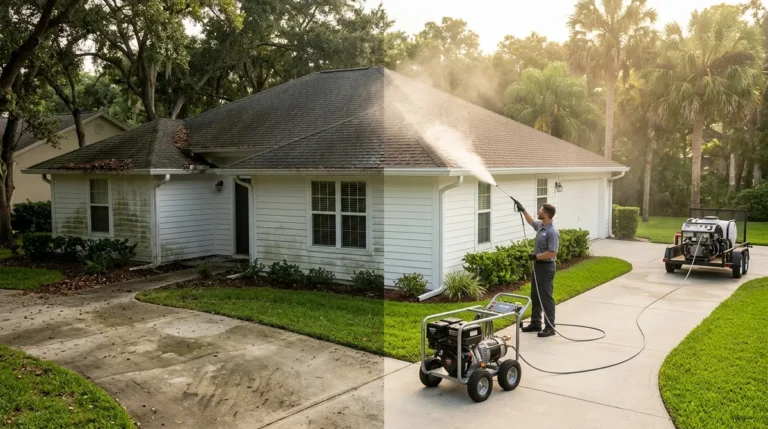
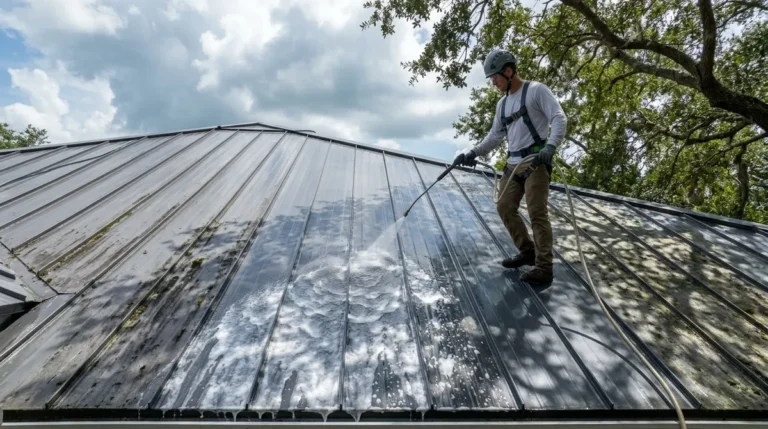
Soft wash roof cleaning represents a fundamental shift from mechanical cleaning to chemical cleaning. Rather than relying on high-pressure water to blast away contaminants, this method uses specialized biodegradable solutions applied at pressures no greater than a garden hose. The cleaning agents do the heavy lifting, breaking down organic growth at the molecular level while the gentle water flow rinses away residue without damaging delicate roofing materials.
The soft wash system typically operates at approximately 100-300 PSI, compared to traditional pressure washing that can exceed 3,000 PSI. This dramatic reduction in pressure eliminates the risk of lifting shingles, breaking seals, or forcing water into vulnerable areas. Professional soft wash solutions contain surfactants, algaecides, and mildewcides that penetrate porous surfaces to kill organisms at their roots, providing longer-lasting results than simple surface cleaning.
Professional companies like Buckhorn Power Wash have perfected soft wash techniques specifically for different roofing materials, ensuring optimal cleaning without compromising structural integrity. The process requires specialized equipment, proper solution ratios, and expert application techniques to achieve professional results safely.
The Science Behind Soft Wash Cleaning Solutions
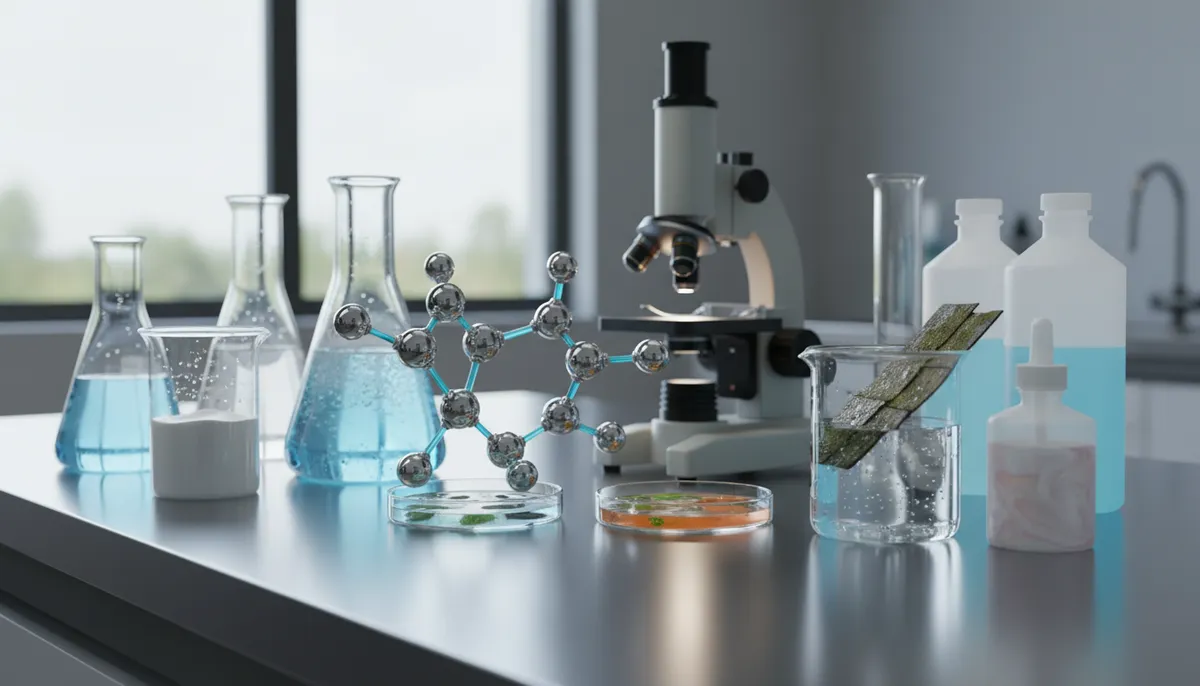
The effectiveness of soft wash roof cleaning lies in its carefully formulated cleaning solutions. These professional-grade products contain sodium hypochlorite (similar to household bleach but in controlled concentrations), surfactants that help solutions spread evenly and penetrate surfaces, and water to achieve the proper dilution ratio. The sodium hypochlorite works as an oxidizer, breaking down organic matter and killing algae, moss, mold, and bacteria at the cellular level.
Surfactants serve multiple critical functions in the cleaning process. They reduce surface tension, allowing the solution to spread uniformly across the roof rather than beading up. They help the cleaning agents penetrate into porous materials where organisms establish root systems. Additionally, surfactants facilitate the rinsing process, ensuring complete removal of dead organic matter and cleaning residue.
Professional soft wash solutions maintain proper pH balance to clean effectively without causing chemical damage to roofing materials, gutters, or surrounding vegetation. According to EPA guidelines on mold removal, chemical treatment provides more thorough elimination of organic growth than mechanical removal alone, making soft washing particularly effective for long-term results.
Common Roof Contaminants and Their Impact
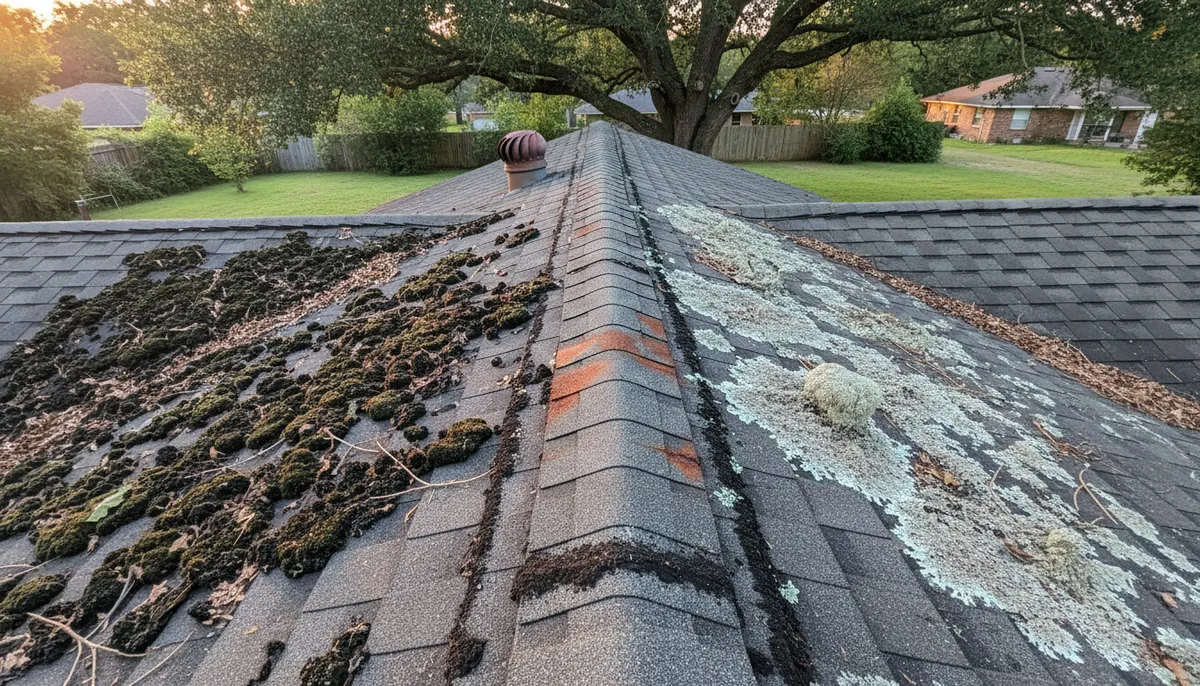
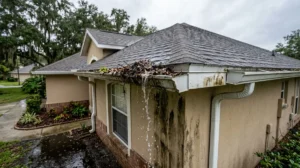
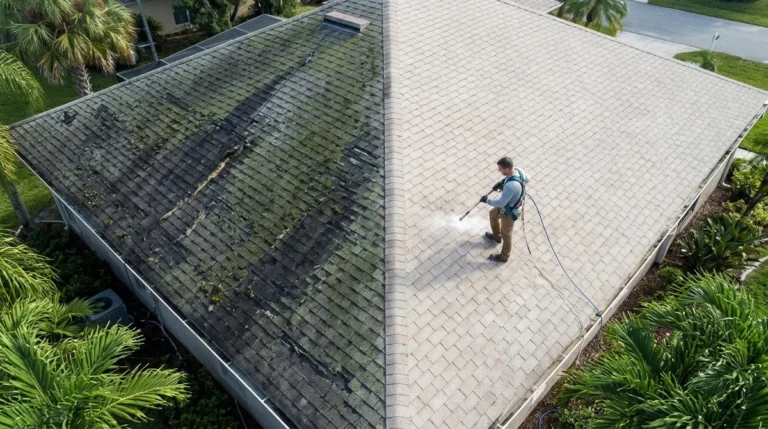
The dark streaks commonly seen on roofs consist primarily of Gloeocapsa magma, a species of blue-green algae that thrives in humid environments. This organism feeds on the limestone filler used in asphalt shingles, gradually degrading the roofing material while creating an unsightly appearance. As the algae colonies grow, they retain moisture against the roof surface, accelerating deterioration and potentially reducing your roof’s lifespan by several years.
Moss presents an even more serious threat to roof integrity. Unlike algae that grows on the surface, moss develops root-like structures called rhizoids that penetrate between and beneath shingles. As moss colonies expand, they can lift shingle edges, create gaps where water infiltrates, and trap moisture that leads to rot and structural damage. Moss growth typically begins in shaded areas with limited sun exposure and spreads rapidly if left untreated.
Lichen, a symbiotic organism combining algae and fungus, creates particularly stubborn stains and can etch into roofing materials over time. Mold and mildew thrive in damp conditions, creating health concerns while contributing to roof degradation. Research from the Department of Energy indicates that organic growth and dark stains also reduce your roof’s reflectivity, increasing heat absorption and potentially raising cooling costs during summer months.
The Destructive Cycle of Organic Growth
Roof contaminants create a self-perpetuating cycle of damage. Algae, moss, and lichen retain moisture against the roof surface, creating ideal conditions for accelerated growth. This trapped moisture prevents proper drying between rain events, keeping materials constantly damp. The organisms feed on roofing materials, breaking down protective granules and compromising water resistance. As growth spreads, it creates increasingly favorable conditions for additional colonization.
This biological deterioration occurs alongside normal weathering, significantly shortening roof lifespan. A roof that might otherwise last 25-30 years can require replacement after just 15-20 years when organic growth goes unchecked. The financial impact extends beyond premature replacement costs to include increased energy bills from reduced reflectivity and potential interior damage from water infiltration through compromised roofing materials.
Why Traditional Pressure Washing Damages Roofs
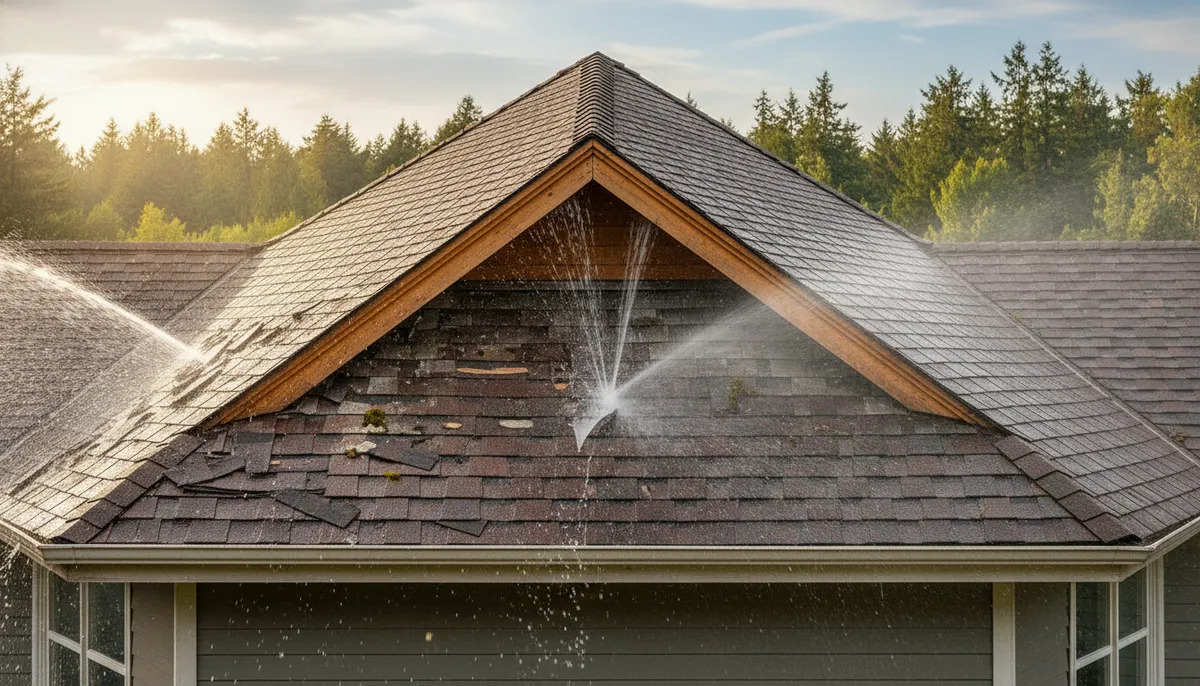
High-pressure washing might remove visible stains, but it creates numerous problems that often outweigh any cosmetic benefits. The intense water pressure strips away the protective granules embedded in asphalt shingles. These granules shield the underlying asphalt from UV radiation and provide fire resistance. Once removed, shingles deteriorate rapidly when exposed to direct sunlight, losing flexibility and developing cracks that allow water penetration.
Pressure washing can also lift or crack shingles, especially older materials that have become brittle through years of sun exposure. The high-pressure stream forces water beneath shingles and into the roof deck, potentially causing rot, mold growth in attic spaces, and interior water damage. Many roofing manufacturers explicitly void warranties if high-pressure washing damages their products, leaving homeowners financially responsible for premature failure.
Perhaps most problematically, pressure washing only removes surface growth without killing the organisms at their roots. Algae, moss, and mold quickly return, often within just a few months, requiring repeated cleaning that inflicts cumulative damage. The mechanical action fails to address the underlying biological problem, making it a temporary cosmetic fix rather than a lasting solution.
The Soft Wash Process: Step by Step
Professional soft wash roof cleaning follows a systematic approach to ensure safety and effectiveness. The process begins with a thorough inspection to identify roof type, existing damage, and areas requiring special attention. Technicians assess the growth extent, check for loose or damaged shingles, and note any vulnerable areas around chimneys, vents, and flashing. This preliminary evaluation allows professionals to customize their approach and solution strength for optimal results.
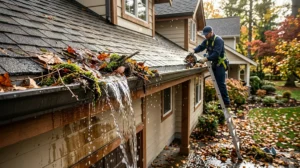
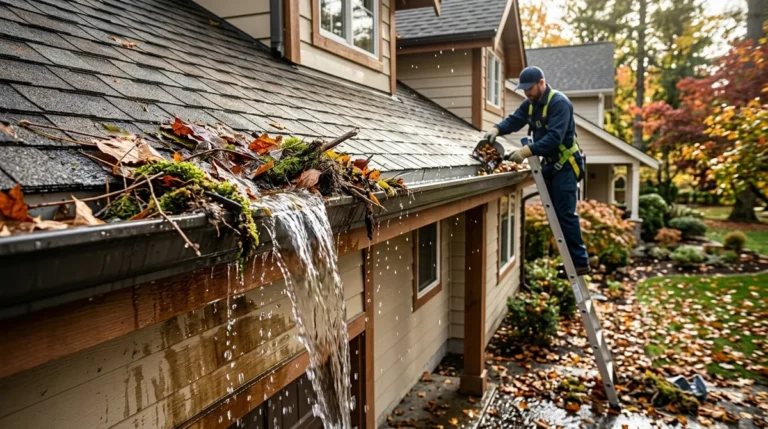
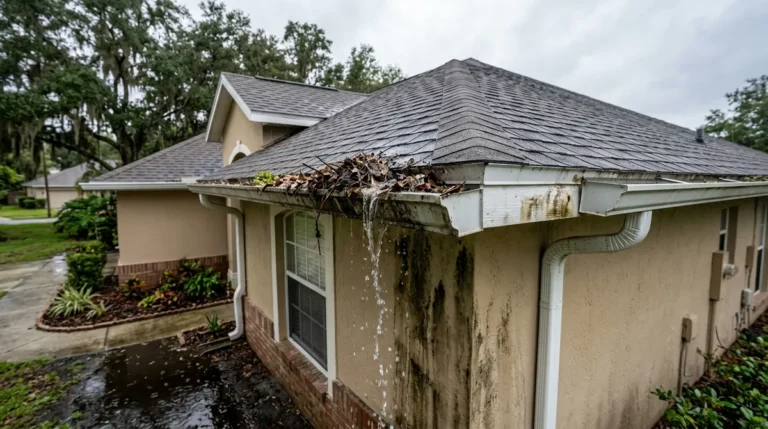
Before applying any cleaning solutions, professionals protect surrounding landscaping with water saturation and protective coverings. Gutters are cleared of debris to ensure proper drainage during the cleaning process. The soft wash equipment is calibrated to deliver the appropriate pressure and solution mixture for the specific roofing material. Different materials—asphalt shingles, tile, metal, or wood shake—require different approaches and solution strengths.
The cleaning solution is applied systematically from bottom to top, working in manageable sections. Professionals allow the solution adequate dwell time, typically 10-20 minutes, to penetrate and kill organic growth without letting it dry on the surface. The roof is then gently rinsed from top to bottom, using low pressure to remove dead organisms and cleaning residue. The entire process prioritizes thoroughness over speed, ensuring complete coverage and proper rinsing.
Post-Cleaning Protection and Maintenance
After the initial cleaning, many professional services apply preventative treatments that inhibit future growth. These protective solutions create an inhospitable environment for algae, moss, and lichen, significantly extending the time between necessary cleanings. Zinc or copper strips can also be installed along roof ridges, as rainwater washing over these metals creates a natural growth inhibitor that flows down the roof surface.
Professionals provide maintenance recommendations based on your specific environment, roof material, and growth susceptibility. Homes in humid, shaded areas may benefit from annual soft washing, while properties in drier climates with good sun exposure might only require treatment every 2-3 years. Regular inspections help catch growth early, when it’s easiest to address, preventing the extensive colonization that requires more aggressive treatment.
Material-Specific Soft Wash Considerations
Asphalt shingles, the most common roofing material in residential construction, respond exceptionally well to soft wash cleaning. The porous nature of asphalt makes it particularly susceptible to algae growth, but also allows cleaning solutions to penetrate effectively. Professional soft washing removes stains and growth without damaging the protective granule layer or compromising the shingle’s water-resistant properties. The process can restore aged shingles to near-original appearance while extending their functional lifespan.
Tile roofs, whether clay, concrete, or synthetic, require adjusted soft wash techniques. These materials are less porous than asphalt, meaning growth typically remains more surface-level. However, tile roofs have vulnerable areas around overlaps and beneath tiles where moisture and debris accumulate. Soft washing effectively cleans these hard-to-reach areas without the risk of cracking tiles or disturbing their placement, problems commonly associated with high-pressure washing.
Metal roofing presents unique challenges, as aggressive cleaning can damage protective coatings or cause oxidation. Soft wash methods using pH-balanced solutions clean metal surfaces effectively without chemical etching or coating degradation. Wood shake roofs require the most delicate approach, as the natural material is highly susceptible to water damage. Professional soft washing removes growth while minimizing water absorption, preserving the wood’s integrity. According to industry maintenance standards, material-appropriate cleaning methods are essential for maintaining manufacturer warranties and optimal roof performance.
Environmental and Safety Considerations
Professional soft wash companies use biodegradable cleaning solutions that break down naturally without harming the environment. When properly diluted and applied, these solutions pose minimal risk to landscaping, though protective measures like pre-wetting plants and covering sensitive vegetation provide additional security. The cleaning agents neutralize as they break down, and proper rinsing ensures minimal residue remains on the roof or surrounding property.
The low-pressure application process is significantly safer for both the roof and the technician. Unlike high-pressure washing that requires walking on the roof surface, many soft wash applications can be completed from ground level or from ladder positions that minimize roof traffic. This reduces the risk of slip-related accidents and prevents foot traffic damage to shingles, particularly important for older or more delicate roofing materials.
Homeowners should never attempt DIY roof cleaning without proper training, equipment, and safety gear. The combination of heights, chemical handling, and specialized equipment creates numerous hazards. Professional services carry appropriate insurance, use OSHA-compliant safety equipment, and have trained personnel who understand both the technical and safety aspects of roof cleaning. The modest cost of professional service is far outweighed by the risks of injury or improper cleaning that damages your roof.
Cost-Benefit Analysis of Soft Wash Roof Cleaning
The investment in professional soft wash roof cleaning delivers substantial returns through multiple channels. Most immediately, it dramatically improves curb appeal, an important consideration whether you’re planning to sell or simply want to maintain your home’s appearance. Real estate professionals consistently note that clean, well-maintained roofs contribute significantly to positive first impressions and can increase property values by several thousand dollars.
The financial impact of extended roof lifespan represents the most significant long-term benefit. A typical asphalt shingle roof replacement costs $8,000-$15,000 or more depending on size and complexity. If regular soft wash cleaning extends your roof’s life by even three to five years, the cleaning costs represent a fraction of replacement expenses. Additionally, maintaining your roof in good condition helps preserve manufacturer warranties that often require evidence of proper maintenance.
Energy savings provide ongoing financial benefits. Clean roofs reflect more sunlight and absorb less heat, reducing the burden on your air conditioning system during summer months. Studies indicate that removing dark algae stains can lower cooling costs by 10-20% in warm climates. The combination of enhanced appearance, extended lifespan, warranty preservation, and energy savings makes professional soft wash roof cleaning one of the most cost-effective home maintenance investments available.
Comparing Costs: Cleaning vs. Replacement
Consider the math: professional soft wash roof cleaning typically costs $300-$600 for an average-sized home, depending on roof size, pitch, and growth extent. If you clean your roof every 2-3 years over a 30-year period, you might spend $3,000-$6,000 total. A single roof replacement during that same period costs $10,000-$20,000 or more. If proper maintenance extends your roof’s life enough to avoid or delay one replacement, you’ve saved thousands of dollars while maintaining your home’s protection and appearance throughout.
The comparison becomes even more favorable when you factor in the cascading costs of neglected roof maintenance. Water damage from compromised roofing materials can affect insulation, drywall, framing, and personal property. Mold remediation in living spaces costs thousands of dollars beyond the roofing repairs. Regular soft wash cleaning prevents these expensive scenarios by maintaining your roof’s water-resistant barrier and structural integrity.
Choosing a Professional Soft Wash Service
Selecting the right professional makes the difference between excellent results and potential disaster. Look for companies with specific soft wash training and experience rather than general pressure washing services that might apply inappropriate techniques. Request proof of insurance including both liability and workers’ compensation coverage. Ask about the cleaning solutions they use, their application process, and their safety protocols for protecting your property and landscaping.
Reputable companies provide detailed written estimates that specify the work to be performed, the solutions to be used, and the expected results. They should be willing to explain their process, answer questions about their methods, and provide references from previous customers. Be wary of unusually low quotes that might indicate inexperienced operators, improper insurance, or use of harsh chemicals that could damage your roof or property.
Companies like Buckhorn Power Wash exemplify professional service by offering transparent pricing, comprehensive explanations of their soft wash process, and commitment to customer education. They understand that informed customers make better decisions and appreciate the value of proper roof maintenance. Check customer reviews on Google Business profiles to verify consistent quality and customer satisfaction before making your selection.
Frequency and Timing for Optimal Results
The ideal cleaning frequency depends on several environmental factors. Homes in humid climates with significant tree coverage may require annual soft washing to control rapid organic growth. Properties in drier, sunnier locations might only need treatment every 3-4 years. Coastal environments present unique challenges with salt exposure and humidity, often necessitating more frequent cleaning. A professional assessment can determine the optimal schedule for your specific situation.
Seasonal timing affects both the cleaning process and its longevity. Spring and fall typically provide ideal conditions—moderate temperatures, manageable humidity, and reasonable rainfall patterns. Summer heat can cause cleaning solutions to dry too quickly, reducing effectiveness, while winter temperatures may limit solution activity and create challenging working conditions. Avoiding temperature extremes ensures optimal solution performance and safe working conditions for technicians.
Consider scheduling cleaning when growth first becomes visible rather than waiting for extensive colonization. Early intervention requires less aggressive treatment, reduces the risk to roofing materials, and often costs less than addressing severe growth. Establishing a preventative maintenance schedule provides better long-term results than reactive cleaning only when staining becomes unsightly or growth becomes severe.
Conclusion
Soft wash roof cleaning represents the safest, most effective method for removing organic growth, restoring appearance, and extending the lifespan of your most important home investment. Unlike destructive high-pressure washing, the soft wash approach combines low-pressure application with specialized cleaning solutions that kill organisms at their roots while protecting roofing materials from damage. The process delivers superior results that last significantly longer than mechanical cleaning methods, making it both more effective and more economical over time.
The benefits extend far beyond simple cosmetic improvement. Regular soft wash maintenance preserves your roof’s structural integrity, maintains manufacturer warranties, reduces energy costs, and prevents the cascading damage that occurs when organic growth compromises water resistance. With professional application, proper solution selection, and appropriate timing, soft wash roof cleaning provides an exceptional return on investment through extended roof life and preserved property value.
Whether you’re noticing the first signs of algae staining or dealing with extensive growth, professional soft wash roof cleaning offers a proven solution. Don’t wait until minor staining becomes major damage—proactive maintenance costs far less than reactive repairs or premature replacement. Ready to restore your roof’s appearance and protect your investment? Get an Instant Quote today and discover the transformative power of professional soft wash roof cleaning.
FAQs
Q: How long does soft wash roof cleaning last compared to pressure washing?
A: Soft wash roof cleaning typically lasts 4-6 times longer than pressure washing because it kills organic growth at the root level rather than just removing surface stains. While pressure washing results may fade within 6-12 months, professional soft washing can keep your roof clean for 2-4 years depending on environmental conditions. The chemical treatment prevents regrowth, providing superior long-term value.
Q: Is soft wash roof cleaning safe for all roofing materials?
A: Yes, soft wash cleaning is safe for virtually all roofing materials when performed by trained professionals using appropriate solutions and techniques. The low-pressure application and pH-balanced cleaning agents effectively clean asphalt shingles, tile, metal, and wood shake roofs without causing damage. Professional technicians adjust solution strength and application methods based on specific roofing materials to ensure optimal results without compromising integrity.
Q: Will soft wash roof cleaning damage my landscaping or gutters?
A: Professional soft wash services take extensive precautions to protect landscaping, including pre-wetting plants, covering sensitive vegetation, and using biodegradable cleaning solutions that break down naturally. When properly applied and thoroughly rinsed, soft wash solutions pose minimal risk to plants, gutters, or surrounding property. Reputable companies ensure complete protection of your landscape and home exterior throughout the cleaning process.
Q: How much does professional soft wash roof cleaning cost?
A: Professional soft wash roof cleaning typically costs between $300-$600 for an average-sized residential roof, though prices vary based on roof size, pitch, accessibility, and extent of growth. This investment is substantially less than roof replacement costs and can extend your roof’s lifespan by several years. Many homeowners find that cleaning every 2-3 years provides optimal value by maintaining appearance and preventing damage before it becomes severe.
Q: Can I perform soft wash roof cleaning myself?
A: While DIY soft wash equipment is available, professional service is strongly recommended due to safety concerns, technical knowledge requirements, and proper chemical handling. Roof work involves significant height-related risks, and improper solution mixing or application can damage roofing materials or harm landscaping. Professional services provide trained technicians, appropriate insurance coverage, specialized equipment, and guaranteed results that make the investment worthwhile for most homeowners.