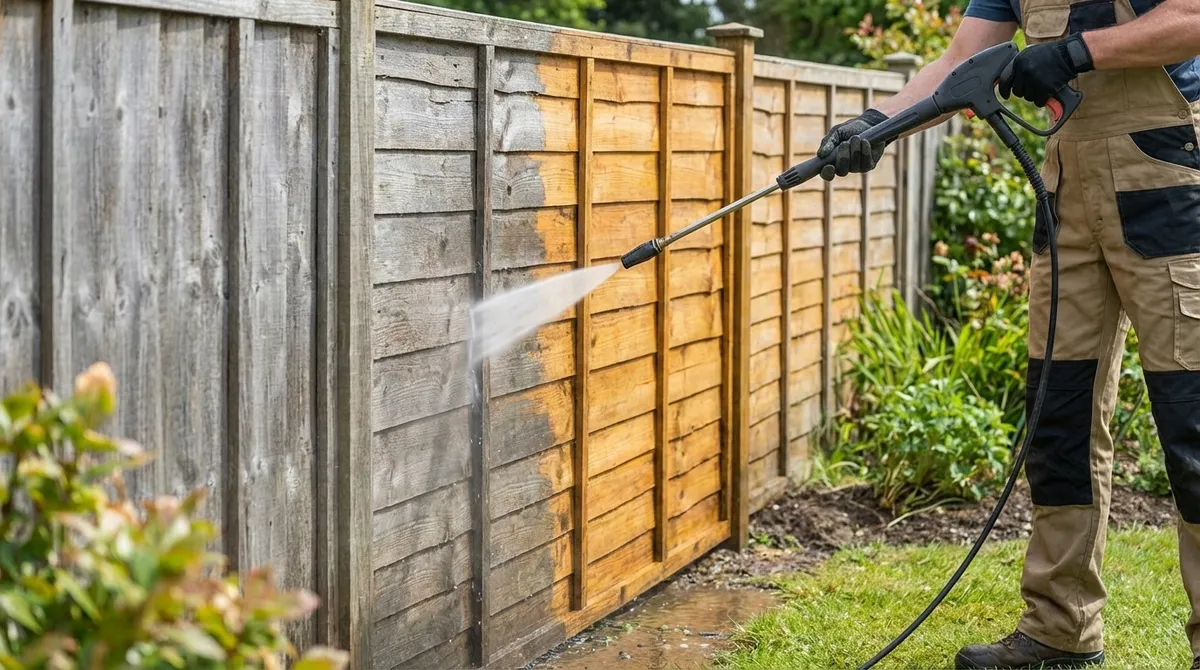
A beautiful wood fence adds charm and value to your property, but maintaining its appearance requires proper care and attention. Many homeowners unknowingly damage their fences while attempting to clean them, leading to costly repairs or premature replacement. Understanding the right techniques and avoiding common pitfalls can save you hundreds—even thousands—of dollars in the long run. Whether you’re dealing with mildew, algae, dirt buildup, or weathered wood, knowing what not to do is just as important as knowing the correct cleaning methods. This comprehensive guide reveals the most expensive mistakes homeowners make when cleaning their wood fences and provides expert solutions to protect your investment.
Using Excessive Pressure Settings That Damage Wood Fibers
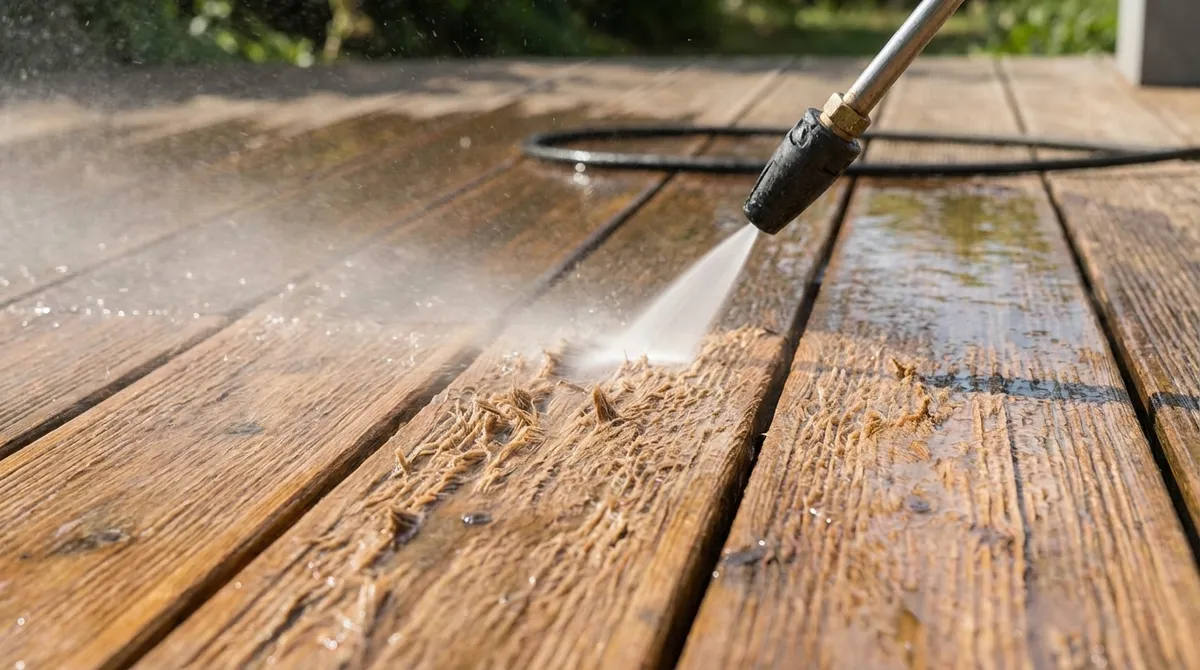
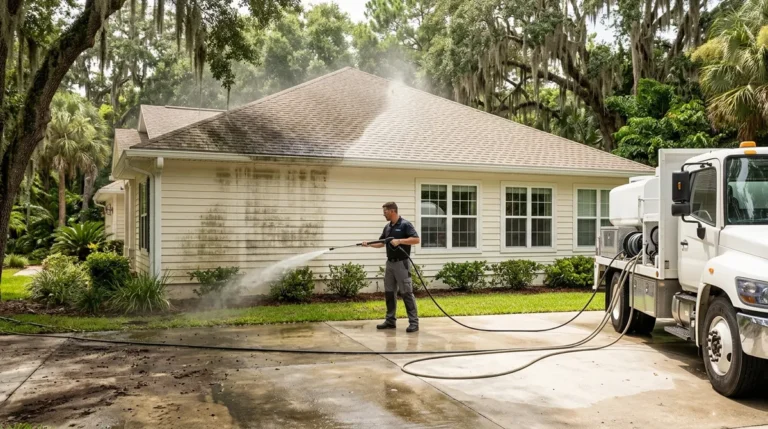
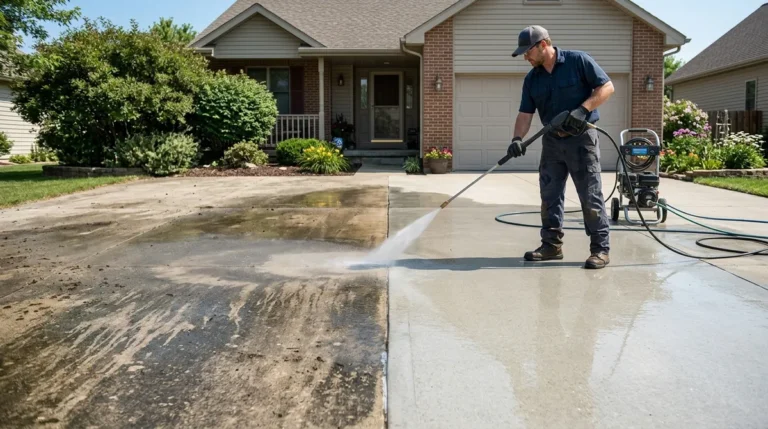
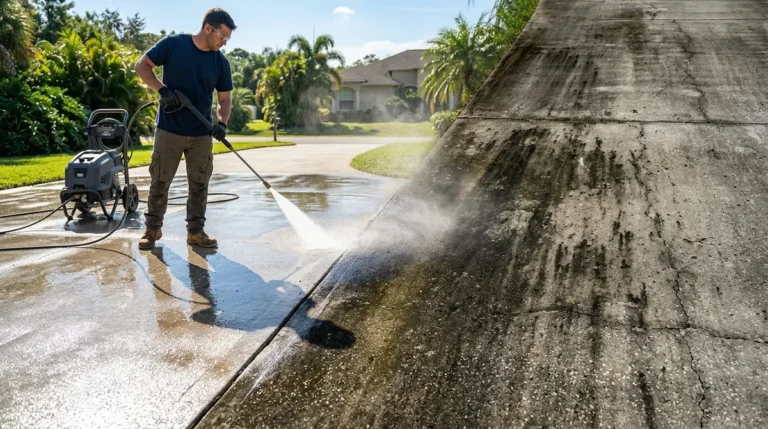
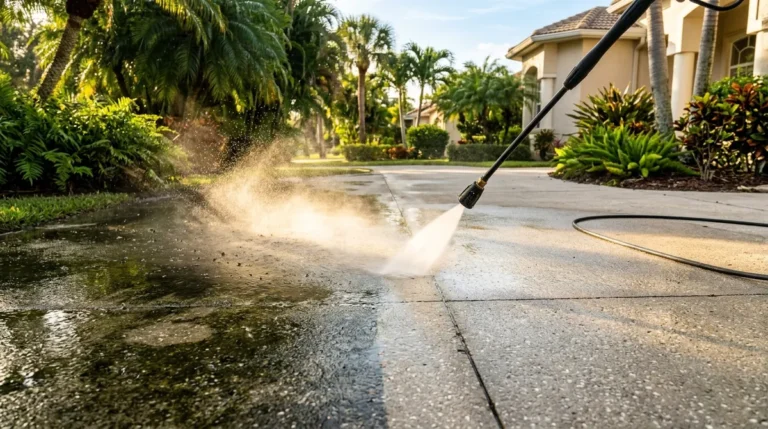
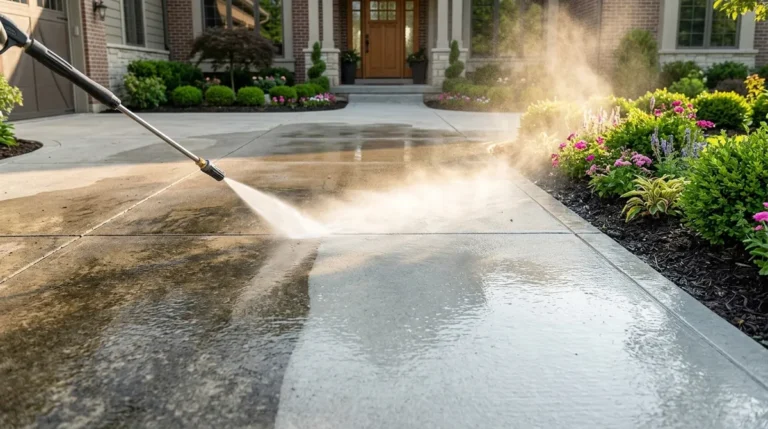
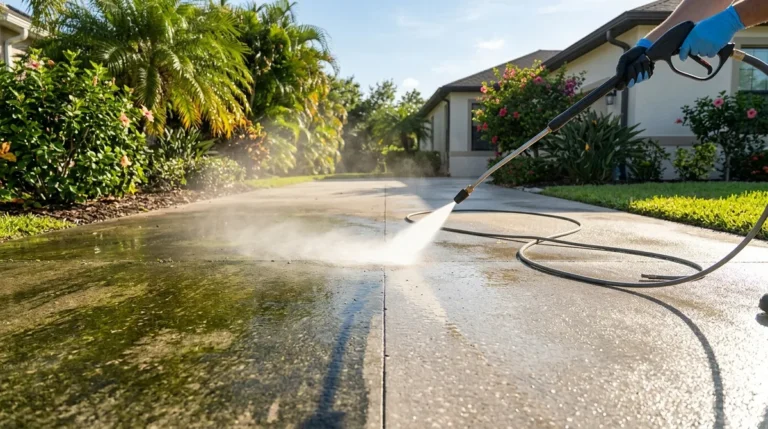
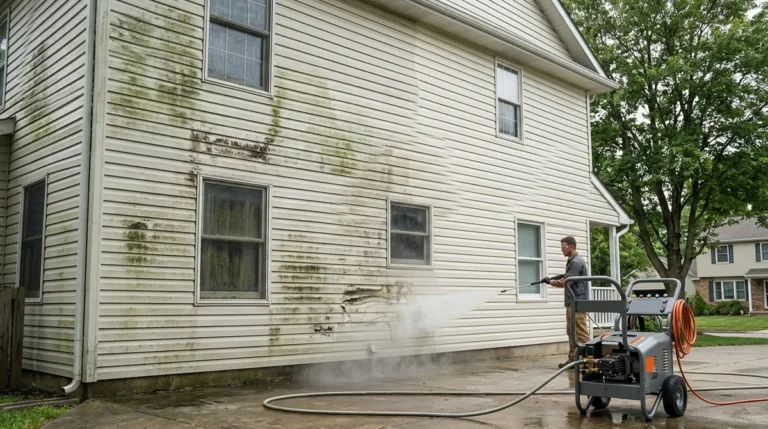
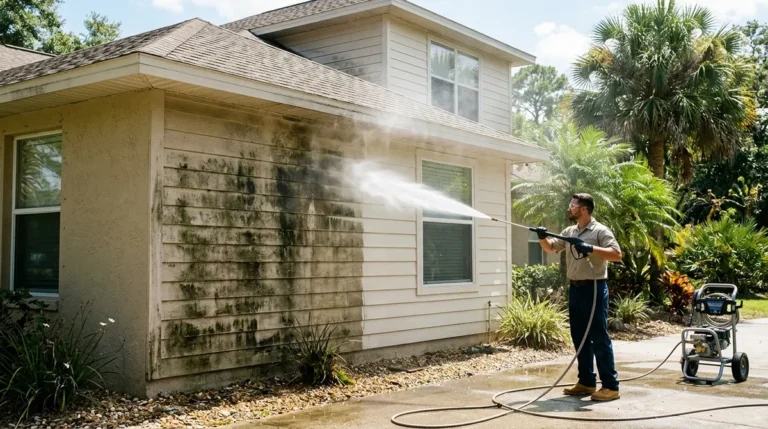
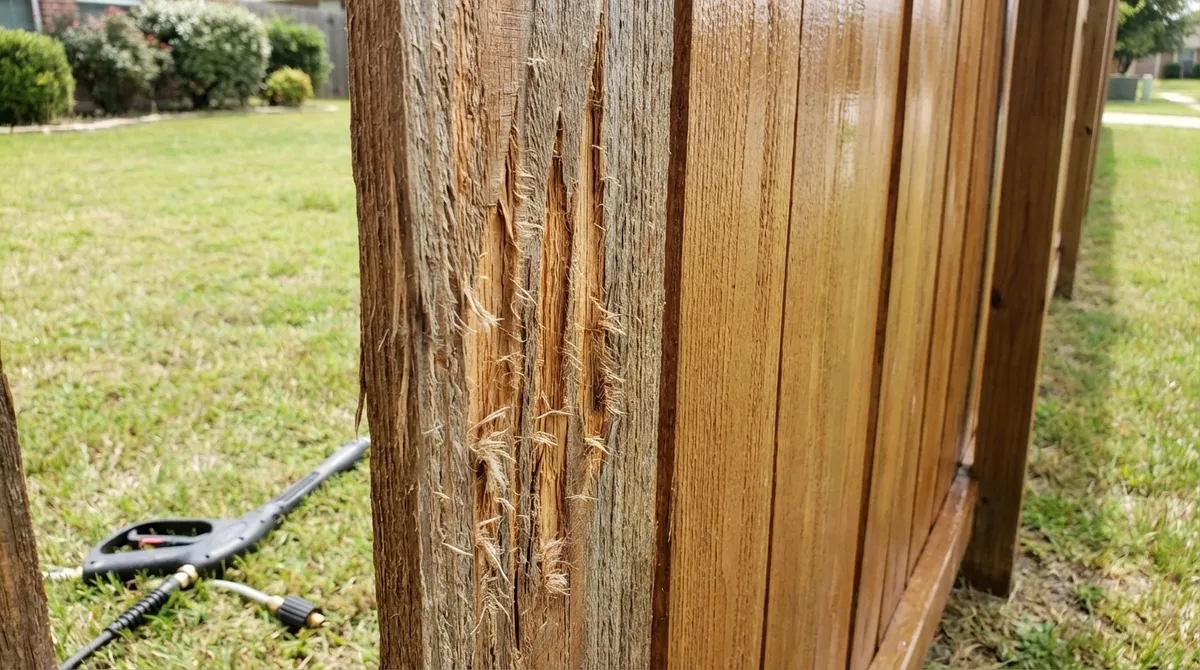
The most destructive mistake homeowners make is using pressure washers at settings that are far too high for wood surfaces. While it might seem logical that more pressure equals better cleaning, wood is a softer material that can easily be damaged by excessive force. When pressure exceeds 1,500 PSI on most wood fences, the water stream begins to erode the wood fibers, creating a fuzzy, raised grain texture that’s difficult to repair.
This damage, known as “furring,” not only ruins the fence’s appearance but also makes the wood more susceptible to moisture penetration and rot. The compromised surface absorbs water more readily, leading to warping, splitting, and accelerated decay. Professional services like Buckhorn Power Wash use soft washing techniques with appropriate pressure levels to clean effectively without causing structural damage.
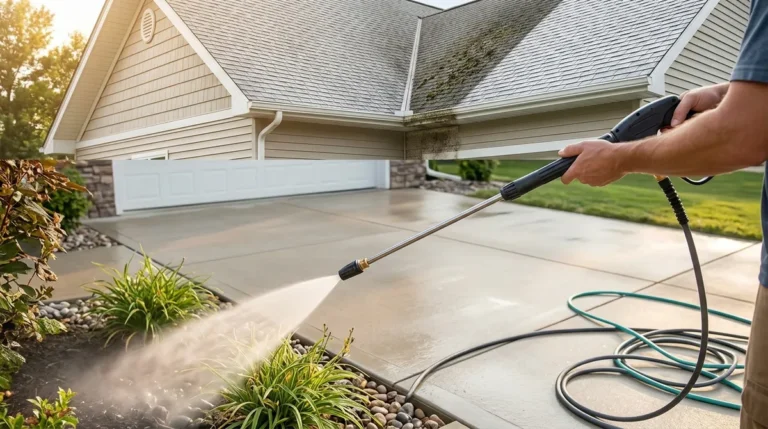
The ideal pressure for wood fence cleaning typically ranges between 500-1,200 PSI, depending on the wood type and condition. Cedar and redwood, being softer woods, require even gentler treatment at the lower end of this range. Additionally, maintaining a proper distance of 12-18 inches from the surface and using a 25-40 degree nozzle tip helps distribute the water pressure more evenly, preventing concentrated damage to any single area.
Neglecting to Test Cleaning Solutions on Hidden Areas
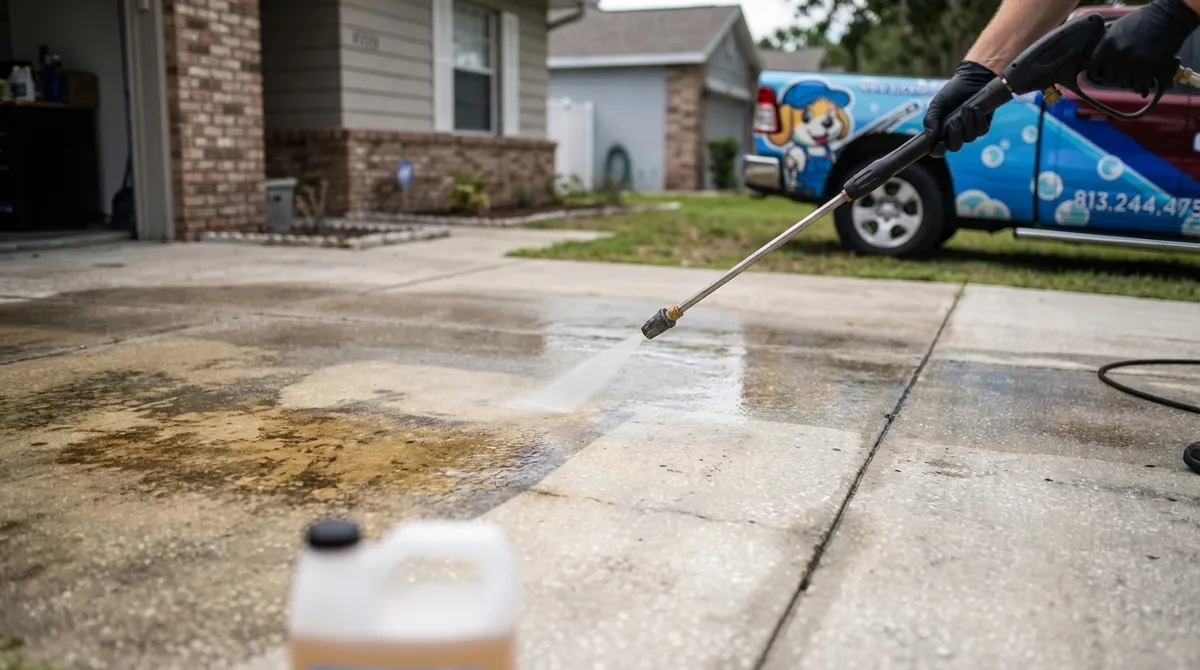
Applying cleaning solutions directly to your entire fence without testing them first is a recipe for disaster. Different wood types react differently to various chemicals, and what works perfectly on one fence might discolor or damage another. Some chemical cleaners can strip natural oils from the wood, causing it to become brittle and prone to cracking. Others may react with tannins in the wood, creating unsightly stains that are nearly impossible to remove.
Always test any cleaning solution on a small, inconspicuous section of your fence—ideally in a corner or behind landscaping—and wait 24-48 hours to observe the results. This waiting period is crucial because some reactions don’t become apparent immediately. Look for any discoloration, excessive lightening, or changes in wood texture that indicate the solution is too harsh.
According to the U.S. Forest Service, pH-neutral cleaners specifically formulated for wood are generally the safest choice for most fence types. These solutions effectively remove dirt and organic growth without compromising the wood’s structural integrity. If you’re unsure about which products to use, consulting with professionals who understand wood chemistry can prevent costly mistakes.
Cleaning During Inappropriate Weather Conditions

Timing is everything when it comes to wood fence cleaning, yet many homeowners overlook this critical factor. Cleaning in direct, intense sunlight causes cleaning solutions to dry too quickly, leaving streaks and uneven results. The rapid evaporation prevents the cleaner from working properly and can cause it to become more concentrated in certain areas, leading to blotchy discoloration.
Conversely, cleaning when temperatures are too cold (below 50°F) prevents cleaning solutions from activating properly and can cause water to freeze in the wood’s pores. This expansion can create micro-cracks that compromise the fence’s longevity. High humidity or impending rain is equally problematic—if the wood doesn’t have adequate time to dry before moisture exposure, it becomes susceptible to mildew growth and water damage.
|
Weather Condition |
Impact on Cleaning |
Recommended Action |
|---|---|---|
|
Direct Sunlight |
Causes rapid drying, streaking |
Clean early morning or late afternoon |
|
Below 50°F |
Prevents proper cleaning agent activation |
Wait for warmer weather |
|
High Humidity |
Extends drying time, promotes mildew |
Choose dry, low-humidity days |
|
Approaching Rain |
Insufficient drying time |
Ensure 24-48 hours of dry weather |
The optimal conditions for wood fence cleaning include overcast days with temperatures between 60-80°F, moderate humidity, and at least 48 hours of dry weather forecasted afterward. This allows the wood to dry thoroughly before sealing or staining, which is essential for long-term protection.
Failing to Prepare the Fence Surface Properly
Jumping straight into cleaning without proper preparation is a mistake that compromises results and can cause damage. Loose debris, cobwebs, and surface dirt should be removed with a brush or broom before any water or chemicals are applied. When these materials mix with water and cleaning solutions, they can create abrasive slurries that scratch the wood surface or get ground deeper into the grain.
Additionally, failing to protect surrounding plants, grass, and landscaping from harsh cleaning solutions can result in damage to your yard. Many cleaning agents, even those labeled as “safe,” can harm sensitive plants when used in concentrated amounts. Cover nearby vegetation with plastic sheeting and thoroughly saturate the soil around your fence with plain water before cleaning. This creates a barrier that dilutes any runoff and prevents root absorption of potentially harmful chemicals.
Another crucial preparation step is checking for loose boards, protruding nails, or damaged sections that might worsen during cleaning. The force of water can exploit existing weaknesses, turning minor issues into major repairs. Securing loose components and making necessary repairs before cleaning ensures the process strengthens rather than compromises your fence’s integrity.
Using the Wrong Cleaning Method for Your Wood Type
Not all wood fences are created equal, and using a one-size-fits-all approach to cleaning can lead to disappointing results or damage. Cedar, pine, redwood, and pressure-treated lumber each have unique characteristics that require tailored cleaning approaches. Cedar and redwood contain natural oils that resist decay but can be stripped away by harsh chemicals or excessive pressure. These premium woods require gentler cleaning methods to preserve their inherent protective properties.
Pressure-treated lumber, while more resistant to rot, has a different chemical composition that can react poorly with certain cleaning agents. Some cleaners can compromise the protective treatment or cause discoloration. Pine, being a softer wood, is particularly vulnerable to pressure damage and requires the most delicate approach of all common fence materials.
-
Cedar and Redwood: Use low pressure (500-800 PSI) with oxygen-based cleaners to maintain natural oils
-
Pressure-Treated Pine: Moderate pressure (800-1,200 PSI) with pH-neutral cleaners that won’t react with chemical treatments
-
Untreated Pine: Minimal pressure (500-700 PSI) with gentle, biodegradable solutions to prevent fiber damage
-
Composite Wood Fencing: Specialized cleaners designed for composite materials with very low pressure
Understanding your fence material is the foundation of effective cleaning. If you’re unsure what type of wood your fence is made from, a professional assessment can prevent costly mistakes. The experts at Buckhorn Power Wash have extensive experience identifying wood types and applying appropriate cleaning techniques for optimal results.
Skipping Post-Cleaning Protection and Sealing
Many homeowners consider the job complete once the fence looks clean, but this is where one of the most expensive long-term mistakes occurs. Cleaning opens the wood’s pores and strips away old protective coatings, leaving the fence vulnerable to the elements. Without proper sealing or staining, your freshly cleaned fence will absorb moisture, UV rays, and contaminants more readily than before cleaning, accelerating deterioration.
The wood must be completely dry—typically requiring 48-72 hours after cleaning—before applying any sealant or stain. Applying protection to damp wood traps moisture inside, leading to rot, mildew, and coating failure. Using a moisture meter to verify the wood’s moisture content is below 15% ensures optimal conditions for sealing. This small investment in a moisture meter can prevent the much larger expense of premature fence failure.
Choosing the right protective product is equally important. According to research from the Buildings Magazine, quality semi-transparent stains typically last 3-5 years, while clear sealers need reapplication every 1-2 years. Water-based sealers are easier to apply and maintain but may not penetrate as deeply as oil-based alternatives. Consider your climate, fence exposure, and maintenance commitment when selecting protection products.
Cleaning Too Frequently or Not Frequently Enough
Finding the right cleaning frequency is a delicate balance that significantly impacts your fence’s longevity and appearance. Over-cleaning is just as damaging as neglect. Each cleaning session removes some of the wood’s natural oils and protective layers, and excessive cleaning accelerates this depletion. Most wood fences only need thorough cleaning every 1-2 years, with spot cleaning for isolated issues as they arise.
Conversely, waiting too long between cleanings allows organic growth, dirt, and contaminants to become deeply embedded in the wood. This buildup requires more aggressive cleaning methods to remove, potentially necessitating the harsh treatments you’re trying to avoid. Mildew and algae that sit on wood for extended periods can begin breaking down the wood fibers, causing permanent staining and structural weakening that no amount of cleaning can reverse.
|
Fence Condition |
Recommended Cleaning Frequency |
Warning Signs |
|---|---|---|
|
Shaded, High Moisture Area |
Every 12-18 months |
Green or black spots, musty odor |
|
Full Sun Exposure |
Every 18-24 months |
Graying, dirt accumulation |
|
Protected/Covered Area |
Every 2-3 years |
Visible dirt, loss of color |
|
High Traffic/Pollution Area |
Every 12 months |
Heavy dirt, discoloration |
Environmental factors should dictate your cleaning schedule more than arbitrary timeframes. Fences in humid climates or shaded areas naturally require more frequent attention to prevent organic growth. Those in arid environments might need less frequent cleaning but more attention to dust and sun damage. Regular visual inspections every few months help you identify when cleaning is actually needed rather than following a rigid schedule.
Attempting DIY Repairs to Severely Damaged Fences
While cleaning seems like a straightforward DIY project, attempting to clean severely weathered or damaged fences without professional help often exacerbates problems. Fences with extensive rot, loose boards, or structural issues require assessment and repair before cleaning can safely proceed. Applying water and cleaning solutions to compromised wood can accelerate decay and turn repairable sections into complete replacement zones.
Professional fence cleaning services offer more than just equipment—they provide expertise in identifying underlying issues that homeowners might miss. Experienced technicians recognize the early signs of wood rot, insect damage, and structural weaknesses that require attention before or during the cleaning process. This diagnostic capability prevents the common scenario where homeowners clean a fence only to discover major problems that make the cleaning effort futile.
The cost difference between professional and DIY cleaning is often smaller than homeowners expect, especially when factoring in equipment rental, cleaning solutions, and the time investment. Moreover, professionals carry insurance that protects you from liability if something goes wrong during the cleaning process. For residents in Hillsborough County seeking expert fence cleaning, you can Get an Instant Quote to compare professional service costs against DIY expenses.
Ignoring Environmental and Runoff Concerns
The environmental impact of fence cleaning is an often-overlooked consideration that can have legal and ecological consequences. Cleaning solution runoff carries contaminants, chemicals, and organic materials into storm drains, waterways, and groundwater. Many municipalities have regulations regarding wastewater discharge, and violating these rules can result in significant fines.
Using biodegradable, eco-friendly cleaning solutions minimizes environmental harm, but even these products can affect water quality when used in large quantities. The Environmental Protection Agency recommends containing and properly disposing of cleaning wastewater whenever possible. This might involve using berms to direct runoff to landscaped areas where soil can filter contaminants, or collecting runoff for proper disposal according to local regulations.
Beyond legal compliance, environmentally responsible cleaning practices protect your own property. Harsh chemical runoff can damage grass, kill beneficial insects, and harm pets that might come into contact with treated areas. Choosing plant-safe products and following proper dilution ratios protects your landscape while achieving excellent cleaning results. Professional services are typically well-versed in environmental regulations and use compliant methods that homeowners might not be aware of.
Making Informed Decisions About Wood Fence Maintenance
Proper wood fence cleaning requires knowledge, appropriate equipment, and careful attention to detail. The mistakes outlined in this guide represent the most common and costly errors that compromise fence longevity and appearance. By understanding proper pressure settings, choosing appropriate cleaning solutions, timing your cleaning correctly, and following through with protective treatments, you can maintain a beautiful fence that adds value to your property for decades.
Remember that your fence is a significant investment in your property’s curb appeal, privacy, and security. Protecting this investment through proper maintenance is far less expensive than premature replacement due to damage from improper cleaning. Whether you choose to handle fence cleaning yourself or hire professionals, the key is applying the right methods for your specific fence type and conditions.
For homeowners who want the peace of mind that comes with professional expertise, services that specialize in wood care use proven techniques and commercial-grade equipment designed specifically for fence cleaning. They understand the nuances of different wood types, have experience with various contaminants and stains, and can complete the job efficiently while preventing the costly mistakes that often plague DIY efforts. Check out what customers are saying at our Google Business Profile to see the difference professional care makes.
Taking the time to research proper cleaning methods, investing in quality products, and knowing when to call in experts will keep your wood fence looking beautiful and functioning properly for years to come. Your fence deserves the same level of care and attention you give to other important aspects of your home’s exterior. Ready to restore your fence’s beauty without the risk of costly damage? Get an Instant Quote today and discover how professional fence cleaning can transform your property!
FAQs
Q: What PSI should I use for cleaning a wood fence?
A: The ideal pressure for wood fence cleaning ranges between 500-1,200 PSI, depending on the wood type. Softer woods like cedar and redwood require gentler treatment at 500-800 PSI, while pressure-treated lumber can handle up to 1,200 PSI. Exceeding these levels can cause permanent damage to wood fibers and create a fuzzy texture that compromises the fence’s integrity.
Q: How often should a wood fence be cleaned?
A: Most wood fences require thorough cleaning every 1-2 years, though frequency varies based on environmental conditions. Fences in shaded, high-moisture areas may need cleaning every 12-18 months to prevent organic growth, while those in full sun can typically go 18-24 months. Regular visual inspections help determine when cleaning is actually needed rather than following a rigid schedule.
Q: Can I clean my wood fence without damaging it?
A: Yes, with proper techniques you can safely clean your wood fence. Use appropriate pressure settings for your wood type, test cleaning solutions on hidden areas first, maintain proper distance from the surface, and choose optimal weather conditions. Following these guidelines and applying protective sealant after cleaning ensures your fence remains undamaged and well-maintained for years.
Q: What is the best cleaning solution for wood fences?
A: pH-neutral cleaners specifically formulated for wood are generally the safest and most effective choice for fence cleaning. These solutions remove dirt and organic growth without compromising the wood’s structural integrity or stripping natural oils. Oxygen-based cleaners work well for cedar and redwood, while biodegradable solutions are ideal for environmentally conscious homeowners.
Q: Should I seal my fence after cleaning it?
A: Yes, sealing or staining your fence after cleaning is essential for long-term protection. Cleaning opens the wood’s pores and removes old protective coatings, leaving the fence vulnerable to moisture, UV damage, and contaminants. Wait 48-72 hours for the wood to dry completely before applying sealant, and verify moisture content is below 15% for optimal results.