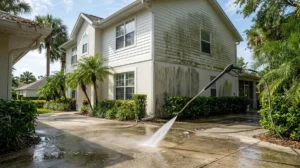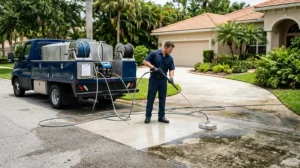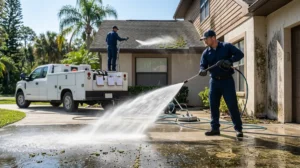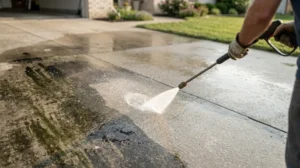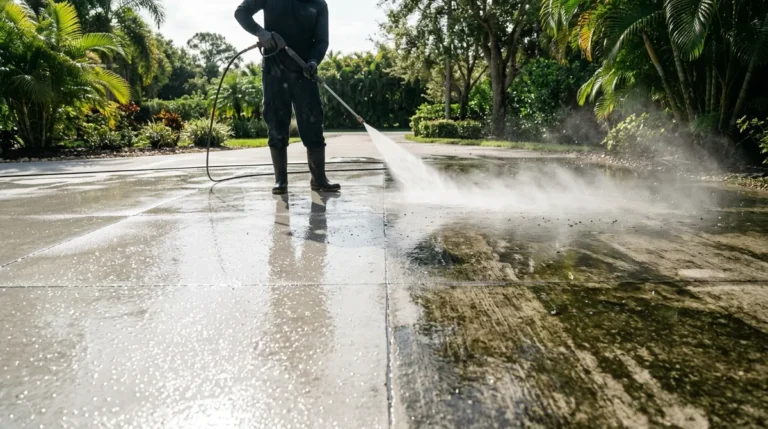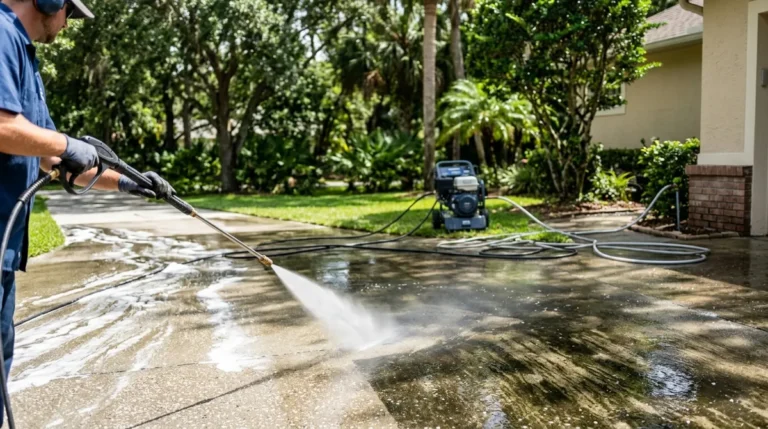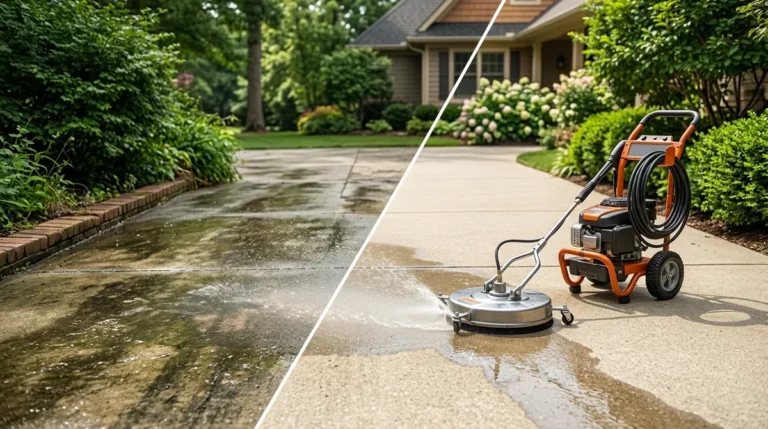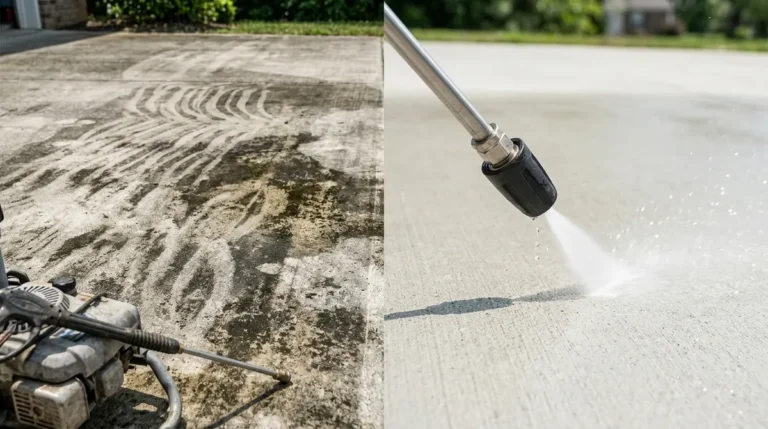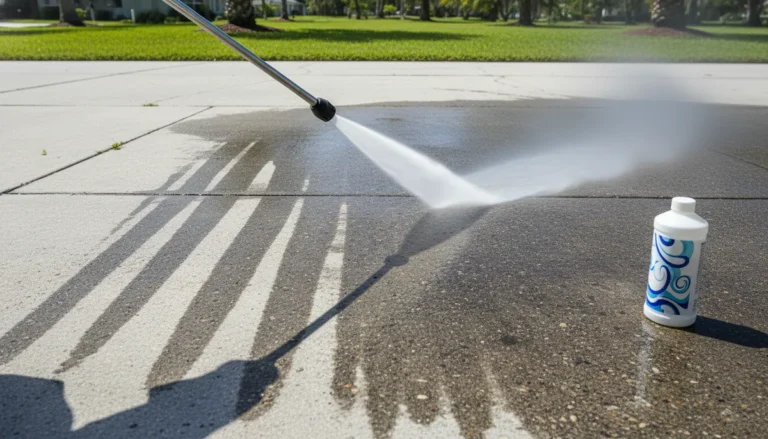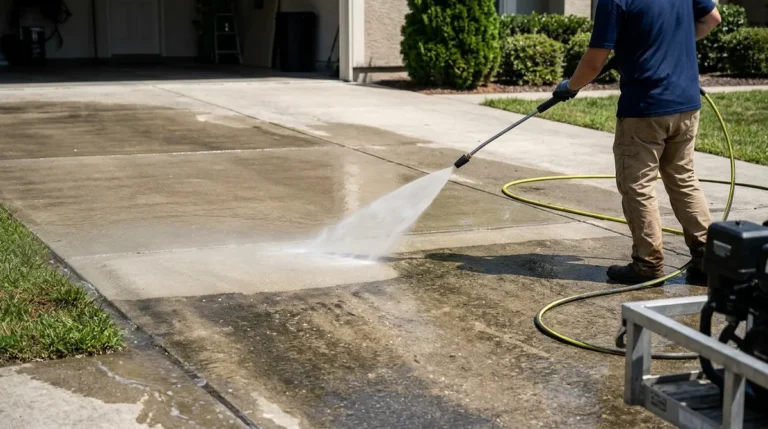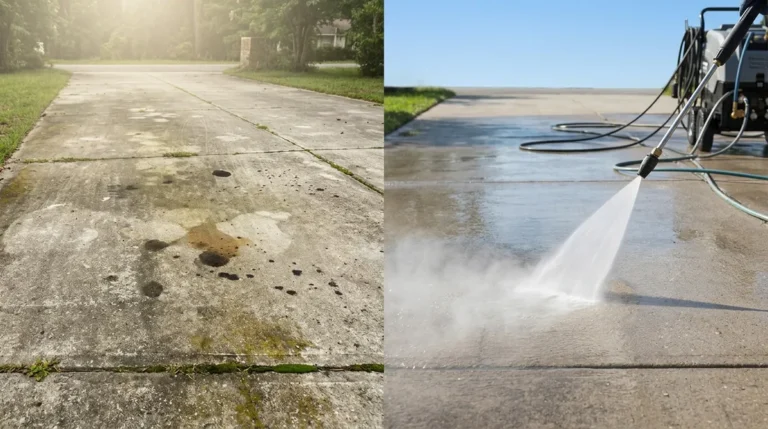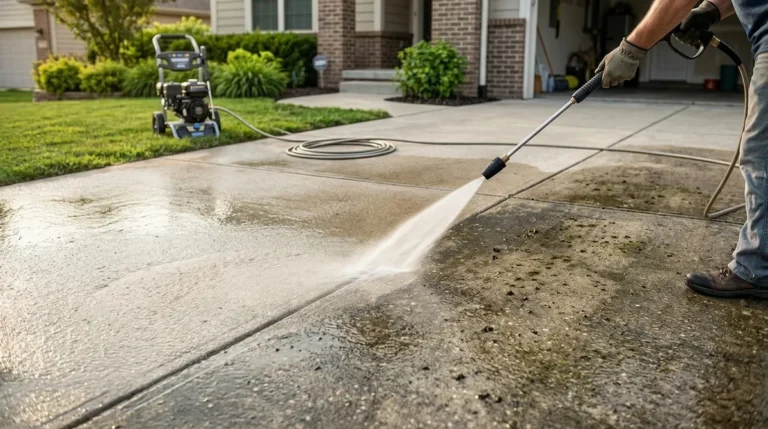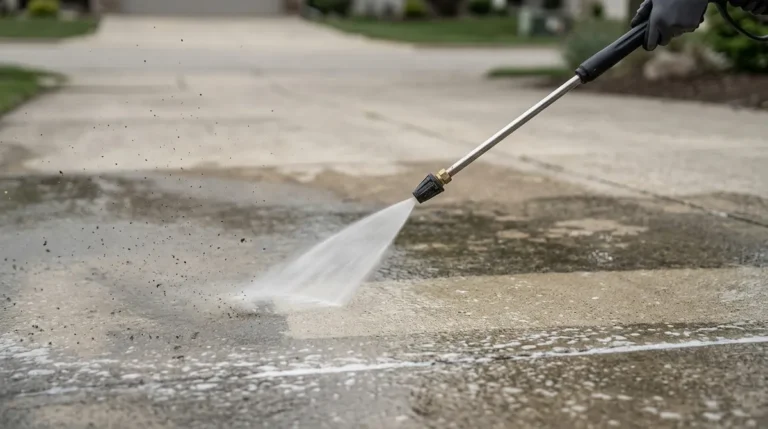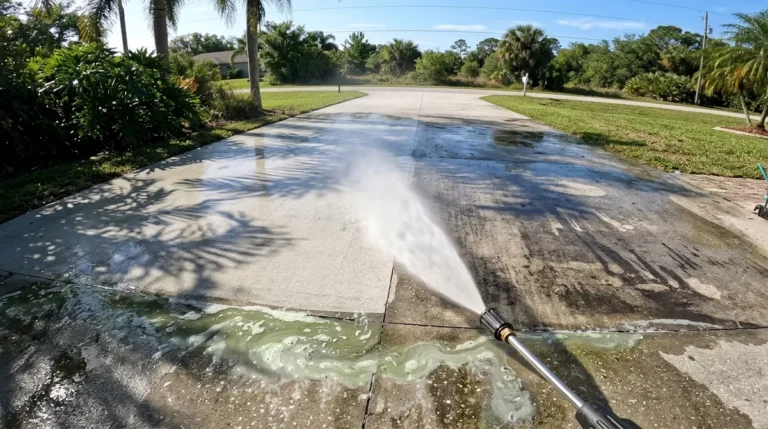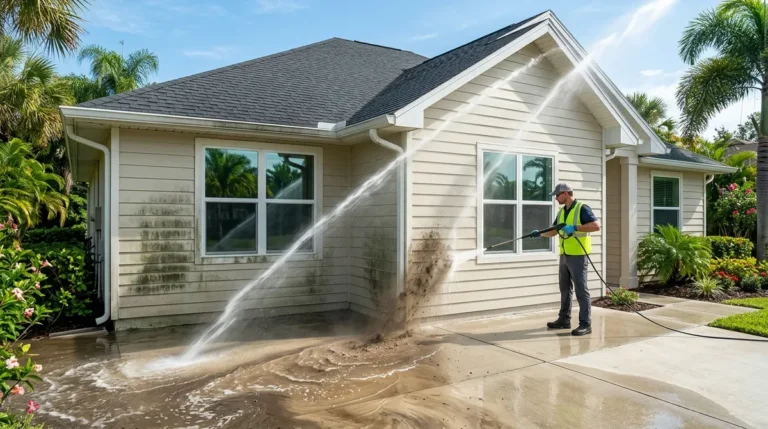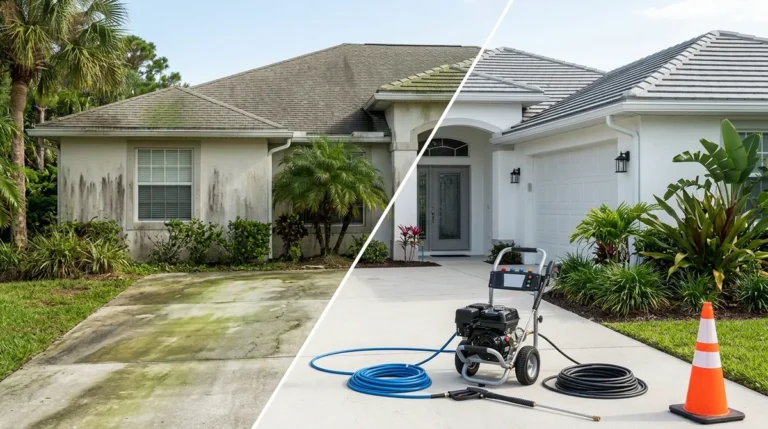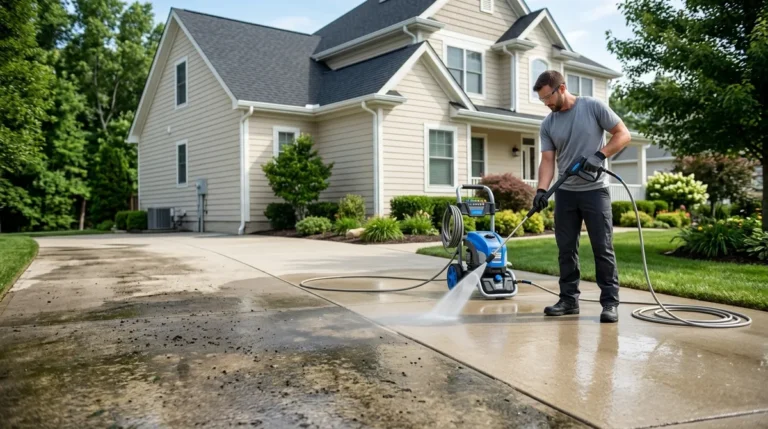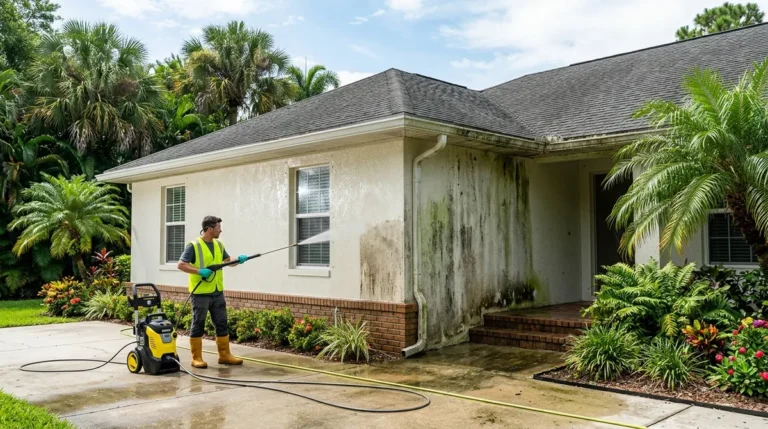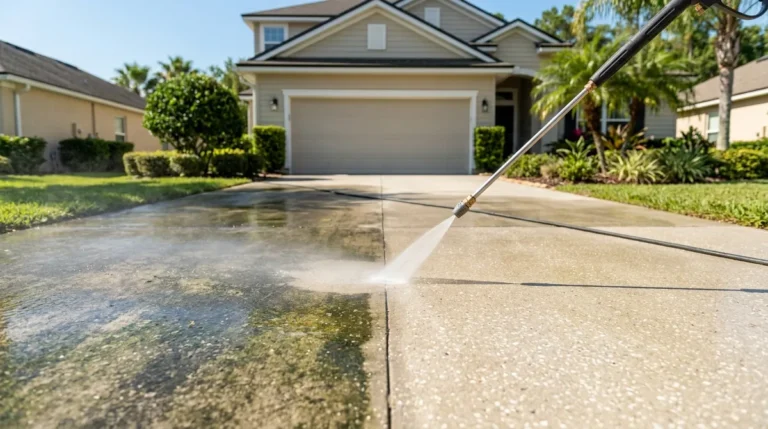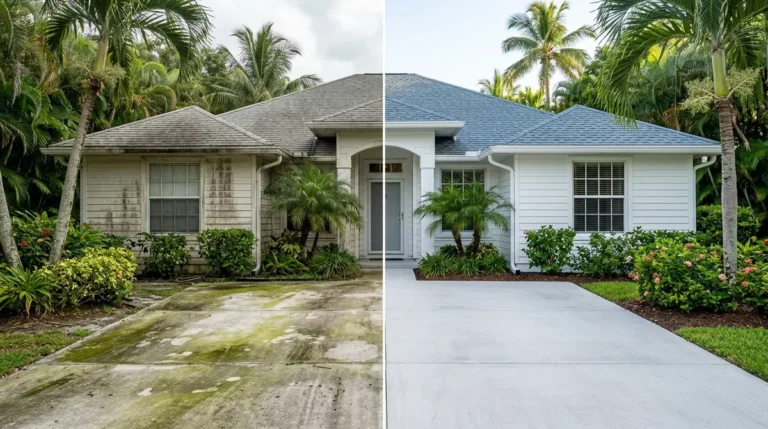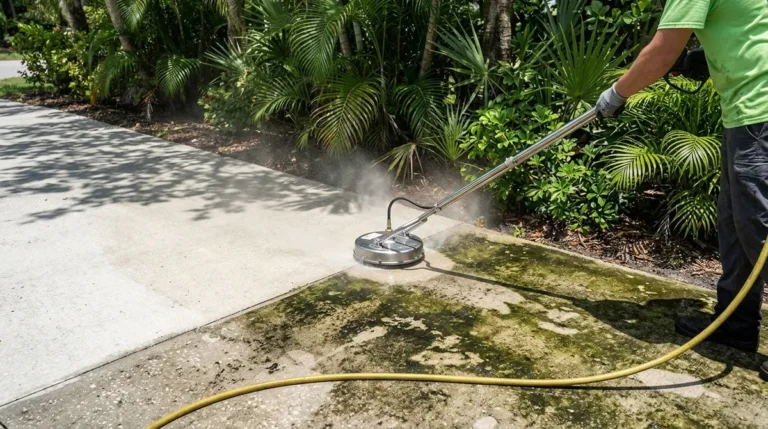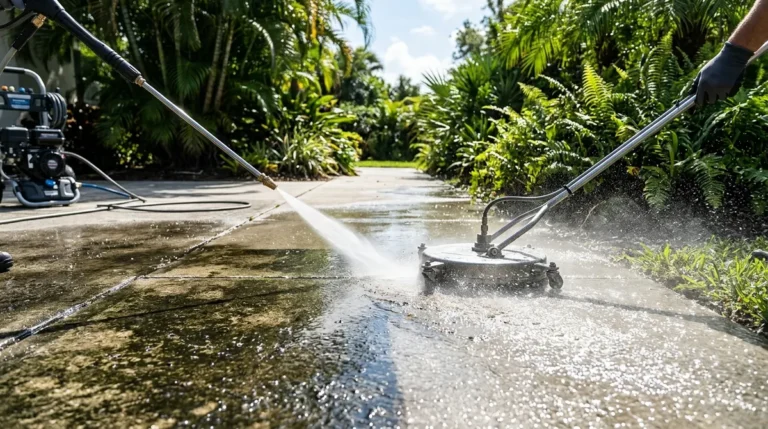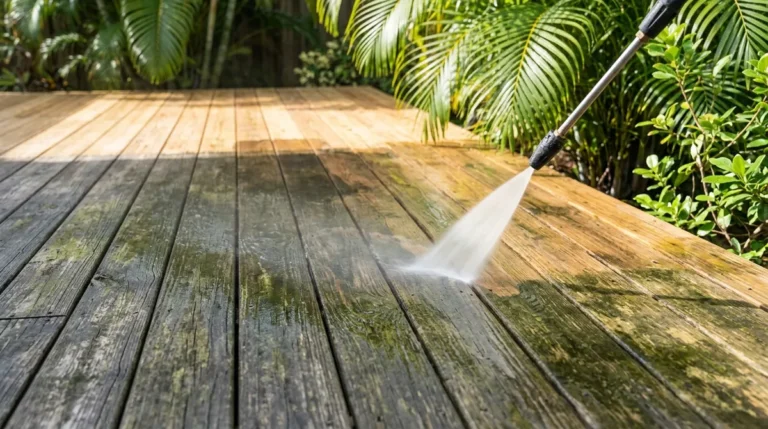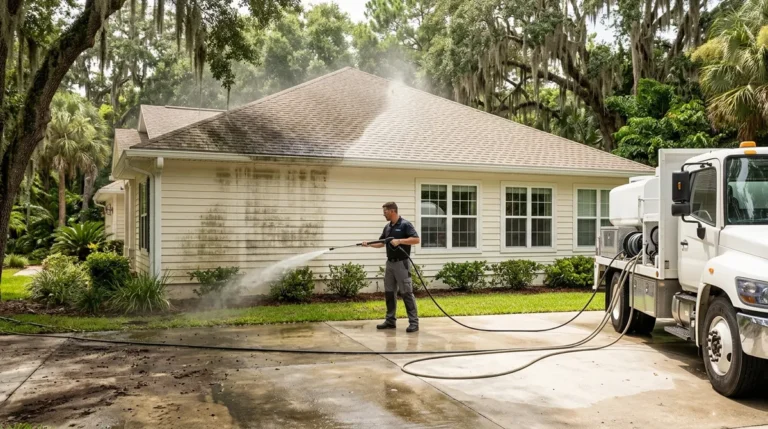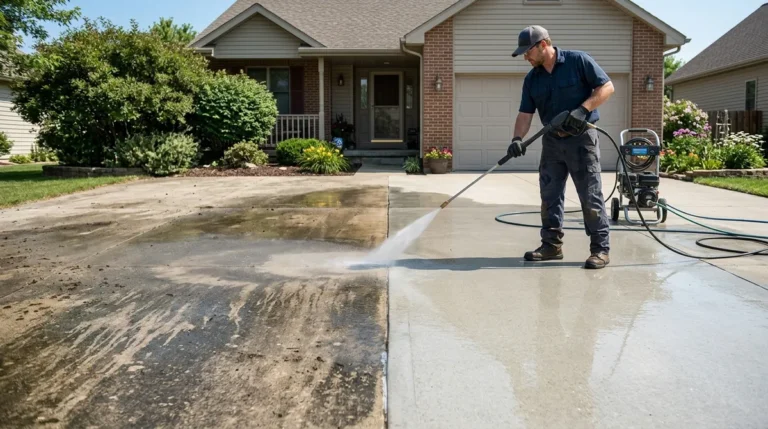
Residential pressure washing has become increasingly popular among homeowners seeking to maintain their property’s curb appeal and value. However, what seems like a straightforward cleaning task can quickly turn into an expensive nightmare when done incorrectly. From damaged siding to wasted water and cleaning solutions, the hidden costs of improper pressure washing techniques add up faster than most homeowners realize. Understanding these common pitfalls before you start can save you thousands of dollars in repairs and help you achieve the pristine results you’re aiming for.
Professional pressure washing services like Buckhorn Power Wash have seen countless examples of DIY attempts gone wrong, and the patterns are remarkably consistent. Whether you’re planning to tackle the job yourself or hire a professional, knowing what mistakes to avoid will protect your investment and ensure your home looks its best. Let’s explore the seven most costly residential pressure washing mistakes and how to avoid them.
Using the Wrong Pressure Settings for Different Surfaces
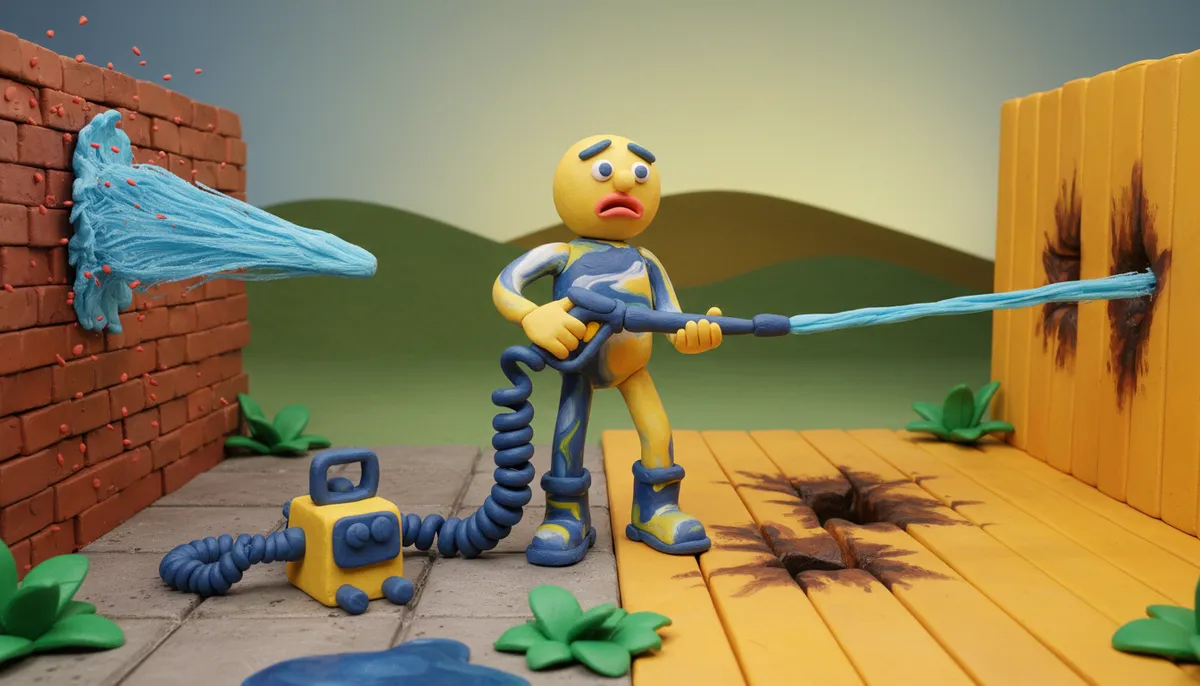
One of the most expensive mistakes homeowners make is applying uniform pressure across all surfaces. Your home’s exterior consists of various materials, each requiring different pressure levels to clean effectively without causing damage. Vinyl siding, for instance, requires significantly lower pressure than concrete driveways, yet many inexperienced users blast everything at maximum power.
High-pressure settings can strip paint from wood surfaces, crack vinyl siding, force water behind exterior walls causing mold growth, and etch patterns into softer materials like stucco. Professional equipment typically operates between 1,500 and 4,000 PSI, but that doesn’t mean you should use maximum pressure everywhere. Vinyl siding performs best with 1,300-1,600 PSI, while concrete can handle 3,000 PSI or higher.
The nozzle you select matters just as much as the pressure setting. A zero-degree nozzle concentrates water into a pinpoint stream capable of cutting through materials, while a 40-degree nozzle distributes water across a wider area for gentler cleaning. Understanding this relationship between pressure, distance, and nozzle selection prevents costly surface damage and ensures thorough cleaning.
Ignoring Safety Equipment and Proper Technique
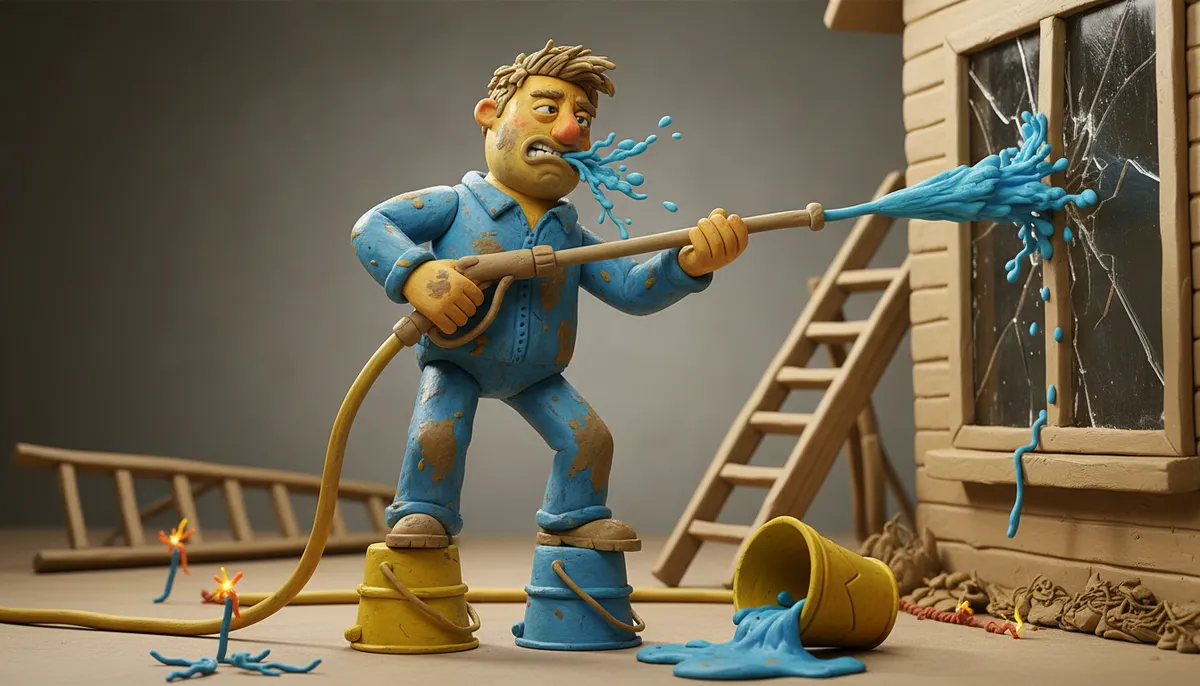
Pressure washers generate enough force to cause serious injuries, yet many homeowners treat them like oversized garden hoses. The water stream from a pressure washer can penetrate skin, cause eye injuries, and create slip hazards that lead to falls from ladders. According to the Consumer Product Safety Commission, thousands of pressure washer-related injuries occur annually, many resulting in emergency room visits.
Proper safety equipment includes eye protection, closed-toe shoes with good traction, gloves, and long pants to protect against debris kicked up by the water stream. When working on second-story areas, stable ladder placement and spotters become essential. Never point the wand at yourself, others, pets, or electrical components.
Technique matters significantly for both safety and results. Maintain consistent distance from the surface, use sweeping motions rather than focusing on one spot, and work from top to bottom to avoid streaking. Holding the wand too close or lingering too long in one area creates gouges and uneven cleaning patterns that stand out once everything dries.
Skipping the Pre-Treatment and Cleaning Solutions

Many homeowners assume water pressure alone will remove all dirt, mildew, and stains. This misconception leads to excessive pressure use, longer cleaning times, and incomplete results. Professional residential pressure washing incorporates appropriate cleaning solutions applied before pressure washing to break down organic growth, oxidation, and stubborn stains.
Different surfaces and stains require specific cleaning agents. Mildew and algae respond to solutions containing sodium hypochlorite, while oil stains on driveways need degreasers. Using the wrong chemical or skipping pre-treatment entirely means you’ll spend more time pressure washing with limited success. Pre-treatment solutions do the heavy lifting, allowing lower pressure settings to achieve superior results.
The application method matters too. Proper pre-treatment involves applying solutions with appropriate dwell time before rinsing. Rushing this process or using incorrect dilution ratios either damages surfaces or produces disappointing results. Professional services like Buckhorn Power Wash understand which solutions work best for Hillsborough County’s climate and common exterior challenges.
Failing to Protect Landscaping and Nearby Items

The powerful stream from a pressure washer doesn’t discriminate—it damages delicate plants, strips mulch from beds, and sends loose items flying. Homeowners frequently overlook protecting their landscaping, resulting in destroyed flower beds, damaged shrubs, and eroded soil around foundations. The cost of replacing mature landscaping often exceeds the cost of professional pressure washing services.
Before beginning any pressure washing project, remove or cover outdoor furniture, grills, decorations, and potted plants. Pre-soak delicate plants and shrubs with plain water, then cover them with plastic sheeting or tarps. This creates a protective barrier against both the high-pressure water and cleaning chemicals that can harm vegetation.
Window screens, light fixtures, outdoor electrical outlets, and AC units also need protection or removal. Water forced into electrical components creates fire hazards and expensive repairs. Taking fifteen minutes to properly prepare the area prevents thousands in damage and ensures your pressure washing project enhances rather than harms your property’s value.
Washing in the Wrong Weather Conditions
Timing your residential pressure washing project correctly significantly impacts results and efficiency. Many homeowners tackle pressure washing during inappropriate weather conditions, leading to wasted effort and subpar outcomes. Hot, sunny days cause cleaning solutions to dry too quickly before you can rinse them, while extremely cold temperatures make the job uncomfortable and potentially damage surfaces.
Direct sunlight creates several problems. Cleaning solutions evaporate rapidly, leaving residue and streaks that require additional passes. The heat also makes some surfaces expand, potentially forcing water behind siding or into cracks. Overcast days with mild temperatures between 50-85°F provide ideal conditions, allowing cleaning solutions proper dwell time and preventing rapid evaporation.
Avoid pressure washing before rain, as precipitation will undo your work and waste cleaning solutions. Wind creates safety hazards by blowing spray back onto you or into areas you’re trying to protect. According to the Environmental Protection Agency, proper timing also minimizes environmental impact by preventing runoff into storm drains during heavy rain events. Check the forecast and choose a calm, overcast day for best results.
Overlooking Proper Water Source and Drainage
Residential pressure washers consume substantial amounts of water—typically 2-4 gallons per minute. Inadequate water supply causes the pump to cavitate, leading to equipment damage and inconsistent pressure. Many homeowners don’t verify their water source can maintain adequate flow, resulting in frustrating interruptions and potential equipment failure.
Your garden hose diameter matters significantly. A standard 5/8-inch hose may not deliver sufficient volume for larger pressure washers, while kinked or excessively long hoses restrict flow. Before starting, ensure you have proper hose diameter, adequate length without kinks, sufficient water pressure from your source, and appropriate fittings that don’t leak.
Drainage planning prevents another common costly mistake. Pressure washing creates significant runoff containing dirt, chemicals, and debris. Without proper drainage planning, this water pools around foundations, floods flower beds, or flows into areas where it causes erosion. Understanding local regulations about wastewater disposal, especially when using cleaning chemicals, helps you avoid environmental violations and fines.
Attempting Complex or High Areas Without Experience
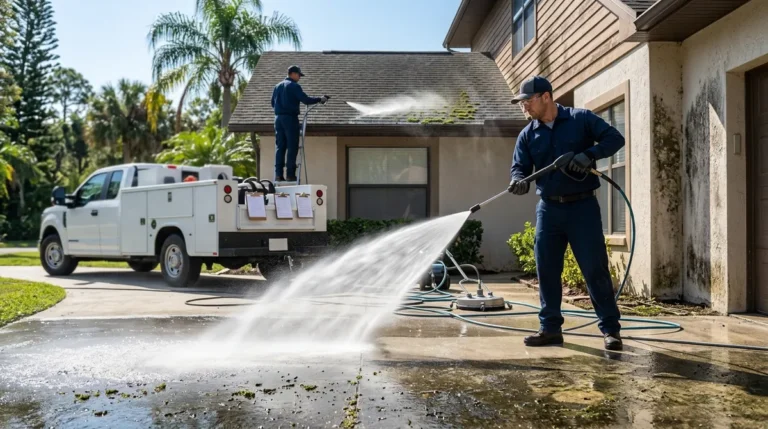
Some residential pressure washing tasks require specialized equipment, techniques, and safety measures that exceed typical homeowner capabilities. Second-story siding, roofs, and high gables present fall hazards and require proper ladder safety or lift equipment. Attempting these areas without experience increases injury risk and often results in inconsistent cleaning or surface damage.
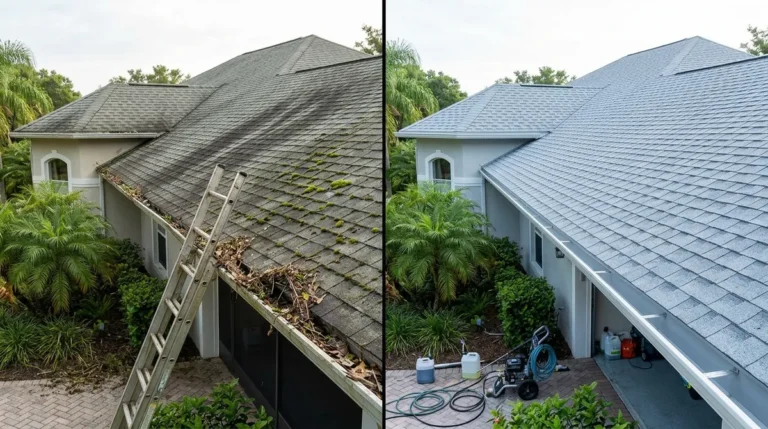
Roof cleaning presents particular challenges. Walking on wet roofs is extremely dangerous, and improper pressure or technique damages shingles, forcing water under roofing materials and creating leaks. Professional roof cleaning services use specialized low-pressure techniques called soft washing that safely remove algae and stains without compromising roof integrity.
Delicate architectural features like decorative trim, shutters, and aged wood require experienced handling. These elements often need lower pressure, specific angles of approach, and sometimes hand cleaning rather than pressure washing. Knowing when to call professionals saves money compared to repairing damaged architectural details or medical bills from ladder falls.
Rushing the Job and Missing Critical Areas
Quality residential pressure washing takes time. Homeowners eager to finish quickly often miss areas, create streaks, or fail to thoroughly rinse cleaning solutions. These shortcuts become glaringly obvious once surfaces dry, requiring additional work that doubles your time investment. Proper preparation, methodical cleaning patterns, and thorough rinsing distinguish professional results from amateur attempts.
Missing critical areas like under eaves, behind downspouts, and around utility meters allows dirt and mildew to spread back across cleaned surfaces. These often-overlooked spots need attention to achieve comprehensive, long-lasting results. Creating a systematic approach—working from top to bottom, completing one section before moving to the next—ensures nothing gets missed.
Inadequate rinsing leaves cleaning solution residue that attracts dirt faster and can discolor surfaces over time. Each area needs thorough rinsing with clean water after the cleaning solution has done its work. Professional services understand the importance of proper dwell time followed by complete rinsing, ensuring both immediate visual appeal and lasting cleanliness.
Making the Smart Choice for Your Home
Understanding these seven costly residential pressure washing mistakes empowers you to make informed decisions about maintaining your home’s exterior. Whether you choose to tackle the project yourself with proper preparation or hire experienced professionals, avoiding these pitfalls protects your investment and delivers the clean, attractive results you want.
For homeowners in Hillsborough County, professional services offer expertise, proper equipment, and insurance protection that DIY approaches can’t match. The investment in professional residential pressure washing typically costs less than repairing damage from mistakes, provides superior results, and includes the peace of mind that comes with experienced, insured technicians.
Your home represents your largest financial investment and deserves proper care. Taking shortcuts or attempting complex cleaning projects without adequate knowledge risks expensive repairs and disappointing results. Check out our reviews on Google to see how professional residential pressure washing transforms homes throughout the area.
Ready to restore your home’s beauty without the risk of costly mistakes? Get an Instant Quote today and discover how professional pressure washing delivers exceptional results while protecting your investment!
FAQs
Q: What PSI pressure washer do I need for residential pressure washing?
A: For most residential applications, a pressure washer between 2,000-3,000 PSI works well. Vinyl siding requires 1,300-1,600 PSI, while concrete driveways can handle 3,000 PSI or higher. The nozzle type and distance from the surface matter as much as the PSI rating, so adjusting these factors allows one machine to safely clean various surfaces around your home.
Q: How often should I pressure wash my house?
A: Most homes benefit from professional residential pressure washing every 1-2 years, depending on climate, surrounding vegetation, and exposure to elements. Homes in humid climates or near trees may need annual cleaning to prevent mildew and algae buildup. Regular maintenance prevents stubborn stains that require aggressive cleaning techniques and helps preserve your home’s exterior materials.
Q: Can pressure washing damage my home’s siding?
A: Yes, improper pressure washing techniques can damage siding by cracking vinyl, stripping paint, or forcing water behind exterior walls. Using excessive pressure, incorrect nozzles, or holding the wand too close causes most damage. Professional services use appropriate pressure settings, proper techniques, and soft washing methods for delicate surfaces to clean effectively without causing harm.
Q: Is it better to hire a professional or DIY residential pressure washing?
A: Professional pressure washing typically delivers superior results with less risk of property damage or personal injury. Professionals possess proper equipment, experience with various surfaces, insurance coverage, and knowledge of appropriate cleaning solutions. DIY approaches work for simple projects if you have experience, but complex jobs involving high areas, delicate surfaces, or stubborn stains benefit significantly from professional expertise.
Q: What cleaning solutions are safe for residential pressure washing?
A: Safe residential pressure washing solutions include diluted sodium hypochlorite for mildew and algae, specialized house wash detergents, and environmentally-friendly options for sensitive areas near landscaping. The solution depends on the surface type and staining. Professional services select appropriate chemicals that effectively clean without harming surfaces, vegetation, or pets while complying with environmental regulations.