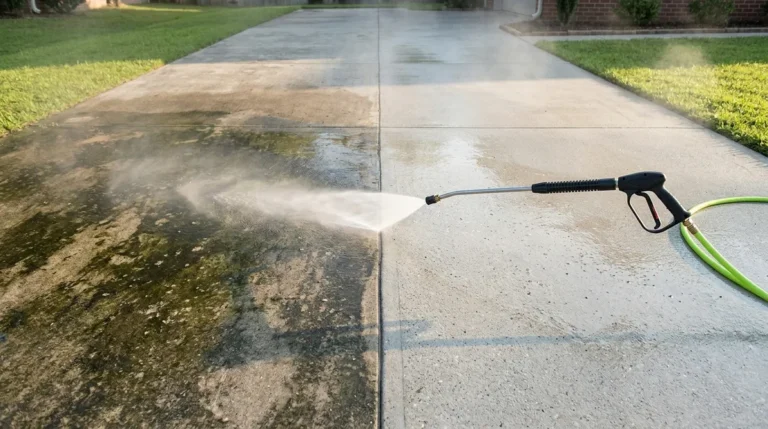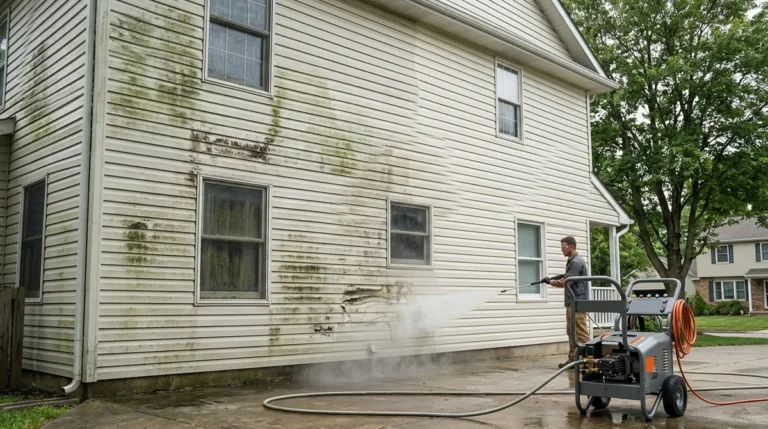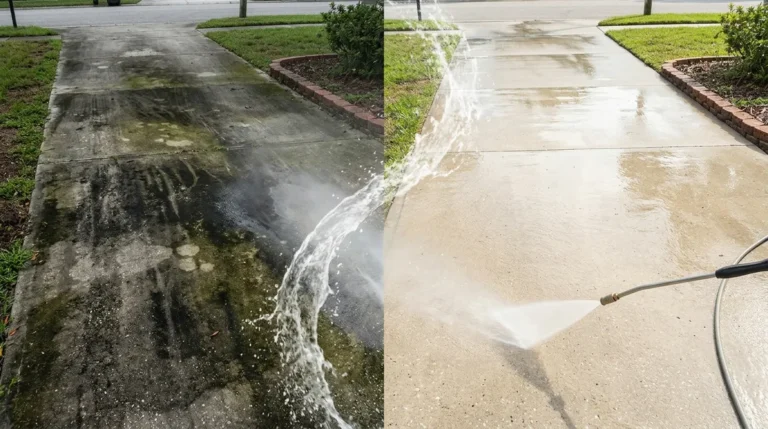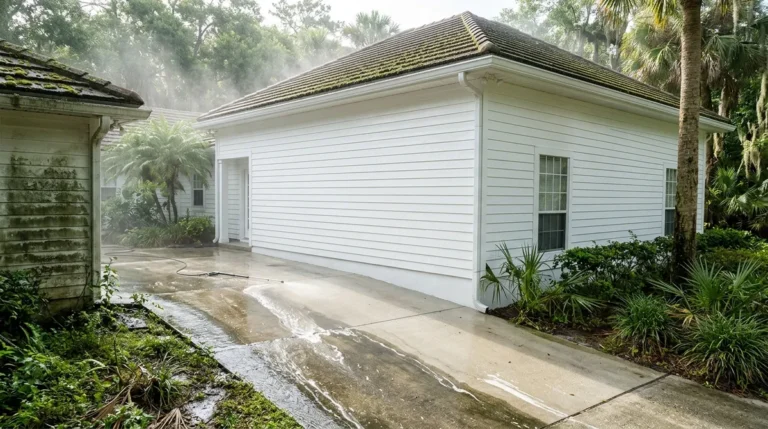
Key Takeaways
-
Commercial pressure washing requires understanding equipment specs like PSI and GPM for effective cleaning across different business environments.
-
Hot water pressure washers dramatically improve cleaning efficiency for grease and oil removal, especially in restaurants and industrial settings.
-
Safety equipment is critical, including goggles, chemical-resistant gloves, and protective clothing to prevent injuries during commercial cleaning.
-
Choosing between gas and electric pressure washers depends on mobility needs, power requirements, and specific work environment constraints.
-
Professional pressure washing services offer expertise and high-grade equipment that often provides better value than purchasing and maintaining machines in-house.
Keeping your business looking clean and professional isn’t just about first impressions—it’s about protecting your investment and creating a safe environment for customers and employees. Commercial pressure washing offers a powerful solution for maintaining everything from parking lots to building exteriors, but choosing the right approach requires understanding what makes commercial cleaning different from residential work. Whether you’re managing a restaurant, warehouse, or retail space, the right pressure washing setup can save you time, money, and headaches down the road.
In 2026, commercial pressure washing has become more accessible and efficient than ever before. Modern equipment delivers incredible cleaning power while using water responsibly, and professional services like those offered by Buckhorn Power Wash bring expertise that ensures your property gets the attention it deserves. Let’s explore how to make smart decisions about commercial pressure washing for your business needs.
Understanding Commercial vs Residential Pressure Washing
The difference between commercial and residential pressure washing goes far beyond just the size of the job. Commercial applications demand equipment that can handle bigger spaces, tougher stains, and longer operating hours without breaking down. While your home’s driveway might need a machine with 2000 PSI (pounds per square inch), a commercial parking lot typically requires equipment rated at 3500 PSI or higher to efficiently clean large areas.
Commercial pressure washers also measure performance by GPM (gallons per minute), which tells you how much water flows through the system. A higher GPM means faster cleaning because you’re covering more surface area in less time. Industrial-grade machines can reach up to 7000 PSI and 5.5 GPM, making them powerhouses for demanding jobs. Think of PSI as the muscle that breaks up dirt, while GPM is the speed that washes it away.
Another key difference is durability. Commercial equipment needs to run for hours at a time, day after day, which means investing in machines built with heavy-duty pumps, reinforced hoses, and commercial-grade engines. This is why many business owners prefer hiring professionals who already own this expensive equipment rather than purchasing it themselves.
Types of Commercial Pressure Washers
Choosing the right pressure washer starts with understanding the three main categories based on power and intended use. Each type serves specific cleaning needs, and selecting the wrong one can waste time or even damage surfaces.
Light-Duty Commercial Washers
Light-duty washers max out at around 1900 PSI and 2 GPM. They’re perfect for small commercial tasks like:
- Cleaning sidewalks after rainy weather
- Washing storefront windows and entryways
- Maintaining small outdoor dining areas
- Quick touch-ups between deep cleaning sessions
These machines work well for businesses with minimal outdoor maintenance needs, like small retail shops or offices. They’re also great for routine cleaning that prevents dirt buildup before it becomes a bigger problem.
Heavy-Duty Commercial Washers
Heavy-duty models deliver up to 2800 PSI and 3 GPM, offering significant cleaning power for medium-sized commercial jobs. This category handles:
- Building exterior walls and siding
- Larger parking areas and loading zones
- Restaurant patios and outdoor seating
- Fleet vehicle washing for small businesses
Most small to medium-sized businesses find heavy-duty washers hit the sweet spot between power and affordability. They tackle stubborn stains without the expense of industrial equipment.
Industrial-Grade Commercial Washers
Industrial machines represent the top tier, reaching up to 7000 PSI and 5.5 GPM. These powerful units excel at:
- Warehouse floor cleaning and degreasing
- Heavy machinery maintenance and cleaning
- Large-scale parking garage cleaning
- Industrial facility exterior maintenance
Professional services typically use industrial-grade equipment because the investment makes sense when you’re cleaning multiple properties daily. These machines cost anywhere from $2,000 to over $8,000 depending on features, which is why many businesses choose to outsource rather than purchase.
Hot Water vs Cold Water Pressure Washers
Temperature makes a huge difference in cleaning effectiveness. Cold water pressure washers work perfectly for routine dirt, mud, and general grime removal. They’re simpler, less expensive (typically $2,000-$3,000 for commercial models), and require less maintenance. For many businesses, cold water machines handle everyday cleaning needs just fine.
Hot water pressure washers transform cleaning power when dealing with grease, oil, and stubborn organic stains. The heat breaks down these substances much faster than pressure alone, similar to how hot water cleans your dishes better than cold. Restaurants, automotive shops, and industrial facilities benefit tremendously from hot water systems.
A commercial hot water gas pressure washer might cost around $8,850 for a 3500 PSI/4 GPM model, which seems steep until you consider the time savings. What takes 30 minutes with cold water might only need 10 minutes with hot water, and that efficiency adds up quickly when you’re paying hourly labor costs.
| Feature | Cold Water Washers | Hot Water Washers |
|---|---|---|
| Best For | Dirt, mud, loose debris | Grease, oil, stubborn stains |
| Price Range | $2,000-$3,000 | $6,000-$9,000 |
| Operating Cost | Lower (no heating fuel) | Higher (requires heating fuel) |
| Cleaning Speed | Standard | 2-3x faster for grease |
| Maintenance | Simpler, less components | More complex, requires heating system care |
Essential Commercial Pressure Washing Equipment
Beyond the pressure washer itself, successful commercial cleaning requires several supporting tools and safety items. Professional operators know that the right accessories make jobs faster, safer, and more thorough.
Core Equipment Components
Every commercial pressure washing setup needs these fundamental pieces:
- High-pressure hoses (longer hoses for commercial work, typically 50-100 feet)
- Spray guns with comfortable grips for extended use
- Extension wands for reaching high walls and second stories
- Multiple nozzle tips for different surfaces and cleaning intensities
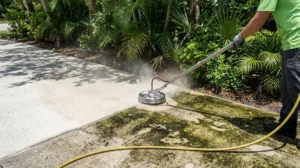
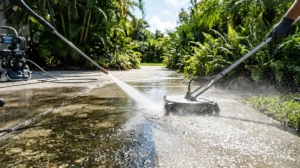
- Surface cleaners (rotating attachments that clean flat areas uniformly)
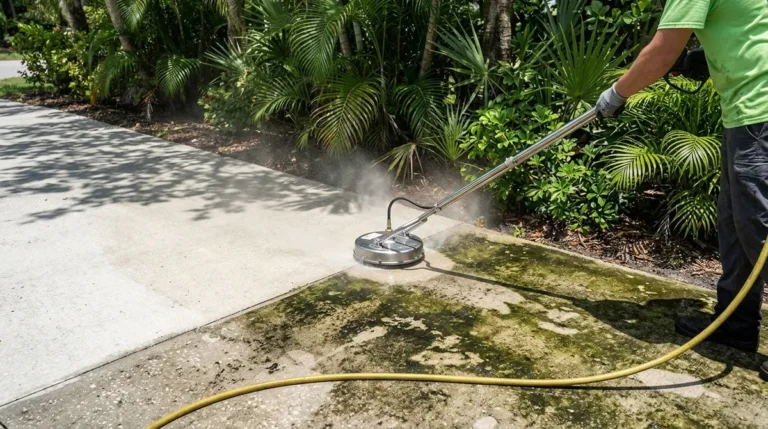
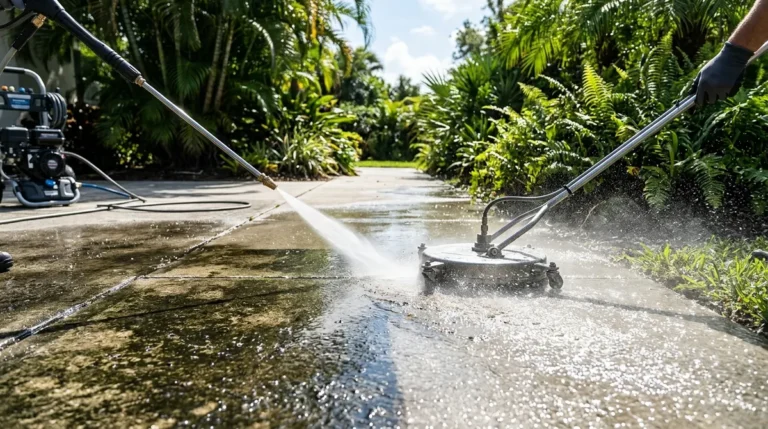
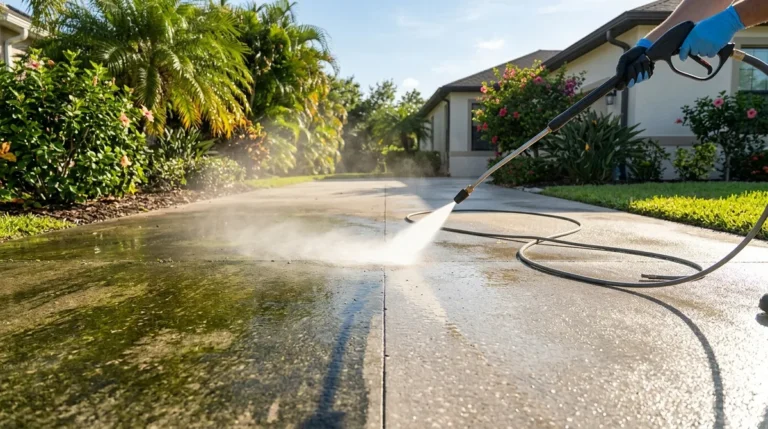
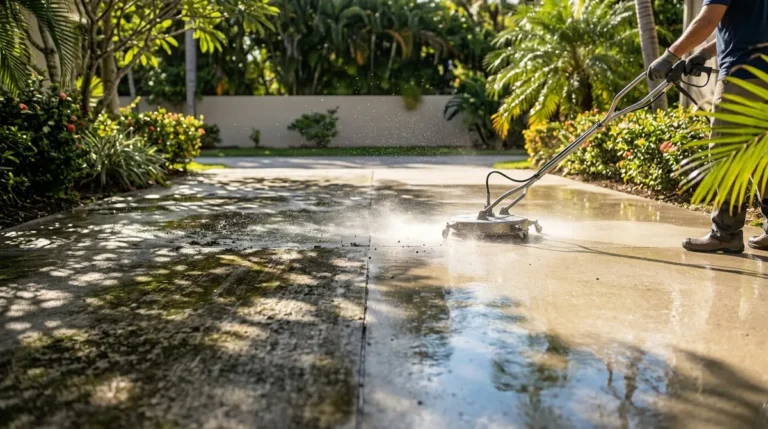
Surface cleaners deserve special mention because they revolutionize how you clean parking lots and sidewalks. These spinning attachments prevent the streaky patterns that individual spray wands create, delivering a uniform finish in a fraction of the time.
Safety Equipment You Can’t Skip
Commercial pressure washing creates real hazards without proper protection. Smart operators always use:
- Safety goggles or face shields to protect against debris and chemical splash
- Waterproof gloves rated for chemical resistance
- Non-slip boots with ankle support
- Ear protection for gas-powered machines
- Protective clothing that covers skin from spray kickback
Professional services like Buckhorn Power Wash come fully equipped with all necessary safety gear, eliminating these concerns for business owners who outsource their cleaning needs.
Gas vs Electric Commercial Pressure Washers
Power source dramatically affects where and how you can use commercial pressure washers. Each option brings distinct advantages depending on your specific situation.
Electric pressure washers shine in situations with easy electrical access. They run quieter, require less maintenance, and eliminate concerns about fuel storage and exhaust fumes. For indoor warehouse cleaning or areas with strict noise regulations, electric models make perfect sense. However, they typically max out at lower PSI ratings and tether you to power outlets with extension cords.
Gas-powered pressure washers dominate outdoor commercial work because they offer complete mobility and higher power ratings. A 4000 PSI/4 GPM gas cold water washer costs around $2,994 and goes anywhere your truck goes. The tradeoff includes regular engine maintenance, fuel costs, and louder operation—but the freedom to clean massive parking lots or remote building exteriors without hunting for outlets makes gas the preferred choice for most commercial applications.
| Factor | Electric Washers | Gas Washers |
|---|---|---|
| Mobility | Limited by cord length | Completely portable |
| Power Output | Usually up to 2000 PSI | Up to 7000+ PSI |
| Noise Level | Quiet operation | Significantly louder |
| Maintenance | Minimal (motor only) | Regular engine service needed |
| Indoor Use | Safe for enclosed spaces | Not recommended (exhaust fumes) |
| Operating Cost | Lower (electricity only) | Higher (fuel required) |
Common Commercial Applications
Commercial pressure washing serves countless industries, each with unique cleaning challenges. Understanding these applications helps you appreciate what professional equipment and expertise can accomplish.
Retail and Hospitality
First impressions matter tremendously in customer-facing businesses. Pressure washing maintains:
- Building facades and entryways that welcome customers
- Parking lots free from oil stains and gum
- Outdoor dining spaces that meet health standards
- Dumpster areas that don’t create odors or pest problems
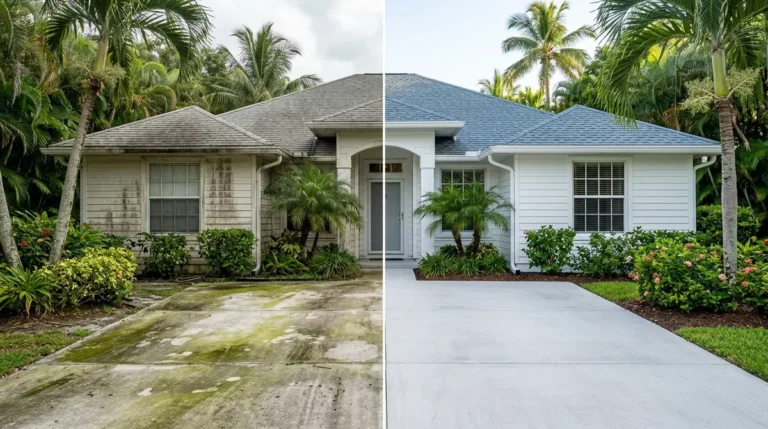
Restaurants especially benefit from regular driveway and concrete cleaning around their properties, as grease and food residue can create slippery hazards and unpleasant smells.
Industrial and Warehouse Facilities
Manufacturing and distribution centers face heavy-duty cleaning challenges including:
- Oil and chemical spills on concrete floors
- Dirt and grime buildup on loading docks
- Machinery cleaning to prevent contamination
- Exterior wall cleaning to maintain professional appearance
Industrial settings often require the most powerful equipment available—machines reaching 15900 PSI for specialized applications. These aren’t jobs for weekend warriors with rental equipment.
Fleet and Vehicle Cleaning
Businesses with company vehicles understand that clean trucks and vans serve as mobile advertisements. Commercial pressure washing efficiently handles:
- Entire vehicle fleets in minimal time
- Engine compartment degreasing
- Undercarriage cleaning to prevent rust
- Specialty vehicle cleaning (food trucks, delivery vans)
Hot water systems excel here because they cut through road grime and engine grease that cold water barely touches.
Starting a Commercial Pressure Washing Business
If you’re considering entering this industry rather than just hiring services, understanding the investment helps you make informed decisions. Commercial pressure washing offers solid business opportunities in 2026, but requires upfront capital and training.
Equipment Investment Breakdown
Starting a professional operation typically requires:
- Commercial-grade pressure washer ($3,000-$8,000 depending on specs)
- Reliable truck or trailer for transportation ($5,000-$25,000 used)
- Surface cleaners and specialty nozzles ($200-$800)
- Chemical solutions and cleaning agents ($300-$500 initial stock)
- Safety equipment for your crew ($200-$400 per person)
- Insurance and licensing ($1,000-$3,000 annually)
Budget-conscious entrepreneurs might start with a quality 4000 PSI cold water unit around $3,000, then upgrade to hot water systems as business grows. The key is buying equipment that won’t break down during paying jobs—cheap consumer-grade machines cost you more in lost revenue and repairs.
Skills and Training Needed
Successful commercial pressure washing isn’t just about pointing a wand and pulling the trigger. Professionals understand:
- Which PSI and nozzle combinations suit different surfaces
- How to adjust water temperature for optimal cleaning
- Chemical selection and dilution ratios for safe, effective cleaning
- Surface damage prevention (wrong pressure ruins wood, cracks concrete)
- Water reclamation requirements in commercial districts
- Time estimation for accurate job bidding
Many successful operators start by working with established companies to learn the trade before investing in their own equipment. This apprenticeship approach prevents costly mistakes and helps you understand what commercial clients actually need.
Choosing Between DIY and Professional Services
Business owners face an important decision: invest in equipment and handle cleaning in-house, or hire professional services like Buckhorn Power Wash. Both approaches have merit depending on your situation.
When DIY Makes Sense
Consider purchasing equipment if you:
- Have large properties requiring weekly or bi-weekly cleaning
- Need immediate cleaning capability for unexpected situations
- Own multiple locations with consistent cleaning needs
<2>Employ maintenance staff with capacity to add pressure washing duties
A heavy-duty commercial washer paying for itself over time through eliminated service fees makes financial sense for some businesses. However, factor in equipment storage, maintenance costs, insurance liability, and employee training time.
Benefits of Hiring Professionals
Most businesses find professional services deliver better value because:
- No equipment purchase or maintenance expenses
- Experienced operators prevent costly surface damage
- Professional-grade equipment exceeds consumer machine performance
- Scheduling flexibility without staffing concerns
- Insurance and liability coverage included
- Consistent results without learning curve
Companies like Buckhorn Power Wash bring years of experience and commercial-grade equipment to every job, often completing work faster and more thoroughly than inexperienced in-house staff. Their expertise in house washing techniques translates directly to commercial building exteriors, delivering results that enhance your property’s professional appearance.
Popular Commercial Pressure Washer Models
If you’re shopping for equipment, knowing what professionals trust helps narrow your options. The market offers numerous models, but certain brands and specifications consistently deliver commercial-grade performance.
High-Performance Options
Super Max series pressure washers represent top-tier commercial equipment with PSI ratings from 6000 to 15900. These machines cost $5,000 to over $8,000 but provide unmatched cleaning power for the most demanding applications. They’re built for operators running multiple jobs daily who need equipment that won’t quit halfway through a parking garage.
For most commercial applications, a well-configured 4000 PSI gas-powered cold water unit around $3,000 offers excellent versatility. This power level handles everything from sidewalks to building walls without the complexity and expense of hot water systems. As your business grows and you take on greasier jobs, upgrading to a 3500 PSI hot water model (around $8,850) expands your service offerings significantly.
Features Worth Paying For
When comparing commercial pressure washers, prioritize these features:
- Commercial-grade pumps (brass or stainless steel, not aluminum)
- Honda or similar reliable commercial engines
- Triplex plunger pumps for consistent pressure
- Thermal relief valves to prevent overheating damage
- Quick-connect fittings for fast nozzle changes
Consumer models might look similar and cost less, but they lack the internal components that survive daily commercial use. A $800 consumer washer breaking down on a job site costs far more in lost revenue than spending $3,000 on equipment that works reliably.
Maintenance and Safety Considerations
Commercial pressure washing equipment demands regular maintenance to deliver reliable performance. Neglecting basic upkeep turns expensive machines into expensive paperweights.
Essential Maintenance Tasks
Keep your commercial pressure washer running smoothly with these regular tasks:
- Check and clean inlet water filters before each use
- Inspect hoses for cracks, bulges, or weak spots weekly
- Change pump oil every 50 hours of operation or per manufacturer specs
- Flush cleaning chemicals completely after each job
- Winterize equipment properly in freezing climates
- Run engine dry or add fuel stabilizer for storage
Hot water units require additional attention including burner cleaning, coil inspection, and heating system maintenance. This complexity is another reason many businesses prefer outsourcing to professionals who handle all equipment care.
Safety Protocols That Prevent Accidents
Commercial pressure washers deliver enough force to cause serious injuries. Safe operation requires following proven protocols:
- Never point the spray wand at people or animals
- Test spray patterns on inconspicuous areas first
- Maintain proper distance from surfaces (too close causes damage)
- Use lowest effective pressure for each surface type
- Secure work areas to keep bystanders at safe distance
- Read chemical labels completely before mixing or applying
Professional operators undergo training that covers these safety fundamentals plus situation-specific considerations. When you hire services like those from Buckhorn Power Wash, you transfer these liability concerns to insured professionals who follow strict safety standards.
Environmental and Water Usage Considerations
Modern commercial pressure washing balances cleaning effectiveness with environmental responsibility. Water consumption and chemical runoff require thoughtful management, especially in commercial districts with strict regulations.
Commercial pressure washers use significant water—a 4 GPM machine consumes 240 gallons per hour of operation. While this sounds substantial, it’s actually more water-efficient than garden hoses for large areas because the pressure reduces cleaning time dramatically. Some commercial properties now require water reclamation systems that capture, filter, and reuse wash water to minimize consumption.
Chemical selection matters too. Professional services increasingly use biodegradable, eco-friendly cleaning solutions that break down naturally without harming landscaping or waterways. These products often work as effectively as harsh chemicals when paired with proper pressure and technique. Hillsborough County businesses working with environmentally conscious providers like Buckhorn Power Wash can maintain clean properties while protecting Florida’s sensitive ecosystems.
Cost Expectations for Commercial Pressure Washing
Understanding pricing helps you budget appropriately whether purchasing equipment or hiring services. Commercial pressure washing costs vary widely based on equipment, frequency, property size, and cleaning difficulty.
Equipment Purchase Costs
If buying your own commercial pressure washer, budget for these price ranges:
| Equipment Type | PSI/GPM Range | Typical Cost |
|---|---|---|
| Light-duty commercial | Up to 1900 PSI / 2 GPM | $500-$1,200 |
| Heavy-duty commercial | Up to 2800 PSI / 3 GPM | $1,500-$3,000 |
| Cold water industrial | 4000 PSI / 4 GPM | $2,500-$4,000 |
| Hot water industrial | 3500 PSI / 4 GPM | $6,000-$9,000 |
| Super-duty industrial | 6000-15900 PSI / 5.5 GPM | $8,000-$15,000+ |
Remember that equipment cost represents just the starting point. Factor in maintenance supplies, repair parts, chemical solutions, fuel costs, and the time your staff spends on cleaning rather than their primary responsibilities.
Professional Service Costs
Hiring professional commercial pressure washing typically costs based on square footage, surface type, and cleaning frequency. While specific pricing varies by region and provider, professional services often prove more economical than equipment ownership when you account for all expenses and opportunity costs.
Businesses throughout Hillsborough County find that outsourcing to experienced providers delivers consistent results without the hassles of equipment ownership. If you’re ready to see how professional pressure washing can transform your commercial property, get a quote to discover affordable options tailored to your specific needs.
Conclusion: Making the Right Commercial Pressure Washing Decision
Commercial pressure washing represents a significant investment whether you’re purchasing equipment or hiring professional services. The right choice depends on your property size, cleaning frequency, budget, and willingness to manage equipment and training. Light-duty machines starting around $500 suit small businesses with minimal needs, while industrial operations may justify investing $8,000+ in powerful hot water systems.
For most Hillsborough County businesses, partnering with experienced professionals offers the best balance of quality, convenience, and value. You get access to commercial-grade equipment, trained operators, and reliable scheduling without the burdens of ownership. Properties stay clean, customers notice the difference, and you focus on running your business instead of maintaining pressure washers.
Whether you manage a restaurant, retail space, warehouse, or office complex, keeping your property clean protects your investment and projects professionalism. Commercial pressure washing isn’t just about appearance—it’s about maintenance that prevents costly repairs and creates safe, welcoming spaces. Ready to experience the difference professional commercial cleaning makes? Request your free quote today and see how affordable expert pressure washing can be, or give us a call to discuss your specific commercial cleaning needs. Check out what other satisfied business owners say about their experiences by visiting our Google Business Profile and reading their reviews.
FAQs
Q: What PSI do I need for commercial pressure washing?
A: Most commercial applications require between 3000-4000 PSI for effective cleaning. Light-duty commercial work (sidewalks, storefronts) needs around 1900 PSI, while heavy industrial jobs may need 5000-7000 PSI. The right PSI depends on your specific surfaces—too much pressure damages delicate materials, while too little wastes time and water without cleaning thoroughly.
Q: Should I buy hot water or cold water commercial pressure washer?
A: Hot water pressure washers excel at removing grease, oil, and organic stains, making them perfect for restaurants, automotive shops, and industrial facilities. Cold water machines work great for general dirt and grime at a lower cost. If your business deals with greasy surfaces regularly, the extra investment in hot water (around $6,000-$9,000) pays off through faster cleaning times and better results.
Q: How much does commercial pressure washing equipment cost?
A: Commercial pressure washers range from $500 for light-duty models to over $15,000 for industrial hot water systems. A solid mid-range 4000 PSI cold water unit costs around $3,000, while a 3500 PSI hot water model runs about $8,850. Many businesses find hiring professional services more economical than purchasing equipment when factoring in maintenance, storage, training, and insurance costs.
Q: Is it better to buy equipment or hire commercial pressure washing services?
A: Hiring professionals typically makes more sense for most businesses because you avoid equipment purchases, maintenance headaches, training costs, and liability concerns. Professional services bring commercial-grade equipment and expertise that delivers better results faster. Only businesses with very large properties requiring weekly cleaning or those with existing maintenance staff might benefit from equipment ownership.
Q: What’s the difference between gas and electric commercial pressure washers?
A: Gas-powered washers offer complete mobility and higher power ratings (up to 7000+ PSI), making them ideal for outdoor commercial work like parking lots and building exteriors. Electric models run quieter with less maintenance but limit you to areas with electrical access and typically max out around 2000 PSI. Most commercial applications favor gas power for flexibility and cleaning strength.