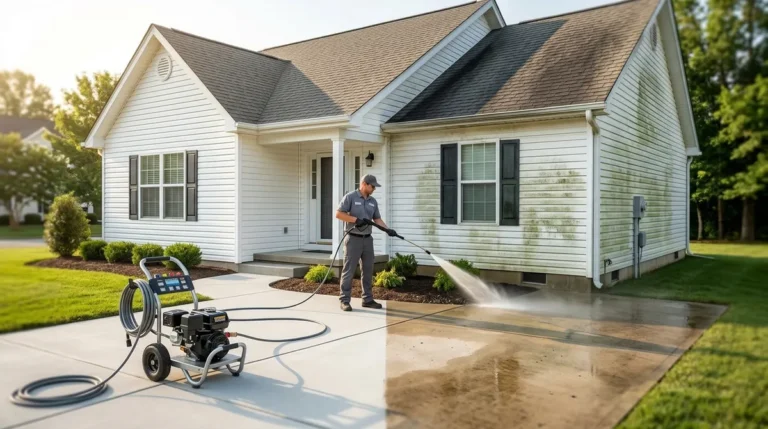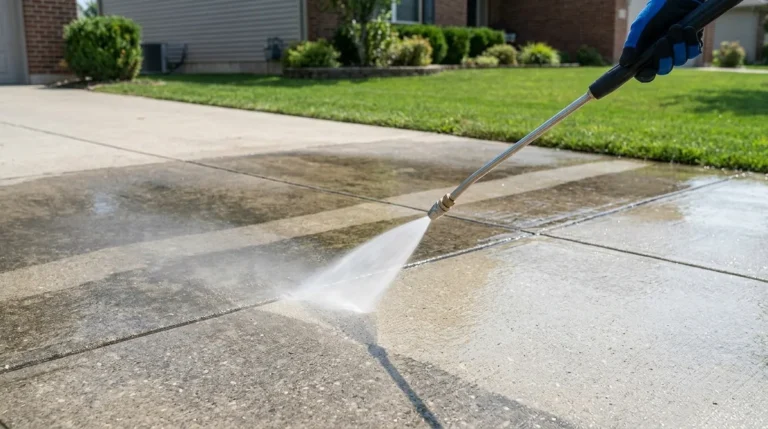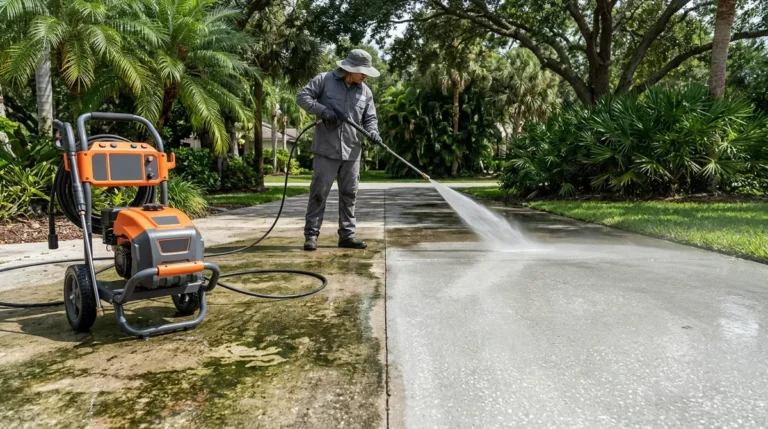
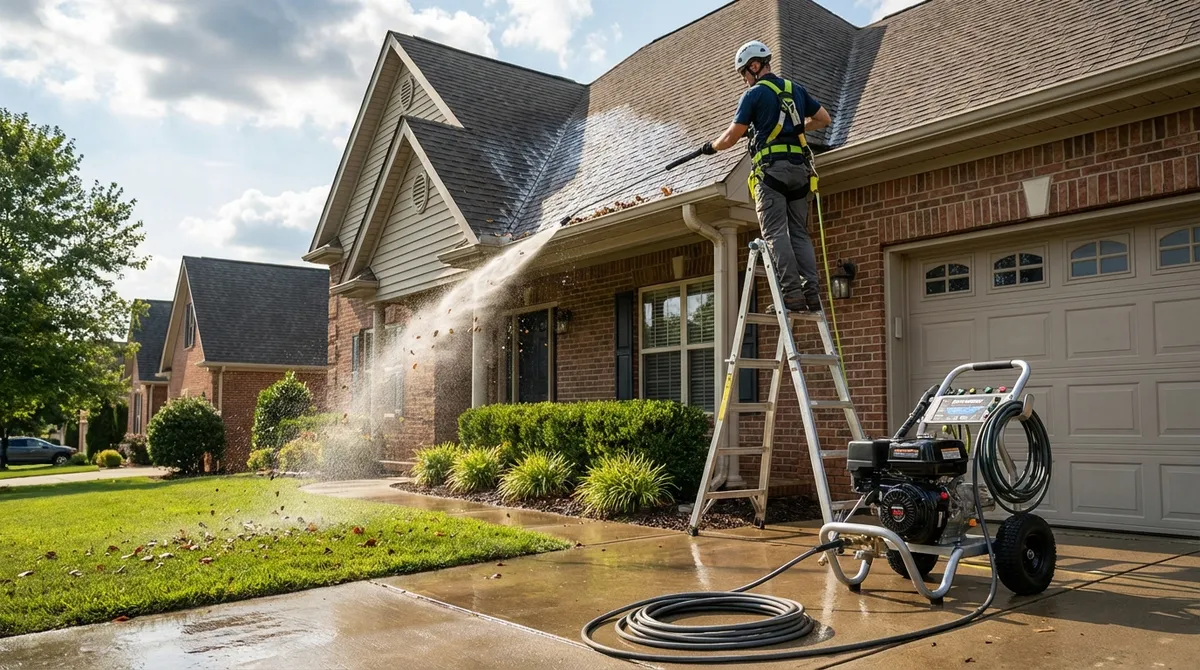
Homeowners often overlook their gutters until water starts cascading over the edges or damage becomes visible. Yet gutter cleaning stands as one of the most critical preventive maintenance tasks for protecting your home’s structural integrity and value. When gutters become clogged with leaves, twigs, pine needles, and debris, they can no longer channel water away from your foundation, leading to potentially thousands of dollars in repairs. Understanding why regular gutter maintenance matters can save you from expensive water damage, foundation issues, and pest infestations that compromise your home’s safety and comfort.
The consequences of neglected gutters extend far beyond simple overflow. Water pooling around your foundation can cause basement flooding, eroded soil, damaged landscaping, and even structural cracks. Additionally, clogged gutters create the perfect breeding ground for mosquitoes, provide access points for pests, and add unnecessary weight that can damage your fascia boards and roof edge. At Buckhorn Power Wash, we’ve witnessed firsthand how routine gutter cleaning protects homes throughout Hillsborough County from these preventable problems, saving homeowners significant repair costs while preserving their property’s value.
The Hidden Dangers of Clogged Gutters
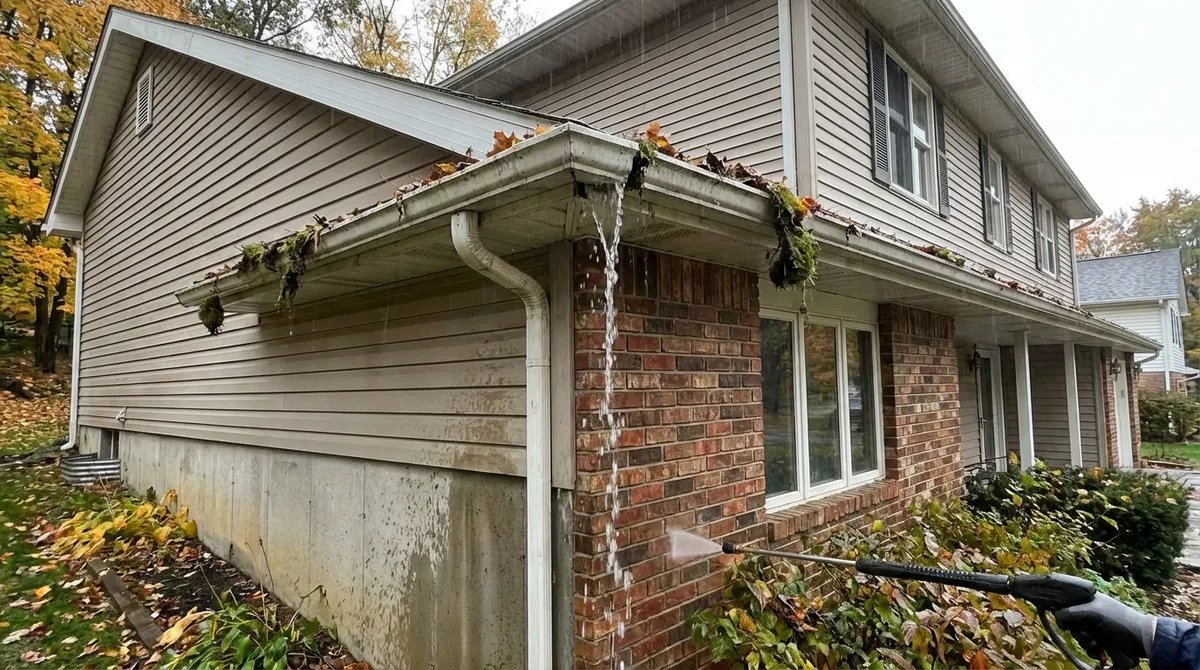
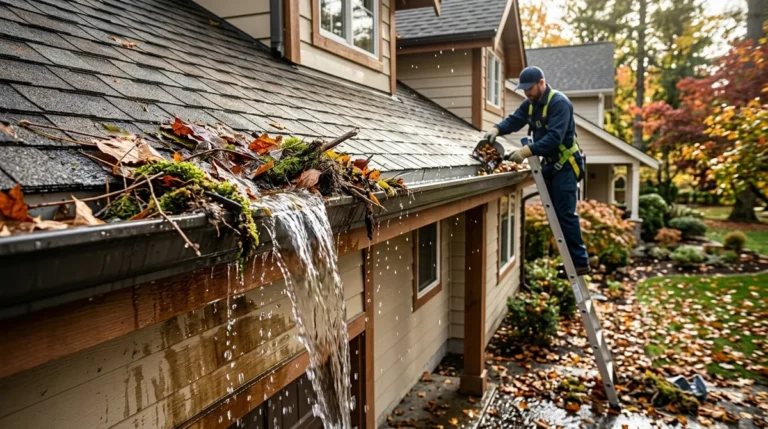
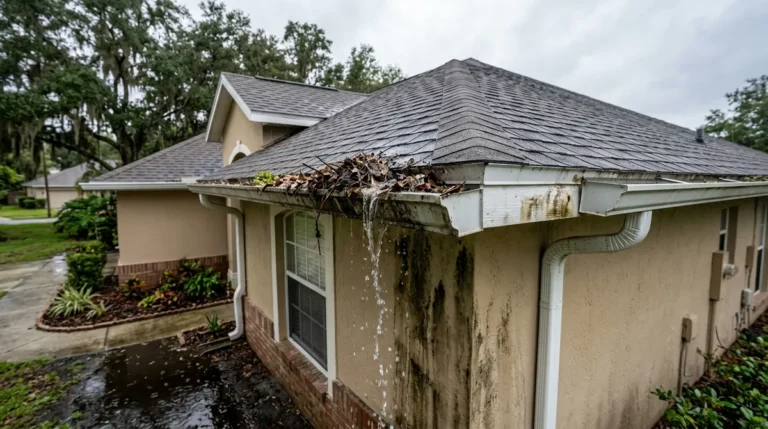
Clogged gutters pose numerous threats to your home’s structural integrity that many property owners don’t recognize until damage has occurred. When gutters fill with debris, water has nowhere to go except over the sides, creating a waterfall effect that undermines your home’s defenses against moisture intrusion. This overflow doesn’t simply disappear—it infiltrates vulnerable areas around your foundation, seeps into your basement or crawl space, and saturates the soil that supports your home’s structure.
Foundation damage represents the most expensive consequence of neglected gutters. When water consistently pools around your foundation, it creates hydrostatic pressure that forces moisture through concrete pores and cracks. Over time, this pressure can cause foundation settling, cracking, and even bowing of basement walls. Foundation repairs typically range from $2,000 to $15,000 depending on severity, making the modest cost of regular gutter cleaning an obvious investment in prevention.
Roof damage frequently accompanies gutter neglect as well. When gutters overflow backward, water can seep under shingles and penetrate the roof deck, causing rot, mold growth, and interior ceiling damage. Ice dams form more readily when gutters are clogged, as trapped water freezes and expands, lifting shingles and creating entry points for moisture. The weight of debris-filled gutters combined with standing water can also pull gutters away from fascia boards, damaging the roof edge and requiring costly repairs.
How Often Should You Clean Your Gutters?
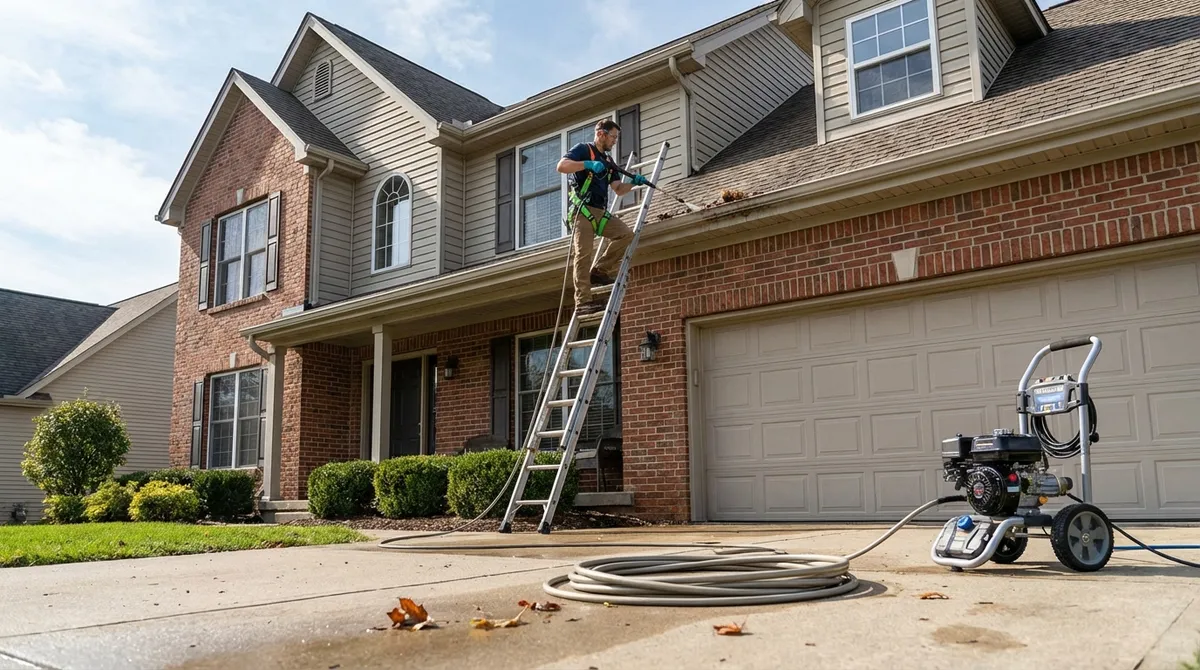
The frequency of gutter cleaning depends on several factors including your surrounding environment, tree coverage, and local weather patterns. Most homes require gutter cleaning at minimum twice annually—once in late spring and once in late fall. However, properties surrounded by pine trees, oaks, or other trees that shed needles and leaves year-round may need quarterly cleaning to maintain proper function. Homes in heavily wooded areas might even benefit from professional cleaning every two months during peak shedding seasons.
Seasonal timing matters significantly for gutter maintenance effectiveness. Spring cleaning removes winter debris, accumulated dirt, and any blockages from storms before heavy spring rains arrive. Fall cleaning proves equally critical, as it clears falling leaves before winter precipitation and potential ice formation. Many homeowners schedule their fall gutter cleaning for late November or early December, after most trees have dropped their leaves but before winter weather sets in.
|
Property Type |
Tree Coverage |
Recommended Frequency |
|---|---|---|
|
Standard Suburban Home |
Few nearby trees |
2 times per year |
|
Wooded Property |
Heavy tree coverage |
4 times per year |
|
Pine Tree Surroundings |
Multiple pine trees |
4-6 times per year |
|
Desert/Minimal Vegetation |
Limited trees |
1-2 times per year |
Professional vs. DIY Gutter Cleaning
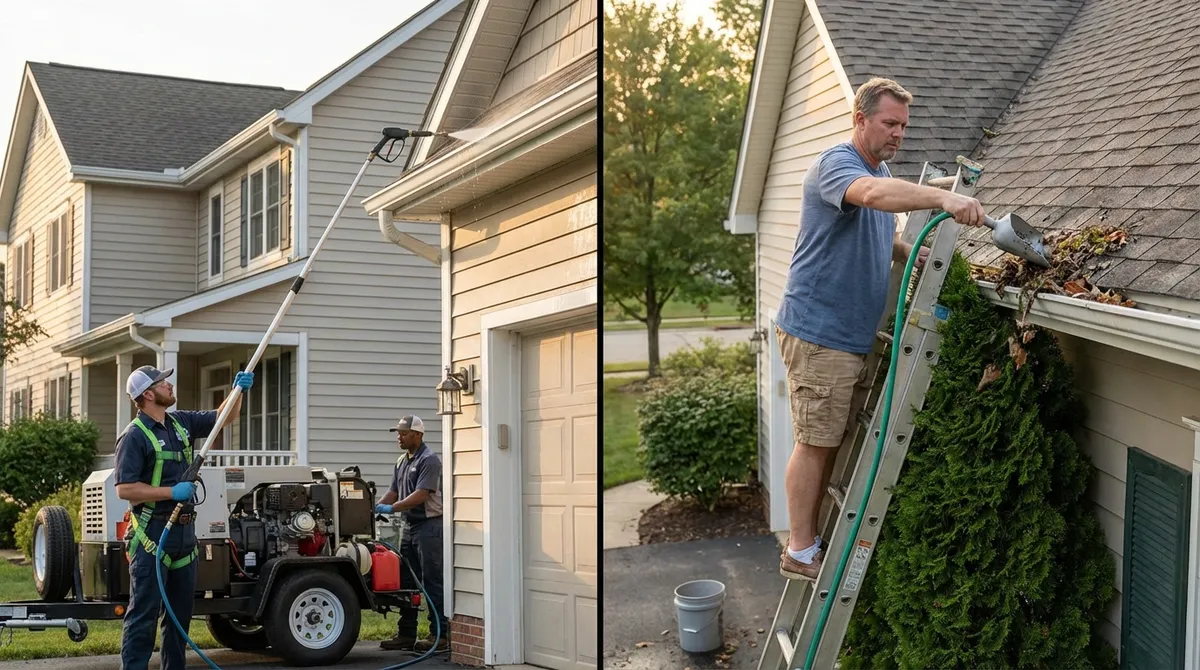
Deciding between professional gutter cleaning and the DIY approach involves weighing safety risks, time investment, equipment costs, and thoroughness of results. While homeowners can certainly clean their own gutters, the task requires proper equipment, safety precautions, and physical capability to work safely at heights. Professional services bring specialized tools, insurance coverage, and expertise that ensure complete cleaning without personal risk.
DIY gutter cleaning requires a stable ladder, work gloves, a trowel or scoop, a bucket for debris, safety goggles, and ideally a helper to stabilize the ladder. The process involves climbing up and down repeatedly, reaching awkwardly while maintaining balance, and disposing of wet, decomposing debris. For two-story homes or properties with steep roof pitches, the safety risks increase substantially. According to the Consumer Product Safety Commission, ladder-related injuries send hundreds of thousands of Americans to emergency rooms annually, with many occurring during home maintenance tasks.
Professional gutter cleaning services provide several advantages beyond safety. Experienced technicians can identify gutter damage, improper pitch, loose fasteners, and potential problems before they become expensive repairs. They possess specialized equipment like gutter vacuums, high-pressure flushing systems, and safe access equipment that achieves more thorough cleaning than manual methods. Professional services also include downspout flushing to ensure complete water flow throughout the drainage system, a step DIY cleaners often overlook or cannot properly execute.
The Gutter Cleaning Process Explained
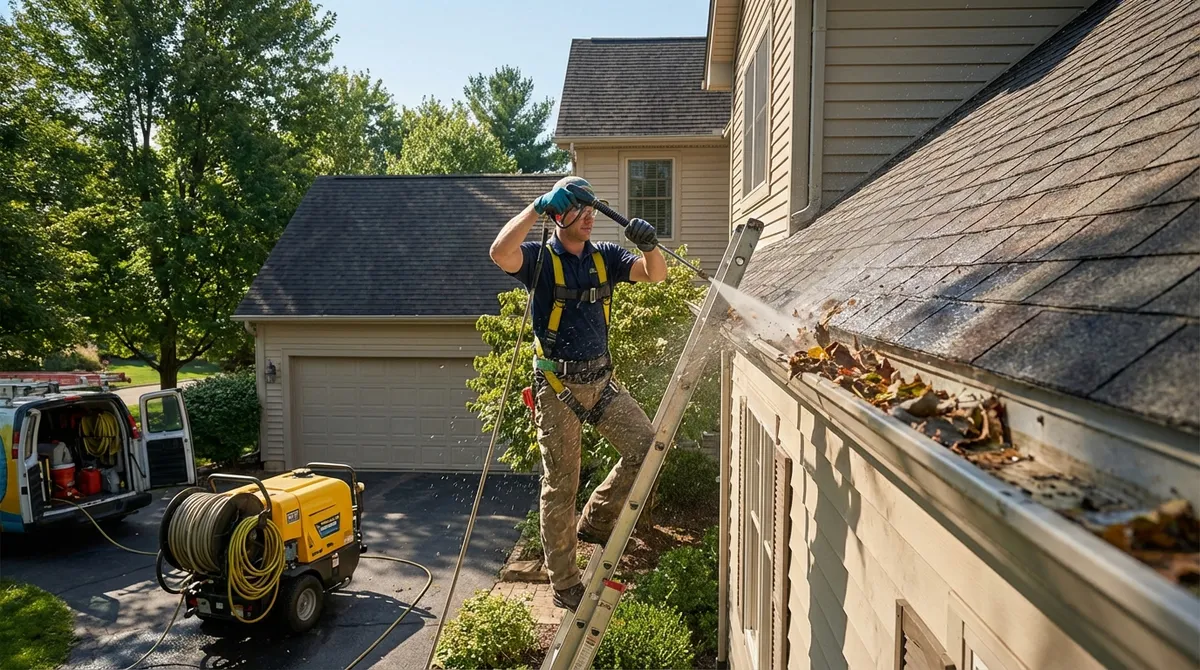
Understanding the comprehensive gutter cleaning process helps homeowners recognize the value of thorough maintenance and what to expect from professional services. Proper gutter cleaning involves more than simply scooping out visible leaves—it requires systematic removal of all debris, flushing of downspouts, inspection for damage, and verification of proper drainage flow.
The process begins with a visual inspection of the entire gutter system to identify problem areas, damage, or sections requiring special attention. Technicians then remove large debris by hand or with specialized scoops, working methodically from one end of each gutter run to the other. This initial clearing removes leaves, twigs, shingle granules, and accumulated sediment that blocks water flow. The collected debris is bagged and removed from the property, preventing it from washing back into gutters during the next rain.
After removing visible debris, professionals flush the entire gutter system with water to clear remaining particles and verify proper flow. This flushing reveals hidden blockages in downspouts and identifies areas where water pools due to improper pitch. Downspout clearing often requires specialized augers or high-pressure water jets to break through compacted debris that manual methods cannot reach. The final step involves testing water flow from gutters through downspouts to ensure complete drainage away from the foundation.
What Gets Removed During Gutter Cleaning
The variety of materials that accumulate in gutters often surprises homeowners who haven’t inspected them recently. Beyond obvious leaves and twigs, gutters collect shingle granules that wash off aging roofs, creating an abrasive sludge that accelerates gutter wear. Bird nests, rodent debris, and insect colonies frequently establish themselves in undisturbed gutters, creating additional blockages and potential pest problems.
Organic matter decomposes in gutters, creating a nutrient-rich soil where seeds germinate and plants actually take root. Homeowners sometimes discover small trees, grass, and flowering weeds growing from their gutters—vegetation that damages gutter seams and traps moisture against fascia boards. Additionally, windblown trash, roofing nails, broken shingle pieces, and even sports balls or toys can accumulate in gutter systems, requiring removal during thorough cleaning.
Signs Your Gutters Need Immediate Cleaning
Certain warning signs indicate your gutters require immediate attention rather than waiting for scheduled maintenance. Water overflowing during rainstorms represents the most obvious indicator, signaling that blockages prevent proper drainage. If you notice water cascading over gutter edges, especially from specific sections, those areas contain clogs requiring prompt removal to prevent damage.
Sagging gutters or sections pulling away from the house indicate excessive weight from accumulated debris and standing water. Gutters should maintain consistent alignment along the roofline without dipping or separating from fascia boards. Physical damage visible from ground level—such as rust stains, peeling paint on gutters or siding, or water marks beneath gutter lines—suggests chronic overflow problems from inadequate cleaning.
-
Visible plant growth or vegetation sprouting from gutters
-
Birds, wasps, or other pests frequently accessing gutter areas
-
Staining on siding beneath gutters indicating overflow
-
Foundation cracks or basement moisture problems
-
Erosion patterns in landscaping beneath gutter lines
-
Ice dams forming along roof edges during winter
-
Overflowing gutters during moderate rainfall
Gutter Guards: Are They Worth the Investment?
Gutter guards and protection systems promise to reduce or eliminate the need for regular cleaning, but their effectiveness varies significantly based on design, quality, and local environmental conditions. These systems range from simple mesh screens to sophisticated micro-mesh covers and reverse-curve designs, each with distinct advantages and limitations. Understanding gutter guard options helps homeowners make informed decisions about whether the investment suits their specific situation.
Mesh and screen guards represent the most affordable option, typically ranging from $1-3 per linear foot for DIY installation or $4-8 professionally installed. These barriers allow water through while blocking larger debris, though small particles still accumulate and require periodic cleaning. Fine mesh guards perform better than large-hole screens, but both types can develop surface debris that requires brushing off to maintain effectiveness.
Premium micro-mesh and solid surface guards cost significantly more—$15-30 per linear foot installed—but provide superior protection against debris infiltration. These high-end systems use surface tension to guide water into gutters while shedding leaves and debris off the edge. However, even the best gutter guards don’t eliminate maintenance entirely; they reduce cleaning frequency rather than eliminating it. According to This Old House, homeowners with quality gutter guards typically need cleaning every 3-5 years instead of annually, though inspection should occur more frequently.
The Cost of Gutter Cleaning Services
Professional gutter cleaning costs vary based on home size, gutter length, height, accessibility, and regional labor rates. National averages range from $120-225 for single-story homes with standard gutter systems, while two-story homes typically cost $180-350. Properties with multiple stories, steep roof pitches, or extensive gutter footage may exceed these ranges. Most professional services charge by linear foot of gutter ($0.50-1.50 per foot) or offer flat rates based on home size and complexity.
Several factors influence gutter cleaning pricing beyond basic measurements. Heavily clogged gutters requiring extra time command premium rates, as do properties with difficult access requiring special equipment. Homes surrounded by numerous trees or those that haven’t been cleaned in multiple years require more intensive labor and time. Geographic location significantly impacts pricing, with services in metropolitan areas typically costing more than those in rural regions due to higher labor and operating costs.
|
Service Component |
Typical Cost Range |
Notes |
|---|---|---|
|
Basic Cleaning (1-story) |
$120-225 |
Includes debris removal and downspout flushing |
|
Basic Cleaning (2-story) |
$180-350 |
Height premium for safety equipment |
|
Heavily Clogged Gutters |
Add $50-100 |
Extra time for compacted debris |
|
Minor Repairs |
$75-200 |
Reattaching sections, sealing leaks |
|
Downspout Clearing |
$50-100 |
If separate from basic service |
DIY Gutter Cleaning Safety Tips
Homeowners who choose to clean their own gutters must prioritize safety to prevent the serious injuries that make ladder accidents a leading cause of home maintenance injuries. Proper equipment, careful planning, and adherence to safety protocols transform this potentially dangerous task into a manageable project. Never attempt gutter cleaning alone—having a helper to stabilize the ladder and provide assistance in emergencies proves essential for safe completion.
Ladder selection and placement determine the safety foundation for gutter cleaning. Use a sturdy extension ladder rated for your weight plus equipment, and ensure it extends at least three feet above the gutter line for secure transition. Place the ladder on firm, level ground away from power lines, and maintain the proper angle—the base should be one foot away from the house for every four feet of ladder height. Never lean or overreach from the ladder; instead, climb down and reposition it frequently to maintain safe working positions.
Essential Safety Equipment for Gutter Cleaning
-
Heavy-duty work gloves to protect against sharp debris and bacteria
-
Safety goggles or glasses to prevent debris from entering eyes
-
Non-slip footwear with good traction and ankle support
-
Ladder stabilizer to prevent gutter damage and improve stability
-
Tool belt or bucket hook to keep hands free while climbing
-
Long-sleeved shirt to protect arms from insects and dirty water
-
Dust mask if working with dry, dusty debris
How Gutter Cleaning Protects Your Landscaping
The relationship between functional gutters and healthy landscaping often goes unrecognized until significant erosion or plant damage occurs. Properly maintained gutters channel thousands of gallons of water away from foundations and landscaping beds, preventing the destructive force of concentrated water flow. When gutters fail due to blockages, the resulting overflow creates miniature waterfalls that pound landscaping beds, wash away mulch, erode soil, and expose plant roots to damage.
Erosion from gutter overflow rapidly transforms landscaping beds into muddy trenches, destroying the carefully graded soil that promotes plant health and drainage. The concentrated water flow carves channels through mulch and soil, carrying nutrients away from plants and creating unsightly damage that requires expensive restoration. Foundation plantings particularly suffer from gutter overflow, as they receive excessive water directly on roots while soil erodes around them, potentially causing instability and death.
Beyond erosion, overflow water can drown plants not suited to saturated conditions, promote fungal diseases in susceptible species, and create standing water that attracts mosquitoes. The force of water falling from clogged gutters can break plant stems, flatten perennials, and splash soil-borne diseases onto lower leaves. Regular gutter maintenance protects your landscaping investment by ensuring water disperses through proper channels rather than destroying plants and soil structure.
The Environmental Impact of Neglected Gutters
Neglected gutters create environmental consequences beyond property damage, affecting local water quality and ecosystem health. When gutters overflow around your foundation rather than directing water to appropriate drainage areas, contaminated runoff bypasses filtration systems and flows directly into storm drains. This runoff carries decomposed organic matter, roof chemicals, pesticides from lawn treatments, and other pollutants into local waterways without treatment.
Mosquito breeding in standing water within clogged gutters presents a public health concern beyond mere annoyance. According to the Centers for Disease Control and Prevention, mosquitoes can complete their entire reproductive cycle in as little as seven days in standing water, making neglected gutters perfect breeding sites. These mosquitoes spread diseases including West Nile virus, encephalitis, and other illnesses, creating health risks for entire neighborhoods. Regular gutter cleaning eliminates these breeding sites, contributing to community-wide mosquito control efforts.
The waste generated from decomposing debris in gutters produces methane as organic matter breaks down in anaerobic conditions. While individual gutters contribute minimally to greenhouse gas emissions, the cumulative effect of millions of neglected gutter systems adds unnecessarily to atmospheric methane. Proper maintenance channels organic debris to appropriate disposal or composting facilities rather than allowing uncontrolled decomposition in place.
Seasonal Gutter Maintenance Strategies
Adapting gutter maintenance to seasonal changes optimizes protection and reduces long-term damage risk. Each season presents unique challenges and opportunities for gutter care, from fall leaf accumulation to spring pollen and summer storm debris. Developing a seasonal maintenance schedule ensures your gutters remain functional year-round rather than addressing problems reactively after damage occurs.
Spring gutter maintenance should occur after trees finish blooming and before heavy spring rains arrive. This cleaning removes winter debris, accumulated dirt, seed pods, and the sticky residue from tree pollen that can cement debris into gutters. Spring represents an ideal time to inspect for winter damage, including frost-heaved sections, ice dam damage, and fasteners loosened by freeze-thaw cycles. Addressing these issues before summer storms prevents minor problems from escalating into major repairs.
Fall Gutter Care for Winter Protection
Fall cleaning proves crucial for preventing ice dams and winter damage. Schedule this service for late fall after most trees shed their leaves but before freezing temperatures arrive. This timing ensures gutters are clear before winter precipitation while avoiding the need to clean twice as late-falling leaves accumulate. Pay special attention to downspout function during fall cleaning, as winter ice formation in blocked downspouts can cause significant damage.
Consider installing heating cables in gutters and downspouts if you live in regions with harsh winters and frequent ice dam problems. These cables prevent ice formation that blocks drainage and causes backup under shingles. However, heating cables work only when gutters are clean—debris around cables creates fire hazards and prevents proper ice melting. Fall cleaning establishes the foundation for winter gutter protection when combined with appropriate preventive measures.
Extending the Life of Your Gutter System
Regular cleaning represents just one component of comprehensive gutter system maintenance that maximizes lifespan and performance. Most residential gutters last 20-30 years with proper care, but neglect can shorten this lifespan to 10-15 years or less. Beyond cleaning, inspecting fasteners, checking for proper pitch, sealing leaks promptly, and addressing minor damage prevents cascading failures that require premature replacement.
Gutter pitch—the slight downward slope toward downspouts—requires periodic verification to ensure proper drainage. Over time, fasteners loosen, causing sections to sag and creating low spots where water pools. These pooled areas accelerate rust development in metal gutters and increase stress on hangers and seams. During cleaning, professionals check pitch and adjust hangers as needed to restore proper slope, typically 1/4 to 1/2 inch per 10 feet of gutter run.
Sealing leaks when they first appear prevents minor issues from becoming major problems. Gutter seams, end caps, and connections to downspouts develop small leaks over time due to thermal expansion, vibration from wind, and deteriorating sealant. These leaks direct water behind gutters, rotting fascia boards and creating entry points for carpenter ants and other wood-destroying insects. Annual inspection and resealing of vulnerable joints extends gutter life significantly while preventing collateral damage to surrounding components.
Why Professional Services Deliver Superior Results
While DIY gutter cleaning saves money initially, professional services provide value that extends beyond simple debris removal. Trained technicians identify problems that homeowners typically overlook, including early signs of damage, improper installation issues, and potential failure points before they cause expensive repairs. This diagnostic value often exceeds the service cost by preventing problems that would otherwise go unnoticed until severe damage occurs.
Professional equipment enables more thorough cleaning than manual methods can achieve. High-powered vacuums extract debris without spreading it across roofs or landscaping, while specialized flushing systems clear compacted downspout blockages that manual methods cannot reach. Professionals also carry appropriate insurance coverage, protecting homeowners from liability if accidents occur during service. This insurance protection provides peace of mind that DIY approaches cannot match, as homeowner’s insurance may not cover injuries sustained during self-performed maintenance.
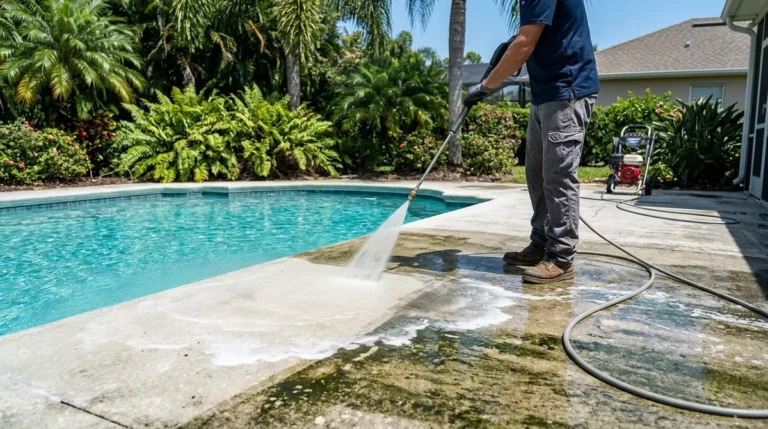
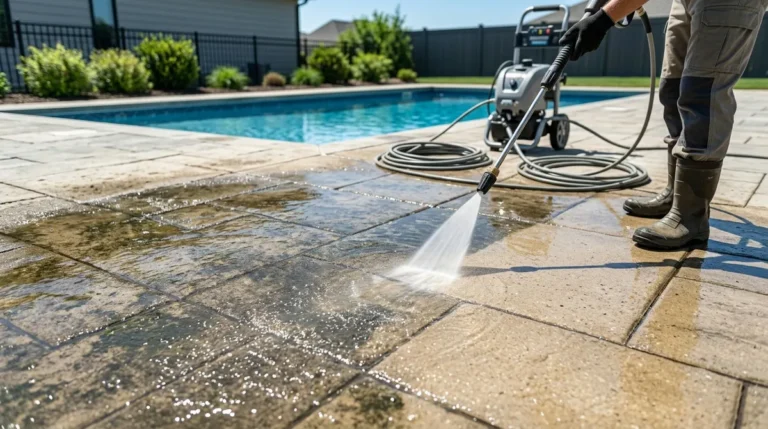
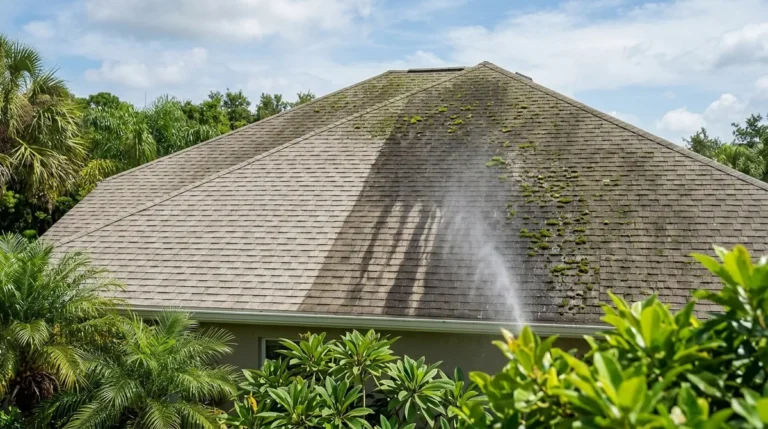
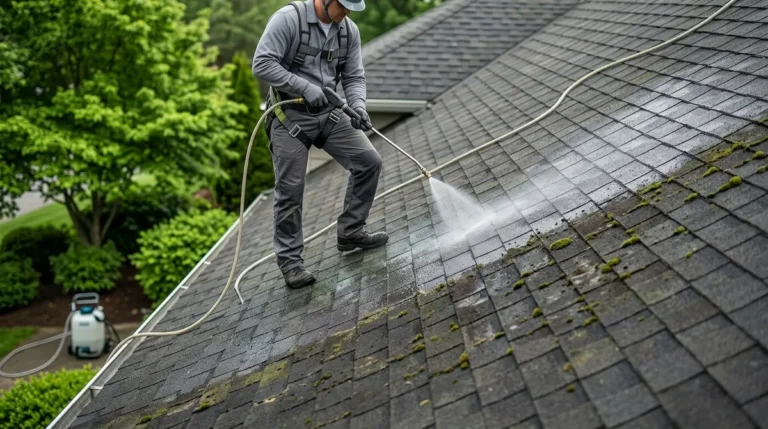
At Buckhorn Power Wash, our gutter cleaning service includes comprehensive inspection, complete debris removal, downspout flushing, and minor adjustment of hangers and pitch issues at no additional charge. We identify problems during service and provide transparent recommendations for repairs, allowing homeowners to address issues before they escalate. Our pressure washing services complement gutter maintenance by removing organic growth from roofs and siding that can wash into gutters and accelerate clogging.
Common Gutter Problems and Solutions
Understanding frequent gutter issues helps homeowners recognize problems early and determine whether professional repair or replacement is necessary. Sagging gutters result from inadequate support, improper installation, or fastener failure under debris weight. This problem appears as visible dips in the gutter line and causes water to pool rather than flow toward downspouts. Solutions include adding additional hangers every 24 inches, replacing failed fasteners, or installing gutter support brackets for reinforcement.
Leaking seams and joints develop as sealant deteriorates from temperature cycling and UV exposure. These leaks direct water behind gutters or onto siding, causing wood rot and paint damage. Repair involves cleaning affected areas thoroughly, applying appropriate gutter sealant, and potentially installing gutter screws through both pieces of joined material for mechanical strength beyond sealant alone. Persistent leaks despite resealing indicate material failure requiring section replacement.
Incorrect gutter pitch creates standing water that promotes mosquito breeding, accelerates corrosion, and reduces system capacity during heavy rainfall. Homeowners can identify pitch problems by observing where water remains after rain stops—these pools indicate low spots requiring adjustment. Correcting pitch involves loosening hangers and repositioning gutters to restore proper slope, typically requiring professional tools and experience to achieve lasting results without causing additional damage.
Preparing Your Property for Gutter Cleaning
Whether performing DIY maintenance or hiring professionals, proper preparation ensures efficient, thorough cleaning while protecting landscaping and property. Remove obstacles from areas beneath gutters and downspouts, including patio furniture, planters, decorative items, and children’s toys. This clearing provides safe working space, prevents damage to belongings, and allows fallen debris to land where it can be easily collected rather than scattered throughout landscaping beds.
Trim overhanging branches that will drop debris into freshly cleaned gutters within days of service. Branches within six feet of the roof contribute significantly to gutter clogging and provide rodent access to roof spaces. Trimming these branches before cleaning reduces immediate re-accumulation while improving roof health by reducing moisture retention and physical damage from rubbing branches. Consider whether downspout extensions are properly positioned to direct water away from foundations, adjusting them before cleaning to ensure proper drainage when service is complete.
Communicate special concerns to professional cleaners, including known problem areas, recent repairs, or specific damage you’ve observed. Point out any loose gutters, areas of concern regarding fascia condition, or sections that overflow during rain. This information helps technicians focus attention on vulnerable areas and provide accurate assessments of repair needs. If you have gutter guards installed, inform the service provider as some guard types require different cleaning approaches or specialized equipment.
The Connection Between Roof Health and Gutter Maintenance
Roof longevity and gutter function share an intimate relationship that significantly impacts both systems’ lifespan and performance. Gutters protect roofs by channeling water away quickly, preventing the moisture retention that causes shingle deterioration, roof deck rot, and premature failure. Conversely, roof condition affects gutter health—deteriorating shingles shed excessive granules that accumulate in gutters, while roof leaks can cause water to enter behind gutters and rot fascia boards.
Shingle granules washing into gutters serve as an early warning system for roof aging. All asphalt shingles shed granules over their lifespan, but accelerated loss indicates approaching end-of-life requiring roof replacement planning. Excessive granules in gutters create an abrasive sludge that accelerates gutter wear while indicating that your roof’s protective surface is degrading. Monitoring granule accumulation during gutter cleaning helps homeowners anticipate roof replacement needs before leaks develop.
Ice dams form when heat escaping through roofs melts snow, which then refreezes at roof edges where temperatures remain below freezing. Clogged gutters worsen ice dam formation by providing additional locations for ice accumulation and blocking proper drainage of melting snow. This ice forces water under shingles, causing leaks, water damage, and potential mold growth in attic spaces. Regular gutter cleaning combined with adequate attic insulation and ventilation prevents ice dam formation, protecting both roofing and gutter systems from winter damage.
Conclusion
Gutter cleaning stands as one of the most valuable preventive maintenance investments homeowners can make, protecting foundations, roofs, landscaping, and interior spaces from expensive water damage. The modest cost of regular professional cleaning pales in comparison to foundation repairs, basement waterproofing, or roof replacement expenses that result from neglected gutters. By understanding the comprehensive benefits of clean gutters and recognizing warning signs requiring attention, homeowners can make informed decisions that preserve property value while avoiding preventable disasters.
Whether you choose DIY maintenance or professional services, consistency matters more than method. Establish a regular cleaning schedule appropriate for your property’s tree coverage and stick to it regardless of visible problems. This proactive approach prevents the emergency repairs and extensive damage that occur when gutters fail during severe weather. Remember that gutter maintenance protects far more than the gutters themselves—it safeguards your entire home from water damage that compromises structural integrity and creates unhealthy living conditions.
Ready to protect your home with professional gutter cleaning? Visit our Google Business Profile to see what Hillsborough County homeowners are saying about our thorough, reliable service. For more information about how we can help maintain your home’s exterior, visit our About page to learn about our commitment to transparent pricing and quality service. Get an Instant Quote today and take the first step toward comprehensive home protection that preserves your property’s value for years to come.
FAQs
Q: How often should gutters be cleaned to prevent damage?
A: Most homes require gutter cleaning at minimum twice annually—once in late spring and once in late fall. Properties surrounded by pine trees or heavy vegetation may need quarterly cleaning or even every two months during peak shedding seasons. Regular inspection helps determine if your specific property requires more frequent maintenance based on debris accumulation patterns.
Q: What are the signs that gutters need immediate cleaning?
A: Key warning signs include water overflowing during rainstorms, sagging gutters pulling away from the house, visible plant growth sprouting from gutters, staining on siding beneath gutter lines, and foundation cracks or basement moisture problems. Birds, wasps, or other pests frequently accessing gutter areas also indicate accumulated debris requiring prompt removal to prevent structural damage and health hazards.
Q: Can clogged gutters really damage my foundation?
A: Absolutely. When gutters overflow, water pools around your foundation creating hydrostatic pressure that forces moisture through concrete and causes settling, cracking, and basement wall bowing. Foundation repairs typically cost $2,000 to $15,000 depending on severity, making regular gutter cleaning a critical preventive measure that protects your home’s structural integrity and your financial investment.
Q: Is professional gutter cleaning worth the cost compared to DIY?
A: Professional gutter cleaning provides significant value beyond debris removal, including expert identification of damage, specialized equipment for thorough cleaning, insurance coverage protecting homeowners from liability, and complete downspout flushing. While DIY saves money initially, professional services typically cost $120-350 depending on home size and prevent expensive repairs by identifying problems early, often exceeding the service cost in prevented damage.
Q: Do gutter guards eliminate the need for cleaning?
A: Gutter guards reduce cleaning frequency rather than eliminating it entirely. Quality micro-mesh systems allow homeowners to extend cleaning intervals to every 3-5 years instead of annually, though periodic inspection remains necessary. Even premium guards require occasional maintenance to remove surface debris and verify proper function, but they significantly decrease the labor and frequency required for gutter maintenance.