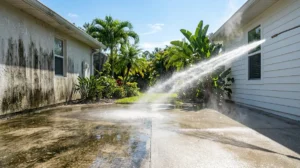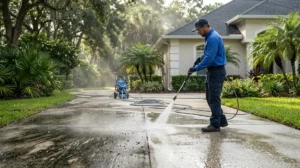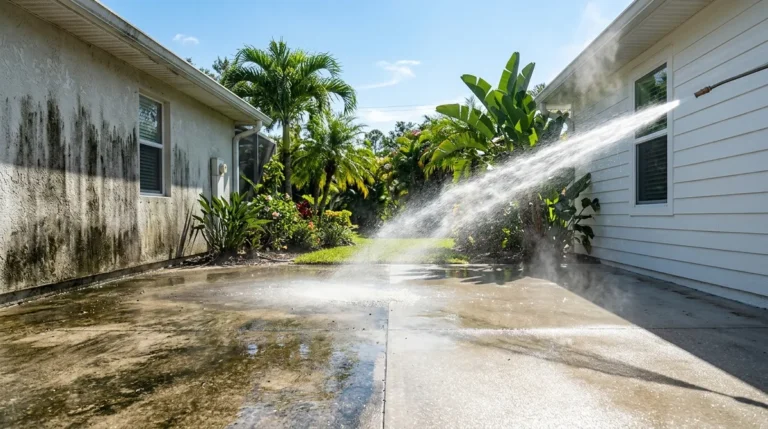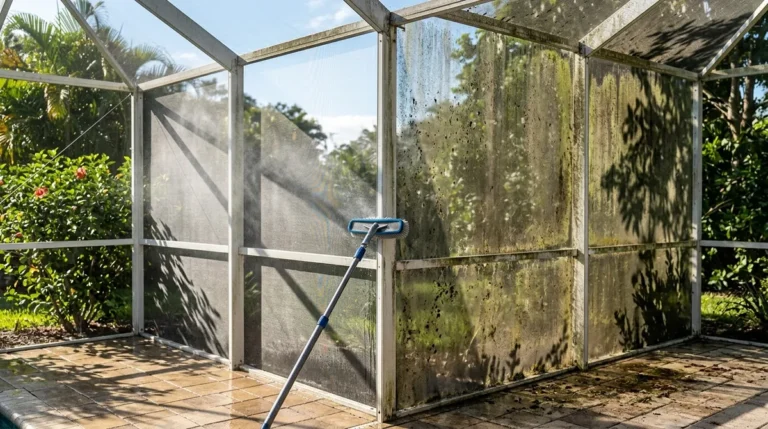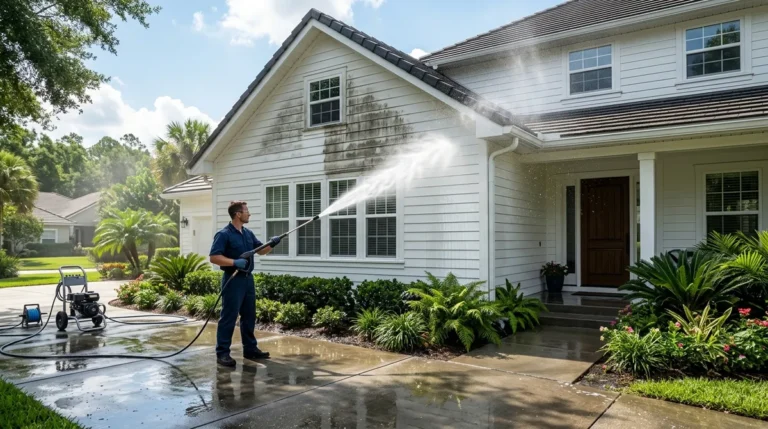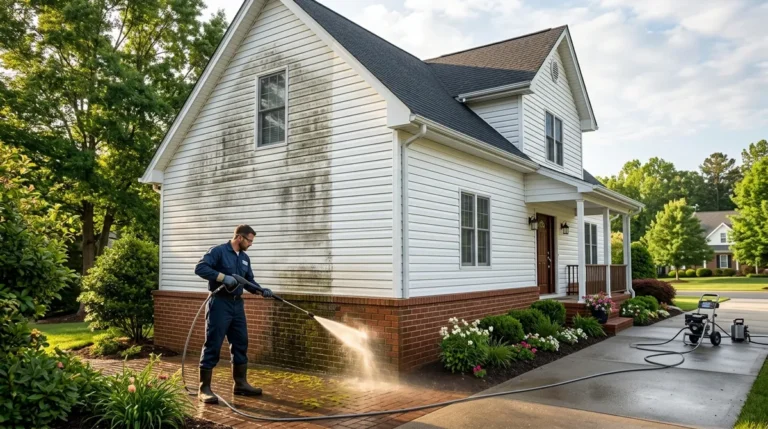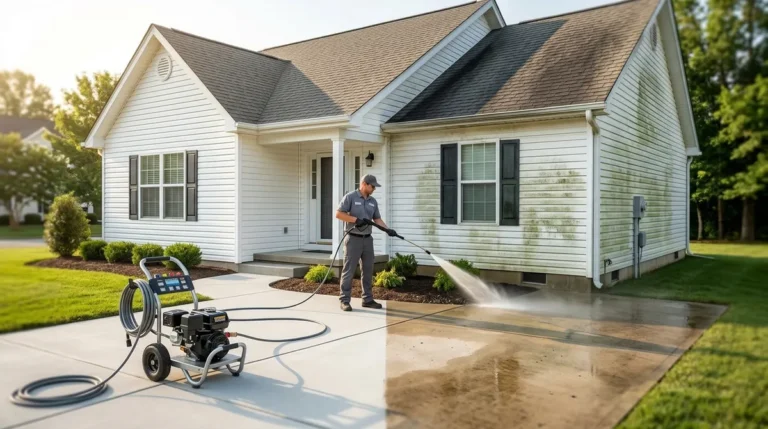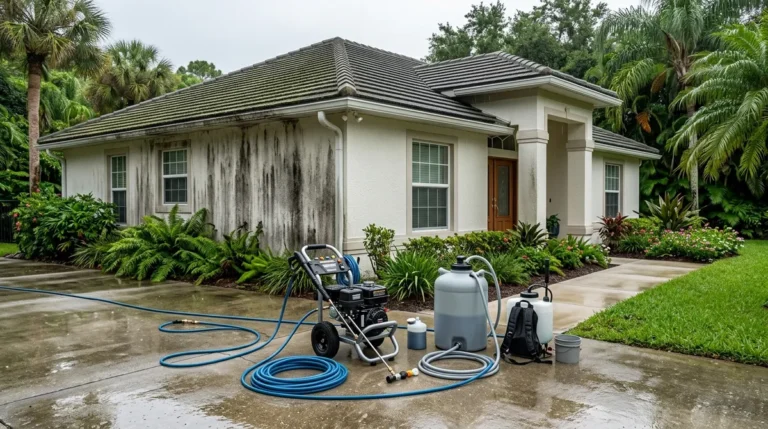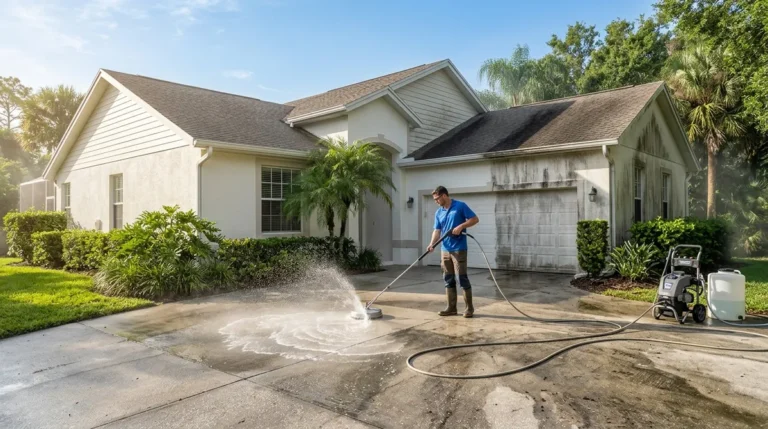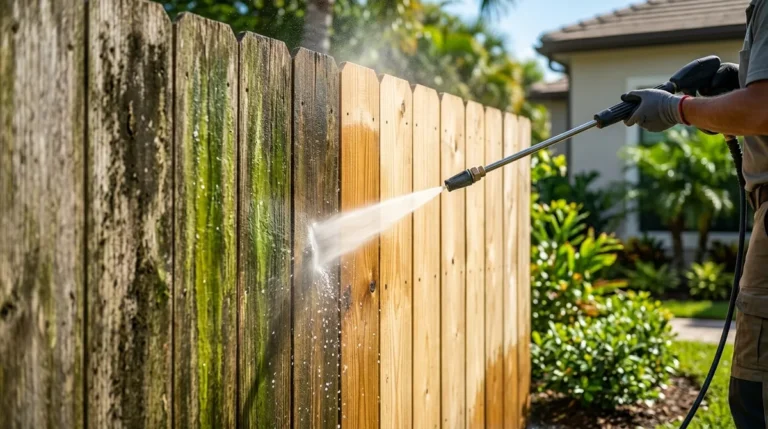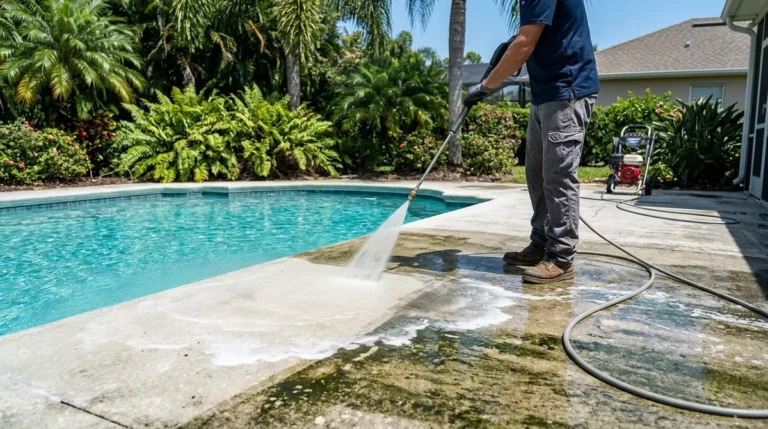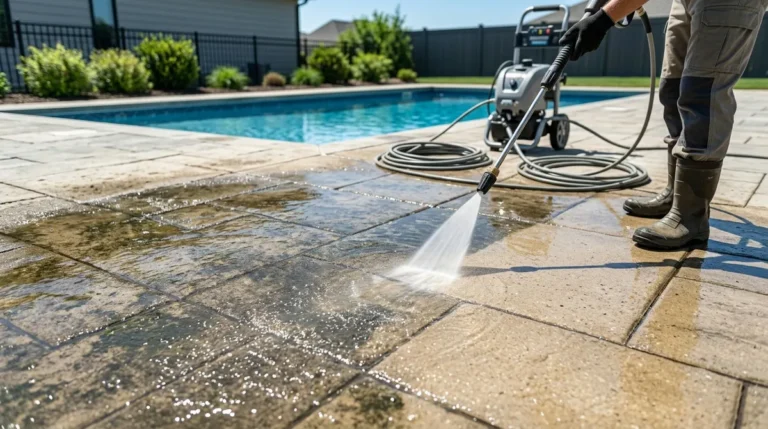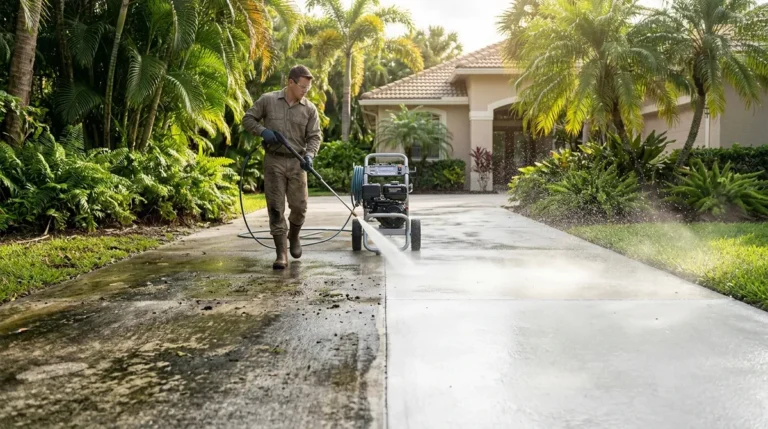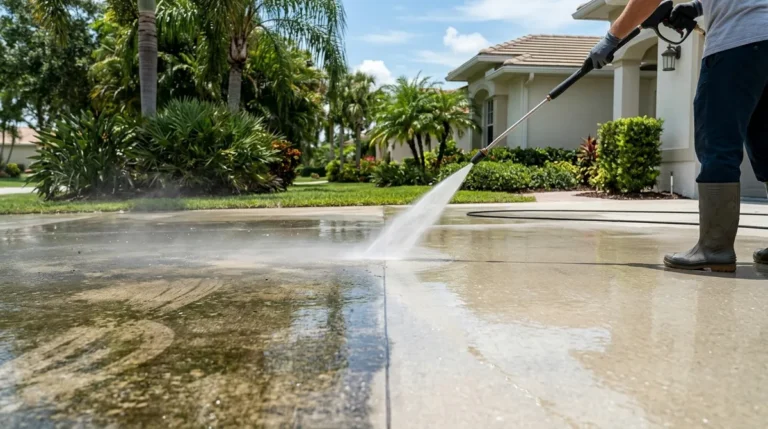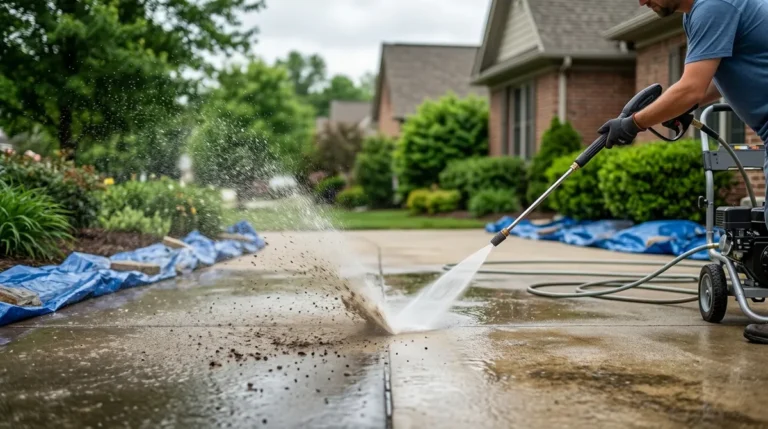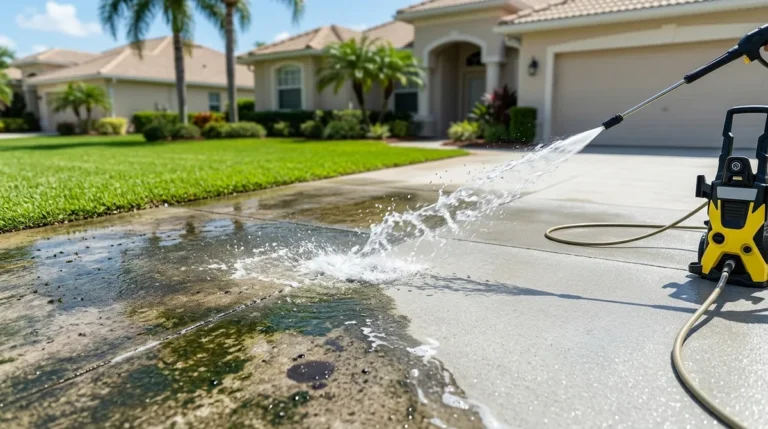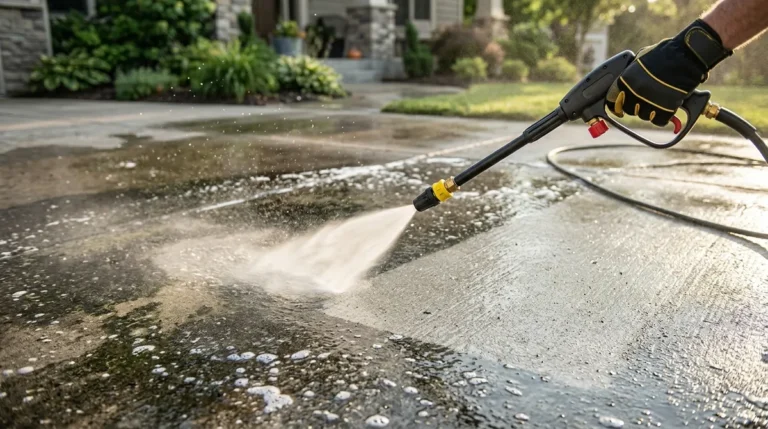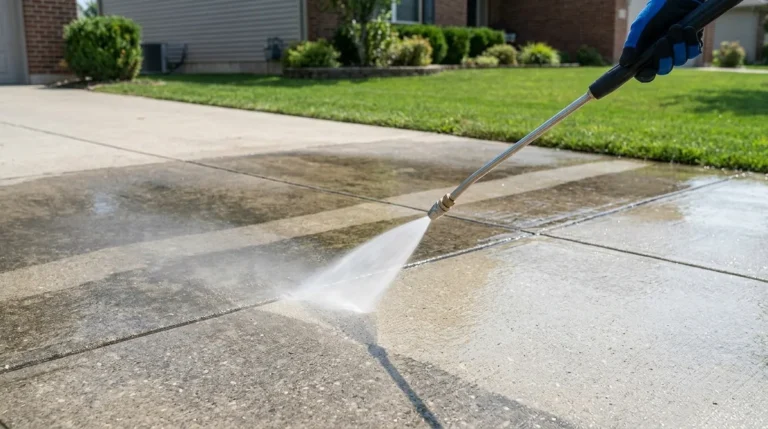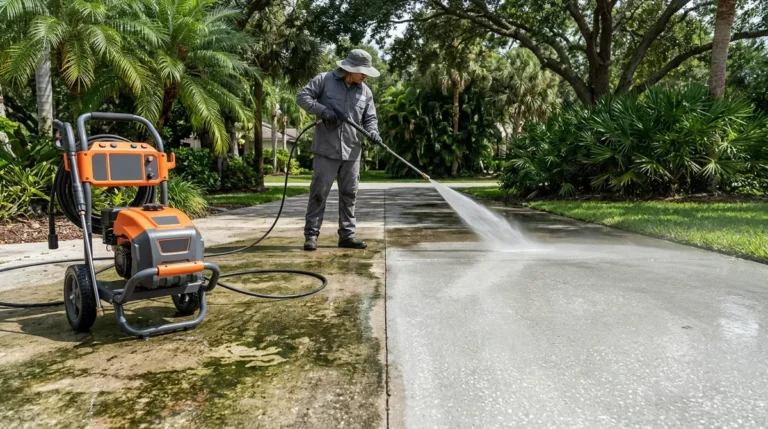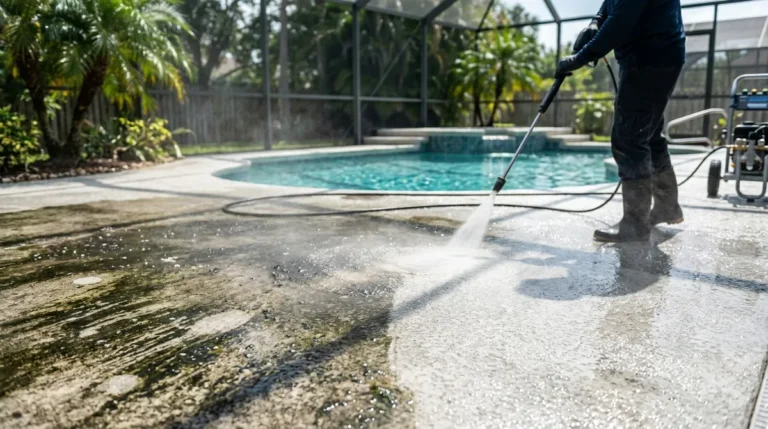
Your driveway is often the first thing visitors notice when arriving at your home, yet it’s frequently one of the most neglected areas of property maintenance. Over time, driveways accumulate dirt, oil stains, mold, mildew, and other contaminants that not only diminish curb appeal but can also cause structural damage and safety hazards. Professional driveway cleaning goes far beyond aesthetics—it’s an investment in your property’s value, safety, and longevity. Whether you have a concrete, asphalt, brick, or paver driveway, regular cleaning and maintenance can extend its lifespan by years while preventing costly repairs down the road.
Many homeowners underestimate the impact that a clean driveway can have on their overall property value and neighborhood perception. A stained, grimy driveway can reduce your home’s curb appeal by up to 10%, while a freshly cleaned surface can make your entire property look well-maintained and inviting. Beyond appearances, the contaminants that build up on your driveway can create slippery surfaces, harbor harmful bacteria, and accelerate deterioration of the surface material. Understanding why driveway cleaning matters is the first step toward protecting one of your home’s most visible and functional features.
The Hidden Dangers Lurking on Your Driveway Surface
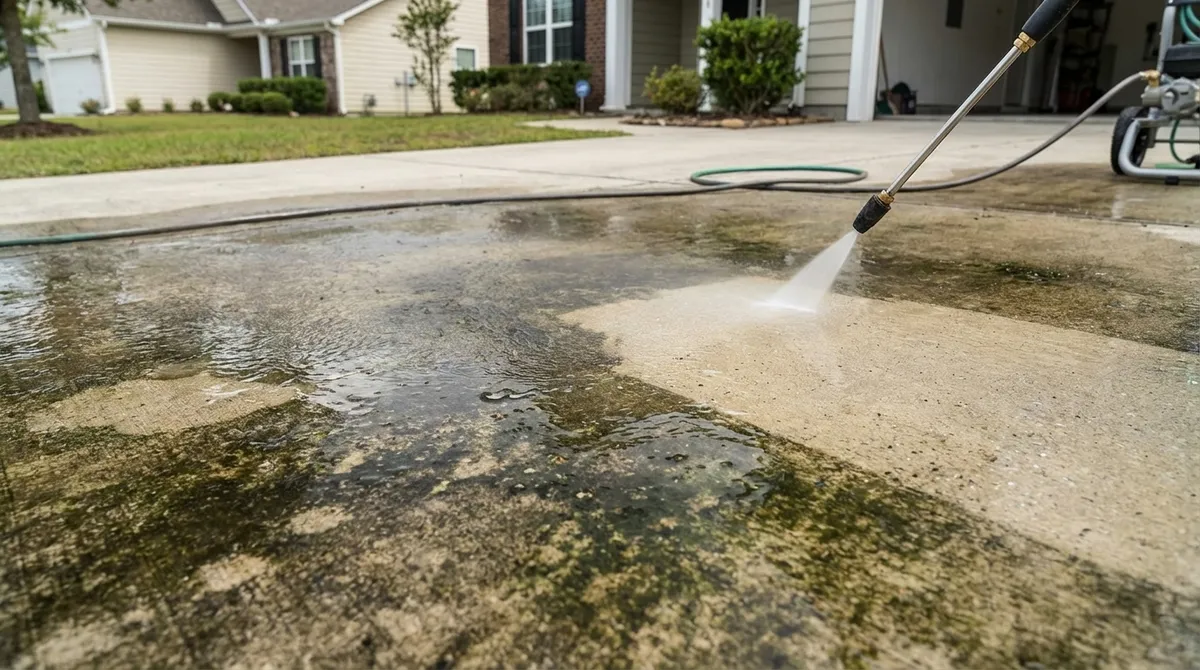
Most homeowners don’t realize that their driveway harbors more than just unsightly stains. Algae, mold, and mildew thrive in the porous surfaces of concrete and asphalt, especially in shaded or moisture-prone areas. These organic growths aren’t just cosmetic issues—they create slippery conditions that pose serious slip-and-fall risks, particularly after rain or in the early morning when dew is present. According to the Centers for Disease Control and Prevention, falls are a leading cause of injury-related visits to emergency departments, and slippery outdoor surfaces contribute significantly to these statistics.
Oil and automotive fluid stains present another concern beyond appearance. These petroleum-based substances penetrate deep into concrete and asphalt, breaking down the binding agents that hold the material together. Over time, this chemical degradation leads to cracking, pitting, and surface deterioration that requires expensive repairs or complete replacement. The longer these contaminants remain on your driveway, the more damage they cause. Regular cleaning removes these harmful substances before they can compromise your driveway’s structural integrity.
Additionally, dirt and debris act as abrasives when vehicles drive over them repeatedly. This grinding action slowly wears away the surface layer of your driveway, creating a rough, pitted texture that accelerates further deterioration. By maintaining a clean surface, you reduce this abrasive action and preserve the smooth finish that protects the underlying structure. Professional Services like those offered by Buckhorn Power Wash can effectively remove these contaminants before they cause permanent damage.
How Different Driveway Materials Respond to Cleaning
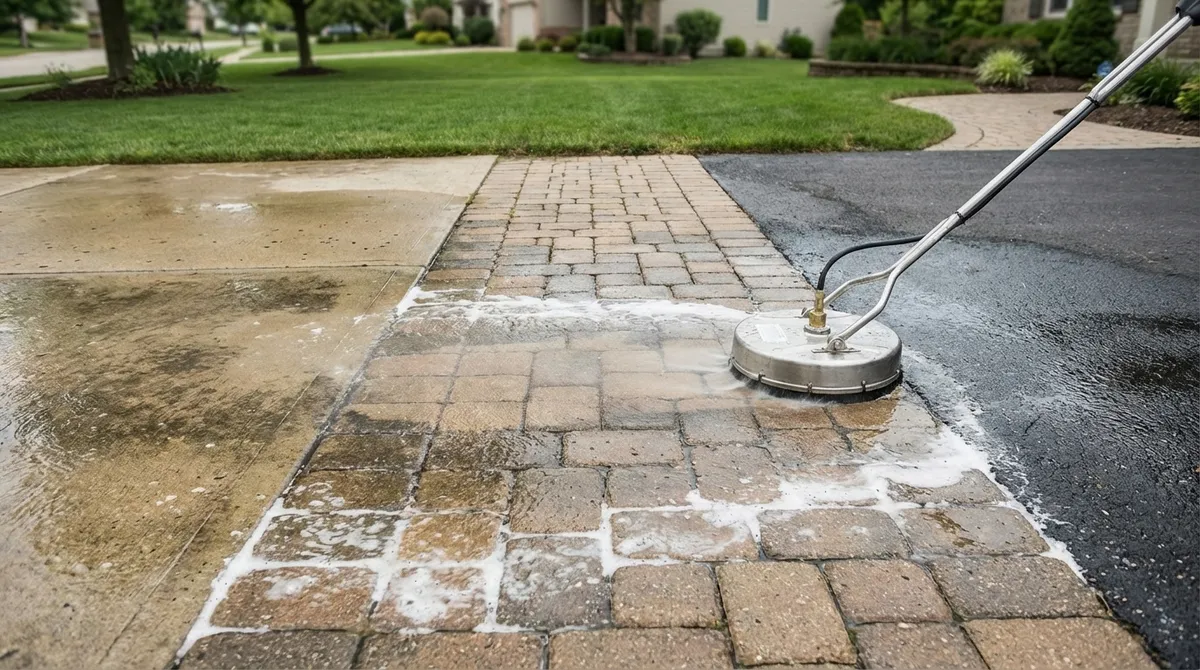
Not all driveways are created equal, and understanding your specific surface material is crucial for effective cleaning. Each type of driveway requires different cleaning approaches, pressure levels, and techniques to achieve optimal results without causing damage.
Concrete Driveways
Concrete is the most common driveway material in residential settings, valued for its durability and versatility. However, concrete is porous, meaning it readily absorbs stains, oils, and moisture. This porosity makes concrete particularly susceptible to mold and mildew growth, especially in humid climates. Professional pressure washing with appropriate PSI levels (typically 3000-4000 PSI) can effectively clean concrete without damaging the surface. Hot water treatments are particularly effective for removing oil stains, as the heat helps break down petroleum-based compounds that cold water alone cannot eliminate.
Asphalt Driveways
Asphalt driveways require a gentler approach than concrete. The binder that holds asphalt together is petroleum-based, making it more vulnerable to damage from excessive pressure or harsh chemicals. A lower PSI setting (1500-2500 PSI) combined with appropriate cleaning solutions is essential for maintaining asphalt integrity. After cleaning, many professionals recommend applying a sealant to protect the surface and restore its rich black color. Regular cleaning and sealing can double the lifespan of an asphalt driveway from 15 years to 30 years or more.
Paver and Brick Driveways
Paver and brick driveways present unique challenges due to the joints between individual units. These joints can harbor weeds, moss, and debris that compromise the stability of the entire surface. While the pavers themselves can withstand higher pressure washing, care must be taken not to dislodge the sand or polymeric sand in the joints. Professional cleaning includes not only surface washing but also re-sanding joints and applying joint stabilizers to maintain structural integrity. The Interlocking Concrete Pavement Institute provides detailed guidelines for maintaining these types of surfaces.
The Professional Driveway Cleaning Process Explained
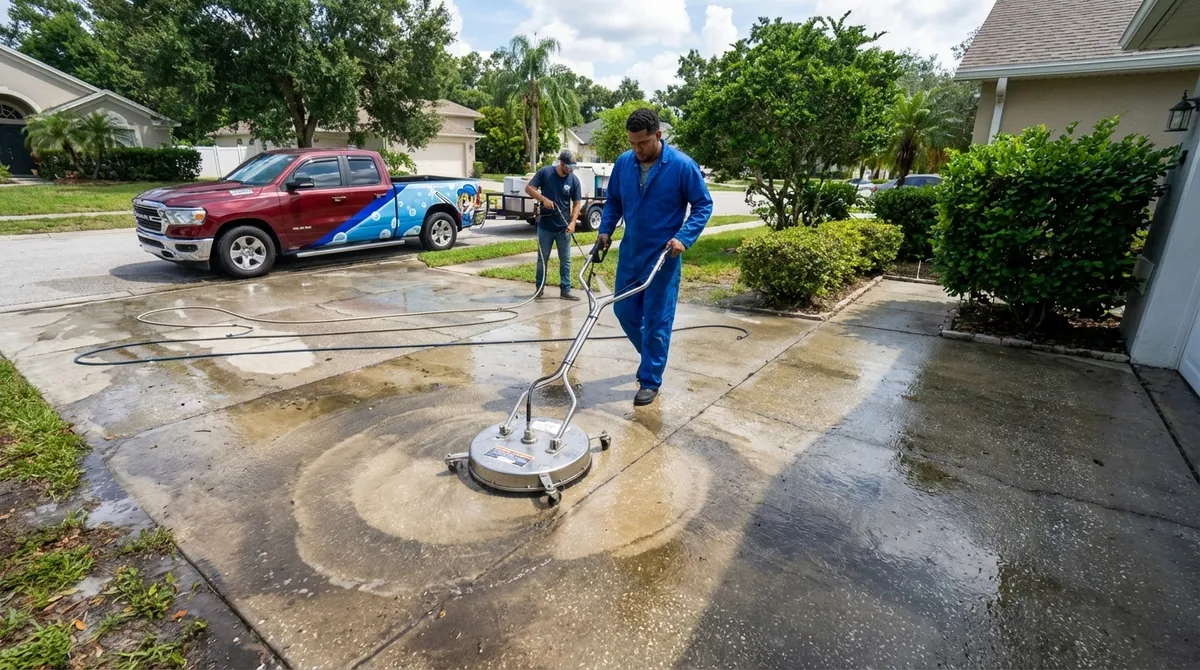
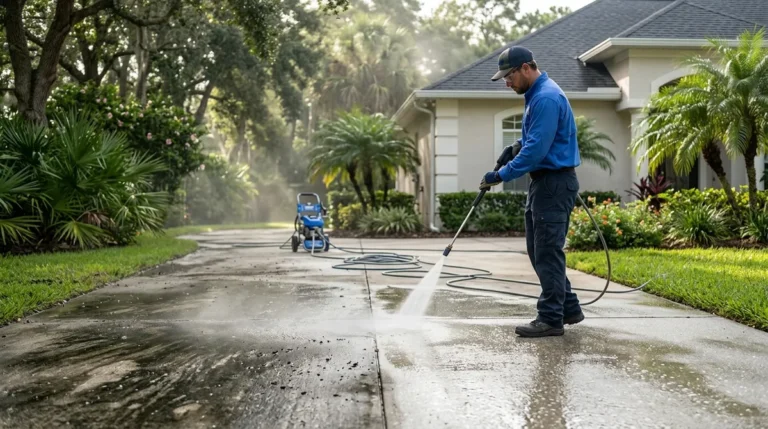
Professional driveway cleaning involves much more than simply spraying water at high pressure. A systematic approach ensures thorough cleaning while protecting your surface from damage. Understanding this process helps homeowners appreciate the value of professional services and recognize the limitations of DIY attempts.
|
Step |
Process |
Purpose |
|---|---|---|
|
1. Inspection |
Assess surface material, condition, and stain types |
Determine appropriate cleaning method and pressure levels |
|
2. Pre-treatment |
Apply specialized cleaning solutions to stubborn stains |
Break down oils, grease, and organic growth before washing |
|
3. Pressure Washing |
Systematically clean surface with appropriate PSI |
Remove dirt, stains, and contaminants |
|
4. Post-treatment |
Apply neutralizers and protectants |
Restore pH balance and protect against future staining |
|
5. Sealing (optional) |
Apply penetrating or film-forming sealant |
Enhance protection and extend time between cleanings |
The inspection phase is critical because it determines everything that follows. A professional will identify areas of concern such as cracks, spalling, or areas where the surface has deteriorated. They’ll note the types of stains present—organic growth, rust, oil, or tire marks—each requiring different treatment approaches. This assessment also includes checking for proper drainage, as standing water contributes to accelerated deterioration and organic growth.
Pre-treatment with specialized cleaning solutions is what separates professional results from DIY attempts. These solutions are formulated to break down specific types of stains at the molecular level. For example, degreasers with surfactants penetrate oil stains, while oxidizers eliminate organic growth. Allowing these products adequate dwell time—typically 10-15 minutes—ensures they work effectively before the pressure washing stage begins.
Seasonal Considerations for Driveway Maintenance
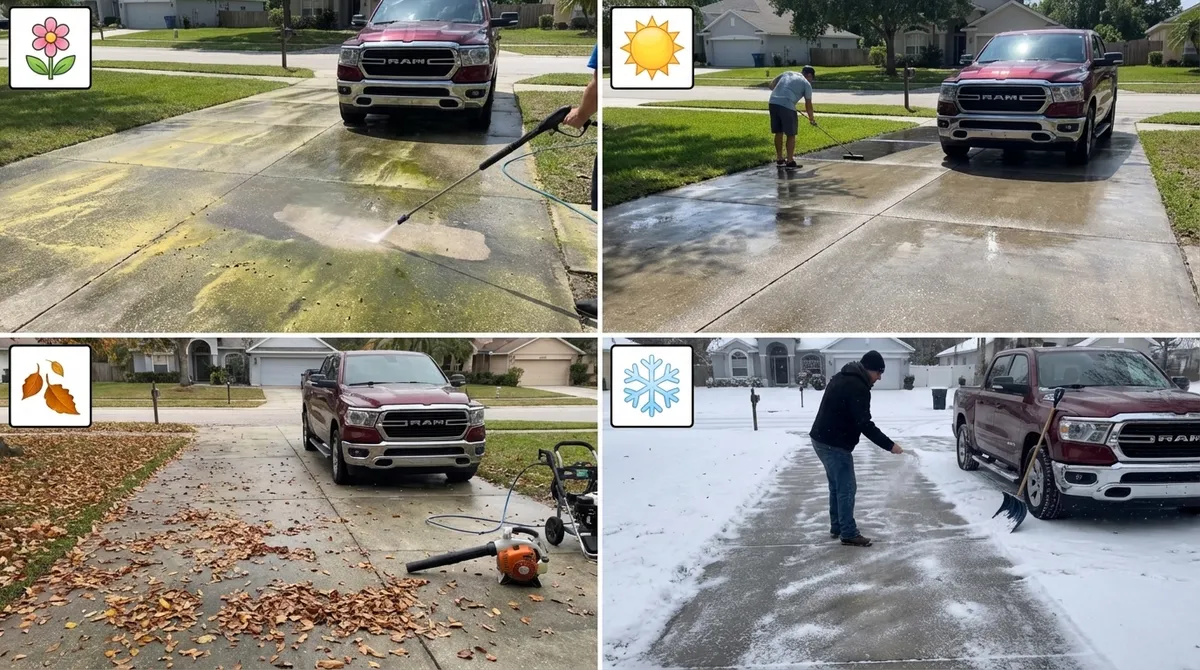
The timing of driveway cleaning can significantly impact both the effectiveness of the cleaning and the longevity of your surface. Different seasons present unique challenges and opportunities for driveway maintenance.
Spring Cleaning Benefits
Spring is often considered the ideal time for comprehensive driveway cleaning. Winter weather brings salt, sand, and de-icing chemicals that can damage concrete and asphalt surfaces. These substances accelerate the freeze-thaw cycle damage and leave behind residues that attract moisture. A thorough spring cleaning removes these harmful materials before they can cause further deterioration. Additionally, the moderate temperatures and typically lower humidity of spring create optimal conditions for cleaning solutions to work effectively and for surfaces to dry properly.
Summer Maintenance
Summer’s warm, dry conditions are excellent for driveway cleaning and sealing projects. The heat helps cleaning solutions work faster and allows sealed surfaces to cure properly. However, extremely hot surfaces can cause cleaning solutions to evaporate too quickly, reducing their effectiveness. Professional cleaners often work during cooler morning or evening hours during peak summer temperatures. Summer is also when many homeowners notice increased organic growth due to humidity and frequent watering of adjacent landscaping.
Fall Preparation
Fall cleaning prepares your driveway for winter’s harsh conditions. Removing organic growth, dirt, and stains before cold weather arrives prevents these materials from trapping moisture against the surface during freeze-thaw cycles. Many homeowners combine fall cleaning with sealing, as the moderate temperatures allow sealants to penetrate effectively. Proper preparation in fall can prevent significant damage during winter months, when repairs are difficult or impossible to complete.
Winter Considerations
While winter is generally not ideal for comprehensive driveway cleaning in most climates, mild winter days can provide opportunities for spot cleaning. In regions with minimal freezing, winter cleaning can address stains and buildup that accumulate during holiday gatherings and increased vehicle traffic. However, professional cleaners typically avoid using water-based cleaning methods when temperatures are below 40°F, as the water can freeze in surface pores and cause damage.
DIY Versus Professional Driveway Cleaning
Many homeowners consider renting pressure washing equipment to tackle driveway cleaning themselves. While this approach can work for routine maintenance, understanding the limitations and risks of DIY cleaning helps homeowners make informed decisions about when to call professionals.
|
Factor |
DIY Approach |
Professional Service |
|---|---|---|
|
Equipment Cost |
$50-150 rental plus deposits |
Included in service price |
|
Cleaning Solutions |
Consumer-grade products with limited effectiveness |
Professional-grade formulations for specific stains |
|
Time Investment |
4-8 hours including equipment pickup/return |
1-3 hours with no homeowner effort |
|
Results Quality |
Variable; risk of streaking or incomplete cleaning |
Consistent, professional-grade results |
|
Damage Risk |
High risk without proper training and technique |
Minimal risk with experienced operators |
|
Warranty/Insurance |
Homeowner assumes all liability |
Professional liability coverage protects property |
The most significant risk with DIY pressure washing is surface damage. Consumer rental equipment often lacks proper pressure regulation, and inexperienced users frequently hold the nozzle too close to the surface or use too narrow a spray pattern. This can etch concrete, remove the surface cream that protects underlying aggregate, or create visible wand marks that are permanent. According to the Power Washers of North America, improper pressure washing causes millions of dollars in property damage annually.
Professional services like Buckhorn Power Wash bring expertise, proper equipment, and specialized knowledge to every job. They understand how different surfaces respond to various pressure levels and cleaning agents. They also carry insurance to protect your property in the unlikely event that something goes wrong. For homeowners in Hillsborough County, professional driveway cleaning often costs less than many realize, especially when considering the time investment and risk of DIY approaches.
The Economic Impact of Regular Driveway Cleaning
Viewing driveway cleaning as an investment rather than an expense changes the calculus for many homeowners. The financial benefits of regular cleaning extend well beyond curb appeal, impacting property value, repair costs, and long-term maintenance expenses.
Property value considerations are significant. Real estate professionals consistently report that curb appeal, including driveway condition, influences buyer perceptions and offers. A clean, well-maintained driveway can add 5-10% to your home’s perceived value, while a stained, deteriorating driveway can reduce offers by a similar percentage. For a $300,000 home, this represents a potential $15,000-30,000 impact on sale price—far exceeding the cost of regular professional cleaning.
Preventive maintenance through regular cleaning extends the lifespan of your driveway surface. A concrete driveway typically lasts 25-30 years, but this can be reduced to 15-20 years without proper maintenance. Conversely, regular cleaning and sealing can extend lifespan to 35-40 years. Given that driveway replacement costs $4,000-15,000 depending on size and material, the return on investment for regular cleaning is substantial. Annual or bi-annual cleaning costs typically range from $150-400, making it one of the most cost-effective home maintenance practices.
Repair cost avoidance is another major economic factor. Small cracks and surface damage that develop due to neglect can quickly escalate into major structural issues requiring expensive repairs. A minor crack that could be filled for $50-100 can expand through freeze-thaw cycles into a major fissure requiring $500-1,000 in repairs. By maintaining a clean surface and addressing small issues promptly, homeowners avoid these cascading repair costs.
Environmental Considerations in Driveway Cleaning
Modern driveway cleaning must balance effectiveness with environmental responsibility. The runoff from driveway cleaning contains dirt, oils, cleaning chemicals, and other contaminants that can impact local waterways if not managed properly. Professional cleaning services increasingly focus on eco-friendly practices that protect both your property and the environment.
Biodegradable cleaning solutions have become the industry standard for responsible professionals. These products break down naturally without harming plants, animals, or aquatic ecosystems. They’re formulated to be tough on stains while gentle on the environment, using plant-based surfactants and oxidizers instead of harsh chemicals. When properly applied and rinsed, these solutions leave no harmful residues and don’t contribute to water pollution.
Water conservation practices are another important consideration. Professional-grade pressure washing equipment uses significantly less water than garden hoses while achieving superior cleaning results. A typical garden hose flows at 5-10 gallons per minute, while professional equipment operates at 3-4 gallons per minute at much higher pressure. This means more effective cleaning with 50-60% less water consumption. Some advanced systems even include water reclamation capabilities that filter and reuse rinse water.
Proper containment and disposal of wastewater is crucial, particularly when cleaning driveways with heavy oil contamination. Professional services use containment systems to prevent contaminated runoff from entering storm drains, which typically flow directly to rivers, lakes, and oceans without treatment. Instead, collected wastewater can be properly filtered or disposed of according to local environmental regulations. Homeowners should always verify that any cleaning service they hire follows proper environmental protocols.
Common Driveway Stains and Specialized Treatments
Different types of stains require specific treatment approaches for effective removal. Understanding these stain categories helps homeowners communicate effectively with cleaning professionals and set realistic expectations for results.
Oil and Grease Stains
Petroleum-based stains are among the most challenging to remove because they penetrate deeply into porous concrete and asphalt. Fresh oil stains respond well to absorbent materials like cat litter or baking soda applied immediately. However, set-in stains require professional treatment with hot water pressure washing and specialized degreasers. Some particularly stubborn stains may require multiple treatments or oxidation-based spot treatments that break down the molecular structure of the oil.
Rust Stains
Rust stains typically originate from metal furniture, planters, or lawn equipment left on the driveway. These orange-brown stains result from iron oxide and require acid-based treatments to remove effectively. Professional rust removers use oxalic acid or similar compounds that dissolve iron oxide without damaging concrete. These treatments must be carefully applied and thoroughly rinsed to prevent surface etching or discoloration.
Organic Growth
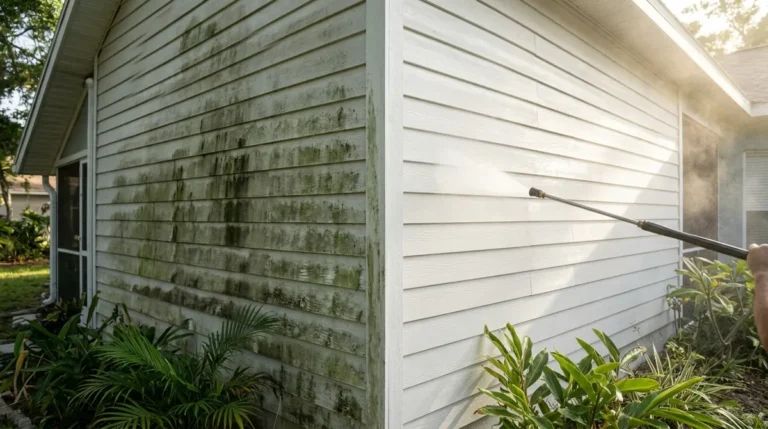
Algae, mold, mildew, and moss create green, black, or brown stains that are both unsightly and hazardous. These organisms thrive in moisture and shade, making them common in certain areas of most driveways. Sodium hypochlorite-based solutions effectively kill organic growth, but they must be properly diluted and applied to avoid damaging surrounding vegetation. Professional treatment includes not only killing existing growth but also applying preventive treatments that inhibit regrowth for several months.
Tire Marks
The black marks left by tires result from plasticizers in rubber compounds that transfer to concrete under heat and friction. These marks are particularly common near garage entrances and turning areas. Hot water pressure washing combined with alkaline cleaners effectively removes most tire marks, though some deeply embedded marks may require additional solvent-based treatments.
Long-term Protection Strategies
Beyond regular cleaning, implementing protective measures extends the time between cleanings and preserves your driveway’s appearance and integrity. These strategies work synergistically with professional cleaning to maximize your investment.
Sealing is perhaps the most effective protective measure for concrete and paver driveways. Penetrating sealers soak into the surface, filling pores and creating a barrier against moisture, stains, and chemical damage. Topical sealers form a protective film on the surface that enhances appearance while providing protection. Most professionals recommend resealing concrete driveways every 2-3 years, with the timeframe varying based on climate, usage, and traffic levels. Proper surface preparation through thorough cleaning is essential before sealing—sealers applied over dirty surfaces trap contaminants and fail prematurely.
Regular sweeping and prompt stain treatment prevent minor issues from becoming major problems. Sweeping removes abrasive dirt and debris that accelerate surface wear. Addressing spills immediately—whether automotive fluids, fertilizers, or other chemicals—prevents them from penetrating and staining the surface. Keep absorbent materials and appropriate cleaners readily available for quick response to spills.
Proper drainage maintenance ensures that water doesn’t pool on your driveway surface. Standing water accelerates deterioration, promotes organic growth, and exacerbates freeze-thaw damage in cold climates. Ensure that gutters and downspouts direct water away from your driveway. Consider adding or improving drainage channels if water regularly pools in certain areas. Small drainage improvements can significantly extend your driveway’s lifespan.
Selecting the Right Professional Service
Not all pressure washing services deliver equal results, and selecting the right professional ensures you receive value for your investment. Several factors distinguish quality services from mediocre ones.
Experience and specialization matter significantly. Companies that focus specifically on residential exterior cleaning typically develop greater expertise than those offering pressure washing as a side service. Look for providers with several years of experience and specific training in driveway cleaning techniques. Ask about their experience with your specific driveway material—someone experienced with concrete may not understand the nuances of asphalt or paver cleaning.
Insurance and licensing protect you from liability. Verify that any service you hire carries general liability insurance and workers’ compensation coverage. This protects you if equipment damages your property or if a worker is injured on your premises. Licensed professionals also typically maintain higher standards and stay current with industry best practices and safety protocols.
Transparent pricing without high-pressure sales tactics indicates a reputable service provider. Quality companies provide detailed estimates that outline exactly what services are included, what products will be used, and what results you can expect. They’re willing to explain their process and answer questions without pushing unnecessary add-on services. Companies like Buckhorn Power Wash exemplify this approach, offering straightforward pricing and honest assessments. Visit us on Google to see what our customers say about our transparent, professional service.
References and reviews provide valuable insights into a company’s quality and reliability. Check online reviews on multiple platforms, paying attention to how companies respond to both positive and negative feedback. Ask for references from recent customers with similar projects. Quality providers are proud of their work and happy to connect potential customers with satisfied clients. Learn more About how we’ve built our reputation on quality service and customer satisfaction in Hillsborough County.
Conclusion: Protecting Your Investment Through Professional Care
Your driveway represents a significant investment in your property’s functionality, safety, and aesthetic appeal. Regular professional cleaning is not merely a cosmetic enhancement—it’s essential preventive maintenance that protects this investment and extends its lifespan by years or even decades. From preventing structural damage and eliminating safety hazards to enhancing curb appeal and property value, the benefits of professional driveway cleaning far exceed the modest cost.
Understanding why driveway cleaning matters empowers homeowners to make informed decisions about their property maintenance. Whether you’re dealing with stubborn oil stains, slippery organic growth, or simply years of accumulated grime, professional cleaning restores your driveway to like-new condition while protecting it from future damage. The combination of specialized equipment, professional-grade cleaning solutions, and experienced technique delivers results that DIY efforts simply cannot match.
Don’t let a neglected driveway diminish your home’s appearance or compromise its value. Professional cleaning services provide affordable, effective solutions that protect your investment and enhance your property’s appeal. Ready to see the transformation that professional driveway cleaning can deliver? Get an Instant Quote today and take the first step toward restoring your driveway’s beauty and protecting its longevity.
FAQs
Q: How often should I have my driveway professionally cleaned?
A: Most residential driveways benefit from professional cleaning once or twice annually, depending on environmental factors and usage. Properties with significant tree coverage, high humidity, or heavy vehicle traffic may require more frequent cleaning to prevent organic growth and stain accumulation. Annual spring cleaning is recommended at minimum to remove winter debris and prepare the surface for warmer months.
Q: Can pressure washing damage my driveway?
A: When performed correctly by trained professionals using appropriate pressure levels and techniques, pressure washing is safe and highly effective. However, excessive pressure, incorrect nozzle angles, or improper technique can etch concrete, dislodge paver joints, or damage asphalt surfaces. This is why professional service is recommended over DIY attempts—experienced technicians understand how different materials respond to various pressure levels and adjust accordingly.
Q: What is the difference between pressure washing and soft washing for driveways?
A: Pressure washing uses high-pressure water (typically 2500-4000 PSI) to mechanically remove dirt, stains, and contaminants from durable surfaces like concrete driveways. Soft washing employs lower pressure (under 500 PSI) combined with specialized cleaning solutions to achieve results through chemical action rather than mechanical force. While pressure washing is standard for most driveways, soft washing may be appropriate for more delicate materials or surfaces with existing damage.
Q: Will driveway cleaning remove oil stains completely?
A: Fresh oil stains can typically be removed completely with professional treatment using hot water pressure washing and industrial-grade degreasers. However, oil stains that have penetrated deeply into porous concrete over months or years may be significantly lightened but not entirely eliminated. Professional technicians can assess stain severity during inspection and provide realistic expectations for results based on the stain’s age and depth of penetration.
Q: Is it necessary to seal my driveway after cleaning?
A: While not strictly necessary, sealing your driveway after professional cleaning provides significant benefits and is highly recommended. Sealers protect against future staining, reduce moisture penetration, and extend the time between cleanings. For concrete and paver driveways, sealing every 2-3 years after thorough cleaning maximizes surface protection and longevity. Asphalt driveways particularly benefit from regular sealing to prevent oxidation and surface deterioration.