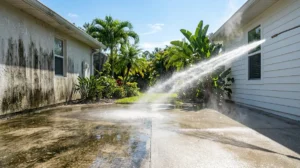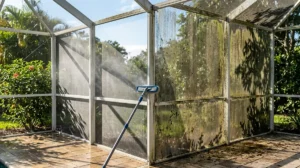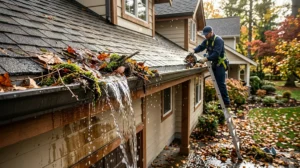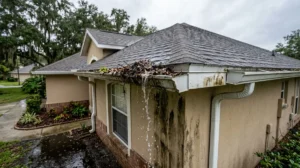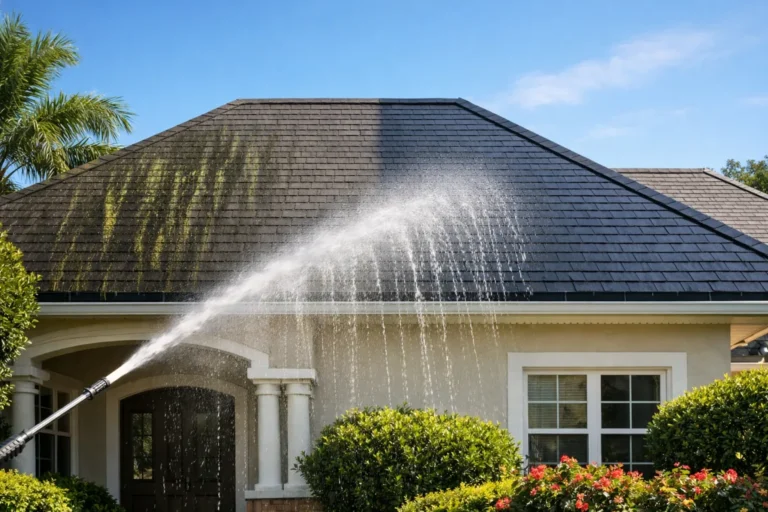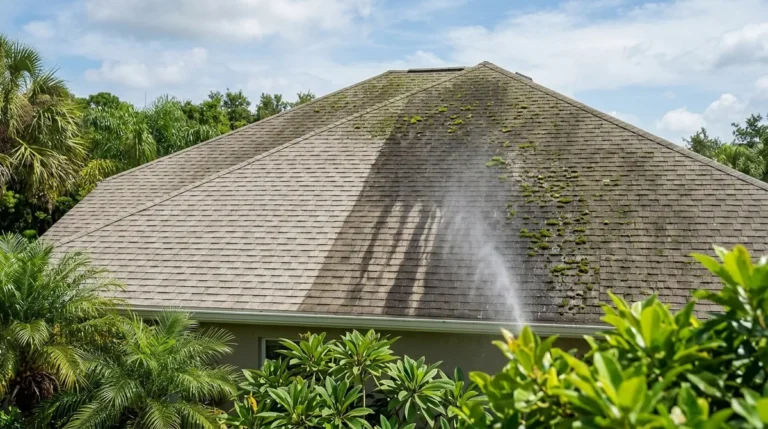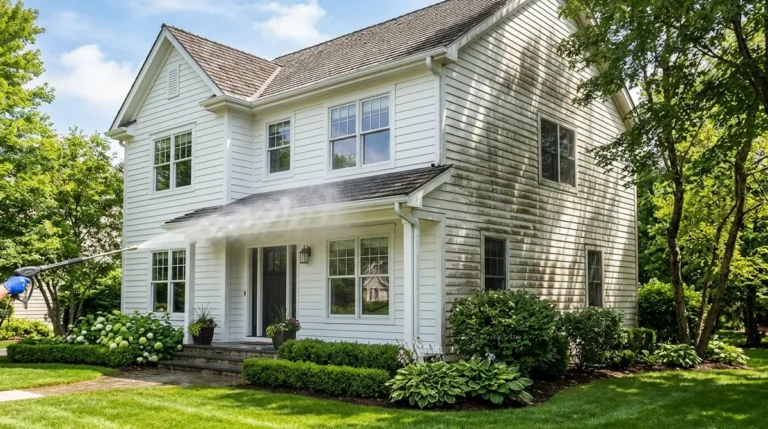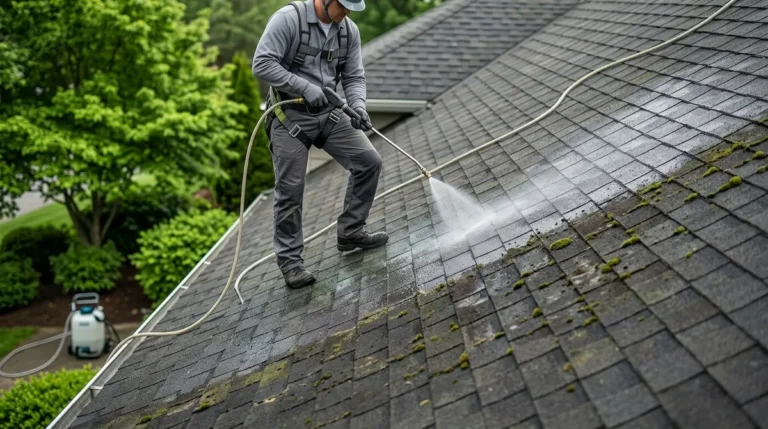
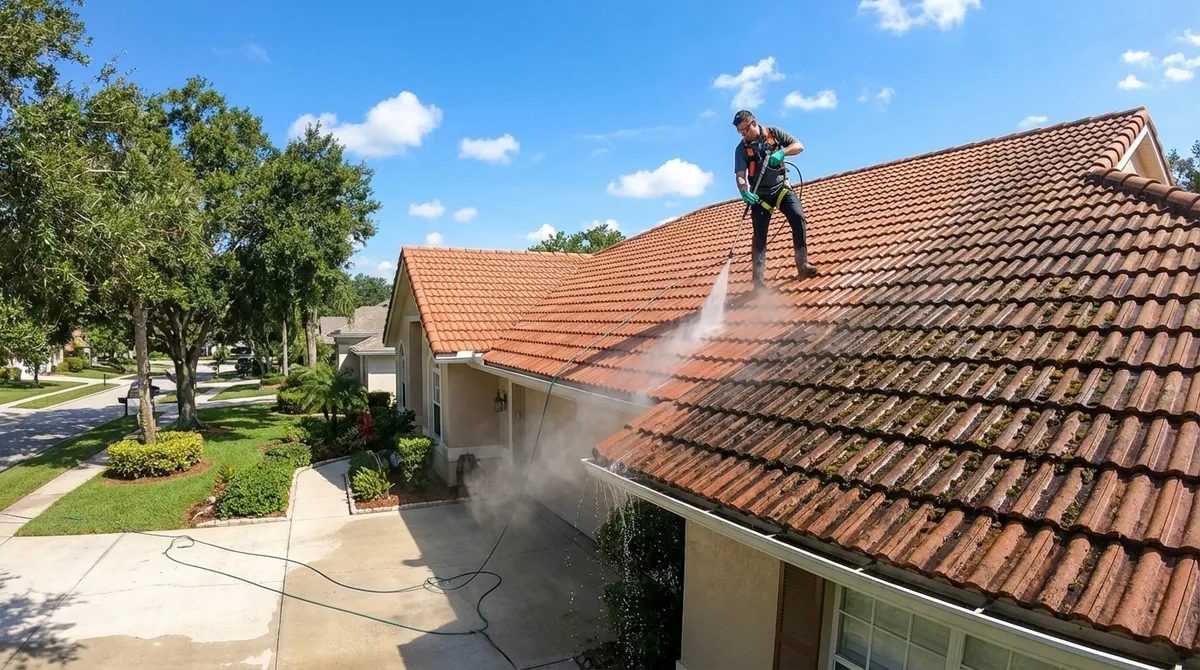
Your roof is one of the most significant investments in your home, yet it’s often the most neglected when it comes to maintenance. Many homeowners don’t realize that the dark streaks, green patches, and discoloration appearing on their shingles aren’t just cosmetic issues—they’re signs of biological growth that can compromise your roof’s integrity and lifespan. Professional roof washing isn’t merely about curb appeal; it’s a critical maintenance service that protects your investment, extends your roof’s life expectancy, and can save you thousands of dollars in premature replacement costs. Understanding why annual roof cleaning matters can help you make informed decisions about protecting one of your home’s most valuable assets.
The Hidden Dangers Living on Your Roof
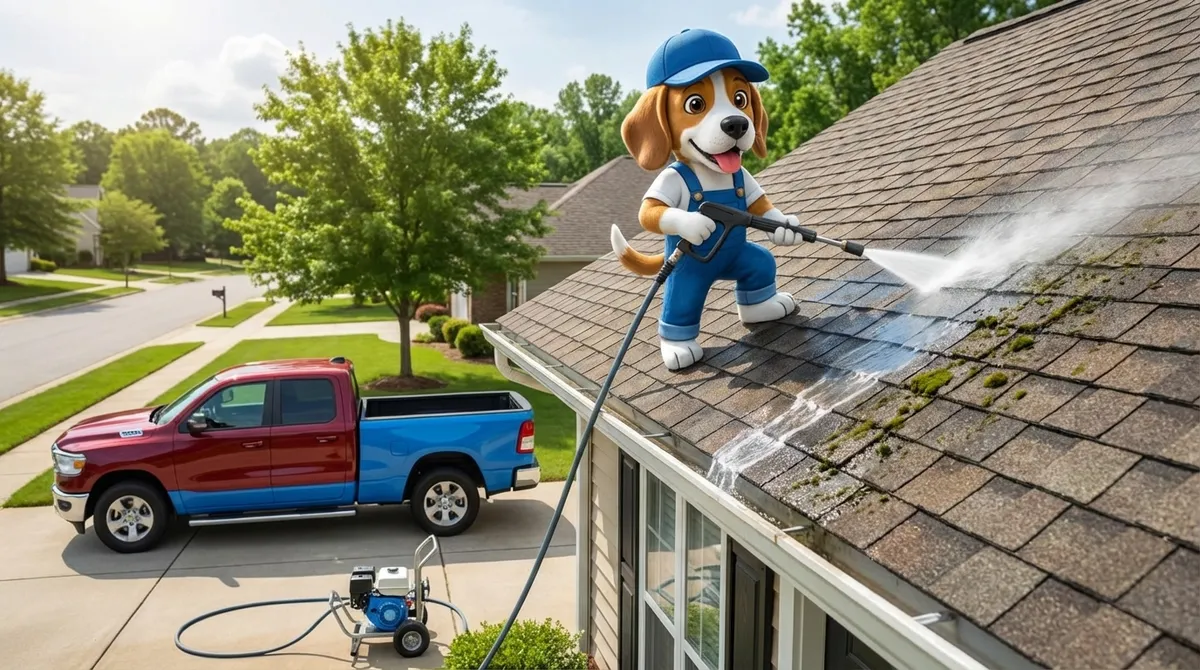
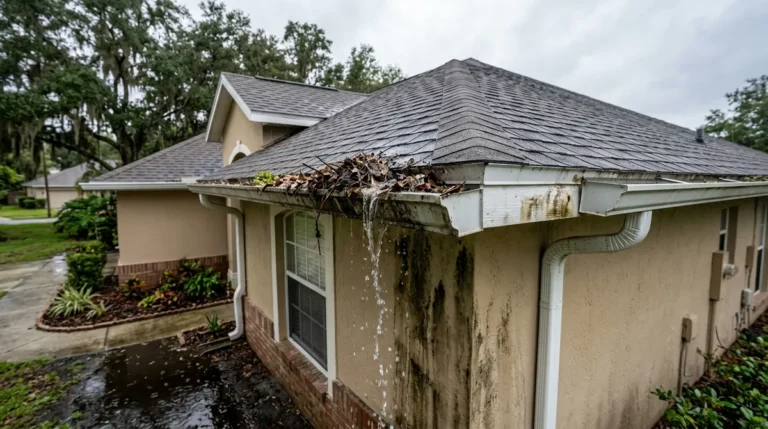
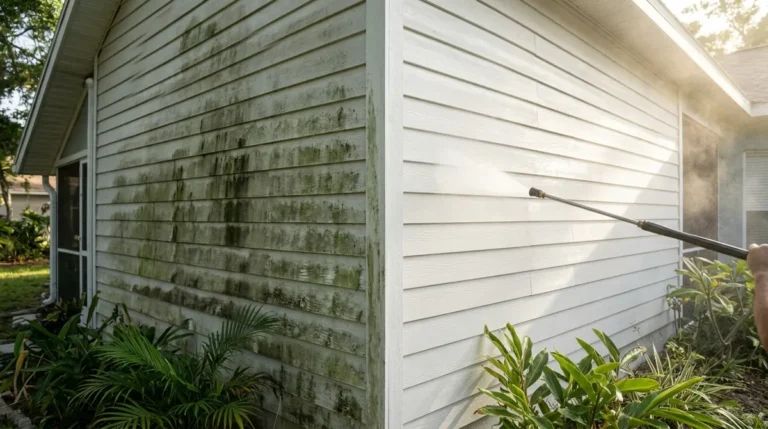
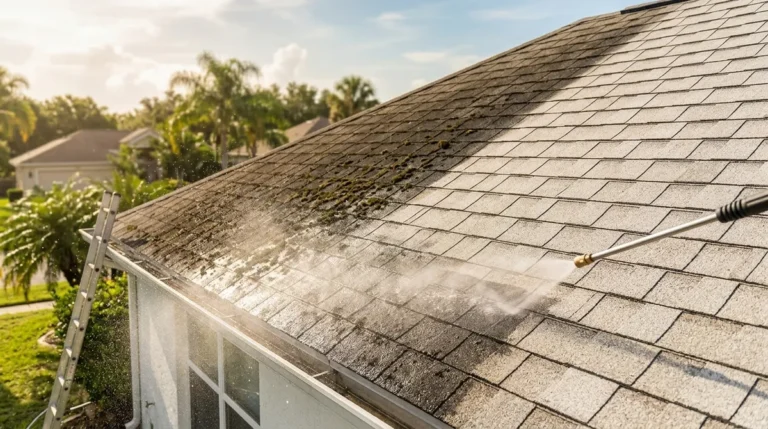
Those black streaks cascading down your shingles aren’t caused by dirt or pollution—they’re actually colonies of Gloeocapsa magma, a type of cyanobacteria that feeds on the limestone filler in asphalt shingles. This organism doesn’t just create an unsightly appearance; it actively deteriorates your roofing materials by retaining moisture and accelerating the breakdown of protective granules. According to the Asphalt Roofing Manufacturers Association, algae and moss growth can reduce a roof’s lifespan by up to 25% if left untreated.
Moss, lichen, and algae create additional problems beyond aesthetic concerns. These organisms develop root-like structures that burrow beneath shingles, lifting them and creating pathways for water infiltration. During freeze-thaw cycles, trapped moisture expands and contracts, causing cracks and further damage. The National Association of Certified Home Inspectors identifies biological growth as one of the primary accelerators of premature roof failure, particularly in humid climates where conditions favor rapid organism proliferation.
Beyond structural concerns, these contaminants impact your home’s energy efficiency. Dark algae stains absorb significantly more heat than clean, reflective roofing materials, forcing your air conditioning system to work harder during summer months. Studies have shown that algae-covered roofs can increase cooling costs by 10-25%, making professional cleaning not just a maintenance expense but an energy-saving investment.
Professional Roof Washing Methods Explained
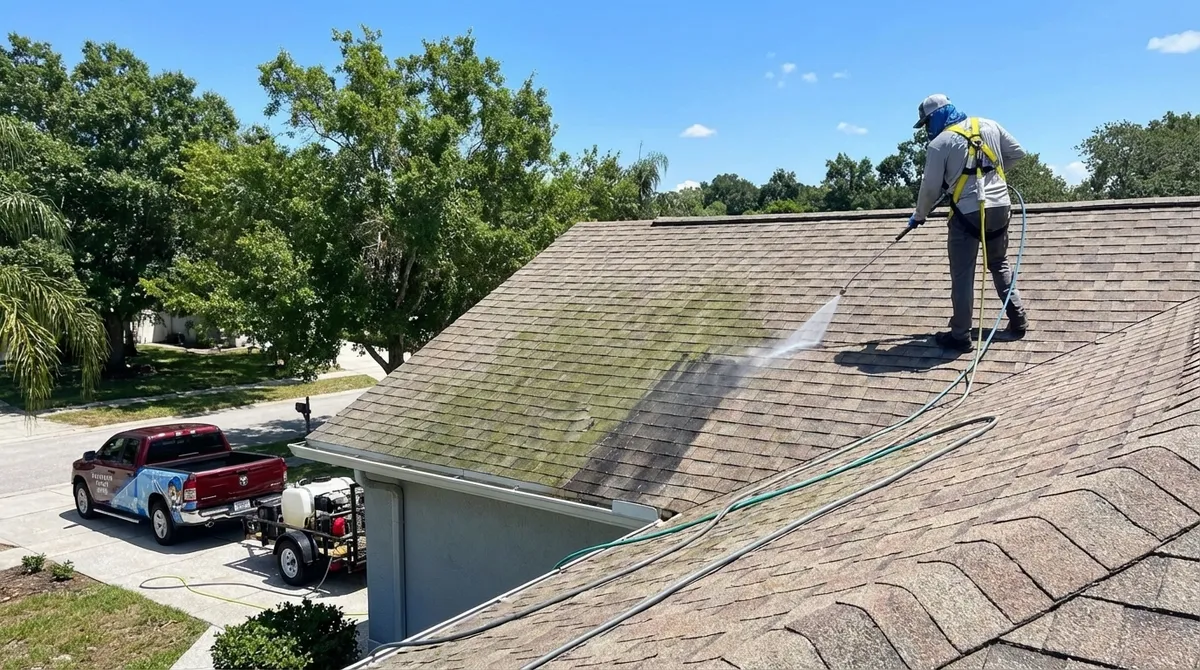
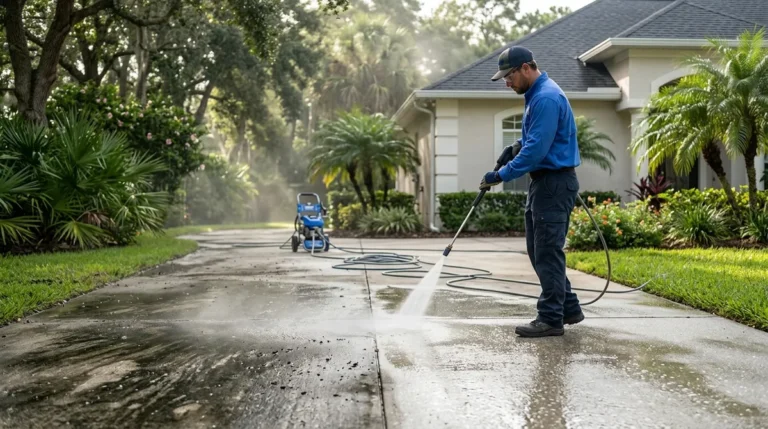
Not all roof cleaning methods are created equal, and choosing the wrong approach can cause more damage than the contaminants themselves. The two primary professional methods are soft washing and pressure washing, each with distinct applications and appropriate scenarios. Understanding these techniques helps homeowners make informed decisions and avoid contractors who might use inappropriate methods that void manufacturer warranties.
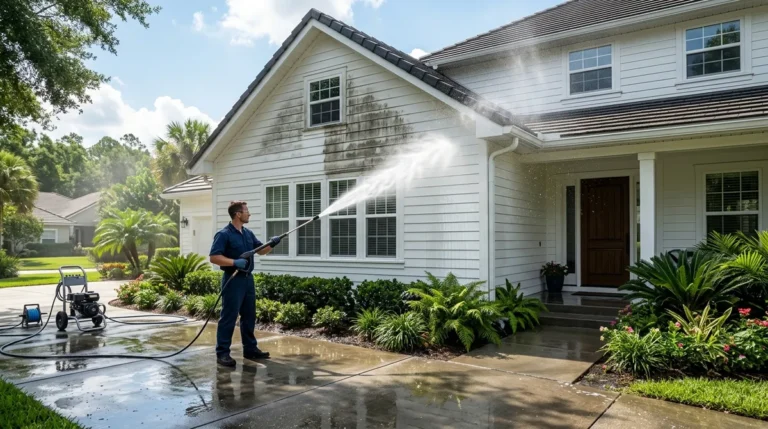
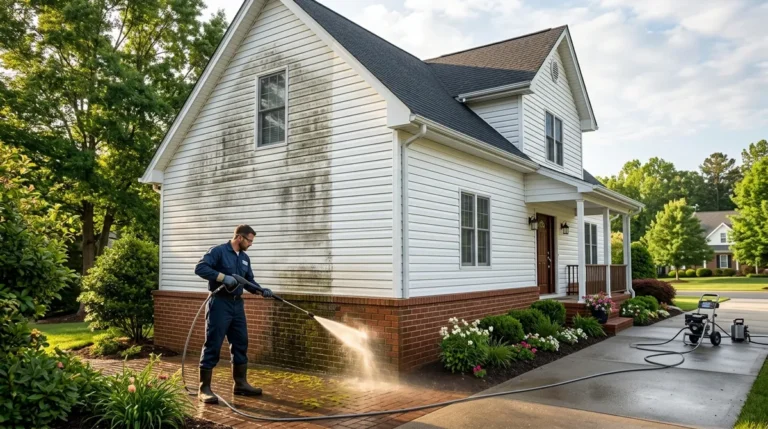
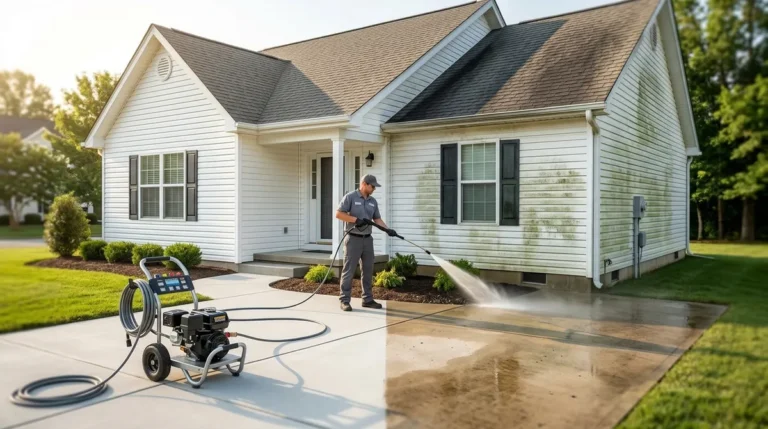
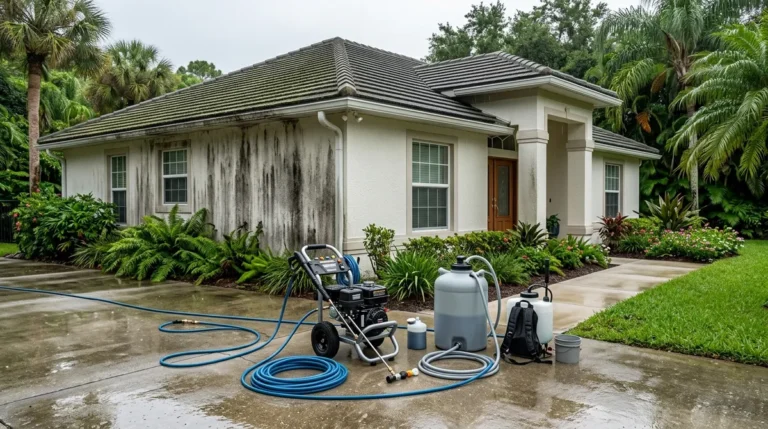
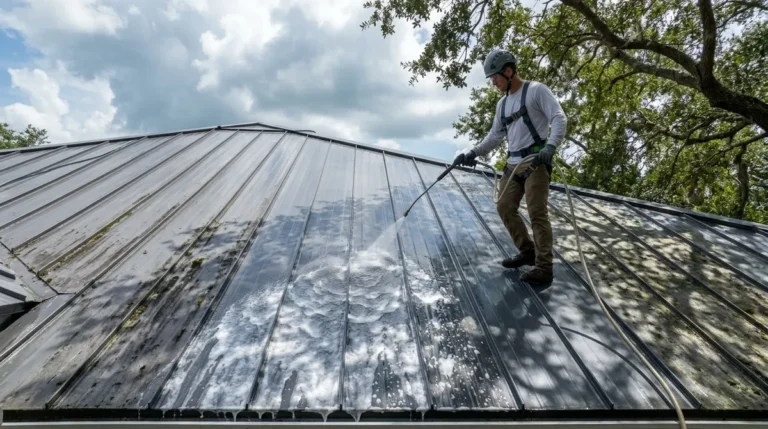
Soft washing has become the industry gold standard for asphalt shingle roofs. This method uses low-pressure water delivery combined with specialized biodegradable cleaning solutions that eliminate algae, moss, and lichen at the root level. The cleaning agents typically contain sodium hypochlorite or other approved surfactants that break down organic matter without requiring abrasive scrubbing or high pressure. Professional services like Buckhorn Power Wash utilize soft washing techniques that protect your shingles while delivering superior cleaning results that last significantly longer than pressure-based methods.
|
Method |
Pressure Level |
Best For |
Risks |
|---|---|---|---|
|
Soft Washing |
60-100 PSI |
Asphalt shingles, tiles |
Minimal when done correctly |
|
Pressure Washing |
1500-3000 PSI |
Metal, concrete roofs |
Can damage shingles, void warranties |
|
Chemical Treatment |
No pressure |
Light maintenance |
May require multiple applications |
The cleaning process typically involves pre-treating affected areas with specialized solutions, allowing adequate dwell time for biological breakdown, then rinsing with controlled water pressure. Professional technicians adjust their approach based on roof pitch, material composition, and contamination severity. They also take precautions to protect landscaping, gutters, and surrounding areas from cleaning solution runoff.
How Often Should You Schedule Roof Washing?
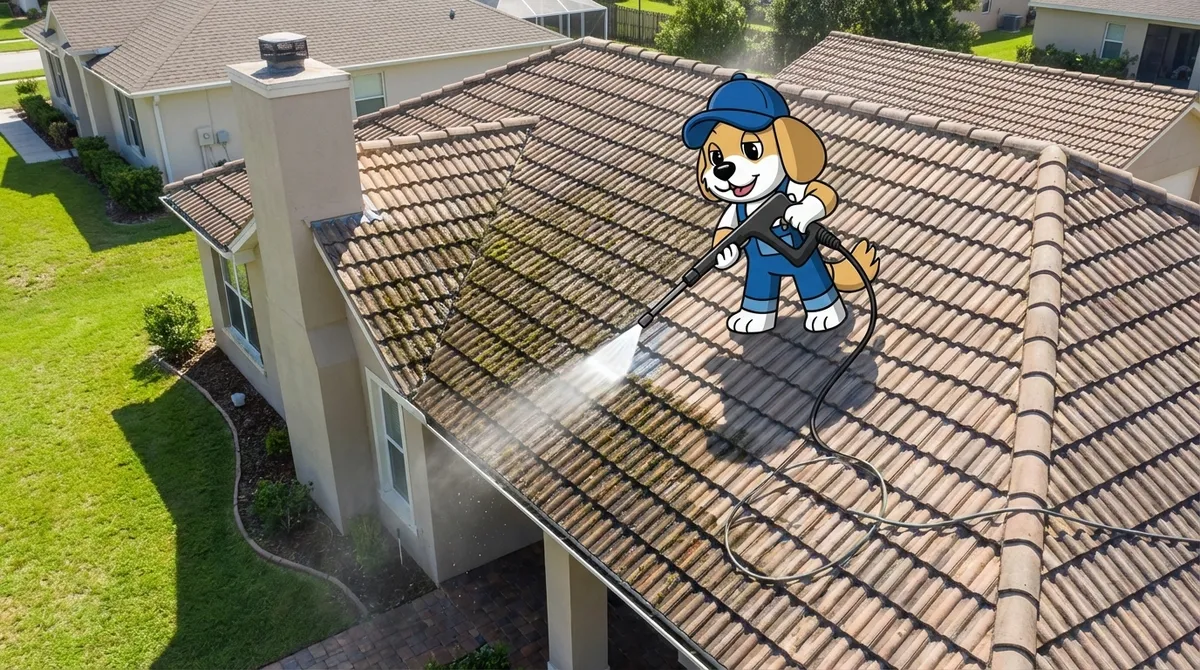
The frequency of professional roof cleaning depends on several environmental and structural factors unique to your property. Most roofing experts recommend annual inspections with cleaning performed as needed, though properties in high-humidity regions or heavily shaded areas may require more frequent attention. Establishing a regular maintenance schedule prevents minor issues from escalating into costly problems.
Geographic location plays a crucial role in determining cleaning frequency. Homes in southeastern states, Pacific Northwest regions, or areas with significant tree coverage typically experience faster biological growth due to increased moisture and reduced sunlight exposure. Properties in these environments often benefit from annual or bi-annual professional cleaning to maintain roof integrity and appearance.
Several warning signs indicate your roof needs immediate attention:
-
Visible black streaks or green patches covering more than 10% of the roof surface
-
Moss growth creating raised areas or lifted shingles
-
Granule loss visible in gutters or around downspouts
-
Water stains on interior ceilings or walls
-
Increased energy bills during cooling seasons
-
Neighbors’ roofs showing similar contamination patterns
Preventive maintenance proves far more cost-effective than reactive repairs. A professional roof washing service typically costs between $300-$600 for an average-sized home, while premature roof replacement due to neglected maintenance can exceed $10,000-$15,000. Annual cleaning extends your roof’s functional life by 5-10 years, representing thousands in avoided replacement costs.
The Roof Warranty Protection You Might Be Ignoring
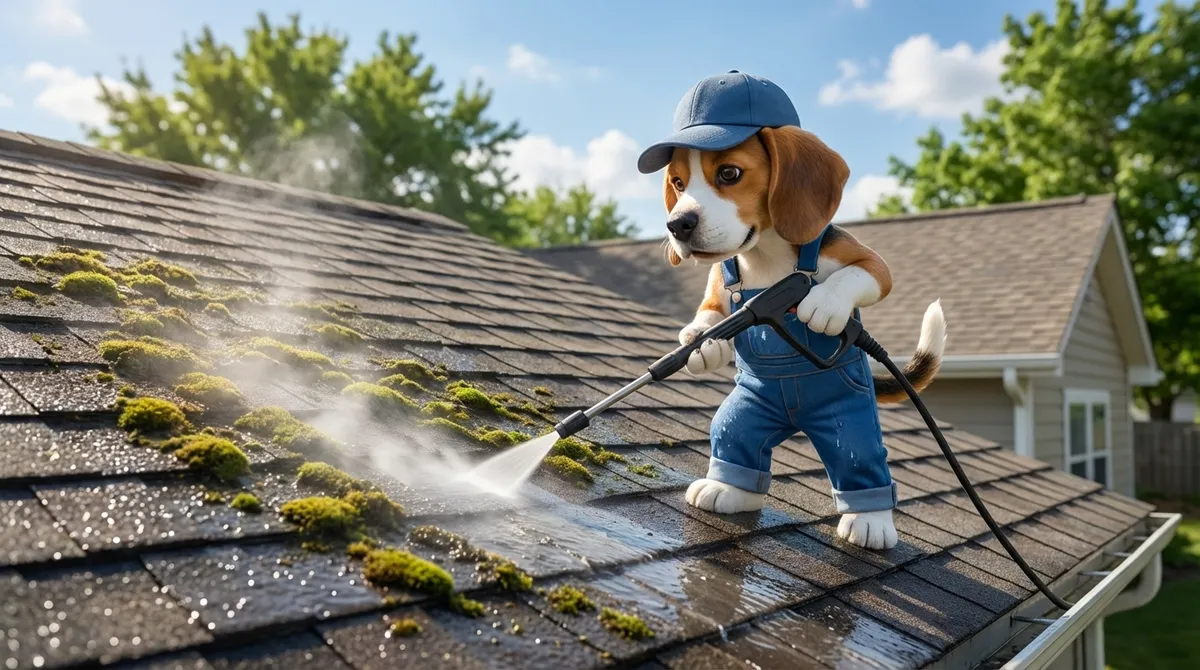
Many homeowners don’t realize that neglecting roof maintenance can void their manufacturer’s warranty. Most major shingle manufacturers include language requiring reasonable maintenance and care, with biological contamination specifically mentioned as a condition that can invalidate warranty coverage. Regular professional cleaning documentation provides evidence of proper maintenance should warranty claims become necessary.
The GAF, North America’s largest roofing manufacturer, explicitly states in their warranty documents that failure to maintain roofing materials, including removal of debris and organic growth, may void warranty protection. This means that even if your roof fails prematurely due to manufacturing defects, the company might deny your claim if you cannot demonstrate proper maintenance history.
Documentation becomes critical for warranty protection. Professional roof washing services provide detailed invoices, before-and-after photographs, and service records that establish your maintenance timeline. These documents prove invaluable when filing warranty claims or during home sales when buyers request maintenance histories. Keeping organized records of all roof-related services protects your investment and provides peace of mind.
What Makes Professional Service Worth the Investment?
While DIY roof cleaning might seem cost-effective, the risks far outweigh potential savings. Professional roof washing services bring specialized equipment, proper insurance coverage, safety protocols, and expertise that protect both your property and personal wellbeing. Understanding what professionals offer helps justify the investment versus attempting dangerous self-cleaning.
Safety represents the primary concern with roof work. According to the Centers for Disease Control, falls from roofs account for over 30% of construction-related fatalities, with homeowners particularly vulnerable due to inexperience and inadequate safety equipment. Professional technicians undergo extensive training, use commercial-grade safety harnesses, and carry liability insurance that protects homeowners from accident-related claims.
Equipment quality significantly impacts cleaning effectiveness and safety. Professional services invest in commercial-grade soft washing systems that deliver consistent pressure, specialized nozzles that prevent shingle damage, and biodegradable cleaning solutions formulated specifically for roofing materials. These systems cost thousands of dollars—investments that aren’t practical for occasional homeowner use.
Professional expertise extends beyond equipment operation. Experienced technicians identify underlying issues like damaged flashing, compromised sealant, or structural concerns that untrained eyes miss. Early detection of these problems prevents minor issues from escalating into major repairs. Companies like Buckhorn Power Wash provide comprehensive inspections alongside cleaning services, offering homeowners valuable insights into their roof’s overall condition.
Environmental Considerations and Eco-Friendly Solutions
Modern roof washing has evolved significantly toward environmentally responsible practices. Professional services now prioritize biodegradable cleaning agents, water conservation techniques, and runoff management that protect landscaping and local waterways. Understanding these environmental considerations helps homeowners choose responsible service providers committed to sustainable practices.
Traditional harsh chemicals like chlorine bleach, while effective, pose risks to vegetation, water systems, and beneficial organisms. Progressive roof washing companies have transitioned to plant-safe surfactants and biodegradable sodium hypochlorite solutions that break down quickly without harming surrounding ecosystems. These formulations effectively eliminate algae and moss while minimizing environmental impact.
Water conservation has become increasingly important as drought conditions affect many regions. Professional soft washing systems use significantly less water than pressure washing—typically 60-70% less—while achieving superior cleaning results. The combination of effective cleaning agents and efficient application methods reduces water consumption without compromising service quality.
Responsible contractors implement runoff management protocols that protect landscaping during cleaning operations. This includes pre-wetting plants, using collection systems for cleaning solution runoff, and post-cleaning rinses that dilute any residual chemicals. Asking potential service providers about their environmental practices helps homeowners select companies aligned with their sustainability values.
Seasonal Timing for Optimal Results
The timing of professional roof washing significantly impacts both effectiveness and longevity of results. While roof cleaning can technically occur year-round in most climates, certain seasons offer distinct advantages that maximize value and protect your investment. Strategic scheduling ensures optimal conditions for treatment application and organism elimination.
Spring and fall typically provide ideal conditions for roof washing in most regions. Moderate temperatures between 50-80°F allow cleaning solutions to work effectively without rapid evaporation or freezing concerns. These seasons also precede periods of maximum biological growth—cleaning in early spring prevents summer algae blooms, while fall treatments eliminate organisms before winter moisture creates favorable conditions for expansion.
Avoid scheduling roof washing during extreme weather conditions:
-
Temperatures below 40°F reduce cleaning solution effectiveness and risk freezing damage
-
Summer heat above 90°F causes rapid evaporation, reducing treatment dwell time and effectiveness
-
Immediately before or after heavy storms when roofs are saturated or conditions are unsafe
-
During high wind conditions that compromise safety and prevent proper solution application
Property-specific factors also influence optimal timing. Homes surrounded by deciduous trees benefit from post-leaf-drop cleaning that removes accumulated debris while preventing winter moisture retention. Properties with significant shade might require early season treatment before warm weather accelerates biological growth in these favorable microclimates.
Cost Factors and Value Considerations
Understanding roof washing pricing helps homeowners budget appropriately and evaluate service proposals. Multiple factors influence final costs, from roof size and pitch to contamination severity and accessibility. Transparent pricing and clear scope definitions prevent surprises and ensure you receive fair value for professional services.
Average roof washing costs typically range from $0.20 to $0.70 per square foot, with most residential projects falling between $300 and $800. However, this baseline pricing adjusts based on several variables. Steep pitches requiring additional safety equipment, extensive moss removal demanding extra treatment time, or difficult access situations necessitating specialized equipment all impact final pricing.
|
Roof Size |
Average Cost |
Time Required |
Frequency Needed |
|---|---|---|---|
|
1,000-1,500 sq ft |
$300-$450 |
2-3 hours |
Every 1-2 years |
|
1,500-2,500 sq ft |
$450-$650 |
3-4 hours |
Every 1-2 years |
|
2,500-3,500 sq ft |
$650-$900 |
4-6 hours |
Every 1-2 years |
|
3,500+ sq ft |
$900+ |
6+ hours |
Every 1-2 years |
When evaluating service proposals, consider value beyond initial cost. Companies offering unusually low prices may cut corners on insurance coverage, use harsh chemicals that damage shingles, or employ inexperienced technicians. Conversely, premium pricing should correlate with demonstrated expertise, comprehensive insurance, quality equipment, and satisfaction guarantees. Buckhorn Power Wash provides transparent pricing with no high-pressure sales tactics, ensuring homeowners understand exactly what services they’re receiving.
Long-term value calculations reveal roof washing’s true cost-effectiveness. Extending your roof’s lifespan by just three years through proper maintenance saves $3,000-$5,000 in replacement costs—far exceeding the cumulative investment in regular cleaning. Additionally, maintained roofs enhance property value, improve curb appeal, and prevent expensive water damage from organism-related deterioration.
Preparing Your Property for Professional Service
Proper preparation ensures efficient service delivery and protects your property during the cleaning process. While professional contractors handle most aspects of roof washing, homeowners can take several steps that facilitate work and prevent potential complications. These preparations demonstrate proactive engagement and help service providers deliver optimal results.
Begin by clearing the work area of obstacles that might impede access or sustain damage during cleaning. Move vehicles, outdoor furniture, planters, and decorative items at least 10-15 feet from the house perimeter. This clearance provides technicians safe working space and protects belongings from potential cleaning solution overspray or runoff.
Address landscaping concerns proactively. While professionals implement protection measures, homeowners can assist by watering plants thoroughly before service arrival. Saturated soil and foliage are less likely to absorb cleaning solutions, and pre-wetted plants better withstand any incidental chemical contact. Cover particularly delicate or valuable plants with plastic sheeting, though most professional services handle this as part of standard procedure.
Interior preparations include closing all windows and checking attic ventilation points to ensure they’re properly sealed. Inform household members about the scheduled service, as the process can be moderately noisy and might temporarily limit outdoor access. If pets typically spend time outside, plan to keep them indoors during the service window for their safety and to prevent interference with work operations.
Maintaining Results Between Professional Cleanings
While professional roof washing provides deep cleaning and organism elimination, homeowners can implement maintenance practices that extend results and reduce biological regrowth between services. These simple strategies complement professional treatments without requiring dangerous roof access or specialized equipment.
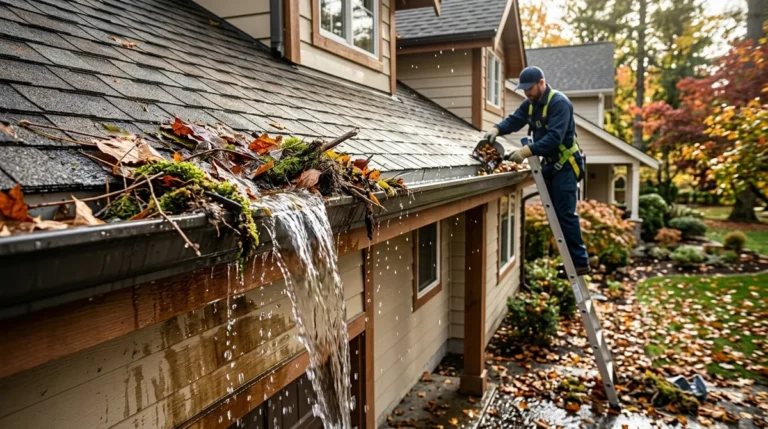
Regular gutter cleaning prevents debris accumulation that creates moisture-rich environments where algae and moss thrive. Clogged gutters cause water backup that keeps roof edges perpetually damp—ideal conditions for biological growth. Cleaning gutters quarterly, or at minimum twice yearly, promotes proper drainage and reduces moisture exposure that accelerates contamination.
Tree trimming significantly impacts roof cleanliness and longevity. Overhanging branches create shade that promotes algae growth while dropping leaves and debris that retain moisture against shingles. Maintaining at least 6-10 feet of clearance between branches and your roof improves sunlight exposure, enhances air circulation, and reduces organic debris accumulation. This preventive measure doesn’t require roof access but substantially impacts contamination rates.
Consider installing zinc or copper strips along roof ridges as a preventive measure. When rain water flows over these metals, it releases ions that inhibit algae and moss growth as the water cascades down the roof surface. While not a replacement for professional cleaning, these strips provide ongoing protection that extends the interval between required services. Professional installers can add these strips during routine maintenance visits.
Red Flags When Selecting a Roof Washing Service
Choosing the right professional service protects your investment and ensures quality results. Unfortunately, the low barrier to entry in the pressure washing industry means many inexperienced or unscrupulous operators offer services they’re unqualified to perform safely or effectively. Recognizing warning signs helps homeowners avoid costly mistakes and potential property damage.
Lack of proper insurance represents the most critical red flag. Reputable contractors carry both general liability insurance and workers’ compensation coverage that protects homeowners from accident-related liability. Always request current certificates of insurance and verify coverage directly with the insurance provider. Companies reluctant to provide this documentation should be immediately disqualified from consideration.
High-pressure sales tactics and time-limited offers often signal unprofessional operations. Legitimate companies provide detailed written estimates, allow time for consideration, and never pressure immediate decisions. Be wary of door-to-door solicitors claiming to offer special deals for immediate commitment—these operators frequently deliver substandard work then disappear when issues arise.
Additional warning signs include:
-
Refusing to provide references or customer testimonials
-
Cash-only payment requirements without receipts or documentation
-
Inability to explain their cleaning process or products used
-
Quotes significantly below market rates without clear justification
-
No permanent business address or professional website
-
Unwillingness to provide written contracts detailing scope and warranties
Research potential contractors thoroughly before committing. Check online reviews across multiple platforms, verify business licensing with local authorities, and confirm they maintain active memberships in professional organizations. Taking time for due diligence prevents regrettable decisions and ensures you partner with qualified professionals committed to quality service delivery.
The Impact on Home Value and Curb Appeal
Beyond functional benefits, professional roof washing dramatically enhances property aesthetics and market value. First impressions significantly influence buyer perceptions during home sales, with the roof being one of the most visible exterior elements. A clean, well-maintained roof signals overall property care and can substantially impact sale prices and buyer interest.
Real estate professionals consistently identify roof condition as a critical factor in property valuations. Homes with visibly contaminated roofs often receive lowball offers as buyers anticipate imminent replacement costs. Conversely, properties featuring clean, well-maintained roofs command premium prices and attract more serious buyers. The relatively modest investment in professional cleaning can return thousands in increased sale value.
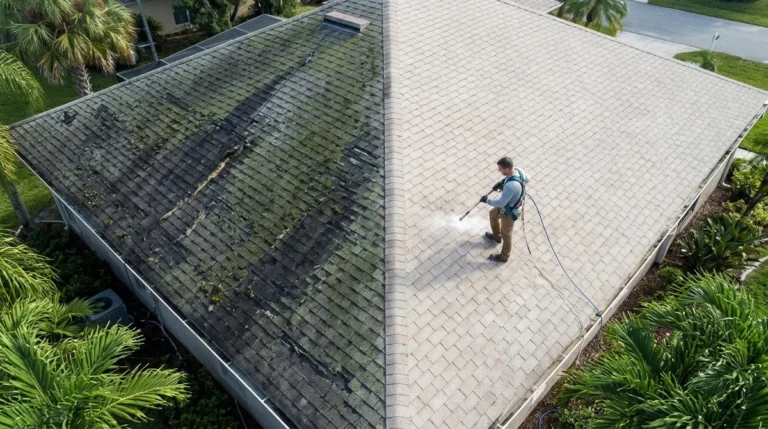
Curb appeal extends beyond sales considerations to neighborhood pride and personal satisfaction. A clean roof enhances your home’s overall appearance, complementing landscaping and exterior maintenance investments. Many homeowners report increased satisfaction and pride of ownership following professional roof restoration, with neighbors frequently inquiring about the dramatic transformation.
Professional photography for real estate listings benefits tremendously from pre-listing roof cleaning. Dark streaks and biological stains photograph poorly, creating impressions of neglect that deter potential buyers before they ever visit the property. Clean roofs photograph beautifully, enhance online listing appeal, and generate more showing requests from qualified buyers. For homeowners considering selling within the next 2-3 years, scheduling professional cleaning represents a strategic investment in maximizing sale outcomes. You can also showcase your well-maintained property by sharing photos on your Google Business Profile if you’re a service provider, or simply take pride in the enhanced appearance of your investment.
Conclusion: Protecting Your Investment Through Proactive Maintenance
Your roof represents one of your home’s most critical protective systems and substantial financial investments. Professional roof washing isn’t an optional luxury—it’s essential maintenance that preserves structural integrity, extends functional lifespan, and protects property value. The biological contaminants colonizing your shingles actively deteriorate roofing materials, create pathways for water infiltration, and accelerate the need for premature replacement.
Annual professional cleaning, combined with strategic maintenance practices, ensures your roof performs optimally for decades rather than requiring early replacement. The investment in regular service pays dividends through extended roof life, improved energy efficiency, maintained warranty coverage, and enhanced property aesthetics. When you consider that proper maintenance can extend your roof’s lifespan by 5-10 years, the cost-benefit analysis overwhelmingly favors proactive care over reactive replacement.
Don’t wait until biological contamination causes irreversible damage or voids your manufacturer’s warranty. Schedule a professional assessment to determine your roof’s current condition and establish a maintenance plan tailored to your property’s specific needs. Taking action today prevents costly problems tomorrow while ensuring your home remains protected, beautiful, and valuable for years to come.
Ready to protect your investment with professional roof care? Get an Instant Quote today and discover how affordable expert roof washing can be!
FAQs
Q: How much does professional roof washing typically cost?
A: Professional roof washing typically costs between $300 and $800 for most residential properties, depending on roof size, pitch, and contamination severity. The investment averages $0.20 to $0.70 per square foot and extends your roof’s lifespan by 5-10 years, saving thousands in premature replacement costs.
Q: Will roof washing damage my shingles or void my warranty?
A: Professional soft washing using appropriate low-pressure techniques and approved cleaning solutions will not damage shingles when performed correctly. In fact, neglecting roof maintenance and allowing biological growth can void manufacturer warranties, while documented professional cleaning helps maintain warranty coverage.
Q: How often should I have my roof professionally cleaned?
A: Most roofing experts recommend professional cleaning every 1-2 years, though frequency depends on environmental factors like humidity, tree coverage, and regional climate. Properties in high-moisture areas or with significant shade may benefit from annual service, while homes in drier climates might extend to every 2-3 years.
Q: Is roof washing safe for my landscaping and plants?
A: Professional roof washing services use biodegradable cleaning solutions and implement protection protocols including pre-wetting plants, managing runoff, and post-cleaning rinses. When performed by experienced technicians following proper procedures, roof washing poses minimal risk to landscaping and surrounding vegetation.
Q: Can I clean my roof myself instead of hiring professionals?
A: While DIY roof cleaning is technically possible, it involves significant safety risks, potential for shingle damage, and lack of proper equipment. Falls from roofs account for over 30% of construction-related fatalities, and improper cleaning techniques can void warranties or cause thousands in damage. Professional services provide expertise, insurance protection, and superior results that justify the investment.