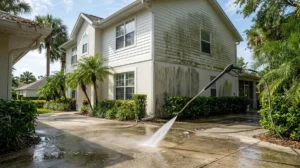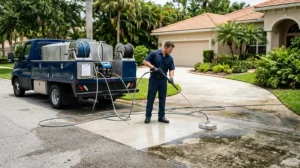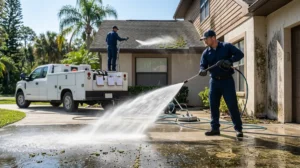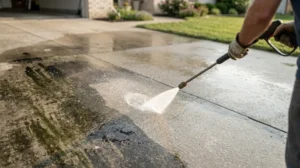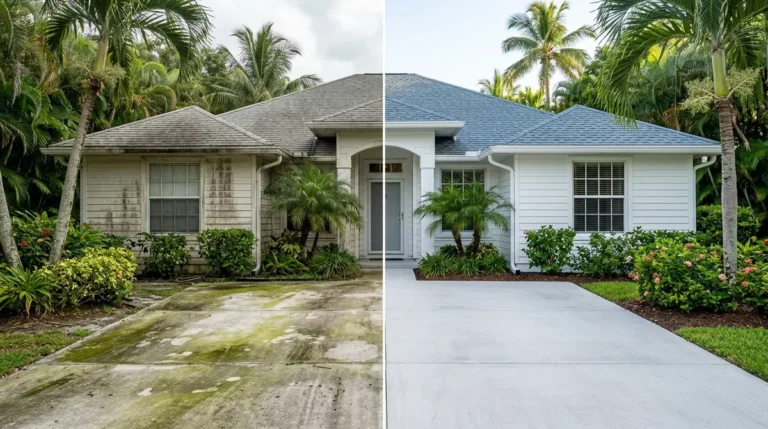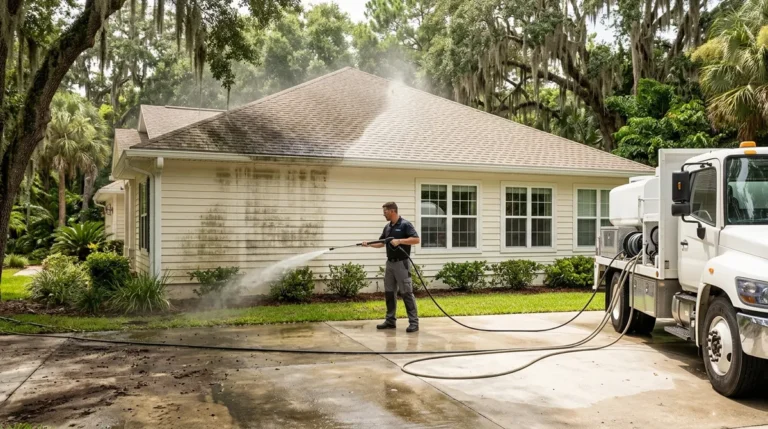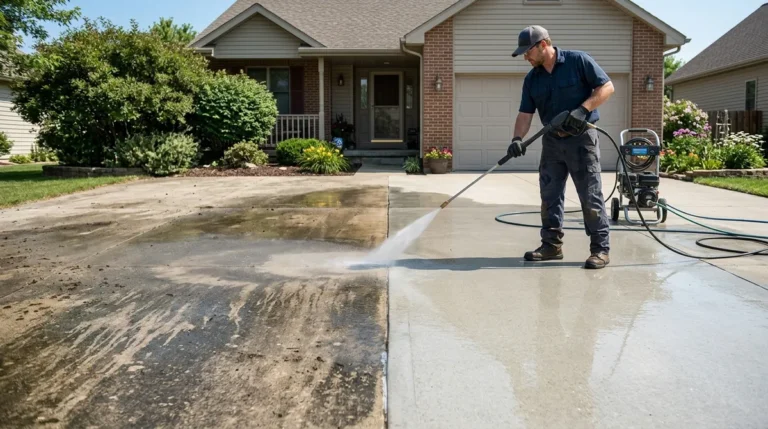
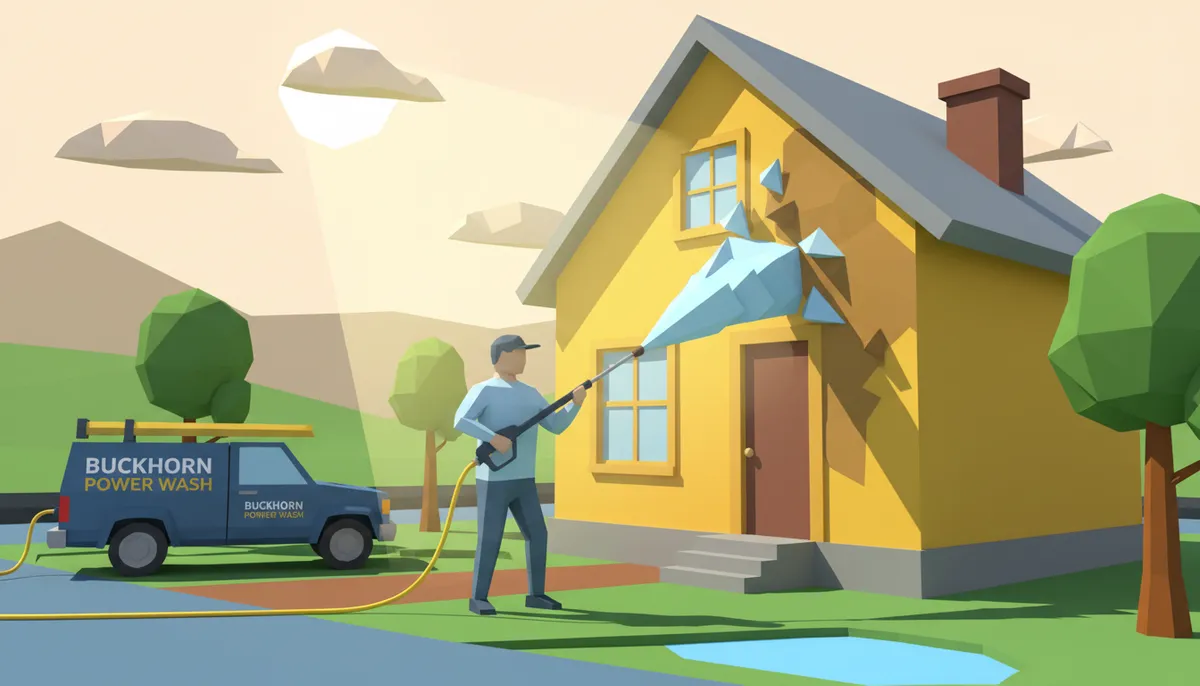
Pressure washing represents one of the most transformative yet underutilized home maintenance strategies available to homeowners today. While many property owners overlook the accumulated grime, mildew, and environmental pollutants clinging to their home’s exterior surfaces, these contaminants silently diminish both aesthetic appeal and property value. Professional pressure washing services deliver remarkable results that can restore surfaces to near-original condition, often reversing years of neglect in just hours. Understanding the nuances of pressure washing techniques, equipment selection, and proper application methods empowers homeowners to make informed decisions about protecting their most significant investment. Whether you’re preparing for a home sale, addressing stubborn stains, or implementing a proactive maintenance schedule, mastering these seven essential pressure washing secrets will revolutionize your approach to exterior home care.
Understanding Water Pressure and PSI Requirements
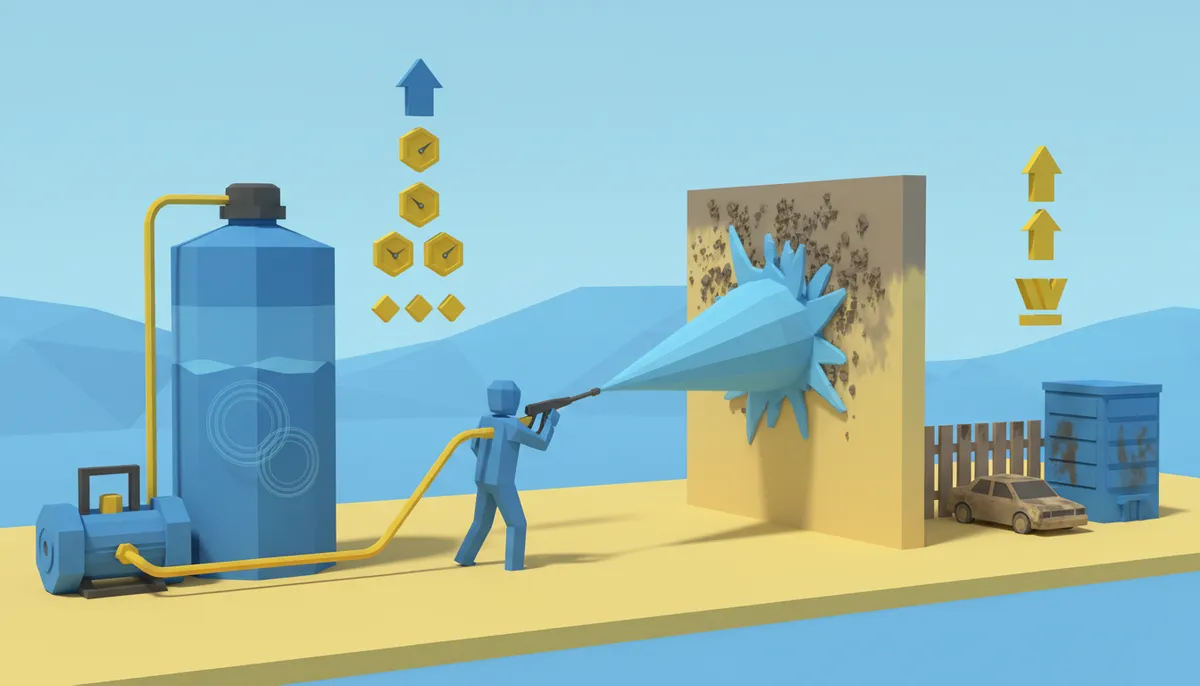
The foundation of effective pressure washing lies in understanding pounds per square inch (PSI) ratings and matching appropriate pressure levels to specific surfaces. Different materials require vastly different pressure settings to achieve optimal cleaning without causing damage. Soft surfaces like vinyl siding typically respond best to 1,300-1,600 PSI, while concrete driveways and sidewalks can withstand 3,000 PSI or higher. The misconception that “more pressure equals better cleaning” has resulted in countless cases of property damage, including stripped paint, gouged wood, and shattered windows.
Gallons per minute (GPM) works in tandem with PSI to determine actual cleaning power. A machine producing 2,000 PSI at 2 GPM delivers fundamentally different results than one generating 2,000 PSI at 4 GPM. The relationship between these two measurements creates what professionals call “cleaning units” (PSI × GPM = CU). Higher cleaning units translate to faster, more thorough cleaning across most applications. When evaluating pressure washing equipment or Services, consider both specifications rather than focusing exclusively on PSI ratings.
| Surface Type | Recommended PSI | Recommended GPM | Nozzle Type |
|---|---|---|---|
| Vinyl Siding | 1,300-1,600 | 1.5-2.0 | 25-40 degree |
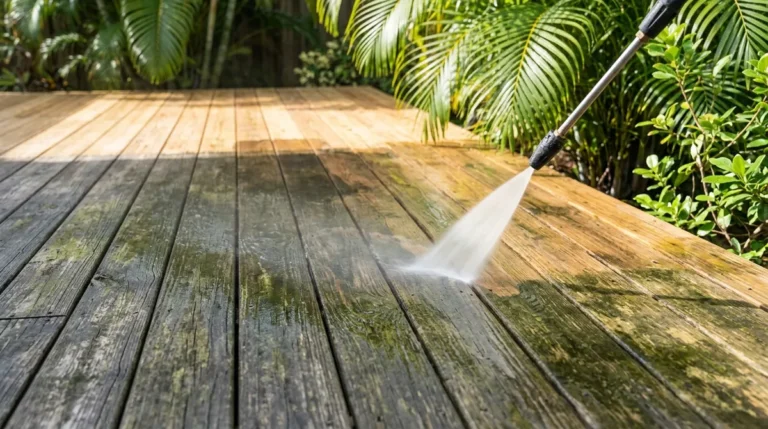
| Wood Deck | 500-1,200 | 1.5-2.5 | 40 degree |
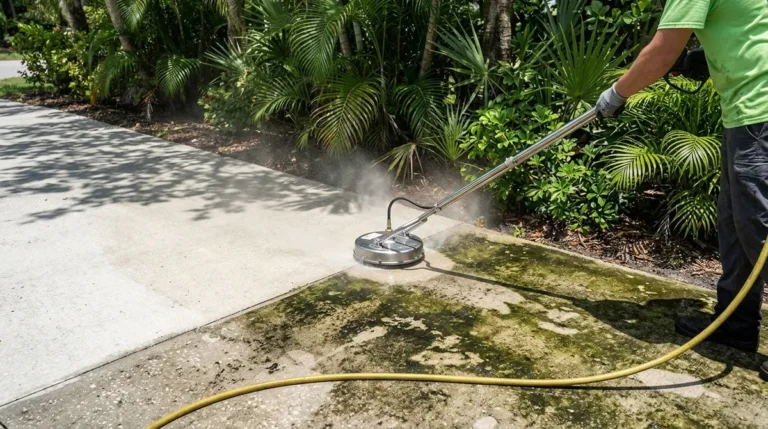
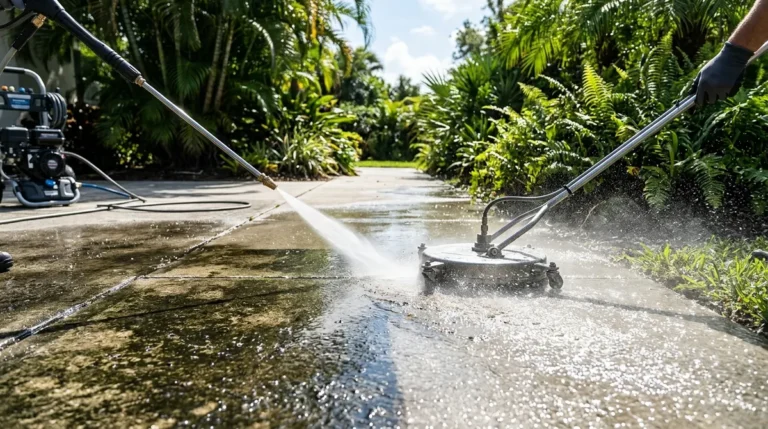
| Concrete Driveway | 3,000-3,500 | 2.5-4.0 | 15-25 degree |
| Brick | 2,500-3,000 | 2.0-3.0 | 25 degree |
| Roof Shingles | 300-600 | 2.0-3.0 | 40-65 degree |
Chemical Selection and Application Timing

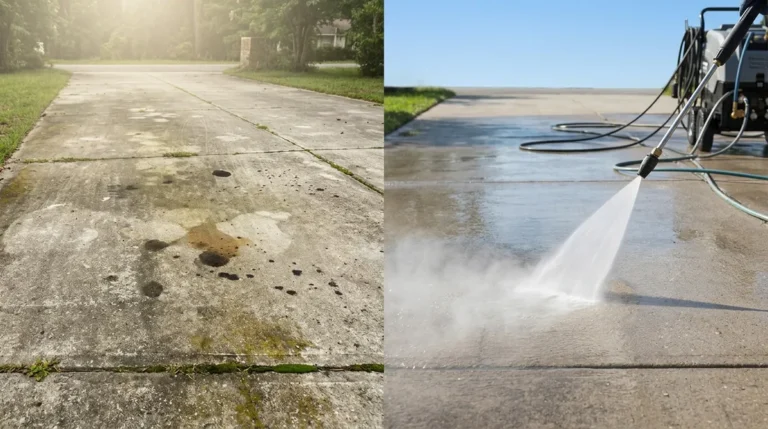
Professional-grade pressure washing extends far beyond simple water application. Strategic chemical selection amplifies cleaning effectiveness while reducing the physical pressure required, thereby minimizing surface damage risks. Sodium hypochlorite (bleach-based solutions) effectively eliminates organic growth including mold, mildew, and algae, making it ideal for siding and roof applications. Sodium hydroxide works exceptionally well on grease and oil stains commonly found on driveways and garage floors. Oxalic acid targets rust stains and tannin discoloration particularly prevalent on wood surfaces and concrete.
Application timing significantly impacts chemical effectiveness and surface protection. Pre-treating surfaces with appropriate cleaning solutions allows chemicals to break down contaminants before high-pressure water application. This “dwell time” typically ranges from 5-15 minutes depending on the chemical formulation and contamination severity. Companies like Buckhorn Power Wash understand that rushing this process compromises results and may necessitate excessive pressure that risks surface damage. Temperature considerations also affect chemical performance, with most cleaning solutions performing optimally between 50-90°F.
Common Pressure Washing Chemicals and Their Applications
- Sodium Hypochlorite: Eliminates mold, mildew, algae, and organic staining on siding, roofs, and masonry
- Sodium Hydroxide: Breaks down grease, oil, and petroleum-based stains on concrete and asphalt
- Sodium Percarbonate: Eco-friendly oxygen-based cleaner for general purpose applications and wood brightening
- Oxalic Acid: Removes rust stains, tannin bleeding, and iron deposits from wood and concrete
- Citric Acid: Gentle option for removing mineral deposits, efflorescence, and light rust staining
The Soft Wash Revolution for Delicate Surfaces
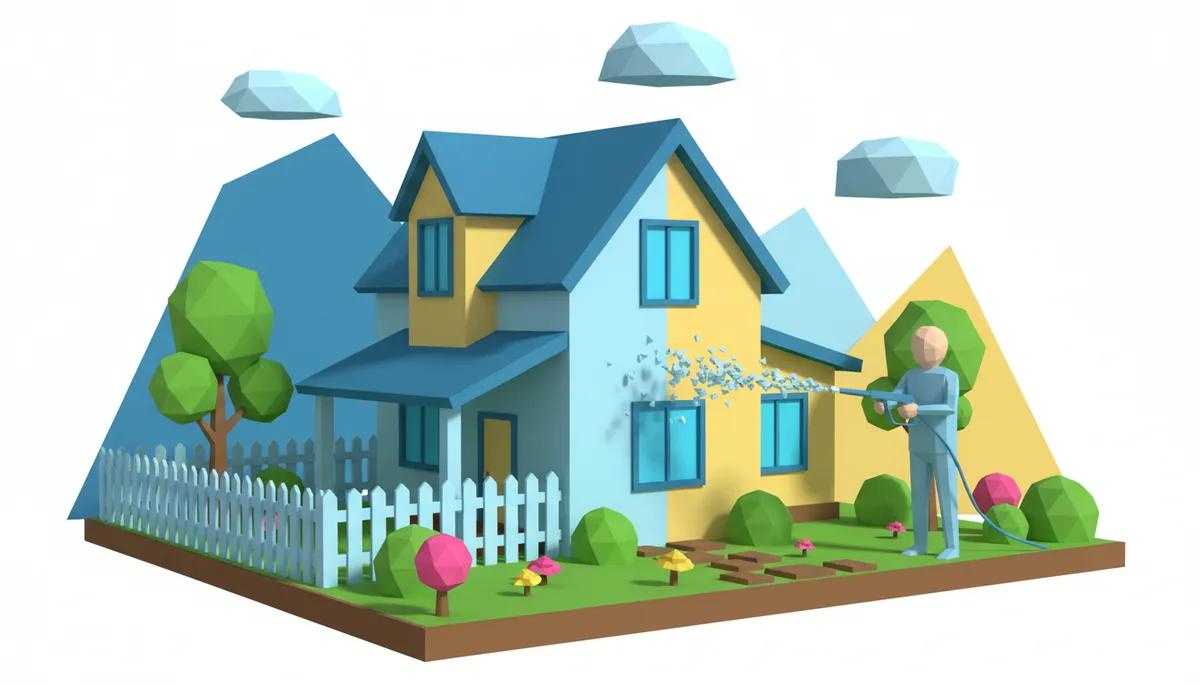
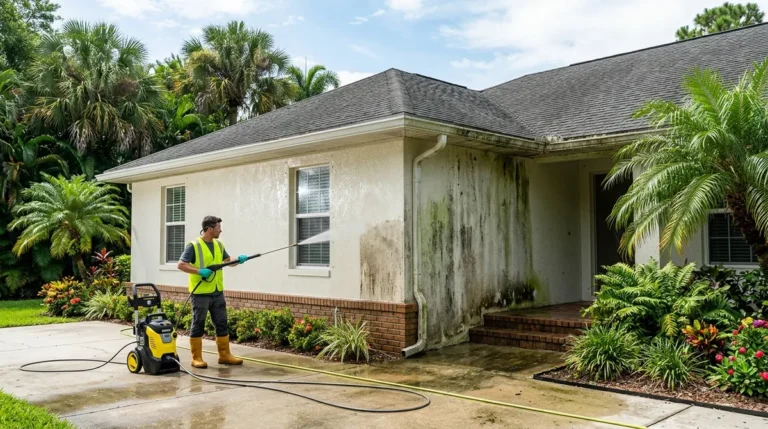
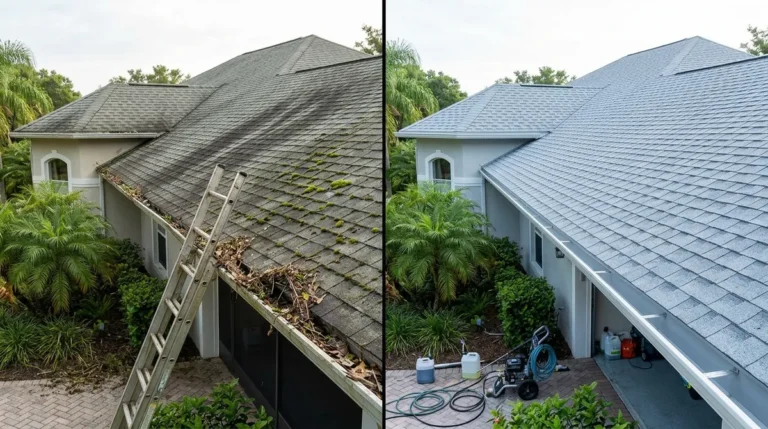
Soft washing has emerged as the industry-preferred method for cleaning delicate surfaces that cannot withstand traditional high-pressure techniques. This approach relies primarily on specialized chemical formulations applied at pressures typically below 500 PSI—comparable to a standard garden hose with a spray nozzle. The reduced pressure eliminates risks associated with paint removal, surface etching, water intrusion behind siding, and damage to roof shingles, window seals, and decorative architectural elements.
The chemistry-first philosophy underlying soft washing delivers superior long-term results compared to pressure-dependent cleaning. While high-pressure washing may physically remove surface contamination, it often leaves behind microscopic growth that rapidly recolonizes cleaned areas. Soft washing solutions penetrate porous surfaces, eliminating contaminants at the root level and providing residual protection that extends cleanliness duration. According to research from the Centers for Disease Control and Prevention, proper mold and mildew remediation requires complete elimination rather than simple surface removal, validating the soft wash approach for biological contamination.
Ideal Candidates for Soft Washing
- Roof systems: Asphalt shingles, architectural shingles, and tile roofing where high pressure can dislodge granules or crack tiles
- Painted surfaces: Older paint that may be compromised, newly painted surfaces, or specialty finishes
- Vinyl and aluminum siding: Prevents water intrusion behind panels and eliminates risk of denting or warping
- Stucco and EIFS: Porous surfaces where high pressure can force water into wall cavities causing moisture damage
- Windows and glass: Prevents seal damage and eliminates risk of glass etching or breakage
Strategic Cleaning Patterns and Techniques

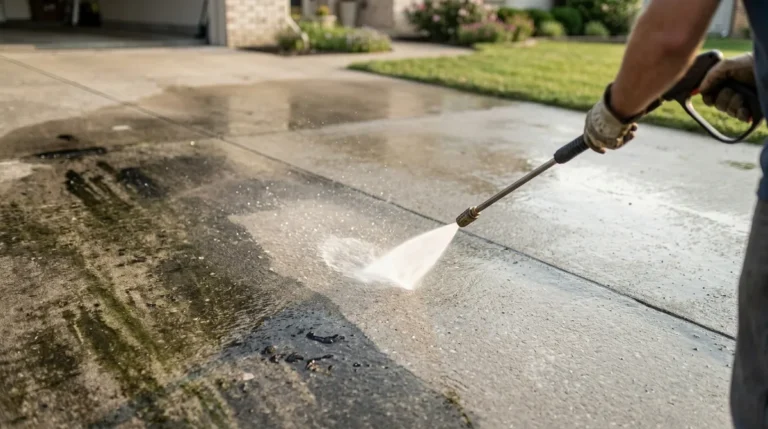
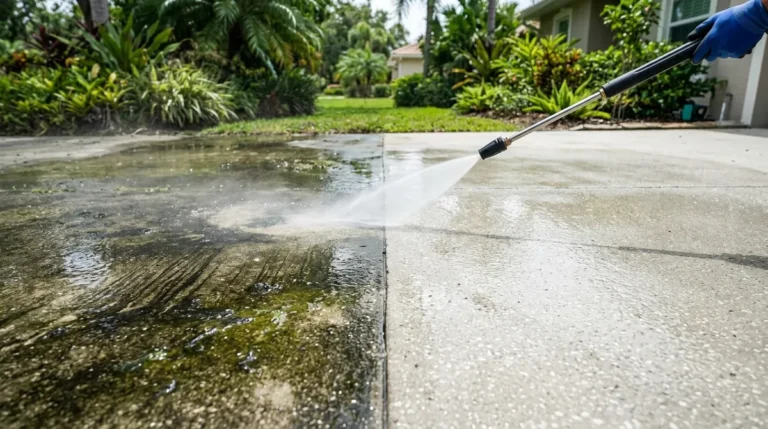
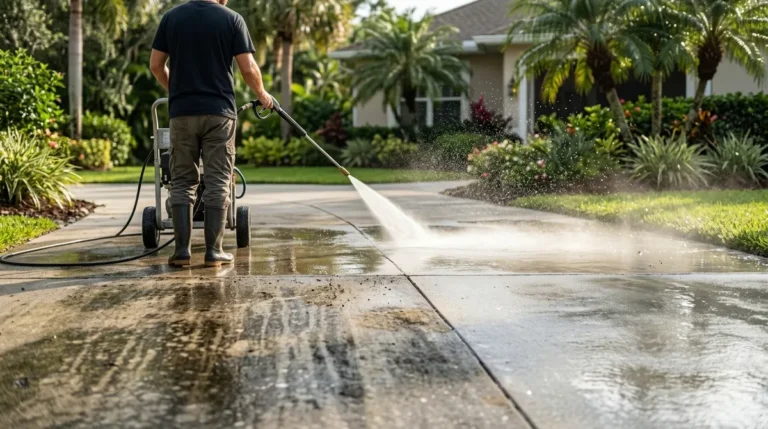
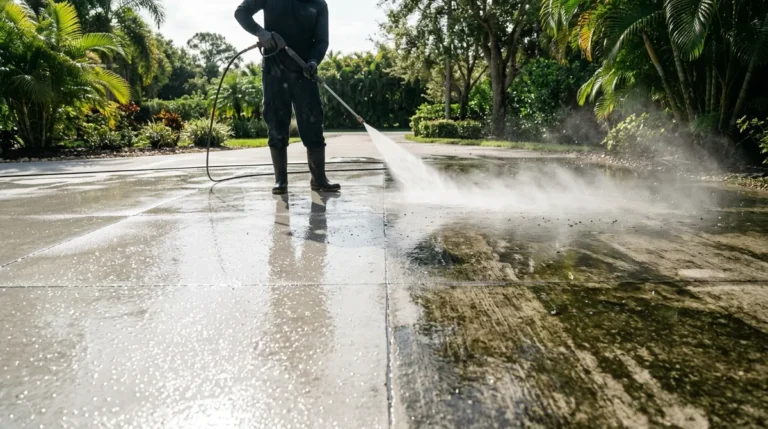
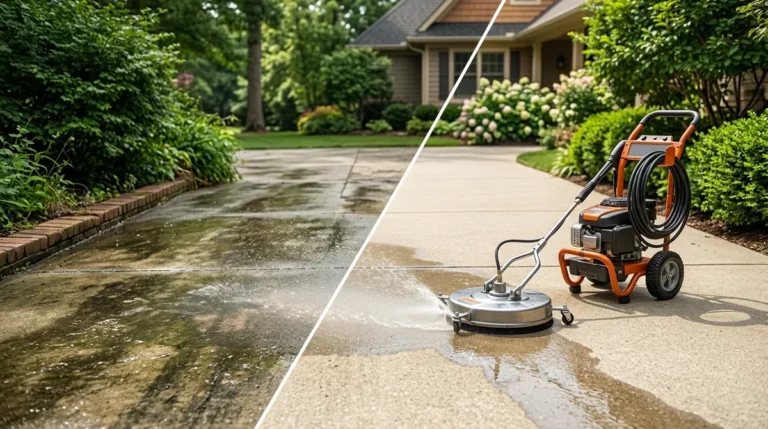
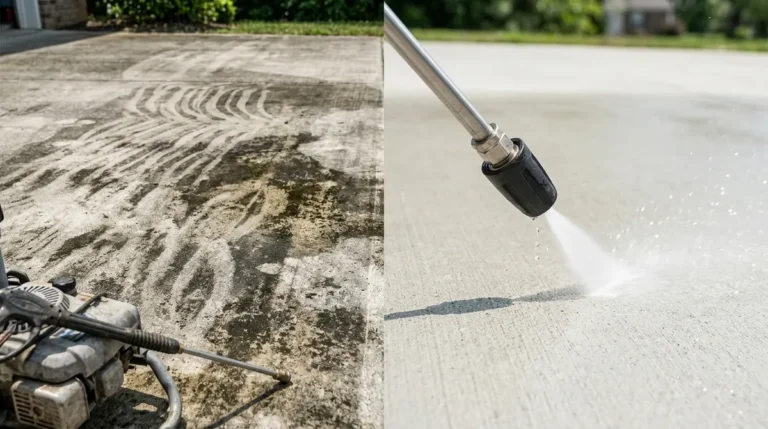
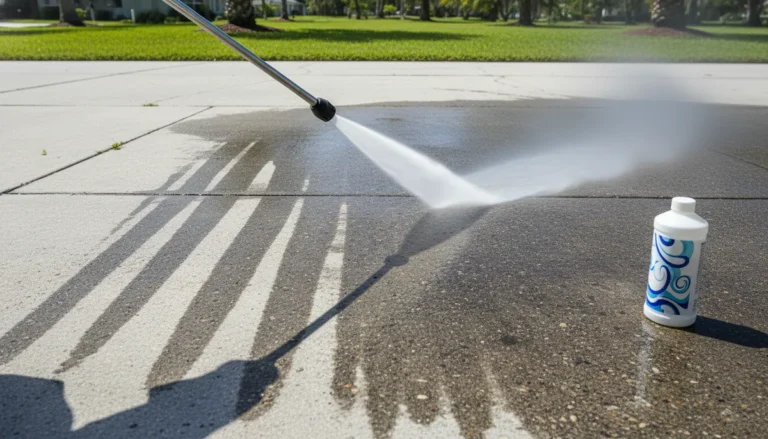
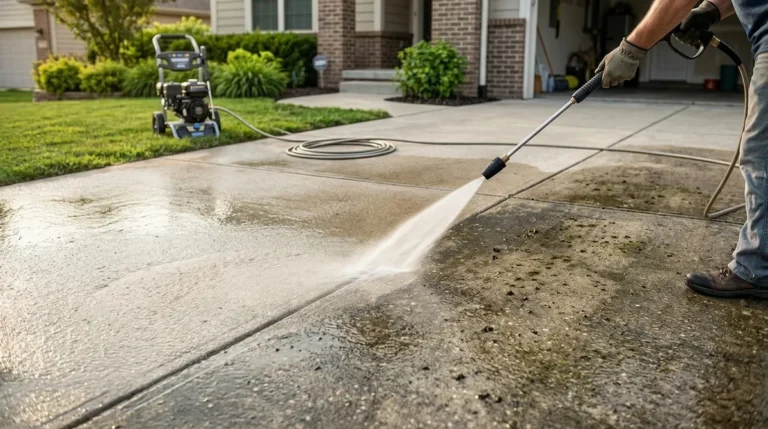
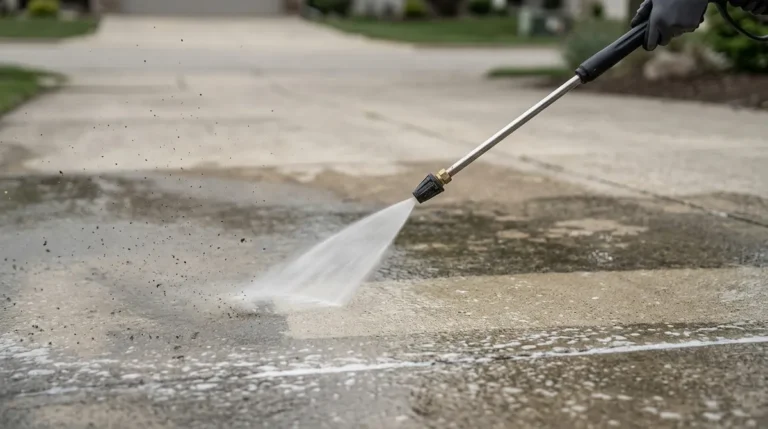
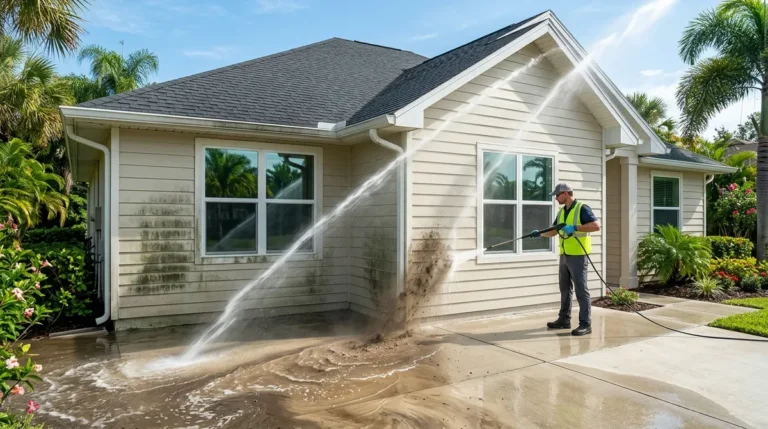
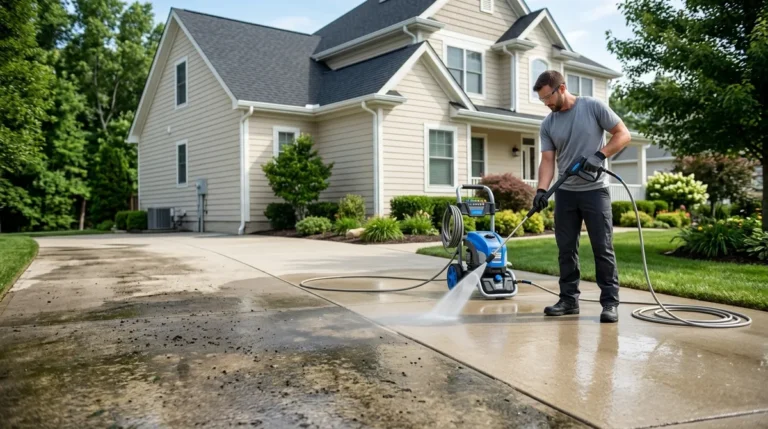
Mastering proper pressure washing technique separates amateur results from professional-grade outcomes. The fundamental principle involves working from top to bottom, allowing gravity to assist in removing loosened contaminants and preventing clean areas from being re-soiled by runoff. Maintaining consistent distance between the nozzle and surface—typically 12-18 inches—ensures even cleaning without creating streaks or damage patterns. Overlapping passes by approximately 50% prevents the telltale “tiger striping” that reveals inadequate coverage.
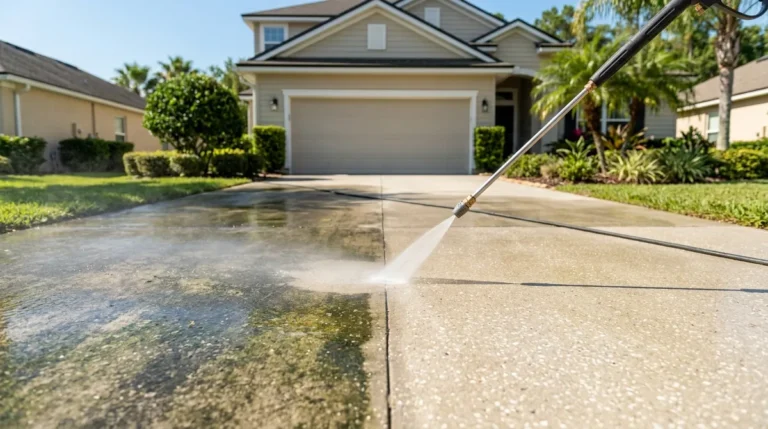
Nozzle angle dramatically affects cleaning aggressiveness and surface safety. A 0-degree nozzle concentrates maximum pressure into a pencil-thin stream capable of cutting through wood and concrete, making it appropriate only for extreme applications like paint removal or concrete surface preparation. The 15-degree nozzle delivers concentrated cleaning power suitable for concrete and heavily soiled surfaces. General purpose cleaning relies on 25-degree and 40-degree nozzles that balance cleaning effectiveness with surface safety. The 65-degree nozzle facilitates soft washing applications and chemical application, while soap nozzles create low-pressure, high-volume flow specifically designed for detergent delivery.
Seasonal Considerations and Optimal Timing
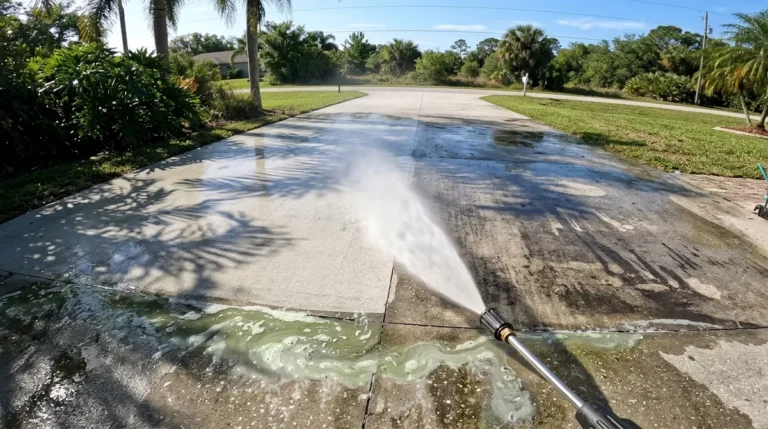
Environmental conditions significantly influence pressure washing effectiveness and surface drying characteristics. Spring and fall represent ideal seasons for comprehensive exterior cleaning in most climates. Spring cleaning removes winter accumulation of organic growth, road salt residue, and environmental pollutants before they become deeply embedded. Fall cleaning eliminates summer’s biological growth and prepares surfaces for winter weather exposure. Summer’s intense heat causes rapid evaporation that can leave chemical residues and create uneven drying patterns, while winter temperatures below 40°F compromise chemical effectiveness and create freeze risks.
Weather timing within your chosen season affects both process efficiency and result quality. Overcast days with temperatures between 50-75°F provide optimal conditions—chemical solutions remain active longer, surfaces dry evenly, and workers maintain comfortable productivity levels. Direct sunlight accelerates chemical evaporation before adequate dwell time, potentially leaving behind residue and requiring additional rinse cycles. Recent rainfall or morning dew actually benefits the pressure washing process by pre-moistening surfaces and facilitating chemical distribution, contrary to the common belief that completely dry conditions work best.
Property Preparation and Protection Protocols
Comprehensive preparation distinguishes professional pressure washing operations from amateur attempts that result in property damage or inadequate cleaning. Begin by removing or securing loose items including outdoor furniture, decorations, potted plants, and welcome mats. Cover electrical outlets, light fixtures, and outdoor electronics with waterproof protection. Close all windows and doors completely, verifying that seals remain intact to prevent water intrusion. Identify and mark delicate plantings for special protection, as many pressure washing chemicals can damage vegetation despite being safe for building materials.
Pre-wetting landscaping before chemical application creates a protective barrier that minimizes chemical absorption by plants. Rinsing vegetation immediately after cleaning the adjacent structure removes residual chemicals before they cause damage. According to guidelines from the Environmental Protection Agency, proper chemical handling and environmental protection represent critical components of responsible exterior cleaning. Professional services Visit us on Google understand these protocols and maintain insurance coverage protecting homeowners against potential issues.
Pre-Washing Checklist
- Remove or protect outdoor furniture, decorations, and accessories
- Close and secure all windows, doors, and access points
- Cover electrical components, outlets, and light fixtures with waterproof protection
- Pre-wet vegetation and delicate plantings adjacent to cleaning areas
- Test water source pressure and flow rate to ensure adequate supply
- Clear drainage areas to facilitate proper runoff management
- Identify and mark areas requiring special attention or delicate handling
- Notify neighbors if overspray may affect adjacent properties
Long-Term Maintenance and Frequency Guidelines
Establishing appropriate pressure washing frequency protects property value while avoiding unnecessary expense and environmental impact. Most residential properties benefit from annual comprehensive pressure washing, with specific surfaces requiring more frequent attention based on exposure and contamination rates. North-facing surfaces that receive limited direct sunlight accumulate biological growth more rapidly, often warranting biannual cleaning. High-traffic areas including driveways, walkways, and entryways may require quarterly attention to maintain appearance and prevent staining from becoming permanent.
Proactive maintenance proves significantly more cost-effective than reactive cleaning after years of neglect. Organic growth like algae and mildew penetrates porous surfaces over time, requiring increasingly aggressive cleaning methods and potentially causing permanent staining or material degradation. Regular cleaning prevents this progression while maintaining consistent curb appeal. Research published by the National Association of Realtors indicates that well-maintained exterior surfaces can contribute 5-10% to overall property value, making routine pressure washing a sound financial investment rather than merely an aesthetic consideration.
| Surface/Area | Recommended Frequency | Primary Contaminants | Maintenance Priority |
|---|---|---|---|
| House Siding (South/West) | Annually | Dust, pollen, insect nests | Medium |
| House Siding (North/East) | Biannually | Algae, mildew, moss | High |
| Concrete Driveway | Biannually | Oil stains, tire marks, rust | High |
| Wood Deck | Annually (before sealing) | Mildew, tannin, weathering | High |
| Roof | Every 2-3 years | Algae, moss, lichen | Medium |
| Fencing | Annually | Mildew, weathering, dirt | Low-Medium |
Professional Services Versus DIY Considerations
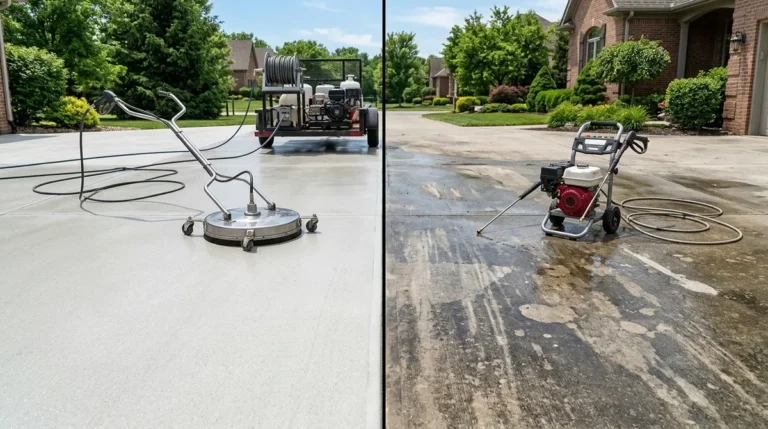
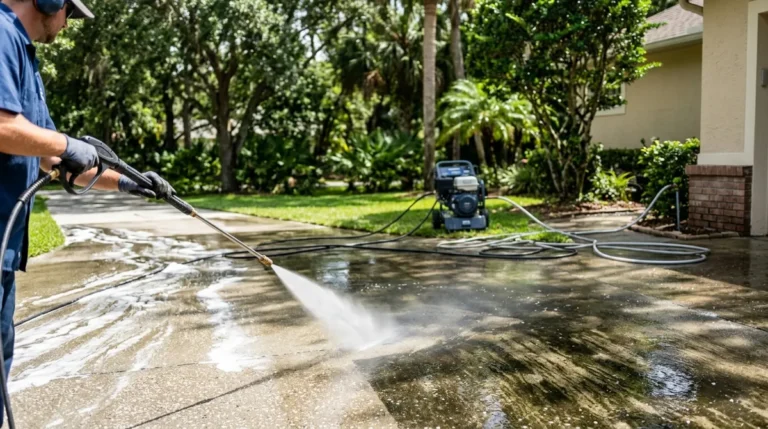
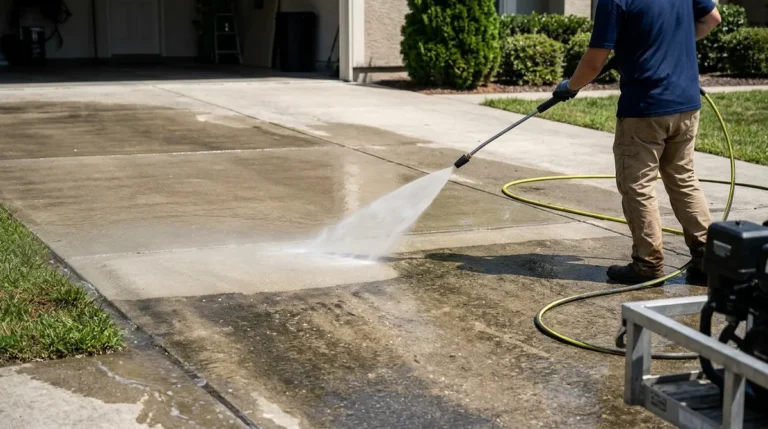
The decision between hiring professional pressure washing services and pursuing DIY cleaning depends on multiple factors including equipment investment, time availability, physical capability, and risk tolerance. Professional companies bring commercial-grade equipment producing superior results compared to consumer-grade rental machines. They carry comprehensive insurance protecting homeowners against property damage or personal injury, maintain proper chemical handling certifications, and possess specialized knowledge about surface-specific techniques. The efficiency of experienced professionals often means completing in hours what might take homeowners entire weekends.
DIY pressure washing becomes cost-effective primarily for homeowners who will use equipment repeatedly or who possess prior experience and appropriate safety equipment. Rental costs for quality pressure washers typically range from $60-150 per day, not including chemical purchases and potential damage risks. Equipment purchases start around $300 for basic consumer models but quickly escalate to $1,000+ for machines approaching professional capabilities. Hidden costs include learning curve mistakes, time investment, physical exhaustion, and potential injury risks. Homeowners seeking transparency and fair pricing can Get an Instant Quote to compare professional service costs against DIY equipment and time investments.
Professional Service Advantages
- Equipment superiority: Commercial machines deliver 2-3 times the cleaning power of consumer rentals with specialized nozzles and attachments
- Insurance protection: Comprehensive liability coverage protects homeowners against damage to property or injury to workers
- Chemical expertise: Professional-grade formulations and proper mixing ratios maximize effectiveness while minimizing environmental impact
- Time efficiency: Experienced crews complete comprehensive home exterior cleaning in 2-4 hours versus full weekend DIY projects
- Safety considerations: Eliminates homeowner risks associated with ladder work, chemical handling, and high-pressure equipment operation
- Surface knowledge: Professionals identify appropriate pressure levels and techniques preventing damage to various materials
- Guaranteed results: Reputable companies stand behind their work and address any concerns or missed areas
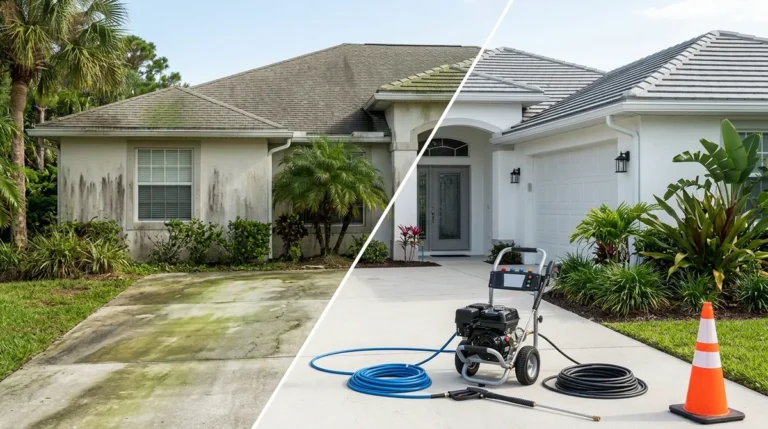
Whether you choose professional services or DIY approaches, understanding these seven pressure washing secrets empowers you to make informed decisions protecting your property investment. Regular exterior maintenance preserves structural integrity, enhances curb appeal, and prevents costly repairs resulting from neglected contamination. The transformation achievable through proper pressure washing techniques consistently surprises homeowners who’ve tolerated years of gradual surface deterioration.
Ready to restore your home’s exterior to its original beauty? Get an Instant Quote today and discover how professional pressure washing can transform your property’s curb appeal!
FAQs
Q: What PSI pressure washer do I need for my home’s exterior?
A: For most residential applications, a pressure washer ranging from 1,300-3,000 PSI proves sufficient. Delicate surfaces like vinyl siding require 1,300-1,600 PSI, while concrete driveways can withstand 3,000 PSI or higher. The key involves matching pressure levels to specific surface materials to achieve effective cleaning without causing damage.
Q: How often should I pressure wash my house?
A: Most homes benefit from annual pressure washing, though frequency depends on environmental factors and surface exposure. North-facing surfaces accumulating more biological growth may require biannual cleaning, while high-traffic areas like driveways often need quarterly attention. Regular maintenance prevents deep contamination and extends the lifespan of exterior surfaces.
Q: What is the difference between pressure washing and soft washing?
A: Pressure washing relies primarily on high water pressure (typically 1,500-3,500 PSI) to remove contaminants, while soft washing uses specialized chemical solutions applied at low pressure (below 500 PSI). Soft washing proves safer for delicate surfaces like roofs, painted siding, and windows, providing longer-lasting results by eliminating contaminants at the root level rather than simply blasting them away.
Q: Can I damage my home by pressure washing incorrectly?
A: Yes, improper pressure washing techniques can cause significant damage including stripped paint, gouged wood, broken window seals, water intrusion behind siding, and damaged roof shingles. Using excessive pressure, incorrect nozzle angles, or improper distance from surfaces represents the most common causes of damage. Professional services carry insurance and possess expertise to prevent such issues.
Q: What chemicals are safe for pressure washing near plants?
A: Sodium percarbonate (oxygen bleach) represents one of the most eco-friendly pressure washing chemicals, breaking down into water, oxygen, and sodium carbonate. When using any cleaning solution near vegetation, pre-wetting plants creates a protective barrier and rinsing immediately after application minimizes chemical exposure. Professional-grade solutions designed for exterior cleaning typically prove safe when properly diluted and applied according to manufacturer guidelines.