Solar panels represent a significant investment in sustainable energy and long-term cost savings. However, many homeowners overlook one critical factor that directly impacts their return on investment: cleanliness. Dust, pollen, bird droppings, and environmental debris accumulate on solar panel surfaces over time, creating a barrier between your panels and the sunlight they need to generate electricity efficiently. Studies have shown that dirty solar panels can lose between 15-25% of their energy production capacity, translating to hundreds or even thousands of dollars in lost savings annually. Regular solar panel cleaning is not just about aesthetics—it is a fundamental maintenance practice that ensures your system operates at optimal efficiency. Understanding why solar panels require cleaning, how often to clean them, and the proper methods to use can make the difference between a high-performing solar investment and an underperforming system that fails to deliver its promised benefits.
The Science Behind Solar Panel Efficiency Loss
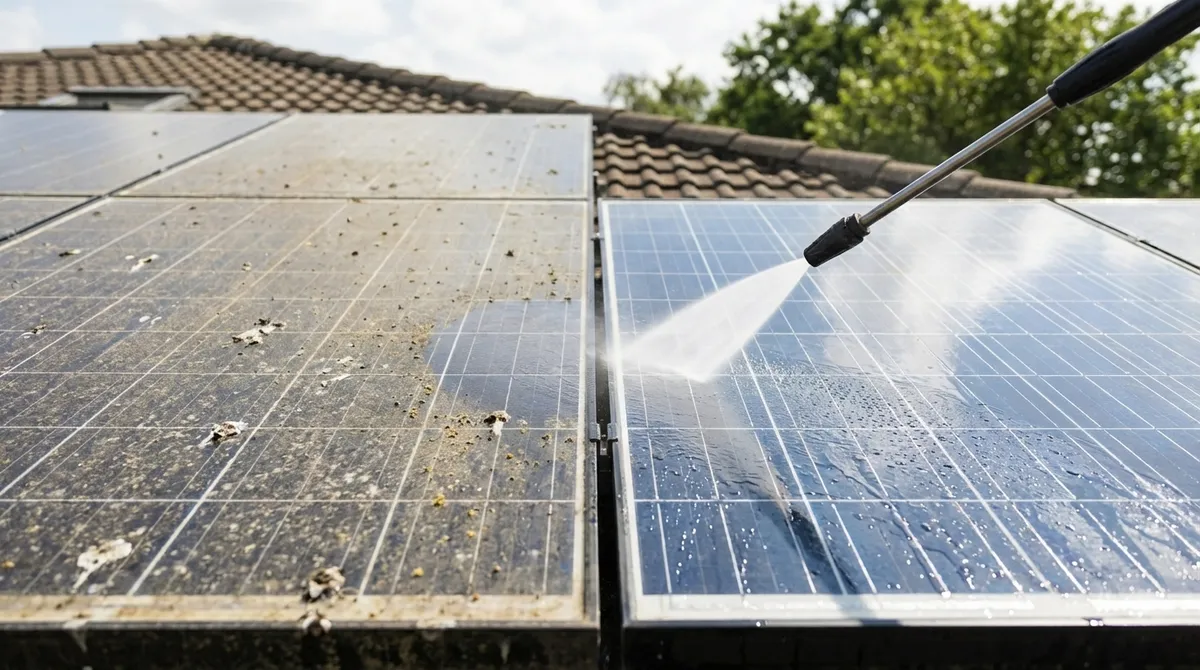
Solar panels function by converting sunlight into electrical energy through photovoltaic cells. When these cells are exposed to direct, unobstructed sunlight, they perform at their rated capacity. However, even a thin layer of dust or grime can significantly reduce light transmission. Research conducted by the National Renewable Energy Laboratory demonstrates that dust accumulation alone can reduce solar panel output by 7% in residential settings, with this figure climbing dramatically in agricultural or industrial areas where airborne particles are more prevalent.
The composition of debris matters considerably. Organic materials like bird droppings and tree sap contain acids that can etch panel surfaces if left unattended, creating permanent damage beyond simple efficiency loss. Pollen creates a sticky film that attracts additional dirt particles, compounding the problem exponentially. In coastal regions, salt spray leaves mineral deposits that crystallize on panel surfaces, creating stubborn barriers to light penetration. Understanding these specific contaminants helps property owners recognize why generic cleaning approaches often prove insufficient for maintaining optimal solar panel performance.
How Environmental Factors Influence Cleaning Frequency
The frequency of solar panel cleaning depends heavily on your geographic location and surrounding environment. Homeowners in arid climates with minimal rainfall may need professional cleaning every 4-6 months, as natural precipitation cannot adequately rinse away accumulated dust and sand. Conversely, properties in regions with regular rainfall may require cleaning only once or twice annually, as rain provides natural maintenance between scheduled cleanings.
|
Environment Type |
Recommended Cleaning Frequency |
Primary Contaminants |
|---|---|---|
|
Urban/Suburban |
Every 6 months |
Pollution, dust, vehicle emissions |
|
Rural/Agricultural |
Every 3-4 months |
Pollen, agricultural dust, pesticide residue |
|
Desert/Arid |
Every 4-6 months |
Sand, dust storms, minimal rain |
|
Coastal |
Every 4-5 months |
Salt spray, humidity-related grime |
|
Forested |
Every 3-4 months |
Tree sap, pollen, bird droppings, leaves |
Proximity to highways, airports, or industrial facilities accelerates contamination rates substantially. Properties near these areas experience higher concentrations of particulate matter and chemical deposits that adhere stubbornly to panel surfaces. Monitoring your system’s energy output provides valuable insight into when cleaning becomes necessary—a sudden drop of 10% or more often indicates significant soiling that requires immediate attention.
Professional Cleaning Versus DIY Approaches
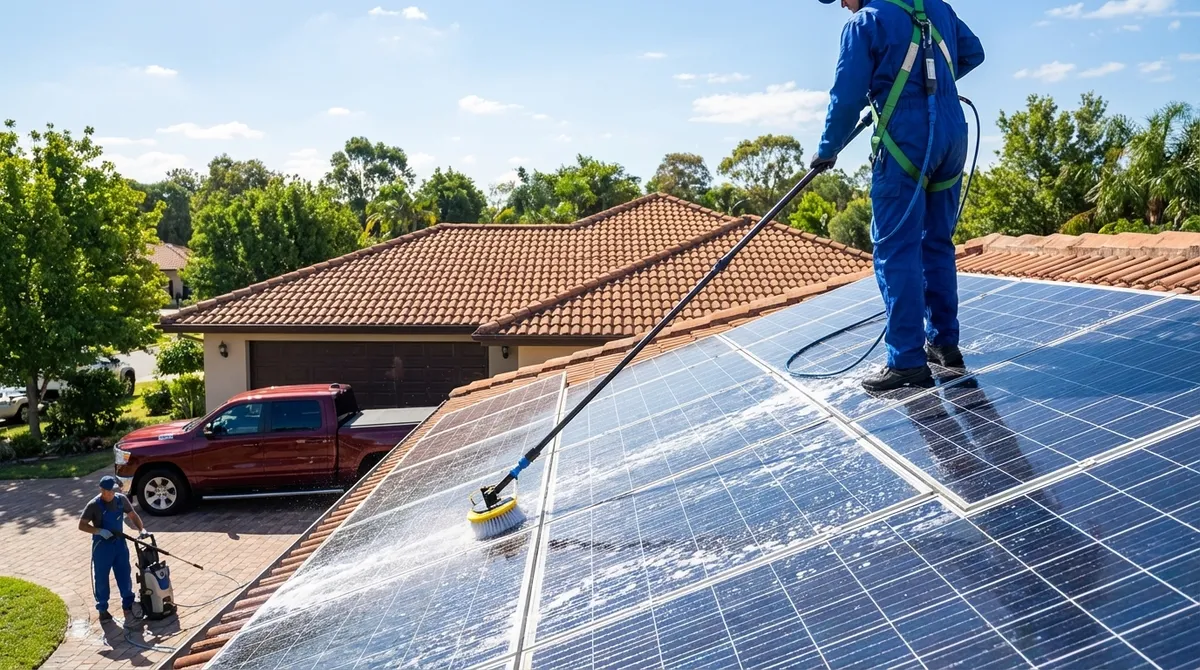
The decision between professional solar panel cleaning services and do-it-yourself maintenance involves weighing several important factors. Professional services employ specialized equipment, purified water systems, and techniques specifically designed for photovoltaic surfaces. Deionized water prevents mineral deposits during drying, while soft-bristle brushes and extension poles enable thorough cleaning without risking panel damage or personal safety. Companies like Buckhorn Power Wash utilize low-pressure washing systems that effectively remove contaminants without compromising panel integrity or voiding manufacturer warranties.
DIY cleaning can be cost-effective for single-story installations with easy roof access. However, attempting to clean panels on steep or high roofs presents serious safety hazards. Falls from roofs rank among the leading causes of homeowner injuries, making professional service a prudent choice for elevated installations. Additionally, improper cleaning techniques can cause microscopic scratches on panel surfaces, permanently reducing efficiency or creating hot spots that damage photovoltaic cells over time.
Essential Tools for Safe DIY Solar Panel Cleaning
Homeowners who choose the DIY route must invest in proper equipment to protect both themselves and their solar investment. Standard garden hoses with adjustable spray nozzles provide adequate water pressure for rinsing without causing damage. Soft-bristle brushes with extension handles allow cleaning from ground level or stable ladder positions, eliminating the need to walk on roof surfaces. Biodegradable, pH-neutral cleaning solutions formulated specifically for solar panels dissolve organic materials without leaving residues or harming panel coatings.
-
Deionized or distilled water to prevent mineral spotting
-
Soft-bristle brushes with non-abrasive synthetic fibers
-
Extension poles rated for the height of your installation
-
Squeegees with rubber blades for streak-free finishing
-
Safety harnesses and fall protection equipment for roof work
-
Biodegradable cleaning solutions designed for photovoltaic surfaces
The Optimal Time of Day for Solar Panel Cleaning
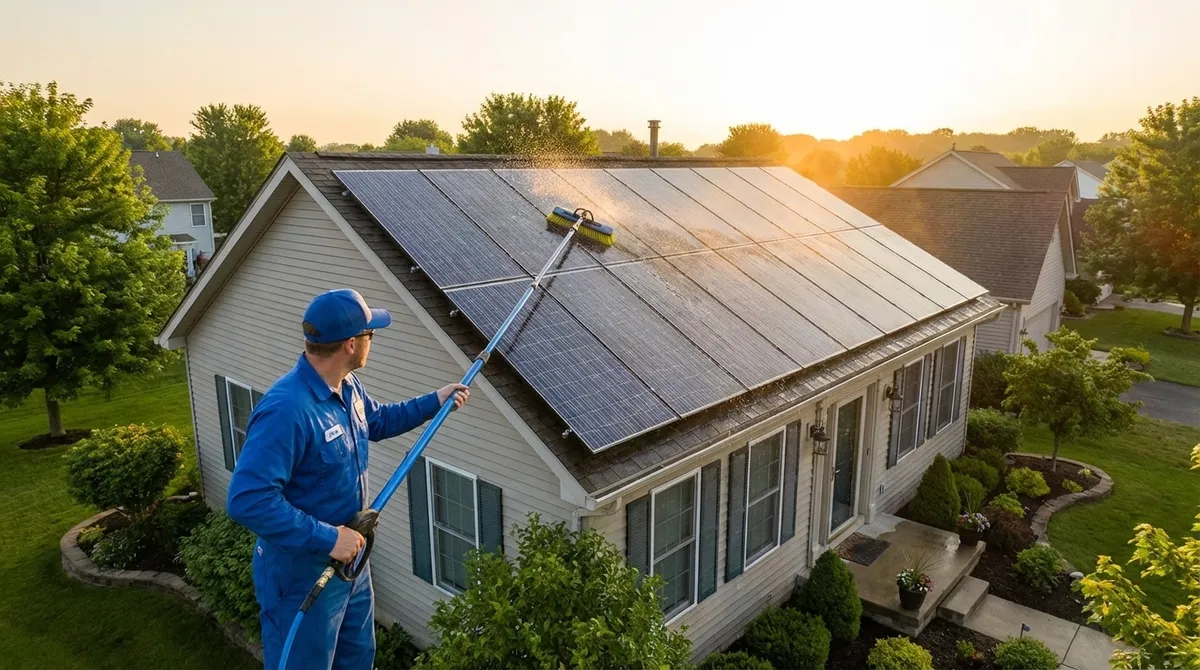
Timing significantly impacts cleaning effectiveness and safety. Early morning or late evening provides ideal conditions when panels are cool to the touch. Cleaning hot panels with cold water creates thermal shock that can crack tempered glass surfaces or damage cell connections. Additionally, cool panels dry more slowly, allowing cleaning solutions time to break down stubborn contaminants before evaporation occurs.
Overcast days offer optimal cleaning conditions by providing natural shade that prevents rapid evaporation and water spotting. The cooler ambient temperature reduces the risk of thermal stress while improving cleaning solution effectiveness. According to the U.S. Department of Energy, scheduling maintenance during mild weather conditions extends equipment lifespan and ensures thorough cleaning results that maximize energy production.
Common Mistakes That Damage Solar Panels
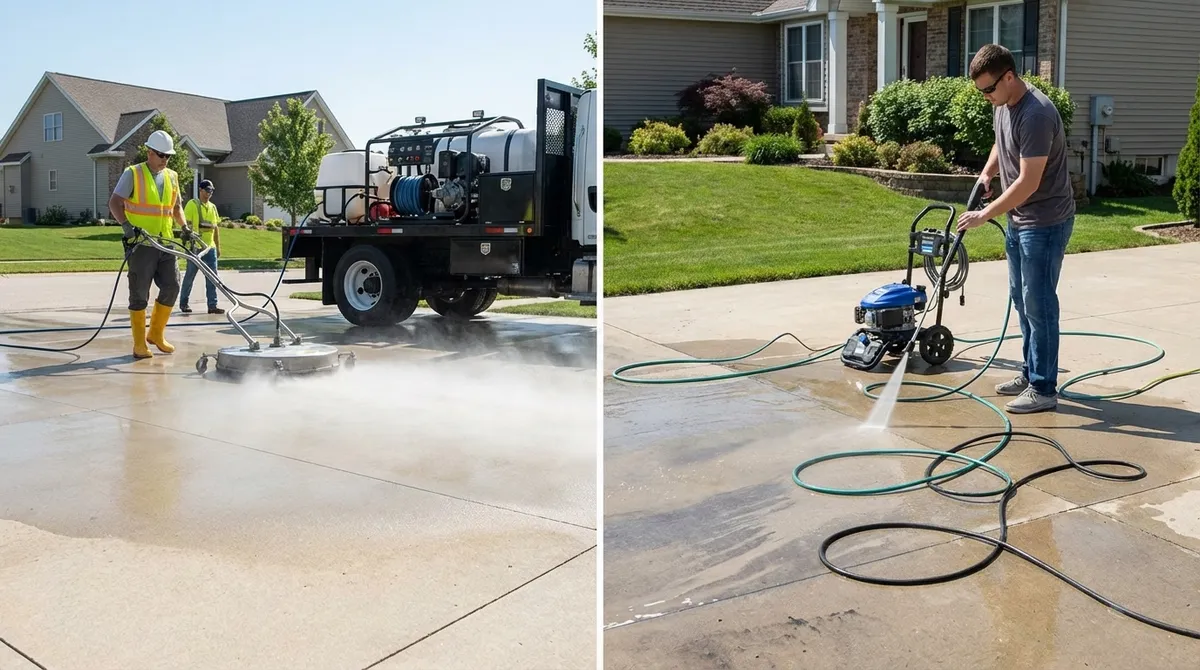
Many well-intentioned homeowners inadvertently damage their solar panels through improper cleaning techniques. Using abrasive materials like steel wool, rough sponges, or stiff-bristled brushes creates microscopic scratches that accumulate dirt more readily and reduce light transmission permanently. High-pressure washers deliver water force that can penetrate panel seals, allowing moisture infiltration that corrodes electrical connections and voids manufacturer warranties.
Chemical Products to Avoid
Harsh chemical cleaners pose serious risks to solar panel surfaces and protective coatings. Ammonia-based window cleaners leave residues that attract dirt and can degrade anti-reflective coatings applied during manufacturing. Bleach and acidic cleaners etch glass surfaces and damage the polymer materials used in panel construction. Even seemingly mild dish soaps often contain additives like degreasers and fragrances that leave films reducing panel transparency.
The National Renewable Energy Laboratory recommends using only water or specialized solar panel cleaning solutions. These products maintain the delicate balance between effective cleaning and surface protection, ensuring long-term panel performance without compromising structural integrity or efficiency.
How Weather Patterns Affect Cleaning Schedules
Seasonal weather patterns dramatically influence contamination rates and cleaning requirements. Spring typically brings heavy pollen loads that coat panels in sticky, light-blocking films requiring prompt removal. Summer thunderstorms provide natural rinsing but may also deposit minerals from rain onto panel surfaces as water evaporates. Fall introduces leaf debris and tree sap, particularly problematic for properties surrounded by deciduous trees. Winter snow accumulation usually melts away naturally, though ice formation can scratch surfaces if removed improperly.
Homeowners should schedule professional inspections following severe weather events. Hailstorms can crack panel glass, while high winds may deposit large debris requiring careful removal. Wildfire smoke contains fine particulates and oily residues that bond tenaciously to panel surfaces, necessitating specialized cleaning approaches. Monitoring system performance after significant weather events helps identify cleaning needs before efficiency losses compound.
The Financial Impact of Clean Solar Panels
The relationship between panel cleanliness and financial returns is direct and measurable. A 20% efficiency loss on a typical 6-kilowatt residential system equals approximately 1,200 kilowatt-hours of lost production annually. At average electricity rates of $0.13 per kilowatt-hour, this translates to $156 in lost savings each year. Over a 25-year panel lifespan, accumulated losses from neglected cleaning exceed $3,900, far surpassing the cost of regular professional maintenance.
|
System Size |
Annual Production Loss (20%) |
Lost Savings Per Year |
25-Year Impact |
|---|---|---|---|
|
5 kW |
1,000 kWh |
$130 |
$3,250 |
|
6 kW |
1,200 kWh |
$156 |
$3,900 |
|
8 kW |
1,600 kWh |
$208 |
$5,200 |
|
10 kW |
2,000 kWh |
$260 |
$6,500 |
Professional cleaning services typically cost between $150-$300 per session, depending on system size and accessibility. Scheduling bi-annual cleanings represents an investment of $300-$600 annually, yielding returns that justify the expense within the first year through restored efficiency and extended equipment lifespan.
Technology Solutions for Monitoring Panel Cleanliness
Modern solar monitoring systems provide real-time data on energy production, enabling proactive maintenance scheduling. Smart inverters track performance metrics and alert homeowners when output drops below expected levels. Mobile applications display production graphs comparing current performance against historical averages, making efficiency losses from soiling immediately apparent.
Some advanced systems incorporate artificial intelligence algorithms that distinguish between normal seasonal variations and abnormal drops indicating maintenance needs. These systems analyze weather data, sun angle calculations, and historical performance patterns to recommend optimal cleaning schedules customized to specific property conditions. While these technologies represent additional upfront investment, they maximize system performance and return on investment throughout the installation’s operational lifetime.
Environmental Considerations in Solar Panel Maintenance
Responsible solar panel cleaning practices minimize environmental impact while maintaining system performance. Water conservation remains paramount, particularly in drought-prone regions. Professional services often employ water reclamation systems that filter and reuse cleaning water, reducing consumption by up to 80% compared to traditional methods. Biodegradable cleaning solutions break down naturally without introducing harmful chemicals into groundwater or soil.
The timing of cleaning operations can protect local wildlife. Avoiding nesting seasons for birds and bats prevents disturbing protected species that may establish homes around solar installations. Proper disposal of runoff water containing concentrated contaminants prevents pollution of storm drains and natural waterways. These practices align solar maintenance with broader environmental stewardship principles that motivated the original investment in renewable energy.
Warranty Implications of Solar Panel Maintenance
Most solar panel manufacturers require documented maintenance to honor warranty claims. Failing to clean panels according to manufacturer specifications may void performance guarantees, leaving homeowners responsible for premature equipment failures or efficiency degradation. Professional cleaning services provide detailed maintenance records including dates, methods used, and before-and-after performance measurements that satisfy warranty requirements.
Some manufacturers specify particular cleaning intervals, approved cleaning solutions, or certified service providers. Reviewing warranty documentation before establishing a maintenance schedule ensures compliance with all terms and conditions. The investment in professional services that meet manufacturer standards protects the substantial financial investment represented by solar panel systems.
Regional Considerations for Hillsborough County Homeowners
Florida’s unique climate presents specific challenges for solar panel maintenance. High humidity promotes organic growth including algae and mildew that can permanently stain panel surfaces if not addressed promptly. Frequent afternoon thunderstorms provide natural rinsing but also deposit minerals and pollen stirred up by weather systems. Hurricane season brings salt spray from storm surge and debris from high winds requiring post-storm inspections and cleaning.
Local expertise matters significantly in this environment. Companies familiar with regional conditions, like Buckhorn Power Wash, understand the specific contaminants affecting Florida solar installations and employ techniques proven effective in subtropical climates. Their experience with local building codes, safety regulations, and environmental conditions ensures compliant, effective maintenance that maximizes system performance year-round.
Long-Term Benefits of Consistent Maintenance
Regular cleaning extends beyond immediate efficiency gains to provide long-term system protection. Removing contaminants before they bond permanently to panel surfaces prevents etching and staining that reduce transparency over time. Consistent maintenance allows early detection of physical damage, loose connections, or developing issues that could escalate into expensive repairs if left unaddressed.
Clean panels operate at lower temperatures than soiled panels, reducing thermal stress on photovoltaic cells and electronic components. This temperature reduction extends equipment lifespan and maintains performance specifications throughout the system’s operational lifetime. The cumulative effect of these benefits substantially increases the overall return on investment for solar installations, making regular cleaning one of the most cost-effective maintenance practices available to system owners.
Ready to maximize your solar panel efficiency and protect your investment? Get an Instant Quote for professional solar panel cleaning services today. Our experienced team ensures your system operates at peak performance while maintaining manufacturer warranty compliance. Visit our Google Business Profile to see what satisfied customers throughout Hillsborough County are saying about our reliable, professional service.
FAQs
Q: How often should solar panels be professionally cleaned?
A: The recommended frequency depends on environmental conditions. Most residential systems benefit from professional cleaning every 6 months, though properties in dusty, agricultural, or coastal areas may require service every 3-4 months. Monitoring your system’s energy output helps identify when cleaning becomes necessary—a sudden drop of 10% or more typically indicates significant soiling requiring attention.
Q: Can I clean my solar panels myself or should I hire professionals?
A: DIY cleaning is feasible for ground-level or easily accessible installations using proper techniques and equipment. However, professional services are recommended for elevated installations due to safety concerns and the risk of damaging panels with improper methods. Professionals use specialized equipment including deionized water systems and low-pressure washing that prevents warranty violations while ensuring thorough, safe cleaning.
Q: What is the cost difference between dirty and clean solar panels?
A: Dirty solar panels can lose 15-25% of their energy production capacity. For a typical 6-kilowatt residential system, this translates to approximately $156 in lost savings annually at average electricity rates. Over a 25-year panel lifespan, neglected cleaning can result in accumulated losses exceeding $3,900, far surpassing the cost of regular professional maintenance.
Q: Will rain naturally clean my solar panels sufficiently?
A: While rain provides beneficial rinsing, it rarely removes all contaminants effectively. Bird droppings, tree sap, and stubborn mineral deposits require manual cleaning. Additionally, rain can leave mineral spots as water evaporates, potentially reducing panel efficiency. Properties in regions with regular rainfall may require less frequent cleaning, but professional service remains necessary for optimal performance.
Q: What cleaning products are safe for solar panels?
A: Only use deionized or distilled water, or specialized biodegradable cleaning solutions formulated specifically for photovoltaic surfaces. Avoid ammonia-based window cleaners, bleach, acidic cleaners, and standard dish soaps, as these products can damage anti-reflective coatings, leave residues, or etch panel surfaces. The National Renewable Energy Laboratory recommends water-only cleaning or approved solar panel solutions to maintain panel integrity and efficiency.